
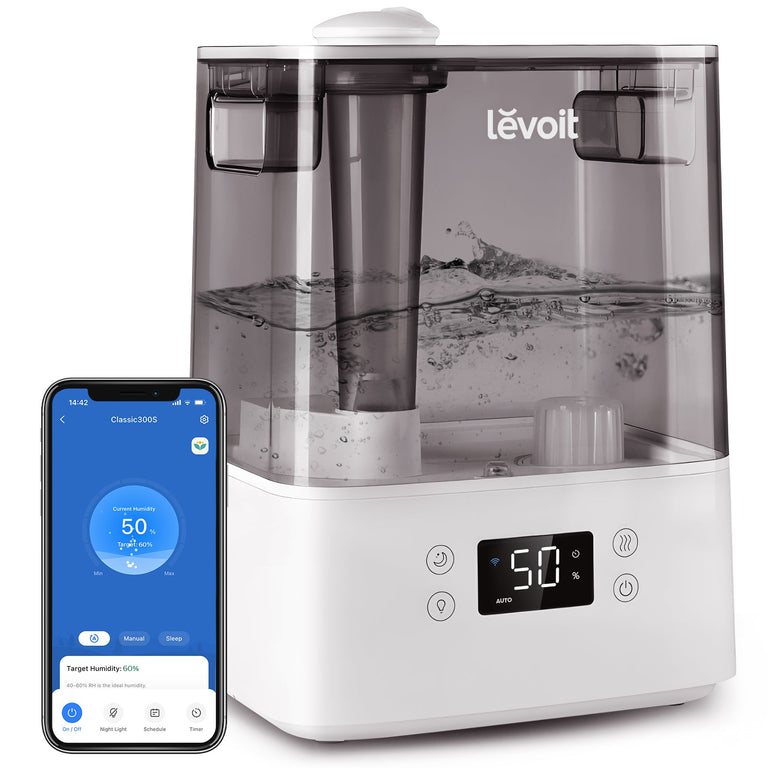
"Ever wondered where your trusty Levoit humidifiers actually comes from? You're definitely not alone! Knowing a product's origin story can tell you a lot about its quality and how ethically it's made.
So, where are Levoit air humidifiers made? The primary answer is China, with factories bustling in provinces like Fujian, Guangdong, and Zhejiang. This manufacturing base is a big part of how Levoit has become a global name with a strong spot in the market.
Like many, when I first saw Levoit humidifiers quickly becoming so popular, I was curious. Learning that their manufacturing roots are in China was just the start. It's not just where they're made, but how these production choices have built their reputation for quality that so many of us now trust in our homes worldwide."
Levoit humidifiers are made in the USA.Faux
Levoit humidifiers are primarily manufactured in China.
Levoit utilise des sites stratégiques pour la distribution mondiale.Vrai
La fabrication en Chine permet à Levoit d'être présent sur le marché mondial.
Why is Levoit Dominant in the humidifiers Market?
I still remember when I first stumbled upon Levoit. In the often-crowded world of home appliances, their humidificateurs felt like discovering a hidden gem.
Levoit has quickly become a leading name in the humidifier market, and it's easy to see why. Through strategic partnerships, a commitment to innovative technology, and a strong presence in major retail stores, they've built an impressive reputation, clearly reflected in their outstanding Amazon sales figures.
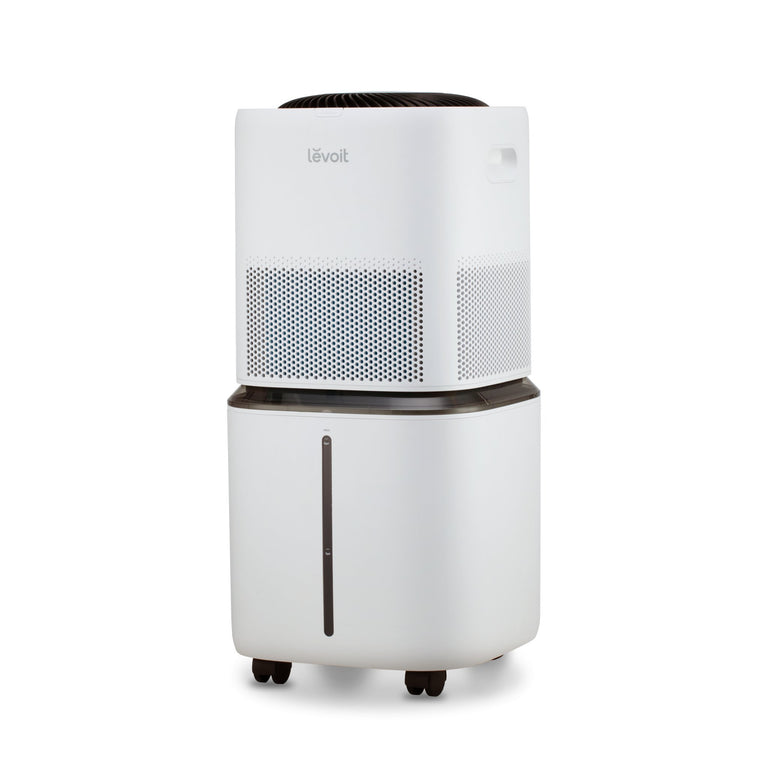
Positionnement stratégique sur le marché
You know that exciting feeling when a friend introduces you to something amazing that just clicks? That's kind of how I see Levoit's market strategy stratégie de marché1. They made a massive impact on Amazon, quickly capturing over 30% of the humidificateur market share there. Witnessing their swift expansion into retail giants like Walmart and Best Buy was like watching a rising star achieve mainstream success almost overnight.
Technologie innovante
I'm always drawn to compelling innovation stories, and Levoit's technological advancements in the humidificateur space are genuinely impressive. Their humidificateurs often feature advanced humidification technology (like ultrasonic misting or convenient top-fill designs) and smart features, striking that perfect balance for users who value both efficiency and convenience.This focus on les avancées technologiques2 les maintient à la tête du marché. Ils restent en tête. Ils le font vraiment.
Des partenariats étendus en matière de fabrication
It's fascinating how Levoit manages to meet such high demand for their humidificateurs. Their strategy involves collaborating with a robust network of manufacturers across China, primarily in the provinces of Fujian, Guangdong, and Zhejiang. This extensive network is crucial for ensuring a consistent supply of high-quality humidificateurs to customers worldwide.
| Région | Fabricants |
|---|---|
| Fujian | Multiple |
| Guangdong | Plusieurs |
| Zhejiang | Nombreux |
Leadership et vision
The story of Levoit's founder, Grace, often reminds me of those visionary young leaders who dream big and make things happen. Her journey, from Los Angeles to establishing a globally recognized brand, is truly inspiring. Under her guidance, Levoit successfully went public in Hong Kong in 2020, a testament to what strong leadership can achieve.
Approche centrée sur le consommateur
What I particularly admire about Levoit is their unwavering commitment to their customers. They actively listen to feedback and thoughtfully incorporate it into their product development for humidificateurs. This consumer-centric approach results in user-friendly designs and, just as importantly, builds genuine trust and loyalty with their community – qualities we all appreciate in a brand.
Reconnaissance mondiale
Levoit's success isn't just local; they've earned worldwide recognition. Thanks to consistent performance and ongoing innovation, they've become a global leader in home environment solutions, particularly with their humidificateurs. Their knack for adapting to diverse international markets is truly impressive.
Understanding these dynamics can empower you to make more informed decisions when choosing humidificateurs. If you're intrigued by Levoit's journey and how they achieve their success, exploring further resources online can offer even deeper insights.
Levoit détient plus de 30% de parts de marché sur Amazon.Vrai
Levoit a d'abord dominé Amazon avec plus de 30% de parts de marché.
Levoit est cotée en bourse à New York depuis 2020.Faux
Levoit est cotée à Hong Kong, et non à New York, depuis 2020.
How Has Levoit's Manufacturing Strategy for Humidifiers Evolved?
It's fascinating to see how a brand grows. Have you ever wondered how Levoit went from a promising newcomer to a major name in the humidificateur world we see today?
Their journey involved a smart evolution of its production strategy. Levoit strategically expanded their manufacturing network within China, forged key partnerships with major retailers, and consistently leveraged technology – all to enhance the quality of their humidifiers while managing costs effectively.
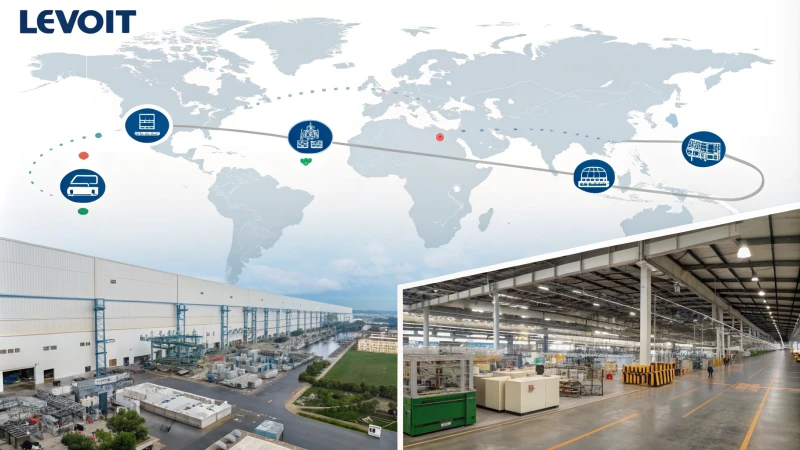
Expansion en Chine
I recall learning about Levoit's beginnings, with their initial manufacturing efforts for humidificateurs centered in Fujian, a region chosen for its logistical efficiencies. As they grew, Levoit strategically expanded into Guangdong and Ningbo (Zhejiang province). This move allowed them to tap into the distinct atouts industriels3 of each region. Fujian for its robust logistics and Guangdong for its high-tech manufacturing expertise, which is crucial for the advanced components and smart features often found in modern humidificateurs.
Influence du partenariat avec le commerce de détail
A pivotal moment for Levoit was securing shelf space for their humidificateurs in major U.S. retailers like Walmart and Best Buy. Imagine the thrill—and the immense pressure—of that sudden surge in demand! To keep up, they had to rapidly scale production. This meant forging new agreements and expanding partnerships with numerous manufacturers through a strategic élargissement du partenariat4. It must have felt like a dream realized, but it also demanded an incredible effort to maintain their high-quality standards for humidificateurs amidst such rapid growth.
Technological Integration in Humidifier Production
Levoit's commitment to technology is something I find particularly impressive. Their skill in weaving cutting-edge tech into their manufacturing isn't just for show; it's been fundamental to their success with humidificateurs. By investing in automation and rigorous quality control systems, they've consistently stayed ahead of the curve. This tech-forward approach allows them to meet evolving consumer demands for efficient and smart humidificateurs while keeping their products accessible and rentable5.
| Région | Spécialisation |
|---|---|
| Fujian | Canaux logistiques |
| Guangdong | Expertise de haute technologie |
| Ningbo | Plaques tournantes de l'industrie manufacturière |
Looking at these elements—strategic geographic expansion, responsive retail partnerships, and technological integration—it’s clear Levoit has meticulously built a robust and agile production network for their humidificateurs. This flexibility allows them to adapt swiftly to l'évolution du marché6, solidifying their reputation as a leading brand in the humidificateur space.
Dans un premier temps, Levoit a concentré sa production sur le Guangdong.Faux
Levoit's initial manufacturing base was in Fujian, chosen for logistics, before expanding to regions like Guangdong for its tech expertise relevant to humidifiers.
Retail partnerships influenced Levoit's humidifier production scaling.Vrai
Major U.S. retailer partnerships significantly increased demand, requiring Levoit to rapidly scale its humidifier production capabilities.
How Does China Influence Levoit's Humidifier Production Process?
Have you ever wondered how your favorite Levoit humidifier is made? Its journey starts in China—where the bulk of Levoit's production happens.
Levoit relies on China to manufacture its humidifiers, with most facilities based in Fujian, Guangdong, and Zhejiang. This strategy not only keeps production costs down but also ensures fast and scalable global supply.
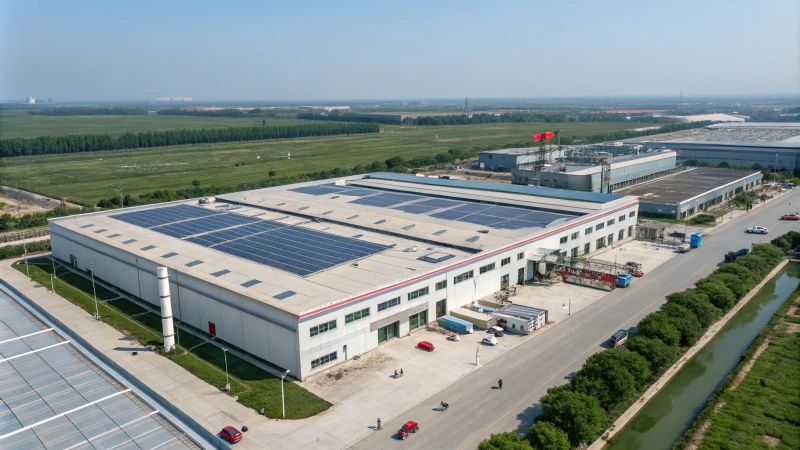
Vue aérienne de l'usine de fabrication
Centres de production en Chine
Reflecting on Levoit’s production model reminds me of my experience with HisoAir. Levoit benefits from China's robust industrial infrastructure and skilled labor, especially in Fujian and Guangdong. These locations offer efficient logistics for global distribution.
| Localisation | Avantage principal |
|---|---|
| Province de Fujian | Proximité des ports |
| Guangdong | Main d'œuvre qualifiée |
Economies d'échelle
China’s capacity for mass production is unmatched. At HisoAir, we saw significant cost savings through high-volume manufacturing. Levoit uses this same principle to offer competitively priced, high-quality humidifiers.

Impact sur la chaîne d'approvisionnement
Initially, managing the supply chain was complex, but China's geography simplifies logistics. Levoit collaborates with large US retailers like Walmart et Best Buy. These partnerships are vital to maintaining Levoit's strong brand presence.
Influences géopolitiques
Trade issues and tariffs pose occasional challenges. These factors could affect Levoit’s pricing structure, making it critical for consumers to stay informed.
Vous souhaitez savoir comment le rôle de la Chine affecte d'autres marques mondiales ? Explorer cette analyse7 pour un aperçu détaillé de la production internationale.
Levoit fabrique uniquement dans le Guangdong.Faux
Levoit possède des usines à Fujian et à Guangdong, et pas seulement à Guangdong.
Les droits de douane imposés par la Chine pourraient avoir une incidence sur les prix pratiqués par Levoit.Vrai
Les tensions géopolitiques telles que les tarifs douaniers peuvent avoir un impact sur les coûts des produits de Levoit.
Les sites de production de Levoit posent-ils des problèmes éthiques ?
Curious about your humidifier’s backstory? Levoit—well-known in the humidifier market—manufactures primarily in China, which raises ethical questions due to differences in labor and environmental standards.

Comprendre l'empreinte industrielle de Levoit
Levoit humidifiers are made primarily in Fujian et Guangdong8. areas known for high-volume production but also varying regulatory standards.
| Localisation | Activité principale | Préoccupations |
|---|---|---|
| Fujian | Pôle de production | Pratiques de travail |
| Guangdong | Production industrielle | Réglementations environnementales |
Pratiques de travail et bien-être des travailleurs
Working conditions in Chinese factories are improving but still face scrutiny. Long hours and low wages are reported concerns. Companies like Levoit are expected to vet their suppliers closely. The Organisation internationale du travail9 recommends regular factory audits to ensure fair treatment.
Impact sur l'environnement
Manufacturing humidifiers involves water and plastic components, which can strain local ecosystems if not managed properly.
| Facteur | Impact potentiel |
|---|---|
| Air Quality | Diminution de la qualité de l'air |
| Épuisement des ressources | Défis en matière de durabilité |
Ethical and environmentally sound manufacturing should be a priority for any brand.
Initiatives en matière de responsabilité sociale des entreprises (RSE)
Thankfully, Levoit has made strides in CSR. Transparency, environmental assessments, and community initiatives help address potential ethical concerns.
- Stratégies clés en matière de RSE:
- Audits réguliers de l'usine
- Évaluations des incidences sur l'environnement
- Programmes d'engagement communautaire
L'étude des meilleures pratiques du secteur permet d'améliorer les efforts en matière de RSE. C'est une aide précieuse.
Pour en savoir plus sur la manière dont les entreprises peuvent améliorer leur image de marque, cliquez ici. Efforts en matière de RSE10consulter les meilleures pratiques du secteur.
Comprendre les stratégies de Levoit sous différents angles nous aide à faire des choix qui correspondent à nos valeurs - des choix qui nous semblent justes pour nous et pour la planète.
Les produits de Levoit sont fabriqués à Fujian et à Guangdong.Vrai
Levoit fabrique principalement ses purificateurs d'air dans ces régions chinoises.
Levoit n'a pas pris d'initiatives en matière de RSE pour répondre à des préoccupations d'ordre éthique.Faux
Levoit s'engage dans des stratégies de RSE telles que des audits et des évaluations d'impact.
Conclusion
Levoit humidifiers are primarily manufactured in China, specifically in Fujian, Guangdong, and Zhejiang provinces, leveraging local expertise for quality production and global distribution.
- Découvrez comment le positionnement stratégique de Levoit a contribué à son succès dans les différents canaux de vente. ↩
- Découvrez les technologies innovantes qui confèrent à Levoit un avantage concurrentiel dans le domaine de la purification de l'air. ↩
- Les avantages logistiques de Fujian permettent de mieux comprendre les choix stratégiques de Levoit. ↩
- Les partenariats avec les détaillants dictent souvent les échelles de production, ce qui éclaire la stratégie de Levoit. ↩
- Les progrès technologiques peuvent conduire à des économies de coûts, ce qui correspond à l'approche de Levoit. ↩
- Comprendre l'adaptabilité du marché peut permettre de mieux comprendre l'évolution stratégique de Levoit. ↩
- Découvrez comment les prouesses manufacturières de la Chine influencent les marques internationales dans divers secteurs. ↩
- Comprendre le paysage éthique du Fujian et du Guangdong aide les consommateurs à évaluer les pratiques de fabrication. ↩
- Les lignes directrices de l'OIT donnent un aperçu des pratiques de fabrication éthiques et des droits du travail dans le monde. ↩
- L'étude des meilleures pratiques en matière de RSE permet de comprendre comment des entreprises comme Levoit peuvent opérer de manière éthique. ↩


 English
 Français
 Español
 Italiano
 Deutsch
 Português
 Русский
 العربية
 日本語
 한국어
 Tiếng Việt

