
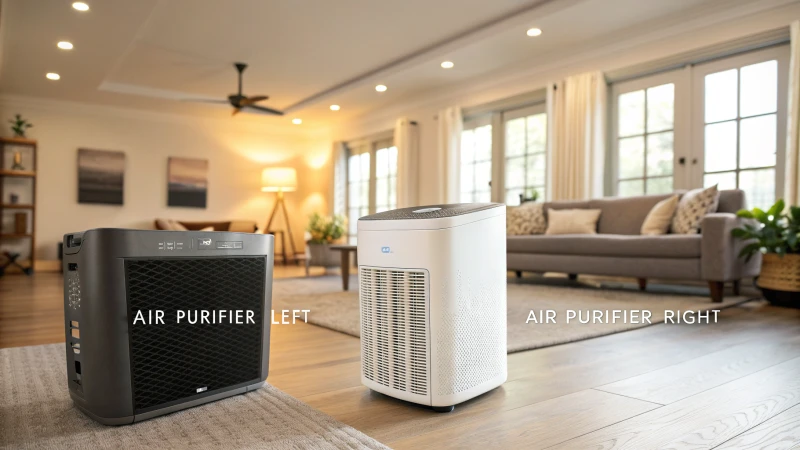
Ever thought your home could be more polluted than the street outside? It's true!
Residential air purifiers are portable and tailored for small spaces, tackling allergens like dust and pollen. Commercial units, however, are hefty, powerful, and designed for busy environments, equipped with high-end filters like HEPA to clear out even the tiniest particles.
When I first moved into my apartment, I never realized how crucial air quality was until allergy season hit me like a ton of bricks. It got me thinking about the air we breathe indoors and how it might not be as fresh as we assume. That's when I discovered that residential air purifiers are perfect for smaller spaces like mine—they’re easy to move around and great for cutting down on allergens. But if you’re managing a bustling office or a busy gym, commercial purifiers are the way to go. They're built for heavy-duty work and can handle lots of people coming and going. Let's dive deeper into what sets them apart so you can make the best choice for your needs.
Commercial purifiers are more powerful than residential ones.True
Commercial purifiers handle larger spaces and higher occupancy, needing more power.
Residential air purifiers use advanced HEPA filters.False
Residential purifiers typically use basic filters for common allergens.
What makes residential air purifiers a must-have?
Ever found yourself sneezing in your own living room?
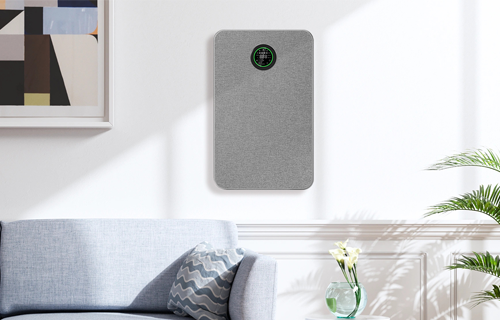
Residential air purifiers should have features like HEPA filtration, energy efficiency, noise reduction, portability, and smart technology integration. These elements ensure they capture airborne particles effectively, improving air quality and making them user-friendly.

I remember the first time I noticed how stale the air felt in my apartment. It was a revelation; the air inside was supposed to feel fresher than the smoggy city streets outside. That's when I started looking into residential air purifiers.
HEPA Filtration: The Gold Standard
High-Efficiency Particulate Air (HEPA) filters are vital in residential air purifiers. These little miracles trap at least 99.97% of airborne particles as tiny as 0.3 microns, including common indoor pollutants1 like dust and pollen. I used to have a lot of dust and pollen allergies, and installing an air purifier with a HEPA filter has made such a difference. Suddenly, the usual sniffles and itchy eyes became much less frequent.
| Feature | Description |
|---|---|
| Efficiency | Removes nearly all particulates |
| Particle Size | Captures particles ≥ 0.3 microns |
Energy Efficiency and Noise Levels
Modern air purifiers often incorporate energy-saving modes and quieter operations, which is perfect for someone like me who loves a quiet home. Choosing a model with adjustable fan speeds can significantly reduce energy consumption without compromising on performance2. Look for Energy Star ratings to ensure optimal efficiency.
| Consideration | Benefit |
|---|---|
| Energy Star | Lower electricity bills |
| Quiet Operation | Suitable for bedrooms |
Portability and Design
When I moved to a smaller apartment, I appreciated just how portable air purifiers can be. They’re compact enough to move from the bedroom to the living room with ease, allowing you to target specific rooms or areas as needed. Features like handles or wheels add convenience, fitting seamlessly into any home decor3.
Smart Technology Integration
I’m a tech enthusiast at heart, so smart features were a big plus for me. Smart air purifiers offer advanced functionalities such as app controls and real-time air quality4 monitoring. Some purifiers can be controlled via apps and adjust settings based on real-time readings—it's like having a little guardian angel looking after the air quality while I focus on other things.
| Smart Feature | Functionality |
|---|---|
| App Control | Remote operation |
| Air Quality Sensors | Automatic adjustments |
These features make residential air purifiers not just an appliance but an integral part of creating a healthier living space. Whether you're like me, seeking relief from allergies, or just want to ensure your home’s air is as fresh as it can be, understanding these key features can help you breathe easier.
HEPA filters capture 99.97% of particles ≥ 0.3 microns.True
HEPA filters are designed to capture at least 99.97% of airborne particles as small as 0.3 microns.
Smart air purifiers cannot adjust settings automatically.False
Smart air purifiers can automatically adjust settings based on real-time air quality readings.
How do commercial air purifiers tackle large spaces?
Ever walked into a large office or gym and wondered how the air feels so fresh? It’s not magic; it’s commercial air purifiers working their charm!
Commercial air purifiers effectively clean large spaces by using high-capacity fans and advanced HEPA filtration systems to capture 99.97% of particles as small as 0.3 microns, ensuring optimal air quality.

Understanding the Mechanics of Commercial Air Purifiers
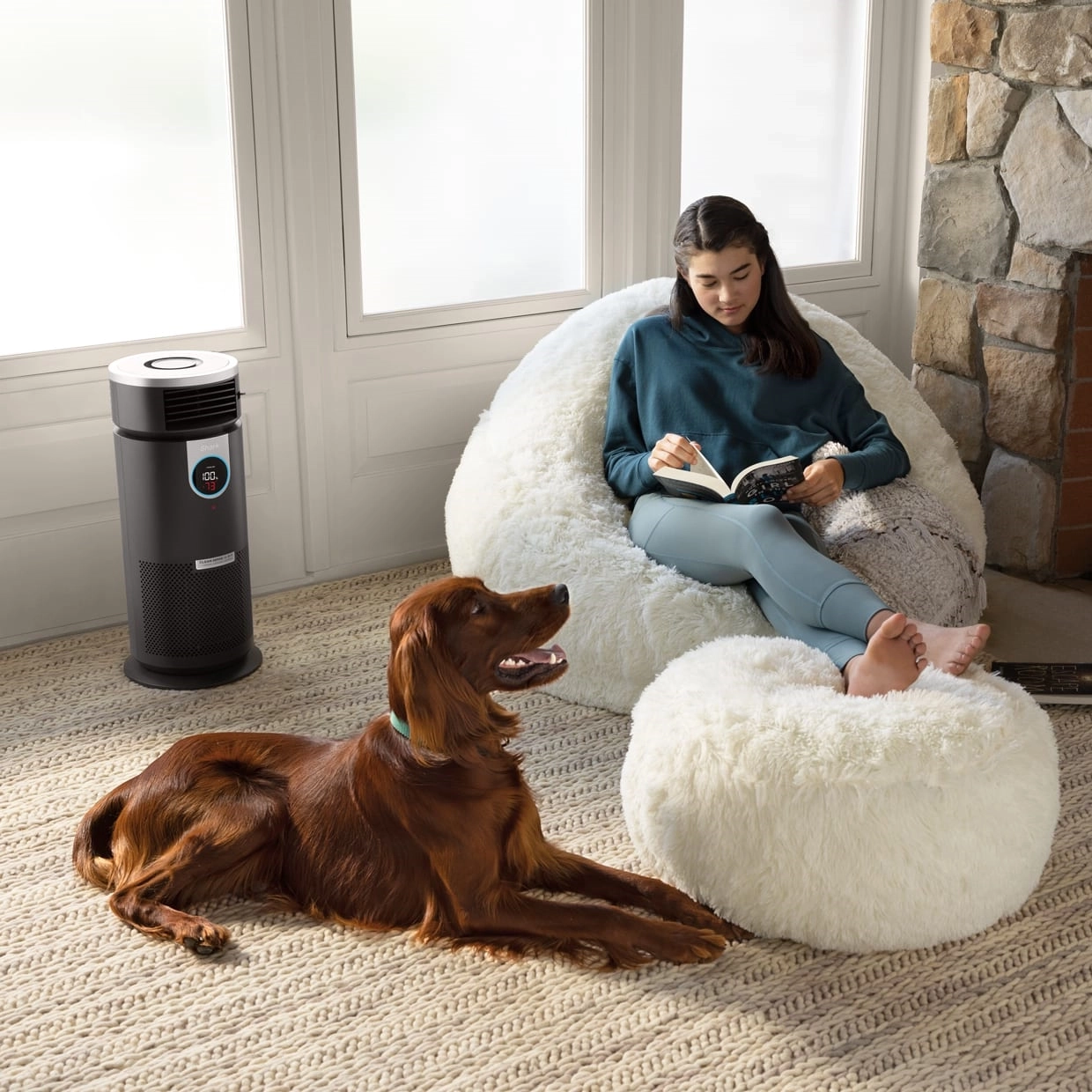
Imagine walking into a bustling office where you can actually feel the air is crisp and clean. This isn't just luck—it's the power of commercial air purifiers at work. These machines are like the unsung heroes of large spaces, equipped with high-capacity fans that ensure air circulation5 smoothly touches every corner of the room. I remember visiting a friend’s new office and being amazed at how fresh it felt despite the constant foot traffic. Turns out, they had invested in these purifiers, and it made all the difference.
Advanced Filtration Systems
The secret sauce? Their advanced filtration systems. Think of HEPA filters6 as the ultimate bouncers, letting only clean air through while capturing tiny invaders like dust, pollen, and even pesky pathogens. It's like having a microscopic security detail for your lungs. I once had an allergy flare-up that was soothed almost immediately in a space equipped with these systems—it was like breathing fresh mountain air right in the middle of the city.
| Filter Type | Efficiency | Particles Captured |
|---|---|---|
| MERV 11-13 | Moderate | Dust, Pollen |
| HEPA (MERV 17+) | High | Bacteria, Viruses |
Managing Air Flow and Coverage
These purifiers are designed for high volumes of air. Remember that time when you walked into a crowded conference room but didn’t feel suffocated? The airflow management in commercial purifiers is what makes that possible. Their powerful motors and strategically placed vents are like a dance, keeping the air moving gracefully regardless of how packed the room gets.
Smart Features and Energy Efficiency
Modern commercial purifiers are also smart cookies! They come equipped with sensors that tweak operations based on real-time air quality needs, ensuring you get the best bang for your buck in terms of energy consumption. I love how these features remind me of those sci-fi movies where everything adapts to make life easier and more comfortable.
Considerations for Placement
Placement is key! Just like how my favorite reading lamp needs to be in the right spot to light up my book perfectly, these purifiers need strategic positioning. Putting them in central locations or near pollution sources means everyone benefits from cleaner air. It's something I learned the hard way after trial and error with my own setup at home!
HEPA filters in purifiers capture 99.97% of particles.True
HEPA filters are designed to trap 99.97% of particles as small as 0.3 microns.
MERV 11 filters capture viruses and bacteria efficiently.False
MERV 11 filters are moderate, capturing dust and pollen, not viruses.
Which Air Purifier is Best for Filtration Efficiency?
When I first discovered that indoor air could be more polluted than outdoors, I was shocked. But finding the right air purifier changed everything for me.
HEPA air purifiers generally offer superior filtration efficiency, capturing 99.97% of particles as small as 0.3 microns. This makes them perfect for spaces requiring rigorous air quality control. Meanwhile, MERV-rated purifiers are ideal for home use, striking a balance between efficiency and cost.

Understanding Filtration Technologies
Choosing an air purifier wasn't easy. I remember sitting on my couch, surrounded by pamphlets and product reviews, trying to make sense of all the information. It felt like choosing a new family member, one that promised to bring fresh air into our lives. What I learned during those endless research nights was enlightening.
Air purifiers generally fall into two main categories: those with HEPA filters and those with MERV-rated filters. Deciphering these terms was like learning a new language, but once I did, it was clear how crucial they were to selecting the right purifier7 for my needs.
-
HEPA Filters: These filters are the superheroes of the air purification world, capturing at least 99.97% of particles as small as 0.3 microns. They're the choice for anyone dealing with allergies or living in high-pollutant areas. I ended up getting one for our baby's room because peace of mind is priceless, especially when it comes to your little one's health.
-
MERV Ratings: The Medium Efficiency Reporting Value (MERV) scale ranges from 1 to 20. When I read that residential purifiers typically range from MERV 11 to 13, capturing up to 75% of small particles, it made me think of my budget-conscious friend who swears by his MERV-rated purifier.
Comparing Efficiency: HEPA vs. MERV
| Filter Type | Particle Capture Efficiency | Ideal Use Cases |
|---|---|---|
| HEPA | 99.97% at 0.3 microns | Medical settings, high-pollutant areas |
| MERV 11-13 | Up to 75% at smaller particles | Residential homes, smaller spaces |
HEPA filters are often the go-to for environments where airborne particulates pose significant health risks. Meanwhile, MERV-rated purifiers8 provide a cost-effective solution for typical indoor environments, efficiently capturing larger particles.
Considerations Beyond Filtration
Finding the right purifier is about more than just numbers and ratings. It's about understanding what fits into your life and home.
- Size and Power: I learned that a larger unit wasn't always better; our small apartment couldn't accommodate the behemoth I originally had my eye on.
- Maintenance Requirements: Both HEPA and MERV filters need regular care to work effectively—like how a car needs oil changes to run smoothly.
- Cost and Energy Consumption: My budget had a say in this decision too. HEPA systems tend to be pricier and consume more energy, while MERV purifiers fit comfortably into my monthly budget, offering a more economical choice9.
Making an Informed Choice
Deciding on an air purifier came down to understanding our specific needs at home. If you're battling allergies or just want better air for your family in a typical home setting, a MERV-rated purifier might do the trick. However, for places needing stricter air quality control—like if you have asthmatics at home or live in a heavily polluted area—investing in a HEPA filter could be worth every penny.
Assessing these factors has been crucial for me in creating a healthier living environment—something I didn’t fully appreciate until I noticed the difference it made in our daily lives.
HEPA filters capture 99.97% of particles at 0.3 microns.True
HEPA filters are highly efficient, capturing nearly all small particles.
MERV-rated filters capture 99.97% of particles at 0.3 microns.False
MERV filters capture up to 75% of such particles, not as efficient as HEPA.
What Should You Consider When Choosing Between the Two?
Choosing between two appealing options can feel like standing at a crossroads, unsure which path leads to the best destination. But fear not, I'm here to help you navigate this decision-making journey.
When choosing between two options, it's crucial to weigh factors like purpose, cost, and functionality. Assess each option’s strengths and weaknesses, ensuring they align with your personal or professional goals.

Purpose and Need Alignment
Let’s start by figuring out what you really need and want. Picture this: I once spent ages choosing between two laptops. One was a sleek design marvel, perfect for impressing clients in meetings. The other was a powerhouse machine that could handle any task I threw at it without breaking a sweat. It all boiled down to what I needed most—style or substance?
Cost and Budget
Ah, budget—our ever-present friend. You need a clear idea of how much you can spend, including the sneaky hidden costs that might pop up later. Here's a simple comparison:
| Aspect | Option A | Option B |
|---|---|---|
| Initial Cost | High | Medium |
| Maintenance | Low | High |
I remember saving up for months only to find out the maintenance costs of my choice were through the roof. Lesson learned: always look beyond the sticker price!
Functional Efficiency
Consider how well each option performs under your specific conditions. Take air purifiers, for instance—some are champs at removing specific pollutants10, which is a lifesaver if you're allergy-prone like me.
Long-Term Implications
Think long-term. I once picked a cheaper option that ended up guzzling electricity and ramping up my utility bills. Keep an eye on factors like energy consumption and environmental impact. What looks good now might cost more down the road.
User Reviews and Expert Opinions
Don’t just take my word for it—dig into user reviews and expert advice. Online reviews have saved me from many a regrettable purchase! Explore expert reviews11 to get a well-rounded view.
Each of these factors plays a unique role in your decision-making process. By systematically evaluating them, you can make a choice that not only meets your needs but also feels right for you.
Initial cost is the only factor to consider when choosing options.False
Besides initial cost, factors like maintenance and efficiency matter.
User reviews can provide practical insights into product performance.True
Reviews offer real-world experiences and highlight potential issues.
Conclusion
Residential air purifiers are portable and designed for small spaces, while commercial units are powerful, suited for larger areas with high occupancy, utilizing advanced HEPA filtration.
-
Learn why HEPA filters are considered the gold standard in air purification. ↩
-
Explore how energy-efficient models save on electricity without losing performance. ↩
-
Understand the advantages of having a portable purifier in your home. ↩
-
Discover the technology behind real-time air quality monitoring in smart purifiers. ↩
-
This link explains how commercial air purifiers distribute clean air across large spaces efficiently. ↩
-
Learn why HEPA filters are crucial for capturing small particles in commercial settings. ↩
-
Learn how to choose the best air purifier based on room size and specific air quality needs. ↩
-
Discover how MERV-rated purifiers efficiently handle common indoor pollutants. ↩
-
Explore affordable options for maintaining indoor air quality without breaking the bank. ↩
-
This link highlights air purifiers optimized for removing particular pollutants, such as allergens or VOCs, helping narrow choices based on health needs. ↩
-
Explore expert evaluations to understand the strengths and weaknesses of various air purifier models available in 2023. ↩

 English
 Français
 Español
 Italiano
 Deutsch
 Português
 Русский
 العربية
 日本語
 한국어
 Tiếng Việt

