

Have you ever thought about the origin of your Shark air purifier? Let's explore!
Shark air purifiers usually come from factories in China and Vietnam. These countries offer great manufacturing skills. Production here helps avoid extra taxes. This means prices stay low. Quality remains high. Customers benefit from this approach.
I remember the first time I opened my Shark air purifier, wondering about its journey to my home. This gadget comes from China and Vietnam. Knowing this helps me see the hard work from around the world in creating such clever machines. These places are not just random spots on a map. They are part of a smart plan by Shark to keep costs low and quality high. Their factories are strong and they manage taxes wisely.
There's more than just where it's made. Shark's plan also responds to the big rise in demand during the COVID-19 pandemic, especially in the United States. It's interesting how Shark, famous for vacuum cleaners, moved into air purifiers. They used their big network and new ideas in making stuff. Every time I breathe cleaner air, I remember this global teamwork. It brings top performance. Always top-notch performance.
Shark air purifiers are made in the USA.False
Shark air purifiers are primarily manufactured in China and Vietnam.
Shark uses global manufacturing to avoid tariffs.True
Manufacturing in China and Vietnam helps Shark avoid potential tariffs.
Why Did Shark Choose China and Vietnam for Manufacturing?
Have you ever thought why Shark chose to produce goods in China and Vietnam?
Shark picked China and Vietnam to produce goods. The reason for this choice is the low expenses. Workers have great skills in these countries. The supply networks are advanced. They also offer benefits related to tariffs. These areas give a smart mix of money and delivery benefits.
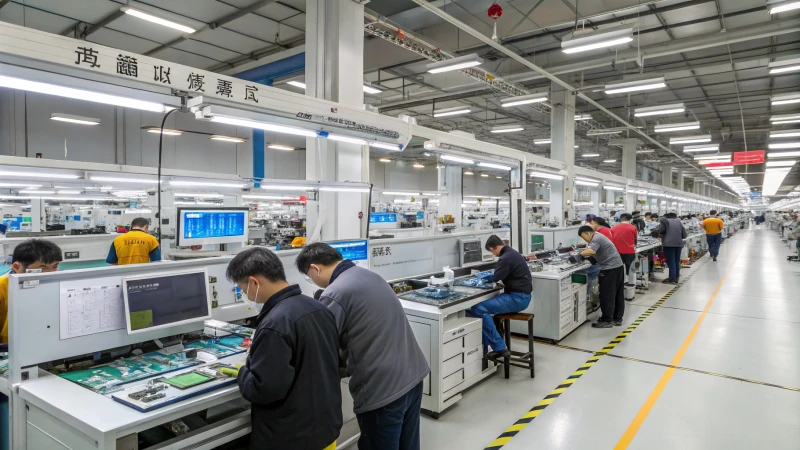
Affordable Production
When I think about Shark's choice to produce goods in China and Vietnam, it feels very familiar. I had a similar experience with HisoAir. Selecting the right place to create your product involves more than just moving goods; it's a well-planned strategy. Each decision is like fitting a puzzle piece into the overall vision.
Manufacturing in China and Vietnam offers significant cost savings. Factories there provide access to affordable labor1 and important raw materials, crucial for our type of business. By cutting costs, our products could be sold at good prices around the world. Everyone deserves cleaner air.
Skilled Workers
Exploring China's wide experience in electronics was like uncovering a treasure. Workers there have very useful skills. Vietnam also stands out for its skilled workforce, especially in assembly processes2. This skill is essential for making our varied product lines at HisoAir quickly and correctly.
Strong Supply Chains
The strong supply chains in these areas changed everything for us. The established supply chains ensure timely delivery of components and finished products. This dependability helps us receive parts quickly, reducing lead times and enhancing product availability3, ensuring we meet market needs without delay.
Benefits of Trade Regulations
Understanding tariff benefits felt like finding a shortcut in a maze. Producing in Vietnam was particularly beneficial, mainly for products going to the U.S., as it might help avoid certain tariffs. This is important with changing trade policies, allowing us to potentially mitigate tariff impacts4.
Modern Technology
I was really amazed by the tech improvements in both nations. Both countries have invested in technological infrastructure, enhancing their manufacturing capabilities. It let us at HisoAir use new tech in making and developing products, maintaining our position as leaders in innovation by leveraging advanced technologies5.
Comparing Manufacturing Benefits:
Each place offers special benefits fitting Shark's goals of keeping costs low while producing high quality. It’s a careful balance that I value deeply as we work together to better air quality everywhere.
| Factor | China | Vietnam |
|---|---|---|
| Labor Cost | Moderate | Low |
| Supply Chain Strength | Strong | Growing |
| Tariff Advantages | Limited | High |
| Technological Edge | Advanced | Developing |
| Skilled Workforce | Highly Skilled | Skilled |
Manufacturing in Vietnam reduces tariff costs for Shark.True
Vietnam offers tariff benefits for U.S.-bound products, reducing costs.
China has a less skilled workforce compared to Vietnam.False
China is known for its highly skilled workforce in electronics.
How Did the COVID-19 Pandemic Influence Shark's Entry into the Air Purifier Market?
Recall the time when everyone hurried to get air purifiers because of the pandemic. Shark noticed the same chance. They entered the market. But what guided them to this decision?
The COVID-19 pandemic greatly increased the demand for air purifiers. People became more aware of indoor air quality. Shark reacted swiftly. The company used its strong name and key partnerships in Asia to enter this rapidly growing market.
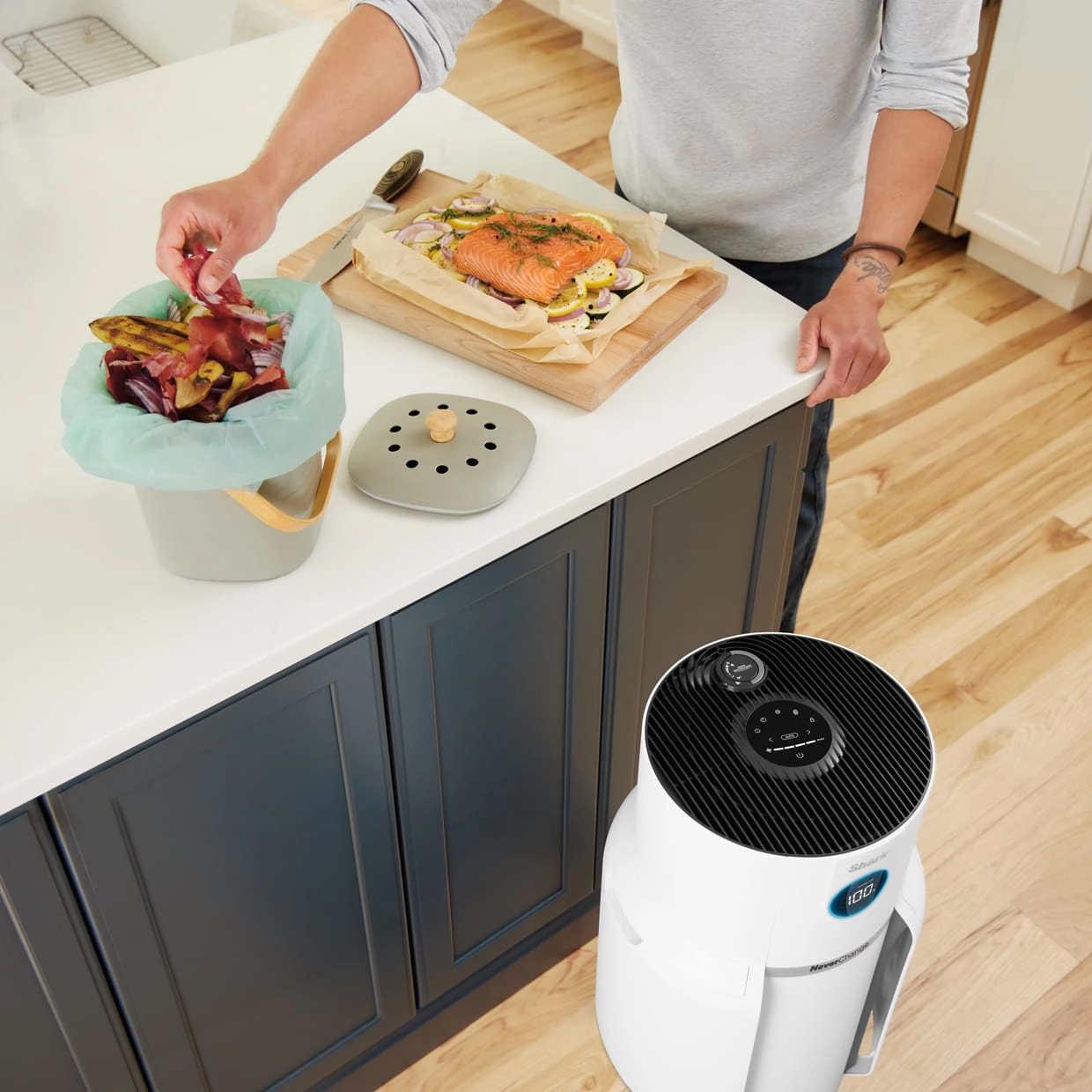
The Rising Need for Air Purifiers
In 2020, I eagerly looked for ways to guard my family at home. Air purifiers turned into everyday essentials, not just for me but for countless others. This deep concern about clean air really drove air purifier sales6 up. Shark, quick to notice, wisely expanded beyond their famous vacuum cleaner line.
Smart Manufacturing Choices
Shark's clever decision to team up with manufacturers in China and Vietnam impressed me. These places are not only production centers; they are lands of fresh ideas. By working with them, Shark could increase production quickly to meet our demand.
Here's a brief look at Shark's manufacturing strategy:
| Location | Role |
|---|---|
| Guangdong, China | Supplier Collaboration |
| Xiamen, China | Supplier Collaboration |
| Vietnam | Assembly and Production |
Shark's expanded manufacturing network was an effective strategy to deal with the uncertain supply chain troubles we've all seen during global issues like COVID-19.

Using Brand Power and Market Space
Shark has been a known name for many years. Who hasn't spotted their vacuum cleaners or the Ninja kitchen appliances7 in shops? By using this strong reputation and broad distribution networks, Shark smoothly entered the air purifier market. Their move during a health crisis shows how understanding changes in consumer desires can change business plans. It's a reminder that even when times are tough, staying flexible opens new doors.
Shark entered the air purifier market during COVID-19.True
Shark identified increased demand for air purifiers during the pandemic.
Shark manufactures air purifiers only in China.False
Shark manufactures in both China and Vietnam, not just China.
What Makes Shark Air Purifiers Stand Out in the Market?
When I discovered Shark air purifiers, curiosity sparked in me about their unique qualities in a crowded market. What exactly distinguishes them? Let's explore their remarkable features.
Shark air purifiers are special with their advanced filters, stylish look and affordable prices. They suit modern homes perfectly.
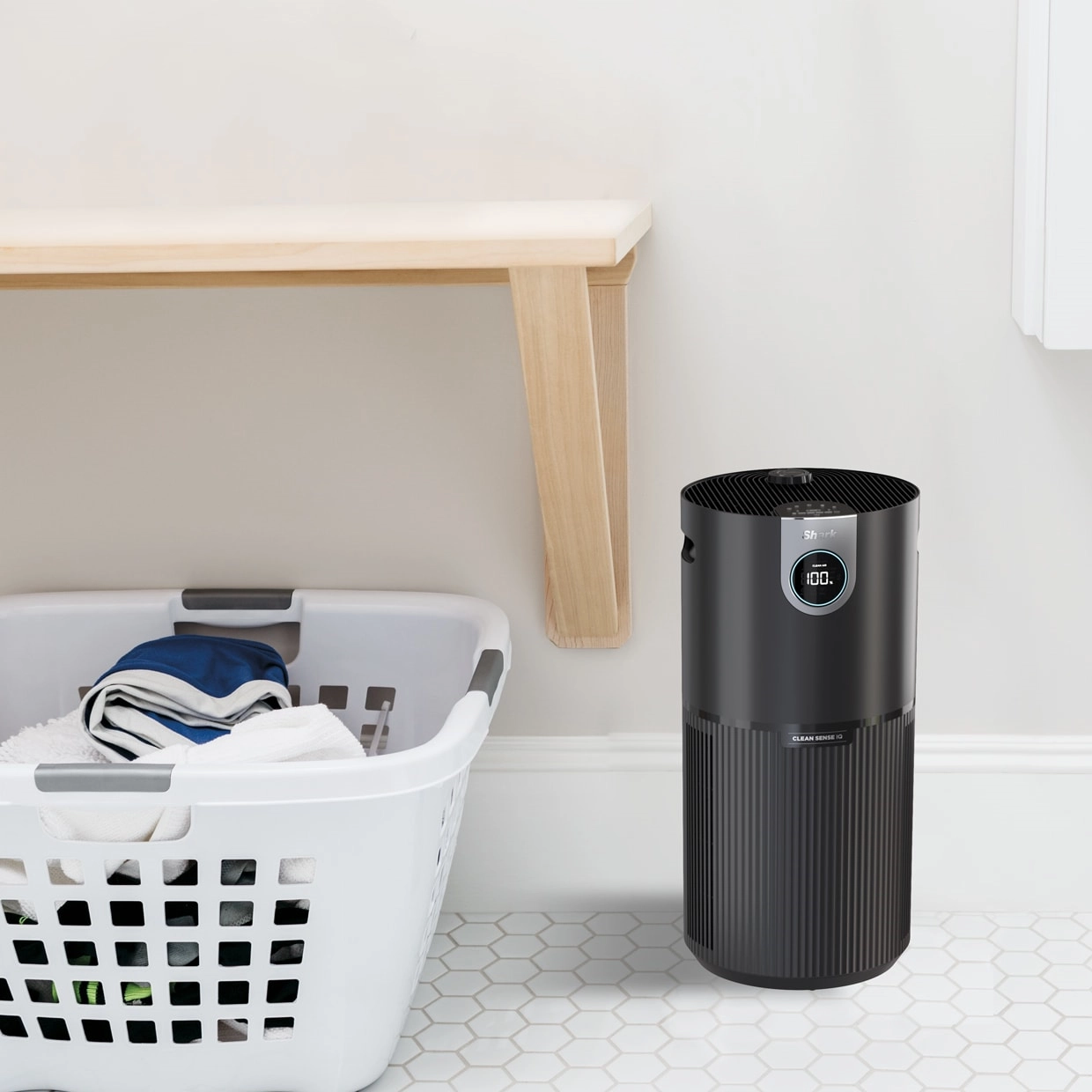
Innovative Filtration Technology
I remember my allergies getting worse, especially in spring. At that time, Shark air purifiers really helped with their advanced filters. These devices have layers of filters that catch tiny particles like pollen and dust mites. This is a huge benefit for allergy sufferers8 like me. Breathing clean air is not just about feeling good; it's about health every day.
Sleek and Modern Design
I like minimalist style in my home. The air purifiers from Shark fit easily into any room with their stylish, modern look. They serve their purpose while also adding elegance to my living area. For those who appreciate design-conscious consumers9, this is very impressive.
| Feature | Benefit |
|---|---|
| Compact Size | Easy to move and position |
| Touch Controls | User-friendly operation |
| Smart Sensors | Adjusts settings based on air quality |
Affordability and Value
Shark balances quality and cost without difficulty. Even with great features, these purifiers come at a fair price. I always feel that I get value for what I pay. This is why I would probably suggest them to anyone wanting a value for money10 smart purchase for home well-being.

Strategic Manufacturing and Distribution
I find it interesting how Shark teams up with manufacturers in places like China and Vietnam. This clever partnership helps them keep high standards while managing costs well. Smart thinking like this allows Shark to offer excellent products at reasonable prices.
For more insights on how these partnerships enhance product offerings, you can explore the global supply chain strategies11 employed by similar brands.
Responsive to Market Trends
Shark entered the air purifier business during the COVID-19 pandemic at the right time. I have seen how important indoor air quality has become. Shark's shift from vacuum cleaners to air purifiers shows they understand market needs well. This really highlights their forward-thinking nature.
This move illustrates a keen understanding of market dynamics and consumer needs, positioning them as a responsive and forward-thinking brand.
A Versatile Product Lineup
Shark provides everything from small units for tight spaces to big ones for open homes. There is an option for every lifestyle, ensuring no space is left out and there is always a suitable model for me.
By understanding these unique aspects of Shark air purifiers, consumers can make informed decisions when selecting the right model for their needs without sacrificing quality or efficiency.
Shark air purifiers use multi-layered filters.True
The multi-layered filters capture tiny particles, enhancing air quality.
Shark air purifiers are the most expensive on the market.False
They are competitively priced, balancing quality and affordability.
How Does Shark's Manufacturing Strategy Affect Product Quality?
Ever wondered how Shark keeps very high-quality products while being a global player? Let’s explore the core of their production strategy.
Shark's manufacturing plan involves working with suppliers in China and Vietnam. The company focuses on new ideas, efficient processes and smart partnerships. This way, product quality very likely improves. Costs become lower by using local knowledge.
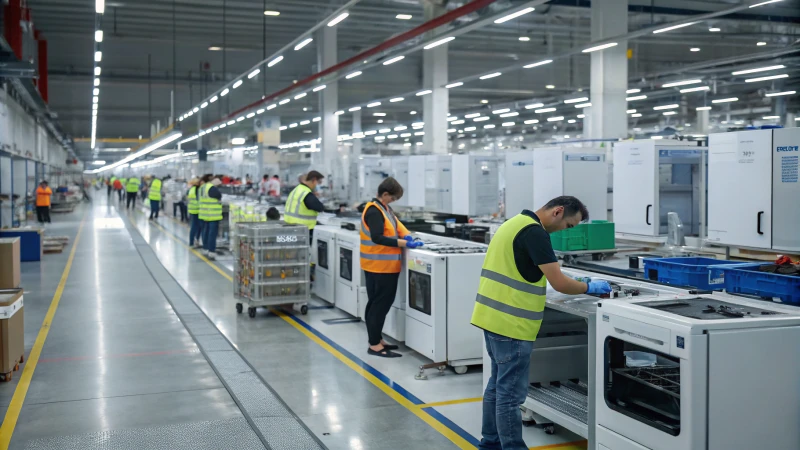
Regional Manufacturing Centers
I remember visiting Guangdong Province12 and Xiamen City for the first time. These places buzz with manufacturing talent. Shark wisely chooses these locations, leveraging China's fast supply chains to get high-quality parts. It's like asking top chefs to cook your meal, but here, they craft great air purifiers.
Vietnamese Assembly Advantage
Assembling in Vietnam is smart. By bypassing tariffs, Shark redirects savings to strong quality checks. It's like checking every ingredient in a recipe before serving it to picky customers—like us.
| Location | Strategy |
|---|---|
| China | Supplier diversity and component sourcing |
| Vietnam | Cost reduction and tariff avoidance |
Key Partnerships
I've seen projects rise through partnerships, like teaming with HIsoAire13. Not only do they gain technology benefits, but also expertise in clean air systems. It's like learning cooking from a world-class chef.
R&D and Design Blending
Shark's R&D in China and design from the US bring a global taste to their products. This combination gives the latest innovations aligned with what people really want.
Meeting Market Needs
When COVID-19 hit, Shark quickly entered the air purifier market. During those tough times, they understood our need for cleaner air. They swiftly boosted production without dropping quality, directly addressing our demands.
Learn about agile manufacturing strategies14 to see how firms like Shark adapt to market shifts.
Manufacturing in China enhances Shark's product quality.True
China offers robust manufacturing capabilities and high-quality components.
Assembling in Vietnam increases Shark's production costs.False
Vietnam assembly helps avoid tariffs, reducing overall production costs.
Conclusion
Shark air purifiers are manufactured in China and Vietnam, leveraging skilled labor and efficient supply chains to maintain quality while keeping costs low, especially during increased demand post-COVID-19.
-
Explore how affordable labor in these regions contributes to reduced manufacturing costs. ↩
-
Discover how Vietnam's skilled assembly processes enhance production efficiency. ↩
-
Understand how robust supply chains support timely product delivery. ↩
-
Learn about tariff advantages that favor assembling products in Vietnam. ↩
-
See how technological infrastructure enhances manufacturing capabilities. ↩
-
Learn about the surge in air purifier demand during COVID-19 and how it influenced market trends. ↩
-
Discover how Shark leveraged its Ninja brand to strengthen its market position. ↩
-
Explore how Shark's filtration system targets allergens, enhancing indoor air quality. ↩
-
Learn about the design elements that make Shark air purifiers visually appealing. ↩
-
Discover why customers appreciate the affordability and features of Shark air purifiers. ↩
-
Understand how strategic manufacturing partnerships benefit brands like Shark. ↩
-
Explore how Guangdong's manufacturing infrastructure supports high-quality production. ↩
-
Learn how HIsoAire contributes to Shark's product quality through advanced technologies. ↩
-
Discover how agile strategies help companies maintain quality and adapt to demand. ↩




 English
  Français
  Español
  Italiano
  Deutsch
  Português
  Русский
  العربية
  日本語
日本語  한국어
한국어  Tiếng Việt

