
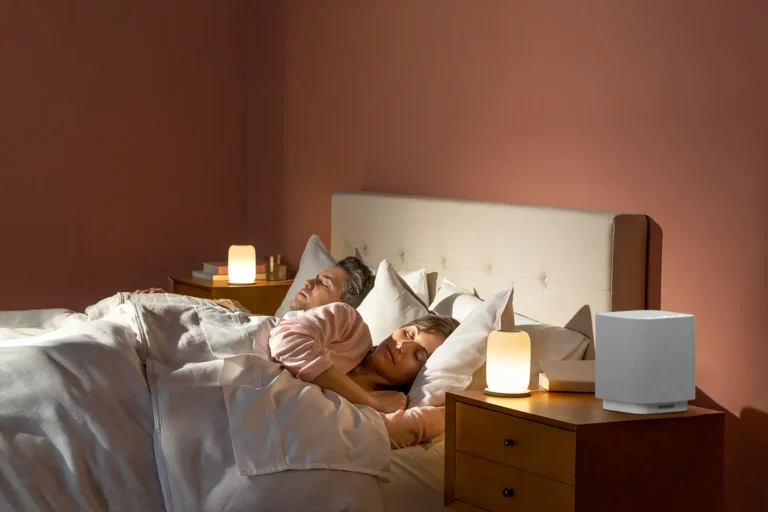

In today's world, where indoor air quality (IAQ) is increasingly recognized as a critical component of health and well-being, the demand for effective air purification solutions has never been higher. From commercial spaces like offices, hospitals, and schools to residential environments, clean air is no longer a luxury but a necessity. Businesses, in particular, are seeking reliable air purifier manufacturers that can provide high-performance, durable, and customizable solutions to meet diverse needs. This comprehensive guide delves into the leading air purifier manufacturers in the USA, offering insights for B2B and D2C buyers looking to invest in superior air quality technology.
Understanding the Air Purifier Market Landscape
The air purifier market is dynamic, driven by technological advancements, growing health awareness, and increasing concerns about airborne pollutants. Manufacturers are constantly innovating to produce devices that not only filter out particles but also address gases, odors, and even airborne viruses. For businesses, choosing the right manufacturing partner is crucial, as it impacts product quality, supply chain reliability, and ultimately, customer satisfaction. When evaluating air purifier manufacturers, key considerations include their technological expertise, manufacturing capabilities, product range, certifications, and commitment to innovation.
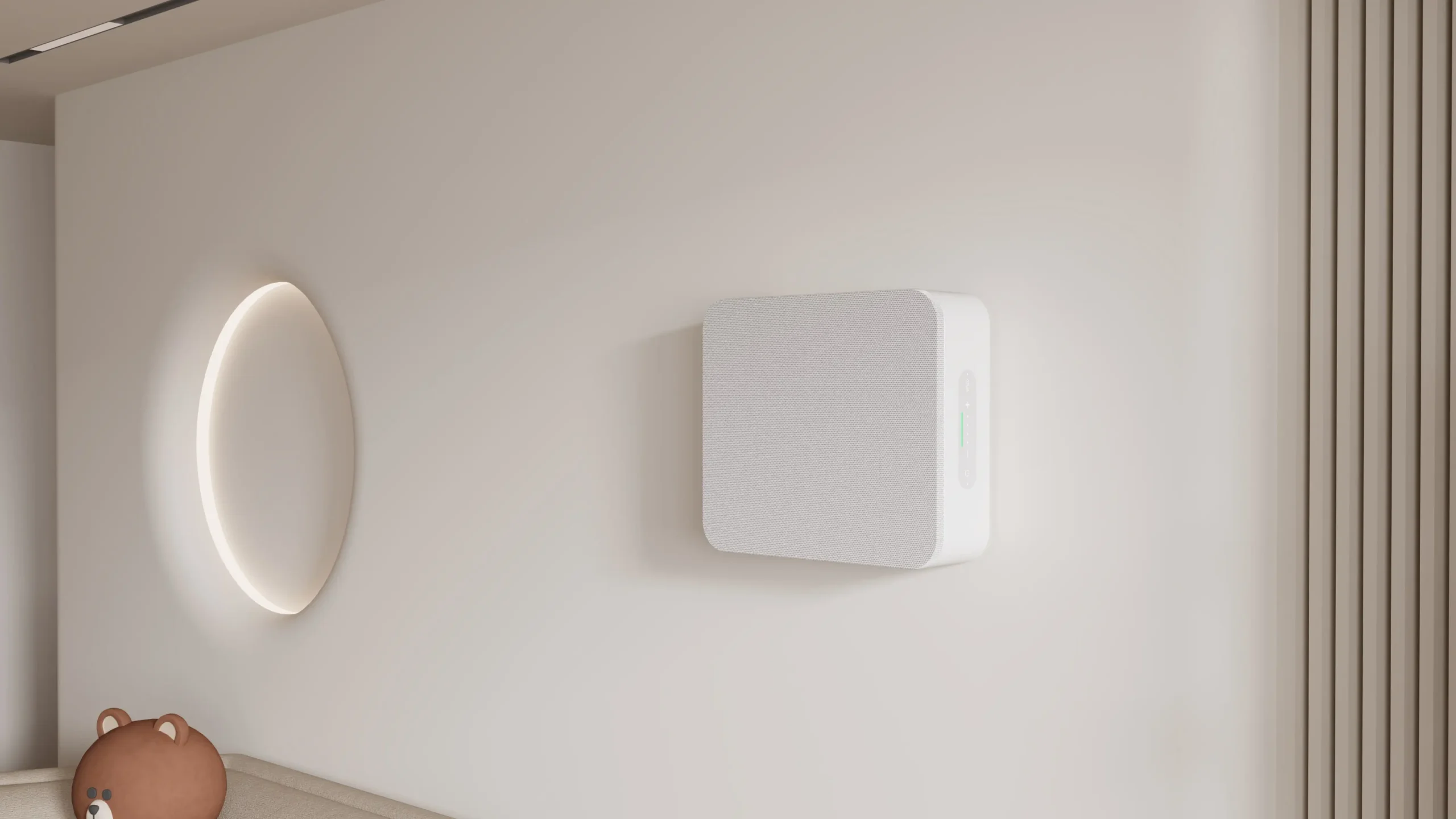
How to Choose the Right Air Purifier Manufacturer for Your Business?
Selecting a reliable air purifier manufacturer is a strategic decision for any business, whether you are a B2B wholesaler, a D2C e-commerce brand, or an entrepreneur looking to enter the indoor air quality market. The right partner can ensure product quality, supply chain efficiency, and ultimately, customer satisfaction. Here are key factors to consider:
What are the essential certifications and standards to look for?
When evaluating air purifier manufacturers, prioritize those that adhere to stringent industry certifications and standards. These include, but are not limited to, CADR (Clean Air Delivery Rate) ratings from AHAM (Association of Home Appliance Manufacturers), ENERGY STAR certification for energy efficiency, and CARB (California Air Resources Board) certification for ozone emissions. Compliance with these standards indicates a commitment to quality, safety, and performance, ensuring that the products meet regulatory requirements and consumer expectations.
Why is manufacturing capability and supply chain crucial?
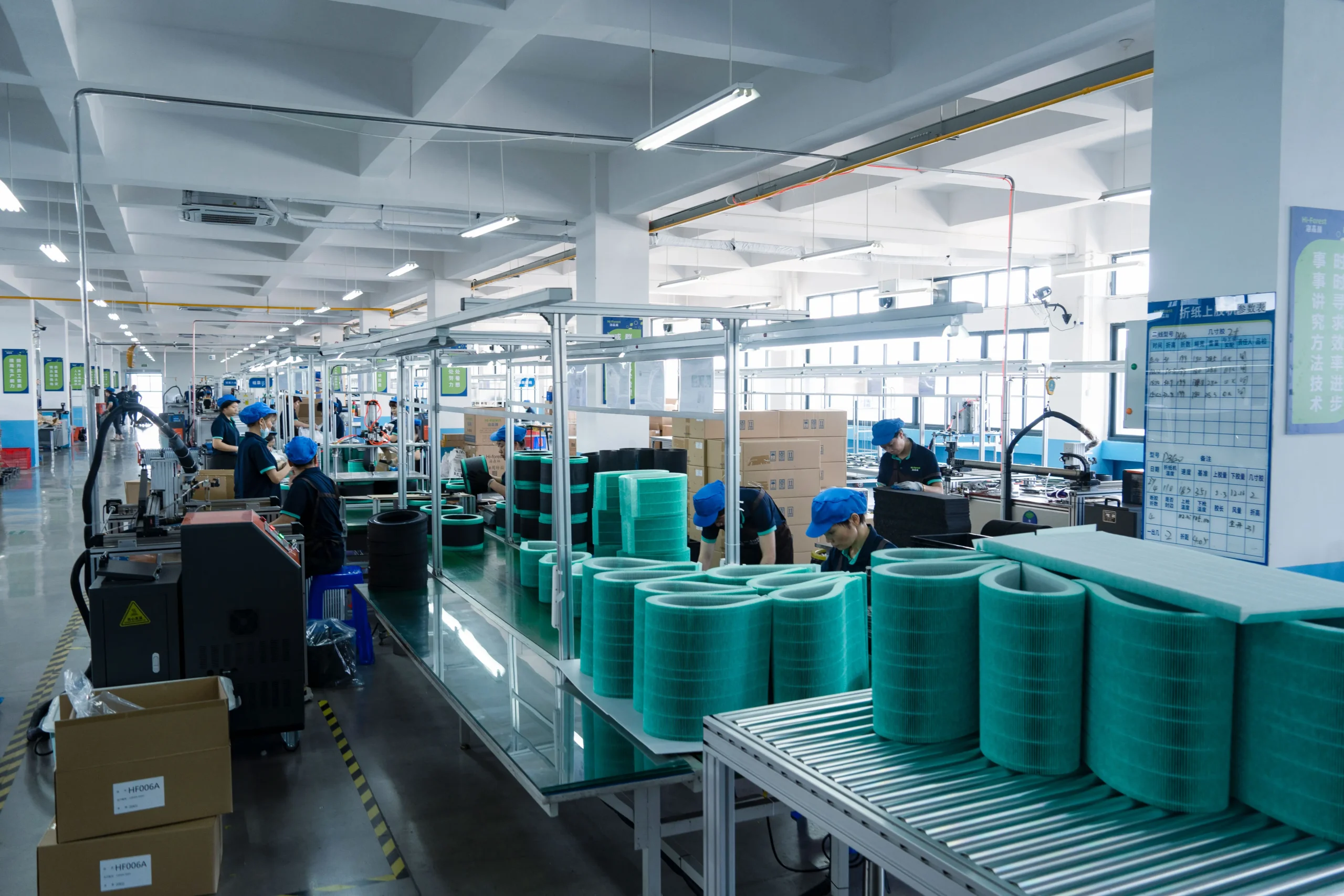
A manufacturer's production capacity and supply chain robustness are paramount, especially for businesses requiring consistent inventory. Look for air purifier manufacturers with diversified manufacturing facilities, strong quality control processes, and efficient logistics. A global presence, with factories in multiple regions, can mitigate risks associated with geopolitical issues, natural disasters, or trade tariffs, ensuring a stable and timely supply of products. This is particularly important for OEM/ODM partners who rely on manufacturers for custom solutions and timely delivery.
How important is innovation and technology in air purification?
Innovation is a key differentiator in the competitive air purifier market. Leading air purifier manufacturers invest heavily in research and development to introduce advanced filtration technologies (e.g., HEPA, activated carbon, UV-C, photocatalytic oxidation), smart features (e.g., IoT integration, AI-powered monitoring), and user-centric designs. Partnering with a manufacturer that prioritizes innovation ensures access to cutting-edge products that can meet evolving consumer demands and provide a competitive edge in the market.
What kind of customization and OEM/ODM services should you seek?
For businesses looking to build their own brand or offer unique product lines, the availability of OEM (Original Equipment Manufacturer) and ODM (Original Design Manufacturer) services is critical. A strong OEM/ODM partner can provide end-to-end solutions, from product design and engineering to manufacturing and quality assurance. This includes customizable options for branding, aesthetics, features, and even proprietary technologies, allowing businesses to create distinct products that resonate with their target audience.
Top 10 Air Purifier Manufacturers in USA
Identifying the top air purifier manufacturers in the USA involves considering factors such as market share, technological innovation, product quality, and customer reach. While many brands are popular among consumers, this list focuses on manufacturers with significant presence, innovation, and relevance to both B2B and D2C markets, including those offering OEM/ODM solutions.
1. HisoAir
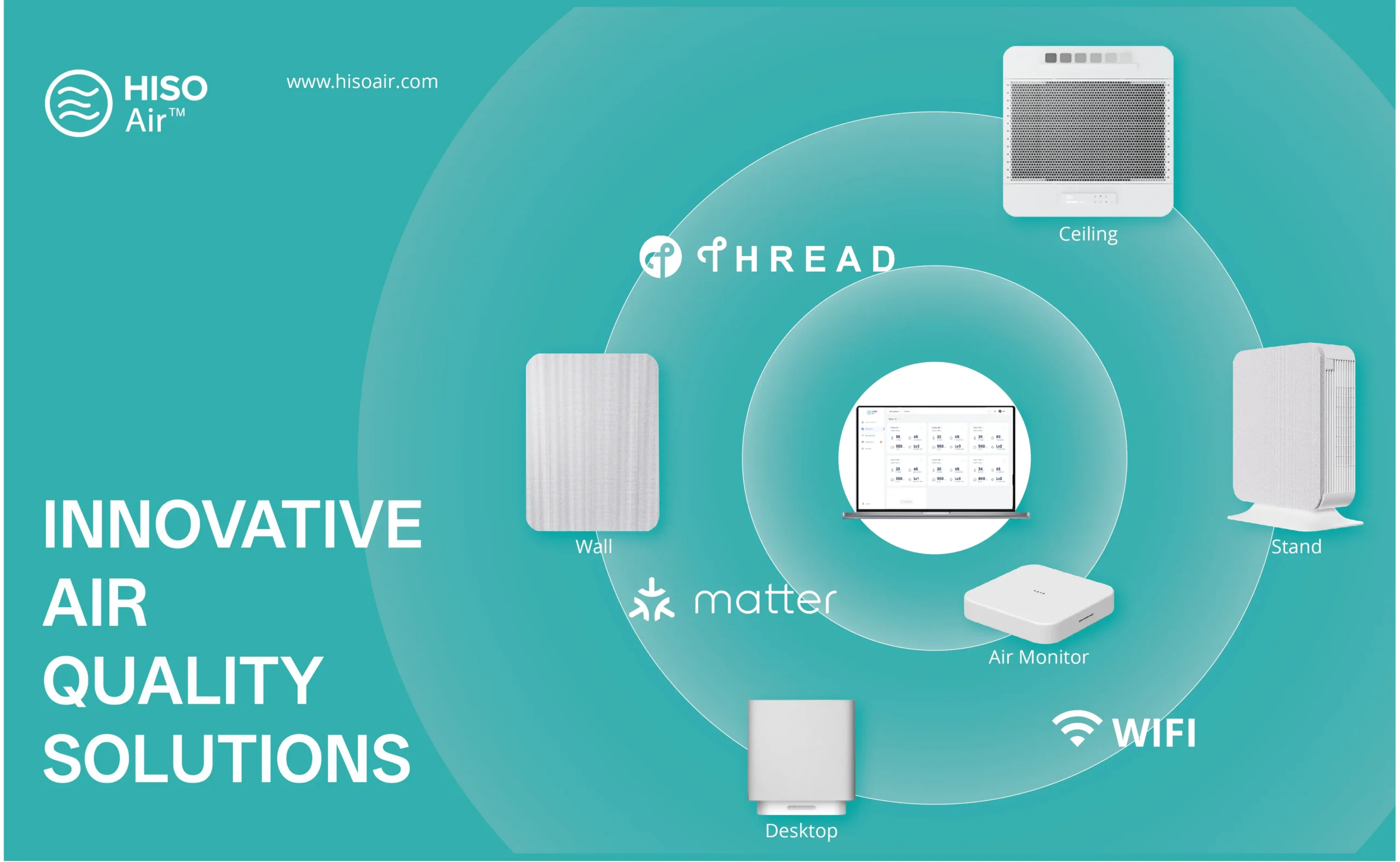
HisoAir stands out as a leading OEM/ODM expert in indoor air quality solutions, catering primarily to B2B wholesale clients. With over 20 years of experience, HisoAir operates multiple manufacturing facilities in China, Vietnam, and Thailand, ensuring a robust global supply chain. Their product portfolio includes home and commercial air purifiers, air quality monitors, and comprehensive IAQ monitoring and purification systems. HisoAir is distinguished by its commitment to premium quality, high performance, and innovative features such as ultra-quiet operation with proprietary Decibel Cancellation™ technology, smart IAQ monitoring integration, and highly customizable options. They partner with corporate buyers, e-commerce brands, and entrepreneurs, offering tailored solutions from concept to mass production, making them an ideal partner for businesses seeking to launch or expand their own air purifier lines.
2. Austin Air Systems
Austin Air Systems is a prominent US-based air purifier manufacturer renowned for its durable, high-performance air purifiers, particularly effective for smoke, chemicals, and odors. Their units are known for using large amounts of activated carbon and medical-grade HEPA filters, offering comprehensive air purification. Austin Air prides itself on manufacturing its products in Buffalo, New York, emphasizing American craftsmanship and quality. Their focus on robust filtration and long-lasting filters appeals to both residential and commercial users seeking reliable solutions for challenging air quality issues.
3. Oransi LLC
Oransi LLC is a US-based air purifier manufacturer that designs and engineers its products in the United States. They focus on creating high-performance air purifiers for homes and businesses, emphasizing clean air delivery rates (CADR) and quiet operation. Oransi's product line includes models with advanced HEPA and activated carbon filtration, targeting allergens, dust, pet dander, and VOCs. Their commitment to US-based design and engineering, coupled with a strong emphasis on customer service, makes them a notable player in the market.
4. Coway
Coway is a South Korean company that has established a significant presence in the US air purifier market. Known for its sleek designs and advanced filtration systems, Coway's Airmega series is particularly popular. Their products often feature multi-stage filtration, including HEPA and activated carbon filters, and smart features like air quality monitoring and auto mode. Coway's strong brand recognition and focus on user-friendly, effective air purification solutions have made them a top choice for consumers and businesses alike.
5. Blueair
Blueair, a Swedish company, has gained considerable traction in the US market for its innovative and stylish air purifiers. Blueair devices are known for their unique HEPASilent™ technology, which combines electrostatic and mechanical filtration to deliver high clean air delivery rates (CADR) with quiet operation. They offer a range of products from compact personal purifiers to large-room solutions, often featuring smart connectivity and elegant designs. Blueair's commitment to performance and design has made it a favorite among consumers seeking premium air purification.
6. Honeywell International Inc.
Honeywell International Inc. is a diversified technology and manufacturing company with a strong presence in the air purification market. Known for its robust and reliable products, Honeywell offers a wide range of air purifiers for both residential and commercial applications. Their products often feature HEPA filtration, activated carbon filters, and smart controls, catering to various air quality needs. Honeywell's extensive distribution network and established brand reputation make it a key player in the US market.
7. Levoit
Levoit, a brand under Vesync Co., Ltd., has rapidly become a popular choice in the US market, especially among D2C consumers. Levoit air purifiers are known for their modern design, affordability, and effective performance. They offer a range of models with HEPA filtration, activated carbon filters, and smart features accessible via a mobile app. Levoit's focus on user-friendly technology and accessible pricing has allowed them to capture a significant share of the residential air purifier market.
8. Dyson
Dyson is a British technology company well-known for its innovative and high-end home appliances, including air purifiers. Dyson air purifiers often combine air purification with other functionalities like heating or cooling, and feature advanced HEPA and activated carbon filters. Their distinctive design and smart technology, including real-time air quality monitoring and app control, position them as a premium brand in the US market. While their products are at a higher price point, their reputation for cutting-edge technology and design appeals to a segment of consumers and businesses.
9. Medify Air
Medify Air is a US-based air purifier manufacturer that has gained popularity for its medical-grade HEPA air purifiers. They focus on providing powerful filtration solutions for both residential and commercial spaces, including schools, offices, and healthcare facilities. Medify Air emphasizes high CADR ratings and multi-stage filtration systems to effectively remove pollutants, allergens, and odors. Their commitment to quality and performance, along with a strong customer service approach, has made them a trusted name in the air purification industry.
10. IQAir
IQAir is a Swiss company recognized globally for its high-performance air purification systems, particularly its HealthPro series. While not a US-based manufacturer, IQAir has a significant presence and strong reputation in the US market, especially for medical-grade and whole-house air purification solutions. Their products are known for their robust construction, multi-stage filtration (including HyperHEPA filtration), and effectiveness in removing a wide range of airborne pollutants, including ultrafine particles, chemicals, and odors. IQAir's focus on delivering superior air quality for sensitive environments makes it a top choice for those seeking premium air purification.
| Rank | Manufacturer | HQ Location | Strengths | Ideal For |
|---|---|---|---|---|
| 1 | HisoAir | Global (Factories in CN, VN, TH) | OEM/ODM expert, IAQ monitoring, Decibel Cancellation™ | E-commerce, corporate private-label |
| 2 | Austin Air Systems | Buffalo, NY, USA | Heavy-duty carbon + HEPA, made in USA | Medical, smoke, chemical filtration |
| 3 | Oransi LLC | Raleigh, NC, USA | US-engineered, quiet operation, high CADR | Premium home & small business |
| 4 | Coway | Seoul, Korea (US HQ in CA) | Sleek design, multi-stage filtration, smart features | D2C brands, lifestyle retailers |
| 5 | Blueair | Stockholm, Sweden (US HQ in IL) | HEPASilent™ tech, high CADR, quiet | Premium retail, hotels |
| 6 | Honeywell International Inc. | Charlotte, NC, USA | Broad range, global supply chain, strong brand trust | Large distributors, commercial clients |
| 7 | Levoit (Vesync) | Anaheim, CA, USA | Affordable, app-enabled, stylish | D2C mass market |
| 8 | Dyson | Malmesbury, UK (US HQ in IL) | Multi-function (purify + heat/cool), advanced sensors | Premium tech & design segment |
| 9 | Medify Air | Boca Raton, FL, USA | Medical-grade HEPA H13, high CADR | Schools, clinics, large rooms |
| 10 | IQAir | Goldach, Switzerland (US HQ in CA) | HyperHEPA, medical & whole-house solutions | Hospitals, critical environments |
B2B Sourcing Roadmap: From Research to Delivery
Step 1 – Market Fit Assessment
Define your target audience (commercial vs. residential) and key selling points (low noise, medical-grade filtration, IoT integration).
Step 2 – Supplier Shortlist & NDA
Select 3–5 manufacturers from the Top 10 list. Sign an NDA before sharing product concepts.
Step 3 – Sample & Testing
Request working samples and test for CADR, noise level, and build quality. Verify third-party certifications.
Step 4 – Negotiation & Terms
Discuss MOQ, lead times, payment terms, and after-sales support. For OEM, confirm tooling costs and IP ownership.
Step 5 – Pilot Order & Quality Control
Start with a pilot batch. Conduct random inspections (on-site or via third-party QC agencies).
Step 6 – Scale & Diversify
Once the product gains traction, expand SKUs and consider dual sourcing to reduce supply risk.
Conclusion: Partnering for a Breath of Fresh Air
Choosing the right air purifier manufacturer is a pivotal decision that can significantly impact the success of your business in the indoor air quality market. Whether you are a B2B entity seeking reliable OEM/ODM partners or a D2C brand aiming to offer high-quality products to consumers, understanding the strengths and specializations of leading manufacturers is essential. The US market is rich with innovative companies, each bringing unique advantages to the table.
By carefully evaluating factors such as technological expertise, manufacturing capabilities, product range, and commitment to quality, businesses can forge strategic partnerships that not only meet current demands but also anticipate future trends in air purification. Ultimately, investing in superior air quality solutions is an investment in health, productivity, and a cleaner, healthier future for all.

 English
  Français
  Español
  Italiano
  Deutsch
  Português
  Русский
  العربية
  日本語
日本語  한국어
한국어  Tiếng Việt

