

You're looking to manufacture in Indonesia to de-risk your supply chain1. But what if you're just trading one risk for a much bigger one? Let's look at what's really happening.
While Indonesia has domestic appliance makers like Polytron and Maspion, finding a top-tier, export-focused R&D partner2 for innovative humidifiers is extremely difficult. The landscape consists of local brands and basic assemblers, not the D2C innovation partners you're likely seeking.
You came here for a list of manufacturers. I get it. But after years in the mold and manufacturing business, I can tell you that the list itself is the wrong question to ask. Before you bet your brand's future on a specific country, we need to talk about the real risks and opportunities. What I've learned from helping countless clients might just change your entire strategy. Let's dig in.
Indonesia is projected to become the world's 4th largest economy by 2045.True
Indonesia's government and various economic institutions have set this ambitious goal, banking on demographic dividends and economic reforms.
Indonesia is the world's leading manufacturer of high-tech microchips.False
Indonesia's electronics manufacturing is focused on assembly and lower-end components, not advanced semiconductor fabrication, which is dominated by Taiwan, South Korea, and the US.
Why Are D2C Brands Suddenly Looking at Indonesia?
You keep hearing "China-plus-one" as the only way to build a resilient business. But as everyone rushes to new locations, are they asking the right questions? Let's break down the real appeal.
Direct-to-consumer brands are exploring Indonesia primarily to diversify their supply chains away from China. They are attracted by the potential for lower labor costs and access to a large, growing domestic market, viewing it as a strategy to reduce geopolitical and logistical risks.
The "De-Risking" Fallacy
I see this trend with my clients all the time. They come to me excited about a new manufacturing hub3, and right now, Indonesia is at the top of that list. The logic seems solid. You move some of your production out of China to protect your business from potential tariffs or lockdowns. It feels like a smart, defensive move.
But here's the catch I've seen play out too many times. In the rush to de-risk the supply chain, brands accidentally take on a much bigger risk: product innovation risk4. They end up partnering with a factory that can't meet their quality standards or, worse, can't help them create a product that actually stands out. Moving production is easy. Launching a product that people are excited to buy is hard. That's the risk we need to talk more about.
Indonesia offers significant tax holidays for foreign companies investing in specific 'pioneer' industries.True
The Indonesian government provides fiscal incentives, including corporate income tax reductions for up to 20 years, to attract investment in strategic sectors.
All products manufactured in Indonesia can be exported to the United States tariff-free.False
While Indonesia benefits from the Generalized System of Preferences (GSP) for certain goods, it does not have a comprehensive free trade agreement with the US, and many products are still subject to tariffs.
What's the Real Deal with Manufacturing in Indonesia?
You see the potential in Indonesia's large workforce and assume it's ready for your product. But the reality is that the country's infrastructure and skills are built for specific industries, not your niche.
Indonesia's manufacturing sector is a powerhouse for its huge domestic market, excelling in automotive, textiles, and basic home appliances. However, it generally lacks the specialized R&D, precision tooling, and export-focused engineering5 ecosystem required for innovative, high-end consumer wellness products.
Domestic Focus vs. Export Innovation
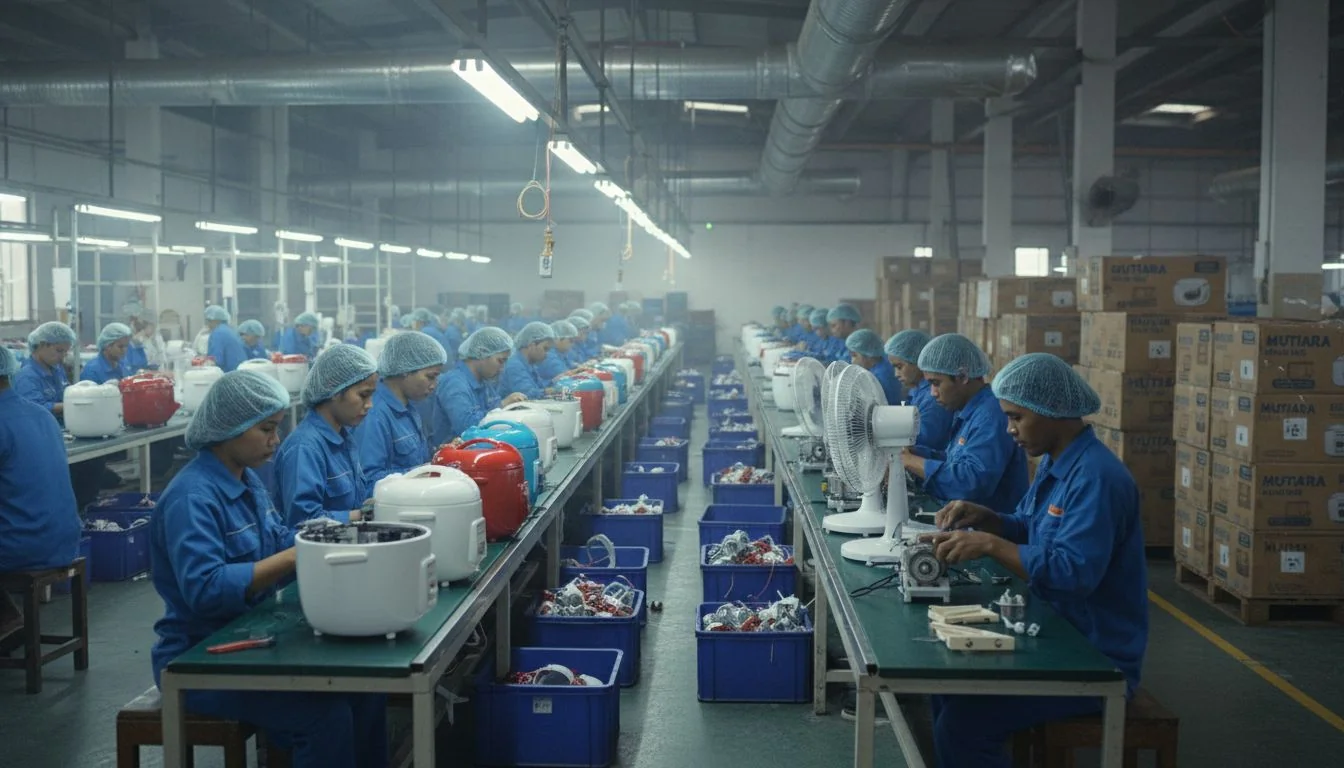
When you look under the hood of Indonesian manufacturing, you see a system built to serve its own massive population. This is both a strength and a weakness for a foreign D2C brand. I once had a client, a sharp product designer just like you, who tried to move a complex housing for a smart home device to a factory there. On paper, the cost savings were incredible.
The reality was a disaster. The factory was brilliant at churning out thousands of simple plastic buckets for the local market. But when it came to the tight tolerances and specific surface finish my client needed, they just couldn't deliver. The communication broke down over technical details. It wasn't that the factory was "bad"; its entire DNA was geared for a different purpose. This is the core issue.
| Indonesia's Strengths | Indonesia's Weaknesses for Niche D2C |
|---|---|
| Large, low-cost labor force | Lack of a deep precision engineering talent pool |
| Huge and growing domestic market | R&D is focused on local needs, not export innovation |
| Abundant raw materials (e.g., rubber) | Logistics can be complex across the archipelago |
| Government support for manufacturing | Ecosystem for advanced materials6 (e.g., medical-grade steel) is underdeveloped |
Indonesia is the largest economy in Southeast Asia.True
With a GDP of over $1.3 trillion, Indonesia's economy is the largest in the ASEAN region and a member of the G20.
Indonesia's logistics performance index is ranked in the top 10 globally.False
According to the World Bank, Indonesia's Logistics Performance Index (LPI) rank was 63rd in 2023. While improving, it still faces significant challenges in infrastructure and customs efficiency compared to top-ranked countries.
So, Who Is Actually Making Humidifiers in Indonesia?
You're searching online for that perfect factory partner, hoping to find a hidden gem. But the names that keep popping up are either giant local brands or anonymous assembly lines. Let's identify them.
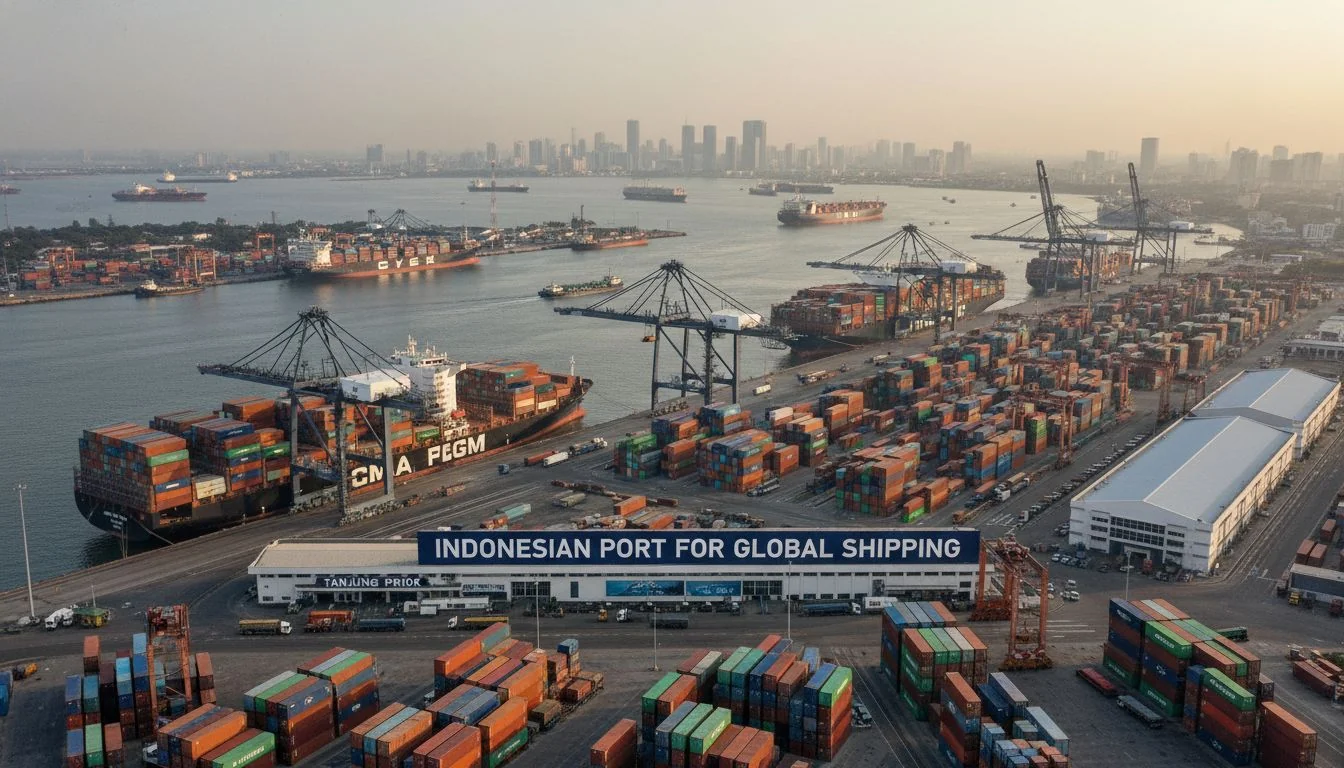
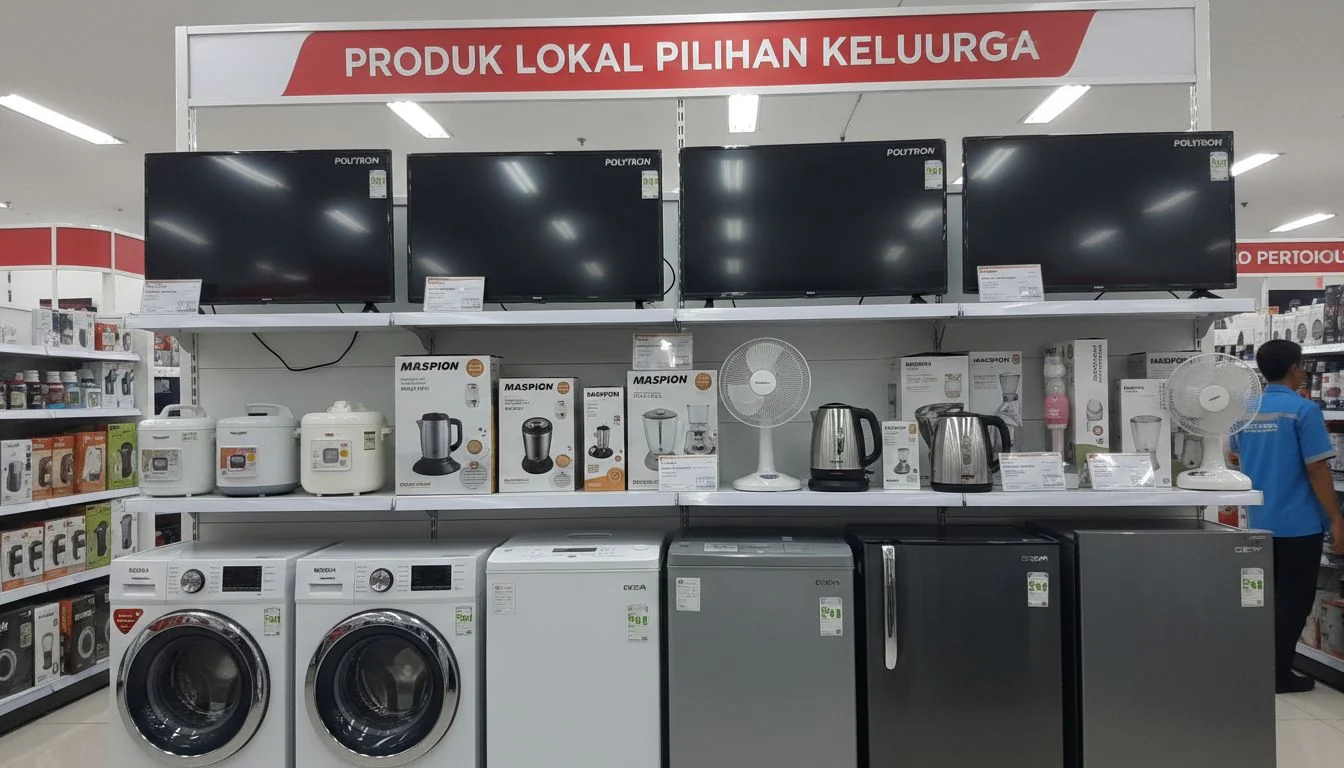
Humidifier manufacturing in Indonesia is dominated by large, established domestic appliance brands like Maspion or Polytron, which serve local needs. You will also find contract assemblers7 for global brands, but almost no independent, R&D-driven factories geared for D2C innovation.
Why Neither Model Works for a Niche D2C Brand
As a D2C brand, you need a partner who can help you innovate and build a unique product. In Indonesia, you'll mainly find two types of manufacturers, and neither is a good fit for this goal.
First, you have the Domestic Giants. These are companies like Polytron, Maspion, and Miyako. They are very successful at making a wide range of affordable appliances for the Indonesian consumer. Their R&D, design, and production are all focused on their own brands and their own market. They are not set up to be an R&D partner for a small, nimble D2C brand from Canada or the US. Their goal is volume and cost, not niche innovation.
Second, you have the Contract Assemblers. These factories work for huge global brands like Sharp or Panasonic. Their job is to take components made elsewhere and simply put them together. They have zero R&D capability. They don't design products; they just follow instructions. They are a pair of hands, not a brain. For a brand that needs to create something new, this model is a dead end.
Polytron is an Indonesian company that manufactures a wide range of electronic goods.True
Founded in 1975, Polytron is one of Indonesia's largest and most well-known local electronics manufacturers.
Foxconn, Apple's primary assembler, has its largest manufacturing plant in Indonesia.False
Foxconn's largest plants are in China. While they have explored and have some operations in other countries, including a small presence in Indonesia, it is not a major manufacturing hub for them.
What's the 'Innovation Gap' You'll Face in Indonesia?
You have a brilliant idea for a unique, high-performance humidifier. But you can't find a factory that can work with advanced materials or help you solve complex design challenges. This is the innovation gap.
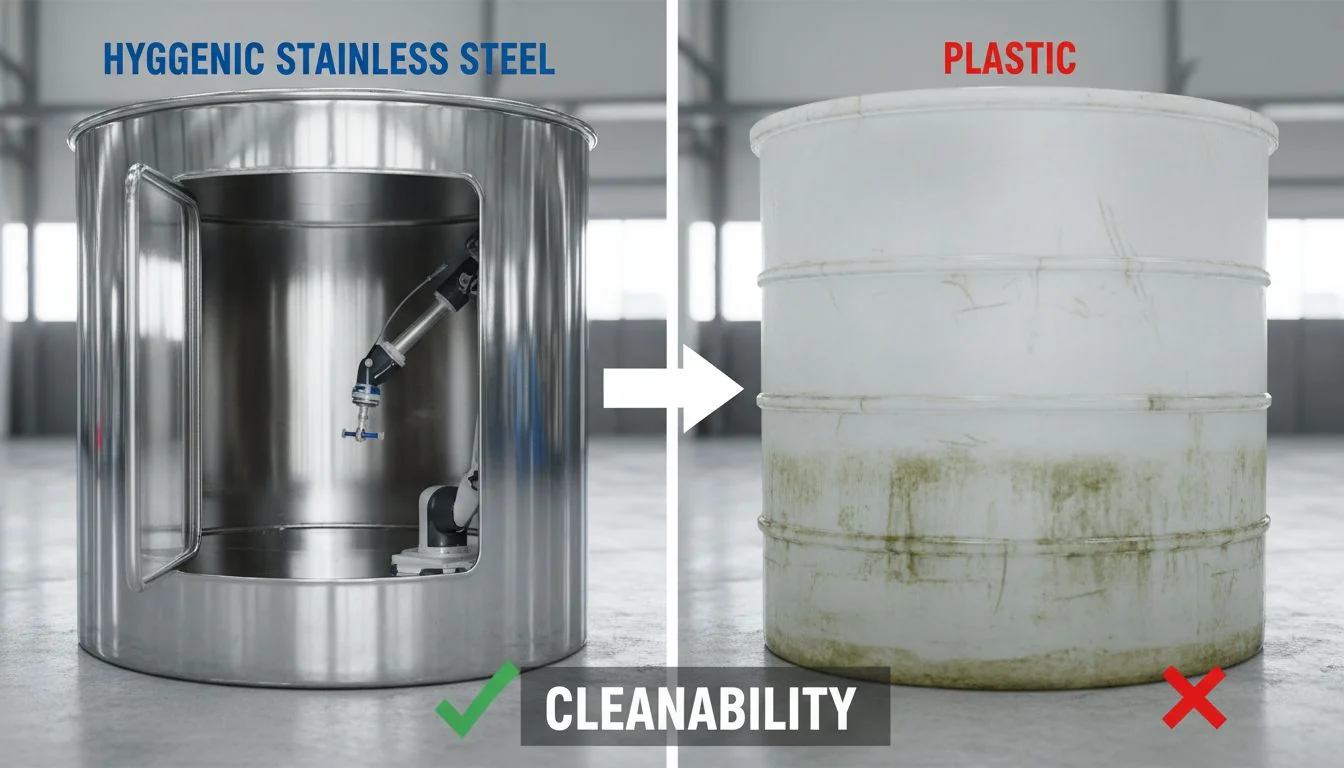
The "innovation gap" in Indonesia is the missing ecosystem for advanced materials (like hygienic stainless steel8), rapid prototyping, and collaborative R&D. You will not find partners who can co-develop a unique, high-performance wellness product with you from the ground up.
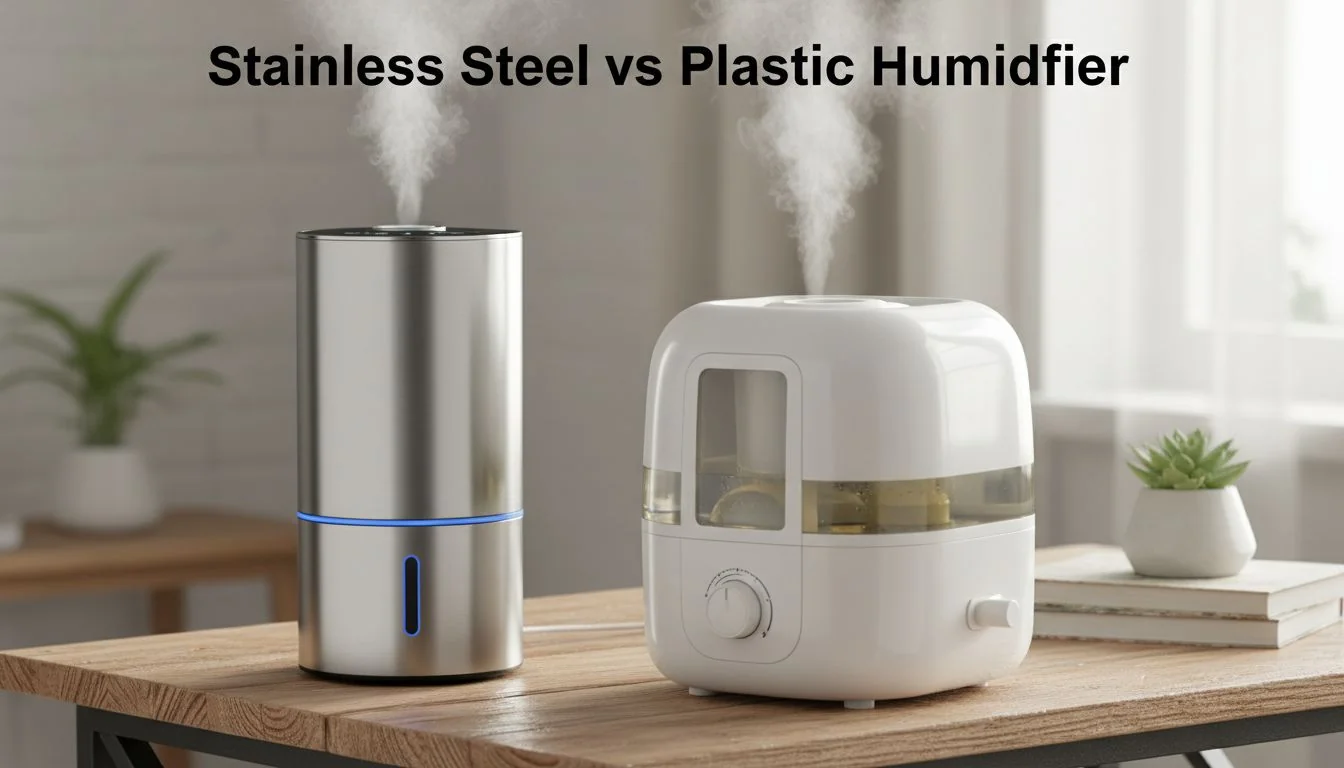
The Material Difference: Plastic vs. Stainless Steel
Let's get specific. A humidifier is a health and wellness product. It pushes moisture into the air you breathe. Do you really want the water sitting in a tank made from the cheapest possible plastic? Or do you want it in a tank made from hygienic, easy-to-clean, and durable 304 stainless steel?
This is more than just a choice of material. It's a reflection of a manufacturer's entire capability. The ability to design, tool, and mass-produce a product with stainless steel requires a completely different level of expertise than molding a simple plastic box. It involves deep knowledge of mold design for metal, stamping, welding, and polishing. This expertise—this R&D DNA—is precisely what is missing in a manufacturing landscape focused on low-cost assembly. The innovation gap isn't just about ideas; it's about the physical ability to bring those ideas to life with the right materials.
304 Stainless Steel is resistant to corrosion and is widely used in food and medical applications due to its hygienic properties.True
This grade of stainless steel contains chromium and nickel, which form a passive layer that prevents rust and makes the surface easy to clean and sanitize.
Indonesian factories are global leaders in stainless steel consumer product innovation.False
While Indonesia produces raw stainless steel, its manufacturing sector is not known for innovative consumer products using the material. This expertise is concentrated in regions with strong precision engineering and tooling industries, like parts of China, Germany, and Japan.
Should You Choose an 'Innovation Hub' or an 'Assembly Location'?
You're focused on finding a low-cost country to manufacture in. But this focus on location is blinding you to the much bigger risk: launching a product that simply fails to sell. Let's reframe the strategy.
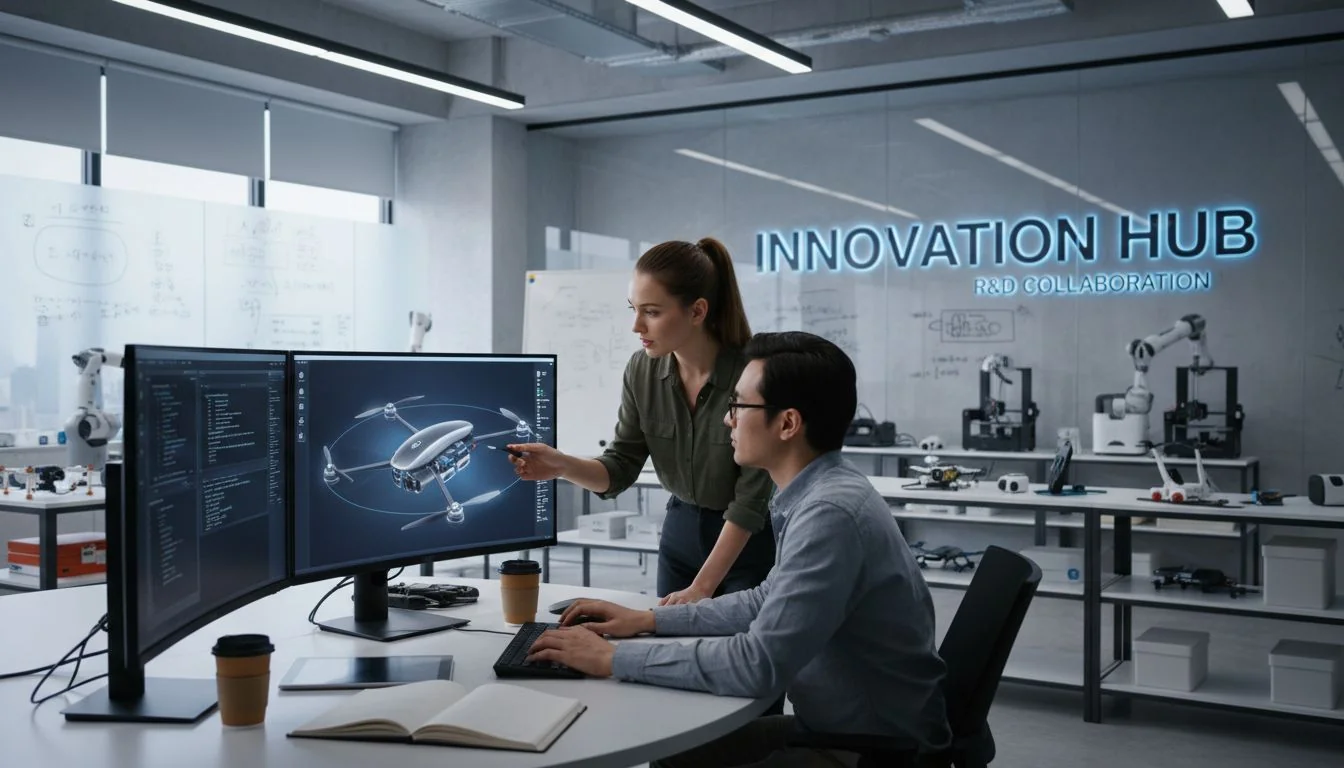
A smarter strategy is to separate innovation from assembly. First, develop your unique product with an "innovation hub" partner who has deep R&D capabilities. Only then should you leverage "assembly locations" like Indonesia for mass production, if it makes sense for your business.
The Biggest Risk: A Product That Doesn't Sell
Every D2C entrepreneur I talk to is worried about supply chain risk. I understand that. But I have seen far more brands fail because they launched a "me-too" product that nobody wanted. That is the biggest risk of all.
A generic, cheap plastic humidifier made in Indonesia is a commodity. You will be competing on price from day one, and it's a race to the bottom you can't win. It has no unique selling proposition, no brand story, and no reason for a customer to choose you. The real risk isn't where your product is made, but what your product is. A unique, differentiated product, like a hygienic stainless steel humidifier, can be a category leader. A cheap copy cannot.
| Risk Type | "Assembly Location" Focus | "Innovation Hub" Focus |
|---|---|---|
| Primary Fear | Supply chain disruption | Product failure / No sales |
| Resulting Product | Commodity, "me-too" | Differentiated, unique |
| Long-Term Viability | Low (competing on price) | High (building brand loyalty) |
Product differentiation is a key factor in the success of new D2C brands.True
Studies by marketing and business schools consistently show that a unique value proposition is critical for cutting through market noise and achieving profitability for new brands.
The failure rate for new consumer products is less than 20%.False
The failure rate for new consumer packaged goods is notoriously high, with many estimates placing it between 70% and 90%, often due to a lack of differentiation or market need.
Why Is Your Partner More Important Than Your Location?
You're stuck on the "where to manufacture" question. But the right partner can solve the much more important "what to manufacture" question, and in doing so, unlock global options for you.
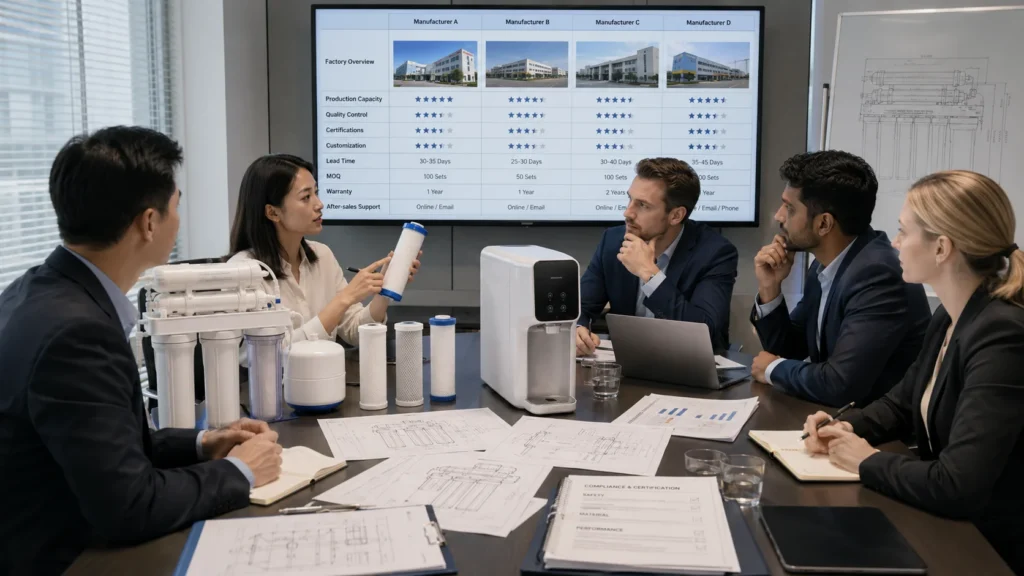
Your manufacturing partner is more critical than the location because they are your R&D engine. A true partner, like Hisoair, brings material expertise (like stainless steel) and design innovation, enabling you to create a unique product that actually stands out in the market.
The Hisoair Difference: Your R&D Engine
After all my years in this industry, helping brands go from a sketch to a successful product, I've learned one thing is more important than anything else: your choice of innovation partner.
Forget the map for a minute. Stop searching for countries and start searching for capabilities. You need a partner who lives and breathes mold design, who obsesses over materials, and who has the engineering talent to turn your vision into a manufacturable, desirable product. That's what we do. Think of a company like Hisoair not as a factory, but as your external R&D hub. We specialize in the hard stuff—the things an assembly-focused factory can't do. We help you design and build a beautiful, hygienic humidifier from stainless steel. We help you create a product that is worth building a brand around.
Once you have that truly unique product, you have power. You have options. You can then decide the best place to assemble it. But you can only create it with the right innovation partner.
Collaborative R&D with manufacturing partners can reduce time-to-market by over 20%.True
Integrating design, engineering, and manufacturing expertise early in the process eliminates costly and time-consuming revisions that occur when these functions are siloed.
Stainless steel is 10 times more expensive than the plastics used in cheap humidifiers.False
While stainless steel is more expensive than commodity plastics like PP or ABS, the cost difference is often in the range of 2-4x, not 10x. The perceived value and durability, however, can command a much higher retail price.
Conclusion
Finding the right manufacturing partner is far more important than finding the right country. Focus on product innovation first, and the right location for assembly will follow.
References
-
Understanding supply chain management can help you mitigate risks and optimize your operations. ↩
-
Finding the right R&D partner is crucial for developing innovative products that stand out. ↩
-
Learning about manufacturing hubs can help you make informed decisions about production locations. ↩
-
Exploring strategies to minimize product innovation risk can lead to successful product launches. ↩
-
Understanding export-focused engineering can enhance your product's competitiveness in global markets. ↩
-
Learning about advanced materials can enhance your product design and manufacturing capabilities. ↩
-
Understanding the role of contract assemblers can help you navigate production partnerships effectively. ↩
-
Exploring the advantages of hygienic stainless steel can improve your product's quality and appeal. ↩





 English
  Français
  Español
  Italiano
  Deutsch
  Português
  Русский
  العربية
  日本語
日本語  한국어
한국어  Tiếng Việt

