
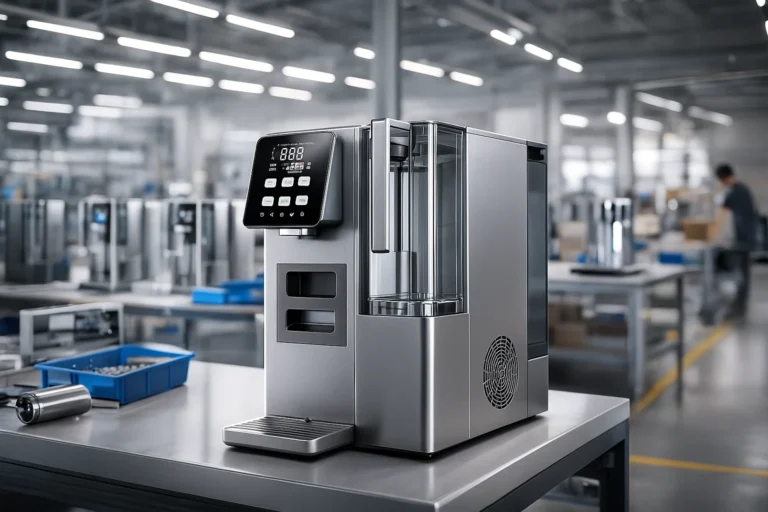

In the global quest for pure, safe drinking water, one nation stands out as a powerhouse of innovation and market sophistication: South Korea. The South Korean water purifier market, valued at approximately USD 2.11 billion in 2024, is not just a thriving industry; it's a glimpse into the future of home wellness technology. Driven by a deeply health-conscious populace, stringent government water quality standards, and a relentless pace of technological advancement, this market serves as the ultimate benchmark for quality, design, and business model innovation.
For any B2B or D2C brand looking to make an impact in the global home wellness space, understanding this landscape is crucial. The Korean market is a crucible where cutting-edge filtration, smart IoT integration, and consumer-centric service models are forged. It’s a market defined by fierce competition among a handful of domestic giants who have mastered the art of turning a simple appliance into an indispensable part of a modern, healthy lifestyle.
This article will delve into the strategies and strengths of the top five manufacturers that dominate this dynamic arena: Coway, Cuckoo, LG Electronics, SK Magic, and Chungho Nais. By examining how these leaders have achieved their status, we can uncover the key ingredients for success. Furthermore, we will introduce how your brand can leverage this knowledge by partnering with a manufacturing expert like HisoAir to build your own legacy in the clean water industry.
The South Korean Market: A Blueprint for Success
Before profiling the key players, it's essential to grasp the unique dynamics of the South Korean market. Its robust growth, projected at a CAGR of 6-8%, is built on several key pillars.
- Unyielding Demand for Health: South Korean consumers are highly aware of water contamination risks, from industrial waste to microplastics. This creates a consistent, educated demand for effective purification solutions.
- Technological Arms Race: The market is a hotbed of innovation. Key trends include the rapid adoption of smart, IoT-enabled purifiers that offer remote control and monitoring via smartphone apps. There's also a growing demand for multi-stage filtration systems, particularly Reverse Osmosis (RO), which holds the largest market share for its superior performance.
- Design as a Differentiator: In a market where urban living spaces are often compact, aesthetics are paramount. Consumers actively seek sleek, minimalist, and space-efficient designs that complement modern kitchen interiors.
- The Rental and Service Model: Perhaps the most defining feature is the dominance of the subscription-based rental model. Pioneered by market leaders, this approach makes high-end, expensive technology accessible to the masses by bundling the appliance with regular professional maintenance and filter changes. This transforms the customer relationship from a one-time transaction to a long-term service partnership.
These factors have created a highly competitive environment where only the most innovative and customer-focused companies thrive. Let's meet the titans at the top.
The Big Five: Profiles in Purity and Power
The South Korean water purifier market is a concentrated oligopoly, with a handful of powerful domestic corporations shaping its trajectory.
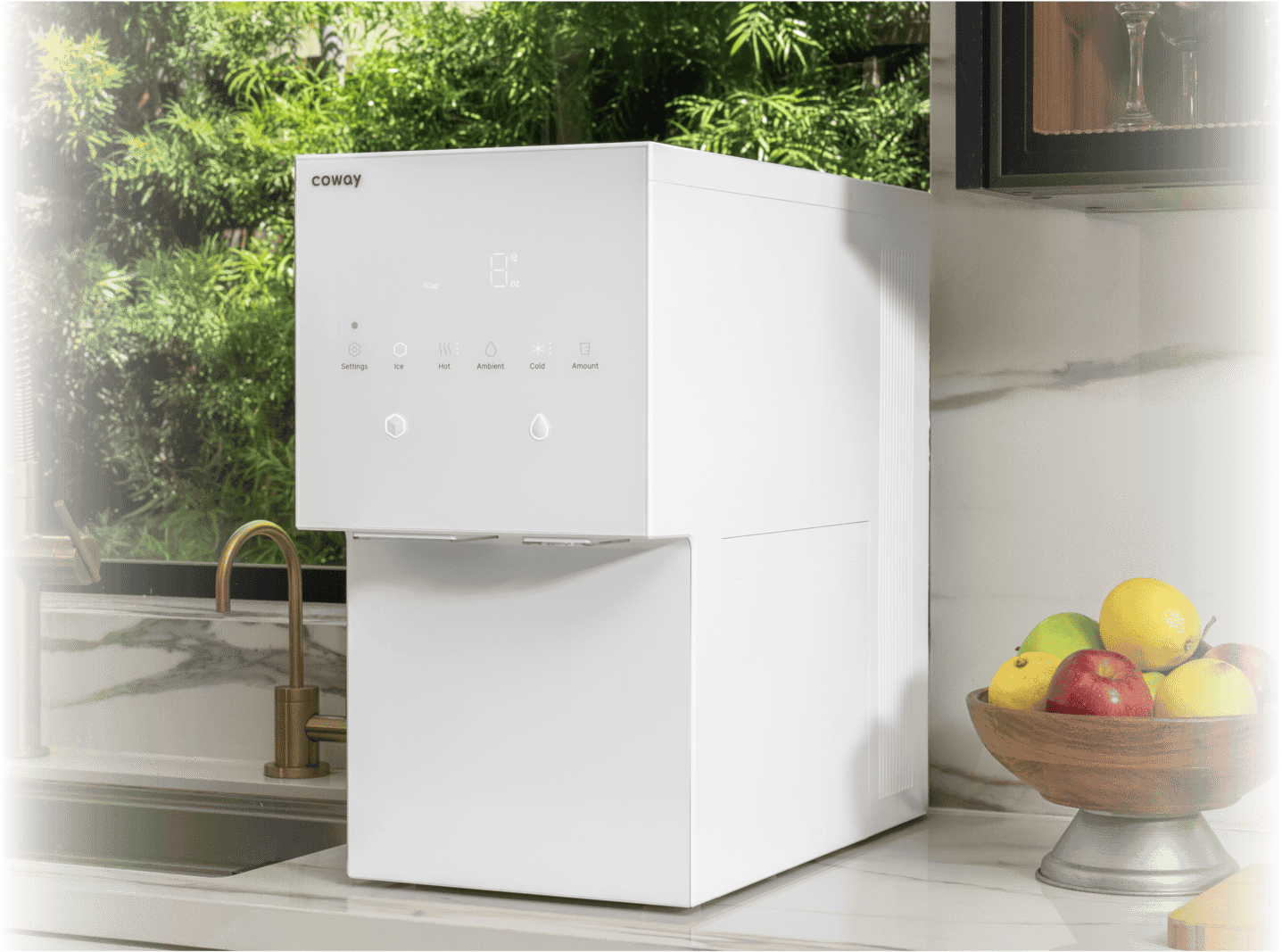
1. Coway Co., Ltd.: The Uncontested Market Leader

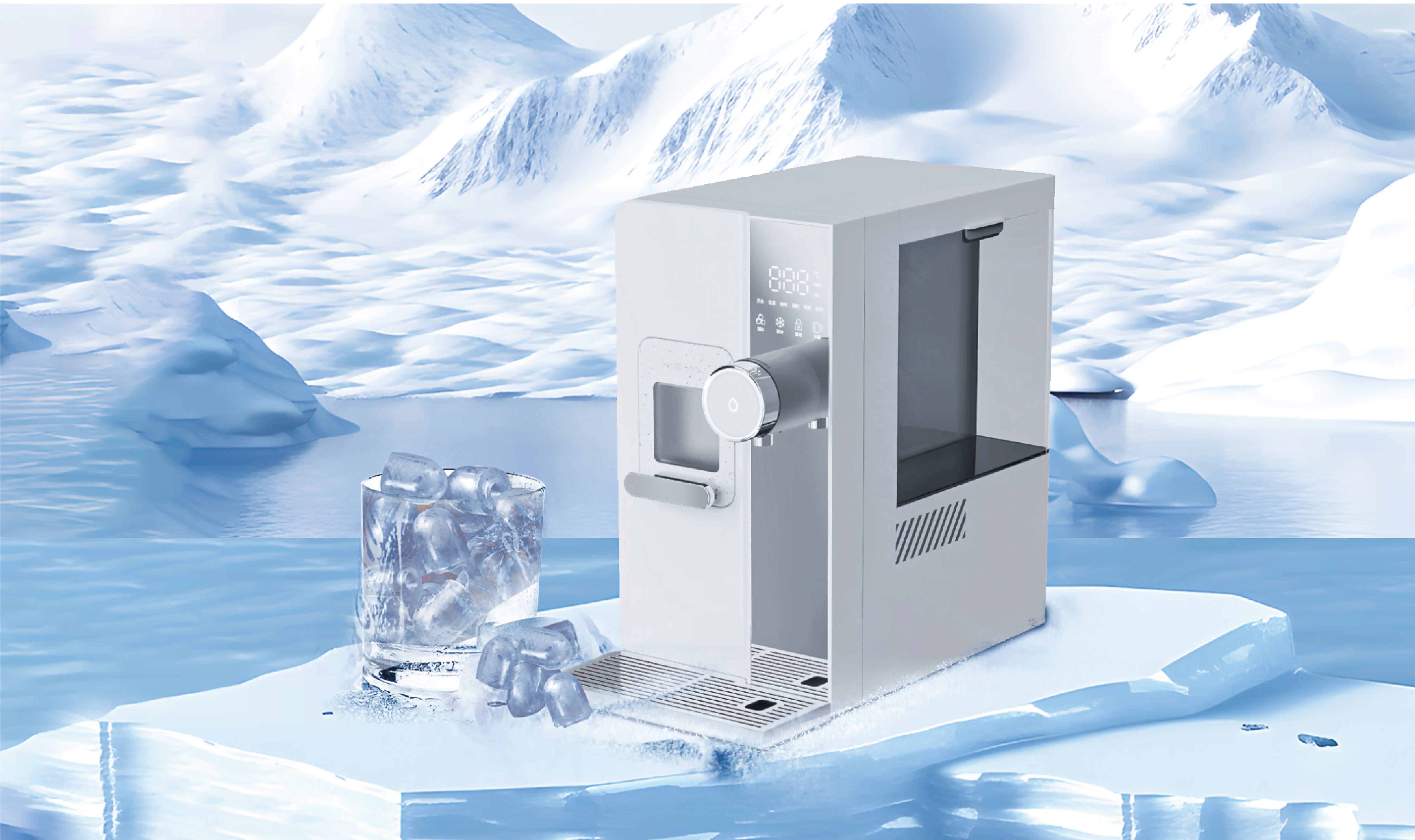
Image Source: Coway
Founded in 1989, Coway is the undisputed hegemon of the Korean water purifier industry, commanding a staggering market share of nearly 50%. Its dominance is built on the back of its pioneering rental and service business model, which it introduced in 1998.
- Strategic Edge: Coway's primary strength lies in its massive service infrastructure, personified by its army of "Codys" (Coway Ladies) who provide regular in-home maintenance. This service-centric model creates powerful recurring revenue and immense customer loyalty. As of 2024, the company surpassed 10 million rental accounts globally, with 6.55 million in South Korea alone.
- Technological Prowess: Coway reinforces its quality reputation through heavy investment in R&D and, crucially, in-house manufacturing of its own filters—a key differentiator from competitors who often outsource. Its flagship ICON series has become a bestseller, known for its slim design and high performance, with cumulative sales exceeding 1 million units. The company continues to innovate, launching the 2024 Coway Icon Ice Water Purifier and expanding its line of compact models to cater to smaller homes.
- Financial Might: Coway's market leadership is reflected in its robust financials, with annual revenue surpassing KRW 4.31 trillion (approx. USD 3.1 billion) in fiscal year 2024.
2. Cuckoo Homesys Co., Ltd.: The Aggressive Challenger

Image Source: Cuckoo
Cuckoo is one of South Korea's most recognized household brands, having built its empire as the nation's #1 rice cooker manufacturer. It strategically leveraged this immense brand equity to enter the water purifier market, astonishingly securing the second position in the healthcare appliance industry within its first year.
- Strategic Edge: Cuckoo competes by being more flexible and feature-driven. It offers innovative payment plans like the "GOOOD Plan," which allows customers to choose their rental contract duration, appealing to more price-sensitive consumers.
- Technological Prowess: Cuckoo consistently pushes the technological envelope. It is a market leader in purifiers that dispense true 100°C boiling water, a highly valued feature for cooking and sterilizing baby bottles. The company was also first to introduce an "In and Out Auto Electrolytic Sterilisation System". It offers a comprehensive range of filtration options, including Reverse Osmosis (RO), Hollow Fiber Membrane, and Nano Positive systems, to cater to diverse consumer needs.
- Global Ambition: Cuckoo has successfully replicated its model overseas, particularly in Malaysia, where its subsidiary has captured nearly 20% of the local appliance rental market and launched a major IPO.
3. LG Electronics Inc.: The Technology Conglomerate
Image Source: LG
As a global technology powerhouse, LG Electronics entered the water purifier rental market in 2009 and has steadily become a top-tier player. It leverages its formidable brand power, vast R&D capabilities, and extensive distribution channels to compete at the highest level.
- Strategic Edge: LG's ultimate weapon is its ecosystem. The company's strategy is not merely to sell a water purifier but to integrate it seamlessly into the LG ThinQ smart home platform. This allows users to control their PuriCare water purifier alongside their other LG smart appliances from a single app, creating a powerful value proposition that standalone manufacturers struggle to match.
- Technological Prowess: The LG PuriCare brand is synonymous with sophisticated, feature-rich innovation. In 2024, it introduced South Korea's first ice-preserving water purifier, which can keep water chilled for hours during a power outage. Its premium Objet Collection focuses on aesthetics, offering customizable colors and finishes to blend into modern interiors.
- Financial Might: Water purifiers are part of LG's highly profitable Home Appliance & Air Solution (H&A) division, which reported a massive revenue of KRW 33.2 trillion (approx. USD 24 billion) in 2024, with the subscription business model being a key driver of this success.
4. SK Magic Co., Ltd.: The Tankless Innovator
Image Source: SK Magic
A subsidiary of the SK Group, one of South Korea's largest conglomerates, SK Magic has carved out a distinct and powerful identity as a technology-focused innovator.
- Strategic Edge: SK Magic has built its entire brand around one core technology: "JIKSOO," which translates to "direct flow" or "tankless". By eliminating the internal storage tank, the JIKSOO system provides purified water on demand, which the company champions as a more hygienic solution that prevents the growth of bacteria in stagnant water.
- Technological Prowess: This product-centric strategy is complemented by a focus on modern, minimalist aesthetics. SK Magic's purifiers are renowned for their ultra-compact designs, some measuring only 17cm in width, making them ideal for space-conscious consumers. The technology is further enhanced with features like Nanotech PAC filtration and automated UV-C sterilization of the dispensing nozzle. In May 2024, it launched the new "One Cork Ice Water Purifier," continuing its innovation within the JIKSOO framework.
- Market Position: The company proudly holds the No. 1 spot in the South Korean water purifier market for its tankless technology and has been recognized for its world-class design capabilities.
5. Chungho Nais Co., Ltd.: The Industry Pioneer

Image Source: Chungho
Chungho Nais holds a venerable place in the industry's history. Founded in 1993, it is a true pioneer responsible for many groundbreaking innovations.
- Strategic Edge: Chungho Nais's legacy is its primary asset. The company invented the world's first ice water purifier in 2003, a revolutionary product that fundamentally changed consumer expectations. It continues to leverage this expertise in premium features, including ice-making and sparkling water dispensers.
- Technological Prowess: The company consistently invests over 7% of its annual revenue into R&D, leading to a portfolio of "world-first" products, including purifiers integrated with coffee machines and wine cellars. Its filtration technology is robust, employing a 5-Stage Reverse Osmosis system and other methods to ensure purity.
- Strategic Outlook: Having once held a 40% market share, Chungho Nais now finds itself as the fourth-largest player with around 10%. It is currently in strategic negotiations for a significant partnership with Culligan, the largest water treatment company in the U.S., a move that could inject new capital and provide access to a global distribution network to revitalize its market position.
Top Water Manufacturer in China - HisoAir

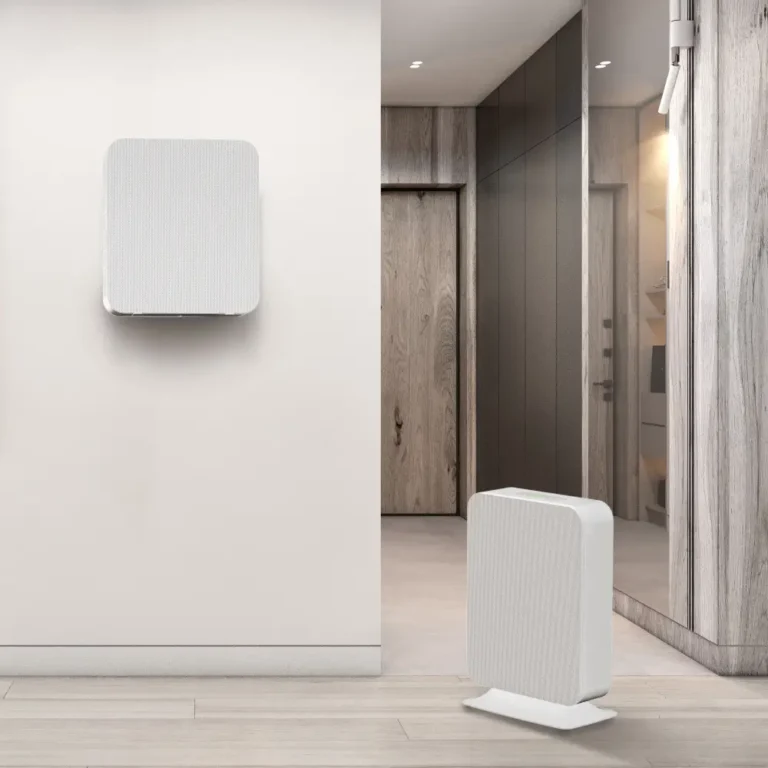
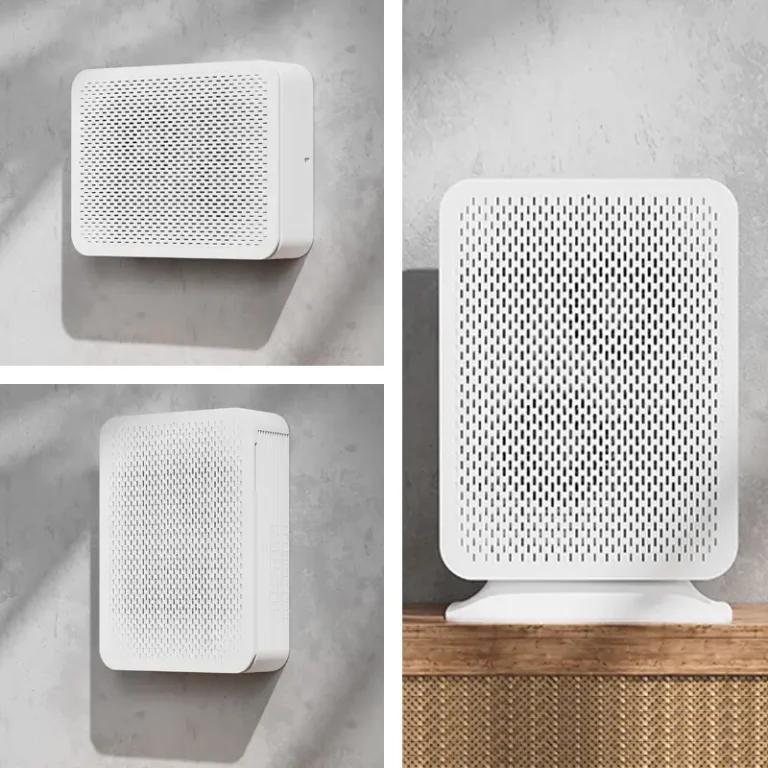
Image Source: HisoAir
The success of these Korean giants reveals a clear pattern: they win through a combination of technological superiority, design excellence, and a deep understanding of consumer needs. However, their business models are built around promoting their own brands. For D2C and B2B clients aiming to launch or scale their own brand of water purifiers, competing head-on is a monumental task.
This is where a strategic partnership with an expert manufacturer like HisoAir becomes your competitive advantage.
At HisoAir, we are a full-service product development partner dedicated to bringing your vision to life. With over 20 years of experience in air and water treatment solutions, we have a proven track record of collaborating with global leaders and Fortune 500 companies, and we've opened our platform to empower startups and D2C brands with the same level of expertise.
Why Partner with HisoAir?
- Flexible Manufacturing Models (OEM, ODM, JDM): Whether you have a complete design ready for production (OEM), want to rebrand one of our market-tested designs (ODM), or wish to collaborate on a completely new and unique product (JDM), we have a partnership model that fits your strategy. We are your development partner, not just a supplier.
- Global Manufacturing & Supply Chain Resilience: To navigate today's complex geopolitical landscape, we operate a "China+1" strategy with state-of-the-art factories in China, Vietnam, Thailand, and Malaysia. This gives your brand unparalleled flexibility to optimize for tariffs, logistics, and labor costs, ensuring a secure and efficient supply chain.
- World-Class R&D and Quality Assurance: Our commitment to quality is absolute. We specialize in developing innovative products across air purification, humidity control, and water purification. Our in-house testing facilities are accredited by CNAS, ensuring every product meets the most stringent international standards for performance, safety, and reliability.
- Innovation at Your Fingertips: We are at the forefront of technology, from advanced filtration systems to IoT integration for smart, connected appliances. Our expertise allows you to incorporate the very features that make the Korean market leaders so successful into your own product line, from high-performance purification to quiet operation and sleek design.
Conclusion: Build Your Brand on a Foundation of Excellence
The South Korean water purifier market offers a powerful lesson: success is born from an unwavering commitment to quality, innovation, and the consumer experience. The top five manufacturers—Coway, Cuckoo, LG, SK Magic, and Chungho Nais—have set a global standard that continues to push the industry forward.
For ambitious B2B and D2C brands, the path to competing on this level isn't about replicating their entire business infrastructure, but about leveraging their principles of excellence. By partnering with a seasoned and innovative manufacturer like HisoAir, you gain immediate access to the design expertise, technological capabilities, and global manufacturing power needed to build a world-class product.



 English
  Français
  Español
  Italiano
  Deutsch
  Português
  Русский
  العربية
  日本語
日本語  한국어
한국어  Tiếng Việt

