

Have you ever thought about the air you breathe at home? With increasing awareness about air quality and health, more Americans are turning to home air purifiers to ensure their living spaces are safe and clean.
The US home air purifier market is expected to grow to $6.7 billion by 2032, with a compound annual growth rate (CAGR) of 6.6% from 2022 to 2032.
The U.S. market for home air purifiers is the largest globally, valued at several billion dollars and projected to grow significantly due to health concerns and innovation in niche segments.
But numbers only tell part of the story. Let’s delve deeper into what’s truly driving this vibrant market and uncover the trends that could shape its future.
The U.S. is the largest market for home air purifiers globally.True
The U.S. market leads globally in size and growth potential, driven by health concerns.
What Drives the Growth of the U.S. Air Purifier Market?
The U.S. air purifier market is surging, driven by environmental challenges and health-conscious consumers.
The growth of the U.S. air purifier market is driven by increasing pollution, technological advancements, and niche market innovations, alongside heightened awareness of health and environmental issues.
Environmental and Health Concerns
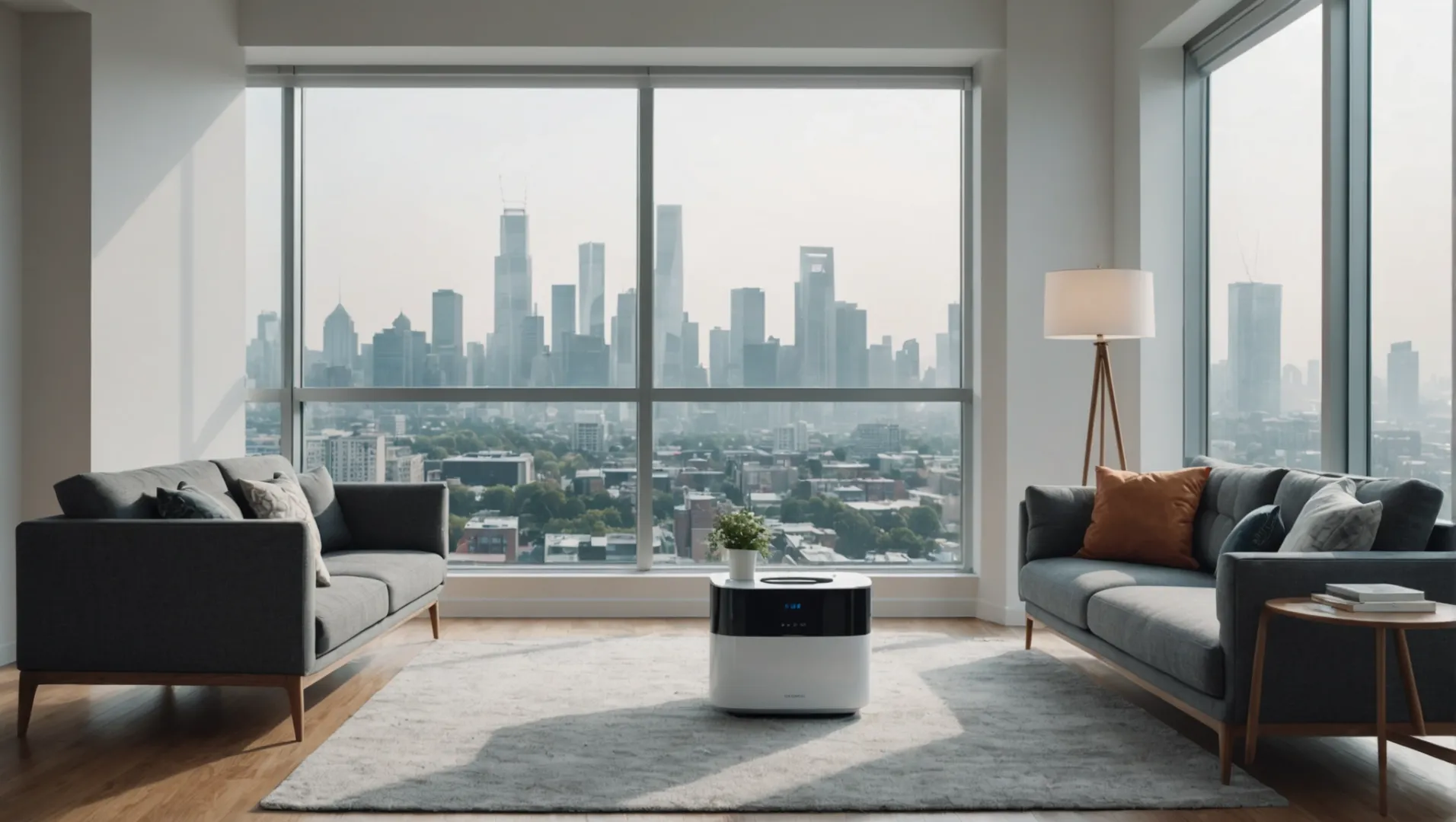
In recent years, factors like wildfires1 and rising pollution levels have accentuated the need for cleaner indoor air, making air purifiers essential. The COVID-19 pandemic heightened this awareness, with many seeking to improve their home environments to safeguard health. This trend is expected to continue as the public becomes more health-conscious.
Historical Technological Advancements
The U.S. boasts a rich history in air purification technologies, with HEPA filters initially developed by the military. This history provides a strong foundation for continued innovation and trust among consumers. The market sees regular introductions of cutting-edge technologies designed to address specific environmental challenges.
Government Policies and Support
Supportive government policies aimed at improving air quality also play a critical role. Regulations and subsidies encourage both manufacturers and consumers to adopt air purifiers. For instance, government incentives for energy-efficient appliances often include advanced air purifiers.
Niche Market Innovations
Niche markets such as pet-specific, baby-friendly, and car air purifiers are expanding rapidly. These specialized products meet unique consumer needs, driving overall market growth. Entrepreneurs finding success in these areas frequently attribute it to tapping into underserved segments, which offers substantial growth potential.
Strategic Partnerships
Partnerships with established manufacturers like Hisoair can provide essential resources for launching innovative products. Such collaborations enable entrepreneurs to leverage existing expertise and infrastructure, significantly reducing time-to-market and enhancing product quality.
U.S. air purifier market growth is driven by wildfires.True
Wildfires increase pollution, boosting demand for air purifiers.
Government policies hinder U.S. air purifier market growth.False
Supportive policies and subsidies encourage market growth.
How Do Niche Markets Enhance Opportunities in the Air Purifier Sector?
Niche markets in the air purifier industry are unlocking untapped potential, driving innovation and specialization.
Niche markets enhance opportunities by catering to specific consumer needs, fostering innovation, and allowing businesses to differentiate their products effectively.
Understanding Niche Markets in the Air Purifier Industry
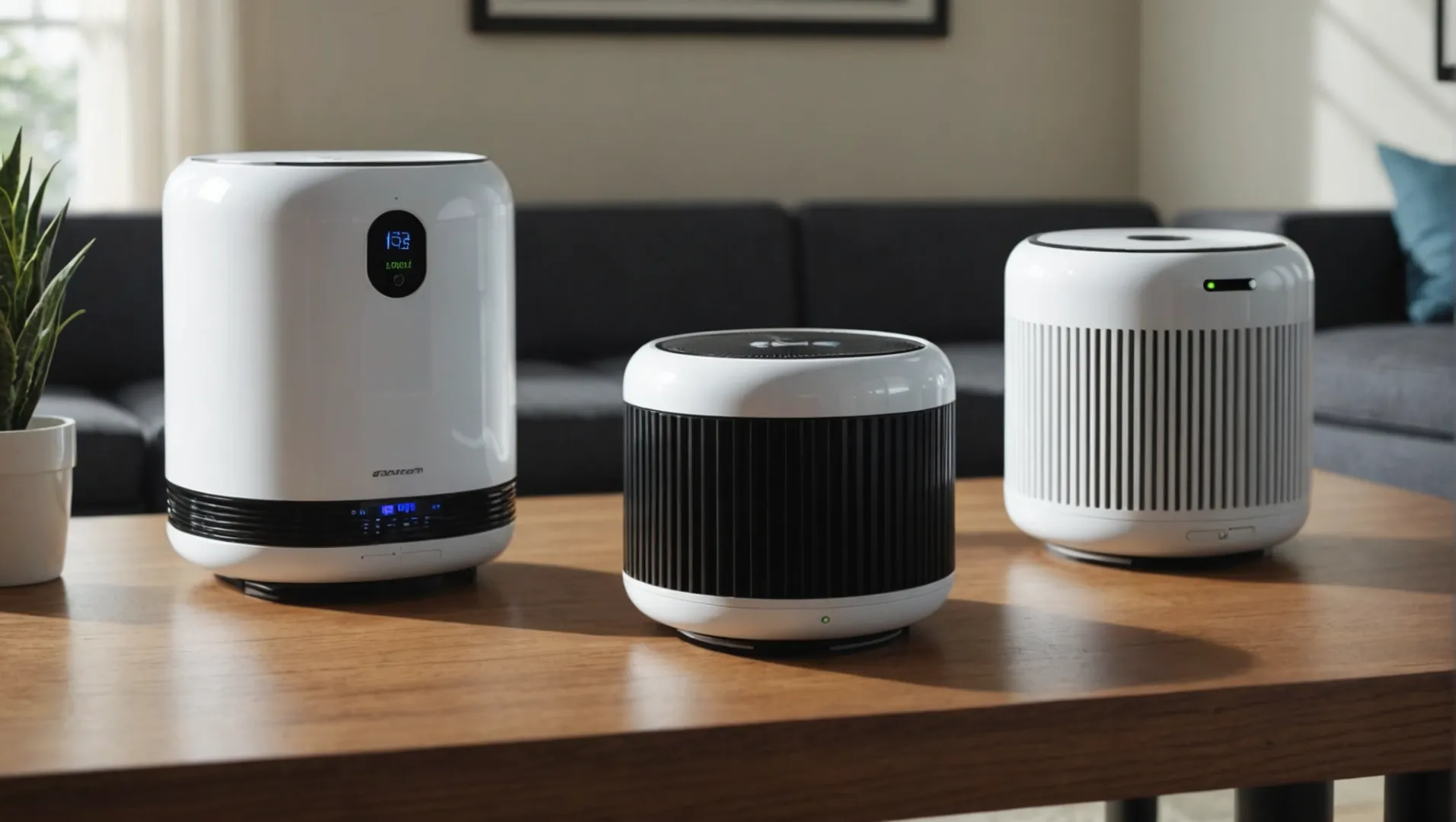
In the expansive world of air purifiers, niche markets2 have emerged as powerful avenues for growth. These markets focus on specialized segments such as pet air purifiers, which target pet owners concerned about dander and allergens. Similarly, baby air purifiers cater to parents seeking to protect their infants from harmful pollutants.
Key Drivers for Niche Market Growth
Several factors contribute to the rise of niche markets within the air purifier sector:
- Health Concerns: With increasing awareness about air quality, consumers are more inclined to purchase products that address specific health issues.
- Technological Advancements: Innovations like HEPA filters and smart technology integration allow manufacturers to create tailored solutions for diverse needs.
- Regulatory Support: Government policies encouraging cleaner air bolster demand for specialized products.
The Role of Innovation and Customization
Niche markets thrive on customization and innovation. For instance, car air purifiers have gained popularity among commuters who wish to ensure clean air on-the-go. These devices often come equipped with features like ionizers and portable designs, showcasing how technological advancements cater to specific lifestyle needs.
| Niche Market | Target Consumer | Unique Features |
|---|---|---|
| Pet Air Purifier | Pet Owners | Filters pet dander and allergens |
| Baby Air Purifier | Parents | Quiet operation, safe materials |
| Car Air Purifier | Commuters | Compact, portable design |
Strategic Partnerships as a Catalyst for Success
For entrepreneurs entering these niche segments, strategic partnerships with manufacturers like Hisoair can be crucial. Collaborations can facilitate the development of innovative products that align with market demands, ensuring a competitive edge in this rapidly evolving industry. Moreover, partnerships provide access to cutting-edge technology and insights, enabling businesses to scale efficiently.
Understanding these dynamics is essential for anyone aiming to capitalize on the growing opportunities within the air purifier sector. Whether it's addressing specific consumer concerns or leveraging strategic alliances, niche markets offer a pathway to sustained growth and profitability.
Niche markets in air purifiers target specific consumer needs.True
Niche markets focus on specialized segments like pet and baby air purifiers.
All air purifiers are designed for general household use.False
Some air purifiers are tailored for specific needs, like cars or pets.
What Role Does Technology Play in the Evolution of Air Purifiers?
Technology is revolutionizing air purifiers, making them more efficient and user-friendly.
Advancements in technology have transformed air purifiers by enhancing filtration efficiency, integrating smart features, and expanding application areas, such as portable and car models.
From HEPA Filters to Advanced Multi-Stage Filtration
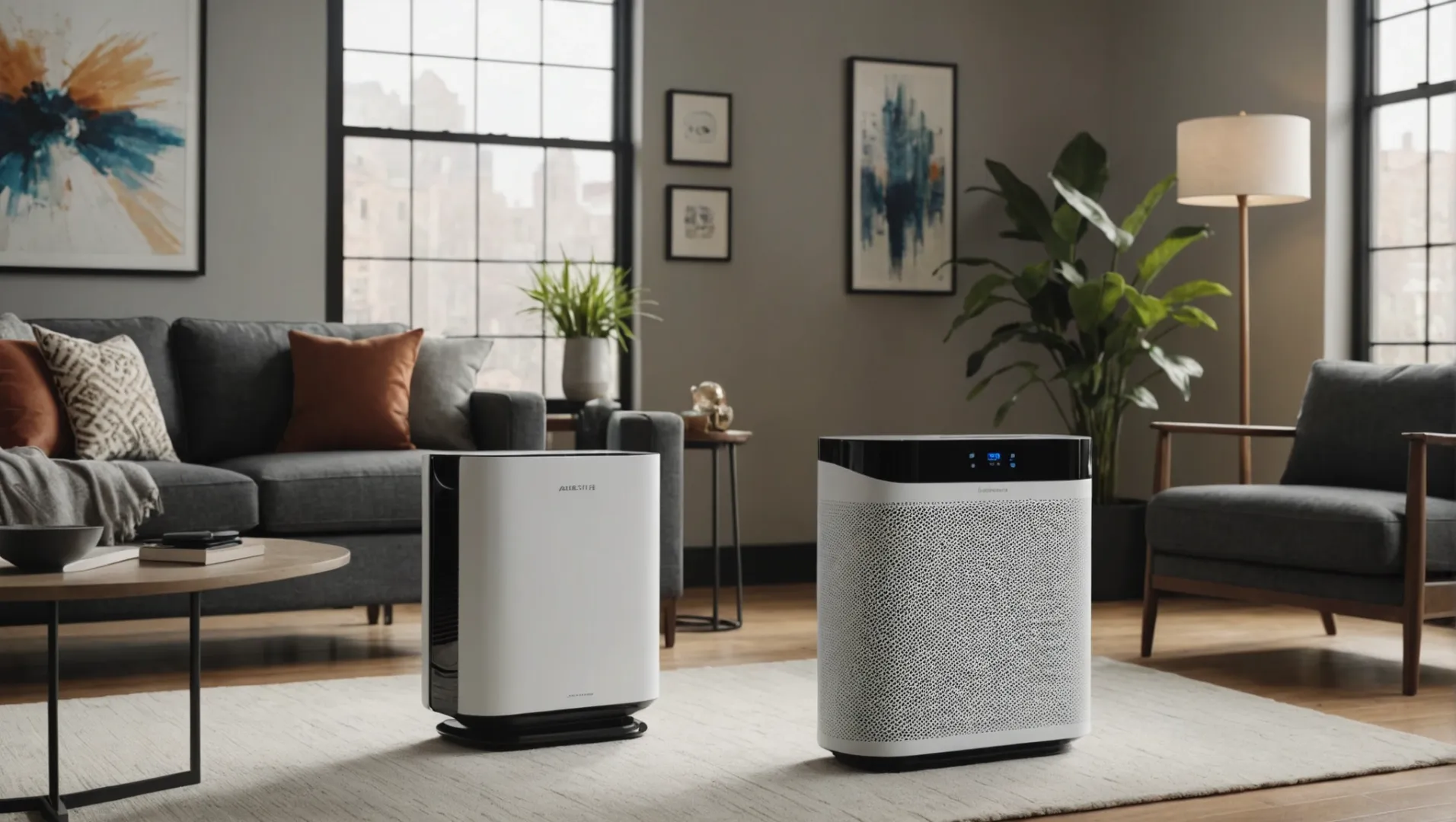
Air purifiers initially gained prominence with the adoption of HEPA (High-Efficiency Particulate Air) filters, a technology developed by the U.S. military. HEPA filters remain a cornerstone, effectively capturing particles as small as 0.3 microns. However, technological evolution has introduced multi-stage filtration systems that combine HEPA with activated carbon, UV-C light, and ionization to tackle a broader range of pollutants, including viruses, VOCs (volatile organic compounds), and odors.
Smart Features and Connectivity
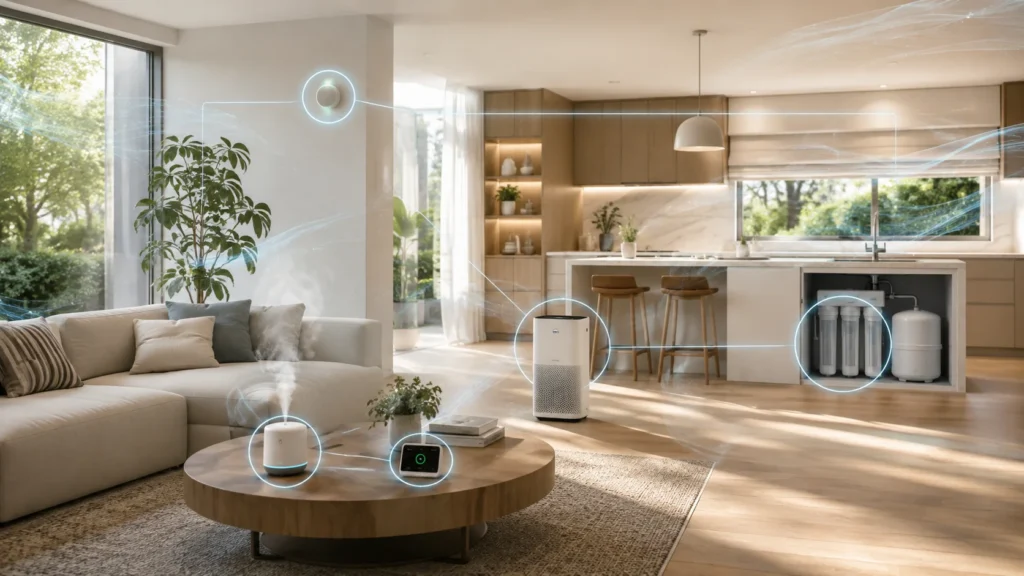
The integration of IoT (Internet of Things) has led to the development of smart air purifiers that can connect to home networks. These devices offer remote control via smartphone apps, enabling users to monitor air quality in real time and adjust settings from anywhere. Additionally, smart sensors can automatically adjust purification levels based on detected pollutant levels, optimizing energy use and ensuring optimal air quality.
Portable and Specialty Purifiers
Technological advancements have allowed for the creation of portable and specialized air purifiers. Compact models are now available for use in cars and while traveling, addressing air quality concerns on the go. Furthermore, niche products like pet-specific or baby-focused purifiers cater to specific needs, showing how technology drives market differentiation.
Future Prospects: AI and Machine Learning
Looking ahead, AI (Artificial Intelligence) and machine learning are poised to further transform air purification technology. These systems could predict pollution trends, offer personalized purification solutions, and enhance device efficiency. As these technologies mature, they promise to make air purifiers even more indispensable in our daily lives.
Technology's role in the air purifier industry is undeniable. As innovations continue to emerge, they not only improve product functionality but also create new market opportunities for entrepreneurs looking to capitalize on this growing sector. For those interested in exploring these advancements further, a look into AI applications in air purification3 or understanding multi-stage filtration benefits4 could offer deeper insights.
HEPA filters capture particles as small as 0.3 microns.True
HEPA filters are designed to capture particles down to 0.3 microns.
AI cannot predict pollution trends in air purifiers.False
AI is being developed to predict pollution trends and optimize purifiers.
Why Is Strategic Partnership Key to Success in This Industry?
In a competitive industry like air purifiers, strategic partnerships are vital for innovation and market reach.
Strategic partnerships in the air purifier industry enable companies to leverage complementary strengths, access new markets, and foster innovation, crucial for standing out in a crowded marketplace.

Leveraging Complementary Strengths
In the air purifier industry, collaborations often involve combining expertise and resources that are not otherwise available within a single company. For instance, a tech startup with innovative HEPA filter designs might partner with an established manufacturer like Hisoair5 to ensure quality production. Such alliances enable businesses to leverage each other's strengths, thereby improving product offerings and enhancing market competitiveness.
Expanding Market Reach
Strategic partnerships can also facilitate entry into new geographical markets. For example, U.S.-based air purifier companies can team up with international distributors to tap into growing demand overseas, particularly in regions plagued by pollution and poor air quality. By collaborating with local entities, companies gain valuable insights into consumer preferences and regulatory environments, which are crucial for successful expansion.
Driving Innovation and Niche Development
Innovation is key in the air purifier market, where niche segments such as pet air purifiers and portable models are rapidly emerging. By partnering with technology firms or academic institutions, companies can pioneer new product features and improve existing technologies. Partnerships that focus on research and development (R&D) can yield cutting-edge solutions that meet specific consumer needs, setting a company apart from its competitors.
Navigating Regulatory Challenges
The air purifier industry is subject to stringent regulations to ensure consumer safety and product efficacy. Forming alliances with legal experts or organizations familiar with regulatory landscapes can help companies navigate complex compliance requirements efficiently. This not only mitigates risk but also accelerates time-to-market for new products.
Case Study: Hisoair's Collaborative Model
Consider the case of Hisoair, which has successfully engaged in strategic partnerships to enhance its product line and market presence. By collaborating with different stakeholders—ranging from suppliers to retailers—Hisoair has managed to create a diversified portfolio that caters to various consumer needs. Such a model underscores the importance of strategic alliances in achieving sustainable growth and innovation in the industry.
Strategic partnerships increase market reach for air purifiers.True
Partnerships help companies enter new geographical markets and expand.
Hisoair avoids strategic partnerships to maintain control.False
Hisoair engages in partnerships to enhance product lines and market presence.
Conclusion
The U.S. home air purifier market is poised for continued growth, driven by health concerns and innovation. Focusing on niche opportunities and strategic partnerships is key for success.
-
Learn how wildfires are worsening air quality nationwide.: Wildfires release large amounts of carbon dioxide, black carbon, brown carbon, and ozone precursors into the atmosphere. These emissions affect radia>on, clouds ... ↩
-
Learn about specialized segments driving innovation in air purifiers.: The industry vertical segment in the global industrial air purifier market report includes food & beverage, metal processing, pharmaceutical, agriculture, power ... ↩
-
Discover how AI optimizes air purifier performance.: The purifier will contain four built-in advanced sensors to detect dust, VOCs, temperature, and humidity. Moreover, the AI system can connect to the internet ... ↩
-
Learn about enhanced filtration efficiency and pollutant removal.: With a hyper-focus on reducing airborne pathogens, indoor air quality improvements are only possible when combining the best air purification technologies. ↩
-
Learn how partnering with Hisoair enhances manufacturing capabilities.: We are committed to improving well-being through superior air quality, ensuring every client benefits from our dedicated support and engineering excellence. ↩


 English
  Français
  Español
  Italiano
  Deutsch
  Português
  Русский
  العربية
  日本語
日本語  한국어
한국어  Tiếng Việt

