
Your D2C clients are struggling to stand out. Competing on price is a losing game. I'll show you how to create value with innovative products customers love.
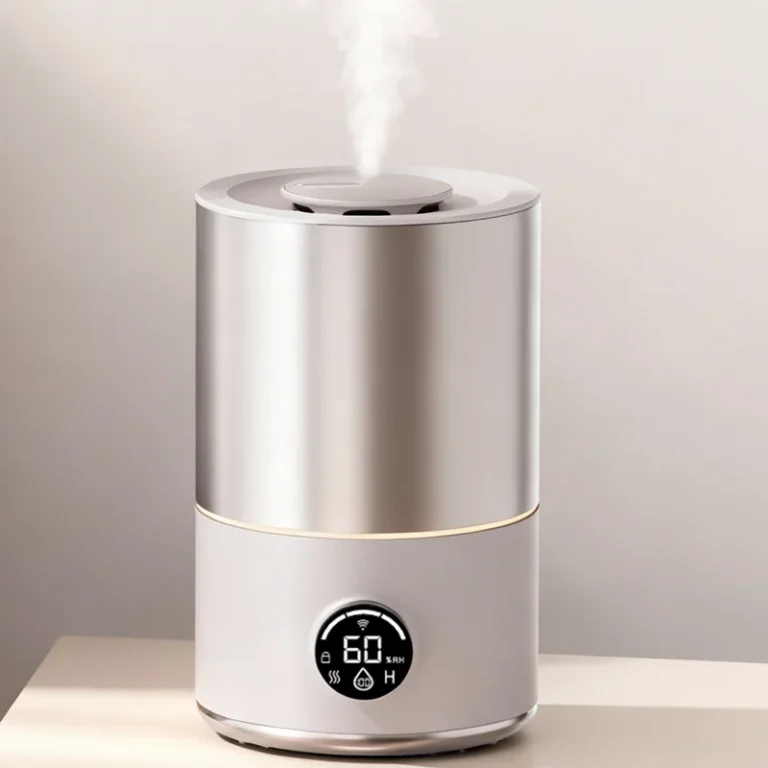
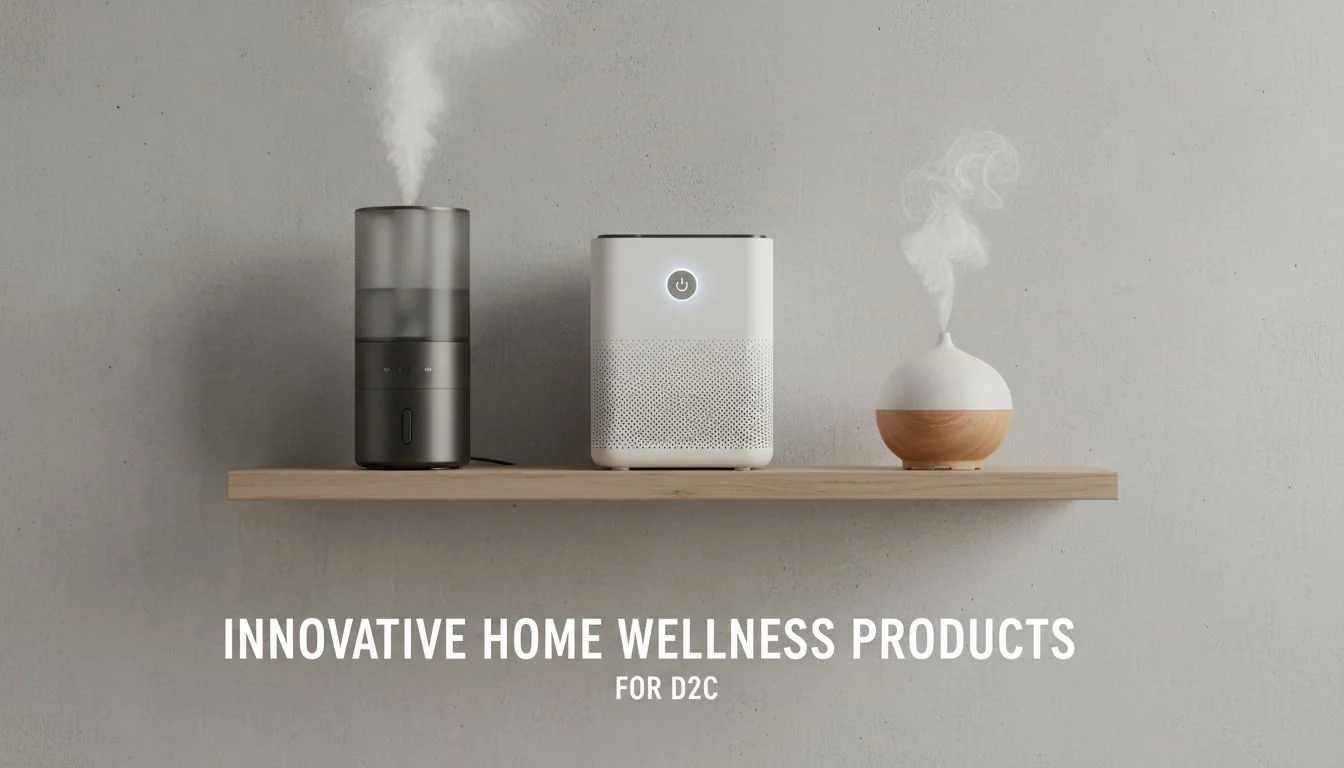
Innovative home wellness products for D2C brands focus on Hygienic Luxury1, smart features, and niche uses. Think stainless steel humidifiers, app-controlled diffusers, and portable air purifiers. These products justify premium prices through superior design, materials, and a compelling story.
I've spent my career in mold making and manufacturing. I've seen countless products go from a simple sketch to a bestseller. The secret isn't just a good idea. It's about understanding the trends and knowing how to execute them perfectly in the design and production phase. Let's look at the product categories that are winning right now. More importantly, let's look at how you, as a designer, can bring them to life for your D2C clients.
Over 50% of consumers prefer to buy directly from a brand's website if given the option.True
Studies consistently show a strong consumer preference for buying directly from manufacturers, as it offers a more authentic experience and better customer service.
D2C brands have lower marketing costs than traditional retail brands.False
D2C brands often have very high customer acquisition costs (CAC) because they are responsible for all their own marketing, unlike traditional brands that benefit from foot traffic and retailer marketing.
What Makes the 'Hygienic Upgrade' of a Stainless Steel Humidifier a Winner?
Standard plastic humidifiers are a pain to clean and can become a breeding ground for mold. Customers are worried about the air they breathe. Offer them a clean solution.
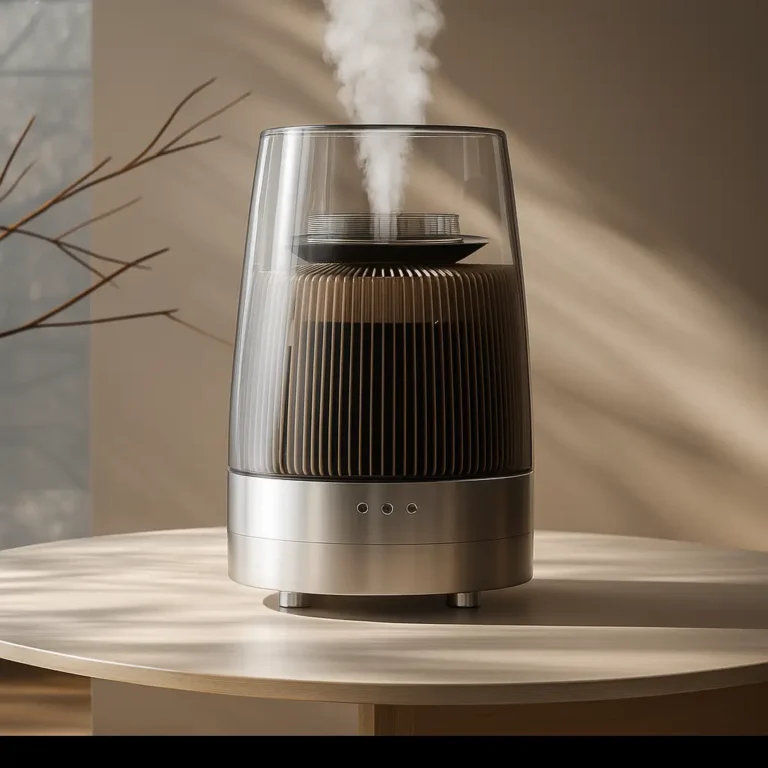
A stainless steel humidifier wins because it directly addresses customer fears about hygiene. It's easy to clean, often dishwasher-safe, and has a premium, medical-grade feel. This "hygienic luxury" allows D2C brands to charge more and build trust with health-conscious consumers.
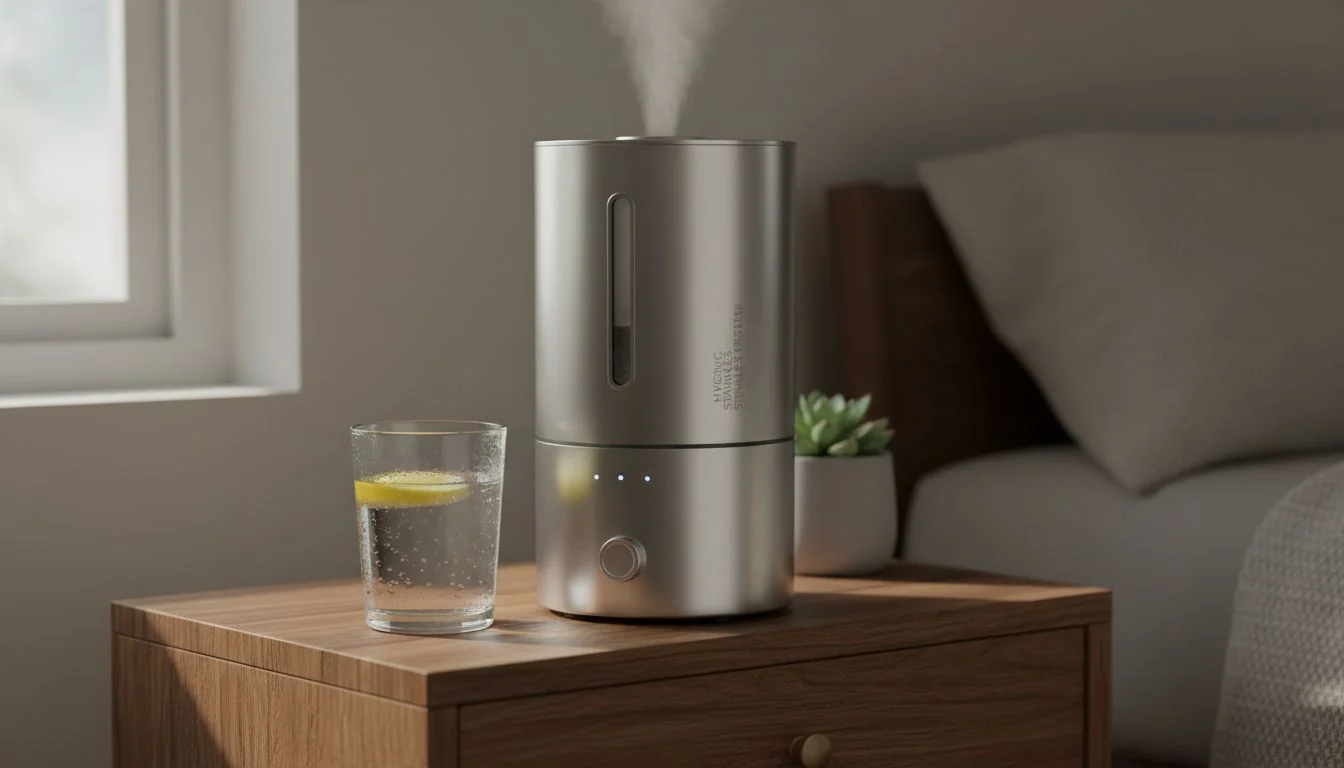
The big idea here is what I call "Hygienic Luxury." It’s a powerful differentiator. Customers are tired of cheap plastic that feels disposable and unclean. They will pay more for peace of mind. As a designer, you can tap into this by using marketing keywords like "easy-to-clean," "medical-grade," and "dishwasher-safe" right in your design brief.
Design & Manufacturing Considerations
This is where your expertise comes in. You'll likely have a stainless steel water tank and a plastic upper body containing the electronics. The biggest challenge I've seen is creating a perfect seal between these two different materials. Your mold design for the plastic housing is critical. You must account for the plastic's shrinkage rate to ensure a tight, leak-proof fit against the rigid steel tank.
Material and Finish
For the tank, 304-grade stainless steel is the standard for its safety and corrosion resistance. For the plastic parts, ABS or PP works well. But don't forget the finish. A brushed steel finish looks premium and hides fingerprints. You can match this with a matte texture on the plastic parts. The table below shows why this is a clear upgrade.
| Feature | Standard Plastic Tank | Stainless Steel Tank |
|---|---|---|
| Cleaning | Difficult, requires scrubbing | Easy, often dishwasher-safe |
| Durability | Can crack, stain easily | Very durable, stain-resistant |
| Perception | Cheap, potentially unhygienic | Premium, clean, medical-grade |
| Cost | Low | High |
Humidifier water tanks should be cleaned every day for safe use.False
Most health organizations, like the EPA, recommend cleaning humidifiers every three days to prevent the growth of harmful bacteria and mold.
304 stainless steel is resistant to corrosion from the minerals found in tap water.True
This grade of stainless steel contains chromium and nickel, which form a passive layer that protects it from oxidation and corrosion, making it ideal for holding water.
How Do App-Controlled Aroma Diffusers Create a 'Smart Home Hub' Experience?
A simple on/off switch is no longer enough. Customers want control, convenience, and integration. Your client's product feels dated without smart features.
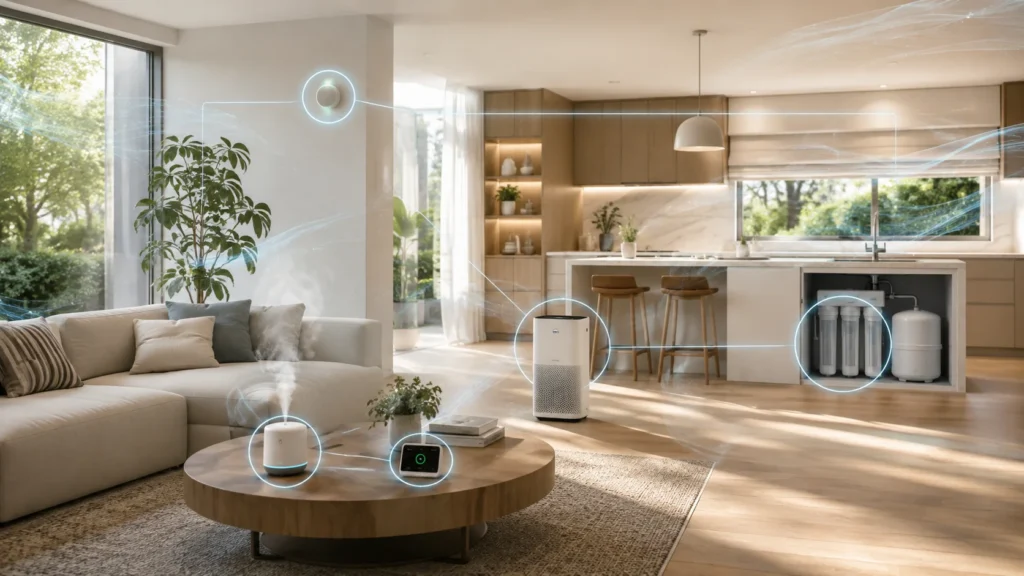
App-Controlled Diffusers2 become a mini "smart home hub" by offering scheduling, custom light and mist settings, and integration with voice assistants. This transforms a simple device into an interactive part of a user's daily wellness routine, creating a stickier, more valuable product experience.
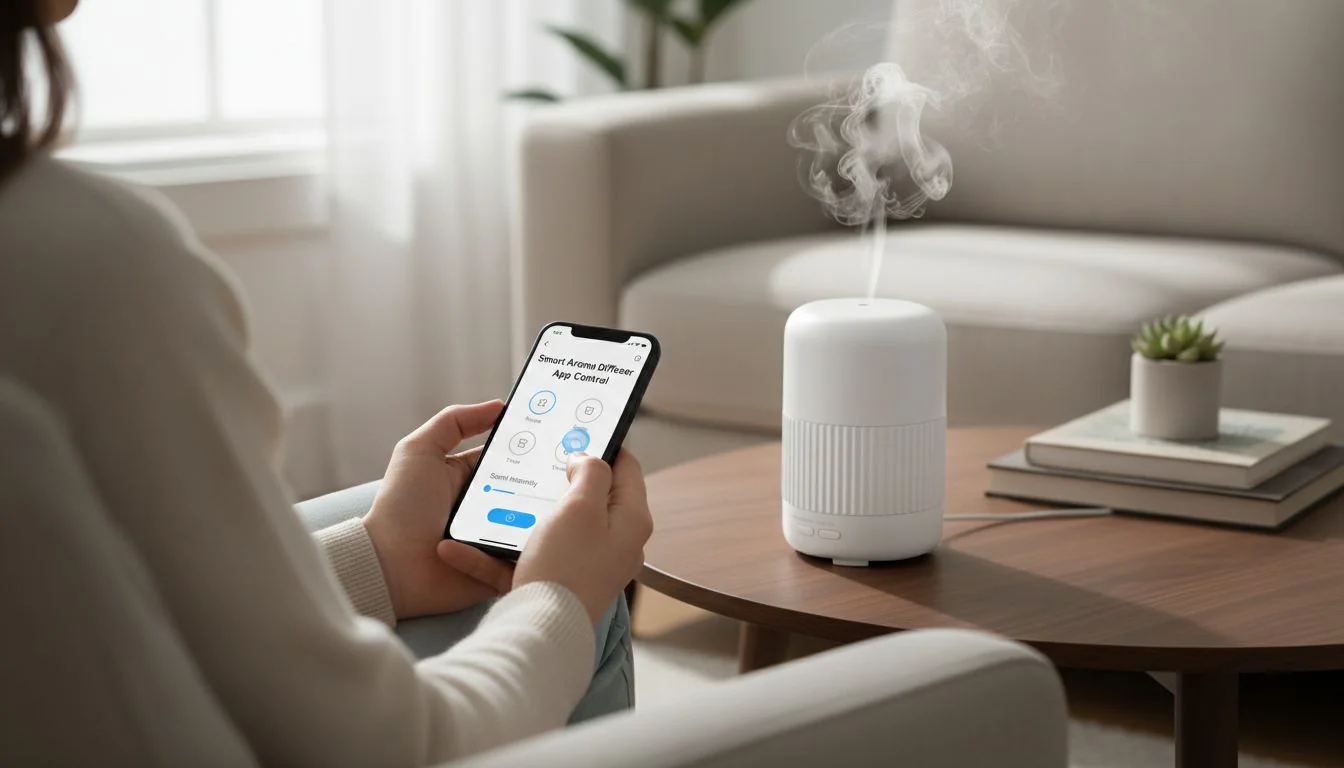
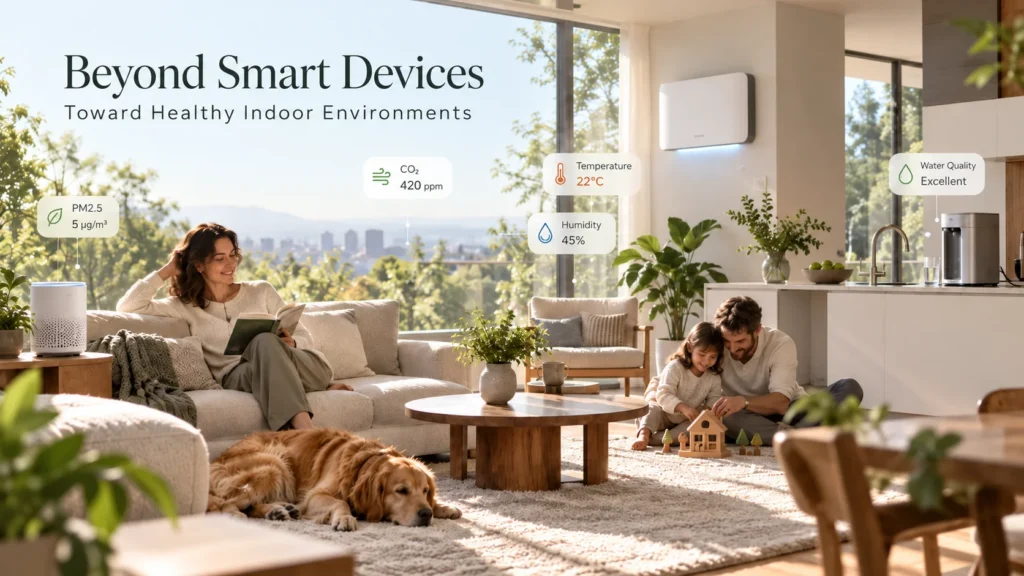
This is about turning a simple product into an experience. The app becomes a direct line to the customer. A smart brand can use that app to sell more essential oils or introduce other matching smart wellness products. It creates a "Wellness Ecosystem3" in the home.
Design for Tech Integration
For a designer like you, Jacky, this means you have to think about the electronics from the very first sketch. You can't just stuff a PCB in as an afterthought. I remember a project where the client placed the Wi-Fi antenna right next to a metal weight used for stability. The signal was terrible. We had to re-tool the mold to create a new spot for it. You must plan for PCB placement, heat dissipation, and antenna placement. The plastic housing must be designed to be transparent to radio signals.
The Aesthetic and Story
Smart features are only half the battle. The product must be beautiful. The unboxing experience, the feel of the material, and the look of the product on a shelf are all part of the D2C story. As a manufacturing partner, we can help with premium finishes like matte or metallic colors, sustainable packaging, and high-end logo applications that make the product feel special.
All smart home devices can connect to each other automatically.False
Device interoperability is a major challenge. It depends on shared protocols like Matter, or specific integrations built by the manufacturer for platforms like Alexa, Google Home, or Apple HomeKit.
Plastic materials like ABS are non-conductive and do not interfere with Wi-Fi or Bluetooth signals.True
Most plastics are RF-transparent, meaning they allow radio waves to pass through them easily. This is why they are the preferred material for the housings of most wireless electronic devices.
Why is the 'Go-Anywhere' Portable Air Purifier a Perfect Niche Solution?
Large, bulky air purifiers don't solve the problem of air quality at your desk or in your car. People need a targeted solution for their personal space.
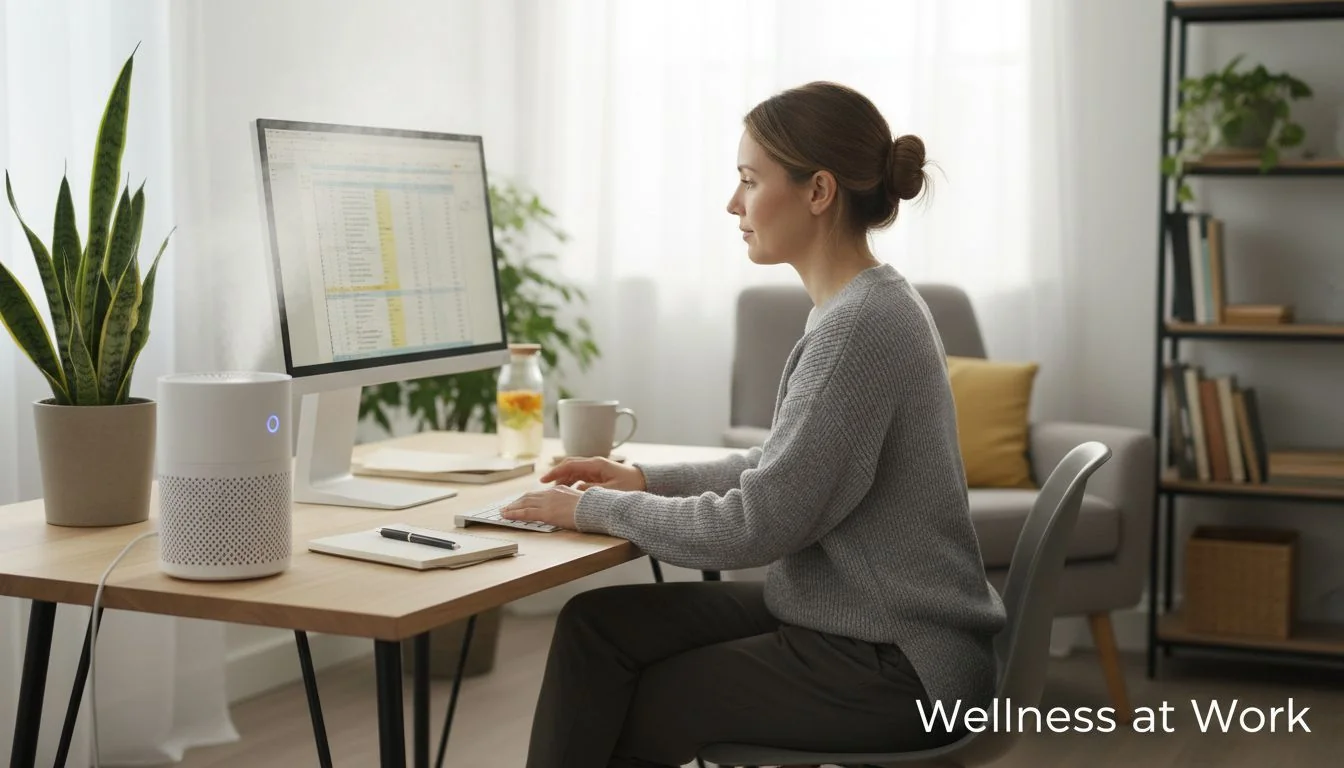
The Portable Air Purifier4 is a perfect niche product because it solves a specific "job-to-be-done": cleaning the air in your immediate personal bubble. It's ideal for office desks, car cup holders, or travel, targeting high-intent customers that D2C brands can easily reach.
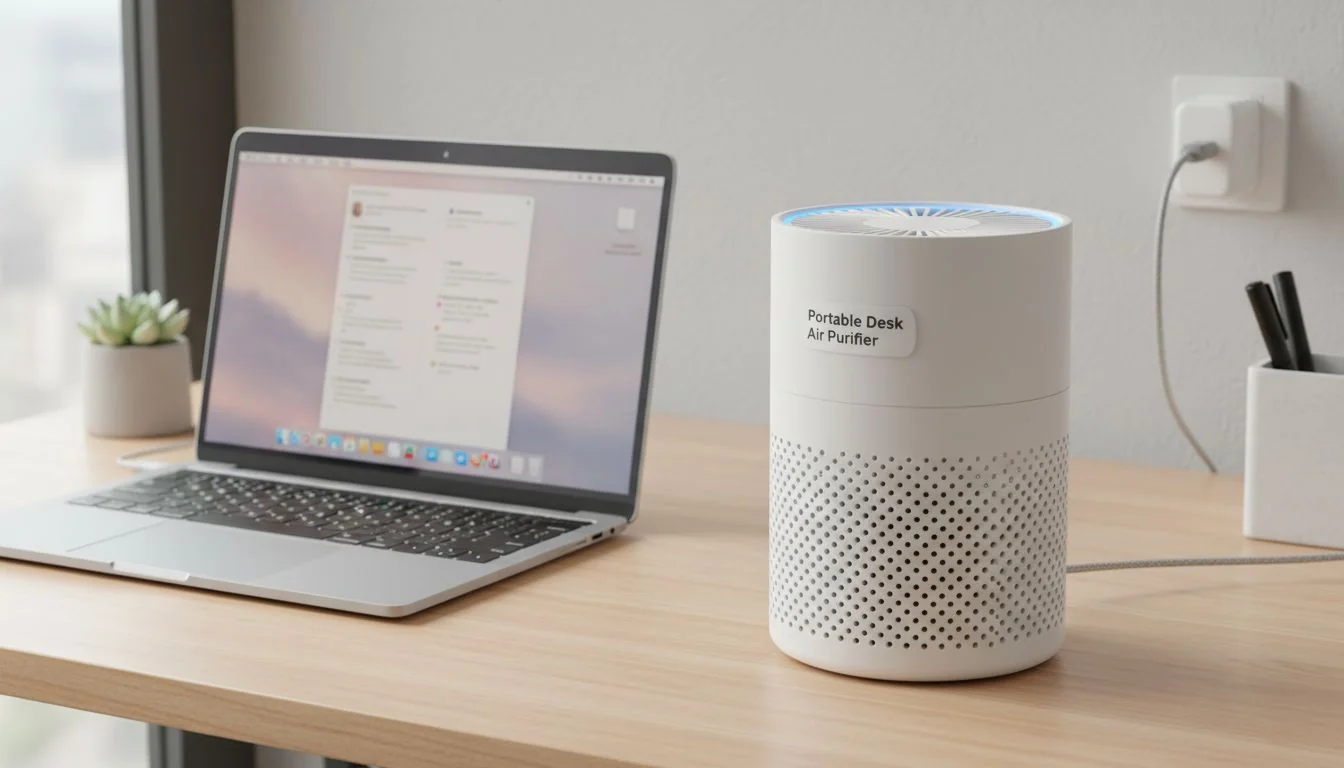
I love this category because it’s so specific. You aren't just selling "an air purifier." You are selling a solution for the "work-from-home professional" or the "health-conscious commuter." This focus makes marketing incredibly effective for a D2C brand.
Design for Portability and Durability
Your design challenge is to make it small, light, and tough. It's going to be tossed in a bag or sit in a vibrating car. Material choice is key. A strong PC/ABS blend is often a good choice over standard PP or ABS. You also have to be clever with the internal layout. Fitting a fan, a HEPA filter, a battery, and a USB-C port into a device the size of a water bottle requires careful planning.
Mold Design for Compactness
To keep things light and small, you'll likely use thin-wall molding techniques. This requires careful mold design and flow analysis to prevent defects. You also have to think about the user experience. How do they replace the filter? The mold must create a mechanism that is easy for the customer to open but remains secure during use. A simple twist-lock or a magnetic latch can be a great feature.
| Use Case | Key Design Feature | Material Consideration |
|---|---|---|
| Office Desk | Quiet operation, small footprint | ABS with matte finish |
| Car | Fits in a cup holder, USB-powered | Durable PC/ABS blend |
| Travel | Lightweight, built-in battery | Thin-wall PC construction |
Personal air purifiers can effectively clean an entire room.False
Personal purifiers have a very low Clean Air Delivery Rate (CADR) and are only effective within a few feet of the user. They are designed to clean a 'personal bubble,' not a whole room.
USB-C has become the standard for powering small portable electronics due to its higher power delivery and reversible connector.True
The USB-C standard can deliver more power than older USB types and its reversible design is more user-friendly, making it the preferred choice for modern portable devices.
What 'Trust Signal' Does an NSF-Certified Water Filter Pitcher Send?
Customers are skeptical about claims of "clean water." Anyone can say their filter works. How do you prove it and earn their trust and money?
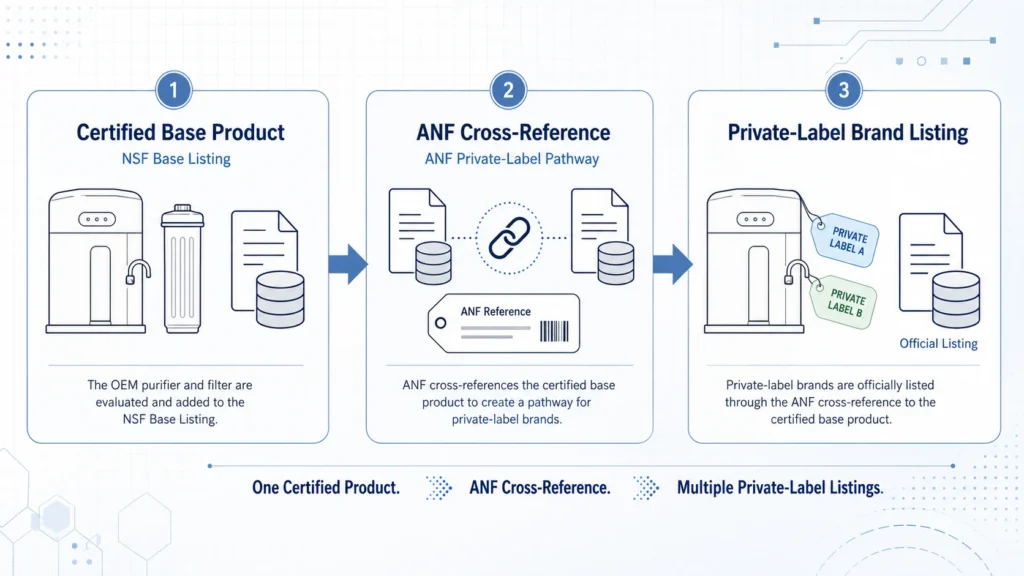
NSF Certification5 is a powerful, independent "trust signal." It proves that a product meets strict public health standards for safety and performance. For a D2C brand, this third-party validation justifies a premium price and instantly builds credibility with discerning consumers.
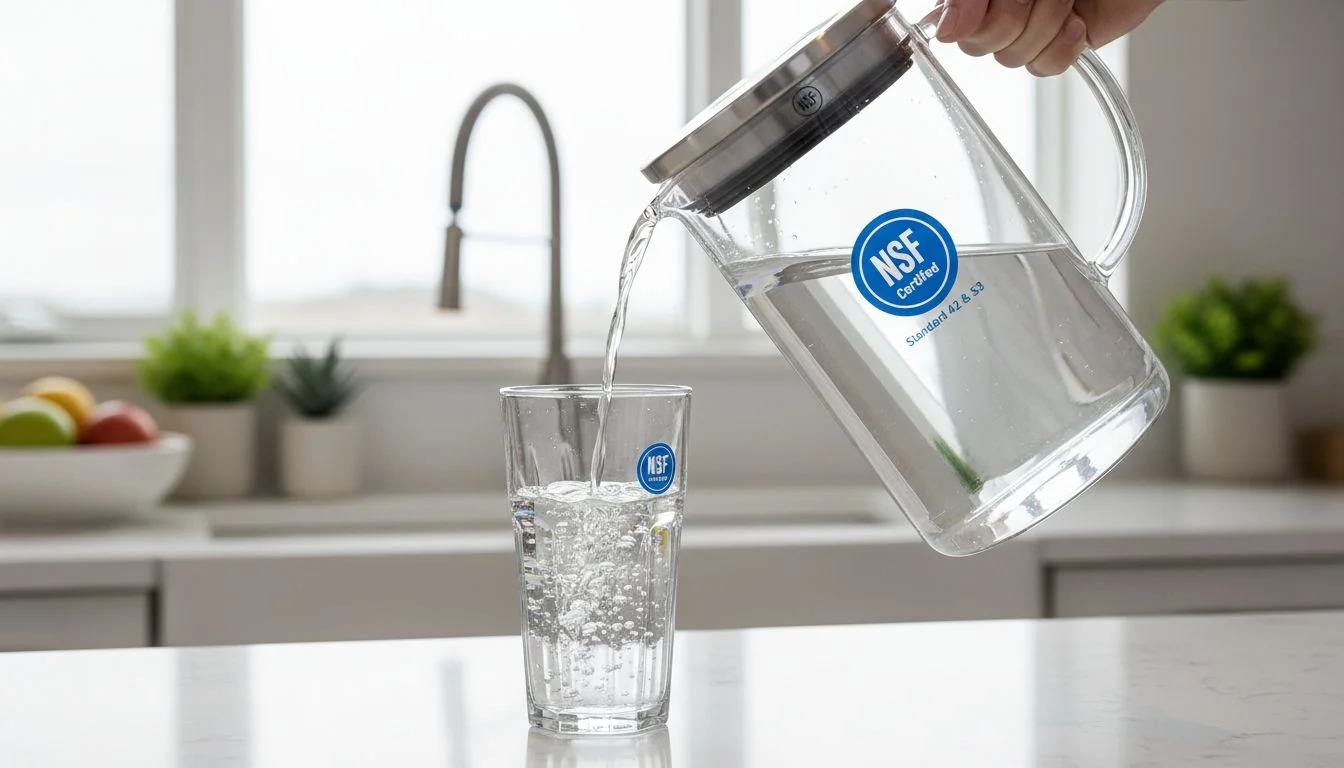
In my business, I've seen that trust is everything. In a crowded market, a D2C brand needs to give customers a reason to believe in them. An NSF logo on the box is a shortcut to that trust. It tells the customer, "It's not just us saying it's safe and effective; a global public health organization has tested and approved it." This is a massive advantage.
Material and Design for Certification
Getting a product NSF certified starts with you, the designer. You can't use just any plastic. You must use specific grades that are certified for contact with drinking water, like BPA-free Tritan or SAN. The design itself is also under scrutiny. Your mold design must eliminate any small, sharp internal corners or crevices where bacteria could hide and grow. Every surface must be smooth and easy to clean.
The Manufacturing Process
The certification process is rigorous. It's not just the final product that gets tested. NSF auditors inspect the entire manufacturing facility. They check how raw materials are handled, the cleanliness of the assembly line, and the quality control procedures. This has to be planned from the very beginning. You can't just make a pitcher and then decide to get it certified. It's a commitment to quality from start to finish, and it's something a good manufacturing partner can guide you through.
NSF certification is a one-time process for a product.False
NSF certification requires annual inspections of the manufacturing facility and periodic re-testing of the product to ensure it continues to meet the standard.
Tritan copolyester is a popular material for water filter pitchers because it is BPA-free, shatter-resistant, and does not retain odors or tastes.True
Tritan's combination of safety (BPA-free), durability, and clarity makes it an ideal material for food and beverage containers, including high-end water pitchers.
How Can You Find Your Next Winner (And Partner for Success)?
Finding the next hit product feels like guesswork. You see trends, but turning them into a manufacturable, profitable product is the real challenge.
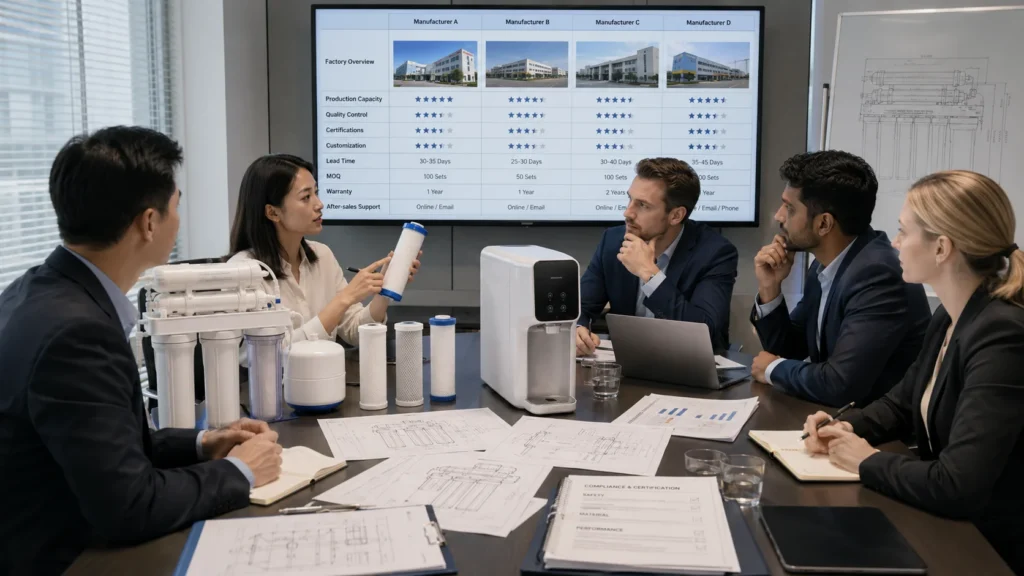
Find your next winner by looking for trends in materials, technology, and niche customer needs. Partner with a manufacturer who is more than a supplier—one who acts as a trend spotter and innovation partner, helping you design and build a whole ecosystem of successful products.
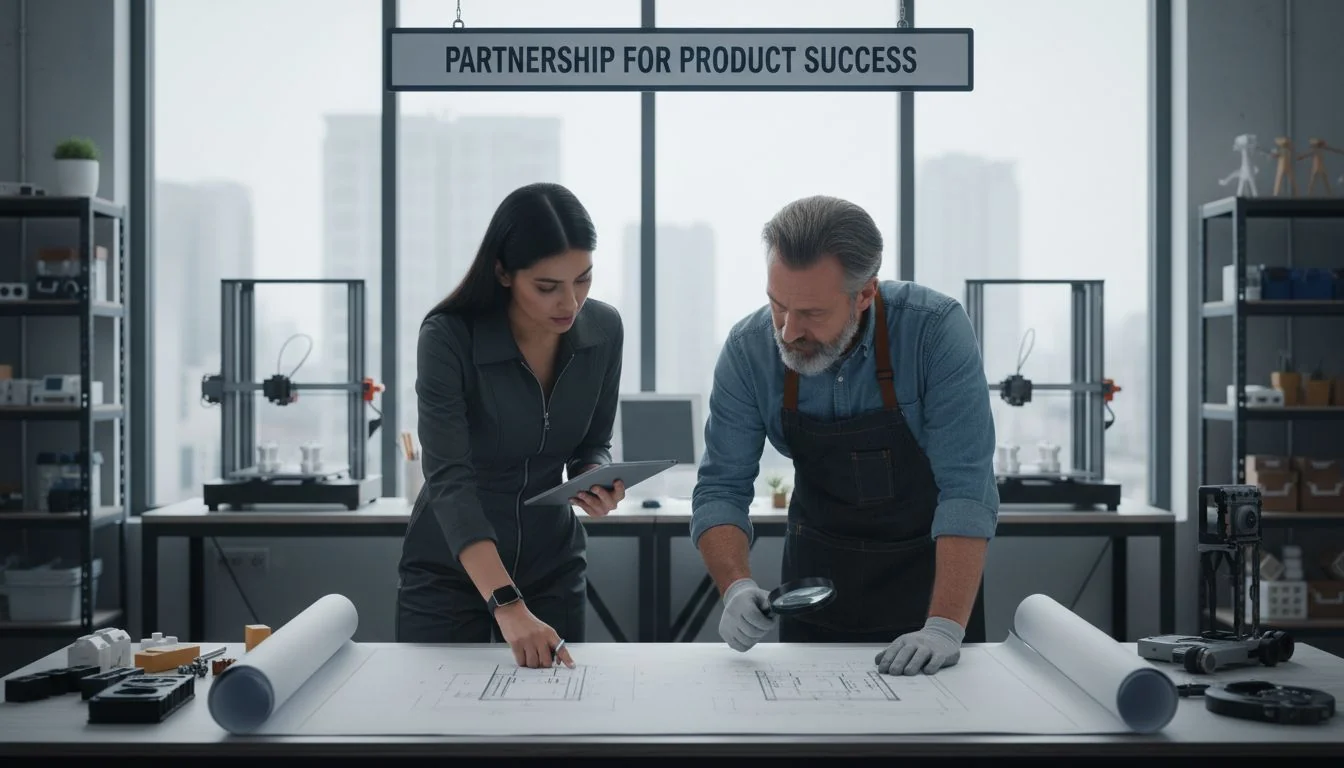
I started Moldle because I wanted to be more than just a supplier who takes an order. I want to be a partner. After years in this industry, I see trends emerge long before they hit the market. My role is to bring those insights to designers like you.
Be the Trend Spotter
Think of me as your eyes and ears on the factory floor. I see the new materials coming in. I see the new technologies being integrated. When I saw the first requests for stainless steel humidifier tanks, I knew it was the start of a major trend toward "hygienic luxury." I bring these ideas to my clients so they can be first to market, not last.
Build a "Wellness Ecosystem"
Don't think in terms of a single product. Think in terms of a product family. If you design a great smart diffuser for a D2C brand, they will want a matching smart humidifier and air purifier. By using a consistent design language—the same materials, finishes, and app—you help them build a powerful brand and increase the lifetime value of their customers. We can help you maintain that consistency across a whole suite of products. A good partner helps you think bigger.
A consistent design language across products can decrease a brand's overall tooling costs.False
While it can create a stronger brand, using a consistent design language doesn't inherently reduce tooling costs. Each unique product part still requires its own expensive, custom mold.
Increasing customer retention by just 5% can increase profits by 25% to 95%.True
This is a well-known business statistic (originally from Bain & Company). Selling more products to existing customers (like in an ecosystem) is far more profitable than acquiring new ones.
Conclusion
Innovation isn't just about a new idea. It's about smart design, strategic Material Choices6, and expert manufacturing. Focus on these details to create D2C wellness products that win.
References
-
Explore how Hygienic Luxury is transforming consumer expectations and product design in the wellness market. ↩
-
Discover the benefits of app-controlled diffusers and how they integrate into smart home ecosystems. ↩
-
Discover how creating a wellness ecosystem can enhance customer loyalty and product value. ↩
-
Learn why portable air purifiers are essential for personal air quality and convenience. ↩
-
Understand the significance of NSF certification in building consumer trust for wellness products. ↩
-
Explore the impact of material choices on product quality and consumer perception. ↩


 English
  Français
  Español
  Italiano
  Deutsch
  Português
  Русский
  العربية
  日本語
日本語  한국어
한국어  Tiếng Việt

