

Opens in a new tab
Innovative Air Quality Solutions

Where Can I Manufacture My Product to Avoid US Tariffs?

If you’re importing products like air purifiers, humidifiers, or other wellness goods, you’ve likely felt the pressure of U.S. tariffs on products from China. What started as a trade dispute has evolved into a long-term strategic challenge, forcing businesses to rethink their reliance on a single manufacturing source. The days of the "Made in China" label being the default, low-cost option are complicated by tariffs that can erase profit margins overnight.

For B2B and D2C buyers, this isn't just a line item on a spreadsheet; it's a direct threat to competitiveness and supply chain stability. The question is no longer if you should diversify your manufacturing, but where you should go. This guide explores four leading alternatives—Vietnam, Malaysia, Thailand, and Mexico—to help you navigate this new landscape and build a more resilient, tariff-proof business.

The Tariff Problem: Why Staying in China is a Gamble

The core of the issue lies in the Section 301 tariffs, which place additional duties of up to 25% on a wide range of Chinese goods, including many consumer electronics and wellness products. These tariffs are not a temporary political storm; they are a structural shift in U.S. trade policy that is here to stay.

A person shaking hands with a factory manager, sealing a partnership deal

For wellness products, the impact is direct:

  • Humidifiers, Dehumidifiers, and Water Purifiers: These products generally face a steep 25% Section 301 tariff when imported from China.
  • Air Purifiers: There's a temporary bright spot here. Currently, air purifiers imported from China are exempt from these tariffs, but this relief is set to expire on May 30, 2025. After this date, tariffs could jump to 25% or even higher.

This exemption isn't a reason to delay action; it's a strategic window. It gives you a cost-free period to transition your manufacturing without paying tariffs on both your old and new supply chains simultaneously. Relying on temporary exclusions is a risky long-term strategy, as they can expire with little notice, leaving your business exposed. The smart move is to use this time to pivot. That’s why working with manufacturing partners who already operate outside of China is critical. HisoAir has established overseas factories that help brands reduce tariff exposure while ensuring stable supply.
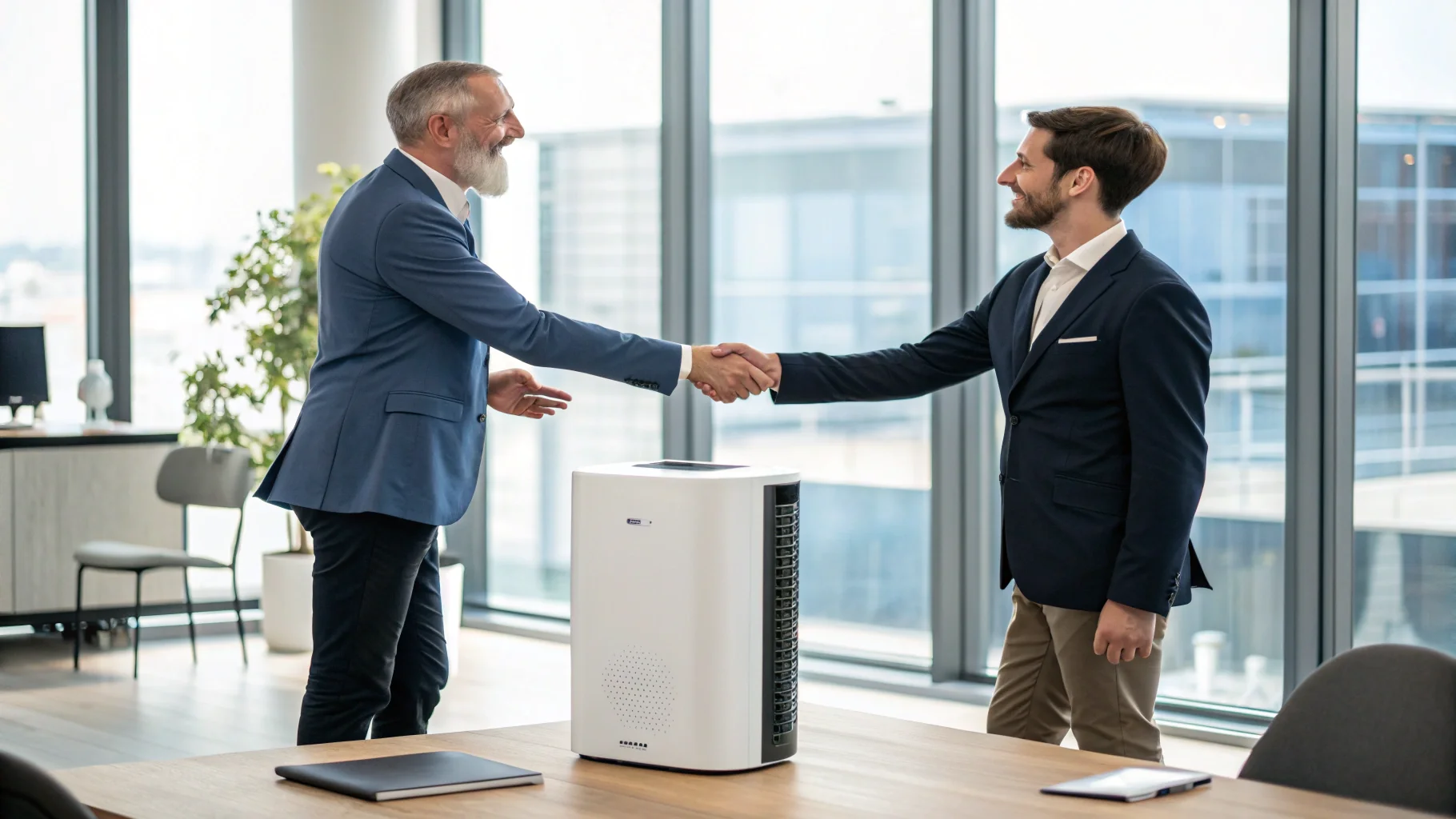
Two business professionals shaking hands, sealing a manufacturing deal

The Top "China+1" Contenders: A Comparative Look

As companies execute a "China+1" strategy, they are moving production to neighboring countries in Southeast Asia or "nearshoring" to locations closer to the U.S. Here’s a breakdown of the top four options.

1. Vietnam: The Rising Powerhouse

Vietnam has become a go-to destination for companies leaving China, attracting giants like Samsung, LG, and Foxconn. Its appeal is clear, but it comes with significant challenges.

The Pros:

  • Low Labor Costs: Vietnam's primary advantage is its highly competitive labor market, with wages that can be substantially lower than in China.
  • Growing Electronics Hub: The country has a rapidly expanding electronics manufacturing sector, particularly in its northern provinces, which are close to China's established supply chain.
  • Government Support & Stability: The Vietnamese government is actively encouraging foreign investment with investor-friendly policies and offers a stable political environment.

The Cons & Risks:

  • The Transshipment Trap: The U.S.-Vietnam trade agreement includes a 20% tariff on most goods, which is manageable. However, there's a much larger threat: a punitive 40% tariff on any goods suspected of being "transshipped"—made in China and routed through Vietnam to evade tariffs.
  • Rules of Origin (RoO) Complexity: To avoid the 40% penalty, you must prove your product underwent a "substantial transformation" in Vietnam. This is difficult because Vietnam's industry relies heavily on components imported from China. Simple final assembly won't be enough.
  • Developing Infrastructure: While the government is investing heavily in infrastructure, ports can still be congested, and logistics are not as seamless as in China.
  • Skilled Labor Gap: While the workforce is large, there is a recognized shortage of highly skilled technical and managerial talent compared to China.

The Verdict: Vietnam is an excellent first step out of China, especially for labor-intensive assembly. However, it requires rigorous supply chain management and documentation to navigate the Rules of Origin and avoid crippling transshipment penalties. For companies seeking trusted partners, HisoAir supports OEM/ODM manufacturing in Vietnam, ensuring compliance with RoO while maintaining product quality.

2. Malaysia: The High-Value Hub

For decades, Malaysia has been a quiet giant in the global electronics scene. It offers a more mature, technologically advanced environment, making it ideal for more complex products.

The Pros:

  • Mature Electronics Ecosystem: Regions like Penang, the "Silicon Valley of the East," are global leaders in high-tech manufacturing, particularly in semiconductors. Major brands like Intel, Sony, and Panasonic have a significant presence.
  • Skilled & English-Speaking Workforce: Malaysia boasts a technically proficient workforce with widespread English fluency, which simplifies communication and management.
  • Strong IP Protection & Stability: The country has robust laws protecting intellectual property and a stable political and economic environment, reducing commercial risk.
  • World-Class Infrastructure: Malaysia offers highly developed industrial parks, reliable power, and efficient ports and airports.

The Cons & Risks:

  • Higher Labor Costs: A more skilled workforce comes at a price. Manufacturing wages are higher than in Vietnam, which may impact the margins on lower-cost goods.
  • Supply Chain Gaps: While its domestic component supply chain is more developed than Vietnam's, it doesn't match the scale of China's. You may still need to import certain specialized components.
  • ESG Concerns: There have been documented issues of forced labor among migrant workers in the electronics sector, creating a potential reputational and compliance risk that requires diligent auditing.

The Verdict: Malaysia is the premier choice for higher-value, technologically complex products where quality, reliability, and IP protection are paramount. The higher cost is justified by a lower-risk, higher-quality manufacturing environment.HisoAir already partners with factories in Malaysia, giving clients access to advanced production lines without starting from scratch.
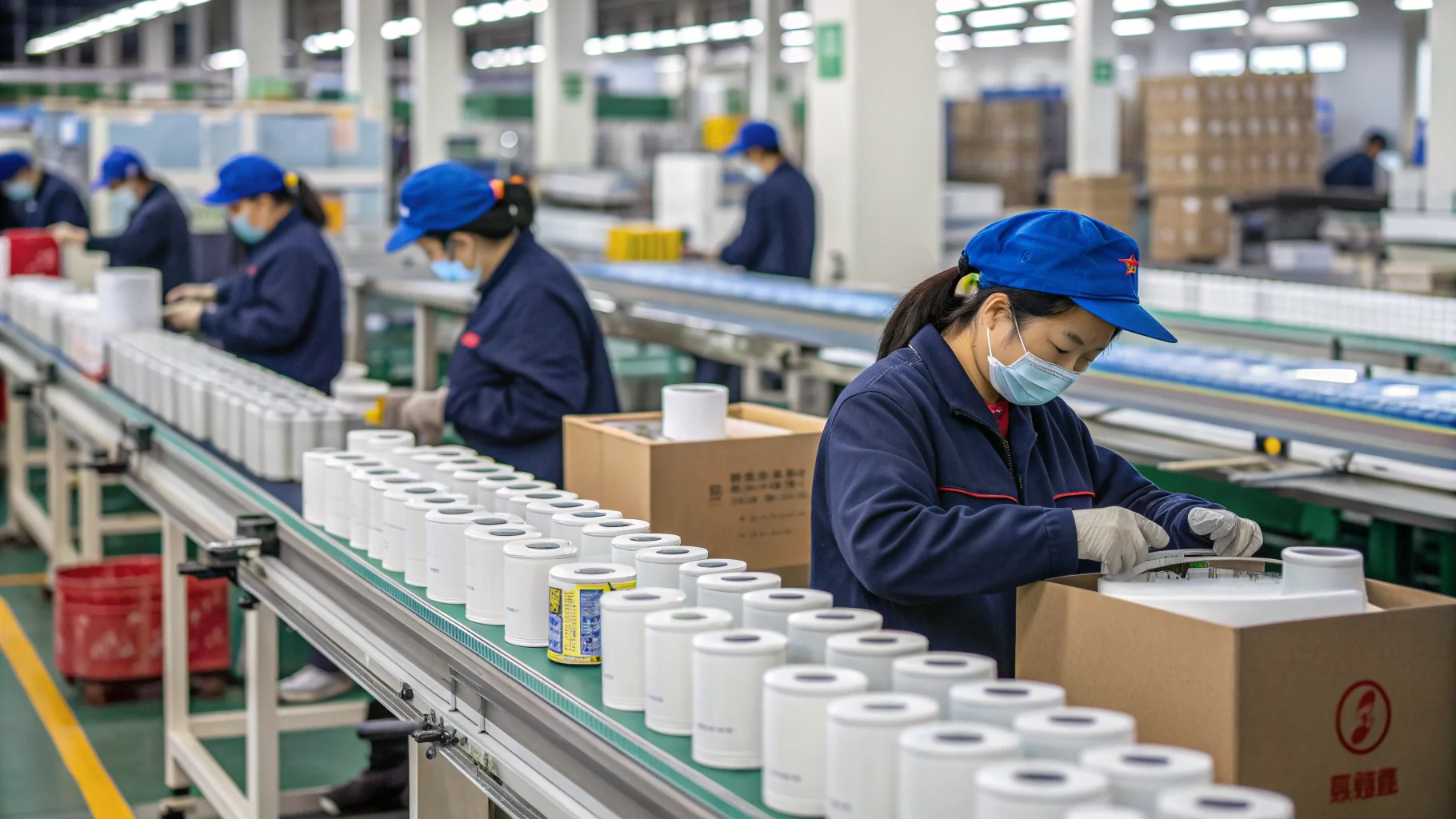
A busy assembly line for humidifiers in a Chinese factory

3. Thailand: The Resilient Competitor

Thailand offers a balanced profile with the largest electronics manufacturing base in the ASEAN region and strong government backing, though it comes with its own set of uncertainties.

The Pros:

  • Massive Industrial Base: Thailand is a world leader in producing components like hard disk drives and has a vast, capable manufacturing workforce.
  • Strong Government Incentives: The government's Board of Investment (BOI) and Eastern Economic Corridor (EEC) initiative offer attractive incentives, including long-term tax holidays and streamlined business setup, to attract high-tech investment.
  • Competitive Labor: Labor costs are generally competitive, sitting in a middle ground between Vietnam and Malaysia.

The Cons & Risks:

  • Political Instability: Thailand has a history of political instability, including military coups, which poses a long-term risk for investors.
  • Uncertain Rules of Origin: The U.S. and Thailand have agreed to a 19% tariff rate, but the specific Rules of Origin are still being negotiated. This uncertainty makes it difficult to plan for compliance. The U.S. may push for stricter rules to prevent Chinese goods from passing through.
  • Logistics and Bureaucracy: Logistics costs in Thailand are higher than the global average, and foreign investors can face delays from complex licensing and regulatory procedures.

The Verdict: Thailand is a solid, well-rounded alternative with a powerful manufacturing sector and strong government support. However, businesses must be comfortable with the latent political risk and the current ambiguity surrounding trade rules. To minimize these risks, HisoAir works with vetted Thai partners that meet U.S. compliance requirements.

4.Mexico: The Nearshoring Game-Changer

Moving production to Mexico is a fundamentally different strategy. Instead of just finding a new low-cost location in Asia, it involves bringing manufacturing closer to home to leverage a unique and powerful trade advantage.

The Pros:

  • The Ultimate Prize: 0% Tariffs: Under the United States-Mexico-Canada Agreement (USMCA), products that meet the agreement's Rules of Origin can enter the U.S. completely duty-free. This is an unparalleled advantage that no Asian country can offer.
  • Speed and Agility: Proximity to the U.S. slashes shipping times from weeks to days. This enables just-in-time manufacturing, reduces inventory costs, and allows you to respond to market changes with incredible speed.
  • Deeply Integrated Supply Chain: Mexico has a massive, well-established electronics industry and is already the second-largest supplier of electronics to the U.S. Its supply chain is highly integrated with the U.S., making it easier to source compliant components.
  • Abundant Skilled Labor: Mexico graduates over 115,000 engineers and technicians annually, providing a deep and sustainable talent pool for advanced manufacturing.

The Cons & Risks:

  • The Toughest Rules of Origin: Achieving that 0% tariff is not easy. USMCA's RoO are strict and require that a significant portion of a product's value and key components originate in North America. Simply assembling Asian parts in Mexico will not qualify. This requires a much deeper and more capital-intensive transformation of your supply chain.
  • Higher Upfront Investment: Shifting your supply chain to prioritize North American components can be more complex and costly upfront than simply moving assembly to another Asian country.

The Verdict: Mexico is the most powerful strategic option for businesses focused on the U.S. market. While it requires the biggest upfront investment in re-engineering your supply chain, the reward is complete tariff elimination, unmatched logistical advantages, and long-term resilience.HisoAir offers nearshoring solutions in Mexico, helping brands qualify under USMCA and access the U.S. market duty-free.
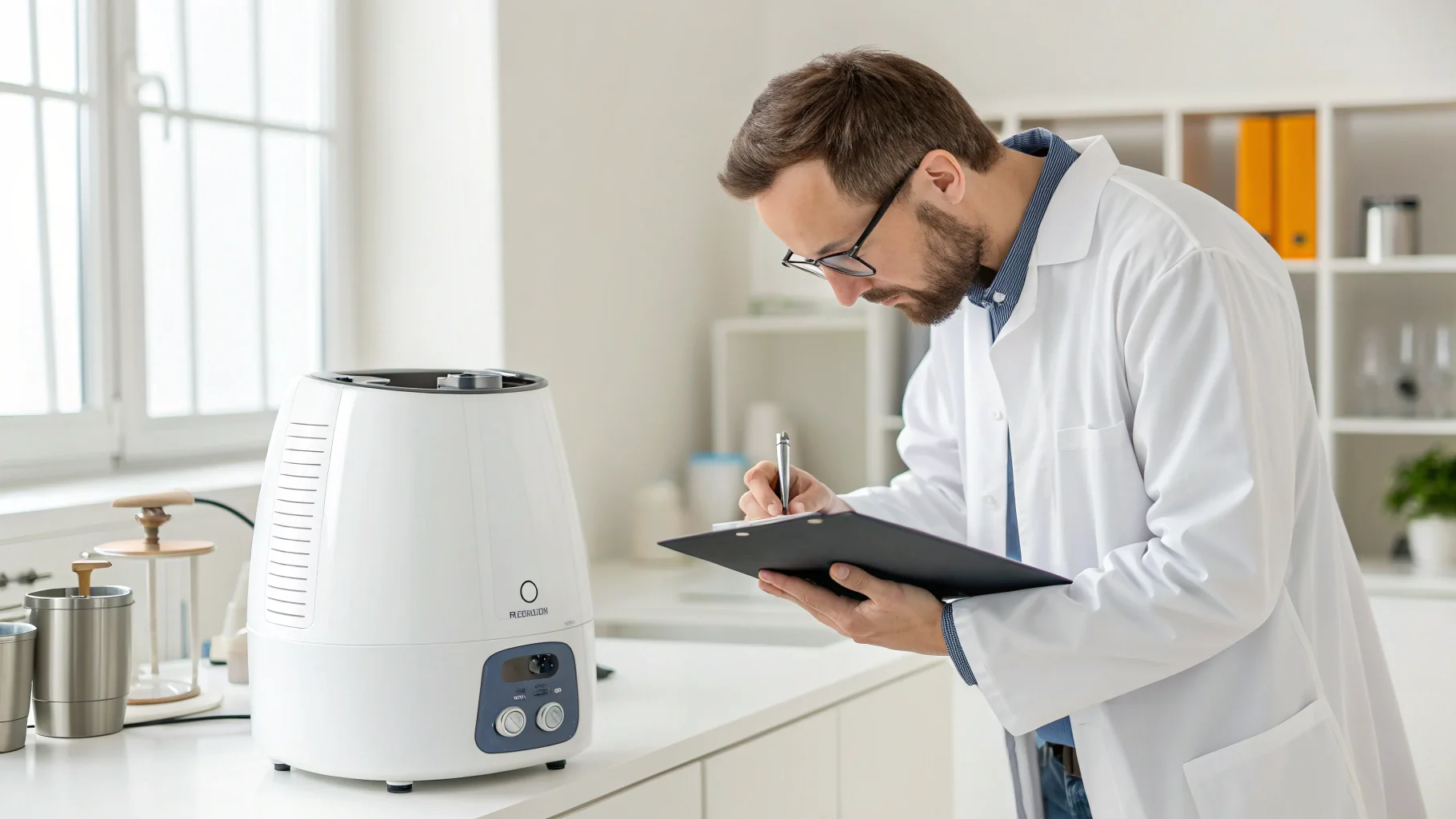
A quality control inspector examining a humidifier with a checklist on a clipboard.

Conclusion: Your Next Move

The era of relying solely on China for manufacturing is over. Persistent U.S. tariffs have made supply chain diversification a matter of survival and competitive advantage. There is no single perfect solution; the right choice depends on your products, your budget, and your long-term vision.

If you need immediate cost relief for labor-intensive products, Vietnam is a strong contender, provided you can manage the complex Rules of Origin. For high-value, tech-heavy goods, Malaysia offers a mature, reliable ecosystem. Thailand presents a balanced, if less certain, alternative.

However, for businesses whose primary market is North America, Mexico offers the most compelling long-term prize: a future free from tariffs. The path is more demanding, but the payoff in cost savings, speed, and stability is unmatched.

The clock is ticking on the temporary tariff reliefs. Now is the time to explore trusted partners. HisoAir provides overseas manufacturing in Vietnam, Malaysia, Thailand, and Mexico helping brands bypass tariffs and secure a resilient supply chain for the future.


Share:
hisoair founder mr lee
Alwen Lee, an air purification expert with over 10 years of experience, is a devoted father of two and a passionate traveler, having explored more than 30 countries. With a love for public speaking and swimming, he has dedicated his life to the indoor air quality industry. His mission is to ensure that people around the world enjoy the freedom to breathe clean air and lead happy, healthy lives.

Send Us A Message

More to Read

Modern living room with a family enjoying a healthy indoor environment monitored by smart devices, natural lighting, and greenery.

After IFA 2026: The Healthy Home Is Moving Beyond Smart Devices

In our previous IFA 2026 column, Air Purification Is Becoming Part of the Healthy-Home Platform, we argued that the next generation of indoor-health products would ...
News
Modern living room and kitchen with smart home air quality devices including an air purifier, humidifier, and water filtration system, connected with visualized blue connectivity lines.

IFA 2026: Air Purification Is Becoming Part of the Healthy-Home Platform

Pre-IFA Industry Perspective | September 4, 2026 This article is based on official announcements and regulatory information available ahead of IFA 2026, which takes place ...
News
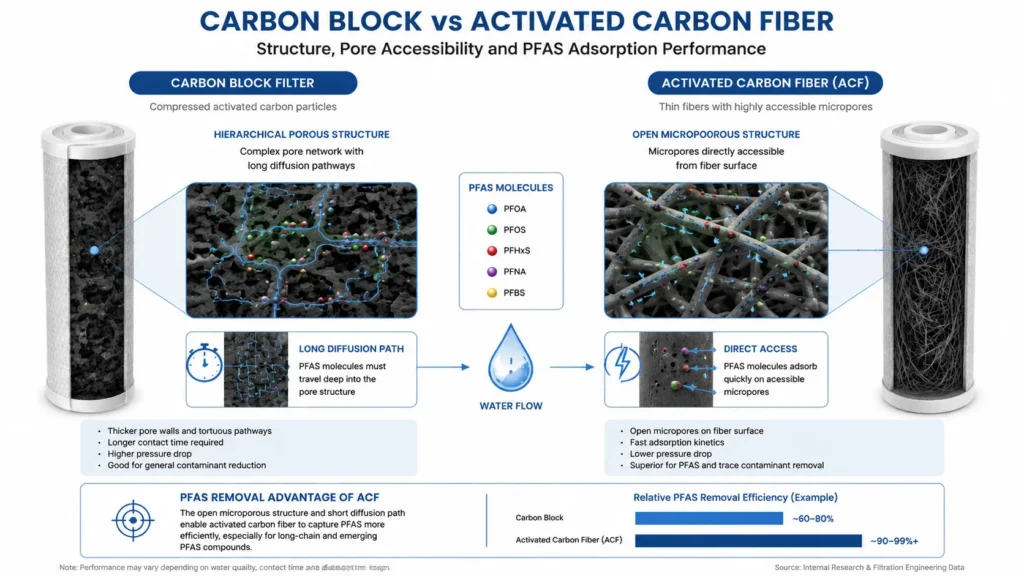
Comparison infographic showcasing the differences between carbon block filter and activated carbon fiber. Detailed diagrams illustrate the hierarchical porous structure of the carbon block with long diffusion paths and the open microporous structure of the activated carbon fiber with direct access for PFAS adsorption.

Carbon Block vs. Activated Carbon Fiber (ACF): Matching Media to Target Contaminants

Two carbon media. Same adsorption chemistry. Very different behaviour in a point-of-use cartridge. If you are specifying a water purifier platform for a PFAS-aware market, ...
News
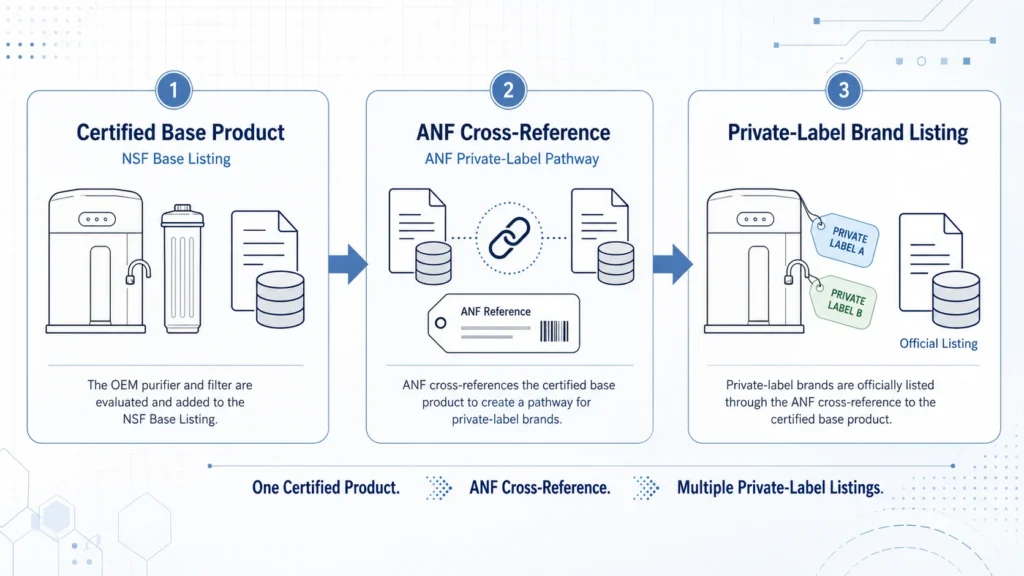
NSF base listing and ANF private-label certification pathway for OEM water filters

What Is an NSF Master Listing? A Guide to Base Listings, ANF Certification and OEM Water Filters

For a brand preparing to launch an OEM water purifier, one of the most common supplier claims is: “We already have an NSF master listing, ...
News, Water Purifiers
Healthy-home brand team reviewing PFAS water filter certification, test data and product engineering

Entering the Water Category Is Easy. Building a Credible PFAS Claim Is Much Harder

For air purification, appliance and healthy-home brands, entering the water category can look surprisingly easy. A company can select an existing undersink system, customize its ...
News
Team in a business meeting discussing a water filtration system with product components and a comparison table displayed on a screen.

5 Leading OEM Water Purifier Manufacturers in China for Private Label Brands

China has thousands of companies selling water filters, reverse osmosis systems and drinking-water appliances. However, only a portion of them are suitable for private-label, OEM ...
News
Contaminant Engineering•3 min read

PFAS Water Filtration Technologies Explained: Carbon, Resin & RO

Key Takeaway:

PFAS reduction depends on the specific compounds present, treatment media, contact time, water chemistry, and system design. Activated carbon, ion exchange, and Reverse Osmosis address PFAS through different mechanisms.

PFAS are a large family of persistent fluorinated compounds that can occur in drinking-water supplies. Their treatment behavior varies significantly by molecular structure, chain length, functional group, concentration, and the chemistry of the source water.

Granular Activated Carbon (GAC) removes PFAS primarily through adsorption. It is generally more effective for many longer-chain PFAS, while shorter-chain compounds tend to break through more quickly. Carbon performance depends on media properties, Empty Bed Contact Time (EBCT), competing organic matter, loading, and replacement frequency.

Ion-exchange resins use charged functional sites to capture many PFAS compounds. Properly selected anion-exchange media can provide high capacity and may perform better than conventional activated carbon for some shorter-chain PFAS, although performance still depends on water chemistry and competing ions.

Reverse Osmosis (RO) uses membrane separation rather than adsorption. Properly designed RO systems can provide broad reduction across many PFAS compounds as well as dissolved salts and other contaminants. Unlike carbon or resin, however, RO also produces a concentrate stream that must be managed.

No single technology should be selected from a PFAS label alone. System design should consider which PFAS compounds are present, their concentrations, required reduction targets, flow rate, media life, and the applicable third-party certification or validation requirements.

HisoAir Water Technical Series
Product Discovery•3 min read

How to Choose an Under-Sink Water Purifier for Modern Kitchens

Key Takeaway:

Match the treatment technology to your water quality first, then evaluate cabinet space, faucet configuration, flow rate, drain and power requirements, and filter replacement needs.

Choosing an under-sink water purifier starts with water chemistry. Carbon filtration is well suited to chlorine, taste, odor, and many organic contaminants, while Reverse Osmosis is more appropriate when dissolved salts, fluoride, nitrates, or broader dissolved contaminants need to be reduced.

For compact kitchens, tankless RO systems eliminate the conventional storage tank and can significantly reduce the space required under the sink. However, membrane capacity stated in GPD does not directly equal faucet flow. When comparing systems, check the actual dispensing flow rate, inlet-pressure requirement, recovery ratio, and whether a booster pump is required.

Installation architecture also matters. Many RO systems require a drain connection, electrical power, and either a dedicated drinking-water faucet or a compatible multi-function faucet. High-flow carbon systems can often connect directly to the existing cold-water line with a simpler installation, but pressure drop and available faucet flow should still be verified.

RO also removes much of the naturally occurring dissolved mineral content. Where taste or mineral balance is a priority, a post-RO remineralization stage can be added. Filter life should be evaluated by both rated capacity and local water quality rather than replacement time alone.

The right system is therefore not simply the smallest or highest-GPD model. It is the configuration that matches the target contaminants, available cabinet space, desired faucet setup, peak dispensing demand, and maintenance expectations.

HisoAir Water Technical Series
Water Quality•2 min read

What Does TDS Mean in Drinking Water? Measurement vs Contaminant Reality

Key Takeaway:

A TDS meter estimates the overall concentration of dissolved ionic substances from electrical conductivity. It cannot identify specific contaminants or determine whether water is chemically safe.

Total Dissolved Solids (TDS) refers to the combined concentration of dissolved substances in water. Most handheld TDS meters do not measure TDS directly. Instead, they measure electrical conductivity (EC) and convert that reading into an estimated parts-per-million (ppm) value.

This means a TDS reading can indicate how much dissolved ionic material is present, but not what that material actually is. Calcium, magnesium, sodium, nitrates, and other dissolved ions can all contribute to conductivity, yet a simple TDS meter cannot distinguish between them.

TDS meters are also not suitable for detecting trace contaminants such as PFAS, many VOCs, pesticides, pharmaceuticals, or disinfection byproducts. These substances may be present at concentrations far below the level needed to noticeably change electrical conductivity.

A low TDS reading therefore does not guarantee safe drinking water, and a higher TDS reading does not automatically indicate contamination. Water-treatment decisions should be based on laboratory testing for specific contaminants of concern rather than TDS alone.

HisoAir Water Technical Series
Technology Selection•2 min read

RO vs UF Water Filtration: Understanding Pore Sizes & Dissolved Minerals

Key Takeaway:

Ultrafiltration can reduce bacteria, turbidity, and suspended particles while retaining most naturally occurring dissolved minerals. Reverse Osmosis provides much broader reduction of dissolved salts and smaller contaminants.

Ultrafiltration (UF) typically uses hollow-fiber membranes with pore sizes in the approximate 0.01–0.1 micron range. These membranes physically retain turbidity, suspended solids, colloids, and many microorganisms while allowing dissolved minerals and salts to remain in the water.

Reverse Osmosis (RO) operates at a much finer separation level. Unlike UF, RO can substantially reduce dissolved ions such as sodium, calcium, fluoride, nitrates, and other contributors to total dissolved solids (TDS). This makes RO more suitable when dissolved-salt reduction is a primary treatment objective.

UF generally requires less system pressure and produces little or no continuous concentrate stream in many point-of-use configurations. RO typically requires greater pressure and produces a reject-water stream, but delivers broader contaminant reduction.

For water with acceptable TDS and mineral content, UF can be a simpler mineral-retaining treatment option. Where dissolved salts, fluoride, nitrates, or broader dissolved contaminants are a concern, RO is generally the more appropriate technology.

HisoAir Water Technical Series
Technology Selection•4 min read

Carbon Block vs Reverse Osmosis: Which Fits Your Need?

Key Takeaway:

Choose RO for dissolved inorganic salts and heavy metals; choose Carbon Block for chemical taste/odor, no wastewater, and high line-pressure flow.

Reverse Osmosis (RO) and Carbon Block filtration represent two fundamentally different treatment methods: membrane separation and adsorption. Understanding these differences helps determine which technology is better suited to a specific water-quality requirement.

Reverse Osmosis uses a semi-permeable membrane with pore sizes of approximately 0.0001 microns. It can significantly reduce dissolved inorganic contaminants such as TDS, fluoride, nitrates, and certain heavy metals. Because water must be forced through the membrane, RO systems require sufficient pressure or a booster pump and generate a concentrated wastewater stream.

Carbon Block filtration relies primarily on adsorption through compressed activated carbon, commonly with nominal pore sizes around 0.5–5 microns. It is highly effective for chlorine, chloramines, VOCs, taste, and odor, while allowing substantially higher direct-flow rates without producing wastewater.

From an operating perspective, Carbon Block systems are generally simpler, require less energy, and avoid the water loss associated with RO. RO involves higher system complexity and operating cost, but provides substantially broader reduction of dissolved contaminants that Carbon Block alone cannot address.

HisoAir Water Technical Series

REQUEST A QUOTE