Have you ever asked why BlueAir air purifiers are so expensive? Let us explore what sets them apart.
BlueAir air purifiers cost more because of their advanced HEPASilent technology. They enjoy a strong reputation as a premium Swedish brand. They focus on always creating new air purification methods. The brand is very committed to improvement.
I recall the time I first thought about buying an air purifier. Many people, like me, doubted if the high costs were just exaggerated. But I soon found BlueAir's strong focus on great performance and quiet operation truly remarkable. Their technology, especially HEPASilent, stands out. Plus, new ideas have made them easier to get. After Unilever purchased them, they are improving supply chains and changing prices to stay in the game. BlueAir is changing. Knowing this really makes the purchase seem valuable.
BlueAir uses HEPASilent technology in its purifiers.True
HEPASilent technology is a key feature of BlueAir purifiers.
BlueAir is a budget-friendly air purifier brand.False
BlueAir is known for premium pricing and high-quality products.
How Does BlueAir's HEPASilent Technology Work?
Discover how BlueAir's HEPASilent technology quietly and effectively cleans air in your home, giving you peace and fresh air. This amazing system purifies the air. It really purifies.
BlueAir's HEPASilent technology captures airborne particles by combining mechanical filtration with electrostatic charging. This two-step method cleans the air very efficiently. It also reduces noise. The reduced noise suits home environments perfectly.
Basics of HEPASilent Technology
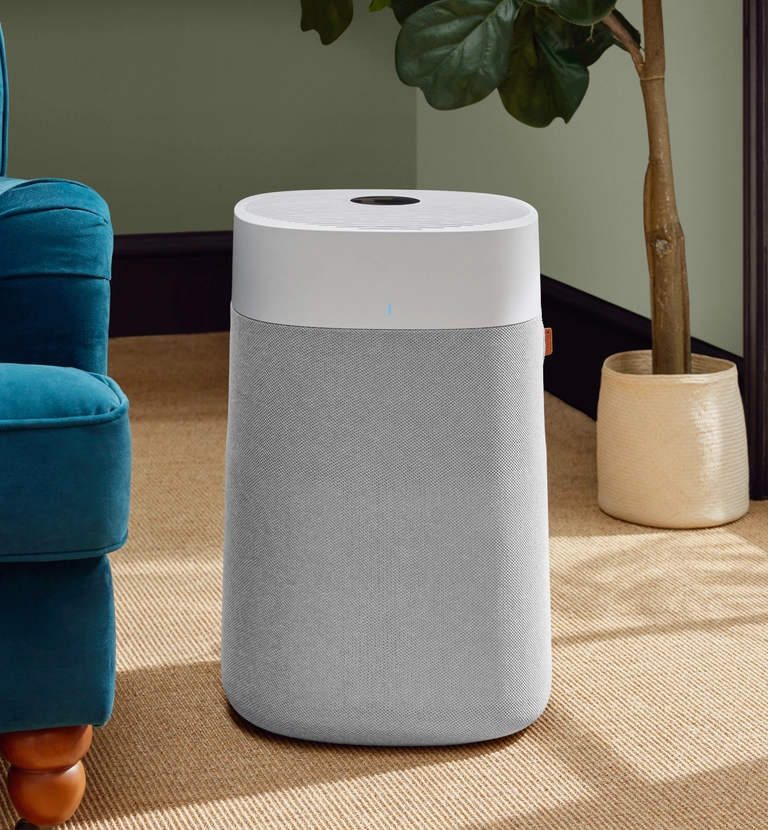
The first time I discovered the wonders of air purifiers, my life changed! BlueAir's HEPASilent technology goes further by mixing mechanical filtration1 with electrostatic charging. This method charges particles first, allowing them to stick to the filter fibers more easily.
Key Advantages
Have you been in a room where the air purifier is louder than the TV? I have and it's frustrating! That's why I love how this technology cleans the air quietly. The silent operation2 helps you sleep or work without being distracted.
| Feature | Traditional HEPA | HEPASilent |
|---|---|---|
| Particle Capture | Mechanical only | Mechanical + Electrostatic |
| Noise Level | Higher | Lower |
| Energy Consumption | Moderate to High | Low |
How It Compares to Traditional Filters
Traditional HEPA filters do a good job. Yet, they can use a lot of energy and be noisy. BlueAir's technology is like a fresh breeze. It has an innovative combination3 of methods that reduce fan speed and power use. This saves energy and money.
Practical Applications
For allergy sufferers like me, effective air purification is vital. This technology captures 99.97% of dust, pollen, and smoke. It is perfect for anyone needing a refuge from allergens or city smog.
User Experience
Stories and user reviews agree: air quality improves right away. The mix of quiet and effective cleaning really enhances the comfort of your living space.
For more insights on how this technology compares to others, check out comparison guides4.
HEPASilent technology uses only mechanical filtration.False
HEPASilent combines mechanical filtration with electrostatic charging.
HEPASilent technology produces less noise than traditional HEPA.True
It operates quietly due to its innovative filtration method.
How Can BlueAir's Latest Innovations Enhance Your Home?
Imagine breathing easily with a device that cleans and also warms or cools your space. BlueAir's new creations are like having a personal climate master in your home.
BlueAir's newest products, such as the ComfortPure, clean the air while also heating and adding moisture. This clever design helps users save space and money. It makes the air inside homes or offices better. Their HEPASilent technology removes tiny particles without much sound. This feature is especially important for people with allergies or those who are sensitive to noise. Minimal noise. Maximum comfort.
Better Multitasking
Remember when rooms had a heater, fan, and air purifier all at once? So clunky and messy. I often stumbled over cables and got mixed up with different controls. Now, BlueAir's ComfortPure model changes everything. It merges an air purifier, heater, and fan into one smooth device. This clever design saves space and cuts down on energy use. Fewer gadgets also mean less trouble. Less is truly more.
Table: ComfortPure Features
| Function | Benefit |
|---|---|
| Air Purifier | Removes airborne particles |
| Heater | Provides warmth in colder months |
| Fan | Offers cooling during summer |
New Air Cleaning Technology
BlueAir's HEPASilent technology5 gives you really fresh air! It's a quiet hero for those with allergies or who dislike noisy machines. It uses mechanical and electrostatic filtration to trap dust, pollen, and more while staying super quiet. Imagine sleeping peacefully or working in calm air.
- HEPASilent Technology: Highly efficient, very quiet.
- Allergen Reduction: Grabs pollen, dust, and other irritants with ease.
Budget-Friendly and Market Strategy
I always watch my spending, so BlueAir's pricing changes delight me. After joining Unilever, their improved supply chains allow more attractive prices. Their presence has also grown online, especially on sites like Amazon. Getting models like the BluePure series is now simpler and cheaper.
- Price Adjustment: Lower prices due to better supply chains.
- Online Marketing: Reaching more people through the internet.
Quiet Operation and Comfort for Users
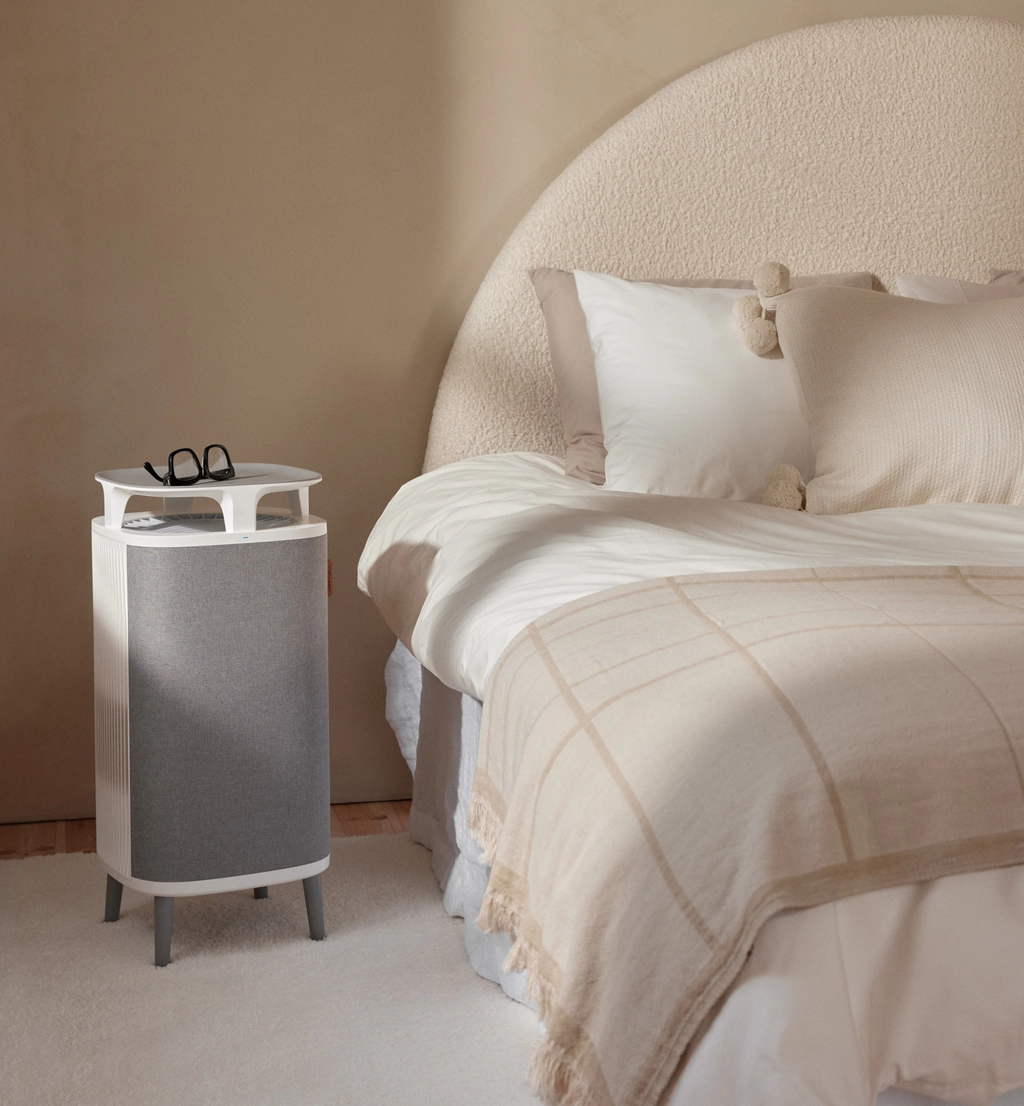
A quiet home is vital, especially for late-night work or rest after busy days. BlueAir's Decibel Cancellation™ solves noise issues. Even at high settings, it remains very quiet—ideal for bedrooms or home offices needing peace.
- Decibel Cancellation™: Keeps noise low for calm surroundings.
- User Comfort: Designed for quiet spaces like bedrooms or studies.
These improvements turn BlueAir products into must-have partners for a healthier, quieter home. Adopting these changes means having clean air as a simple, everyday comfort—not just an occasional treat.
ComfortPure combines three functions in one device.True
ComfortPure integrates an air purifier, heater, and fan into one unit.
HEPASilent technology increases noise levels.False
HEPASilent technology reduces noise while maintaining purification efficiency.
How Has Unilever's Acquisition of BlueAir Impacted Their Pricing?
I wondered if Unilever's purchase of BlueAir would lower the cost of my favorite air purifiers. This move might really change their prices.
Since Unilever took over, BlueAir's prices turned more competitive. Streamlined supply chains helped lower costs. Increased competition also played a role. These top-notch air purifiers are now less expensive. Yes, more affordable.
Background on BlueAir and Unilever
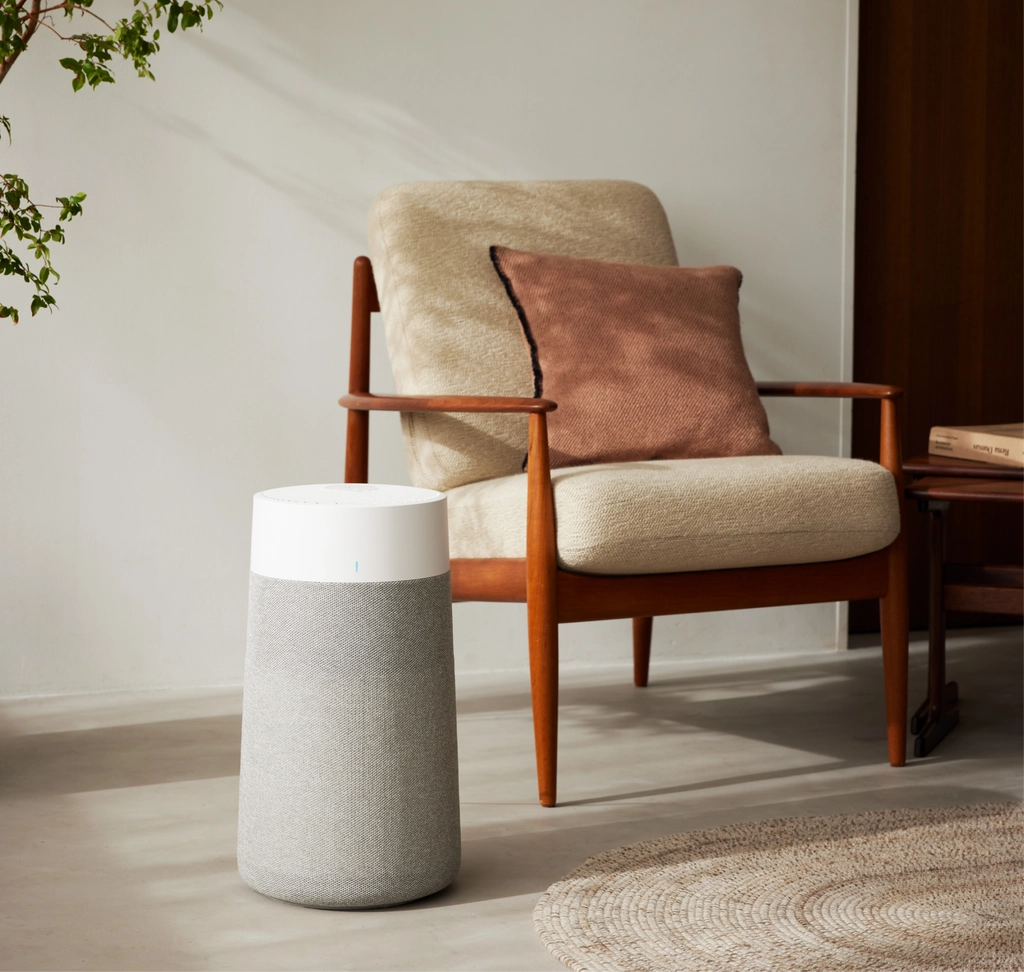
BlueAir, a Swedish brand6 known for its advanced air purifiers, was always worth the extra money due to its quiet HEPASilent technology. I remember saving for one because it promised silent cleaning. This was essential in my busy home. Then Unilever took over and everything began to shift.
| Feature | Before Acquisition | After Acquisition |
|---|---|---|
| Price Range | $399-$699 | $119-$244 |
| Product Focus | Classic Series | BluePure Series |
| Technology | HEPASilent | HEPASilent |
Supply Chain Changes
After the purchase, BlueAir's supply chain received a major update. Costs were reduced without losing quality. This was a relief since brands like Levoit7 and Lasko were strong competitors in the U.S.
Impact of Market Competition
Intense competition pushed BlueAir to reconsider their pricing. Moving from the Classic Series to the cheaper BluePure Series changed the game. I saw this change while browsing online. It seemed like a clever move to retain buyers like me.
Online Marketing Efforts
With Unilever's help, BlueAir jumped into online marketing. I noticed them everywhere - from Amazon to ads on social media. By focusing on cheaper options, they widened their appeal a lot. It felt as if they knew what I needed, serving those of us seeking quality at a fair price.
In summary, the balance between competition and smart decisions after the takeover shows BlueAir adopting a new pricing style while keeping its name for great air cleaning. As the market keeps changing, I will watch these trends, curious to see how they change and affect customer choices in our search for cleaner air. If you want to learn about similar changes in other industries, check out this resource8 for more on marketing tactics.
BlueAir's prices dropped post-Unilever acquisition.True
The price range decreased from $399-$699 to $119-$244.
BlueAir abandoned HEPASilent technology after acquisition.False
HEPASilent technology remains in use post-acquisition.
Are There More Affordable Alternatives to BlueAir?
Longing for a breath of fresh air without spending too much money? Same here! Let's explore budget-friendly air purifiers. These options compete with BlueAir and keep your expenses low.
Surely, cost-effective options to BlueAir exist that still provide very good air cleaning. Levoit, Coway and Winix have top-notch models at more affordable prices. They really are excellent picks for people careful with their money.
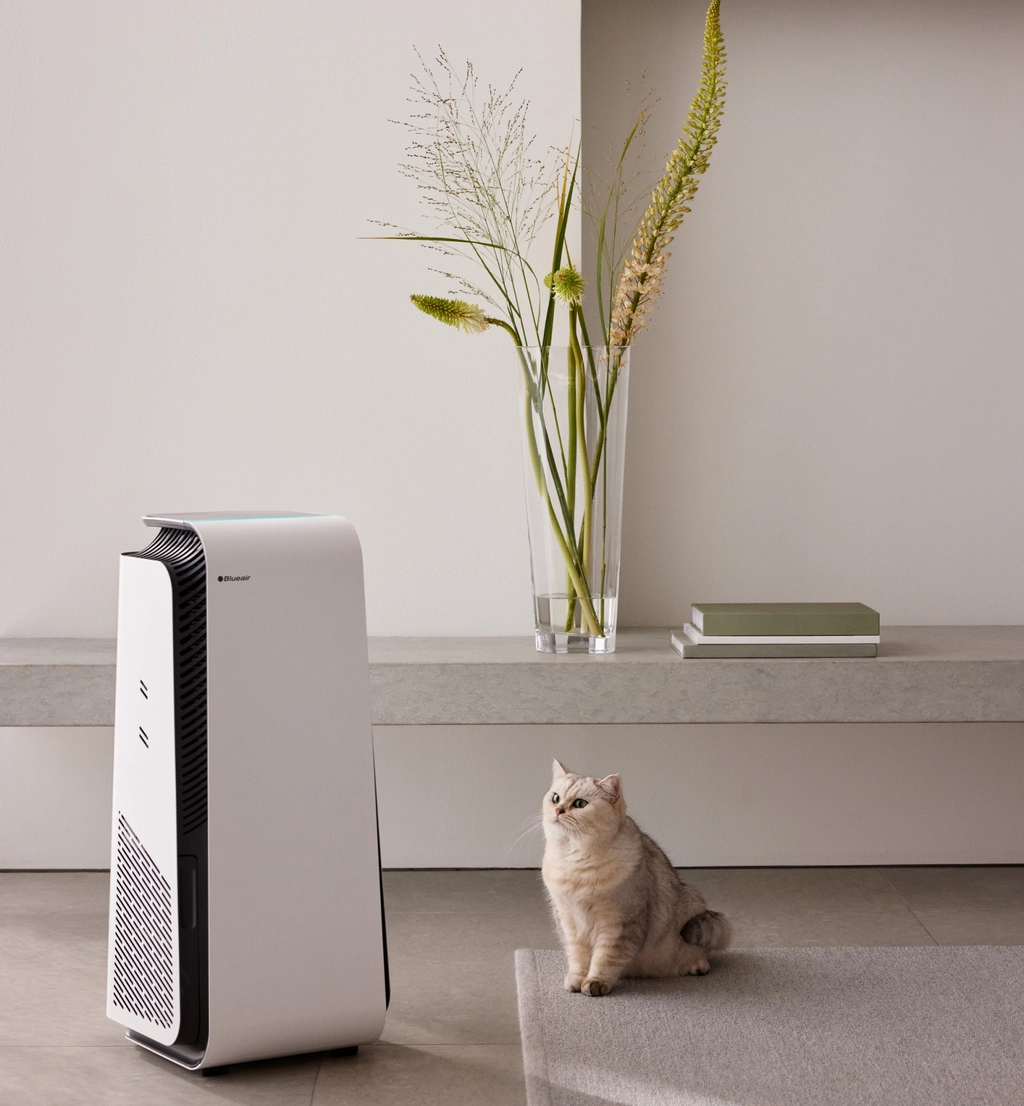
Exploring Affordable Options to BlueAir
My morning sneezes first taught me how important clean air is. My nose, true to its nature, woke me up daily. That's when I started exploring air purifiers. BlueAir resembles the fancy car of purifiers, famous for its advanced technology and many special features. Let's be honest - not everyone needs a fancy ride if you just want a dependable one.
Levoit: Popular and Budget-Friendly

Levoit was among the first brands I discovered. It's like a loyal friend you rely on without much expense. Models like the Levoit Core 300 use a True HEPA filter, which catches those annoying particles that cause sneezing. These models operate quietly, perfect for a quiet home office.
| Model | Features | Price Range |
|---|---|---|
| Levoit Core 300 | True HEPA, Quiet Mode | $100 - $150 |
| Levoit LV-H132 | Compact, Ozone-Free | $90 - $120 |
Coway: Innovation and Cost-Effectiveness

Next is Coway. Imagine owning a smartphone with smart features but paying much less. The Coway AP-1512HH Mighty is one such example, with its smart technology and energy-saving features. It adapts itself based on air quality, like having a personal assistant for your air.
Coway models often appear in consumer reports as great choices because they provide good value.
Winix: Advanced Features for Less Money

Winix might be the surprise winner. The Winix 5500-2 includes True HEPA filters and PlasmaWave technology. It might sound like sci-fi, but it really tackles odors and allergens well.
| Model | Features | Price Range |
|---|---|---|
| Winix 5500-2 | PlasmaWave, True HEPA | $150 - $200 |
Advanced technology helps your air quality without costing too much. That's a good feeling.
Important Things to Think About When Picking a Substitute
Choosing an air purifier might feel confusing. Getting the most value matters. Consider how often you'll replace filters; these can become expensive. Also, consider the noise level during operation - no one wants loud machines at home.
Online reviews or forums often offer real user experiences, helping find the best match for your space.
Conclusion
In the end, while BlueAir offers excellent machines, finding a cost-effective option doesn’t mean compromising on quality. Brands like Levoit, Coway and Winix show you really can have clean air without spending too much. There’s a match for everyone's needs and budget - I speak from experience!
Levoit Core 300 is more affordable than BlueAir models.True
Levoit Core 300 ranges from $100 to $150, generally less expensive than BlueAir.
Coway purifiers lack real-time air quality monitoring.False
Coway models, like AP-1512HH Mighty, include real-time air quality monitoring.
Conclusion
BlueAir air purifiers are priced higher due to their advanced HEPASilent technology, premium Swedish brand reputation, and recent supply chain improvements post-Unilever acquisition, making them more competitive.
-
Learn about the basic principles of mechanical filtration and its role in air purification systems. ↩
-
Discover how a quieter air purifier can enhance your living environment and improve sleep quality. ↩
-
Understand the electrostatic process and its benefits in capturing airborne particles efficiently. ↩
-
Explore detailed comparisons to understand the differences and benefits of each technology. ↩
-
Explore how multifunctional air purifiers can enhance convenience by integrating heating and cooling features. ↩
-
This link will provide insights into BlueAir's brand heritage and technological innovations. ↩
-
Explore this link to understand how Levoit compares to BlueAir in terms of features and market positioning. ↩
-
Discover effective marketing tactics used by consumer goods companies, offering broader industry insights. ↩

 English
 Français
 Español
 Italiano
 Deutsch
 Português
 Русский
 العربية
 日本語
 한국어
 Tiếng Việt