

Finding a way through the detailed rules of OSHA for business air cleaners seems like figuring out a big puzzle.
To ensure air purifiers meet OSHA standards for commercial projects, it is essential to evaluate their performance indicators, safety requirements, and maintenance procedures. This includes ensuring purification efficiency, noise levels, and safety features adhere to national regulations.
This gives a basic understanding. Study each part more to find full clarity on reaching complete compliance. Look deeper to find detailed actions, top practices and expert views that probably ease your compliance path.
Air purifiers must have HEPA filters to meet OSHA standards.False
OSHA does not directly ask for HEPA filters; it concentrates on general air cleanliness.
What Are the Key Performance Indicators for Commercial Air Purifiers?
Knowing the important measures for commercial air cleaners is vital for achieving excellent air quality.
Key performance indicators for commercial air purifiers include purification efficiency, noise levels, and air volume. These indicators directly impact the effectiveness of air purifiers in improving air quality within commercial settings.

Understanding Purification Efficiency
Purification efficiency is one of the most crucial performance indicators1 for commercial air purifiers. It refers to the device's ability to remove contaminants from the air, such as dust, pollen, and other airborne particles. A high purification efficiency ensures that the air purifier effectively reduces indoor air pollution, which is vital in commercial environments where air quality can significantly impact health and productivity.
How to Measure It:
- Clean Air Delivery Rate (CADR): This metric indicates the volume of filtered air delivered by the purifier, measured in cubic feet per minute (CFM). Higher CADR values suggest better performance.
- Filter Technology: The type of filters used, such as HEPA or activated carbon, also affects efficiency.
Evaluating Noise Levels
Noise levels are an important consideration, particularly in settings like offices or restaurants where excessive noise can be disruptive. Commercial air purifiers should maintain a balance between performance and operational quietness.
Factors Influencing Noise Levels:
- Fan Speed: Higher speeds usually mean more noise. Look for models with variable speed settings.
- Design: The overall design and build quality can also contribute to noise reduction.
Assessing Air Volume Capacity
The air volume capacity, often linked to the CADR, indicates how much air the purifier can process within a specific time frame. This is especially crucial in larger spaces where a higher capacity is needed to ensure all areas are adequately purified.
| Purifier Model | CADR (CFM) | Recommended Room Size |
|---|---|---|
| Model A | 300 | Up to 400 sq ft |
| Model B | 450 | Up to 600 sq ft |
Importance of Regular Maintenance
While not a direct performance indicator, regular maintenance ensures that air purifiers continue to function at their peak efficiency. This includes changing filters and cleaning components according to manufacturer guidelines.
For a comprehensive understanding of how these indicators interact and their implications on air quality2, consider consulting expert reviews and conducting detailed product comparisons.
HEPA filters are the most efficient for air purification.True
HEPA filters trap 99.97% of particles, lifting air quality.
Higher fan speeds reduce noise levels in air purifiers.False
Greater fan speeds raise noise; different settings decrease it.
How Do Safety Requirements Impact Air Purifier Design?
Safety rules greatly affect how air purifiers are created. This keeps users safe and guarantees the product is dependable.
Safety requirements impact air purifier design by dictating electrical safety, material choice, and operational features to prevent accidents and ensure compliance with national standards.
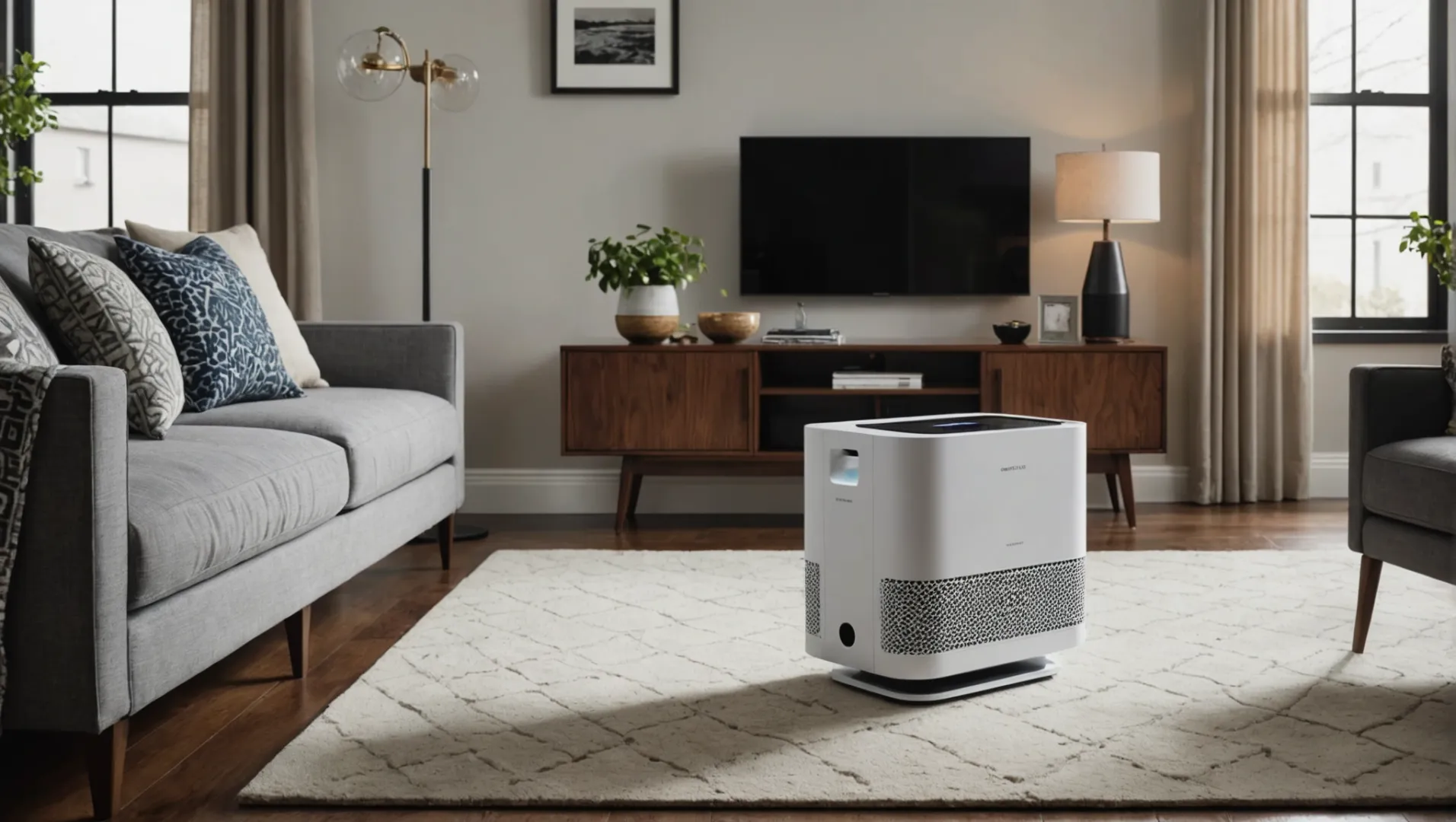
Understanding Electrical Safety
Electrical safety is very important in air purifier design3. Air purifiers work nonstop, often for weeks, requiring strong electrical parts. Designers need to insulate and ground all electrical circuits to block short circuits or electrical fires. Following national and international safety rules like IEC 60335 shows users the product is trustworthy.
Material Selection and Durability
Materials in air purifiers are essential for safety. Manufacturers need materials that are both strong and fire-resistant. This step reduces fire risks, especially in places where machines work all day. More designers now choose eco-friendly materials to meet global sustainability targets.
Prevention of Explosive Hazards
In some places, explosions from unstable gases or compounds are very concerning. Air purifiers for these areas have special filters and sensors to spot and reduce these risks. Explosion-proof designs follow standards like ATEX in Europe and NEC in the USA.
Regulatory Compliance and Testing
Air purifier designs pass strict tests before reaching the market. Tests check noise, efficiency, and safety aspects. Design teams frequently work with third-party labs to confirm standards like UL, CE, or CSA marks. Understanding regulatory changes helps in ongoing compliance.
User Safety Features
Modern air purifiers possess many user safety features. These may involve automatic shutoff for overheating or blocked filters, child locks, and simple alerts for maintenance. Each feature tries to improve user interaction and reduce possible dangers.
By focusing on these safety needs, manufacturers build trust with consumers and make reliable, useful products. These elements are key to the design process and shape the development of air purifiers.
Electrical safety is crucial in air purifier design.True
Electrical safety helps air purifiers work well, stopping fires.
All air purifiers use eco-friendly materials.False
Though some use green materials, not all air purifiers do.
What Maintenance Practices Ensure Compliance with OSHA Standards?
Adhering to OSHA standards needs careful upkeep of commercial air purifiers, protecting both performance and safety.
Regular maintenance practices for air purifiers should include filter replacements, system inspections, and performance evaluations to comply with OSHA standards. These practices help maintain operational efficiency, ensure safety features are intact, and prevent any breaches in regulatory compliance.
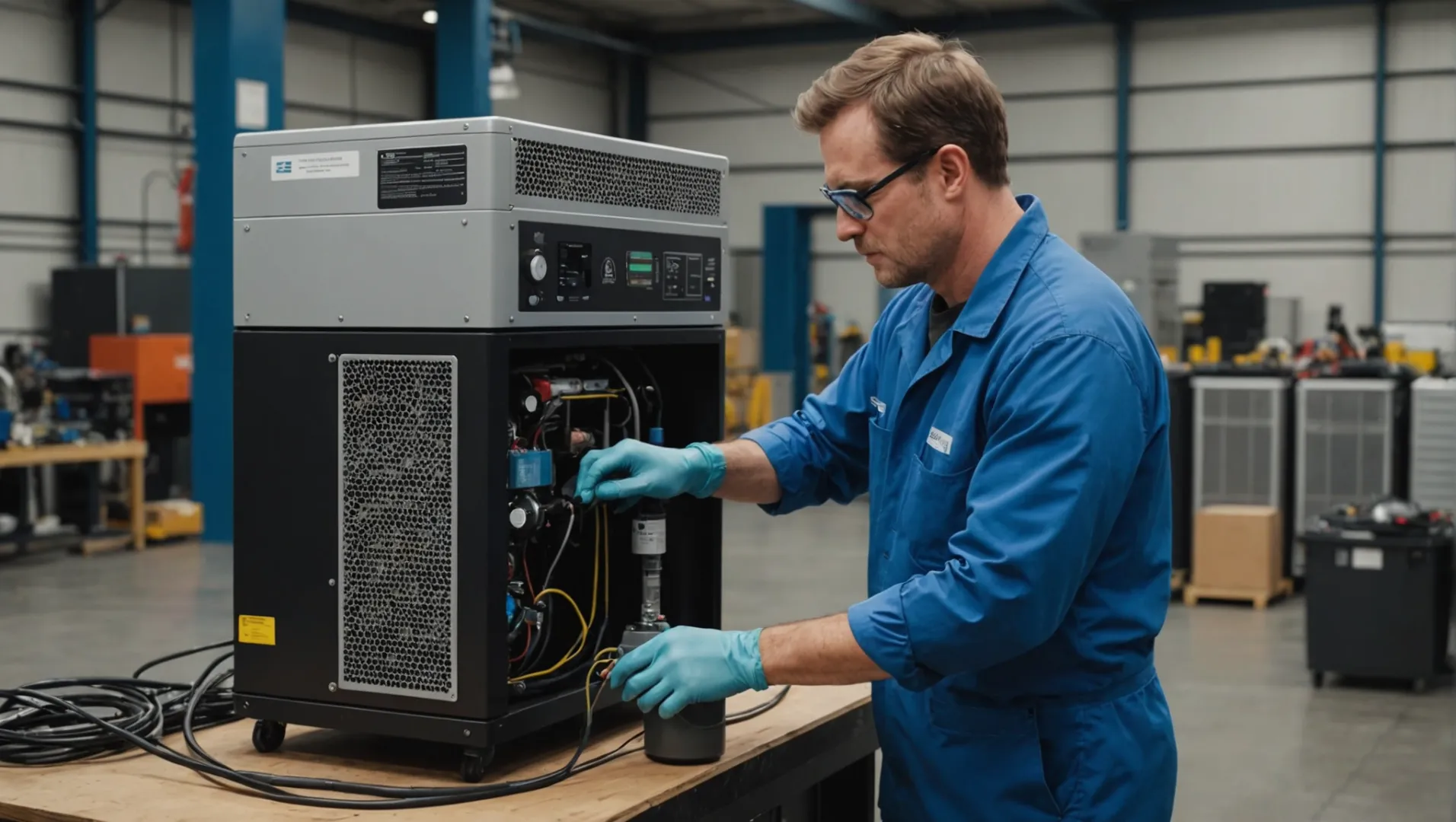
Understanding OSHA Rules for Air Purifier Care
Taking care of air purifiers in business places requires following Occupational Safety and Health Administration (OSHA) rules. These guidelines outline essential practices to ensure safety and optimal performance.
-
Regular Filter Changes: Filters need checking and changing based on the manufacturer's recommendations. This maintains clean air and ensures the purifier operates efficiently. Dirty or blocked filters can stress the system, causing safety risks.
-
System Checks: Regular checks are important. Inspect electrical components to prevent fire hazards and ensure all parts function properly. These checks help identify wear and tear before they become significant problems.
-
Performance Checks: Regular performance evaluations help maintain purification efficiency according to OSHA standards. Assess parameters like airflow, cleaning speed, and noise levels to determine if the system is performing its job effectively.
Documentation and Compliance
Maintaining thorough records of all maintenance activities is crucial for demonstrating compliance.
-
Maintenance Notes: Document all maintenance activities, such as filter changes, inspection outcomes, and any repairs made. This documentation is often required during OSHA audits.
-
Staff Education: Training staff who work on air purifiers is also very important. Training should cover safe handling procedures, safety protocols, and emergency actions.
Common Care Mistakes and How to Avoid Them
Even with a solid maintenance plan, some mistakes can jeopardize compliance:
-
Ignoring Small Problems: Minor issues like unusual noises or slight drops in performance should be addressed promptly. Fixing these early prevents larger issues from developing.
-
Missing Manufacturer's Instructions: Each purifier may have specific maintenance requirements that must be followed. Understanding manufacturer instructions4 is key for compliance.
By adhering to these care methods and avoiding common mistakes, businesses can keep their air purifiers aligned with OSHA rules, ensuring they operate safely and efficiently in their commercial spaces.
Regular filter replacements are mandatory for OSHA compliance.True
OSHA rules need frequent upkeep, like switching filters, for safety.
Ignoring small issues in air purifiers does not affect compliance.False
Ignoring small issues possibly grows and results in not following OSHA rules.
Are There Common Pitfalls to Avoid in Meeting OSHA Air Quality Standards?
Following OSHA air quality rules might be difficult. Stay away from these mistakes to find success.
Common pitfalls in meeting OSHA air quality standards include neglecting regular maintenance, misunderstanding regulations, and inadequate performance monitoring. Ensuring compliance involves proactive management, adherence to updated guidelines, and employing competent personnel.
Misunderstanding OSHA Rules
One of the most common pitfalls businesses face is a misunderstanding of OSHA regulations5. Companies often assume that all air purifiers automatically meet these standards, which is not the case. It's crucial to thoroughly understand specific requirements, such as permissible exposure limits (PELs) and recommended safety practices, to select appropriate equipment.
Ignoring Regular Upkeep
Ignoring regular upkeep is another common problem. Air purifiers need regular care to stay effective and safe. This process includes changing filters, cleaning parts, and conducting inspections. Not following a schedule may cause lower performance and potential issues.
| Upkeep Task | Frequency |
|---|---|
| Filter Change | Every 3-6 months |
| Part Cleaning | Monthly |
| System Checks | Quarterly |
Poor Performance Checks
Checking how well air purifiers work is key to following OSHA rules. Some companies miss this step, causing problems not noticed on time. Doing regular tests, like air quality checks, may help find issues early.
Hiring Unskilled Workers
Finally, using workers without the right skills can hurt compliance efforts. Workers caring for air quality systems should be trained and know OSHA rules. Investing in training programs6 probably improves compliance results.
By understanding these common mistakes and using strategies to avoid them, businesses can ensure their air quality systems remain compliant with OSHA standards.
Regular maintenance is unnecessary for OSHA compliance.False
Ignoring upkeep probably results in lower function and rule-breaking.
All air purifiers automatically meet OSHA standards.False
Believing all purifiers follow rules is a typical mistake.
Conclusion
Following OSHA rules creates a safer workplace. Concentrate on performance, safety and upkeep to improve air quality and follow rules. Stay updated and take initiative.
-
Discover methods for accurately measuring purification efficiency.: 1. Air Quality Monitor. An indoor air quality monitor is an easy way to verify that the air purifier is successfully doing its job. It is also a ... ↩
-
Learn why maintaining optimal air quality is essential.: This guide is intended to help people who work in office buildings learn about the factors that contribute to indoor air quality and comfort problems. ↩
-
Learn how electrical safety standards ensure reliable air purifier operation.: While most electrical appliances are designed with user safety in mind, some can unintentionally degrade indoor air quality. A classic ... ↩
-
Learn precise maintenance steps directly from manufacturers to ensure compliance.: Air filters in commercial and public buildings should be inspected regularly for signs of damage, debris and tight seals. The area around the ... ↩
-
To understand key OSHA air quality regulations for compliance.: The right ventilation and building care can prevent and fix IAQ problems. Although OSHA does not have IAQ standards, it does have standards about ventilation ... ↩
-
Discover effective training programs for enhancing OSHA compliance skills.: OSHA-Authorized Online Outreach Training Providers · 360Training (OSHAcampus) · AdvanceOnline · CareerSafe (Youth Focus) · ClickSafety · HSI (Summit Training Source) ... ↩







 English
  Français
  Español
  Italiano
  Deutsch
  Português
  Русский
  العربية
  日本語
日本語  한국어
한국어  Tiếng Việt

