
新しいタブで開きます
革新的な空気品質ソリューション

商業プロジェクトで空気清浄機がOSHA基準を満たしていることを確認するには?

Related Products

OSHA基準を満たすオフィス環境での業務用空気清浄機

業務用空気清浄機に関するOSHAの詳細な規則を読み解くのは、大きなパズルを解くようなものだ。

空気清浄機が商業プロジェクトのOSHA基準を満たしていることを確認するには、その性能指標、安全要件、メンテナンス手順を評価することが不可欠です。これには、浄化効率、騒音レベル、安全機能が国の規制に準拠していることの確認も含まれる。

これは基本的な理解を与えてくれる。完全なコンプライアンスに到達するための完全な明確性を見つけるために、各パートをもっと勉強してください。詳細な行動、トッププラクティス、専門家の見解など、コンプライアンスへの道筋をたどりやすくするためのヒントが見つかるでしょう。

空気清浄機は、OSHA基準を満たすためにHEPAフィルターを備えていなければならない。偽

OSHAはHEPAフィルターについて直接は求めておらず、一般的な空気清浄度を重視している。

業務用空気清浄機の主要性能指標とは?

業務用空気清浄機の重要な対策を知ることは、優れた空気品質を実現するために不可欠である。

業務用空気清浄機の主な性能指標には、浄化効率、騒音レベル、風量が含まれる。これらの指標は、商業環境における空気の質を改善する空気清浄機の効果に直接影響します。
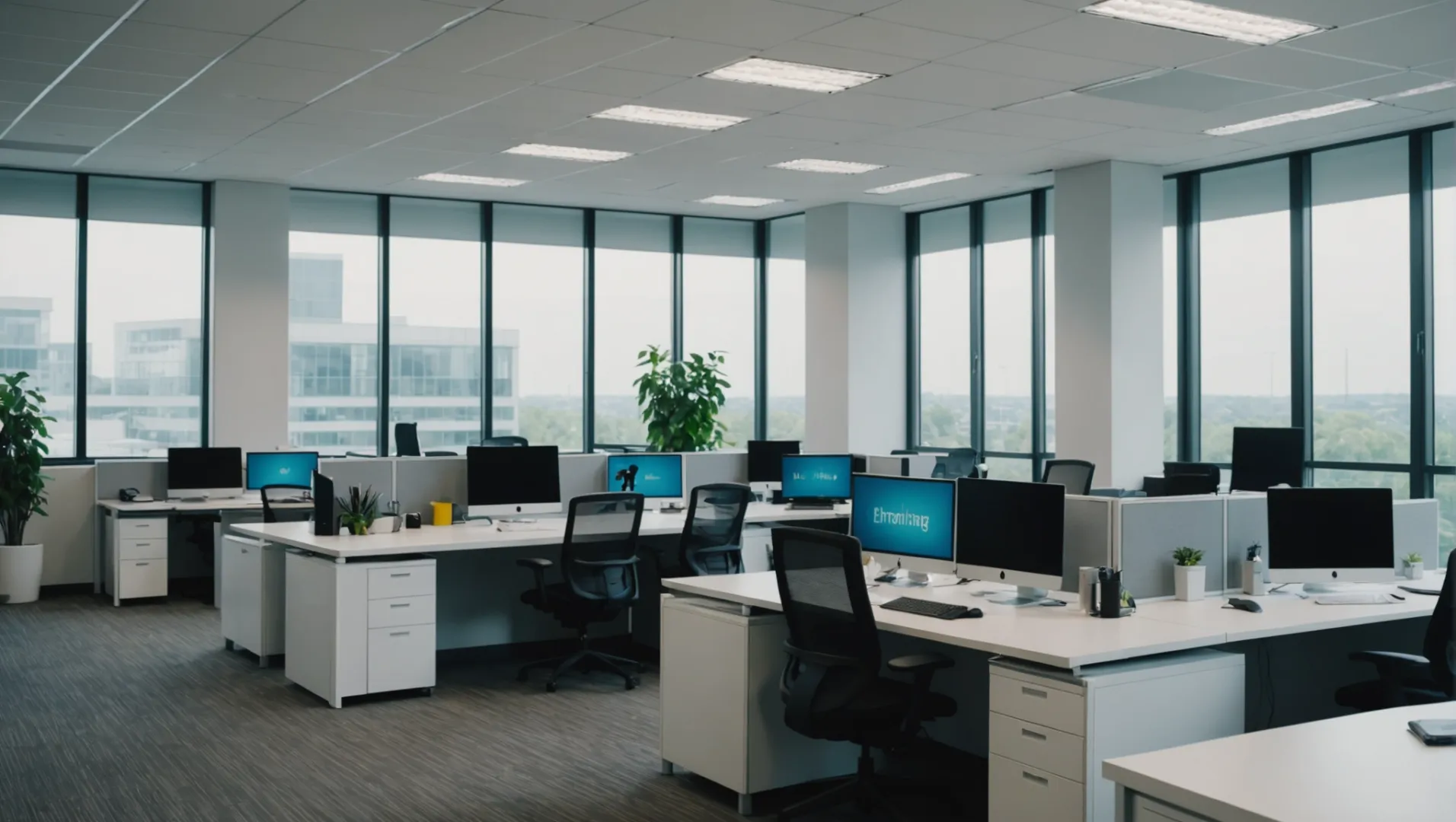
最新のオフィス環境における業務用空気清浄機
オフィスの業務用空気清浄機

浄化効率の理解

精製効率は最も重要なことのひとつである。 パフォーマンス指標1 業務用空気清浄機。これは、ホコリや花粉、その他の浮遊粒子など、空気中の汚染物質を除去する装置の能力のことです。高い浄化効率は、空気清浄機が室内の空気汚染を効果的に低減することを保証します。これは、空気の質が健康と生産性に大きな影響を与える可能性がある商業環境では不可欠です。

どのように測定するか:

  • クリーンエア供給率CADR): この指標は、清浄機によってろ過された空気の量を示し、単位は立方フィート/分(CFM)です。より高い CADR の値は、より良いパフォーマンスを示唆している。
  • フィルター技術: HEPAや活性炭など、使用するフィルターの種類も効率に影響する。

騒音レベルの評価

特にオフィスやレストランなど、過度の騒音が迷惑になるような環境では、騒音レベルは重要な検討事項です。業務用空気清浄機は、性能と運転時の静粛性のバランスを保つ必要があります。

騒音レベルに影響を与える要因:

  • ファンスピード: 通常、スピードが速いと騒音も大きくなる。速度が可変のモデルを探そう。
  • デザイン: 全体的なデザインと造りの良さも騒音低減に貢献する。

風量能力の評価

風量容量は、多くの場合、次のようにリンクされている。 CADRこれは、清浄機が特定の時間枠内で処理できる空気量を示します。これは、すべてのエリアが十分に浄化されるように高い能力が必要とされる広いスペースでは特に重要です。

清浄機モデル CADR (CFM) 推奨ルームサイズ
モデルA 300 400平方フィートまで
モデルB 450 最大600平方フィート

定期的なメンテナンスの重要性

直接的な性能指標ではありませんが、定期的なメンテナンスによって、空気清浄機が最高の効率で機能し続けることができます。これには、メーカーのガイドラインに従ったフィルターの交換や部品のクリーニングなどが含まれます。

これらの指標がどのように相互作用し、どのような意味合いを持つのかを包括的に理解するためには、次のような方法がある。 空気の質2専門家のレビューを参考にし、詳細な製品比較を行うことを検討してください。

HEPAフィルターは空気浄化に最も効率的である。真

HEPAフィルターは99.97%の粒子を捕捉し、空気の質を高めます。

ファンの回転数を上げると、空気清浄機の騒音レベルが下がる。偽

ファンの回転数を上げると騒音が大きくなり、設定を変えると騒音が小さくなる。

安全要件は空気清浄機の設計にどう影響するか?

安全規則は空気清浄機の製造方法に大きく影響する。これにより、ユーザーの安全が保たれ、製品の信頼性が保証される。

安全要件は、事故を防止し、国家規格への準拠を確実にするために、電気的安全性、材料の選択、操作上の特徴を指示することにより、空気清浄機の設計に影響を与えます。
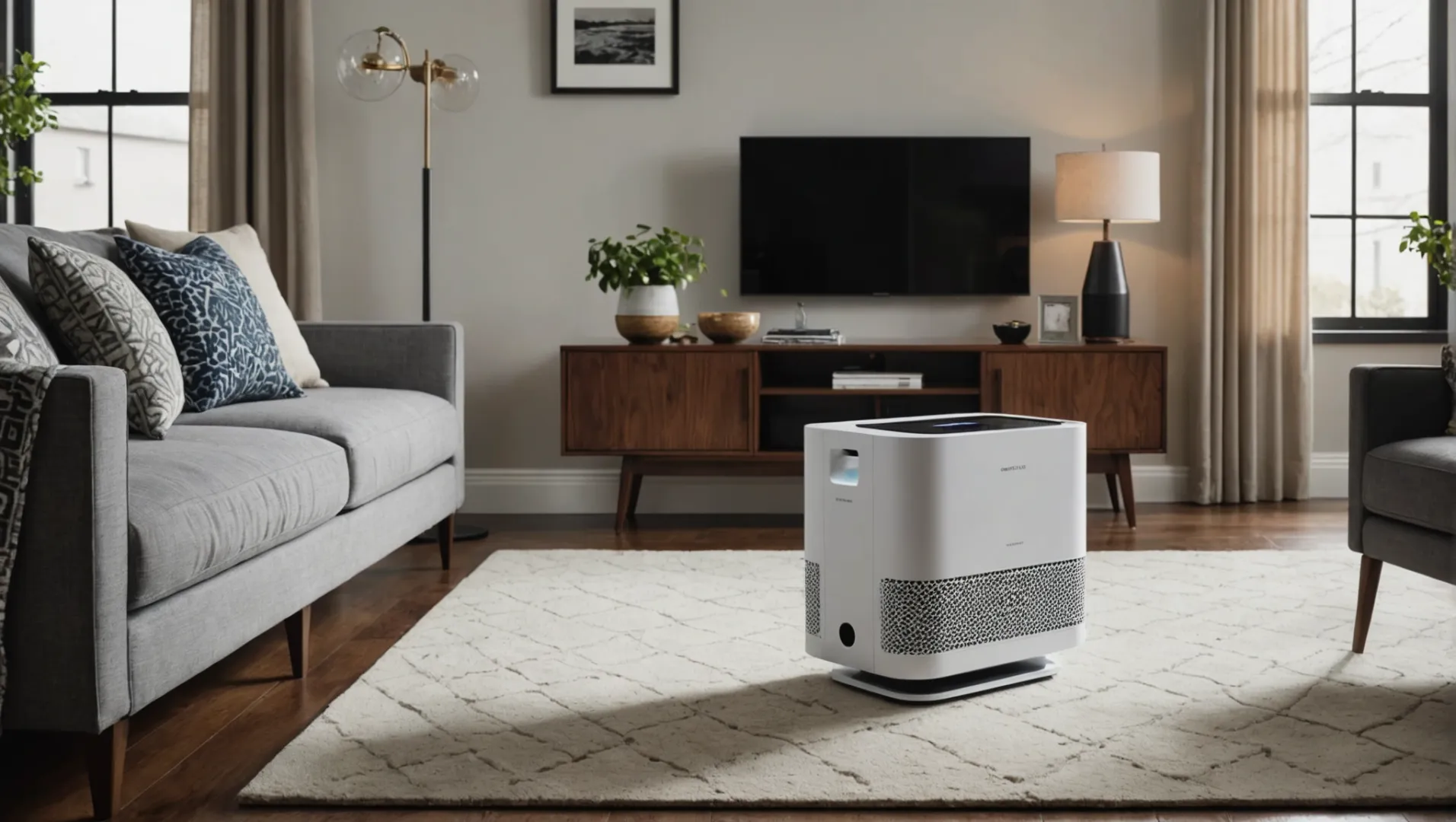
電気部品や素材など、安全性が強調された空気清浄機。
空気清浄機の安全機能

電気安全を理解する

電気機器の安全性は 空気清浄機のデザイン3.空気清浄機は、しばしば数週間ノンストップで作動するため、強力な電気部品が必要となる。設計者は、短絡や電気火災を防ぐために、すべての電気回路を絶縁し、接地する必要があります。IEC 60335のような国内および国際的な安全規則に従っていることは、その製品が信頼に足るものであることをユーザーに示すことになる。

素材の選択と耐久性

空気清浄機の素材は安全性のために不可欠である。メーカーは、強度と耐火性を兼ね備えた素材を必要としている。特に機械が一日中働くような場所では、このステップによって火災のリスクが軽減される。世界的な持続可能性目標を達成するため、環境に優しい素材を選ぶ設計者も増えている。

爆発危険の防止

場所によっては、不安定なガスや化合物による爆発が非常に懸念される。このような場所用の空気清浄機には、このような危険を察知し、低減するための特別なフィルターとセンサーが装備されています。防爆設計は、ヨーロッパのATEXやアメリカのNECなどの規格に準拠しています。

規制遵守とテスト

空気清浄機のデザインは、市場に出回る前に厳しいテストを通過する。テストでは、騒音、効率、安全面がチェックされる。設計チームは、UL、CE、CSAマークなどの規格を確認するため、第三者機関の研究所と頻繁に連携しています。規制の変更を理解することは、継続的なコンプライアンスに役立ちます。

ユーザー安全機能

最近の空気清浄機には、多くの安全機能が備わっている。オーバーヒートやフィルターの詰まりによる自動停止、チャイルドロック、メンテナンスのための簡単な警告などである。各機能は、ユーザーとのインタラクションを向上させ、起こりうる危険を減らそうとしている。

これらの安全ニーズに焦点を当てることで、メーカーは消費者との信頼関係を築き、信頼性が高く有用な製品を作ることができる。これらの要素は設計プロセスの鍵となり、空気清浄機の開発を形作る。

空気清浄機の設計において、電気的安全性は極めて重要である。真

電気的安全性は、空気清浄機がうまく機能し、火災を食い止めるのに役立つ。

すべての空気清浄機は環境に優しい素材を使用しています。偽

グリーン素材を使用しているものもあるが、すべての空気清浄機がそうとは限らない。

OSHA基準への準拠を保証するメンテナンス慣行とは?

OSHA基準を遵守するためには、業務用空気清浄機の性能と安全性の両方を守るための入念なメンテナンスが必要だ。

空気清浄機の定期的なメンテナンスには、フィルター交換、システム点検、OSHA基準に準拠した性能評価などが含まれる。これらの実施は、運転効率を維持し、安全機能が損なわれていないことを確認し、法規制の遵守違反を防ぐのに役立つ。
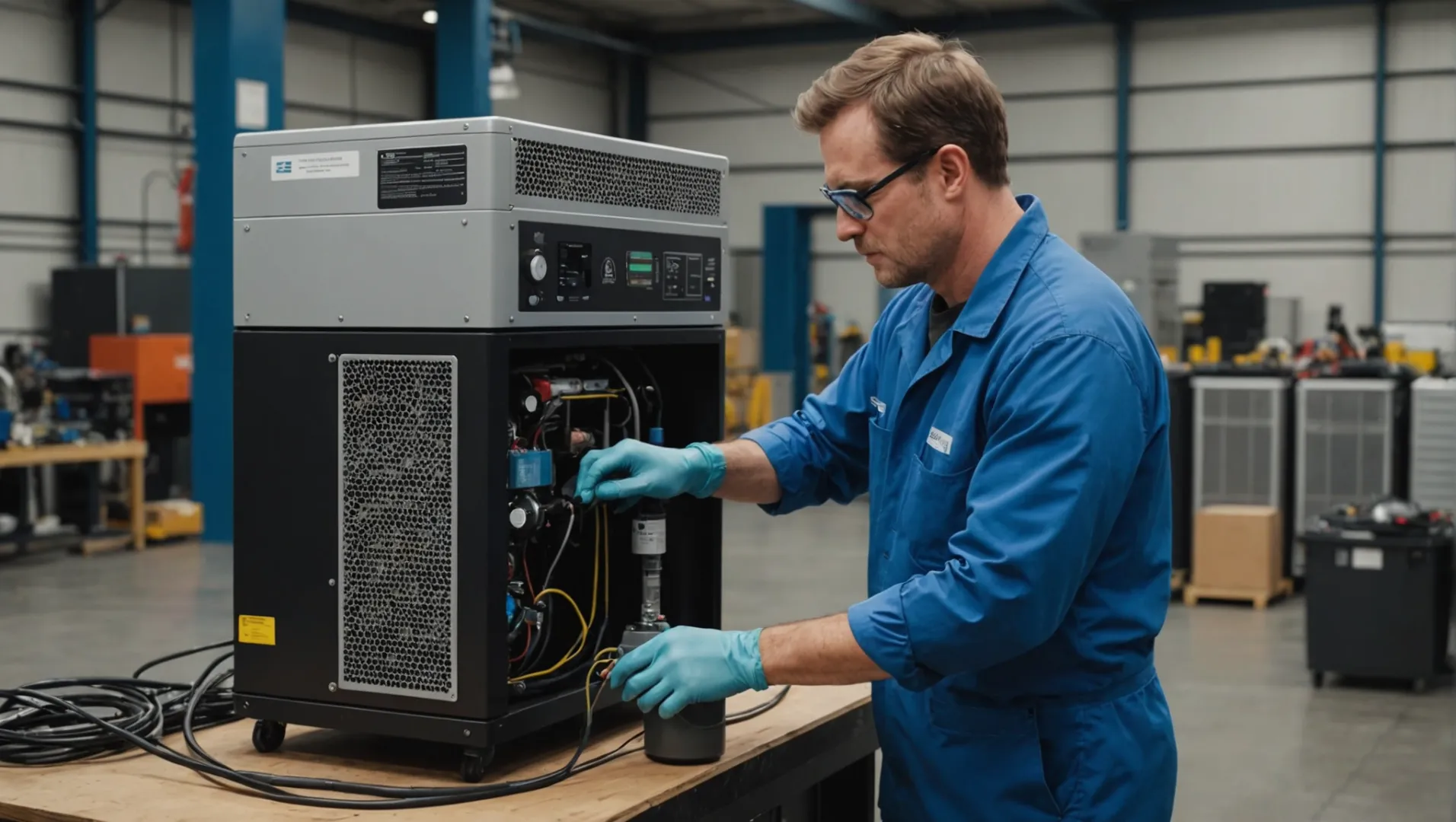
業務用空気清浄機のメンテナンスを行う技術者
OSHA準拠の空気清浄機メンテナンス

空気清浄機のケアに関するOSHA規則の理解

事業所での空気清浄機の取り扱いには、労働安全衛生局(OSHA)の規則に従うことが必要です。これらのガイドラインには、安全性と最適な性能を確保するために不可欠な実践方法が概説されています。

  • 定期的なフィルター交換: フィルターは、製造元の推奨に基づいてチェックし、交換する必要があります。これにより、清浄な空気が維持され、清浄機が効率的に作動します。フィルターが汚れていたり、詰まっていたりすると、システムにストレスがかかり、安全上のリスクが生じます。

  • システムチェック: 定期的な点検が重要です。火災の危険を防ぎ、すべての部品が適切に機能するよう、電気部品を点検する。これらの点検は、重大な問題に発展する前に、摩耗や損傷を特定するのに役立ちます。

  • パフォーマンスチェック: 定期的な性能評価により、OSHA基準に従った浄化効率を維持することができます。エアフロー、クリーニング速度、ノイズレベルなどのパラメータを評価し、システムが効果的に機能しているかどうかを判断します。

ドキュメンテーションとコンプライアンス

コンプライアンスを実証するためには、すべてのメンテナンス活動の徹底した記録を維持することが極めて重要である。

  • メンテナンスに関する注意事項 フィルター交換、検査結果、修理など、すべてのメンテナンス活動を文書化すること。この文書化は、OSHA監査の際にしばしば要求される。

  • スタッフ教育: 空気清浄機を扱うスタッフのトレーニングも非常に重要である。トレーニングでは、安全な取り扱い手順、安全プロトコル、緊急時の対応などをカバーする必要がある。

よくあるケアの間違いとその回避法

しっかりとしたメンテナンス計画を立てていても、いくつかのミスがコンプライアンスを危うくすることがある:

  • 小さな問題を無視する 異音やパフォーマンスのわずかな低下など、些細な問題は速やかに対処すべきです。早期に解決することで、より大きな問題の発生を防ぐことができます。

  • メーカーの説明書がない: 各浄化器には、従わなければならない特定のメンテナンス要件がある場合があります。 メーカーの指示を理解する4 がコンプライアンスの鍵である。

これらのケア方法を守り、よくある間違いを避けることで、企業は空気清浄機をOSHA規則に沿った状態に保ち、商業スペースで安全かつ効率的に作動させることができる。

OSHA遵守のため、定期的なフィルター交換が義務付けられている。真

OSHAの規則では、安全のためにフィルターを交換するなど、こまめなメンテナンスが必要だ。

空気清浄機の小さな問題を無視しても、コンプライアンスには影響しない。偽

小さな問題を無視することは、場合によっては拡大し、OSHAの規則に従わない結果となる。

OSHA大気質基準を満たすために避けるべき一般的な落とし穴はあるか?

OSHAの大気質規則に従うことは難しいかもしれない。成功するために、これらの間違いに気をつけましょう。

OSHA大気質基準を満たすための一般的な落とし穴には、定期的なメンテナンスの怠り、規制の誤解、不十分な性能モニタリングなどがある。コンプライアンスを確実にするには、積極的な管理、最新のガイドラインの遵守、有能な人材の雇用が必要である。
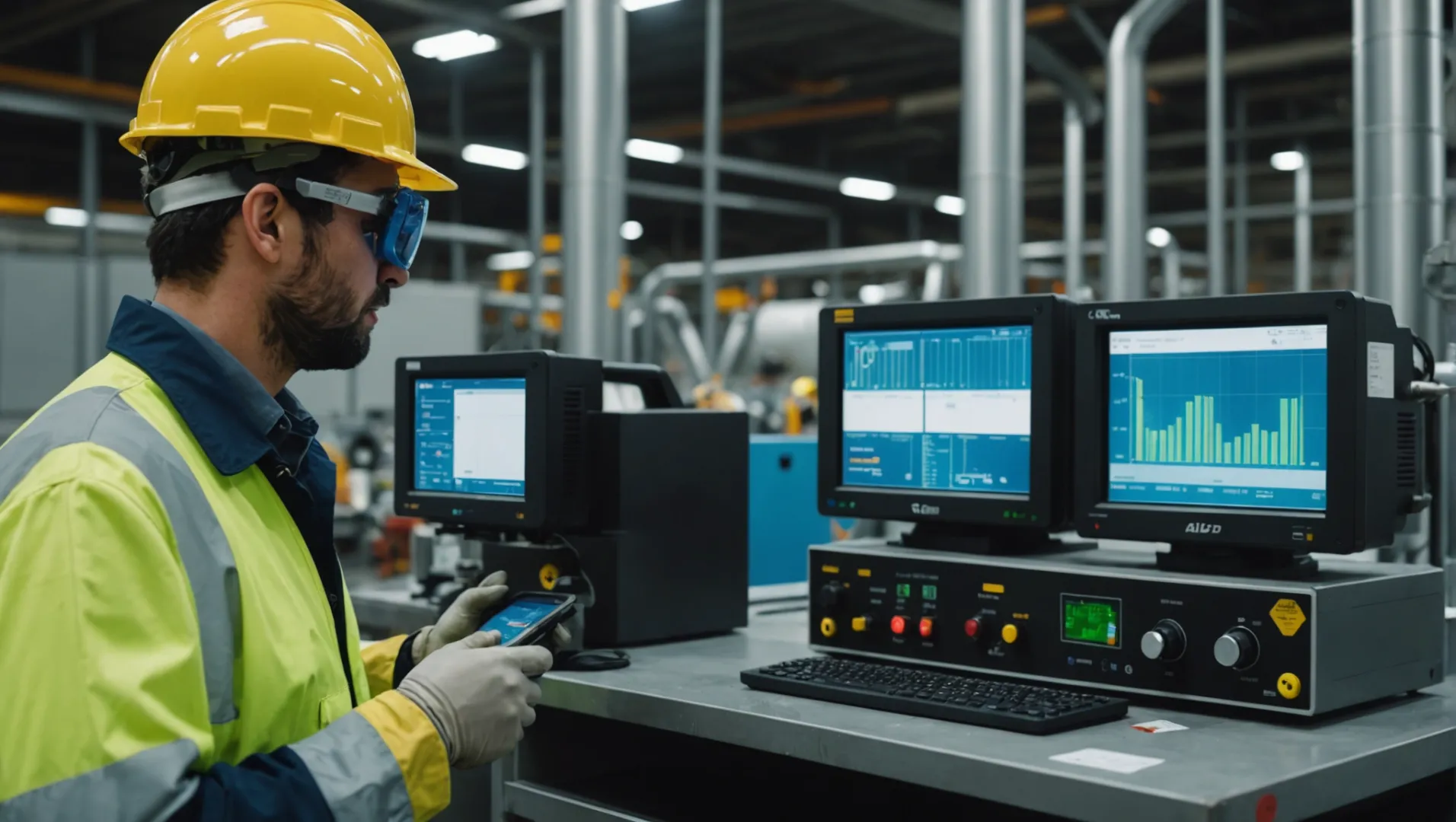
工業環境で大気質監視装置を検査する工場労働者の画像。
OSHA大気質コンプライアンス検査

OSHA規則の誤解

企業が直面する最も一般的な落とし穴のひとつは、次のような誤解である。 OSHA規則5.企業は、すべての空気清浄機が自動的にこれらの基準を満たしていると思いがちだが、そうではない。適切な機器を選択するためには、許容暴露限界(PEL)や推奨される安全対策など、特定の要件を十分に理解することが極めて重要である。

定期的なメンテナンスの怠慢

定期的な手入れを怠ることもよくある問題だ。空気清浄機が効果的で安全であるためには、定期的なお手入れが必要です。このプロセスには、フィルターの交換、部品の清掃、点検などが含まれます。スケジュールを守らないと、性能の低下や潜在的な問題を引き起こす可能性があります。

アップキープ・タスク 頻度
フィルター交換 3~6ヵ月ごと
部品洗浄 毎月
システムチェック 四半期

パフォーマンス・チェック

空気清浄機がどの程度機能するかをチェックすることは、OSHAの規則に従うための鍵である。一部の企業はこのステップを見逃し、期限内に気づかない問題を引き起こしている。空気品質チェックのような定期的なテストを行うことで、問題を早期に発見できる可能性がある。

未熟練労働者の雇用

最後に、適切なスキルを持たない作業員を使うことは、コンプライアンスへの取り組みに支障をきたす可能性がある。空気品質システムの世話をする作業員は、訓練を受け、OSHA規則を知っている必要がある。投資対象 トレーニングプログラム6 おそらく、コンプライアンス(法令順守)の結果が向上するのだろう。

これらのよくある間違いを理解し、それを避けるための戦略を用いることで、企業は自社の空気品質システムがOSHA基準に準拠していることを保証することができる。

OSHAに準拠するためには、定期的なメンテナンスは不要である。偽

アップキープを無視することは、おそらく機能低下やルール違反につながる。

すべての空気清浄機は自動的にOSHA基準を満たしています。偽

すべての清浄機が規則に従っていると考えるのは、典型的な間違いだ。

結論

OSHAのルールに従うことで、より安全な職場が生まれます。空気の質を向上させ、規則を守るために、パフォーマンス、安全性、維持管理に集中する。常に最新情報を入手し、率先して行動する。


  1. 浄化効率を正確に測定する方法を発見してください。室内空気品質モニターは、空気清浄機が正常に機能していることを確認する簡単な方法です。また、このモニターは、空気清浄機が正常に機能しているかどうかを確認する簡単な方法でもある。 ↩

  2. 最適な空気の質を維持することがなぜ不可欠なのかを学びましょう:このガイドは、オフィスビルで働く人々が、室内の空気品質と快適性の問題の要因について学ぶことを目的としています。 ↩

  3. 電気機器の安全規格が、空気清浄機の確実な運転をどのように保証しているかをご覧ください:ほとんどの電気製品はユーザーの安全を考慮して設計されていますが、中には意図せずに室内の空気の質を低下させてしまうものもあります。古典的な ... ↩

  4. メーカーから直接、正確なメンテナンス手順を学び、コンプライアンスを確保しましょう:商業施設や公共施設のエアフィルターは、破損の兆候やゴミ、密閉度が高くないか定期的に点検する必要があります。エアフィルター周辺は ... ↩

  5. OSHA空気環境規制を理解し、遵守するために..:適切な換気とビルケアは、IAQ問題を予防し、解決することができる。OSHAにはIAQ基準はないが、換気に関する基準はある。 ↩

  6. OSHAのコンプライアンススキルを高めるための効果的なトレーニングプログラムを発見する..:OSHA公認オンラインアウトリーチトレーニングプロバイダー - 360Training(OSHAcampus) - AdvanceOnline - CareerSafe(Youth Focus) - ClickSafety - HSI(Summit Training Source) ... ↩

シェアする
ヒソエア創設者のリー氏
Alwen Lee, an air purification expert with over 10 years of experience, is a devoted father of two and a passionate traveler, having explored more than 30 countries. With a love for public speaking and swimming, he has dedicated his life to the indoor air quality industry. His mission is to ensure that people around the world enjoy the freedom to breathe clean air and lead happy, healthy lives.

メッセージを送る

Related Products

もっと読む

Modern living room with a family enjoying a healthy indoor environment monitored by smart devices, natural lighting, and greenery.

After IFA 2026: The Healthy Home Is Moving Beyond Smart Devices

In our previous IFA 2026 column, Air Purification Is Becoming Part of the Healthy-Home Platform, we argued that the next generation of indoor-health products would ...
ニュース
Modern living room and kitchen with smart home air quality devices including an air purifier, humidifier, and water filtration system, connected with visualized blue connectivity lines.

IFA 2026: Air Purification Is Becoming Part of the Healthy-Home Platform

Pre-IFA Industry Perspective | September 4, 2026 This article is based on official announcements and regulatory information available ahead of IFA 2026, which takes place ...
ニュース
Comparison infographic showcasing the differences between carbon block filter and activated carbon fiber. Detailed diagrams illustrate the hierarchical porous structure of the carbon block with long diffusion paths and the open microporous structure of the activated carbon fiber with direct access for PFAS adsorption.

Carbon Block vs. Activated Carbon Fiber (ACF): Matching Media to Target Contaminants

Two carbon media. Same adsorption chemistry. Very different behaviour in a point-of-use cartridge. If you are specifying a water purifier platform for a PFAS-aware market, ...
ニュース
NSF base listing and ANF private-label certification pathway for OEM water filters

What Is an NSF Master Listing? A Guide to Base Listings, ANF Certification and OEM Water Filters

For a brand preparing to launch an OEM water purifier, one of the most common supplier claims is: “We already have an NSF master listing, ...
News, Water Purifiers
Healthy-home brand team reviewing PFAS water filter certification, test data and product engineering

Entering the Water Category Is Easy. Building a Credible PFAS Claim Is Much Harder

For air purification, appliance and healthy-home brands, entering the water category can look surprisingly easy. A company can select an existing undersink system, customize its ...
ニュース
Team in a business meeting discussing a water filtration system with product components and a comparison table displayed on a screen.

5 Leading OEM Water Purifier Manufacturers in China for Private Label Brands

China has thousands of companies selling water filters, reverse osmosis systems and drinking-water appliances. However, only a portion of them are suitable for private-label, OEM ...
ニュース
Contaminant Engineering•3 min read

PFAS Water Filtration Technologies Explained: Carbon, Resin & RO

Key Takeaway:

PFAS reduction depends on the specific compounds present, treatment media, contact time, water chemistry, and system design. Activated carbon, ion exchange, and Reverse Osmosis address PFAS through different mechanisms.

PFAS are a large family of persistent fluorinated compounds that can occur in drinking-water supplies. Their treatment behavior varies significantly by molecular structure, chain length, functional group, concentration, and the chemistry of the source water.

Granular Activated Carbon (GAC) removes PFAS primarily through adsorption. It is generally more effective for many longer-chain PFAS, while shorter-chain compounds tend to break through more quickly. Carbon performance depends on media properties, Empty Bed Contact Time (EBCT), competing organic matter, loading, and replacement frequency.

Ion-exchange resins use charged functional sites to capture many PFAS compounds. Properly selected anion-exchange media can provide high capacity and may perform better than conventional activated carbon for some shorter-chain PFAS, although performance still depends on water chemistry and competing ions.

Reverse Osmosis (RO) uses membrane separation rather than adsorption. Properly designed RO systems can provide broad reduction across many PFAS compounds as well as dissolved salts and other contaminants. Unlike carbon or resin, however, RO also produces a concentrate stream that must be managed.

No single technology should be selected from a PFAS label alone. System design should consider which PFAS compounds are present, their concentrations, required reduction targets, flow rate, media life, and the applicable third-party certification or validation requirements.

HisoAir Water Technical Series
Product Discovery•3 min read

How to Choose an Under-Sink Water Purifier for Modern Kitchens

Key Takeaway:

Match the treatment technology to your water quality first, then evaluate cabinet space, faucet configuration, flow rate, drain and power requirements, and filter replacement needs.

Choosing an under-sink water purifier starts with water chemistry. Carbon filtration is well suited to chlorine, taste, odor, and many organic contaminants, while Reverse Osmosis is more appropriate when dissolved salts, fluoride, nitrates, or broader dissolved contaminants need to be reduced.

For compact kitchens, tankless RO systems eliminate the conventional storage tank and can significantly reduce the space required under the sink. However, membrane capacity stated in GPD does not directly equal faucet flow. When comparing systems, check the actual dispensing flow rate, inlet-pressure requirement, recovery ratio, and whether a booster pump is required.

Installation architecture also matters. Many RO systems require a drain connection, electrical power, and either a dedicated drinking-water faucet or a compatible multi-function faucet. High-flow carbon systems can often connect directly to the existing cold-water line with a simpler installation, but pressure drop and available faucet flow should still be verified.

RO also removes much of the naturally occurring dissolved mineral content. Where taste or mineral balance is a priority, a post-RO remineralization stage can be added. Filter life should be evaluated by both rated capacity and local water quality rather than replacement time alone.

The right system is therefore not simply the smallest or highest-GPD model. It is the configuration that matches the target contaminants, available cabinet space, desired faucet setup, peak dispensing demand, and maintenance expectations.

HisoAir Water Technical Series
Water Quality•2 min read

What Does TDS Mean in Drinking Water? Measurement vs Contaminant Reality

Key Takeaway:

A TDS meter estimates the overall concentration of dissolved ionic substances from electrical conductivity. It cannot identify specific contaminants or determine whether water is chemically safe.

Total Dissolved Solids (TDS) refers to the combined concentration of dissolved substances in water. Most handheld TDS meters do not measure TDS directly. Instead, they measure electrical conductivity (EC) and convert that reading into an estimated parts-per-million (ppm) value.

This means a TDS reading can indicate how much dissolved ionic material is present, but not what that material actually is. Calcium, magnesium, sodium, nitrates, and other dissolved ions can all contribute to conductivity, yet a simple TDS meter cannot distinguish between them.

TDS meters are also not suitable for detecting trace contaminants such as PFAS, many VOCs, pesticides, pharmaceuticals, or disinfection byproducts. These substances may be present at concentrations far below the level needed to noticeably change electrical conductivity.

A low TDS reading therefore does not guarantee safe drinking water, and a higher TDS reading does not automatically indicate contamination. Water-treatment decisions should be based on laboratory testing for specific contaminants of concern rather than TDS alone.

HisoAir Water Technical Series
Technology Selection•2 min read

RO vs UF Water Filtration: Understanding Pore Sizes & Dissolved Minerals

Key Takeaway:

Ultrafiltration can reduce bacteria, turbidity, and suspended particles while retaining most naturally occurring dissolved minerals. Reverse Osmosis provides much broader reduction of dissolved salts and smaller contaminants.

Ultrafiltration (UF) typically uses hollow-fiber membranes with pore sizes in the approximate 0.01–0.1 micron range. These membranes physically retain turbidity, suspended solids, colloids, and many microorganisms while allowing dissolved minerals and salts to remain in the water.

Reverse Osmosis (RO) operates at a much finer separation level. Unlike UF, RO can substantially reduce dissolved ions such as sodium, calcium, fluoride, nitrates, and other contributors to total dissolved solids (TDS). This makes RO more suitable when dissolved-salt reduction is a primary treatment objective.

UF generally requires less system pressure and produces little or no continuous concentrate stream in many point-of-use configurations. RO typically requires greater pressure and produces a reject-water stream, but delivers broader contaminant reduction.

For water with acceptable TDS and mineral content, UF can be a simpler mineral-retaining treatment option. Where dissolved salts, fluoride, nitrates, or broader dissolved contaminants are a concern, RO is generally the more appropriate technology.

HisoAir Water Technical Series
Technology Selection•4 min read

Carbon Block vs Reverse Osmosis: Which Fits Your Need?

Key Takeaway:

Choose RO for dissolved inorganic salts and heavy metals; choose Carbon Block for chemical taste/odor, no wastewater, and high line-pressure flow.

Reverse Osmosis (RO) and Carbon Block filtration represent two fundamentally different treatment methods: membrane separation and adsorption. Understanding these differences helps determine which technology is better suited to a specific water-quality requirement.

Reverse Osmosis uses a semi-permeable membrane with pore sizes of approximately 0.0001 microns. It can significantly reduce dissolved inorganic contaminants such as TDS, fluoride, nitrates, and certain heavy metals. Because water must be forced through the membrane, RO systems require sufficient pressure or a booster pump and generate a concentrated wastewater stream.

Carbon Block filtration relies primarily on adsorption through compressed activated carbon, commonly with nominal pore sizes around 0.5–5 microns. It is highly effective for chlorine, chloramines, VOCs, taste, and odor, while allowing substantially higher direct-flow rates without producing wastewater.

From an operating perspective, Carbon Block systems are generally simpler, require less energy, and avoid the water loss associated with RO. RO involves higher system complexity and operating cost, but provides substantially broader reduction of dissolved contaminants that Carbon Block alone cannot address.

HisoAir Water Technical Series

見積依頼
















