
Finding a reliable air purifier manufacturer in the U.S. can feel like searching for a needle in a haystack, especially when it comes to ensuring good air quality at home.
To find trusted air purifier manufacturers in the USA, explore companies like Healthway and Austin Air. Attend trade shows such as AHR and IHS, where many manufacturers showcase their products. While options are limited, these sources provide reliable solutions.
But don't worry! Even though the landscape might seem narrow, there's so much valuable information out there that can guide your journey toward cleaner air. Let's dive deeper into the dynamics of U.S. air purifier manufacturing.
Healthway and Austin Air are the only U.S. manufacturers.False
While they are prominent, other smaller manufacturers exist.
Why Are U.S. Air Purifier Manufacturers Hard to Find?
Despite increasing demand, local U.S. air purifier manufacturers remain scarce and hard to locate.
U.S. air purifier manufacturers are limited due to high production costs and reliance on imported components, primarily from China.
Limited Number of Manufacturers
In the United States, the number of air purifier manufacturers is notably small. Key players like Healthway and Austin Air dominate the landscape, yet their products often reflect older technology and higher price points. These companies mainly target commercial clients, making their offerings less accessible to the average consumer.
Dependence on Chinese Imports
The primary challenge U.S. manufacturers face is the reliance on imported components. Essential parts such as fan systems, filters, and materials like plastic and metal are predominantly sourced from China. This dependency not only raises production costs but also limits innovation due to logistical constraints and potential trade barriers.
Impact of Trade Policies
Trade policies have further complicated the scenario. The imposition of tariffs during past trade tensions raised costs and risks associated with importing components from China. This situation may evolve as policies shift; however, it remains a significant deterrent for domestic production expansion.
The Role of Trade Shows
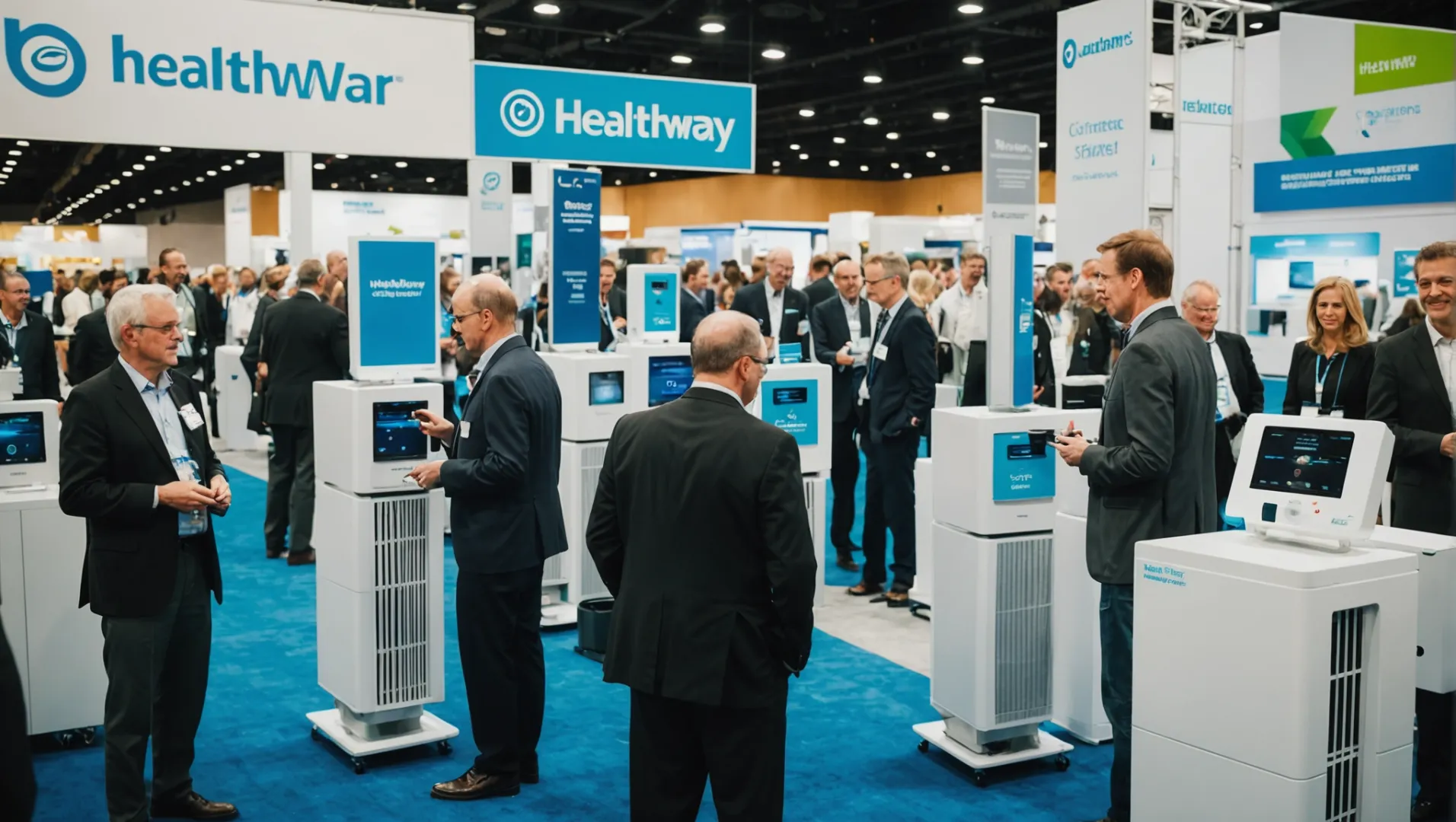
For those seeking to identify U.S.-based manufacturers, trade shows like AHR Expo and IHS are invaluable. These events showcase a wide array of products from domestic and international manufacturers, providing a platform for discovering and networking with potential U.S. partners. Attending these events1 could offer insights into the latest market trends and opportunities for collaboration.
Potential Shifts in Manufacturing Trends
Looking forward, there is speculation that some Chinese manufacturers might relocate operations to the U.S. due to shifting trade dynamics. This could potentially lead to increased availability and competitiveness of U.S.-made air purifiers in the future.
U.S. air purifier manufacturers rely on imported components.True
They primarily source parts like filters from China, raising costs.
Trade policies have no impact on U.S. air purifier production.False
Tariffs increase costs and risks, complicating component imports.
What Makes Healthway and Austin Air Stand Out?
While the air purifier market is saturated, Healthway and Austin Air offer unique features that make them stand out.
Healthway and Austin Air distinguish themselves through superior filtration technology and a commitment to U.S. manufacturing. Despite using some imported components, their products emphasize quality and longevity. Their presence at industry trade shows further highlights their status as reliable brands in the air purifier industry.
Innovation and Technology
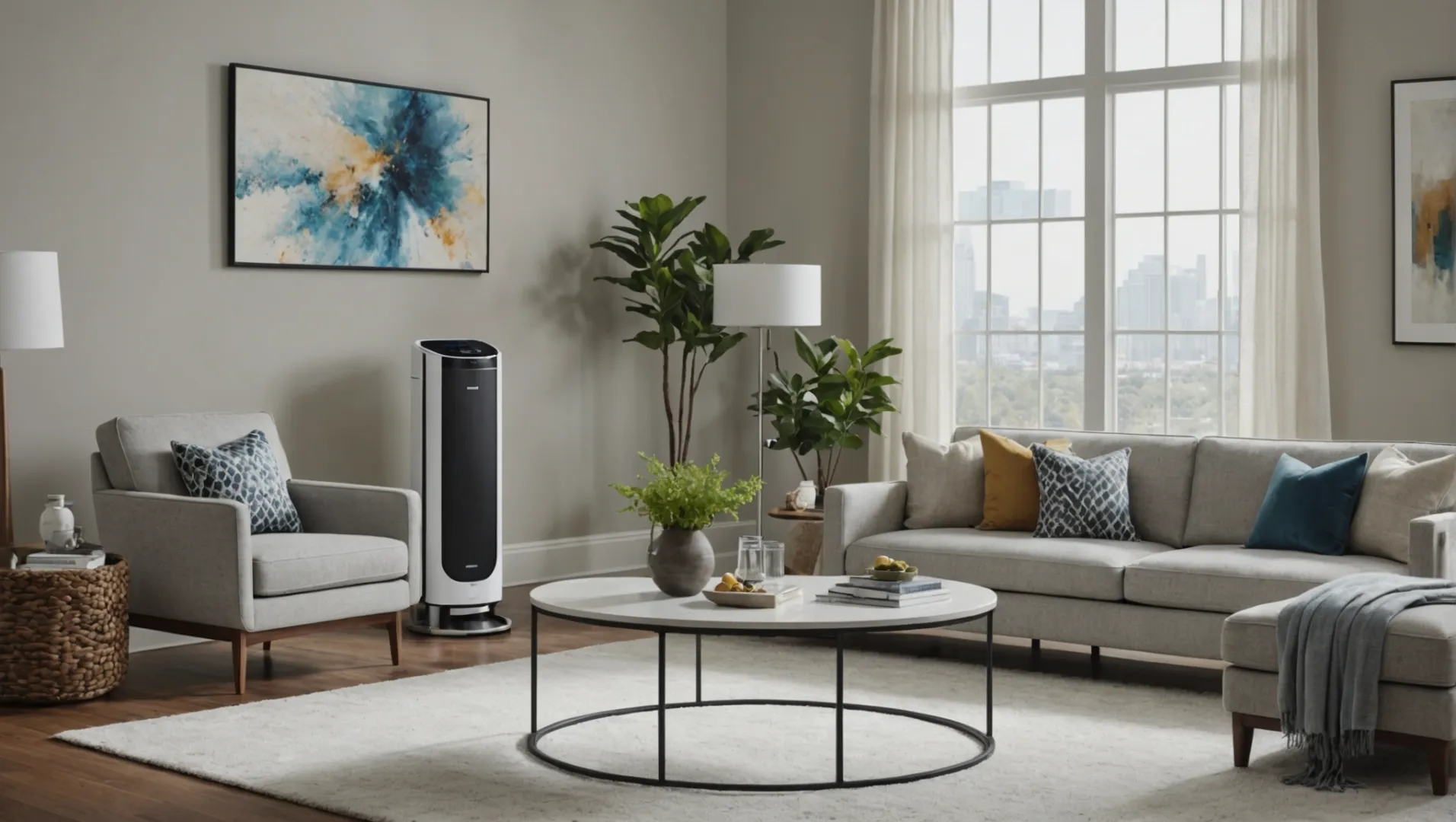
Healthway and Austin Air are recognized for their dedication to innovation in air purification technology. Healthway2 employs advanced filtration systems, such as DFS (Disinfecting Filtration System) technology, which captures ultrafine particles, bacteria, and viruses more effectively than traditional HEPA filters. This proprietary technology sets them apart from many competitors who rely on standard filtration methods.
Austin Air, on the other hand, focuses on producing robust units with long-lasting filters. Their filters combine medical-grade HEPA with activated carbon to target a wide range of airborne contaminants. This dual filtration approach is particularly appealing for consumers looking for comprehensive air quality solutions.
Commitment to U.S. Manufacturing
Both companies emphasize their commitment to U.S.-based manufacturing. Despite sourcing some components internationally, they assemble and test their products within the United States. This local production not only supports domestic employment but also ensures strict quality control processes. For consumers concerned about supporting local industries, this is a significant differentiator.
Participation in Industry Trade Shows
Healthway and Austin Air regularly showcase their products at major trade shows such as AHR and IHS. These events are crucial for manufacturers to demonstrate their latest innovations and connect with potential commercial clients. Their active participation in these exhibitions underscores their leadership role in the industry and provides transparency about their manufacturing processes and product efficacy.
Customer Satisfaction and Reputation
Both brands have cultivated strong reputations for customer satisfaction. Testimonials often highlight the durability and effectiveness of their products in improving indoor air quality. Although they cater primarily to commercial clients due to higher price points, the investment is justified by superior performance and longevity.
By understanding the factors that make Healthway and Austin Air distinctive, consumers can make informed decisions when selecting an air purifier that aligns with their needs and values. As market dynamics evolve, these brands continue to uphold high standards in quality and innovation.
Healthway uses DFS technology for air purification.True
DFS technology captures ultrafine particles, bacteria, and viruses.
Austin Air does not use HEPA filters in their products.False
Austin Air combines medical-grade HEPA with activated carbon filters.
How Do Trade Shows Help in Finding Manufacturers?
Trade shows are pivotal for businesses seeking manufacturers, offering direct access to industry leaders and innovations.
Trade shows like AHR and IHS provide a platform to meet numerous manufacturers, assess new technologies, and establish partnerships. These events are essential for identifying potential suppliers, understanding industry trends, and networking within the manufacturing community.

The Role of Trade Shows in Industry Networking
Trade shows serve as a hub for industry professionals to connect, share insights, and discuss potential collaborations. Events like AHR and IHS are particularly significant because they bring together a diverse range of manufacturers and suppliers under one roof. For businesses looking for air purifier manufacturers in the U.S., these shows offer an opportunity to engage directly with company representatives, ask questions about product offerings, and negotiate deals.
Evaluating Manufacturer Offerings
At trade shows, businesses can compare different manufacturers' offerings side by side. This immediate comparison helps in assessing product quality, technological advancements, and cost-effectiveness. For instance, a company interested in sourcing air purifiers can evaluate models from Healthway and Austin Air against other international competitors to see how they stack up in terms of performance and price.
Identifying Emerging Trends
These events also provide insights into emerging trends and technologies in the manufacturing sector. For example, in light of recent trade policies, some Chinese manufacturers might consider relocating their operations to the U.S., offering potentially more cost-effective options in the future. Attendees can learn about these strategic shifts and plan their sourcing strategies accordingly.
Building Long-term Relationships
Attending trade shows is not just about finding immediate solutions; it's also about building long-term relationships. Establishing trust and rapport with manufacturers can lead to more personalized service, better pricing agreements, and ongoing support.
| Benefits of Trade Shows | Description |
|---|---|
| Networking Opportunities | Meet industry leaders and potential partners. |
| Product Comparison | Evaluate multiple products in real-time. |
| Insight into Trends | Stay updated on industry innovations. |
| Relationship Building | Develop strong, long-term partnerships. |
By participating in trade shows, companies can significantly enhance their chances of finding the right manufacturer while gaining valuable insights into the market's future dynamics. Understanding trade show benefits3 is crucial for businesses navigating the complex landscape of global manufacturing.
Trade shows help identify emerging manufacturing trends.True
Trade shows reveal new technologies and market shifts, aiding strategy.
Attending trade shows guarantees finding the best manufacturer.False
While beneficial, trade shows don't ensure finding the best fit.
Will Future Trends Increase U.S. Production?
As global dynamics shift, will the U.S. see a boost in local production of air purifiers?
Future trends could potentially increase U.S. air purifier production due to trade policies, technological advancements, and shifts in global manufacturing dynamics.
Impact of Trade Policies on Production
Trade policies, especially tariffs, have a significant impact on where products are manufactured. With increasing tariffs4 on imports from China, some companies may find it economically viable to establish manufacturing bases in the U.S. This could lead to an increase in local production.
A potential future trend involves Chinese manufacturers relocating their factories to the U.S. to avoid these tariffs, as suggested by expert insights. This relocation could result in a more robust U.S. manufacturing base for air purifiers, allowing for competitive pricing and increased availability of high-quality products.
Technological Advancements in Manufacturing
Technological advancements play a crucial role in manufacturing efficiency and product quality. As new technologies emerge, U.S. manufacturers might adopt faster and more cost-effective production methods.
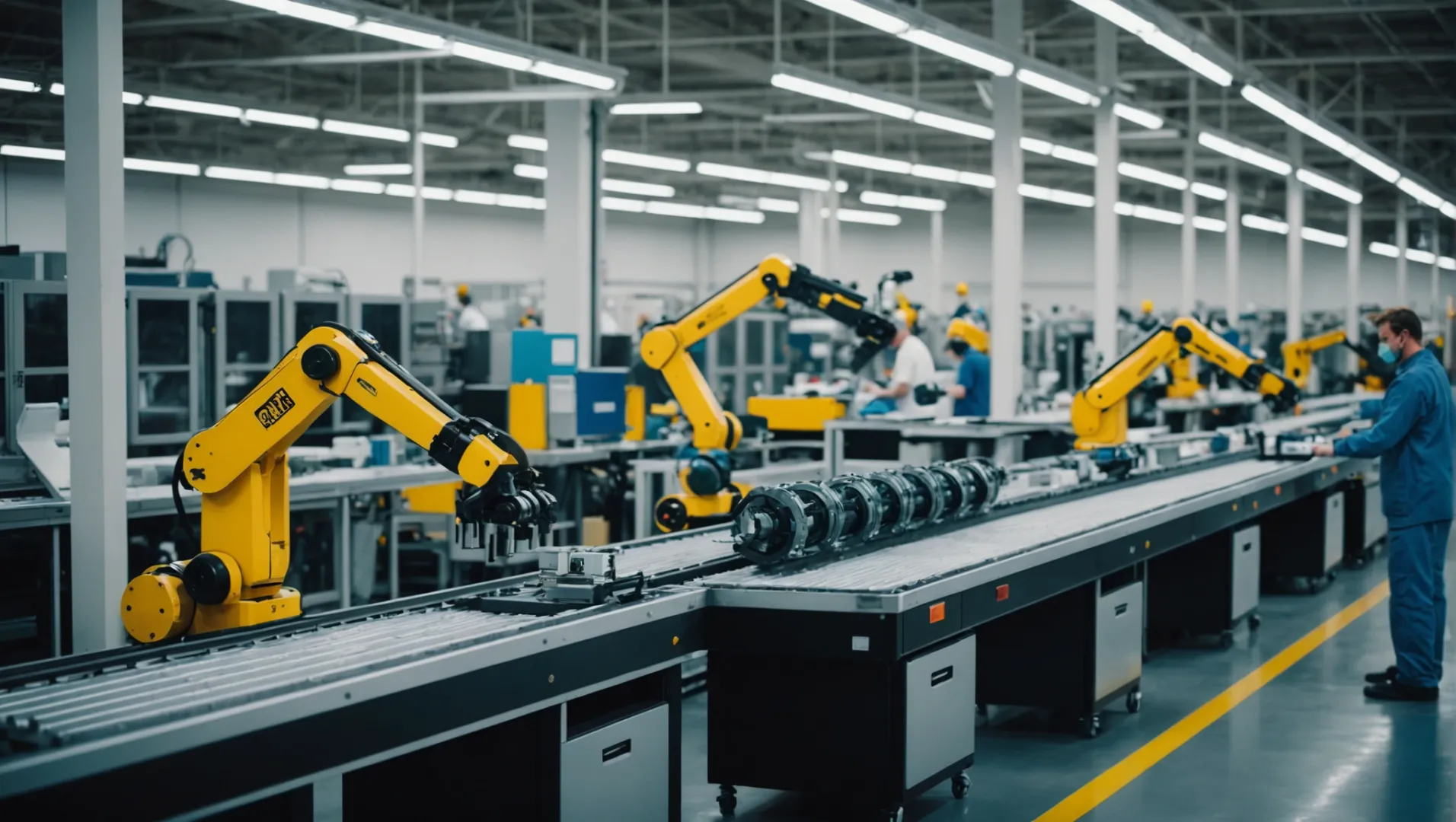
For example, the integration of AI and automation can streamline processes, reduce costs, and improve product innovation in U.S.-based factories. Companies that embrace these advancements can stand out in a market that demands both efficiency and high performance.
| Technology | Benefit |
|---|---|
| AI Integration | Streamlines production processes |
| Automation | Reduces labor costs |
| 3D Printing | Speeds up prototyping and reduces material waste |
Global Manufacturing Shifts
Global shifts in manufacturing preferences also suggest a potential rise in U.S. production. With the growing focus on sustainability, local production reduces carbon footprints associated with long-distance shipping.
Moreover, consumer preference is gradually shifting towards locally sourced products due to perceived quality assurance and the desire to support local economies. These trends indicate a fertile ground for increasing domestic production.
Conclusion
While current U.S. production of air purifiers remains limited, these future trends present opportunities for growth. Understanding these dynamics helps stakeholders prepare for changes that could reshape the industry landscape.
U.S. tariffs on Chinese imports boost local production.True
Tariffs make importing costly, encouraging U.S. companies to produce locally.
AI reduces costs in U.S. air purifier production.True
AI streamlines processes, lowering labor costs and enhancing efficiency.
Conclusion
While options remain limited, staying informed about industry shifts will help you make smarter decisions for your indoor air quality needs.
-
Learn about industry trends and connect with potential manufacturers.: Who attends >>> The AHR Expo is designed for HVACR professionals from every segment of the industry, including: Engineers, Contractors, OEMs, Design/Build ... ↩
-
Discover how DFS technology surpasses traditional filters for cleaner air.: The Ultrafine 468 features our proprietary DFS technology, which traps and eliminates potentially harmful ultrafine particles in your space. Our products are ... ↩
-
Explore how trade shows can boost your business strategies.: Every trade show you attend is a chance to expand your business network and create new business relationships while strengthening existing ones. ↩
-
Understand how tariffs influence manufacturing decisions globally.: Source: Tax Foundation General Equilibrium Model, June 2024. Key Finding. The Trump administration imposed nearly $80 billion worth of ... ↩






 English
 Français
 Español
 Italiano
 Deutsch
 Português
 Русский
 العربية
 日本語
 한국어
 Tiếng Việt


