新しいタブで開きます

米国で信頼できる空気清浄機メーカーは?

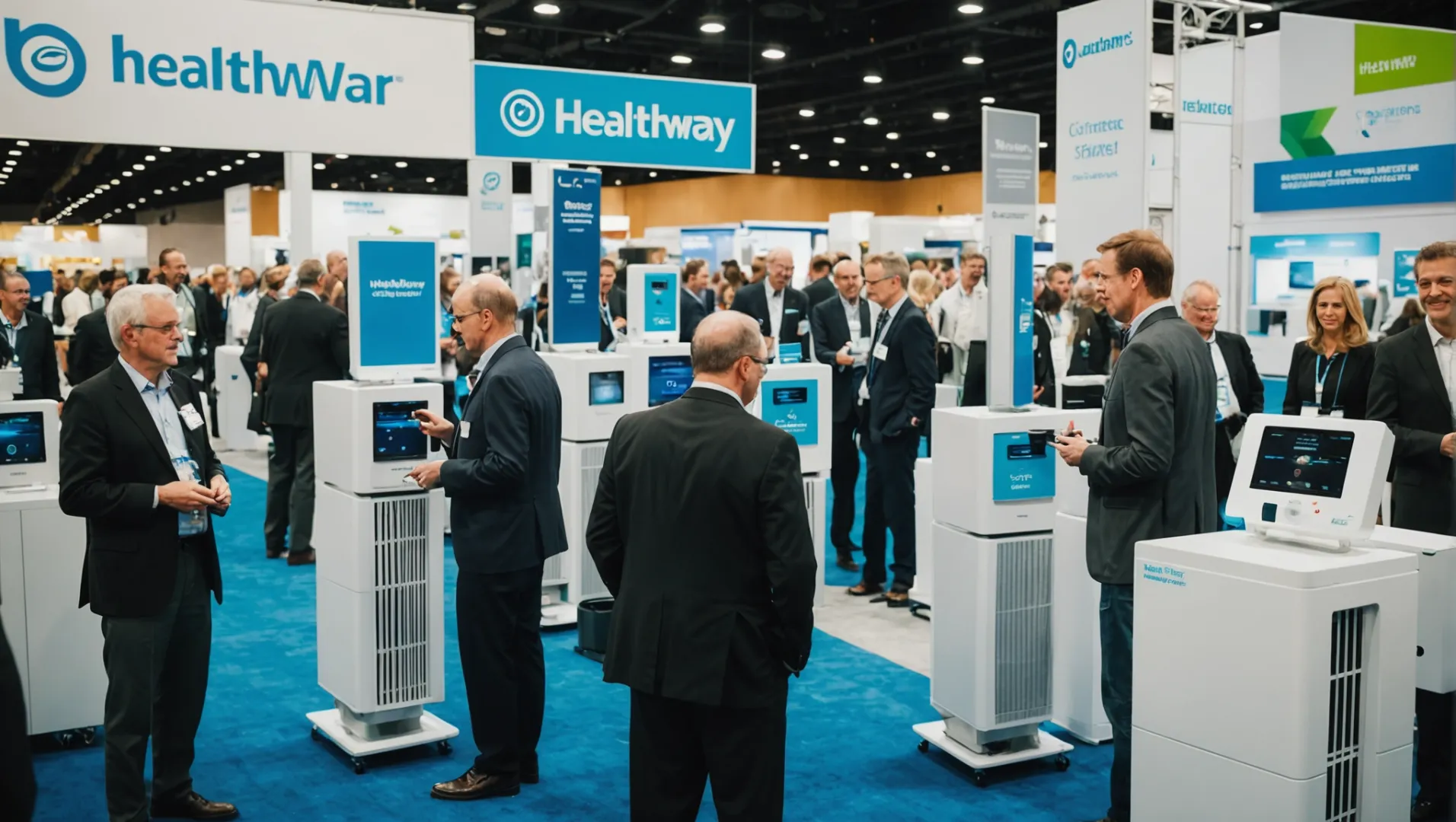
見本市で展示された各種空気清浄機

米国で信頼できる空気清浄機メーカーを探すのは、干し草の山から針を探すようなものだ。

米国で信頼できる空気清浄機メーカーを見つけるには、HealthwayやAustin Airなどの会社を調べてみましょう。多くのメーカーが製品を展示するAHRやIHSなどの展示会に参加する。選択肢は限られていますが、これらの情報源は信頼できるソリューションを提供してくれます。

しかし心配はいらない!狭い世界のように見えても、そこには空気をきれいにするための道しるべとなる貴重な情報がたくさんあるのだ。それでは、米国の空気清浄機製造のダイナミクスを掘り下げてみよう。

米国のメーカーはヘルスウェイとオースチンエアーだけである。偽

彼らが目立つ一方で、他の小規模メーカーも存在する。

なぜ米国の空気清浄機メーカーは見つけにくいのか?

需要が増加しているにもかかわらず、米国の地元空気清浄機メーカーは依然として少なく、見つけるのが難しい。

生産コストが高く、主に中国からの輸入部品に依存しているため、米国の空気清浄機メーカーは限られている。
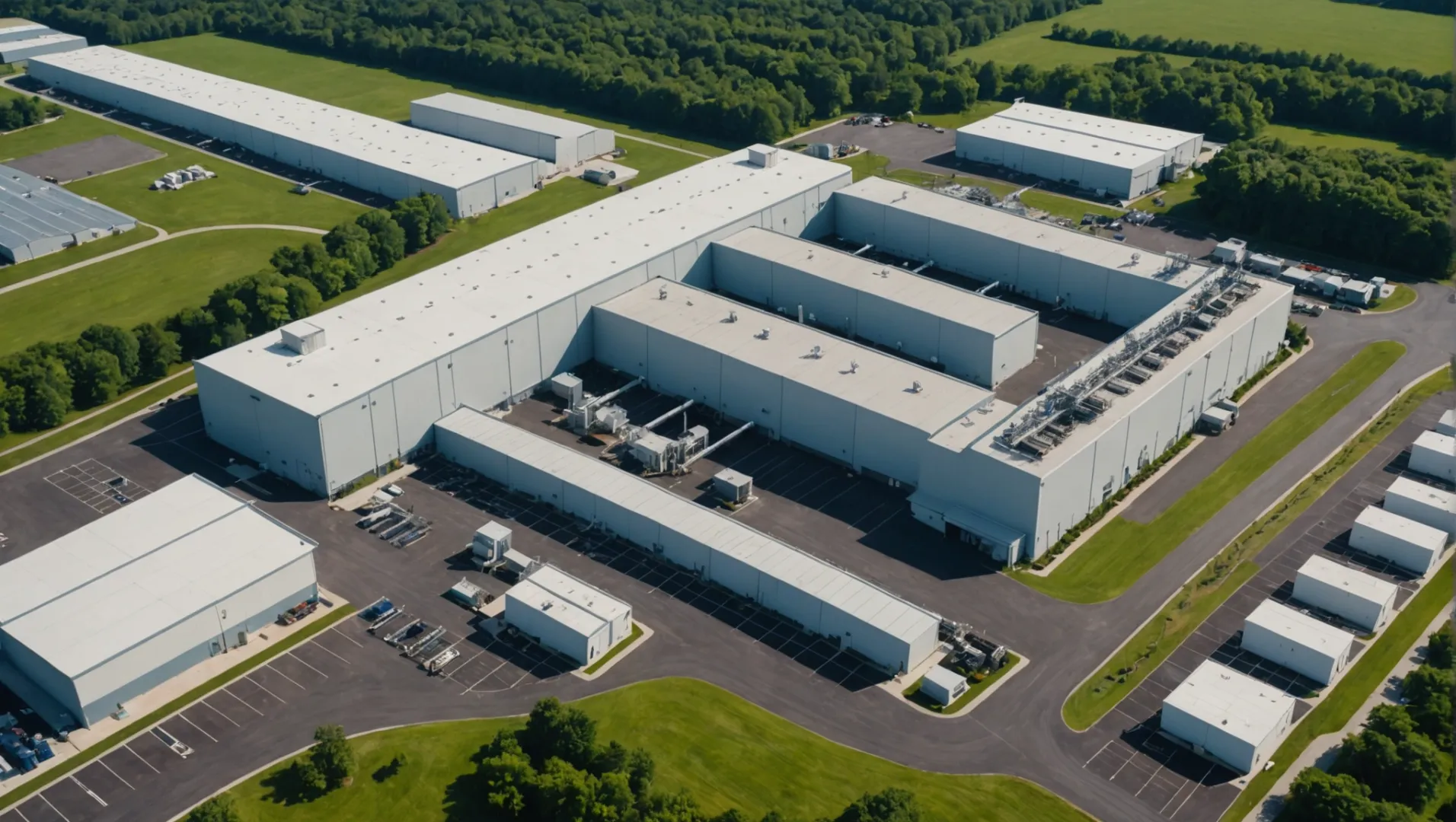
米国の産業用空気清浄機製造施設の航空写真。
米国の空気清浄機製造施設

限られたメーカー数

米国では、空気清浄機メーカーの数は際立って少ない。HealthwayやAustin Airのような主要メーカーが主流を占めているが、その製品は古い技術や高価格帯のものが多い。これらの企業は主に商業顧客をターゲットにしているため、一般消費者には手が届きにくい製品となっている。

中国輸入への依存

米国メーカーが直面する主な課題は、輸入部品への依存である。ファンシステム、フィルター、プラスチックや金属のような素材などの重要部品は、主に中国から調達されている。この依存は製造コストを引き上げるだけでなく、物流の制約や潜在的な貿易障壁のために技術革新を制限する。

貿易政策の影響

貿易政策はシナリオをさらに複雑にしている。過去の貿易摩擦の際の関税賦課は、中国からの部品輸入に関連するコストとリスクを引き上げた。この状況は、政策が転換するにつれて変化する可能性があるが、国内生産拡大にとって大きな抑止力であることに変わりはない。

見本市の役割

米国を拠点とするメーカーの発掘を目指す人にとって、AHR ExpoやIHSのような展示会は貴重な存在である。これらの展示会では、国内外のメーカーの幅広い製品が展示され、潜在的な米国パートナーを発見し、ネットワークを構築するためのプラットフォームを提供する。 これらのイベントに参加する1 は、最新の市場動向やコラボレーションの機会に関する洞察を提供できるだろう。

製造業トレンドの変化の可能性

将来的には、貿易力学の変化により、一部の中国メーカーが米国に事業を移転する可能性があると推測されている。これにより、将来的に米国製空気清浄機の入手可能性と競争力が高まる可能性がある。

米国の空気清浄機メーカーは輸入部品に頼っている。真

フィルターなどの部品は主に中国から調達しており、コストを引き上げている。

貿易政策は米国の空気清浄機生産に影響を与えない。偽

関税はコストとリスクを高め、部品の輸入を複雑にする。

ヘルスウェイとオースティン・エアの特徴は?

空気清浄機市場は飽和状態にあるが、HealthwayとAustin Airは際立ったユニークな機能を提供している。

HealthwayとAustin Airは、優れた濾過技術と米国製造へのこだわりで差別化を図っています。一部輸入部品を使用しているものの、両社の製品は品質と長寿命を重視している。業界の見本市に出展することで、空気清浄機業界における信頼できるブランドとしての地位をさらに高めている。

高度なろ過技術を搭載したHealthwayおよびAustin Air空気清浄機
ヘルスウェイとオースチン空気清浄機

イノベーションとテクノロジー

ヘルスウェイとオースティンエアーは、空気清浄技術の革新に尽力していることが評価されました。 ヘルスウェイ2 などの高度なろ過システムを採用している。 DFS (超微粒子、細菌、ウイルスを従来のものより効果的に捕捉する(殺菌濾過システム)技術。 ヘパ フィルターを採用している。この独自技術により、標準的なろ過方法に頼る多くの競合他社とは一線を画している。

一方、Austin Airは、長持ちするフィルターを備えた堅牢なユニットの製造に重点を置いている。同社のフィルターは、医療グレードの ヘパ を活性炭と併用することで、空気中のさまざまな汚染物質に対応します。この二重ろ過アプローチは、包括的な空気清浄ソリューションを求める消費者にとって特に魅力的です。

米国製造業へのコミットメント

両社とも、米国を拠点とする製造へのコミットメントを強調している。部品の一部は海外から調達しているものの、製品の組み立てとテストは米国内で行っている。この現地生産は、国内の雇用を支えるだけでなく、厳格な品質管理プロセスを保証する。地場産業の支援に関心のある消費者にとって、これは重要な差別化要因である。

業界見本市への参加

HealthwayとAustin Airは、AHRやIHSなどの主要な展示会で定期的に製品を紹介しています。これらのイベントは、メーカーが最新のイノベーションを披露し、潜在的な商業顧客とつながるために極めて重要である。これらの展示会への積極的な参加は、業界におけるリーダーとしての役割を強調し、製造プロセスや製品の有効性に関する透明性を提供します。

顧客満足と評判

両ブランドとも、顧客満足度において高い評価を得ている。室内空気の質を向上させる製品の耐久性と有効性は、多くの証言で強調されている。両ブランドは価格帯が高いため、主に業務用顧客を対象としているが、その投資は優れた性能と寿命によって正当化される。

ヘルスウェイとオースティンエアの特徴を理解することで、消費者は自分のニーズや価値観に合った空気清浄機を選ぶ際に、十分な情報を得た上で決断することができます。市場のダイナミクスが進化する中、これらのブランドは品質と革新性において高い基準を維持し続けています。

ヘルスウェイは空気清浄にDFS技術を採用している。真

DFSテクノロジーは超微粒子、バクテリア、ウイルスを捕獲する。

Austin Airは製品にHEPAフィルターを使用していません。偽

Austin Airは医療用HEPAと活性炭フィルターを組み合わせています。

見本市はメーカー探しにどう役立つのか?

見本市はメーカーを求める企業にとって極めて重要であり、業界のリーダーや革新的技術に直接触れることができる。

AHRやIHSのような見本市は、多くのメーカーと出会い、新技術を評価し、パートナーシップを確立するためのプラットフォームを提供します。これらのイベントは、潜在的なサプライヤーを特定し、業界の動向を理解し、製造業コミュニティ内でネットワークを構築するために不可欠です。

見本市でネットワーキングするビジネスマン
見本市でのネットワーキング

業界ネットワーキングにおける見本市の役割

見本市は、業界関係者がつながり、見識を共有し、協力の可能性について話し合うためのハブとしての役割を果たす。AHRやIHSのようなイベントは、多様なメーカーやサプライヤーが一堂に会するため、特に重要です。米国で空気清浄機メーカーを探している企業にとって、これらの展示会は、企業の代表者と直接関わり、製品提供について質問し、取引を交渉する機会を提供します。

メーカー製品の評価

展示会では、企業はさまざまなメーカーの製品を並べて比較することができる。この即時比較は、製品の品質、技術の進歩、費用対効果の評価に役立つ。例えば、空気清浄機の調達に関心のある企業は、ヘルスウェイやオースティン・エアのモデルを他の国際的な競合他社と比較して評価し、性能と価格の点でどのように比較されるかを確認することができる。

新たなトレンドの見極め

このようなイベントはまた、製造部門における新たな傾向や技術についての洞察も与えてくれる。例えば、最近の貿易政策に鑑み、一部の中国メーカーが米国への事業移転を検討する可能性があり、将来的にはより費用対効果の高い選択肢が提供される可能性がある。参加者はこうした戦略的シフトについて学び、それに応じて調達戦略を立てることができる。

長期的な関係の構築

見本市への参加は、目先の解決策を見つけるだけでなく、長期的な関係を築くことでもある。メーカーとの信頼関係を確立することは、よりパーソナライズされたサービス、より良い価格契約、継続的なサポートにつながります。

トレードショーのメリット 説明
ネットワーキングの機会 業界のリーダーや潜在的なパートナーとの出会い。
製品比較 複数の製品をリアルタイムで評価
トレンドへの洞察 業界のイノベーションを常にアップデート。
人間関係の構築 強力で長期的なパートナーシップを築く。

見本市に参加することで、企業は適切なメーカーを見つける機会を大幅に増やすことができ、同時に市場の将来の動きに関する貴重な洞察を得ることができる。 トレードショーのメリットを理解する3 は、グローバルな製造業の複雑な状況を乗り切る企業にとって極めて重要である。

見本市は、新たな製造業のトレンドを見極めるのに役立つ。真

見本市は新技術や市場の変化を明らかにし、戦略を助ける。

展示会に参加すれば、最高のメーカーを見つけることができる。偽

見本市は有益ではあるが、ベストフィットを確実に見つけられるわけではない。

将来のトレンドは米国産を増やすか?

世界の力学が変化する中、米国では空気清浄機の現地生産が活発化するのだろうか?

将来の動向は、貿易政策、技術の進歩、世界の製造ダイナミクスの変化により、米国の空気清浄機生産を増加させる可能性がある。
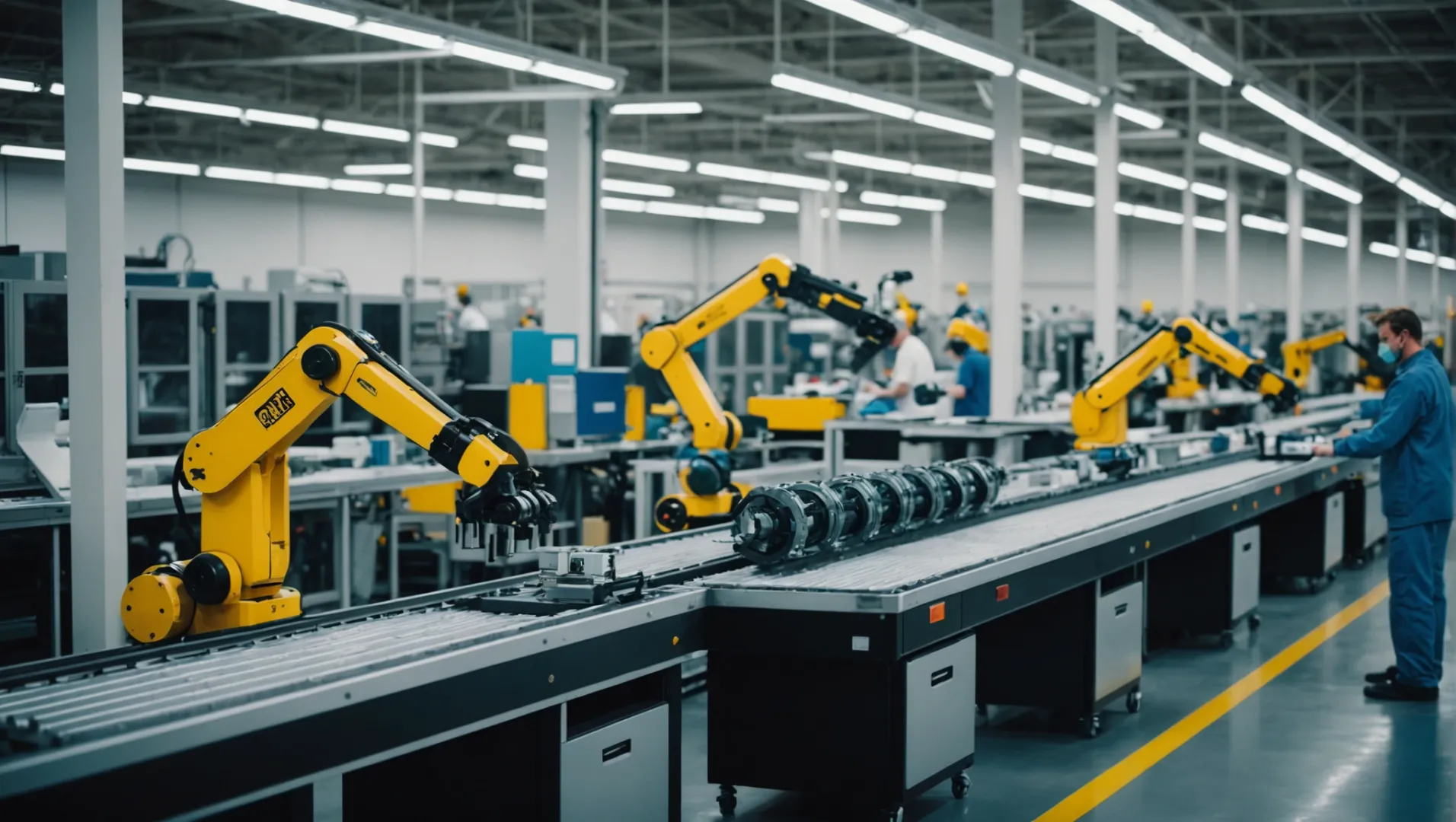
米国の近代的な空気清浄機の組み立てラインがある工場フロア。
米国の空気清浄機生産

貿易政策が生産に与える影響

貿易政策、特に関税は、製品の生産地に大きな影響を与える。そのため 関税引き上げ4 中国からの輸入が増加すれば、米国に製造拠点を設けることが経済的に有利になると考える企業も出てくるだろう。

将来的な傾向として、専門家の見識が示唆するように、中国メーカーがこれらの関税を回避するために米国に工場を移転する可能性がある。この移転により、空気清浄機の米国での製造基盤がより強固なものとなり、競争力のある価格設定と高品質な製品の供給が可能になる可能性がある。

製造業における技術の進歩

技術の進歩は、製造効率と製品の品質において重要な役割を果たす。新しい技術が登場すれば、米国の製造業者はより迅速でコスト効率の高い製造方法を採用するかもしれない。

例えば、AIとオートメーションの統合は、米国を拠点とする工場におけるプロセスを合理化し、コストを削減し、製品イノベーションを向上させることができる。こうした進歩を取り入れる企業は、効率性と高いパフォーマンスの両方が求められる市場で際立つことができる。

テクノロジー ベネフィット
AIインテグレーション 生産工程の合理化
オートメーション 人件費の削減
3Dプリンティング プロトタイピングのスピードアップと材料の無駄の削減

世界の製造業のシフト

製造業の嗜好が世界的にシフトしていることも、米国での生産が増加する可能性を示唆している。持続可能性への注目が高まる中、現地生産は長距離輸送に伴う二酸化炭素排出量を削減する。

さらに、消費者の嗜好は、品質が保証されているという認識や、地元経済を支援したいという願望から、徐々に地元産の製品へとシフトしている。こうした傾向は、国内生産を増やすための肥沃な土壌を示している。

結論

現在の空気清浄機の米国での生産はまだ限られているが、こうした将来のトレンドは成長の機会をもたらす。これらの力学を理解することは、関係者が業界の展望を再形成する可能性のある変化に備えるのに役立つ。

米国が中国からの輸入品に課す関税が、現地生産を後押しする。真

関税は輸入をコスト高にし、米国企業の現地生産を促す。

AIが米国の空気清浄機生産のコストを削減。真

AIはプロセスを合理化し、人件費を削減し、効率を高める。

結論

選択肢は限られているが、業界の変化について常に情報を得ることで、室内空気環境のニーズに対してより賢い決断を下すことができる。


  1. 業界のトレンドを学び、潜在的なメーカーとつながる:参加対象 >> AHR Expoは、以下のような業界の各分野のHVACR専門家を対象としています:エンジニア、請負業者、OEM、設計/施工業者、設計/施工業者、設計/施工業者、設計/施工業者、設計/施工業者、設計/施工業者、設計/施工業者 ↩

  2. DFSテクノロジーが従来のフィルターを凌駕し、よりクリーンな空気を実現します:Ultrafine 468は、当社独自のDFSテクノロジーを搭載しており、空間に潜在する有害な超微粒子を捕捉して除去します。私たちの製品は、 ... ↩

  3. 見本市でビジネス戦略を強化する方法を探る..:展示会に参加することは、ビジネスネットワークを広げ、新しいビジネス関係を築き、既存のビジネス関係を強化するチャンスです。 ↩

  4. 関税が世界の製造業の意思決定にどのような影響を与えるかを理解する:出典Tax Foundation一般均衡モデル、2024年6月。主な発見。トランプ政権が課した関税は約$800億ドル相当。 ↩

関連投稿

最初のコメントを残す

Contaminant Engineering•3 min read

PFAS Water Filtration Technologies Explained: Carbon, Resin & RO

Key Takeaway:

PFAS reduction depends on the specific compounds present, treatment media, contact time, water chemistry, and system design. Activated carbon, ion exchange, and Reverse Osmosis address PFAS through different mechanisms.

PFAS are a large family of persistent fluorinated compounds that can occur in drinking-water supplies. Their treatment behavior varies significantly by molecular structure, chain length, functional group, concentration, and the chemistry of the source water.

Granular Activated Carbon (GAC) removes PFAS primarily through adsorption. It is generally more effective for many longer-chain PFAS, while shorter-chain compounds tend to break through more quickly. Carbon performance depends on media properties, Empty Bed Contact Time (EBCT), competing organic matter, loading, and replacement frequency.

Ion-exchange resins use charged functional sites to capture many PFAS compounds. Properly selected anion-exchange media can provide high capacity and may perform better than conventional activated carbon for some shorter-chain PFAS, although performance still depends on water chemistry and competing ions.

Reverse Osmosis (RO) uses membrane separation rather than adsorption. Properly designed RO systems can provide broad reduction across many PFAS compounds as well as dissolved salts and other contaminants. Unlike carbon or resin, however, RO also produces a concentrate stream that must be managed.

No single technology should be selected from a PFAS label alone. System design should consider which PFAS compounds are present, their concentrations, required reduction targets, flow rate, media life, and the applicable third-party certification or validation requirements.

HisoAir Water Technical Series
Product Discovery•3 min read

How to Choose an Under-Sink Water Purifier for Modern Kitchens

Key Takeaway:

Match the treatment technology to your water quality first, then evaluate cabinet space, faucet configuration, flow rate, drain and power requirements, and filter replacement needs.

Choosing an under-sink water purifier starts with water chemistry. Carbon filtration is well suited to chlorine, taste, odor, and many organic contaminants, while Reverse Osmosis is more appropriate when dissolved salts, fluoride, nitrates, or broader dissolved contaminants need to be reduced.

For compact kitchens, tankless RO systems eliminate the conventional storage tank and can significantly reduce the space required under the sink. However, membrane capacity stated in GPD does not directly equal faucet flow. When comparing systems, check the actual dispensing flow rate, inlet-pressure requirement, recovery ratio, and whether a booster pump is required.

Installation architecture also matters. Many RO systems require a drain connection, electrical power, and either a dedicated drinking-water faucet or a compatible multi-function faucet. High-flow carbon systems can often connect directly to the existing cold-water line with a simpler installation, but pressure drop and available faucet flow should still be verified.

RO also removes much of the naturally occurring dissolved mineral content. Where taste or mineral balance is a priority, a post-RO remineralization stage can be added. Filter life should be evaluated by both rated capacity and local water quality rather than replacement time alone.

The right system is therefore not simply the smallest or highest-GPD model. It is the configuration that matches the target contaminants, available cabinet space, desired faucet setup, peak dispensing demand, and maintenance expectations.

HisoAir Water Technical Series
Water Quality•2 min read

What Does TDS Mean in Drinking Water? Measurement vs Contaminant Reality

Key Takeaway:

A TDS meter estimates the overall concentration of dissolved ionic substances from electrical conductivity. It cannot identify specific contaminants or determine whether water is chemically safe.

Total Dissolved Solids (TDS) refers to the combined concentration of dissolved substances in water. Most handheld TDS meters do not measure TDS directly. Instead, they measure electrical conductivity (EC) and convert that reading into an estimated parts-per-million (ppm) value.

This means a TDS reading can indicate how much dissolved ionic material is present, but not what that material actually is. Calcium, magnesium, sodium, nitrates, and other dissolved ions can all contribute to conductivity, yet a simple TDS meter cannot distinguish between them.

TDS meters are also not suitable for detecting trace contaminants such as PFAS, many VOCs, pesticides, pharmaceuticals, or disinfection byproducts. These substances may be present at concentrations far below the level needed to noticeably change electrical conductivity.

A low TDS reading therefore does not guarantee safe drinking water, and a higher TDS reading does not automatically indicate contamination. Water-treatment decisions should be based on laboratory testing for specific contaminants of concern rather than TDS alone.

HisoAir Water Technical Series
Technology Selection•2 min read

RO vs UF Water Filtration: Understanding Pore Sizes & Dissolved Minerals

Key Takeaway:

Ultrafiltration can reduce bacteria, turbidity, and suspended particles while retaining most naturally occurring dissolved minerals. Reverse Osmosis provides much broader reduction of dissolved salts and smaller contaminants.

Ultrafiltration (UF) typically uses hollow-fiber membranes with pore sizes in the approximate 0.01–0.1 micron range. These membranes physically retain turbidity, suspended solids, colloids, and many microorganisms while allowing dissolved minerals and salts to remain in the water.

Reverse Osmosis (RO) operates at a much finer separation level. Unlike UF, RO can substantially reduce dissolved ions such as sodium, calcium, fluoride, nitrates, and other contributors to total dissolved solids (TDS). This makes RO more suitable when dissolved-salt reduction is a primary treatment objective.

UF generally requires less system pressure and produces little or no continuous concentrate stream in many point-of-use configurations. RO typically requires greater pressure and produces a reject-water stream, but delivers broader contaminant reduction.

For water with acceptable TDS and mineral content, UF can be a simpler mineral-retaining treatment option. Where dissolved salts, fluoride, nitrates, or broader dissolved contaminants are a concern, RO is generally the more appropriate technology.

HisoAir Water Technical Series
Technology Selection•4 min read

Carbon Block vs Reverse Osmosis: Which Fits Your Need?

Key Takeaway:

Choose RO for dissolved inorganic salts and heavy metals; choose Carbon Block for chemical taste/odor, no wastewater, and high line-pressure flow.

Reverse Osmosis (RO) and Carbon Block filtration represent two fundamentally different treatment methods: membrane separation and adsorption. Understanding these differences helps determine which technology is better suited to a specific water-quality requirement.

Reverse Osmosis uses a semi-permeable membrane with pore sizes of approximately 0.0001 microns. It can significantly reduce dissolved inorganic contaminants such as TDS, fluoride, nitrates, and certain heavy metals. Because water must be forced through the membrane, RO systems require sufficient pressure or a booster pump and generate a concentrated wastewater stream.

Carbon Block filtration relies primarily on adsorption through compressed activated carbon, commonly with nominal pore sizes around 0.5–5 microns. It is highly effective for chlorine, chloramines, VOCs, taste, and odor, while allowing substantially higher direct-flow rates without producing wastewater.

From an operating perspective, Carbon Block systems are generally simpler, require less energy, and avoid the water loss associated with RO. RO involves higher system complexity and operating cost, but provides substantially broader reduction of dissolved contaminants that Carbon Block alone cannot address.

HisoAir Water Technical Series

