
As someone who has dedicated over two decades to the indoor air quality industry, I've witnessed firsthand how proper air management transforms both living and working environments. Throughout my journey leading HisoAir's innovation across our manufacturing facilities in China, Vietnam, and Thailand, one question consistently emerges from our global B2B partners: "How can we provide comprehensive air quality solutions that address multiple indoor air challenges simultaneously?"
The answer lies in the revolutionary 2-in-1 air purifier dehumidifier technology that's transforming the indoor air quality landscape. This comprehensive guide explores how these integrated solutions deliver superior performance, cost efficiency, and space-saving benefits that standalone devices simply cannot match.
What Makes 2-in-1 Air Purifier Dehumidifiers Revolutionary for Business Environments?
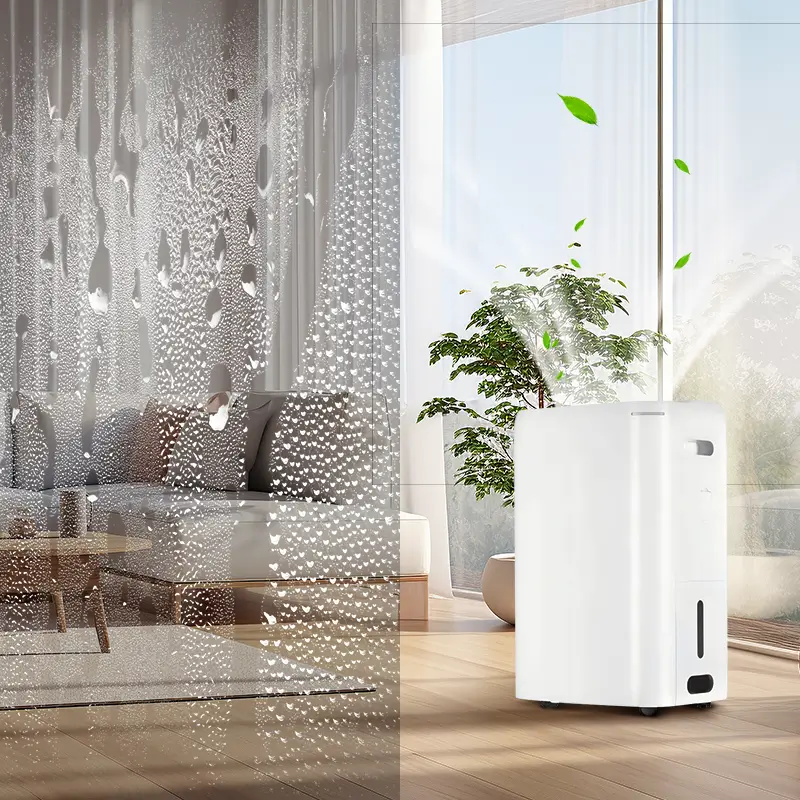
The indoor air quality management landscape has evolved dramatically in recent years. Traditional approaches requiring separate devices for different air quality issues are increasingly seen as inefficient and outdated. The global air purifier market is projected to reach USD 31.85 billion by 2033, while the dehumidifier market is expected to grow to over USD 6.36 billion by 2032. These impressive figures reflect the increasing awareness of indoor air quality's impact on health, productivity, and overall wellbeing.
But why maintain two separate systems when one integrated solution can deliver superior results?
2-in-1 air purifier dehumidifiers represent the next generation of indoor air quality management, combining powerful air filtration with effective moisture control in a single, efficient unit. This integration addresses the fundamental connection between humidity and air quality that many business owners overlook.
High humidity environments don't just feel uncomfortable—they actively contribute to poor air quality by creating ideal conditions for mold, bacteria, and dust mites to thrive. These contaminants then circulate through your indoor air, potentially triggering allergies, respiratory issues, and general discomfort among employees and customers.
By simultaneously purifying air and controlling humidity, integrated solutions create healthier, more comfortable indoor environments while offering significant advantages in efficiency, space utilization, and operational costs.
How Do Combined Air Purifier Dehumidifiers Address Multiple Indoor Air Challenges?
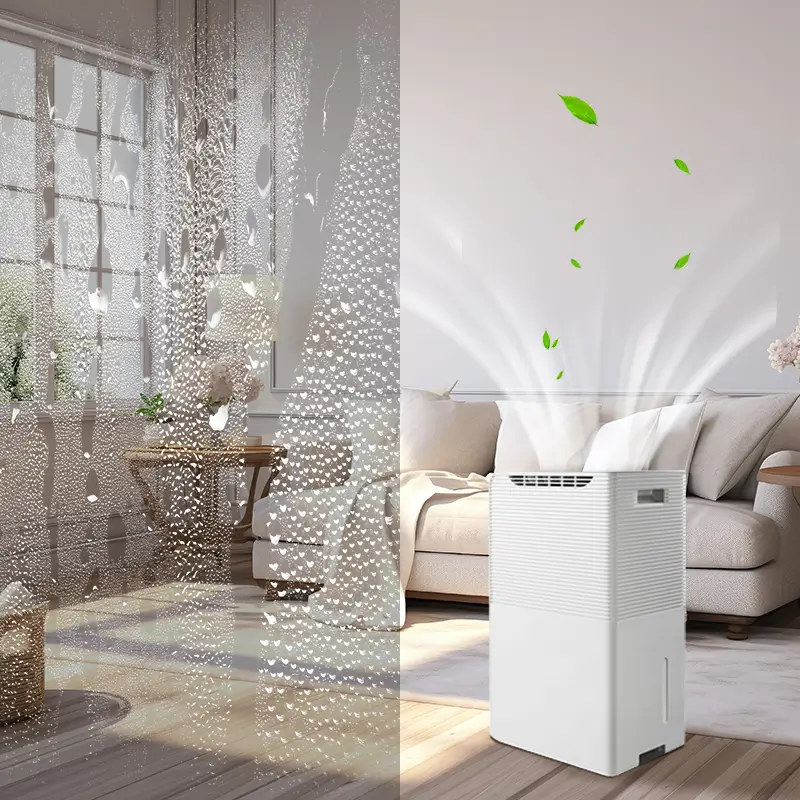
Understanding the synergistic relationship between air purification and dehumidification is essential for appreciating the value of integrated solutions. Let's examine how these technologies work together to create superior indoor environments:
The Purification Component: Comprehensive Contaminant Removal
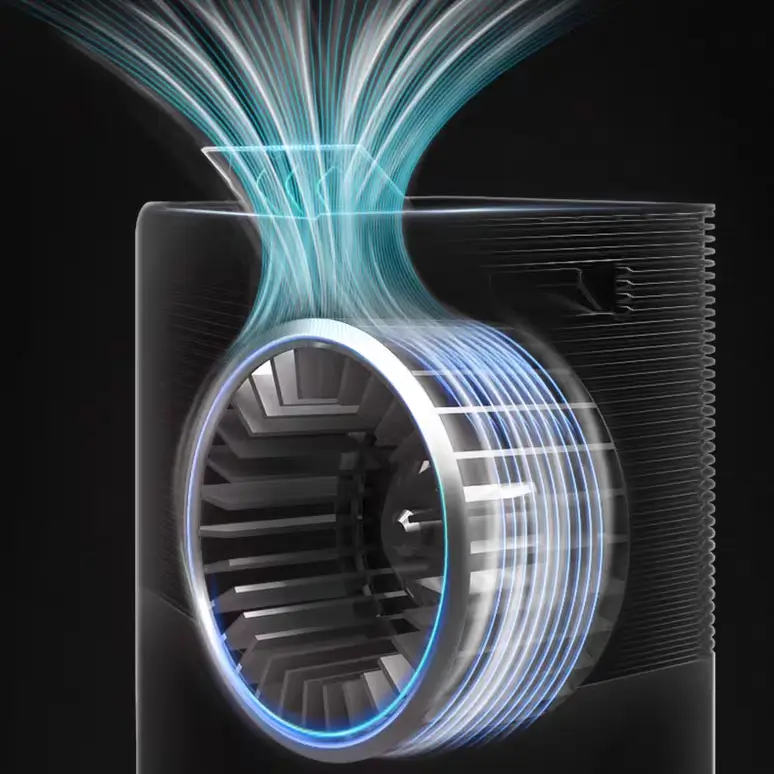
The air purification technology in high-quality 2-in-1 systems works by drawing in air from the room, passing it through a sophisticated multi-stage filtration system, and releasing cleaner air back into the space. Advanced systems incorporate:
- ترشيح HEPA capturing 99.97% of particles as small as 0.3 microns, including dust, pollen, pet dander, and some bacteria
- فلاتر الكربون المنشط absorbing odors, smoke, and volatile organic compounds (VOCs)
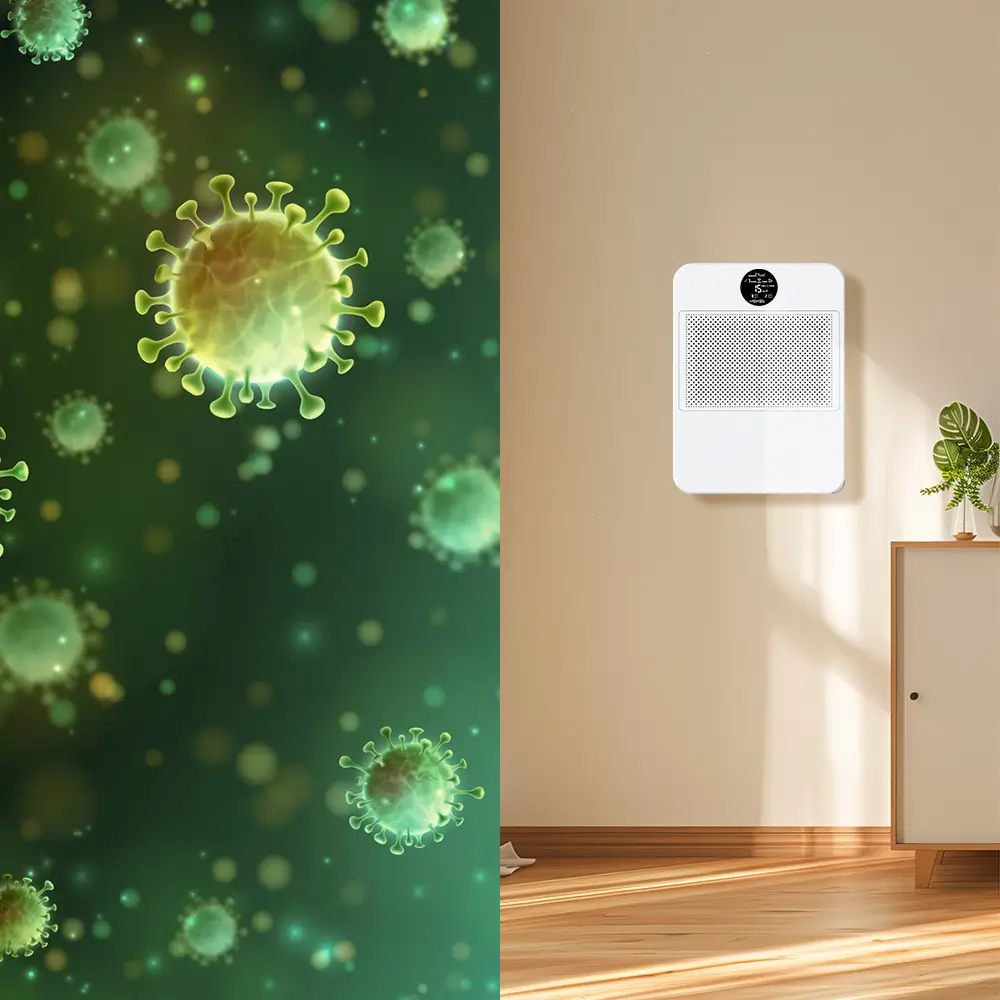
- UV-C light technology neutralizing microorganisms like bacteria and viruses
- مستشعرات PM2.5 that continuously monitor air quality and adjust operation accordingly
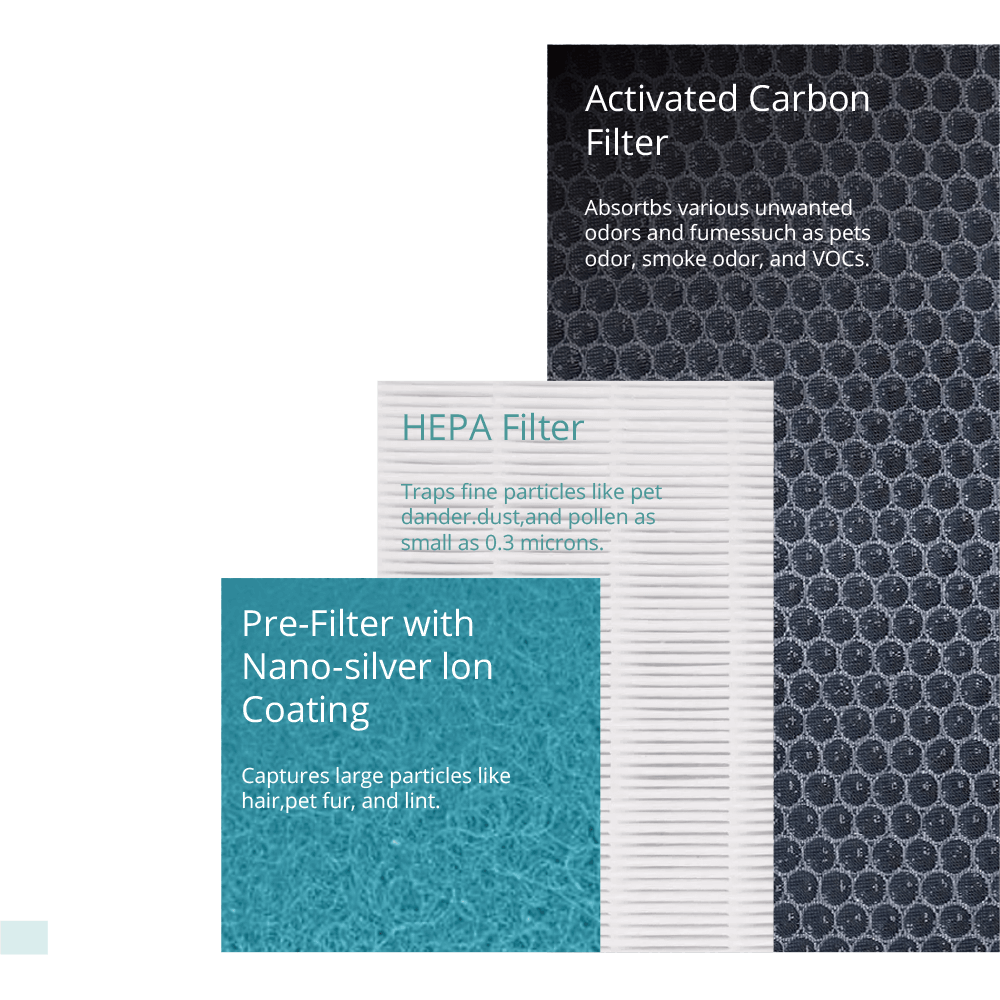
This comprehensive filtration approach removes a wide spectrum of airborne contaminants that can impact health and comfort in business environments.
The Dehumidification Component: Precise Moisture Control
The dehumidification technology in these integrated systems focuses on reducing excess moisture in the air by drawing in humid air, cooling it to condense moisture, collecting water in a tank or through continuous drainage, and releasing drier air back into the room while maintaining optimal humidity levels between 40-60%.
By controlling humidity, these systems prevent mold growth, reduce dust mite populations, protect building materials from moisture damage, eliminate musty odors, and create less hospitable environments for certain pests.
The Synergistic Effect: Better Together
When these technologies operate in tandem, they create a powerful synergistic effect:
- Enhanced mold prevention: While dehumidification creates conditions unfavorable for mold growth, purification removes existing mold spores from the air
- Improved allergen control: Dehumidifiers reduce dust mite populations by eliminating their preferred humid environment, while purifiers capture the allergens they produce
- Superior odor elimination: Dehumidifiers prevent the musty smells associated with excess moisture, while carbon filtration absorbs existing odors
- Comprehensive air quality management: The combined approach addresses both particulate contaminants and moisture-related air quality issues
This integrated approach delivers more complete air quality management than either technology could achieve independently.
Why Are HisoAir's DM-A212 and DM-A216 Leading the Integrated Air Quality Market?
At HisoAir, we've leveraged our decades of experience in air quality management to develop two flagship 2-in-1 solutions that exemplify the benefits of integrated technology: the DM-A212 and DM-A216 models.
DM-A212: Compact Power for Medium Spaces
إن DM-A212 combines powerful performance with user-friendly features in a compact design ideal for medium-sized business environments:
- Powerful Dehumidification: Extracts up to 12 liters of moisture per day (at 27°C, 60% humidity), effectively reducing indoor humidity and preventing dampness
- Advanced Air Purification: Incorporates PM2.5 sensors and sophisticated filtration to remove airborne contaminants
- تشغيل هادئ: Functions at just 48dB, ensuring a peaceful environment suitable for offices and customer-facing spaces
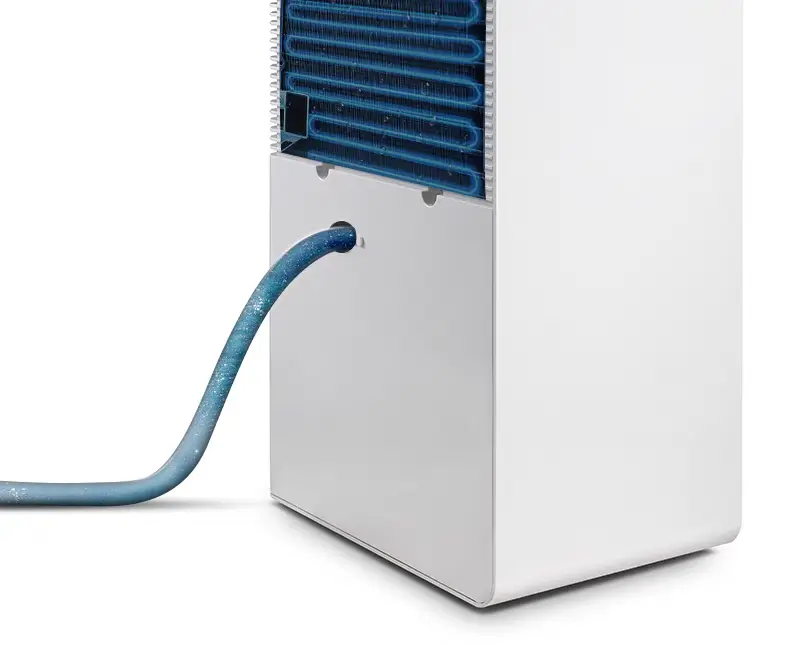
- Efficient Water Management: Features a 3.7L water tank with tank-full auto-off indicator and optional continuous water drainage for hassle-free operation
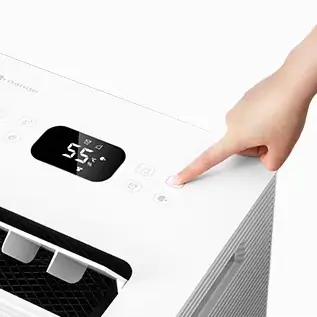
- Smart Humidity Control: Offers adjustable humidity settings from 40% to 70% RH, with an intuitive digital display showing real-time humidity levels
- Energy-Efficient Performance: Rated at just 194W, optimized for consistent performance while conserving energy
DM-A216: Premium Solution for Larger Environments
إن DM-A216 elevates integrated air quality management with enhanced capacity and premium features for larger business spaces:
- Superior Dehumidification: Extracts up to 16 liters of moisture per day (30°C, 80% RH), effectively managing humidity in medium to large spaces
- Award-Winning Design: Recognized with the 2018 Red Dot Design Award for its aesthetic and functional excellence
- Enhanced Capacity: Features a larger 5L water tank with overflow protection and continuous drainage option
- Versatile Operation Modes: Includes specialized modes for dehumidification, sleep, cloth drying, and fan-only operation
- Advanced Air Quality Monitoring: Incorporates PM2.5 sensors for real-time air quality assessment
- Energy-Efficient Performance: Balances powerful operation with energy conservation at 240W
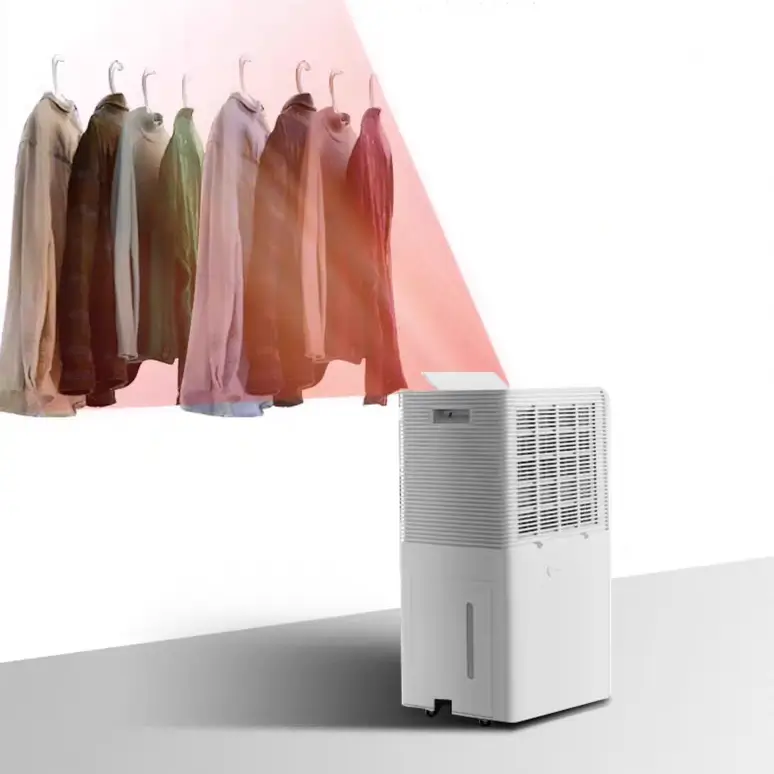
Both models represent the pinnacle of integrated air quality management, delivering exceptional performance, user-friendly operation, and sophisticated features that address the complex air quality needs of modern businesses.
What Specific Benefits Do Businesses Gain from Integrated Air Quality Solutions?
Investing in 2-in-1 air purifier dehumidifiers offers businesses numerous advantages over traditional separate-device approaches:
Operational Efficiency
- Reduced Energy Consumption: Operating a single integrated unit typically consumes less electricity than running two separate devices, leading to lower utility bills and reduced environmental impact
- Simplified Maintenance: Managing one device instead of two means fewer filters to replace, less frequent servicing, and lower overall maintenance costs
- Space Optimization: Integrated solutions free up valuable floor space that would otherwise be occupied by multiple devices—particularly valuable in retail, hospitality, and office environments where space carries premium value
الأداء المحسّن
- Coordinated Operation: Integrated systems ensure that purification and dehumidification functions work in harmony rather than potentially counteracting each other
- Consistent Air Quality: Simultaneous addressing of both particulate contaminants and humidity issues delivers more stable and comprehensive air quality management
- Optimized Functionality: Purpose-built integrated systems often deliver better performance than cobbled-together separate solutions
Business Benefits
- Improved Employee Productivity: Research shows that optimal indoor air quality can increase cognitive function by up to 61% and productivity by 11%
- Reduced Absenteeism: Better air quality leads to fewer respiratory issues and sick days among staff
- Enhanced Customer Experience: Comfortable, fresh-smelling environments with optimal humidity create more pleasant experiences for customers and clients
- Equipment and Inventory Protection: Controlled humidity helps protect sensitive equipment, inventory, and building materials from moisture damage
How Do 2-in-1 Solutions Compare to Using Separate Devices?
When evaluating air quality management options, it's important to understand the comparative advantages of integrated solutions versus separate devices:
| الميزة | 2-in-1 Air Purifier Dehumidifiers | Separate Devices |
|---|---|---|
| Initial Investment | Lower combined cost | Higher total cost for quality devices |
| Space Requirements | Single footprint | Two separate footprints |
| استهلاك الطاقة | Typically 200-250W total | Often 300-800W combined |
| الصيانة | Single maintenance schedule | Two separate maintenance schedules |
| Performance Coordination | Built-in coordination | Potential for counterproductive operation |
| مستوى الضوضاء | Single noise source (typically 48-50dB) | Two noise sources (potentially 40-60dB each) |
| Control Convenience | Single interface | Multiple interfaces to manage |
| التنقل | One unit to move | Two units to relocate |
This comparison clearly demonstrates the practical advantages of choosing an integrated solution for most business environments.
How Can Businesses Choose the Right 2-in-1 Solution for Their Needs?
Selecting the optimal integrated air quality solution requires careful consideration of several factors:
Space Assessment
- Area Size: The DM-A212 is ideal for spaces up to 25m², while the DM-A216 can effectively manage larger areas up to 35m²
- Ceiling Height: Higher ceilings require greater capacity units
- Open vs. Closed Layout: Open floor plans may benefit from units with greater air circulation capacity
العوامل البيئية
- Typical Humidity Levels: Regions with consistently high humidity may require the higher extraction capacity of the DM-A216
- Air Quality Challenges: Environments with specific contaminant concerns should prioritize appropriate filtration technologies
- Occupant Density: Spaces with higher occupant density generally benefit from greater air processing capacity
Operational Considerations
- Noise Sensitivity: For quiet environments like offices or spas, the DM-A212's 48dB operation may be preferable
- Aesthetic Requirements: The award-winning design of the DM-A216 may better complement premium business environments
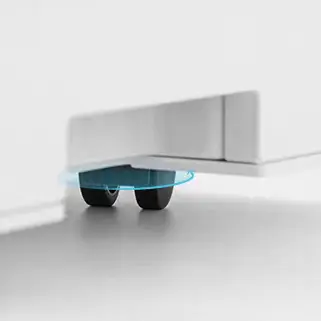
- Mobility Needs: If the unit will need to be moved frequently, the more compact DM-A212 offers greater portability
- Runtime Requirements: Businesses requiring continuous operation should consider the larger water tank capacity of the DM-A216 or plan for continuous drainage installation
Conclusion: The Future of Indoor Air Quality Management
The evolution of indoor air quality management clearly points toward integrated solutions that address multiple aspects of air quality simultaneously. As businesses increasingly recognize the impact of indoor environments on health, productivity, and customer experience, 2-in-1 air purifier dehumidifiers represent a forward-thinking approach to creating truly healthy indoor spaces.
HisoAir's DM-A212 and DM-A216 models exemplify this integrated approach, delivering exceptional performance, user-friendly operation, and sophisticated features that address the complex air quality needs of modern businesses. By combining powerful air purification with effective humidity control, these solutions create healthier, more comfortable environments while offering significant advantages in efficiency, space utilization, and operational costs.
Whether you're a distributor seeking to expand your product line, a facility manager responsible for maintaining healthy commercial spaces, or an entrepreneur developing your own branded air quality solutions, HisoAir's integrated systems provide the comprehensive performance and reliability your business demands.
Join the global leaders who rely on our expertise in air filtration solutions. Visit هيسو إير today to explore how our 2-in-1 air purifier dehumidifiers can transform your approach to indoor air quality management.

 English
  Français
  Español
  Italiano
  Deutsch
  Português
  Русский
  العربية
  日本語
日本語  한국어
한국어  Tiếng Việt