
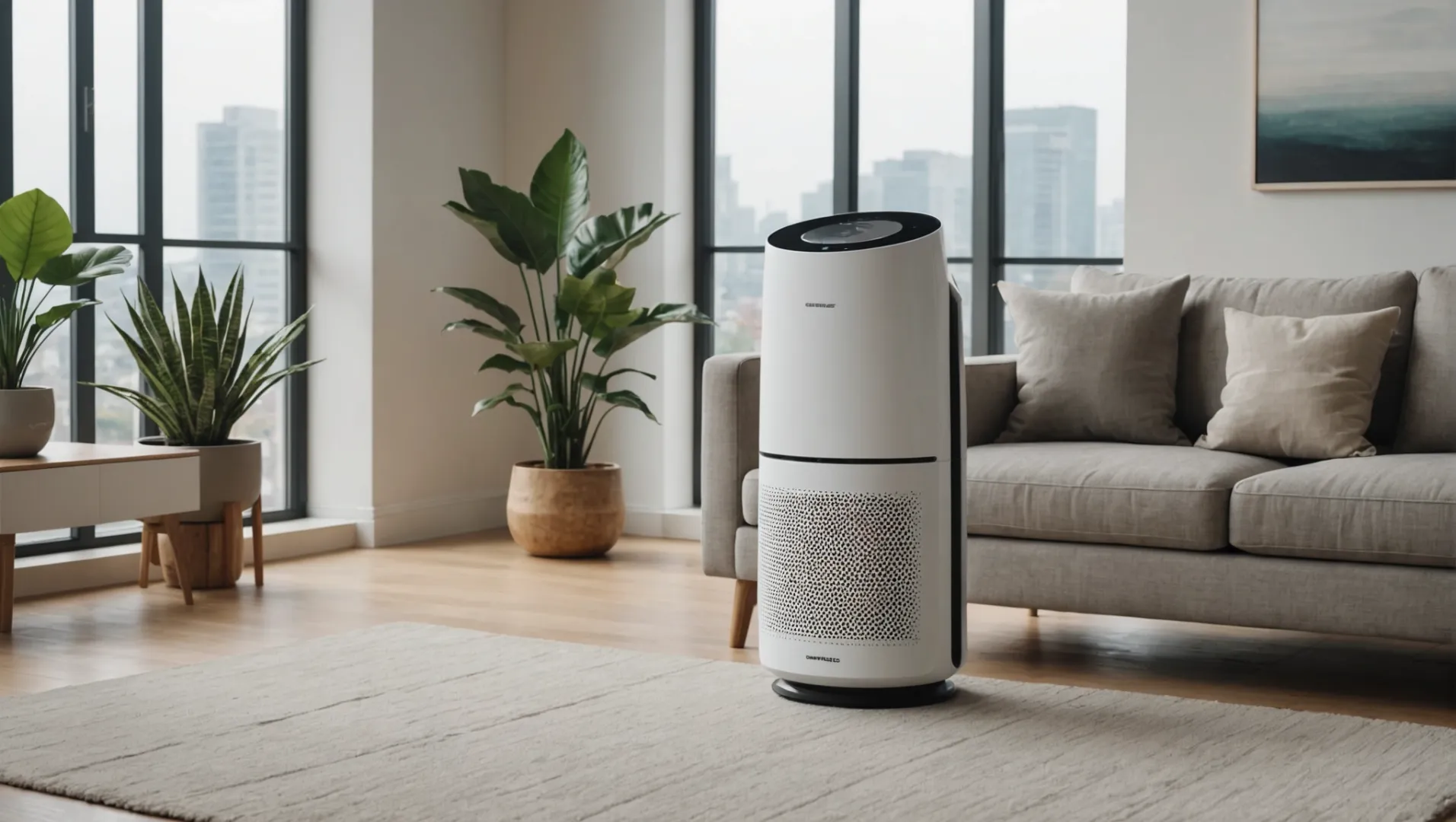
In today's crowded air purifier market, innovation is key to standing out.
To differentiate air purifier products in a competitive market, focus on unique features, superior performance, and targeted marketing strategies. Implementing advanced filtration systems, catering to niche audiences, and leveraging unique selling points can significantly enhance your product's appeal and market position.
While understanding the basics is essential, exploring deeper into consumer preferences and successful case studies can provide invaluable insights. Discover how specific strategies can elevate your air purifier products above the competition.
Advanced filtration systems can differentiate air purifiers.True
Customized filters like HEPA13 or activated carbon cater to specific needs, enhancing appeal.
How Can Unique Features Give Your Air Purifier a Competitive Edge?
In the bustling market of air purifiers, unique features can set your product apart.
Unique features such as advanced filtration, low-noise operation, and energy efficiency can give your air purifier a competitive edge. These features not only enhance performance but also cater to specific customer needs, making your product more appealing in a saturated market.
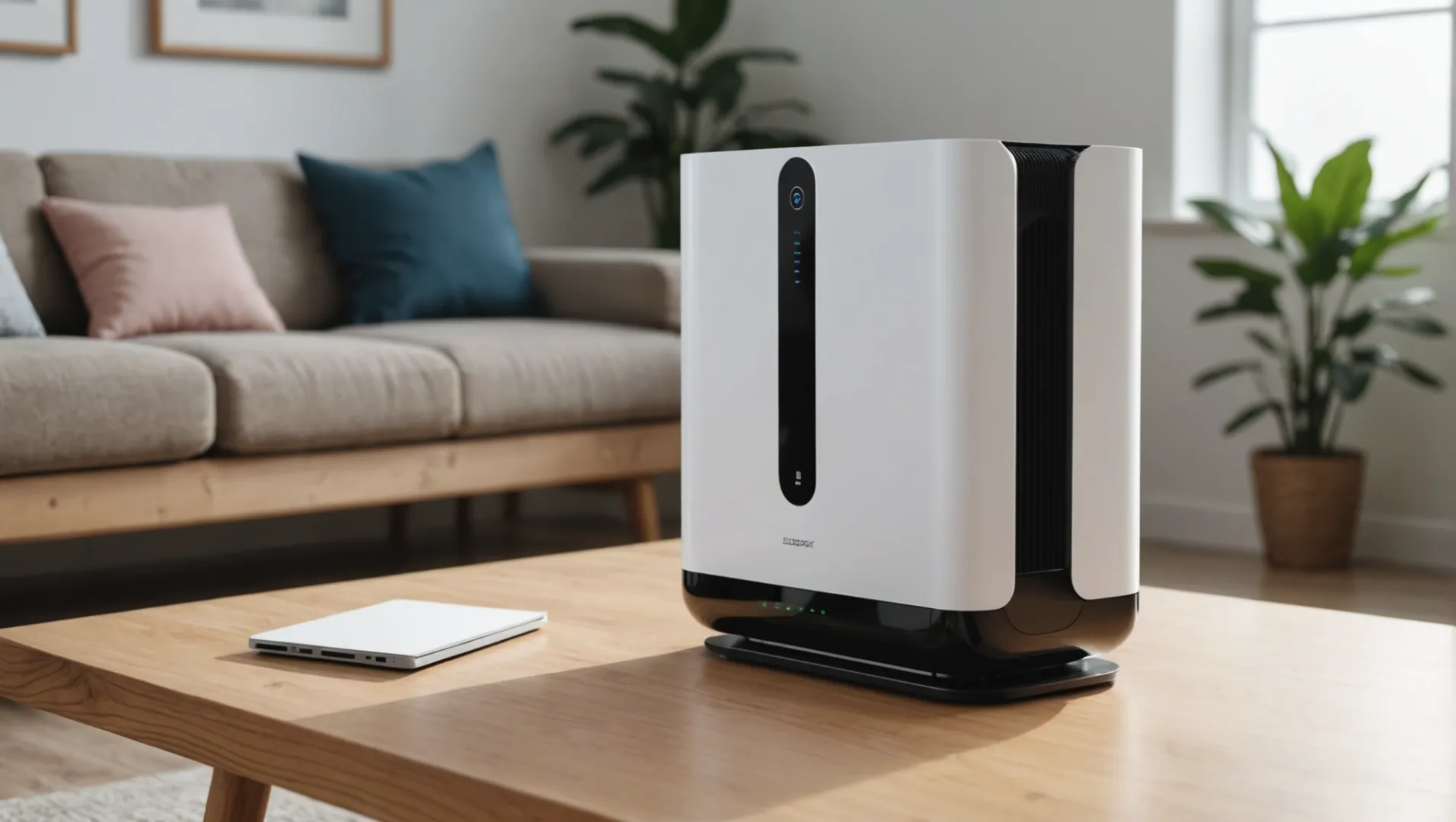
Advanced Filtration Systems
One way to distinguish your air purifier is through customized filtration systems1. Offering specialized filters such as HEPA13 for fine dust and allergens, or Activated Carbon filters for VOCs and pet odors, caters to diverse customer needs. This not only enhances performance but also builds a loyal customer base.
Energy Efficiency and Noise Reduction
Utilizing a DC fan system instead of an AC fan can significantly lower power consumption and noise levels. This feature is increasingly important for consumers who are environmentally conscious and sensitive to sound in their living spaces.
Targeting Niche Markets
Identifying and targeting specific customer segments can provide a substantial competitive edge. Consider developing products specifically designed for pet owners, parents with infants, or frequent travelers. These groups are particularly sensitive to air quality and are likely to invest in products that meet their specific needs.
Leveraging Technology and Connectivity
Incorporating smart technology into your air purifier can make it more attractive. Features such as app control, real-time air quality monitoring, and integration with home automation systems can appeal to tech-savvy consumers.
Building a Localized Brand
Focusing on a localized brand story rather than competing solely on price can be beneficial. Engaging with customers through social media and influencer marketing on platforms like Shopify can help establish a unique brand identity that resonates emotionally with consumers, adding value beyond mere product features.
Advanced filtration enhances air purifier performance.True
Advanced filtration systems remove more pollutants, improving air quality.
DC fans increase air purifier noise levels.False
DC fans are quieter than AC fans, reducing noise levels in air purifiers.
What Role Does Performance Play in Differentiating Air Purifiers?
In a sea of air purifiers, performance is the key differentiator that can set your product apart.
Performance in air purifiers differentiates products through airflow efficiency, noise levels, and energy consumption. High-performing models typically feature advanced fan systems and customized filters, catering to specific needs such as allergies or pet odors, thereby appealing to niche markets and enhancing consumer satisfaction.
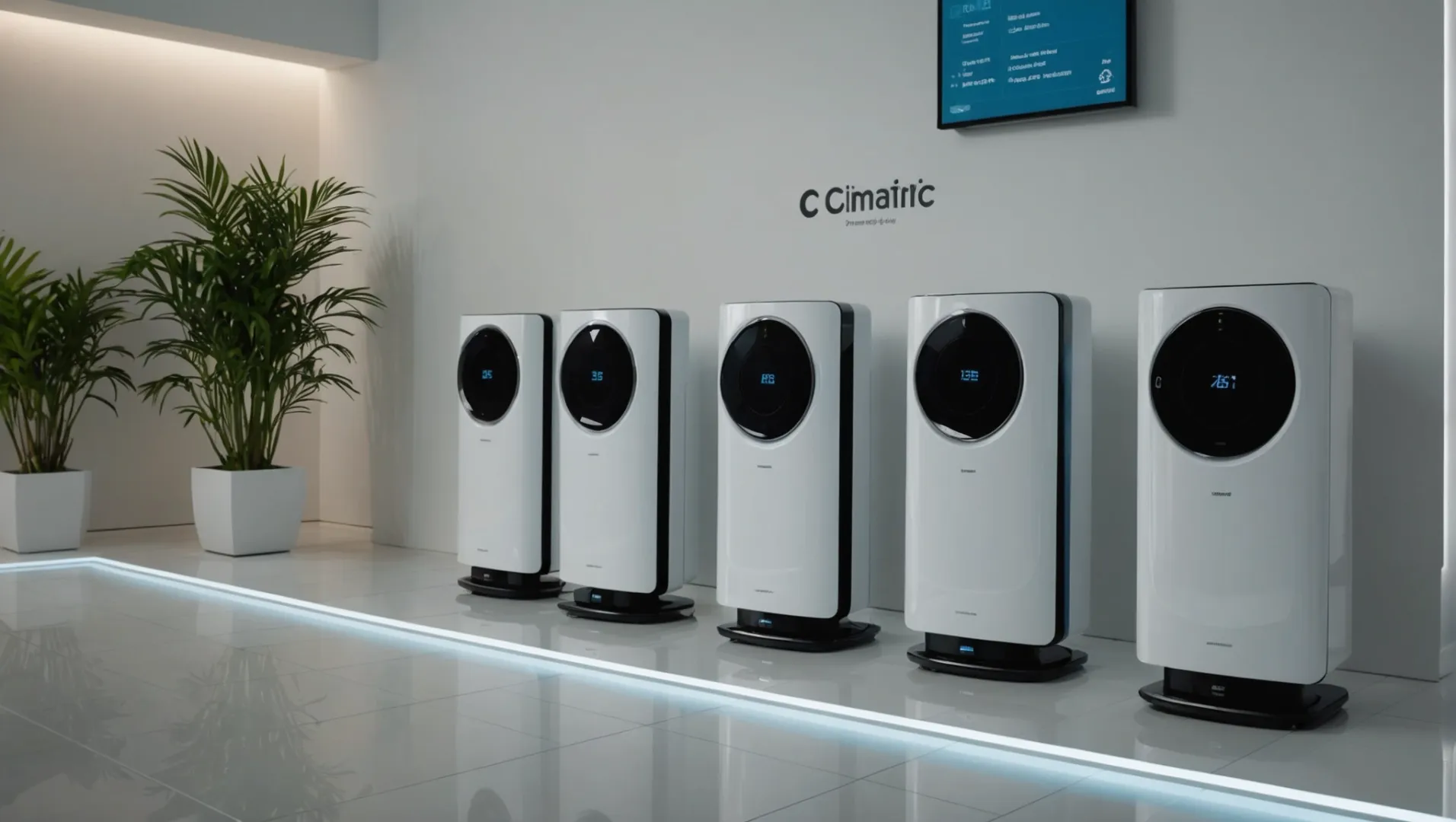
Understanding Airflow Efficiency
Airflow efficiency is a critical metric in assessing an air purifier's performance. Models with higher CFM (Cubic Feet per Minute) ratings, such as those exceeding 400CFM, ensure faster and more effective air cleaning. This is particularly important for consumers dealing with large spaces or high pollution levels. A high CFM rating2 can often be a decisive factor for buyers.
The Importance of Noise Levels
Noise can be a significant concern for consumers, especially those using air purifiers in bedrooms or offices. Air purifiers that use a DC fan system instead of an AC fan system tend to operate more quietly. These low-noise models cater to a growing demand for peaceful environments, which is crucial in residential and work settings.
Energy Consumption Considerations
With growing environmental consciousness, energy efficiency is a priority for many consumers. Air purifiers that consume less power not only save on electricity bills but also appeal to eco-conscious buyers. By highlighting these efficiencies in your marketing, you can attract a broader audience seeking sustainable solutions.
Customized Filtration Systems
Performance isn't just about airflow and noise—it's also about how effectively an air purifier can handle specific pollutants. Offering customized filters, such as HEPA 13 for fine dust and allergens or activated carbon for VOCs (Volatile Organic Compounds) and pet odors, allows products to target niche markets. Customers are increasingly drawn to solutions tailored to their specific needs, whether they have pets, suffer from allergies, or live in areas with high pollution.
Catering to Diverse Markets
By understanding the varying needs of different customer segments, such as commercial users or residential buyers, air purifier companies can further differentiate their offerings. For instance, devices designed for commercial use may prioritize durability and coverage area over other features, whereas residential units might focus on aesthetics and ease of use. Engaging with targeted marketing strategies on platforms like social media helps in reaching these distinct audiences effectively.
Air purifiers with DC fans are quieter than AC fans.True
DC fans operate more quietly, suitable for bedrooms and offices.
High CFM ratings in air purifiers indicate lower performance.False
High CFM ratings ensure faster, more effective air cleaning.
How Can Custom Filtration Systems Attract Diverse Customer Segments?
Custom filtration systems can transform your air purifier into a must-have for diverse customers.
Custom filtration systems attract diverse customer segments by addressing specific air quality needs. By offering tailored solutions like specialized filters for allergies, pet odors, and industrial use, companies can expand their market reach and build strong customer relationships.
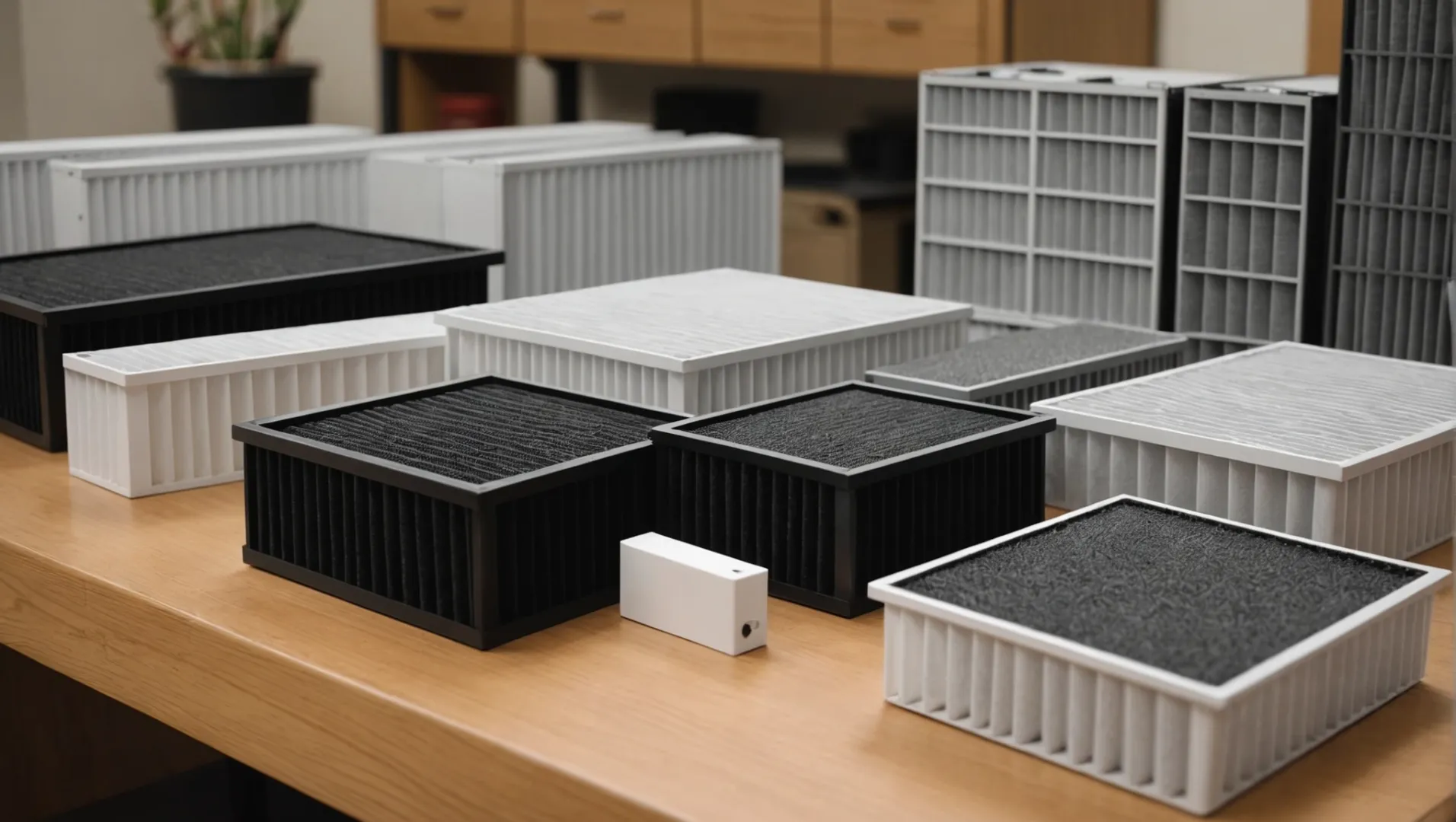
Understanding Diverse Customer Needs
In the realm of air purification, one size rarely fits all. Customers range from allergy sufferers to industrial users, each with unique requirements. Specialized filters3 are essential in catering to these varied needs. For instance, a HEPA 14 filter offers superior protection against bacteria and viruses, crucial for healthcare facilities.
Creating Customized Filtration Solutions
Developing custom filtration systems involves a deep understanding of different scenarios. For pet owners, an Activated Carbon Filter can effectively neutralize odors and Volatile Organic Compounds (VOCs). Meanwhile, car drivers might benefit from compact systems designed to operate efficiently in confined spaces.
| Customer Segment | Recommended Filter | Benefits |
|---|---|---|
| Allergy Sufferers | HEPA 13 | Captures fine dust and allergens |
| Healthcare | HEPA 14 | Filters bacteria and viruses |
| Pet Owners | Activated Carbon | Removes odors and VOCs |
| Industrial Use | Microbia Filter | Eliminates mold spores |
Leveraging Emotional Value in Marketing
Differentiating your air purifiers is not just about technical specifications. Building a narrative around your product can enhance emotional value. Storytelling in branding4 through social media can attract new segments like eco-conscious users by highlighting sustainability aspects.
Expanding into New Marketplaces
Instead of competing solely on price within large platforms like Amazon, focus on developing a brand story for your Shopify store. Engage in influencer marketing to reach niche audiences such as young parents concerned about air quality for their babies.
Embracing Technological Innovations
Implementing DC fan systems over traditional AC options can appeal to eco-friendly consumers by reducing power consumption and noise levels. These innovations not only enhance performance but also broaden your customer base, appealing to those who prioritize sustainability and efficiency.
HEPA 14 filters are crucial for healthcare facilities.True
HEPA 14 filters provide superior protection against bacteria and viruses.
Activated Carbon Filters are ineffective for pet odors.False
Activated Carbon Filters effectively neutralize pet odors and VOCs.
Why Is Targeted Marketing Crucial for Air Purifier Differentiation?
In a saturated market, reaching the right audience is more important than ever.
Targeted marketing is essential for air purifier differentiation as it helps brands connect with specific customer needs, foster brand loyalty, and enhance product visibility. By tailoring marketing strategies to unique consumer segments, companies can effectively distinguish their offerings in a crowded marketplace.
Understanding the Role of Targeted Marketing
In the realm of air purifiers, not all customers are created equal. From allergy sufferers to pet owners, each group has distinct needs and priorities. This is where targeted marketing5 becomes a game-changer. Instead of a broad approach, focusing on specific consumer segments enables brands to tailor their messaging and highlight features that resonate most.
Identifying Key Consumer Segments
To effectively implement targeted marketing, it's crucial to identify and understand your customer base. Some potential segments include:
- Health-conscious families: Emphasize air purifiers with high-performance filtration systems that remove allergens and bacteria.
- Pet owners: Highlight products with activated carbon filters that tackle pet odors and dander.
- Urban dwellers: Focus on compact designs with powerful purification capabilities for small spaces.
Leveraging Digital Platforms
Digital platforms offer unparalleled opportunities for precise targeting. Social media channels, for instance, allow brands to engage directly with specific demographics through tailored advertisements and influencer partnerships. By creating content that speaks directly to niche interests, air purifier companies can boost their presence on platforms like Instagram and Facebook.
Furthermore, leveraging data analytics can enhance targeting efforts. By understanding purchasing patterns and consumer behavior, brands can refine their strategies and improve their marketing ROI.
Emotional Branding and Storytelling
Beyond technical features, emotional branding plays a pivotal role in product differentiation. Building a compelling brand story that aligns with the values and lifestyles of your target audience can create a deeper connection. For instance, positioning your brand as a champion of clean, healthy living can resonate strongly with eco-conscious consumers.
By telling authentic stories through blog posts, videos, or social media campaigns, companies can foster a sense of community and loyalty among their customers.
The Impact of Targeted Marketing on Sales
A well-executed targeted marketing strategy doesn't just differentiate; it also drives sales. When customers see products tailored to their specific needs, they are more likely to make a purchase. Furthermore, satisfied customers often become brand advocates, spreading the word within their communities and extending the reach of your marketing efforts.
Ultimately, targeted marketing enables air purifier brands to stand out in a crowded market by creating meaningful connections with consumers and enhancing the overall customer experience.
Targeted marketing boosts air purifier sales.True
By addressing specific needs, targeted marketing increases purchase likelihood.
All air purifier customers have similar needs.False
Different consumer segments have unique needs, requiring tailored marketing.
Conclusion
Implementing unique features and targeted strategies can elevate your air purifier in a competitive market. Focus on consumer preferences and market trends for sustained success.
-
Learn how tailored filtration enhances air purifier effectiveness.: Ultra-Fine Particle Capture: Engineered to trap even the smallest allergenic particles, including pollen, dust mites, and mold spores. Multi- ... ↩
-
Learn about CFM and its impact on air purification efficiency.: CFM represents the airflow capacity of an air purifier, indicating how much air it can process in one minute. A higher CFM typically results in ... ↩
-
Explore how specific filters meet varied air quality needs.: Our replacement air purifier filters are true HEPA filters, designed to get rid of cigarette smoke, pet odor, cooking smells, and household allergens. ↩
-
Learn how effective storytelling can enhance product appeal.: Kurin's story isn't just about air purifiers—it's about how a brand can connect emotionally, innovate boldly, and succeed sustainably. ↩
-
Discover how targeted marketing can enhance product differentiation.: Differentiation marketing can help companies stand out when a product isn't perceived as much different from a competitor's, such as bottled water. The ... ↩


 English
  Français
  Español
  Italiano
  Deutsch
  Português
  Русский
  العربية
  日本語
日本語  한국어
한국어  Tiếng Việt

