新しいタブで開きます
革新的な空気品質ソリューション

競争市場で空気清浄機製品を差別化する戦略とは?

Related Products

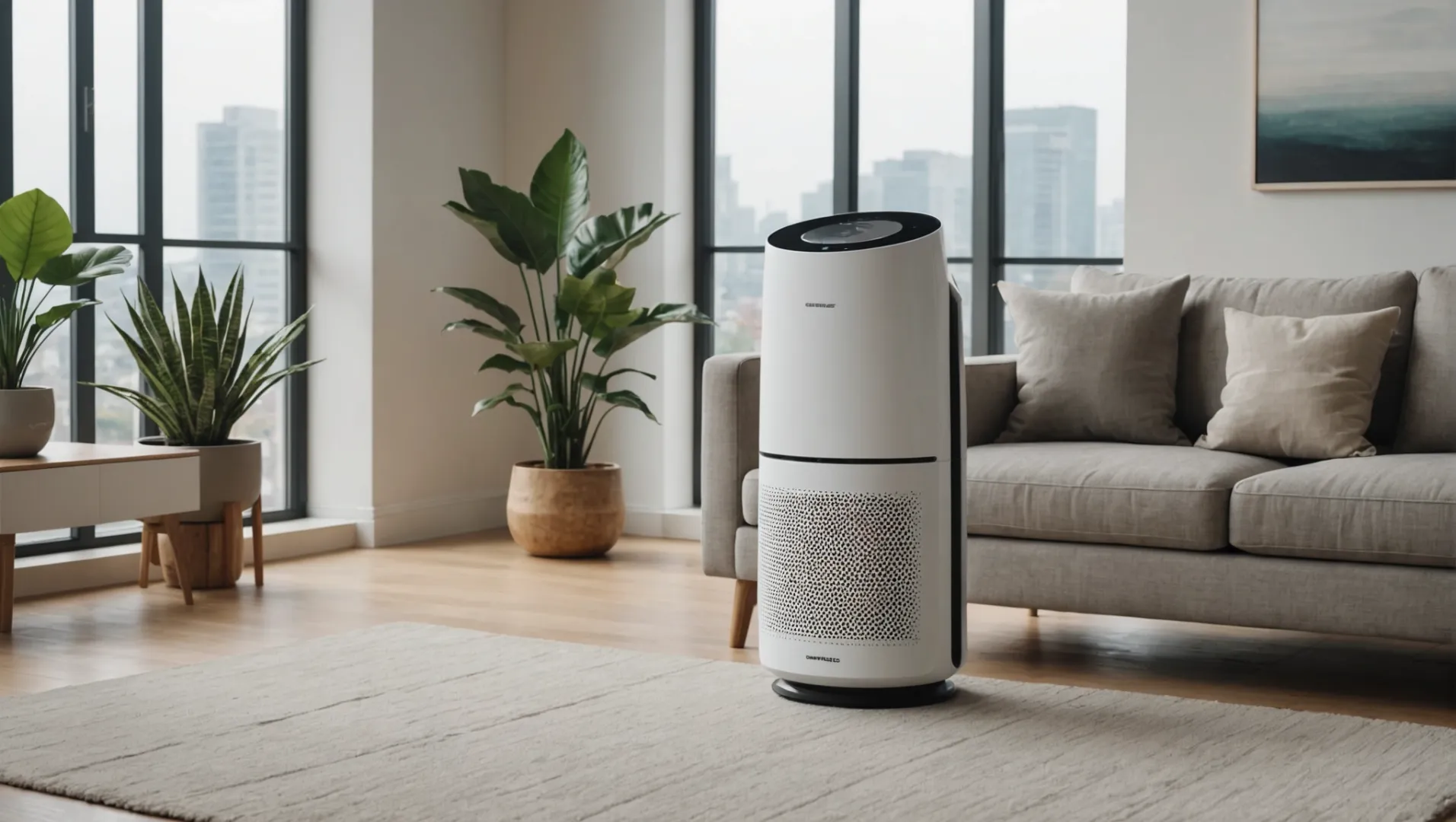
モダンなリビングルームに置かれた未来的な空気清浄機

今日の混雑した空気清浄機市場では、革新性が目立つための鍵となる。

競争の激しい市場で空気清浄機製品を差別化するには、独自の機能、優れた性能、的を絞ったマーケティング戦略に注力することです。高度なろ過システムを導入し、ニッチな顧客に対応し、独自のセールスポイントを活用することで、製品の魅力と市場での地位を大幅に高めることができます。

基本を理解することは不可欠ですが、消費者の嗜好や成功事例を深く掘り下げることで、貴重な洞察を得ることができます。具体的な戦略によって、空気清浄機製品を競合他社よりもどのように高めることができるかをご覧ください。

高度なろ過システムは、空気清浄機を差別化することができる。真

HEPA13や活性炭のようなカスタマイズされたフィルターは、特定のニーズに対応し、魅力を高める。

空気清浄機の競争力を高めるユニークな機能とは?

賑やかな空気清浄機市場において、ユニークな機能は製品を際立たせます。

高度なろ過、低騒音運転、エネルギー効率といった独自の機能は、空気清浄機の競争力を高めます。これらの機能は、性能を高めるだけでなく、特定の顧客ニーズに対応し、飽和状態の市場において貴社の製品をより魅力的なものにします。
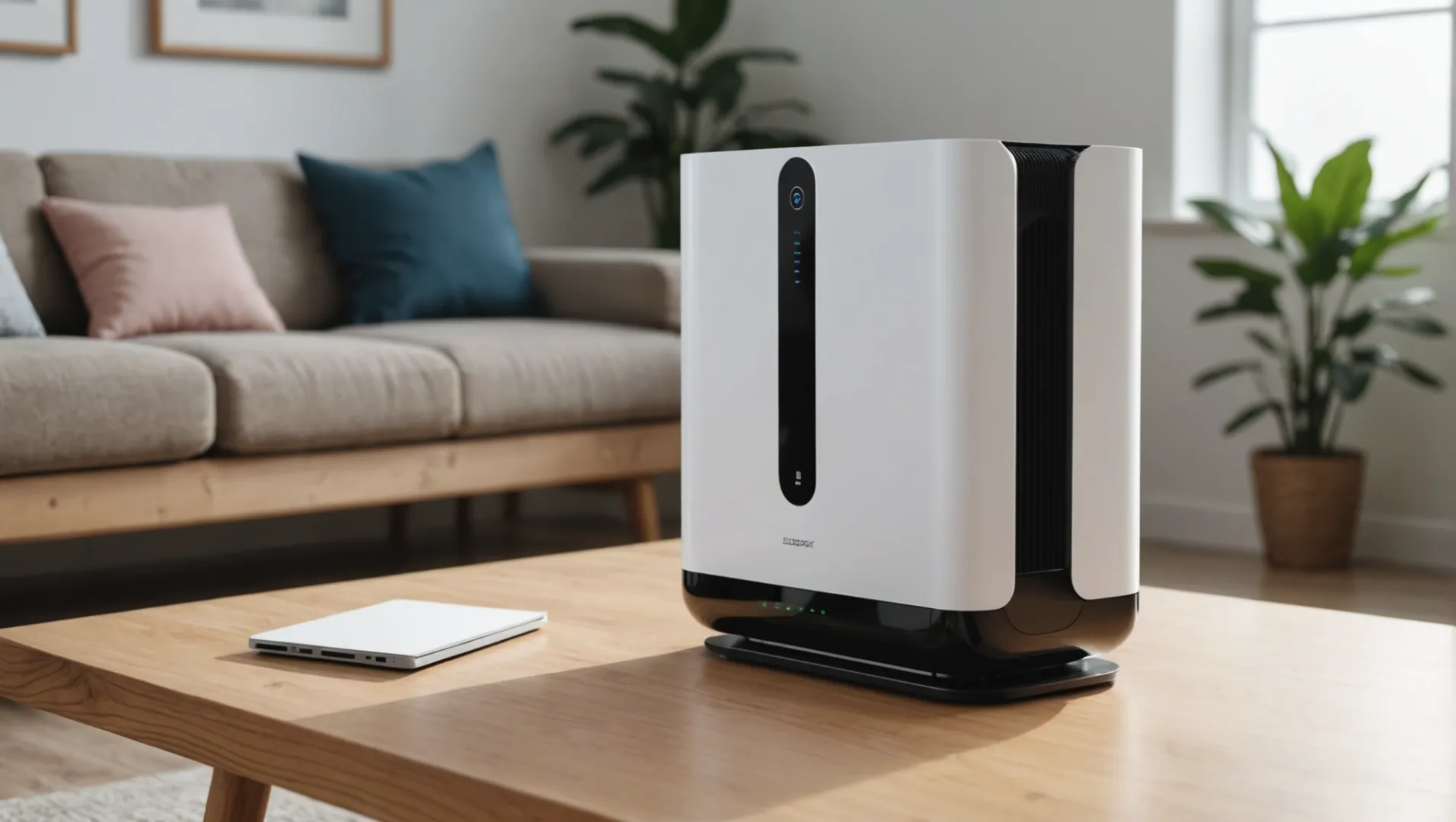
モダンなリビングルームのテーブルにユニークな機能を備えた先進的な空気清浄機
空気清浄機独自の機能

高度ろ過システム

空気清浄機を見分ける1つの方法は、以下の通りである。 カスタマイズされた濾過システム1.微細なホコリやアレルゲン用のHEPA13や、活性炭フィルターなど、特殊なフィルターを提供しています。 VOC やペット臭など、多様な顧客ニーズに対応している。これは性能を高めるだけでなく、忠実な顧客ベースを構築する。

エネルギー効率と騒音低減

ACファンの代わりにDCファンシステムを利用することで、消費電力と騒音レベルを大幅に下げることができる。環境に配慮し、生活空間の音に敏感な消費者にとって、この機能はますます重要になっている。

ニッチ市場を狙う

特定の顧客セグメントを特定し、ターゲットを絞ることで、大きな競争力を得ることができる。ペットを飼っている人、乳幼児を持つ親、頻繁に旅行する人などに特化した製品の開発を検討する。これらのグループは、空気の質に特に敏感であり、彼らの特定のニーズを満たす製品に投資する可能性が高い。

テクノロジーとコネクティビティの活用

空気清浄機にスマートテクノロジーを組み込むことで、より魅力的な製品にすることができる。アプリによるコントロール、リアルタイムの空気品質モニタリング、ホームオートメーションシステムとの統合などの機能は、ハイテクに詳しい消費者にアピールすることができる。

ローカライズされたブランドの構築

価格だけで勝負するのではなく、地域に根ざしたブランドストーリーを重視することは有益である。Shopifyのようなプラットフォームでソーシャルメディアやインフルエンサーマーケティングを通じて顧客と関わることで、消費者の感情に響く独自のブランドアイデンティティを確立し、単なる製品機能以上の価値を付加することができる。

高度なろ過が空気清浄機の性能を強化。真

高度なろ過システムは、より多くの汚染物質を除去し、空気の質を向上させる。

DCファンは空気清浄機の騒音レベルを上げる。偽

DCファンはACファンより静かで、空気清浄機の騒音レベルを下げる。

空気清浄機の差別化において性能はどのような役割を果たすか?

数ある空気清浄機の中で、性能は製品を際立たせる重要な差別化要因です。

空気清浄機の性能は、風量効率、騒音レベル、エネルギー消費量によって製品を差別化する。高性能モデルは通常、高度なファンシステムとカスタマイズされたフィルターを備え、アレルギーやペットの臭いなど特定のニーズに応えることで、ニッチ市場にアピールし、消費者の満足度を高めている。
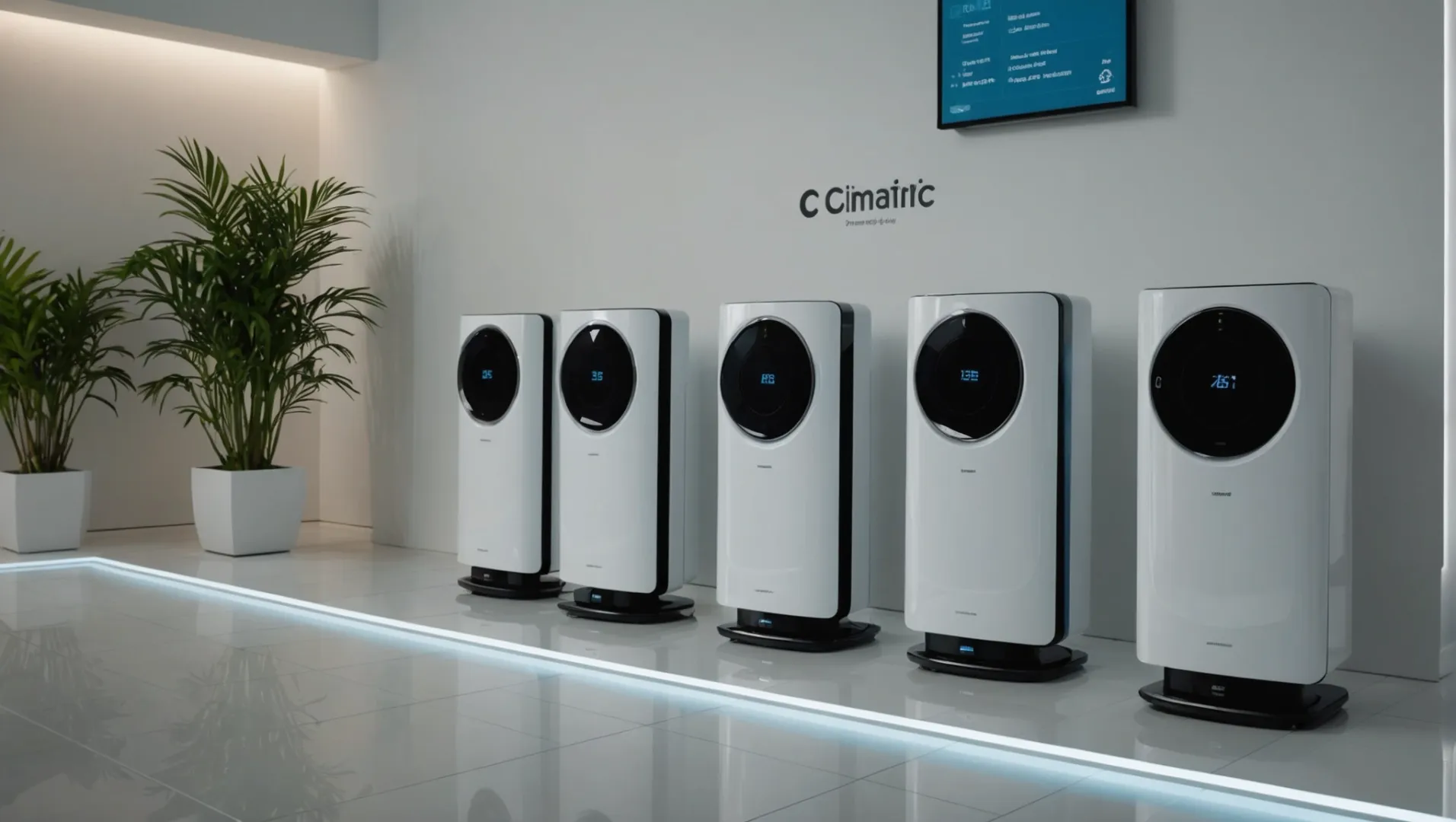
気流効率、騒音レベル、エネルギー消費量などの性能指標に焦点を当てた、さまざまな空気清浄機モデルの比較。
空気清浄機の性能比較

気流効率の理解

エアフロー効率は、空気清浄機の性能を評価する上で重要な指標です。より高い CFM (立方フィート毎分)定格が400CFMを超えるものなどは、より迅速で効果的な空気清浄を保証する。これは、広い空間や高い汚染レベルを扱う消費者にとって特に重要です。A 高い CFM 格付け2 買い手にとって決定的な要因になることも多い。

騒音レベルの重要性

特に寝室やオフィスで空気清浄機を使用する消費者にとって、騒音は大きな関心事となりうる。ACファン・システムの代わりにDCファン・システムを使用する空気清浄機は、より静かに動作する傾向がある。このような低騒音モデルは、住宅や職場環境において重要な、穏やかな環境に対する需要の高まりに対応している。

エネルギー消費に関する考察

環境意識の高まりとともに、エネルギー効率は多くの消費者にとって優先事項となっている。消費電力の少ない空気清浄機は、電気代の節約になるだけでなく、環境意識の高い購買層にもアピールできます。マーケティングでこうした効率性を強調することで、持続可能なソリューションを求める幅広い消費者を惹きつけることができます。

カスタマイズされたろ過システム

空気清浄機の性能は、風量や騒音だけではありません。微細なホコリやアレルゲン用のHEPA 13やアレルゲン用の活性炭など、カスタマイズされたフィルターを提供することで、空気清浄機の性能を向上させることができます。 VOC (揮発性有機化合物)やペット臭に対応することで、ニッチ市場をターゲットにした製品を提供することができる。ペットを飼っている、アレルギーに悩まされている、公害の多い地域に住んでいるなど、顧客はそれぞれのニーズに合わせたソリューションにますます惹かれている。

多様な市場への対応

業務用ユーザーや住宅購入者など、異なる顧客層の多様なニーズを理解することで、空気清浄機メーカーは自社の製品をさらに差別化することができる。例えば、商業用に設計された機器は、他の機能よりも耐久性やカバーエリアを優先するかもしれないが、住宅用機器は美観や使いやすさを重視するかもしれない。ソーシャルメディアのようなプラットフォームでターゲットを絞ったマーケティング戦略に取り組むことは、これらの異なるオーディエンスに効果的にリーチするのに役立つ。

DCファンを搭載した空気清浄機は、ACファンよりも静かだ。真

DCファンはより静かに作動し、寝室やオフィスに適している。

空気清浄機の高いCFM定格は、性能が低いことを示している。偽

高いCFM定格により、より迅速で効果的な空気清浄を実現します。

多様な顧客層を惹きつけるカスタムろ過システムとは?

カスタムろ過システムは、空気清浄機を多様な顧客の必需品に変えることができる。

カスタムろ過システムは、特定の空気品質ニーズに対応することで、多様な顧客層を惹きつける。アレルギー用、ペット臭用、工業用などの特殊フィルターを提供することで、企業は市場範囲を拡大し、強固な顧客関係を築くことができる。
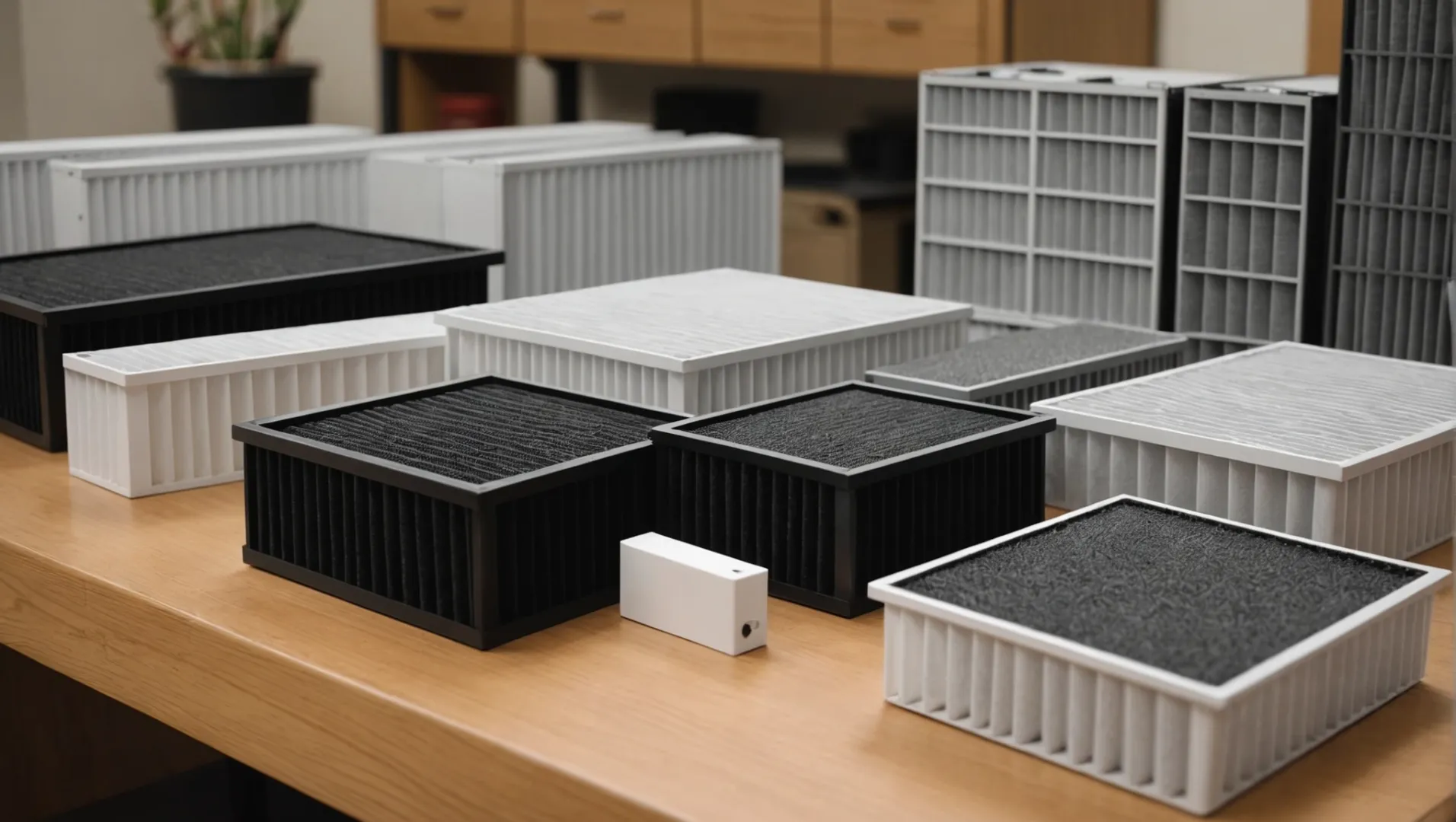
多様な顧客層を魅了するカスタムろ過システム
カスタムろ過システム

多様な顧客ニーズの理解

空気清浄の分野では、1つのサイズですべてに適合することはほとんどない。アレルギーの患者から工業用ユーザーまで、顧客はさまざまであり、それぞれがユニークな要求を持っている。 専用フィルター3 は、こうした多様なニーズに応えるために不可欠なものである。例えば HEPA 14フィルター は、医療施設にとって重要な細菌やウイルスに対する優れた保護機能を備えている。

カスタマイズされたろ過ソリューション

カスタムろ過システムの開発には、さまざまなシナリオを深く理解することが必要です。ペットの飼い主にとって 活性炭フィルター 臭いを効果的に中和し 揮発性有機化合物VOC).一方、自動車ドライバーにとっては、限られたスペースで効率的に作動するように設計されたコンパクトなシステムが有益かもしれない。

顧客セグメント 推奨フィルター メリット
アレルギー患者 HEPA 13 微細なホコリやアレルゲンを捕集
ヘルスケア HEPA 14 バクテリアとウイルスをろ過
ペットオーナー 活性炭 臭いを除去し VOC
工業用 マイクロビアフィルター カビの胞子を除去する

マーケティングにおける感情的価値の活用

空気清浄機の差別化は、技術的な仕様だけではない。製品にまつわる物語を構築することで、感情的な価値を高めることができます。 ブランディングにおけるストーリーテリング4 ソーシャルメディアを通じて、持続可能性の側面を強調することで、環境意識の高いユーザーのような新しい層を惹きつけることができる。

新しいマーケットプレイスへの進出

アマゾンのような大きなプラットフォームで価格だけで競争するのではなく、Shopifyストアのブランドストーリーを開発することに集中しよう。インフルエンサーマーケティングに参加し、赤ちゃんのために空気の質を気にしている若い両親のようなニッチなオーディエンスにリーチする。

技術革新を取り入れる

従来のACオプションよりもDCファンシステムを導入することで、消費電力と騒音レベルを低減し、エコフレンドリーな消費者にアピールすることができます。このような技術革新は、パフォーマンスを向上させるだけでなく、顧客層を広げ、持続可能性と効率を優先する人々にアピールします。

HEPA14フィルターは医療施設にとって極めて重要です。真

HEPA 14フィルターは、バクテリアとウイルスに対する優れた保護を提供します。

活性炭フィルターはペット臭には効果がありません。偽

活性炭フィルターは、ペットの臭いとVOCを効果的に中和します。

なぜ空気清浄機の差別化にはターゲット・マーケティングが重要なのか?

飽和状態の市場において、適切なオーディエンスにリーチすることはこれまで以上に重要である。

ターゲティング・マーケティングは、ブランドが特定の顧客ニーズと結びつき、ブランド・ロイヤルティを育み、製品の認知度を高めるのに役立つため、空気清浄機の差別化には不可欠である。独自の消費者セグメントにマーケティング戦略を合わせることで、企業は混雑した市場において自社の製品を効果的に差別化することができる。

ターゲット・マーケティング要素を取り入れたモダンなリビングルームの空気清浄機
空気清浄機のターゲット・マーケティング

ターゲット・マーケティングの役割を理解する

空気清浄機の分野では、すべての顧客が同じように作られているわけではない。アレルギーに悩む人からペットを飼っている人まで、それぞれのグループには明確なニーズと優先事項がある。そこで ターゲット・マーケティング5 がゲームチェンジャーとなる。幅広いアプローチではなく、特定の消費者セグメントに焦点を当てることで、ブランドはメッセージを調整し、最も共鳴する特徴を強調することができる。

主要消費者セグメントの特定

ターゲット・マーケティングを効果的に実施するためには、顧客ベースを特定し、理解することが重要です。潜在的なセグメントには次のようなものがあります:

  • 健康志向の家族:アレルゲンとバクテリアを除去する高性能フィルターシステムを備えた空気清浄機を重視。
  • ペットオーナー:ペットの臭いやフケに対応する活性炭フィルターを搭載した製品を紹介。
  • 都市生活者:狭いスペースでもパワフルな浄化能力を発揮するコンパクト設計に注力。

デジタル・プラットフォームの活用

デジタル・プラットフォームは、正確なターゲティングのための比類のない機会を提供する。例えば、ソーシャルメディア・チャンネルでは、ブランドはカスタマイズされた広告やインフルエンサーとの提携を通じて、特定の層と直接関わることができる。ニッチな関心に直接語りかけるコンテンツを作成することで、空気清浄機メーカーはインスタグラムやフェイスブックなどのプラットフォームで存在感を高めることができます。

さらに、データ分析を活用することで、ターゲティングを強化することができる。購買パターンと消費者行動を理解することで、ブランドは戦略を練り直し、マーケティングROIを向上させることができる。

エモーショナル・ブランディングとストーリーテリング

技術的な特徴だけでなく、エモーショナル・ブランディングは製品の差別化において極めて重要な役割を果たします。ターゲットとする消費者の価値観やライフスタイルに沿った魅力的なブランド・ストーリーを構築することで、より深いつながりを生み出すことができる。例えば、クリーンで健康的な生活のチャンピオンとしてブランドを位置づけることで、環境意識の高い消費者の共感を得ることができます。

ブログ記事、ビデオ、ソーシャルメディア・キャンペーンを通じて本物のストーリーを伝えることで、企業は顧客の間にコミュニティ意識と忠誠心を育むことができる。

ターゲット・マーケティングが売上に与える影響

的を絞ったマーケティング戦略は、単に差別化を図るだけでなく、販売促進にもつながる。顧客は、特定のニーズに合わせた製品を目にすることで、購入に踏み切る可能性が高まります。さらに、満足した顧客はブランドの支持者になることが多く、コミュニティ内で評判が広がり、マーケティング活動の範囲が広がります。

最終的には、ターゲット・マーケティングによって、空気清浄機ブランドは、消費者との有意義なつながりを生み出し、全体的な顧客体験を向上させることで、混雑した市場で際立つことができる。

ターゲット・マーケティングが空気清浄機の売上を伸ばす真

特定のニーズに対応することで、ターゲット・マーケティングは購買の可能性を高める。

空気清浄機の顧客は皆、同じようなニーズを持っている。偽

異なる消費者層には独自のニーズがあり、それに合わせたマーケティングが必要となる。

結論

ユニークな機能と的を絞った戦略を導入することで、競争の激しい市場で空気清浄機を高めることができます。消費者の嗜好と市場動向に注目し、持続的な成功を目指しましょう。


  1. オーダーメイドのろ過がいかに空気清浄機の効果を高めるか..:超微粒子捕集:花粉、ダニ、カビの胞子など、アレルギーの原因となる微細な粒子も捕集するように設計されています。マルチ ... ↩

  2. CFMとその空気浄化効率への影響について..:CFMは空気清浄機の風量を表し、1分間に処理できる空気量を示します。CFMが高いほど、一般的に... ↩

  3. さまざまな空気清浄のニーズに対応するフィルターをご紹介します:当社の交換用空気清浄機フィルターは真のHEPAフィルターで、タバコの煙、ペットの臭い、調理の臭い、家庭のアレルゲンを取り除くように設計されています。 ↩

  4. 効果的なストーリーテリングがいかに製品の訴求力を高めるかを学びましょう:Kurinのストーリーは、空気清浄機に関するものだけではありません。 ↩

  5. ターゲットを絞ったマーケティングが、どのように製品の差別化を高めることができるかをご覧ください:差別化マーケティングは、ボトル入り飲料水のように、製品が競合他社とあまり変わらないと認識されている場合に、企業が際立つのを助けることができる。その ... ↩

シェアする
ヒソエア創設者のリー氏
Alwen Lee, an air purification expert with over 10 years of experience, is a devoted father of two and a passionate traveler, having explored more than 30 countries. With a love for public speaking and swimming, he has dedicated his life to the indoor air quality industry. His mission is to ensure that people around the world enjoy the freedom to breathe clean air and lead happy, healthy lives.

メッセージを送る

Related Products

もっと読む

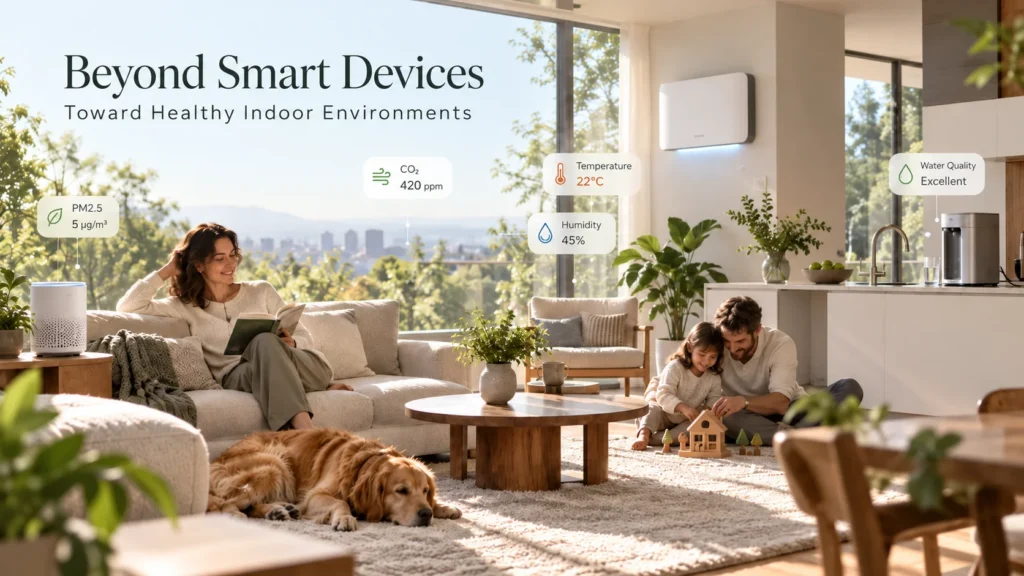
Modern living room with a family enjoying a healthy indoor environment monitored by smart devices, natural lighting, and greenery.

After IFA 2026: The Healthy Home Is Moving Beyond Smart Devices

In our previous IFA 2026 column, Air Purification Is Becoming Part of the Healthy-Home Platform, we argued that the next generation of indoor-health products would ...
ニュース
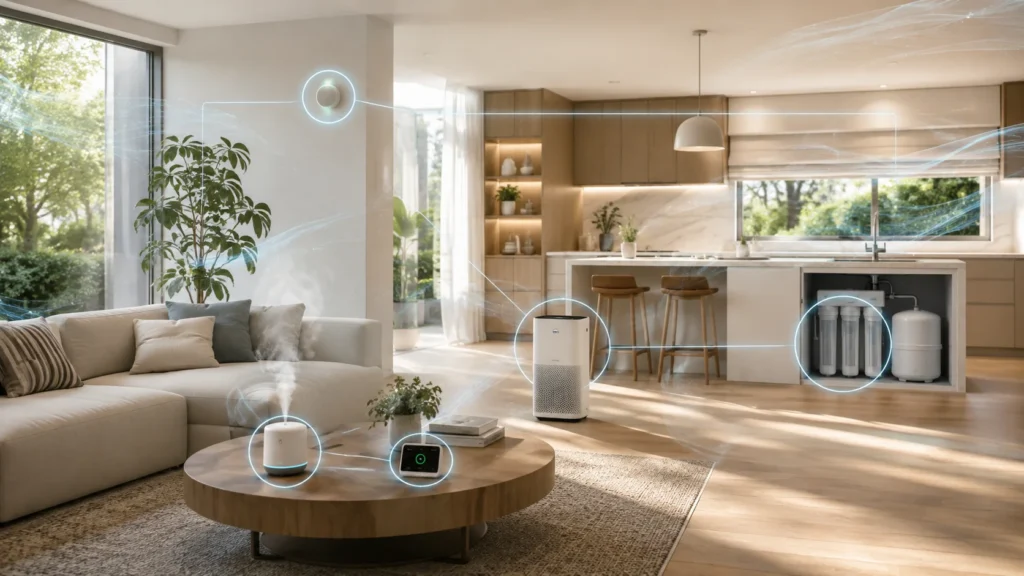
Modern living room and kitchen with smart home air quality devices including an air purifier, humidifier, and water filtration system, connected with visualized blue connectivity lines.

IFA 2026: Air Purification Is Becoming Part of the Healthy-Home Platform

Pre-IFA Industry Perspective | September 4, 2026 This article is based on official announcements and regulatory information available ahead of IFA 2026, which takes place ...
ニュース
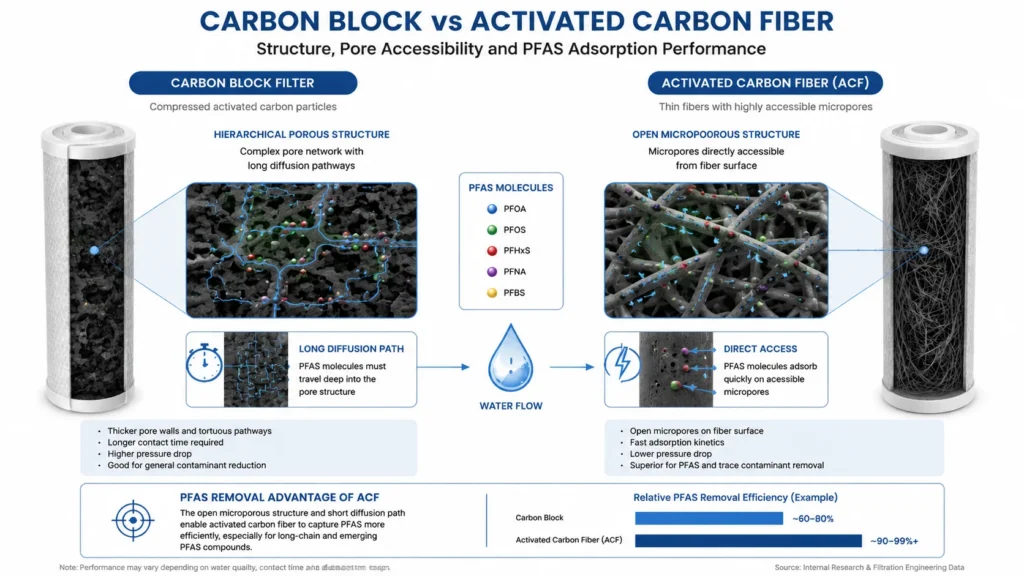
Comparison infographic showcasing the differences between carbon block filter and activated carbon fiber. Detailed diagrams illustrate the hierarchical porous structure of the carbon block with long diffusion paths and the open microporous structure of the activated carbon fiber with direct access for PFAS adsorption.

Carbon Block vs. Activated Carbon Fiber (ACF): Matching Media to Target Contaminants

Two carbon media. Same adsorption chemistry. Very different behaviour in a point-of-use cartridge. If you are specifying a water purifier platform for a PFAS-aware market, ...
ニュース
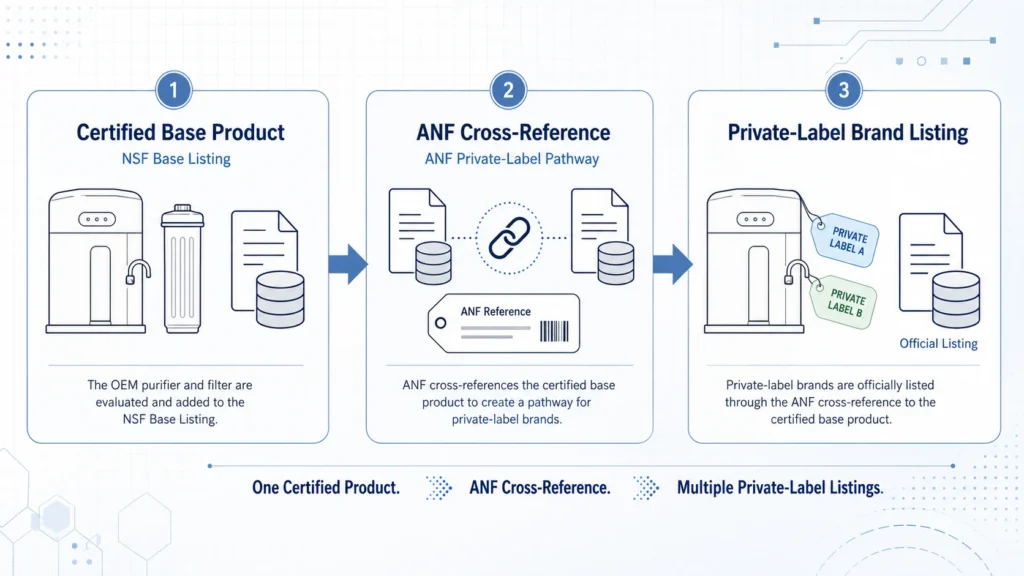
NSF base listing and ANF private-label certification pathway for OEM water filters

What Is an NSF Master Listing? A Guide to Base Listings, ANF Certification and OEM Water Filters

For a brand preparing to launch an OEM water purifier, one of the most common supplier claims is: “We already have an NSF master listing, ...
News, Water Purifiers
Healthy-home brand team reviewing PFAS water filter certification, test data and product engineering

Entering the Water Category Is Easy. Building a Credible PFAS Claim Is Much Harder

For air purification, appliance and healthy-home brands, entering the water category can look surprisingly easy. A company can select an existing undersink system, customize its ...
ニュース
Team in a business meeting discussing a water filtration system with product components and a comparison table displayed on a screen.

5 Leading OEM Water Purifier Manufacturers in China for Private Label Brands

China has thousands of companies selling water filters, reverse osmosis systems and drinking-water appliances. However, only a portion of them are suitable for private-label, OEM ...
ニュース
Contaminant Engineering•3 min read

PFAS Water Filtration Technologies Explained: Carbon, Resin & RO

Key Takeaway:

PFAS reduction depends on the specific compounds present, treatment media, contact time, water chemistry, and system design. Activated carbon, ion exchange, and Reverse Osmosis address PFAS through different mechanisms.

PFAS are a large family of persistent fluorinated compounds that can occur in drinking-water supplies. Their treatment behavior varies significantly by molecular structure, chain length, functional group, concentration, and the chemistry of the source water.

Granular Activated Carbon (GAC) removes PFAS primarily through adsorption. It is generally more effective for many longer-chain PFAS, while shorter-chain compounds tend to break through more quickly. Carbon performance depends on media properties, Empty Bed Contact Time (EBCT), competing organic matter, loading, and replacement frequency.

Ion-exchange resins use charged functional sites to capture many PFAS compounds. Properly selected anion-exchange media can provide high capacity and may perform better than conventional activated carbon for some shorter-chain PFAS, although performance still depends on water chemistry and competing ions.

Reverse Osmosis (RO) uses membrane separation rather than adsorption. Properly designed RO systems can provide broad reduction across many PFAS compounds as well as dissolved salts and other contaminants. Unlike carbon or resin, however, RO also produces a concentrate stream that must be managed.

No single technology should be selected from a PFAS label alone. System design should consider which PFAS compounds are present, their concentrations, required reduction targets, flow rate, media life, and the applicable third-party certification or validation requirements.

HisoAir Water Technical Series
Product Discovery•3 min read

How to Choose an Under-Sink Water Purifier for Modern Kitchens

Key Takeaway:

Match the treatment technology to your water quality first, then evaluate cabinet space, faucet configuration, flow rate, drain and power requirements, and filter replacement needs.

Choosing an under-sink water purifier starts with water chemistry. Carbon filtration is well suited to chlorine, taste, odor, and many organic contaminants, while Reverse Osmosis is more appropriate when dissolved salts, fluoride, nitrates, or broader dissolved contaminants need to be reduced.

For compact kitchens, tankless RO systems eliminate the conventional storage tank and can significantly reduce the space required under the sink. However, membrane capacity stated in GPD does not directly equal faucet flow. When comparing systems, check the actual dispensing flow rate, inlet-pressure requirement, recovery ratio, and whether a booster pump is required.

Installation architecture also matters. Many RO systems require a drain connection, electrical power, and either a dedicated drinking-water faucet or a compatible multi-function faucet. High-flow carbon systems can often connect directly to the existing cold-water line with a simpler installation, but pressure drop and available faucet flow should still be verified.

RO also removes much of the naturally occurring dissolved mineral content. Where taste or mineral balance is a priority, a post-RO remineralization stage can be added. Filter life should be evaluated by both rated capacity and local water quality rather than replacement time alone.

The right system is therefore not simply the smallest or highest-GPD model. It is the configuration that matches the target contaminants, available cabinet space, desired faucet setup, peak dispensing demand, and maintenance expectations.

HisoAir Water Technical Series
Water Quality•2 min read

What Does TDS Mean in Drinking Water? Measurement vs Contaminant Reality

Key Takeaway:

A TDS meter estimates the overall concentration of dissolved ionic substances from electrical conductivity. It cannot identify specific contaminants or determine whether water is chemically safe.

Total Dissolved Solids (TDS) refers to the combined concentration of dissolved substances in water. Most handheld TDS meters do not measure TDS directly. Instead, they measure electrical conductivity (EC) and convert that reading into an estimated parts-per-million (ppm) value.

This means a TDS reading can indicate how much dissolved ionic material is present, but not what that material actually is. Calcium, magnesium, sodium, nitrates, and other dissolved ions can all contribute to conductivity, yet a simple TDS meter cannot distinguish between them.

TDS meters are also not suitable for detecting trace contaminants such as PFAS, many VOCs, pesticides, pharmaceuticals, or disinfection byproducts. These substances may be present at concentrations far below the level needed to noticeably change electrical conductivity.

A low TDS reading therefore does not guarantee safe drinking water, and a higher TDS reading does not automatically indicate contamination. Water-treatment decisions should be based on laboratory testing for specific contaminants of concern rather than TDS alone.

HisoAir Water Technical Series
Technology Selection•2 min read

RO vs UF Water Filtration: Understanding Pore Sizes & Dissolved Minerals

Key Takeaway:

Ultrafiltration can reduce bacteria, turbidity, and suspended particles while retaining most naturally occurring dissolved minerals. Reverse Osmosis provides much broader reduction of dissolved salts and smaller contaminants.

Ultrafiltration (UF) typically uses hollow-fiber membranes with pore sizes in the approximate 0.01–0.1 micron range. These membranes physically retain turbidity, suspended solids, colloids, and many microorganisms while allowing dissolved minerals and salts to remain in the water.

Reverse Osmosis (RO) operates at a much finer separation level. Unlike UF, RO can substantially reduce dissolved ions such as sodium, calcium, fluoride, nitrates, and other contributors to total dissolved solids (TDS). This makes RO more suitable when dissolved-salt reduction is a primary treatment objective.

UF generally requires less system pressure and produces little or no continuous concentrate stream in many point-of-use configurations. RO typically requires greater pressure and produces a reject-water stream, but delivers broader contaminant reduction.

For water with acceptable TDS and mineral content, UF can be a simpler mineral-retaining treatment option. Where dissolved salts, fluoride, nitrates, or broader dissolved contaminants are a concern, RO is generally the more appropriate technology.

HisoAir Water Technical Series
Technology Selection•4 min read

Carbon Block vs Reverse Osmosis: Which Fits Your Need?

Key Takeaway:

Choose RO for dissolved inorganic salts and heavy metals; choose Carbon Block for chemical taste/odor, no wastewater, and high line-pressure flow.

Reverse Osmosis (RO) and Carbon Block filtration represent two fundamentally different treatment methods: membrane separation and adsorption. Understanding these differences helps determine which technology is better suited to a specific water-quality requirement.

Reverse Osmosis uses a semi-permeable membrane with pore sizes of approximately 0.0001 microns. It can significantly reduce dissolved inorganic contaminants such as TDS, fluoride, nitrates, and certain heavy metals. Because water must be forced through the membrane, RO systems require sufficient pressure or a booster pump and generate a concentrated wastewater stream.

Carbon Block filtration relies primarily on adsorption through compressed activated carbon, commonly with nominal pore sizes around 0.5–5 microns. It is highly effective for chlorine, chloramines, VOCs, taste, and odor, while allowing substantially higher direct-flow rates without producing wastewater.

From an operating perspective, Carbon Block systems are generally simpler, require less energy, and avoid the water loss associated with RO. RO involves higher system complexity and operating cost, but provides substantially broader reduction of dissolved contaminants that Carbon Block alone cannot address.

HisoAir Water Technical Series

見積依頼