

Military bases face strict new rules for PFAS1 in water. Upgrading barracks is a huge headache for procurement teams. I will show you how to manage this retrofit smoothly.
Procurement teams must focus on clear scope definition, verified certifications2, and lifecycle costs when retrofitting barracks for PFAS. You need to choose between centralized and point-of-use systems, plan for occupied building logistics, and ensure filter modules are easy to replace and maintain.
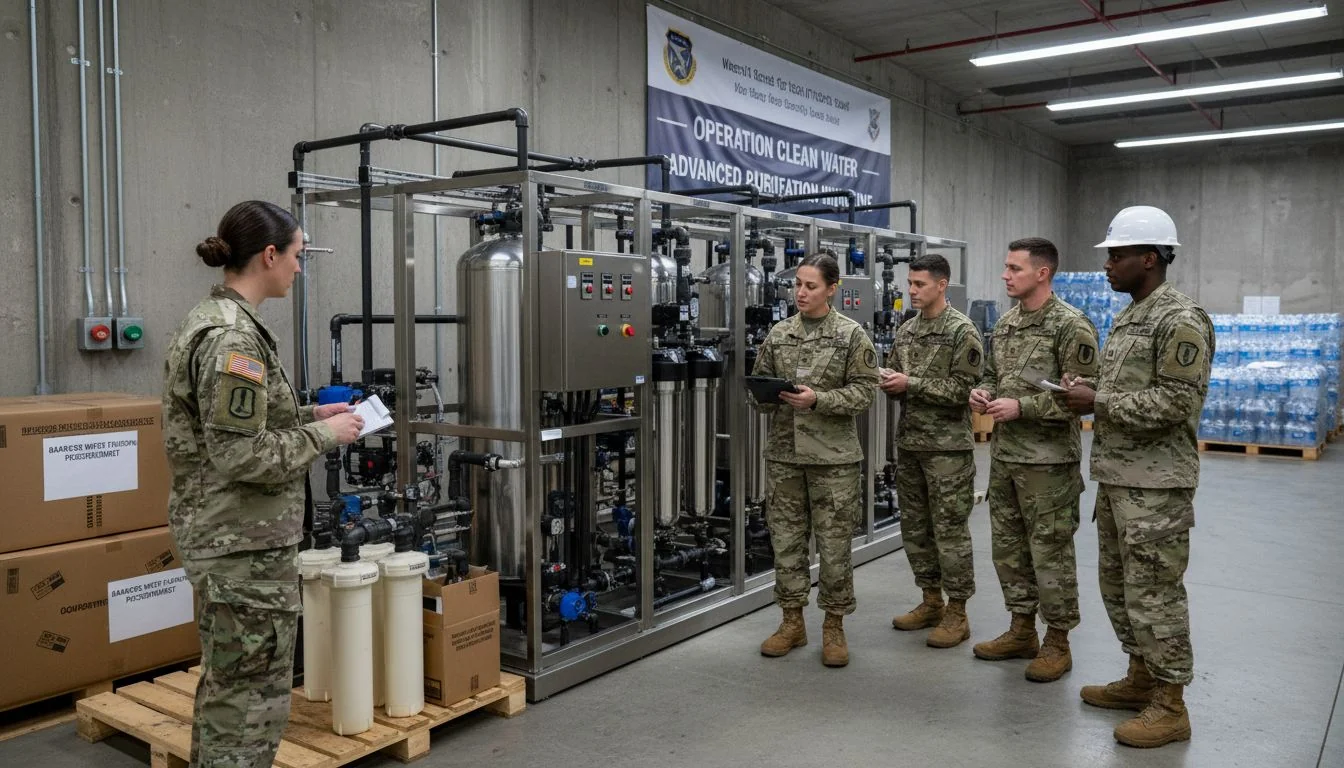
When I ran my trading company, buying the right equipment was always tricky. You might think buying water filters is simple. But military barracks have unique rules. Let us look at the exact steps you need to take to get this right.
PFAS chemicals are easy to remove with standard carbon filters.Faux
Standard carbon filters often fail to remove PFAS; specialized certified filtration media is required.
Procurement teams must verify NSF/ANSI 53 or 119 certifications for PFAS removal.Vrai
These certifications prove the system is tested and proven to reduce PFAS to safe levels.
Why Is PFAS on the Radar for Military Base Drinking Water?
Old firefighting foams left PFAS in base water supplies. Ignoring this delays projects and risks compliance. You need to know why this drives your current procurement goals.
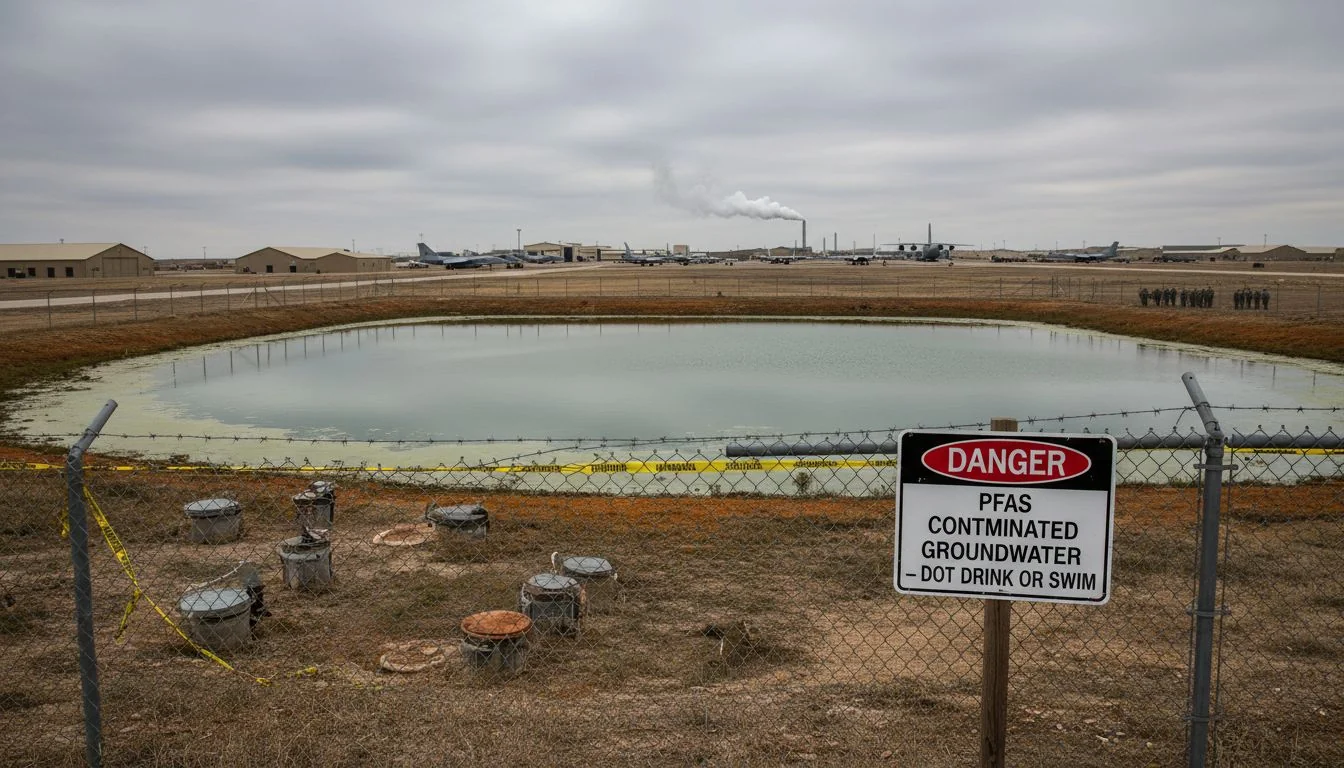
PFAS is on the radar because historical use of firefighting foams contaminated groundwater near military bases3. New federal regulations now force bases to upgrade their drinking water systems. Procurement teams must buy certified filtration systems to meet these strict new legal limits.
The Source of the Problem
In my years of manufacturing, I learned that you cannot fix a problem until you know its source. For military bases, the source is usually Aqueous Film Forming Foam (AFFF). Bases used this foam for decades during fire training. The chemicals seeped into the ground. Now, they are in the well water that supplies the barracks.
Why Procurement Must Act Now
You are not just buying a standard water cooler. You are buying a compliance tool. The rules are changing fast. The government is setting very low limits for PFAS in drinking water. If a base fails to meet these limits, they face legal trouble and bad press.
Impact on Barracks Infrastructure
Barracks are high-use buildings. Hundreds of soldiers drink from these taps every day. You must upgrade the hardware to handle high volume while removing these tough chemicals.
| Facteur | Old Standard | New PFAS Reality |
|---|---|---|
| Water Source | Basic well water | Requires advanced filtration |
| Hardware Focus | Basic flow rate | Chemical removal efficiency |
| Procurement Goal | Lowest cost | Certified compliance |
You must understand this shift to write a good Request for Proposal (RFP).
AFFF firefighting foam is a major source of PFAS on military bases.Vrai
Decades of training with AFFF caused PFAS to seep into local groundwater.
Military bases can ignore new federal PFAS limits.Faux
Federal regulations mandate compliance, forcing bases to upgrade their water systems.
What Regulatory and Standards Context Should Procurement Teams Know?
Confusing rules can ruin your buying process. Buying uncertified filters wastes money and fails inspections. I will explain the exact standards you must demand from vendors.
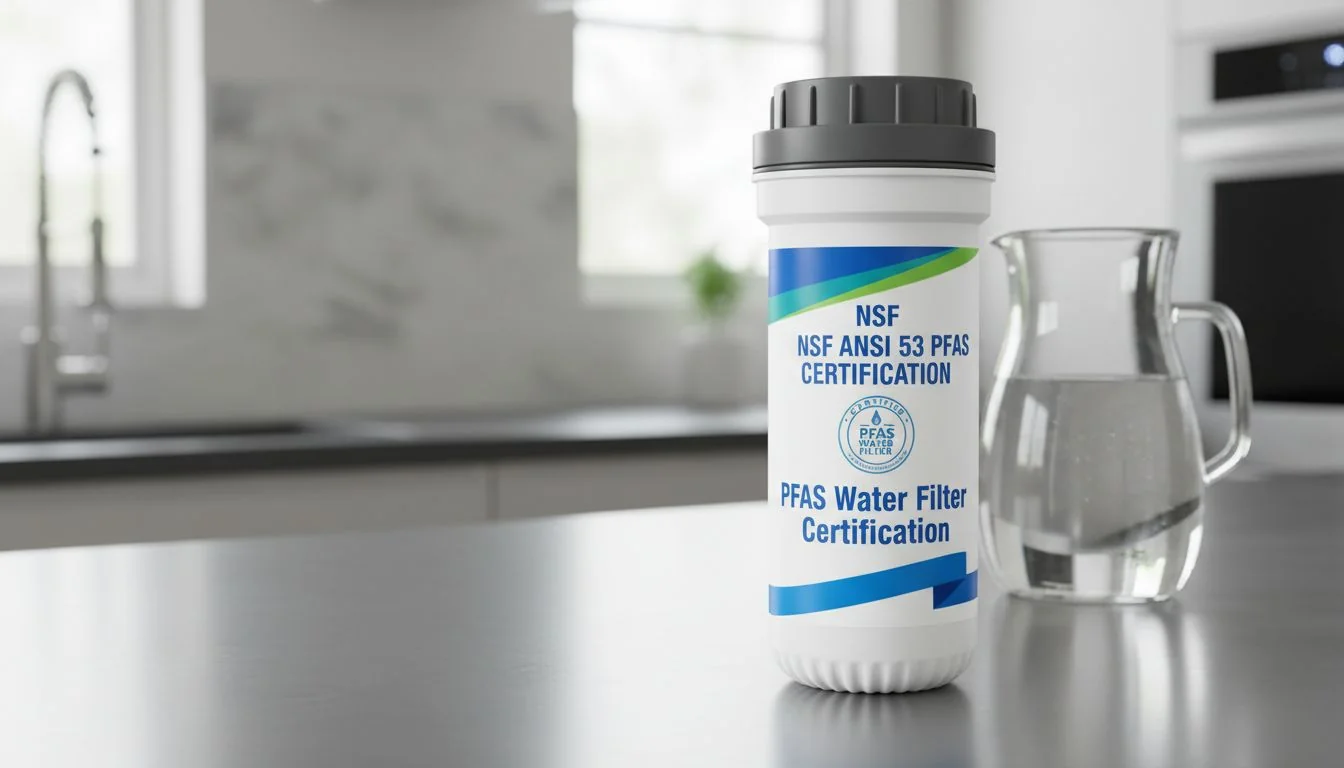
Procurement teams must require systems certified to NSF/ANSI 53 or NSF/ANSI 58 for PFAS reduction. You must also check local state regulations. State rules are often stricter than federal rules. Always demand third-party lab test reports from vendors before you sign any contract.
The Importance of Certifications
When I buy CNC machine parts, I always check the spec sheets. Water filters are the same. You cannot just trust a vendor's promise. You must ask for proof. The main standards for PFAS removal are NSF/ANSI 53 for carbon systems and NSF/ANSI 58 for reverse osmosis.
State vs. Federal Rules
Federal rules set a baseline. But many states have their own rules. Sometimes, the state limit is much lower than the federal limit. You must design your procurement scope to meet the strictest rule that applies to your base location.
Verifying Vendor Claims
Do not accept marketing brochures. You must ask for independent lab reports. This protects you and the military base.
| Standard Type | What It Covers | Why You Need It |
|---|---|---|
| NSF/ANSI 53 | Carbon block filters | Proves PFAS reduction |
| NSF/ANSI 58 | Reverse Osmosis | Proves heavy duty removal |
| State EPA Limits | Local legal limits | Ensures local compliance |
If a vendor cannot provide these documents, you must reject their bid. This strict approach saves you from buying useless hardware.
NSF/ANSI 53 is a standard that can certify PFAS reduction.Vrai
This standard specifically tests and verifies a filter's ability to reduce PFAS chemicals.
Federal PFAS limits are always stricter than state limits.Faux
Many states have enacted their own PFAS limits that are much lower and stricter than federal guidelines.
What Are the Retrofit Options for Barracks: Centralized vs Point-of-Use?
Choosing the wrong system type causes huge plumbing headaches. Ripping open walls in occupied barracks is a disaster. You must pick the right setup for your specific building.
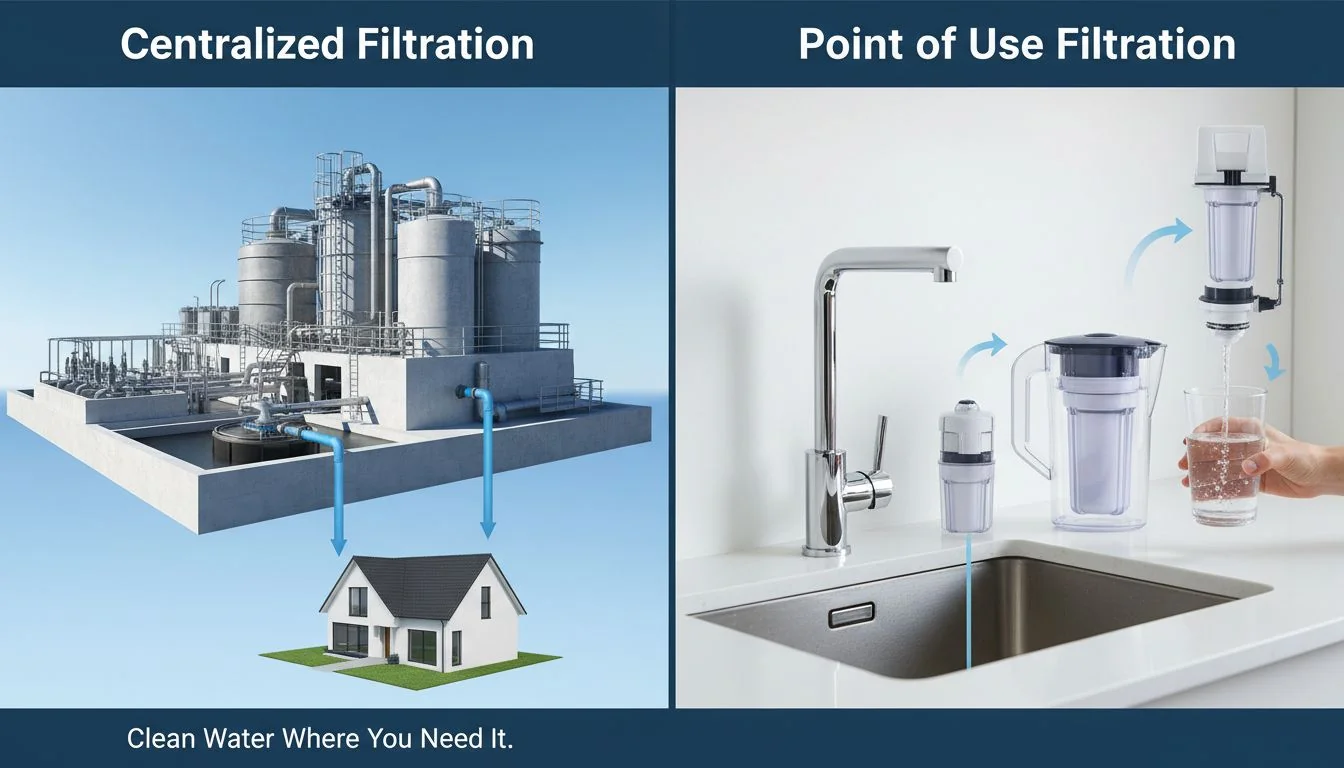
Centralized systems treat water for the whole building at the main entry point. This is great for new plumbing. point-of-use systems4 treat water right at the tap or fountain. Point-of-use is usually better for older barracks because it avoids massive pipe replacement and minimizes disruption.
Centralized Filtration Systems
A centralized system sits where the water enters the building. People also call this Point-of-Entry (POE). In my manufacturing plant, we used central systems for cooling water. It is easy to maintain one big unit. But for old barracks, the pipes inside the walls might be bad. A central system does not fix dirty pipes downstream.
Point-of-Use Filtration Systems
Point-of-Use (POU) systems go under the sink or inside the water fountain. As a product designer, I like POU systems. They are modular. You can install them quickly without shutting down the whole building.
Making the Choice
You must look at the building age and the budget.
| Fonctionnalité | Centralized (POE) | Point-of-Use (POU) |
|---|---|---|
| Installation Cost | High (needs plumbing work) | Low (quick install) |
| Maintenance | One large unit | Many small units |
| Best For | New buildings | Old, occupied barracks |
For most barracks retrofits, POU is the safer choice. It limits downtime and keeps soldiers happy.
Point-of-use systems treat water at the main building inlet.Faux
Point-of-use systems treat water at the specific tap or fountain, not the main inlet.
Centralized systems are often harder to install in older buildings.Vrai
Older buildings may require extensive plumbing modifications to support a large centralized system.
What Key Specifications Should You Include in a Barracks Water Filtration RFP?
Vague RFPs lead to bad bids. If you miss key details, you will buy the wrong equipment. You must write clear, strict hardware specifications to get good results.
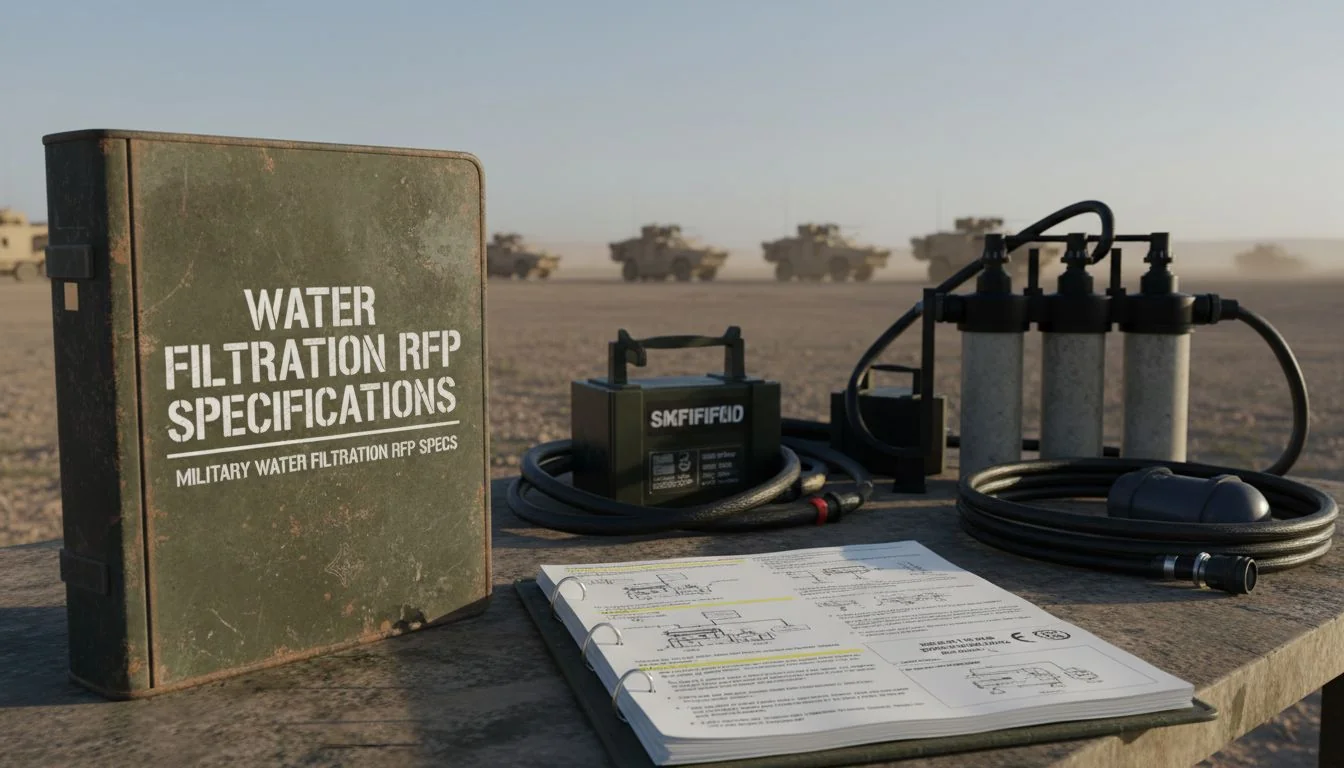
Your RFP must specify the required flow rate, the exact NSF certification, and the physical size limits of the hardware. You must also demand modular designs with replaceable filter cartridges. Clear specs ensure vendors quote systems that actually fit inside the barracks and meet military standards.
Flow Rate and Capacity
When I design a plastic mold, I must know the exact dimensions. When you write an RFP, you must know the water flow rate. Barracks have peak hours. Everyone wakes up and uses the water at the same time. Your RFP must state the peak gallons per minute (GPM) required.
Hardware Modularity
You must ask for modular systems. The filter housings should be durable. You can ask for stainless steel or high-grade plastic. The inner filter modules must be easy to swap out. Do not buy sealed systems that force you to throw away the whole unit.
Space Constraints
Barracks do not have extra space. You must measure the areas under sinks or in utility closets.
| Specification | Why Include It in RFP |
|---|---|
| Peak Flow Rate (GPM) | Prevents low water pressure |
| NSF/ANSI 53/58 | Guarantees PFAS removal |
| Max Dimensions | Ensures the unit fits the space |
| Replaceable Modules | Lowers long-term costs |
Put these exact numbers in your RFP. It will scare away bad vendors and attract the good ones.
Peak flow rate is not important for barracks water systems.Faux
Barracks have high peak usage times, so systems must handle high flow rates to prevent pressure drops.
Specifying replaceable filter modules reduces long-term maintenance costs.Vrai
Replacing only the filter media is much cheaper than replacing the entire hardware unit every time.
How to Handle Installation, Logistics, and Minimizing Downtime in Occupied Barracks?
Installing filters in busy barracks is chaotic. Shutting off water makes soldiers angry and disrupts base operations. You need a smart, phased plan to keep the water flowing.
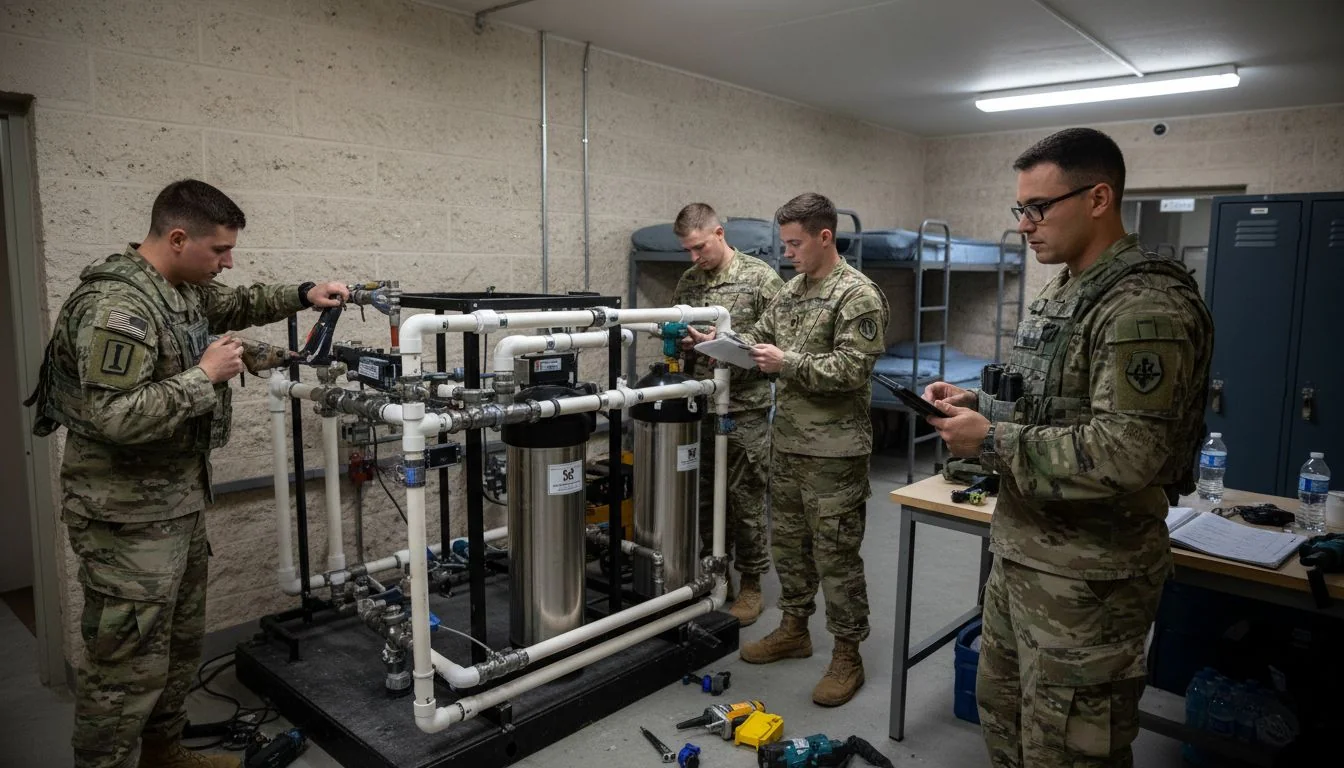
To minimize downtime, procurement teams must require phased deployment5 plans from vendors. Installers should work on one floor or wing at a time. You must also schedule work during low-usage hours and ensure all hardware is pre-assembled off-site before it arrives at the barracks.
Phased Deployment Strategy
In my trading business, we never shipped everything at once if the client was not ready. You must use a phased approach for barracks. Do not shut down the whole building. Work on one floor at a time. This keeps most of the building operational.
Pre-Assembly and Staging
You must tell vendors to pre-assemble the units. They should put the fittings and brackets together at their own shop. When they arrive at the base, they just need to connect the hoses. This cuts installation time in half.
Scheduling the Work
You must coordinate with the base commander. Find out when the soldiers are out for training.
| Tactic | Benefit for Occupied Barracks |
|---|---|
| Phased Installation | Keeps most water taps working |
| Off-site Pre-assembly | Speeds up on-site work |
| Off-peak Scheduling | Avoids bothering the soldiers |
Your contract must include penalties if the vendor takes too long. This forces them to respect the base schedule.
Pre-assembling water filters off-site increases installation time.Faux
Pre-assembly reduces the time workers spend on-site, making the actual installation much faster.
Phased deployment allows parts of the building to remain operational.Vrai
By working section by section, the rest of the building can continue to use the water supply.
How to Plan for Maintenance, Filter Replacement, and Lifecycle Costs?
Buying the system is only the first step. Hidden maintenance costs will destroy your budget later. You must plan for filter replacements before you sign the initial contract.
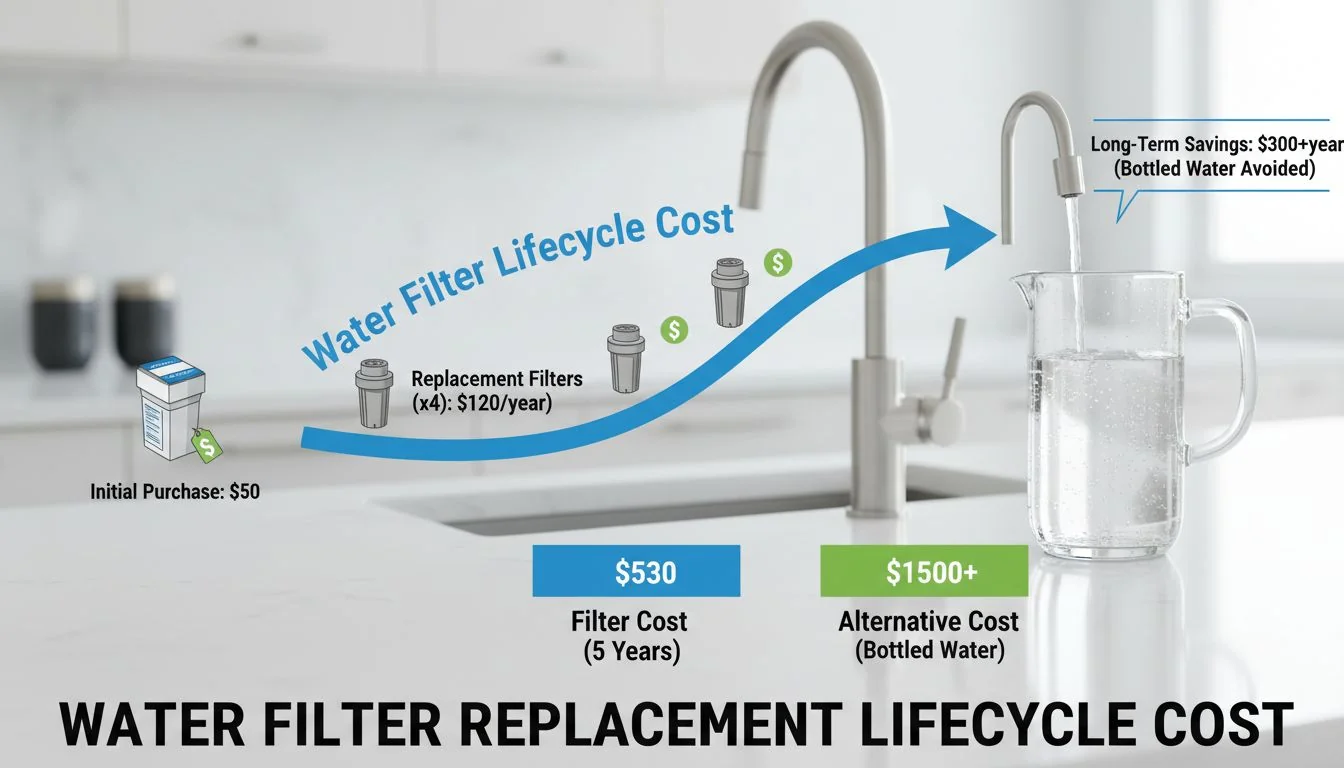
Procurement teams must calculate the total lifecycle cost, not just the initial purchase price. You need to define who is responsible for changing the filters and how often. Always secure a long-term pricing agreement for replacement filter modules to protect your budget from future price hikes.
Calculating Total Lifecycle Cost
When I buy a CNC machine, the tool bits cost more over time than the machine itself. Water filters work the same way. The initial hardware is cheap. The replacement filters are expensive. You must ask vendors to quote the cost of filters for the next five years.
Defining Maintenance Roles
Who will change the filters? Will the base facility team do it? Or will you hire an outside service? Your procurement plan must answer this. If base staff does it, the filters must be very easy to change. They should twist off like a lightbulb.
Securing Filter Pricing
Do not let vendors trap you. They might sell the hardware cheap and raise the filter prices later.
| Cost Category | What to Look For |
|---|---|
| Initial Hardware | Durable, modular design |
| Replacement Filters | Locked-in contract pricing |
| Coûts de main-d'œuvre | Quick-change filter designs |
Lock in the price of replacement modules in your RFP. This is the secret to a successful long-term retrofit.
The initial purchase price is the only cost that matters for water filters.Faux
Replacement filters and maintenance labor make up the majority of the total lifecycle cost.
Locking in replacement filter prices protects the long-term budget.Vrai
A long-term pricing agreement prevents vendors from drastically raising prices on proprietary replacement filters.
Conclusion
Upgrading barracks water systems for PFAS requires strict specs, smart logistics, and clear lifecycle planning. Send me your water test reports and building details, and let us plan your retrofit.
References
-
Understanding PFAS is crucial for addressing its impact on health and compliance. ↩
-
Learn about certifications to ensure the effectiveness of water filtration systems. ↩
-
Explore the regulations to ensure military bases meet legal standards for water safety. ↩
-
Explore the benefits of point-of-use systems for efficient water filtration in barracks. ↩
-
Understand phased deployment to minimize disruption during water system upgrades. ↩



 English
  Français
  Español
  Italiano
  Deutsch
  Português
  Русский
  العربية
  日本語
日本語  한국어
한국어  Tiếng Việt
