
Poland's air quality crisis has transformed it into a dynamic and rapidly growing market for air purifiers. Driven by severe air pollution, increasing public health consciousness, and supportive government initiatives, the demand for effective air purification solutions is at an all-time high. This article delves into the Polish air purifier market, highlighting the top 5 manufacturers and offering strategic insights for businesses looking to navigate this burgeoning sector.
How Does Poland's Air Quality Crisis Fuel Market Demand?
Poland faces one of the most significant air pollution challenges in the European Union, a critical factor driving the robust demand for air purifiers. This pervasive issue is not merely an environmental concern but a public health imperative, directly influencing consumer behavior and market growth. The severity of the problem is underscored by data revealing that a substantial number of the EU's most polluted cities are located within Poland's borders. The primary pollutants, including PM2.5, PM10, and benzo(a)pyrene (BaP), originate largely from outdated residential heating systems and transport emissions. This persistent air quality challenge has led to a heightened awareness among the Polish populace regarding the adverse health effects of pollution, such as increased hospitalizations and premature deaths linked to cardiovascular events. Consequently, there is a growing inclination among consumers to invest in solutions that safeguard their indoor air quality. Government initiatives, such as the "Clean Air" program and the establishment of Low Emission Zones (LEZs), while aimed at long-term environmental improvements, also inadvertently stimulate short-term market demand by elevating public awareness and encouraging the adoption of air purification technologies. This confluence of environmental necessity, public health concerns, and policy support creates a fertile ground for air purifier manufacturers.
What is the Anatomy of the Polish Air Purifier Market?
The Polish air purifier market is a significant segment within the broader European air treatment industry, valued at USD 4.6 billion in 2023. Historical data indicates a clear dominance of air purifiers within the overall 'air treatment' category in Poland, reflecting the specific needs driven by the country's air quality challenges. The market is characterized by several key technological trends and consumer preferences.
HEPA Filtration: HEPA (High-Efficiency Particulate Air) filtration remains the undisputed gold standard for capturing PM2.5 particles, making it a non-negotiable feature for most consumers. Its effectiveness in removing microscopic pollutants is a primary driver of its widespread adoption.
Multi-Functionality: There is a strong consumer preference for devices that offer more than just air purification. Products integrating humidification, heating, or cooling capabilities are highly sought after, providing added value and convenience to users. This demand for multi-functional devices reflects a desire for holistic indoor climate control solutions.
Smart Features: The increasing penetration of smart home technologies has led to a growing demand for air purifiers with Wi-Fi connectivity and mobile app control. These features allow users to monitor air quality, control settings remotely, and integrate the device into their smart home ecosystem, enhancing user experience and convenience.
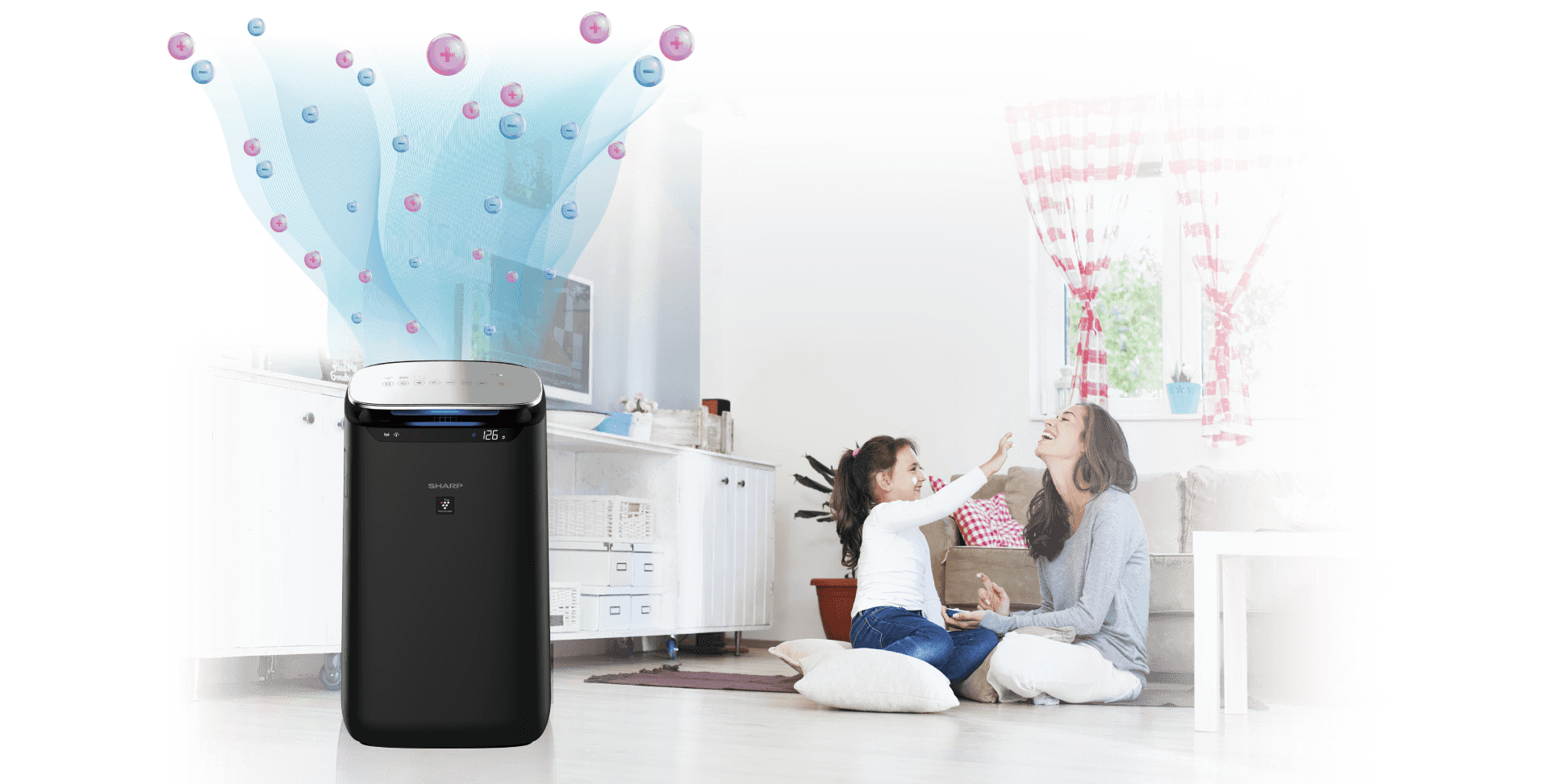
Ionization: Technologies like ionization, particularly prominent in brands such as Sharp and Klarta, serve as a key differentiator. While HEPA filters physically trap particles, ionization releases charged ions to clump airborne particles, making them easier to capture or settle, appealing to consumers seeking advanced purification methods.
Price Segmentation and Distribution Channels
The market is segmented into distinct price tiers, each catering to different consumer budgets and expectations:
- Budget Segment (under 1000 PLN): This segment is dominated by brands offering cost-effective solutions, often focusing on essential purification features.
- Mid-Range Segment (1000-2500 PLN): This tier offers a balance of performance, features, and price, attracting a broad consumer base. Klarta, for instance, positions itself effectively in this segment by offering premium features at a competitive price.
- Premium Segment (over 2500 PLN): This segment caters to consumers seeking high-end design, advanced technology, and multi-functional capabilities, with brands like Dyson leading the charge.
Distribution channels are a mix of traditional retail and burgeoning online platforms. Major electronics retail chains such as RTV Euro AGD and Media Expert play a crucial role in physical distribution, allowing consumers to experience products firsthand. Concurrently, online channels, including e-commerce giants like Allegro and direct-to-consumer (D2C) websites, are gaining significant traction, offering convenience and wider product selection.
Who are the Top 5 Air Purifier Manufacturers in Poland?
The Polish air purifier market is highly competitive, with both global giants and local players vying for market share. The following profiles detail the top 5 manufacturers, their key strengths, product portfolios, and strategic positioning within the Polish context.
| Fabricant | Key Strength | Product Portfolio & Technology | Market Position (Poland) | SWOT Analysis (Polish Context) |
|---|---|---|---|---|
| Sharp | Established leader, Plasmacluster technology, long filter life | Air purifiers with Plasmacluster Ion technology, humidification, various models for different room sizes | Strong market presence, high brand recognition, trusted for reliability | Strengths: Proven technology, brand loyalty, comprehensive product range. Weaknesses: Potentially higher price points than budget competitors. Opportunities: Expand smart home integration. Threats: Intense competition from new entrants. |
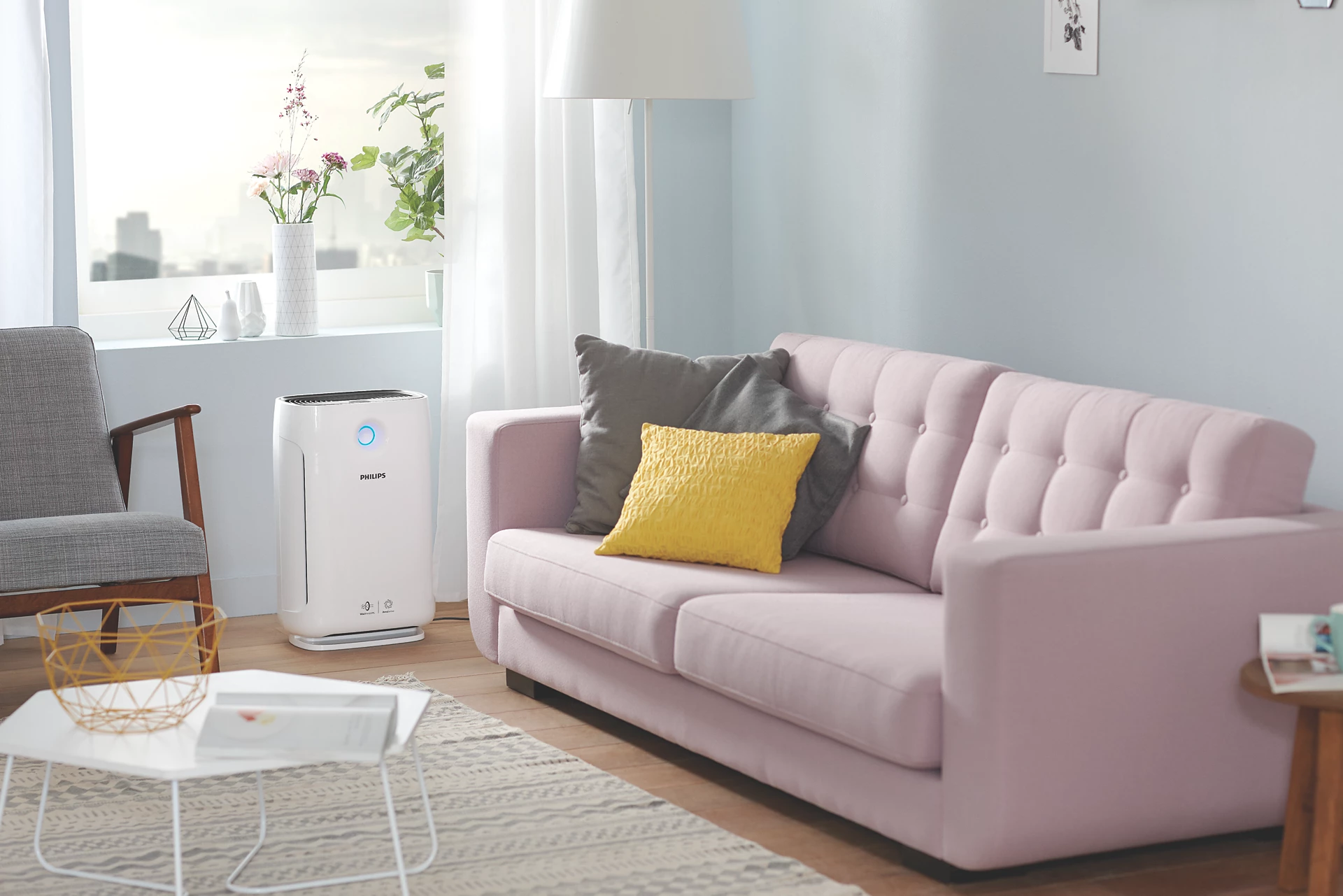
| Philips | European powerhouse, NanoProtect HEPA, quiet operation, clinical claims | Air purifiers with NanoProtect HEPA filters, VitaShield IPS, AeraSense technology, quiet models | Significant market share, strong reputation for health tech, premium segment | Strengths: Strong R&D, focus on health benefits, quiet operation. Weaknesses: Higher price point may limit mass appeal. Opportunities: Further integrate with smart health ecosystems. Threats: Price sensitivity in the market. |
| Xiaomi | Mass-market disruptor, unbeatable price-to-feature ratio, Mi Home ecosystem | Smart air purifiers, HEPA filters, integration with Mi Home app, wide range of models | Rapidly growing market share, popular among tech-savvy and budget-conscious consumers | Strengths: Aggressive pricing, strong smart home ecosystem, modern design. Weaknesses: Perceived lower quality by some premium buyers. Opportunities: Expand into higher-end segments. Threats: Increasing competition in the budget segment. |
| Klarta | Polish challenger, strong local identity, premium features at mid-range price | Air purifiers with HEPA and activated carbon filters, ionization, focus on design and performance | Growing local brand, strong appeal to national pride, competitive in mid-range | Strengths: Local brand advantage, good value for money, responsive to local needs. Weaknesses: Smaller brand recognition outside Poland. Opportunities: Expand regional presence. Threats: Global brands with larger marketing budgets. |
| Dyson | Premium design and innovation leader, multi-functionality, iconic design | Multi-functional air purifiers (purification, heating, cooling), advanced filtration, sleek design | Niche premium market, strong brand appeal for design and innovation | Strengths: Unique design, multi-functionality, strong brand image. Weaknesses: Very high price point, limited mass appeal. Opportunities: Target luxury segment and commercial spaces. Threats: Economic downturn impacting luxury spending. |
Sharp: The Established Leader with Technological Depth
Sharp has cemented its position as a leading air purifier manufacturer in Poland, largely due to its proprietary Plasmacluster technology. This innovative feature, combined with a focus on long filter life, provides a compelling value proposition to consumers. Sharp's product portfolio is extensive, offering a range of air purifiers designed for various room sizes and needs, often integrating humidification functions. Their market position is characterized by high brand recognition and a reputation for reliability, making them a trusted choice for many Polish households and businesses. The company's strength lies in its proven technology and comprehensive product range, though its potentially higher price points compared to budget competitors could be a weakness. Opportunities exist in expanding smart home integration, while threats come from intense competition from new market entrants.
Philips: The European Powerhouse of Health Tech
Philips, a renowned European health technology company, has a significant footprint in the Polish air purifier market. Their offerings are distinguished by NanoProtect HEPA filters, known for their superior filtration capabilities, quiet operation, and clinical claims regarding health benefits. Philips air purifiers often incorporate advanced features like VitaShield IPS and AeraSense technology, providing real-time air quality feedback. Their market position is strong, built on a reputation for health-focused innovation and a presence in the premium segment. While their strong R&D and focus on health benefits are clear strengths, their higher price point may limit mass appeal. Further integration with smart health ecosystems presents an opportunity, but price sensitivity in the market remains a threat.
Xiaomi: The Mass-Market Disruptor
Xiaomi has rapidly disrupted the Polish air purifier market with its aggressive pricing strategy and an unbeatable price-to-feature ratio. Their smart air purifiers, equipped with HEPA filters, seamlessly integrate into the broader Mi Home ecosystem, appealing to tech-savvy and budget-conscious consumers. Xiaomi's market share has grown rapidly, making it a popular choice for those seeking modern design and smart functionalities without a hefty price tag. The company's strengths lie in its competitive pricing and robust smart home integration. However, some premium buyers may perceive a lower quality compared to more established brands. Opportunities exist for Xiaomi to expand into higher-end segments, while increasing competition in the budget segment poses a continuous threat.
Klarta: The Polish Challenger
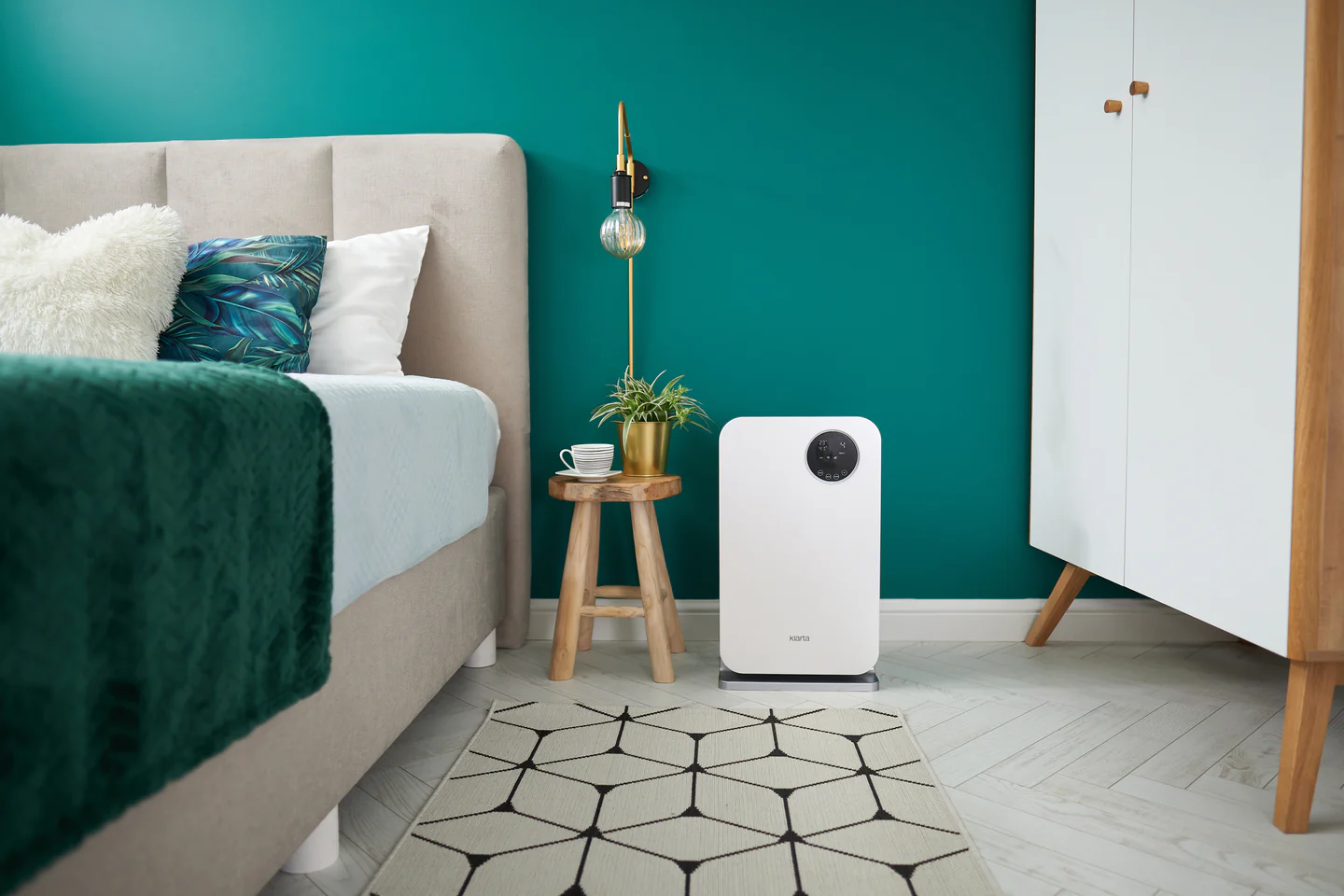
Klarta stands out as a prominent Polish challenger in the air purifier market, leveraging a strong local identity and offering premium features at a mid-range price point. This brand has successfully carved a niche by focusing on design and performance, often incorporating ionization technology alongside HEPA and activated carbon filters. Klarta's growing local brand appeal benefits from national pride, making it a competitive option in the mid-range segment. While its local brand advantage and good value for money are clear strengths, its smaller brand recognition outside Poland could be a weakness. Opportunities lie in expanding its regional presence, though global brands with larger marketing budgets pose a significant threat.
Dyson: The Premium Design and Innovation Leader
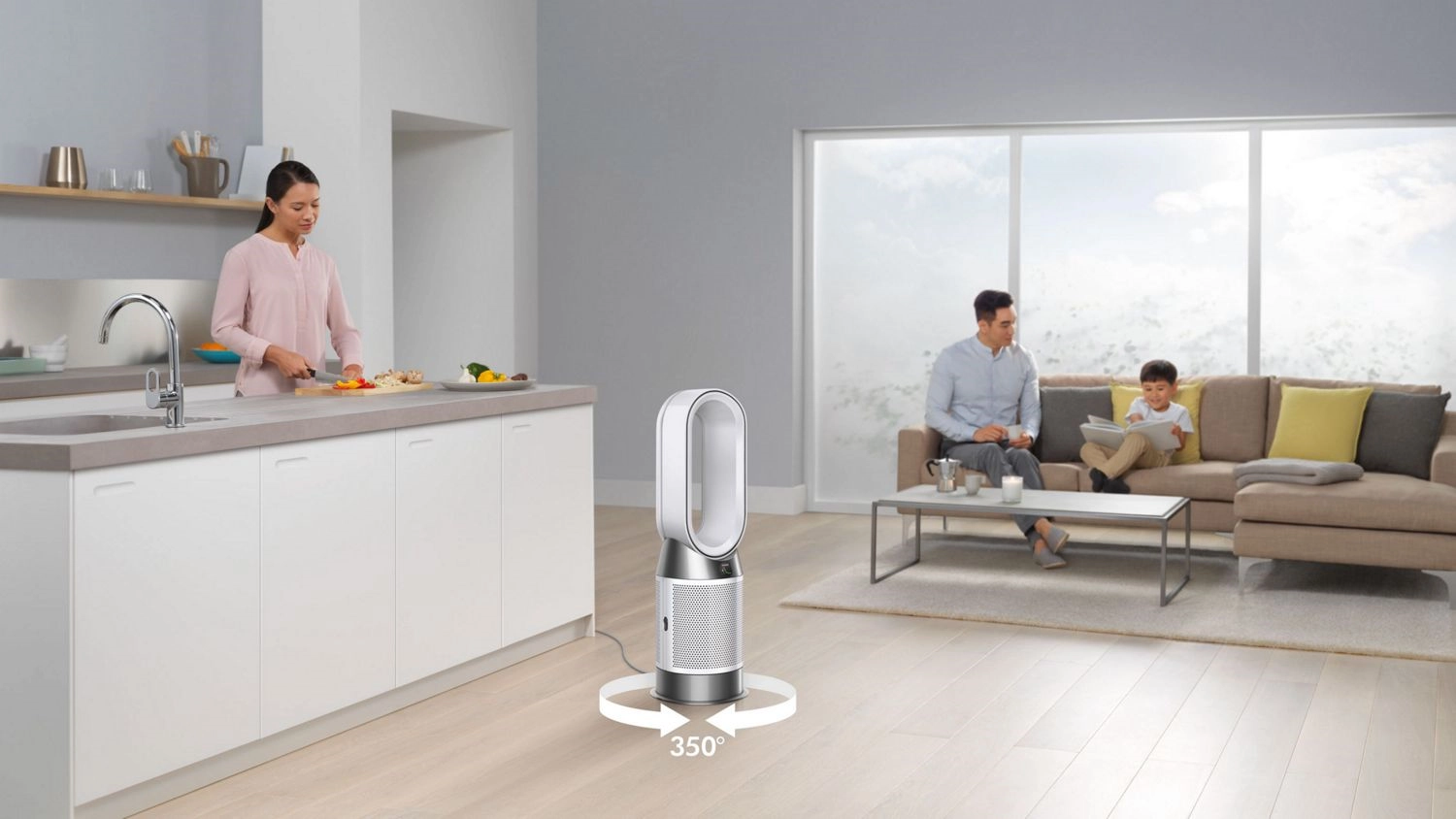
Dyson occupies the premium segment of the Polish air purifier market, distinguished by its iconic design, multi-functionality, and relentless innovation. Their products often combine air purification with heating and cooling capabilities, offering a comprehensive indoor climate solution. Dyson's advanced filtration systems and sleek aesthetics appeal to a niche market that prioritizes design and cutting-edge technology. Their market position is defined by strong brand appeal for innovation and a focus on the luxury segment. While unique design and multi-functionality are significant strengths, the very high price point limits mass appeal. Opportunities exist in targeting the luxury segment and commercial spaces, but economic downturns impacting luxury spending remain a threat.
What are the Future Trends and Opportunities in the Polish Air Purifier Market?
The Polish air purifier market, while highly contested, is not yet fully mature, indicating fluid market shares and significant opportunities for growth and innovation. Several key trends are shaping its future trajectory:
Sustainability & Energy Efficiency: Growing environmental consciousness among consumers and stricter regulations are increasing the importance of low power consumption and the use of eco-friendly materials in air purifier manufacturing. Brands that prioritize these aspects will gain a competitive edge.
Advanced Sensing & Automation: The market is moving beyond basic PM2.5 detection towards more sophisticated sensing capabilities, including the detection of Volatile Organic Compounds (VOCs) and other indoor pollutants. The integration of Artificial Intelligence (AI) for predictive automation, allowing purifiers to proactively adjust settings based on anticipated air quality changes, represents a significant opportunity.
Health & Wellness Integration: Air purifiers are increasingly being positioned as integral components of a holistic wellness ecosystem. This involves integration with other smart health devices and platforms, offering a more comprehensive approach to indoor environmental quality and personal well-being.
Business Model Innovation: The potential for recurring revenue streams through filter subscription services is a notable opportunity. This model not only ensures consistent performance of the devices but also fosters long-term customer relationships and predictable income for manufacturers.
Why is Poland a Strategic Hub for Air Purifier Manufacturing?
Poland's strategic geographical location within the European Union's single market makes it an attractive location for manufacturing and logistics for the entire European air purifier market. Its well-developed infrastructure, skilled workforce, and access to key distribution networks position it as a potential strategic hub for companies looking to serve the broader European continent. This makes Poland not just a significant consumer market but also a viable base for production and supply chain operations, offering a gateway to the wider European economic area. Businesses considering expansion in Europe should view Poland as a critical component of their strategic outlook, offering both market access and operational advantages.
The Polish air purifier market presents a compelling landscape for B2B engagement, driven by a critical need for improved air quality and growing consumer awareness. The dominance of HEPA filtration, demand for multi-functional devices, and clear price segmentation define its anatomy. Leading manufacturers like Sharp, Philips, Xiaomi, Klarta, and Dyson each bring unique strengths to this competitive arena. As the market evolves with trends in sustainability and health integration, strategic partnerships will be key to success. For businesses seeking European expansion, Poland offers both a robust consumer base and strategic manufacturing advantages.

 English
  Français
  Español
  Italiano
  Deutsch
  Português
  Русский
  العربية
  日本語
日本語  한국어
한국어  Tiếng Việt

