
The global wellness market is shifting from reactive treatment to proactive, bio-personalized well-being. Indoor environmental quality, especially humidity, is now central to respiratory, cognitive, and skin health. Humidifiers are evolving from seasonal appliances to year-round wellness infrastructure. B2B players must reframe humidifiers as smart, preventative health tech integrated into the larger wellness ecosystem.
The smart humidifier market is growing at twice the rate of traditional models, with a CAGR of approximately 15%. This signals a clear market preference for connected, convenient, and technologically advanced solutions that deliver measurable health outcomes. For B2B manufacturers and distributors, this is a pivotal opportunity to position humidifiers as essential wellness devices.
How Is Humidity Becoming Core to Holistic Wellness?
The wellness industry's paradigm shift has elevated indoor environmental quality from comfort to health imperative. Consumers understand that optimal indoor humidity (40-60%) is foundational to health. This is driven by scientific evidence linking proper humidity control to enhanced immune function, improved skin barrier, and better sleep quality.
The market response is clear: smart humidifiers are experiencing unprecedented growth, projected to reach approximately $2.5 billion by 2025. This significantly outpaces the traditional market, indicating strong demand for intelligent, automated solutions. For B2B stakeholders, this means positioning humidifiers as foundational wellness infrastructure, emphasizing year-round health optimization.
Trend 1: How Will AI and Biometrics Create Precision Wellness Through Smart Humidifiers?
AI and personal health monitoring are transforming humidifiers into bio-adaptive systems that respond to individual physiological needs. This is the evolution from general comfort to precision wellness, where environmental conditions adjust dynamically based on biometric feedback.
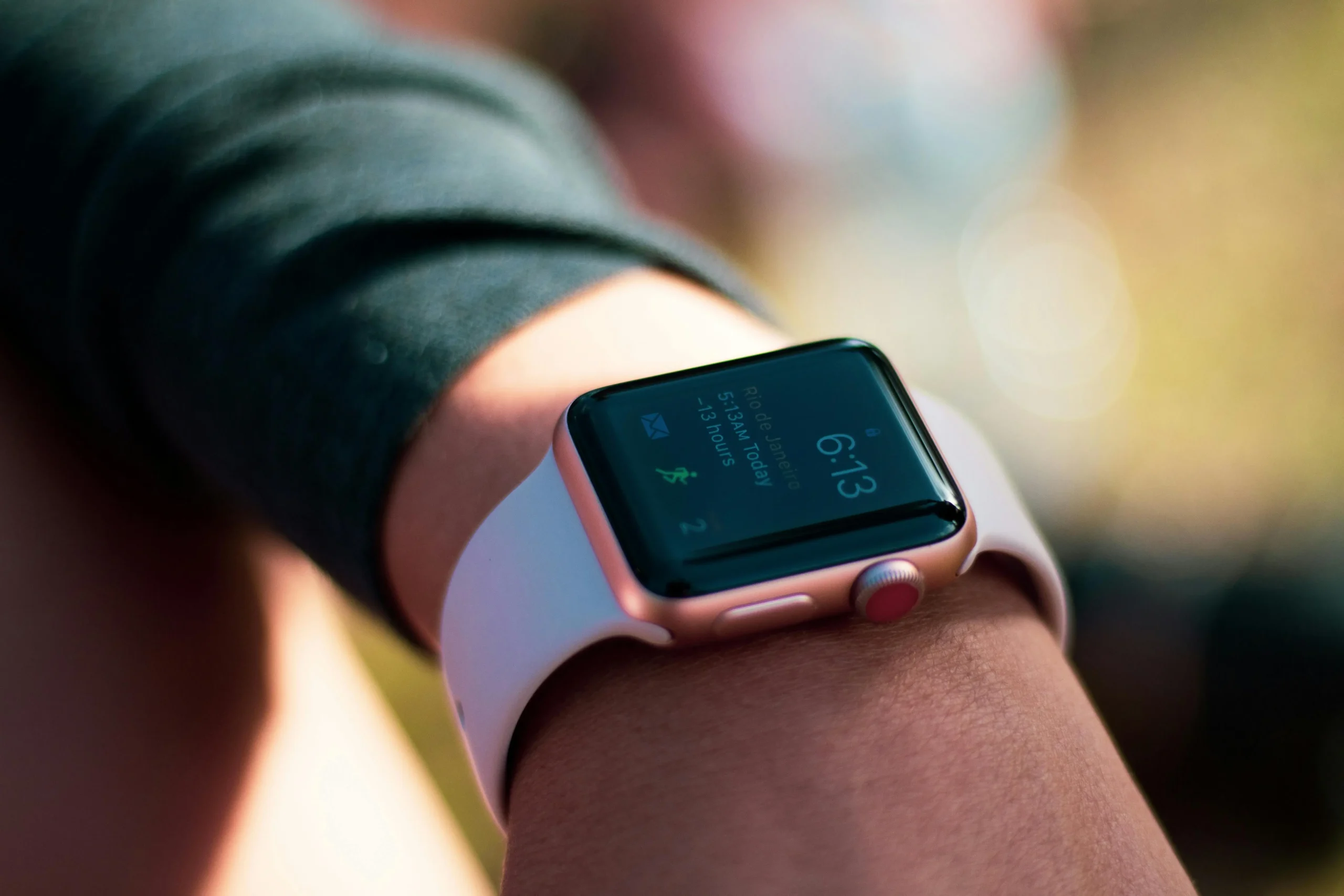
Next-gen smart humidifiers integrate with wearables (e.g., Apple HealthKit, Oura Ring, Whoop) via APIs. This enables bio-adaptive humidification, adjusting moisture based on sleep cycles, respiratory patterns, and heart rate variability. For example, if a wearable detects restless sleep, the humidifier can increase humidity for better breathing and sleep.
AI-driven algorithms learn user patterns, developing personalized humidity profiles that anticipate needs. A system might proactively maintain optimal humidity to prevent allergy flare-ups. This precision approach meets the growing demand for personalized health solutions, optimizing atmospheric conditions for each person's unique physiology.
For B2B manufacturers, the strategy is to develop secure API integrations and partner with leading wearable tech companies. The value proposition shifts to "create the perfect atmosphere for your body," enabling premium pricing for advanced functionality.
| Integration Type | Health Metric | Humidifier Response | Health Benefit |
|---|---|---|---|
| Sleep Tracker | Sleep Quality Score | Increase humidity during deep sleep phases | Enhanced respiratory comfort, reduced snoring |
| Heart Rate Monitor | Elevated Resting HR | Optimize humidity for cardiovascular comfort | Reduced respiratory stress, improved recovery |
| Respiratory Sensor | Breathing Pattern Changes | Adjust moisture for optimal airway function | Better oxygen saturation, reduced congestion |
| Stress Monitor | Cortisol Level Indicators | Create calming humidity environment | Improved relaxation, better sleep onset |
Trend 2: How Is the Smart Home Evolving into a Proactive Health Hub?
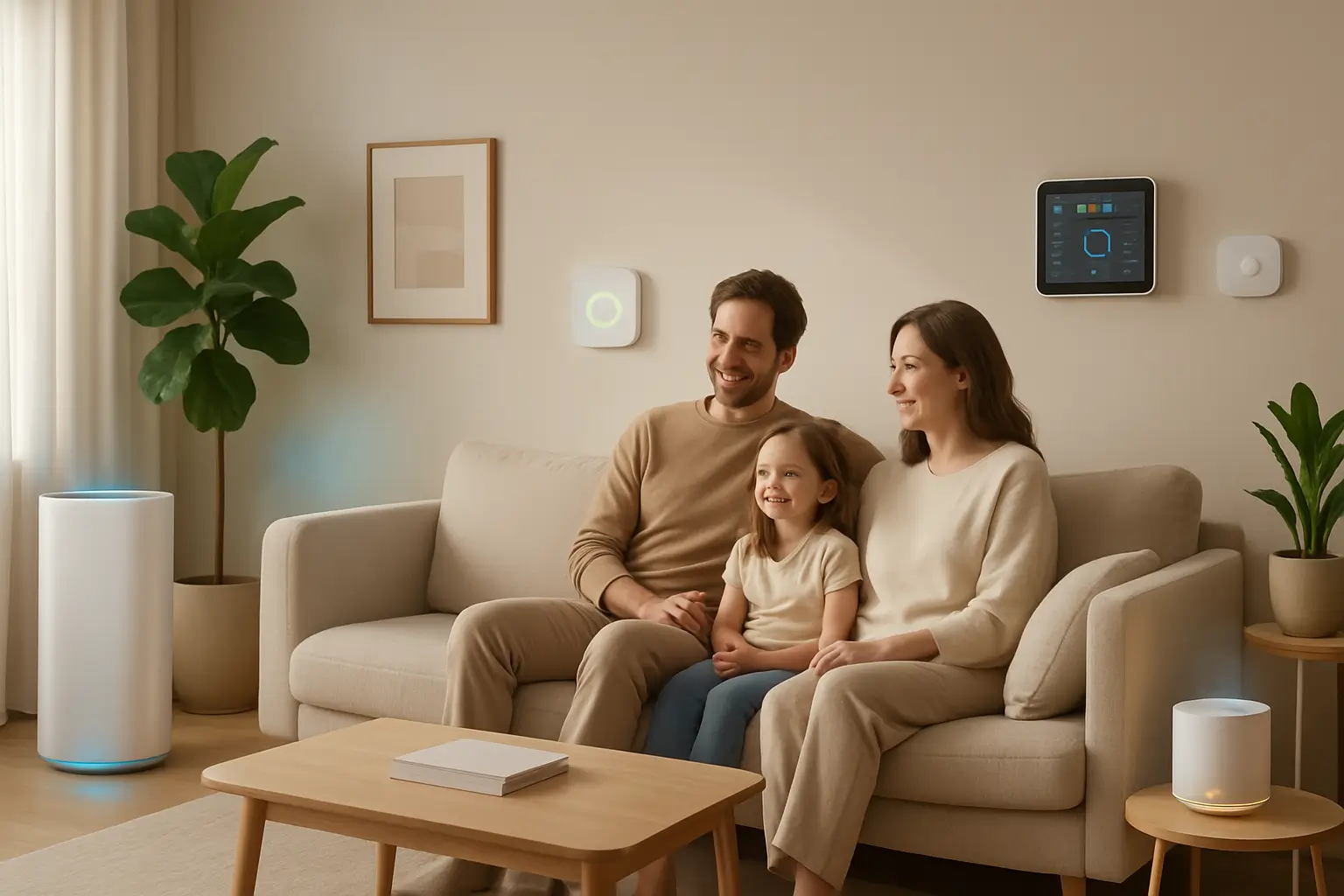
The smart home is becoming a sophisticated, proactive health hub. IEQ devices, especially smart humidifiers, are foundational elements of this healthy home infrastructure. Consumers seek environments that actively support well-being and prevent health issues.
Smart humidifiers now feature high-precision sensors for real-time temperature and humidity monitoring. This enables advanced "Auto Mode" to intelligently regulate mist output, maintaining ideal humidity without user intervention.
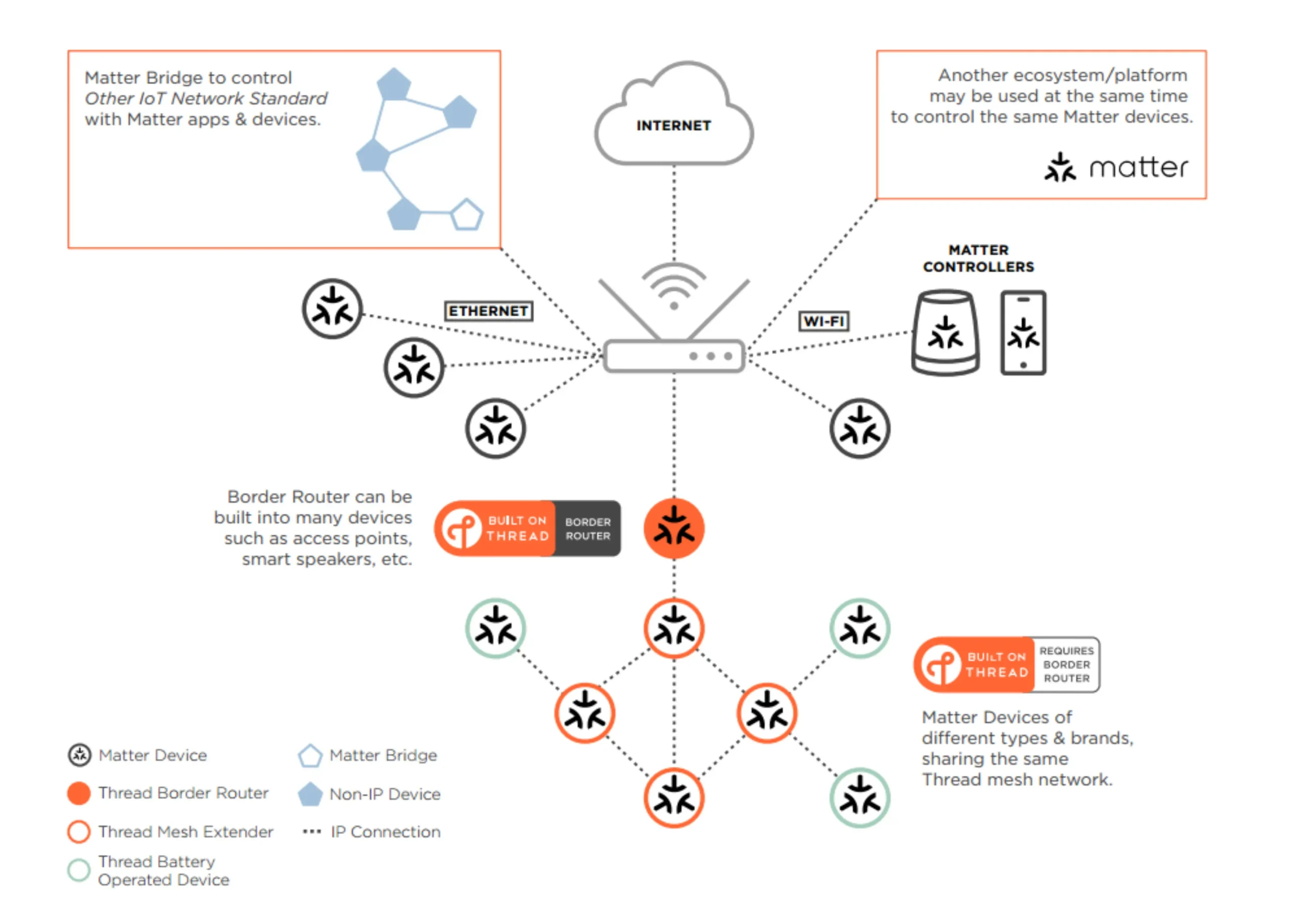
Interoperability standards like Matter facilitate seamless integration within the smart home ecosystem. A Matter-certified humidifier can participate in automated wellness routines. For instance, it can link with a smart thermostat: if heating dries the air, the humidifier activates, creating a balanced environment.
While portable humidifiers are popular, whole-home HVAC-integrated solutions offer consistent humidification. For B2B players, the opportunity is to position humidifiers as an indispensable "first step" in creating a healthy home. The message: "Build your healthy home on a foundation of healthy air."
Trend 3: How Do Humidifiers Contribute to Mental Wellness, Sleep, and Aromatherapy?
The link between environment and mental well-being is scientifically validated. Optimal indoor humidity reduces stress and improves sleep quality. Both high and low humidity disrupt sleep. Maintaining 30-60% humidity is crucial for restorative sleep, a cornerstone of mental health.
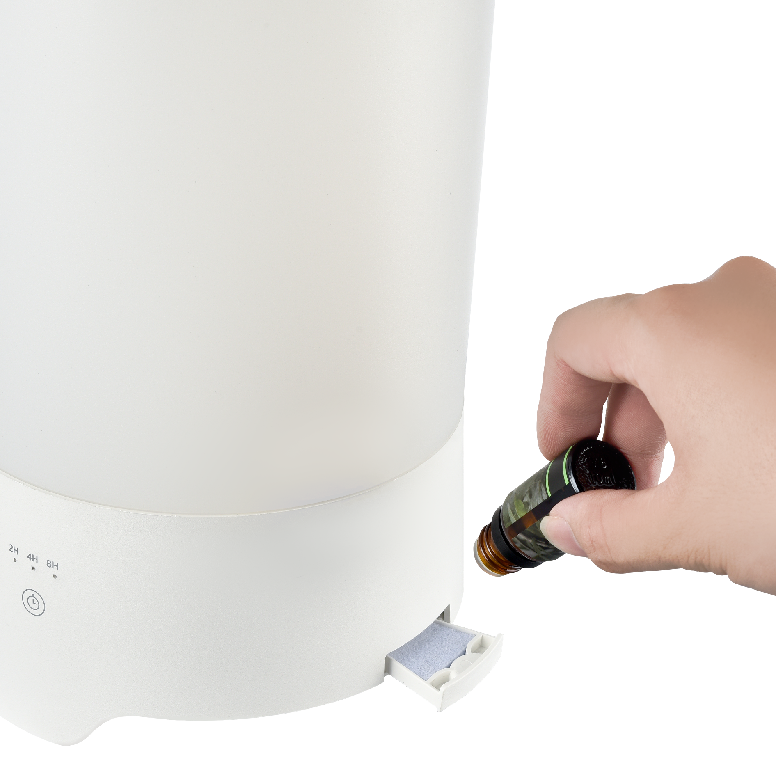
Modern smart humidifiers increasingly integrate aromatherapy features, with trays for essential oils. This dual functionality meets consumer demand for holistic benefits.
Scientific evidence supports aromatherapy's impact on mood. Inhaled essential oils interact with the brain's limbic system, regulating emotions. Lavender calms and improves sleep. Bergamot reduces anxiety. Cedarwood promotes serotonin release for restful sleep.
B2B players can market humidifiers as tools for mental self-care. Campaigns should highlight scientifically-backed benefits for stress reduction and sleep. For aromatherapy models, focus on creating a "home sanctuary" or "mood modules." Bundling with essential oil kits or partnering with wellness apps (e.g., Calm, Headspace) creates a powerful value proposition for the growing mental well-being market.
Trend 4: How Do Humidifiers Support Preventative Health and Longevity?
The wellness conversation is shifting to maximizing "healthspan." This proactive mindset positions humidifiers as essential tools for long-term health. Optimal indoor humidity is a simple yet effective preventative measure supporting the body's natural defenses.
Scientific research backs humidity's role in preventative health, especially for respiratory and skin health. Dry air dehydrates mucous membranes, impairing their ability to trap pathogens. Maintaining 40-60% humidity keeps passages moist, bolstering immune defenses against respiratory infections.
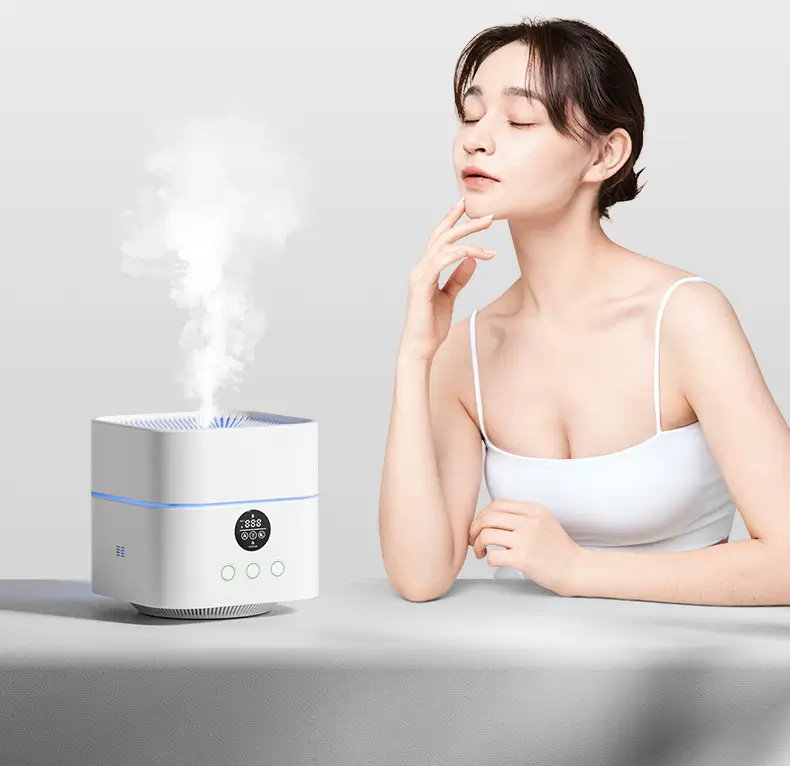
Skin health indicates overall wellness. Dry air strips skin moisture, weakening its barrier and accelerating aging. A humidifier maintains skin hydration, strengthens the barrier, and alleviates conditions like eczema. Optimal humidity reduces fine lines, positioning "humidity as the new sunscreen"—a daily defense.
For B2B manufacturers, the narrative should be a daily investment in long-term health. Messaging shifts from solving immediate problems to supporting immunity and investing in skin health. This aligns with longevity and biohacking markets. Content marketing can explain the science. Partnerships with dermatologists and functional medicine practitioners enhance credibility.
Trend 5: How Is Wellness Technology Becoming Seamless and Invisible?
Consumers prefer "invisible" tech that delivers wellness benefits autonomously, without constant management. The ideal smart device works effectively in the background, minimizing user attention. This aligns with the desire for "analog wellness"—health benefits without digital overload.
For humidifiers, this means effortless operation and minimal maintenance. A highly effective "Auto Mode" is crucial, using precise sensors to self-regulate mist output and maintain ideal humidity. This eliminates manual adjustments, providing a true "set-it-forget-it" experience.
Low-maintenance design is key. Features like large, top-fill tanks and self-cleaning technologies (e.g., antimicrobial LED/UV light) enhance convenience and hygiene. To be truly "invisible," humidifiers must operate quietly, especially in bedrooms. "Sleep Mode" with dimmed lights and whisper-quiet fans is essential.
B2B marketing should emphasize the outcome: a perfectly balanced, healthy home, rather than just the technology. The message: "Intelligent humidity, managed for you." This appeals to both tech-savvy and wellness-focused consumers. Highlighting features that reduce ownership burden, like easy-to-clean designs, will be a differentiator. The humidifier should be positioned as a silent, reliable partner enhancing well-being.
What Are the Strategic Implications for Product and Brand Teams?
The analysis confirms humidifiers are transitioning from seasonal commodities to essential, year-round wellness devices. The convergence of smart home tech, personal health monitoring, and preventative health creates a significant opportunity. Success depends on embracing smart technology, focusing on health outcomes, and delivering a seamless user experience.
A tiered product strategy can capture market segments:
-
Core Model (Good): Wi-Fi, high-precision sensor, "Auto Mode," compatible with Alexa/Google Assistant. Fundamental smart functionality.
-
Wellness Model (Better): Adds Matter certification, aromatherapy, top-fill tank, whisper-quiet sleep mode. Enhanced user experience.
-
Flagship Model (Best): Advanced API integration with wearables, AI-driven algorithms correlating biometric data with humidity for personalized environmental adjustments. Pinnacle of precision wellness.
Marketing messages must align with the five trends, focusing on tangible wellness benefits. Shift from technical specs to outcomes. For example, "Intelligent humidity, managed for you. The wellness you feel, not the tech you manage." Educational content explaining humidity's health impact will build credibility.
What Are the Key Partnership and Go-to-Market Opportunities?
Strategic partnerships are crucial for growth and innovation. Collaborations can unlock new distribution, enhance product capabilities, and expand market reach.
Key partnership categories:
-
Wearable Technology & Digital Health Platforms: Partner with Oura, Apple Health, Whoop, Fitbit for integrated "bio-adaptive" features and co-marketing of connected health ecosystems.
-
Smart Home Ecosystems: Integrate deeply with Google Home, Amazon Alexa, Matter-certified devices for seamless interoperability. Pursue "Works With" certifications.
-
Health & Beauty Collaborations: Partner with skincare brands (e.g., L’Oréal) for co-branded "skin health" packages, educating consumers on humidity's role in skin vitality.
-
Longevity & Biohacking Brands: Align with brands and influencers in these communities for credibility and reach. Joint content and endorsements.
-
Hospitality & Real Estate: Position humidifiers as built-in wellness infrastructure for high-end developments and hotels. Large-scale installations offer premium wellness experiences.
-
Sleep Wellness Companies: Partner with smart mattress companies or sleep tracking apps for integrated "sleep sanctuary" solutions.
Strategic engagement with these sectors expands market footprint, innovates offerings, and solidifies humidifiers as leaders in wellness tech.
What Is the Future of Wellness Tech and Humidifiers?
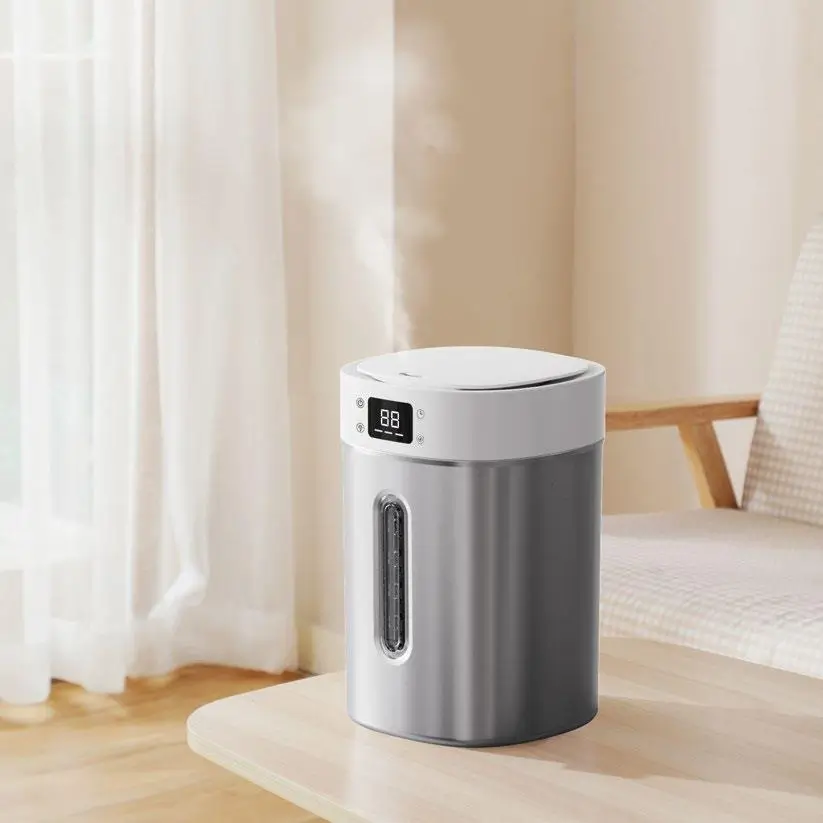
The future of wellness is linked to our environments. Humidifiers are evolving into sophisticated wellness technology, foundational to proactive, personalized health. The convergence of AI, biometrics, smart home integration, and preventative health positions humidifiers at the forefront of the 2025 wellness revolution.
For B2B players, this presents an unparalleled opportunity. By embracing these five trends—Precision Wellness Through AI & Biometrics, The Healthy Home Ecosystem, Mental Wellness & Aromatherapy, Preventative Health & Longevity, and Seamless & Invisible Wellness manufacturers and distributors can redefine products and narratives. The shift is from selling a device to providing a comprehensive solution for optimal indoor environmental quality.
Success hinges on strategic product development prioritizing smart functionality, user-centric design, and demonstrable health outcomes. Cultivating strategic partnerships across diverse sectors will be instrumental in expanding market reach and solidifying the humidifier's role as an indispensable component of modern, healthy living.
Pioneering brands like HisoAir are already leading this transformation delivering intelligent, health-optimized humidification systems to OEM/ODM partners worldwide.
It is time to rethink the air around us. Smart humidification is no longer a luxury; it's a baseline for modern well-being. Embrace this shift, innovate with purpose, and lead the charge in creating healthier, more resilient living spaces for all.


 English
  Français
  Español
  Italiano
  Deutsch
  Português
  Русский
  العربية
  日本語
日本語  한국어
한국어  Tiếng Việt

