
Imagine walking into your office and taking a deep, refreshing breath without worrying about what's in the air around you.
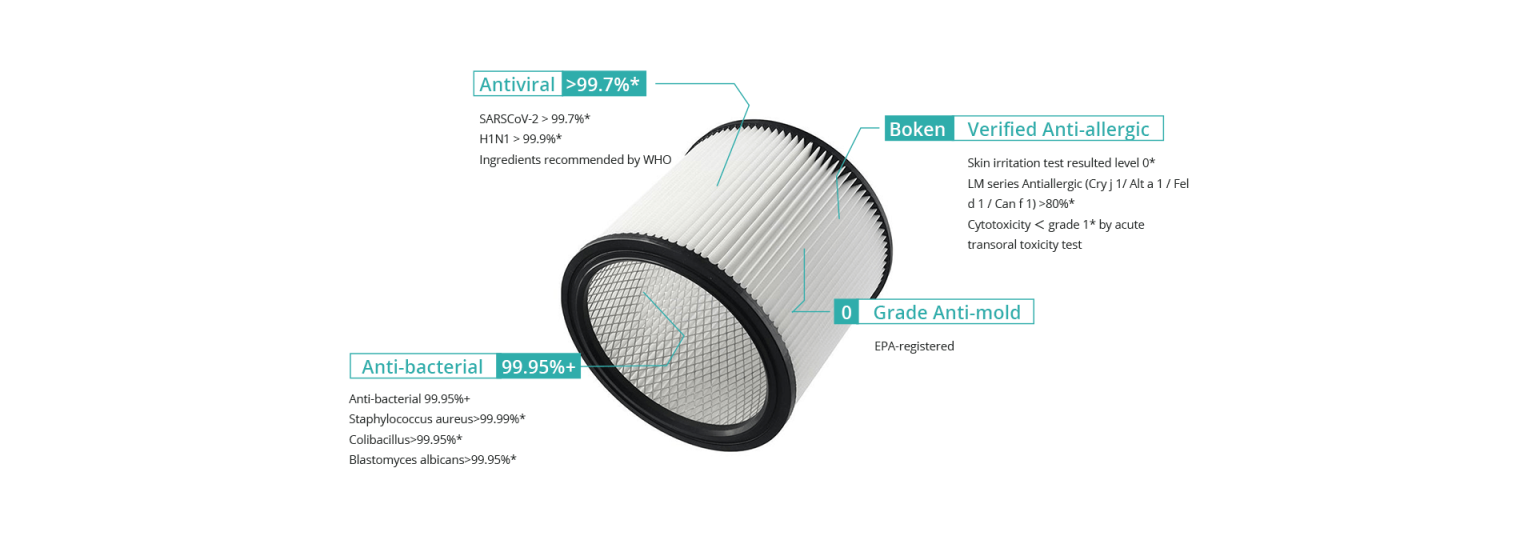
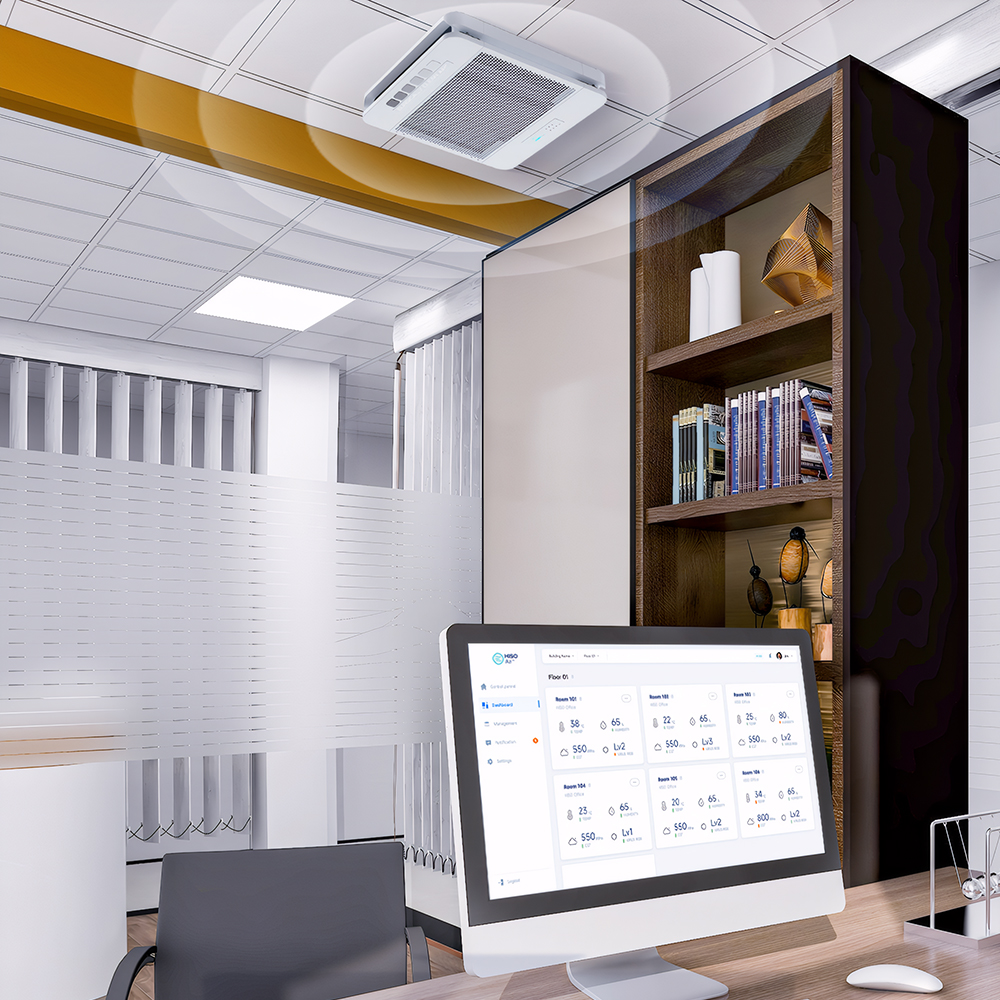
HisoAir air purification systems enhance indoor air quality in offices by employing cutting-edge filtration technology to eliminate 99.95% of airborne particles, like allergens and pollutants. These systems integrate seamlessly with existing HVAC setups, ensuring a cleaner, healthier workspace for everyone.

I remember the first time I noticed how stale and heavy the air felt in our office. It was one of those days when everything just seemed sluggish. Then we installed HisoAir. Almost immediately, the air felt fresher, and I noticed fewer colleagues sniffling or complaining about headaches. It wasn’t just about breathing easier—there was this newfound energy in the office that made collaboration smoother and days feel more productive. It's amazing how much of a difference clean air can make!
HisoAir systems remove 99.95% of airborne particles.True
HisoAir uses advanced filtration technologies to achieve this level of purification.
Improved air quality has no impact on employee productivity.False
Better air quality enhances health, leading to increased productivity and wellness.
What Health Risks Are Associated with Poor Indoor Air Quality?
Ever wondered how the air you breathe indoors could be impacting your health?
Poor indoor air quality can cause respiratory problems, allergies, and headaches. Over time, it may heighten the risk of heart disease and impair cognitive abilities. Enhancing ventilation and utilizing air purifiers are effective strategies to combat these issues.
Understanding the Impact on Respiratory Health
I remember a time when my nephew visited and couldn't stop sneezing the entire weekend. It turned out that the culprit was poor indoor air quality, filled with dust mites and mold spores. These little invaders can irritate our respiratory systems, causing coughing fits, sneezing marathons, and even breathlessness. For those like my nephew, who have asthma or allergies, this can be especially troublesome. The presence of allergens in the air1 can turn a cozy home into a minefield of triggers.
Cognitive Function and Mental Health
I’ve read fascinating studies from Harvard T.H. Chan School of Public Health, showing a striking link between clean air and sharp minds. Think about it: if you're breathing in volatile organic compounds (VOCs) all day, it’s like having a fog over your brain. You might find it harder to concentrate or remember things clearly. In workplaces, this fog can mean missed deadlines or errors creeping into tasks that usually require precision.
Cardiovascular Risks
Long-term exposure to poor indoor air quality has been shown to sneak its way into our cardiovascular system too. Tiny particles like PM2.5 can infiltrate our lungs and bloodstream, potentially leading to elevated blood pressure and heart issues. This was a wake-up call for me to start managing my indoor air quality better, using solutions like advanced air purifiers to clear the air and protect my heart.
| Common Indoor Pollutants | Associated Health Risks |
|---|---|
| Dust Mites | Allergies, Asthma |
| Mold Spores | Respiratory Issues |
| VOCs | Cognitive Impairment |
| Carbon Monoxide | Dizziness, Fatigue |

Addressing IAQ Concerns
Improving indoor air quality is more than just opening a window—though that's a good start! Implementing effective ventilation systems and investing in air purification technologies2 can make a world of difference. I've also found that regularly monitoring IAQ levels helps catch issues early so I can take action before they escalate. Using smart sensors provides real-time data on air quality conditions, which has been invaluable for maintaining a healthy indoor environment.
Poor IAQ can worsen asthma symptoms.True
Exposure to indoor allergens can trigger or worsen asthma symptoms.
Carbon monoxide improves cognitive function.False
Carbon monoxide exposure leads to dizziness and fatigue, not cognitive improvement.
How Does Indoor Air Quality Affect Employee Productivity?
Ever noticed how the air quality in your office affects your mood and productivity? It might be more significant than you think!
Indoor air quality (IAQ) directly influences employee productivity by affecting cognitive functions, health, and overall comfort. Poor IAQ can cause issues like fatigue and headaches, diminishing focus and efficiency.
The Impact of Indoor Air Quality on Cognitive Function
I remember a particularly stuffy day at the office when focusing felt like trying to read through fogged-up glasses. Turns out, it wasn't just me; poor indoor air quality3 can cloud our cognitive abilities like concentration and decision-making. Pollutants such as VOCs (volatile organic compounds) and CO2 are sneaky culprits, quietly impairing brain function. In environments where sharp decision-making is key, even a slight dip in cognitive performance can snowball into significant productivity losses.
| Pollutant | Impact on Health | Effect on Productivity |
|---|---|---|
| VOCs | Respiratory issues | Decreased focus |
| CO2 | Fatigue | Lower decision-making |
Health Implications of Poor Indoor Air Quality
I've noticed that when the office air isn't up to par, the number of sneezes and coughs around me skyrockets. Poor IAQ is like an unwelcome guest causing respiratory issues and allergies. This leads to increased absenteeism and presenteeism—where we're there physically but not quite mentally. According to research from Harvard T.H. Chan School of Public Health, cleaner indoor air can significantly enhance our cognitive function, effectively boosting our productivity.
Enhancing Employee Satisfaction Through Better Air Quality
Improving IAQ isn't just about dodging colds—it's about creating a haven where we feel comfortable and valued. When I see that my workplace prioritizes my well-being, it makes me more engaged and satisfied. Employers can take steps to improve IAQ by using systems like HisoAir4, equipped with HEPA filters to cut down on indoor pollutants. Regular air quality checks help maintain this comfy environment, lifting morale and showing us that our health matters.
By implementing these systems, employers not only reduce turnover but also make us feel like our comfort is prioritized—keeping us around for the long haul.
Poor IAQ decreases employee productivity by 10%.False
While poor IAQ affects productivity, exact percentage varies and isn't fixed.
HEPA filters can improve indoor air quality.True
HEPA filters reduce pollutants, improving air quality and health.
Why is HisoAir’s Technology a Game-Changer in Air Purification?
Imagine breathing clean air in complete tranquility—sounds like a dream, right?
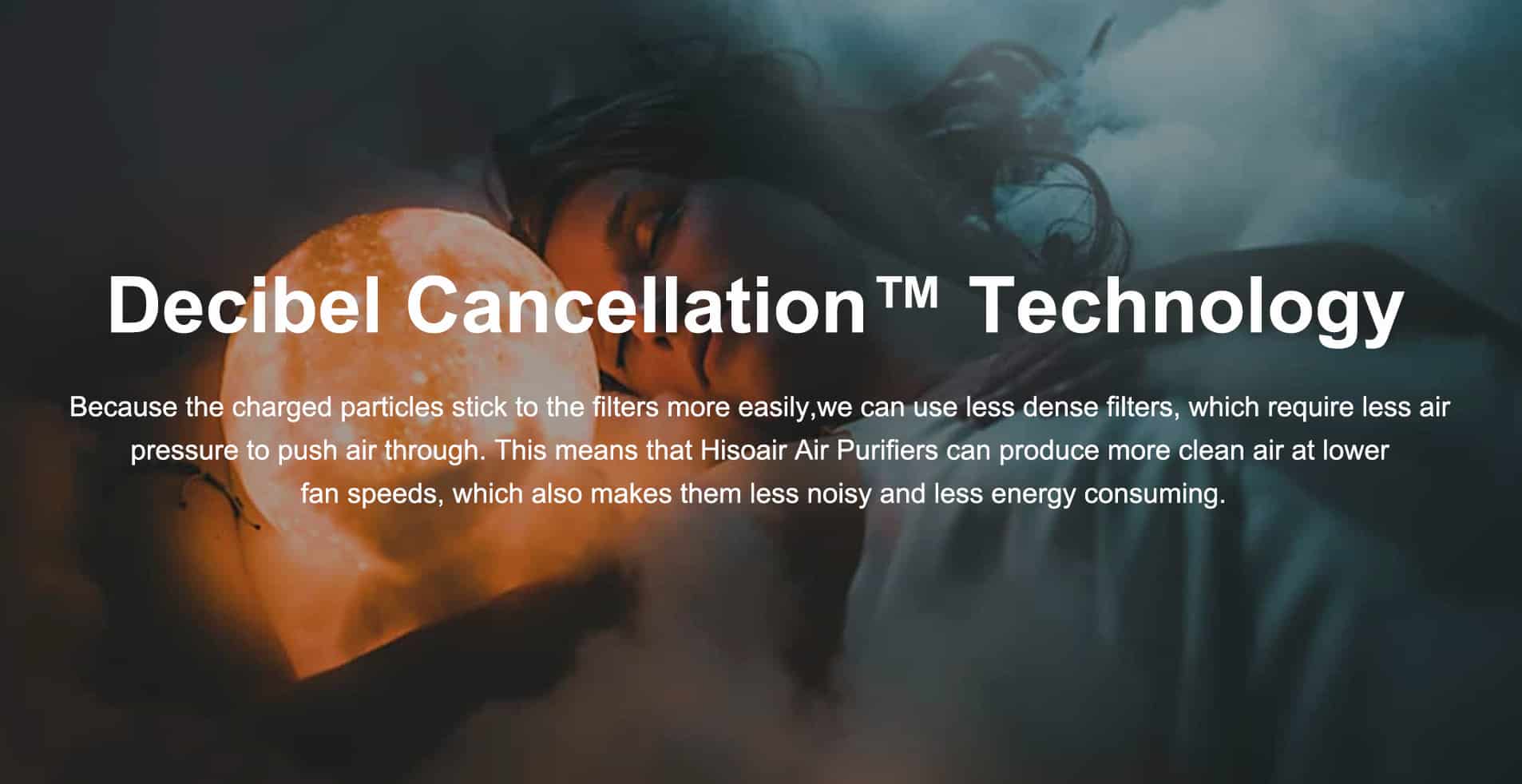
HisoAir stands out with its Decibel Cancellation™ technology, H13 True HEPA filters, and real-time air quality monitoring, delivering unmatched indoor air quality and comfort.
When I first experienced the difference a top-notch air purifier could make, it was like a revelation. The air felt lighter, cleaner, and—most importantly—I could breathe easier without the constant hum of a machine in the background. HisoAir has taken air purification to another level, making it not just about clean air but also about comfort and peace of mind.
Advanced Filtration System
At the heart of this transformation is HisoAir's advanced filtration system5. The H13 True HEPA filters are not your average filters—they remove 99.95% of airborne particles like allergens and bacteria. Having struggled with allergies for years, I can't stress enough how this efficiency can turn your living space into a true sanctuary.
| Filter Type | Efficiency |
|---|---|
| H13 True HEPA | 99.95% |
| Standard HEPA | 99.97% |
Decibel Cancellation™ Technology
One feature that completely won me over is HisoAir's Decibel Cancellation™ technology6. Remember those times when the air purifier was so loud you couldn't focus on work or enjoy a quiet evening? Those days are over. This technology drastically reduces noise levels, making it perfect for both workspaces and homes where silence is golden.
Real-Time Air Quality Monitoring
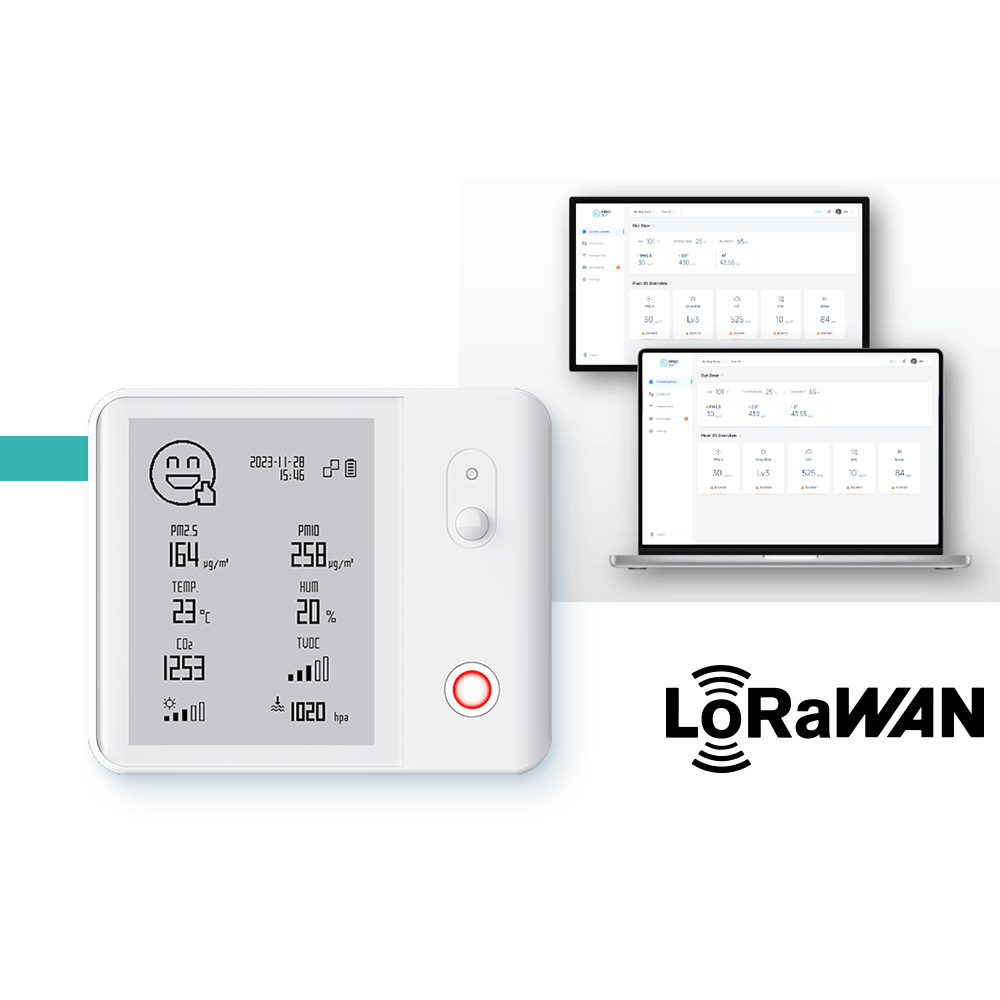
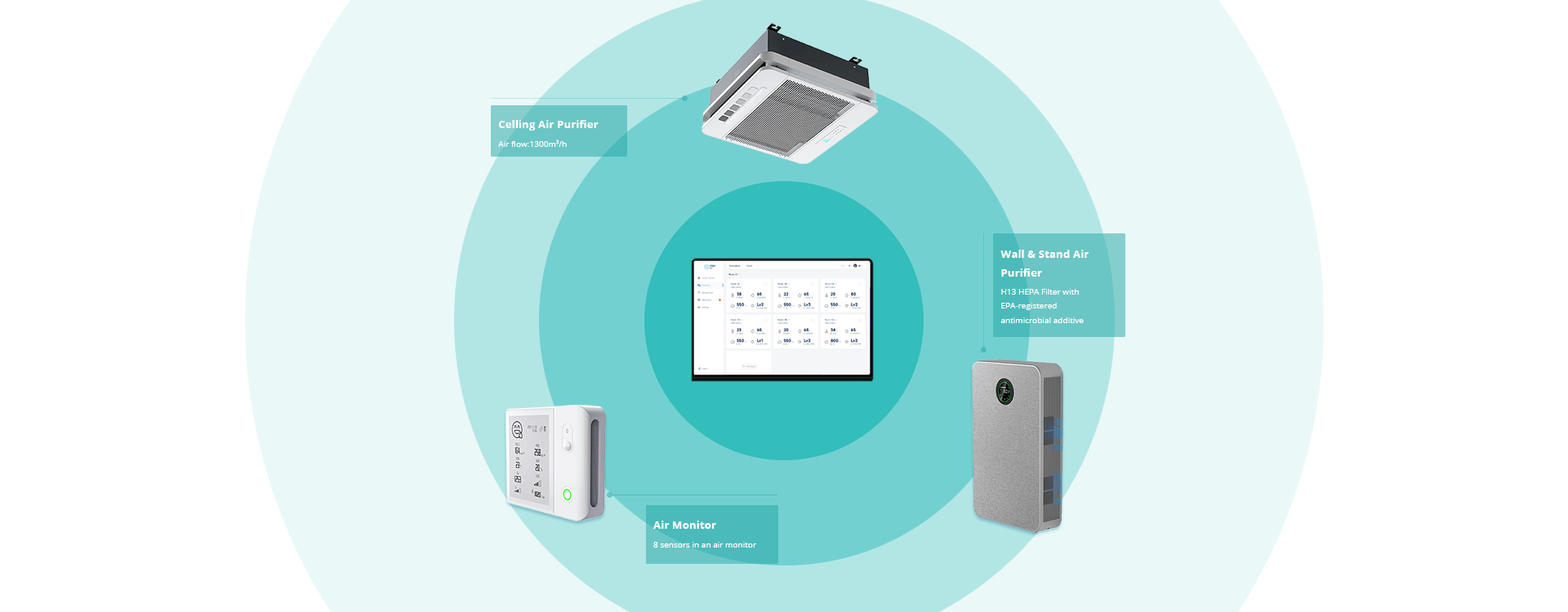
Equipped with smart sensors, HisoAir purifiers provide real-time air quality monitoring7. Imagine being able to check your home's air quality through a cloud-based dashboard anytime you want! This feature empowers you to make informed decisions and maintain consistent IAQ levels. It's like having an invisible shield that you can see working for you.
Integration with Existing Systems
I've always been concerned about making too many changes to my home systems. Thankfully, HisoAir purifiers are designed to integrate seamlessly with existing HVAC systems. This means comprehensive indoor air quality improvement8 without an overhaul. Plus, it reduces strain on HVAC systems, prolonging their lifespan—definitely a win-win situation!
- Benefit: Enhanced IAQ in high-traffic areas such as offices and meeting rooms.
- Advantage: Reduces strain on HVAC systems, prolonging their lifespan.
Customizable Solutions for Varied Needs
Another aspect I appreciate is how HisoAir offers localized air purification9 solutions tailored to different environments. Whether it's for a corporate office or a cozy home setting, this flexibility ensures every space gets the purification it needs. It's like having a personal air guardian tailored just for your space.
By focusing on these innovative aspects, HisoAir delivers not just clean air but also peace of mind, setting a new standard for what we should expect from our air purification systems.
HisoAir's H13 True HEPA filters are less efficient than standard HEPA.False
HisoAir's H13 True HEPA filters have 99.95% efficiency, slightly lower than standard HEPA's 99.97%.
HisoAir purifiers offer real-time air quality monitoring.True
Equipped with smart sensors, HisoAir provides real-time IAQ data via a cloud-based dashboard.
How can businesses effectively implement HisoAir solutions?
Imagine walking into your office and breathing air that's as fresh and clean as a morning in the countryside. That's what HisoAir solutions can do for your workspace.
To effectively implement HisoAir solutions, I recommend assessing current IAQ, integrating HisoAir systems with existing HVAC, and utilizing real-time monitoring for transparency. This approach boosts employee health, satisfaction, and productivity.
Assessing Current Indoor Air Quality
Before diving into the implementation of HisoAir solutions, it’s crucial to know what you're working with. I remember when I first considered improving IAQ at my workplace; the results of our indoor air quality assessment10 were eye-opening. We found some spots with unexpected levels of allergens and VOCs. Understanding these problem areas allowed us to tailor our approach to integrating HisoAir systems more effectively.
Integrating HisoAir Systems with HVAC
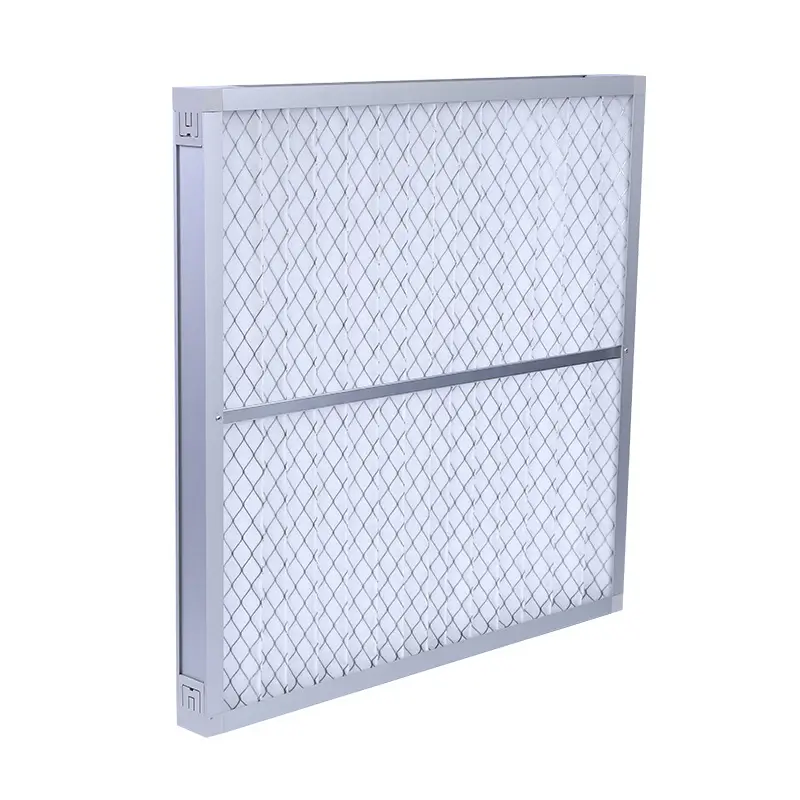
Think of HisoAir purifiers as the perfect complement to your existing HVAC system. It’s like adding a new layer of security to your home. Our HVAC setup did a decent job with ventilation, but the real magic happened when we added HisoAir's advanced HEPA technology11 units. These purifiers handle the airborne particles that our basic system couldn’t filter out, like dust and bacteria.
| Feature | HVAC System | HisoAir Purifiers |
|---|---|---|
| Ventilation | Yes | No |
| Advanced Filtration | No | Yes (HEPA) |
| Real-Time Monitoring | Rare | Yes |
Utilizing Real-Time Monitoring
When we first installed HisoAir’s smart sensors, it was like having a weather forecast just for our office air! The cloud-based dashboards12 give us continuous updates on IAQ, ensuring everything stays optimal. It’s been a game-changer in building trust with our team by offering transparency in how we manage our air quality.
Engaging Employees in IAQ Management
Getting everyone involved was key. Sharing IAQ data through real-time dashboards13 made our employees feel like they were part of something bigger. Encouraging them to take an active role in maintaining a healthy environment fostered a culture of wellness and accountability.
Benefits to Employee Health and Productivity
Since improving our air quality, the change has been remarkable. We’ve seen fewer sick days and even noticed an uptick in productivity. Clean air really does make a difference in how well people concentrate and perform at work.
Sustainable and Cost-Effective Solutions
What’s fantastic about HisoAir systems is their energy efficiency. They align perfectly with our sustainability goals14 without hiking up operational costs, proving that you don’t have to sacrifice energy savings for better air quality.
HisoAir purifiers provide ventilation capabilities.False
HisoAir purifiers focus on filtration, not ventilation, unlike HVAC systems.
Real-time IAQ monitoring builds employee trust.True
Sharing IAQ data openly fosters transparency and trust among employees.
Conclusion
HisoAir air purification systems significantly enhance indoor air quality in offices by removing 99.95% of airborne particles, promoting employee health, productivity, and overall workplace satisfaction.
-
Understanding allergens helps identify specific pollutants that might be affecting health, enabling better prevention strategies. ↩
-
Exploring different technologies assists in selecting the most effective solutions for improving indoor air quality. ↩
-
Understanding this can help you see how air quality affects brain functions essential for workplace efficiency. ↩
-
Learn how advanced air purification can enhance productivity by providing cleaner air in workplaces. ↩
-
Understanding the efficiency of H13 True HEPA filters can help readers appreciate the superior filtration capabilities of HisoAir. ↩
-
Exploring Decibel Cancellation technology will reveal how it minimizes noise, enhancing user comfort and differentiating HisoAir. ↩
-
Real-time monitoring insights can empower readers with knowledge about maintaining optimal indoor air quality. ↩
-
Learning about integration with HVAC systems highlights how HisoAir enhances overall indoor air quality effectively. ↩
-
Understanding localized solutions helps readers see how HisoAir provides tailored air purification for specific environments. ↩
-
Learn how to conduct a thorough IAQ assessment to identify specific air quality issues before implementing solutions. ↩
-
Explore why HEPA technology is crucial in effectively filtering airborne particles and improving indoor air quality. ↩
-
Discover how real-time monitoring can provide transparency and improve indoor air quality management. ↩
-
Understand the advantages of involving employees in workplace health initiatives to promote a culture of wellness. ↩
-
Explore energy-efficient and sustainable air purification technologies that align with environmental goals. ↩


 English
 Français
 Español
 Italiano
 Deutsch
 Português
 Русский
 العربية
 日本語
 한국어
 Tiếng Việt

