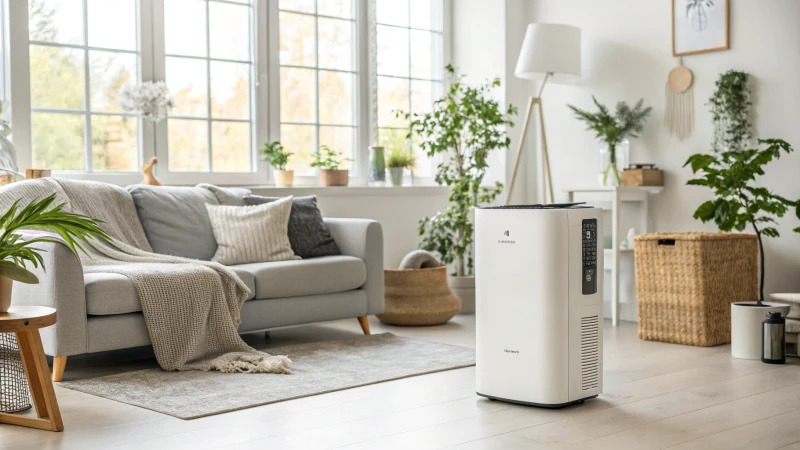
I remember the first time wildfire smoke crept into my home, turning my safe haven into a hazy nightmare.
When wildfires rage, HisoAir air purifiers become my trusted allies. With advanced H13 True HEPA filters, they capture 99.95% of tiny, harmful particles like PM2.5, purifying the air and restoring my peace of mind. These purifiers effectively eliminate smoke components, ensuring cleaner and healthier indoor air.
I never realized how vulnerable my indoor space was to outside pollutants until the air felt thick and my throat scratchy. That's when I turned to HisoAir and discovered how their state-of-the-art technology truly makes a difference. Their purifiers aren't just gadgets; they're like loyal companions standing guard, ensuring my family's lungs are safe from those tiny invaders that sneaked in through every possible crevice. Investing in one was like installing a security system for our health. It feels like an extra layer of protection, and it's a relief knowing I have this shield against the invisible threats of wildfire pollution.
HisoAir purifiers capture 99.95% of PM2.5 particles.True
HisoAir uses H13 True HEPA filters, effective for PM2.5 particles.
Wildfire smoke cannot penetrate indoor spaces.False
Wildfire smoke can enter homes, affecting indoor air quality.
Why is HisoAir's filtration technology the best choice for fighting wildfire smoke?
I remember the first time wildfire smoke seeped into my home—it was unsettling. Discover how HisoAir's advanced filtration technology can protect your family and create a safer indoor haven.
HisoAir's filtration technology excels against wildfire smoke with its H13 True HEPA filters, capturing 99.95% of particles down to 0.1 microns, including PM2.5, VOCs, and PAHs. Its smart sensors and quiet operation enhance its efficiency, making it perfect for any space.

The Challenges of Wildfire Smoke
Living in an area prone to wildfires has taught me just how sneaky and pervasive smoke can be. It’s not just the smell; it’s the tiny pollutants like PM2.5, PAHs, and VOCs that can infiltrate our homes and impact our health. Realizing this made me appreciate the importance of a robust air filtration system.
HisoAir's Advanced Filtration System
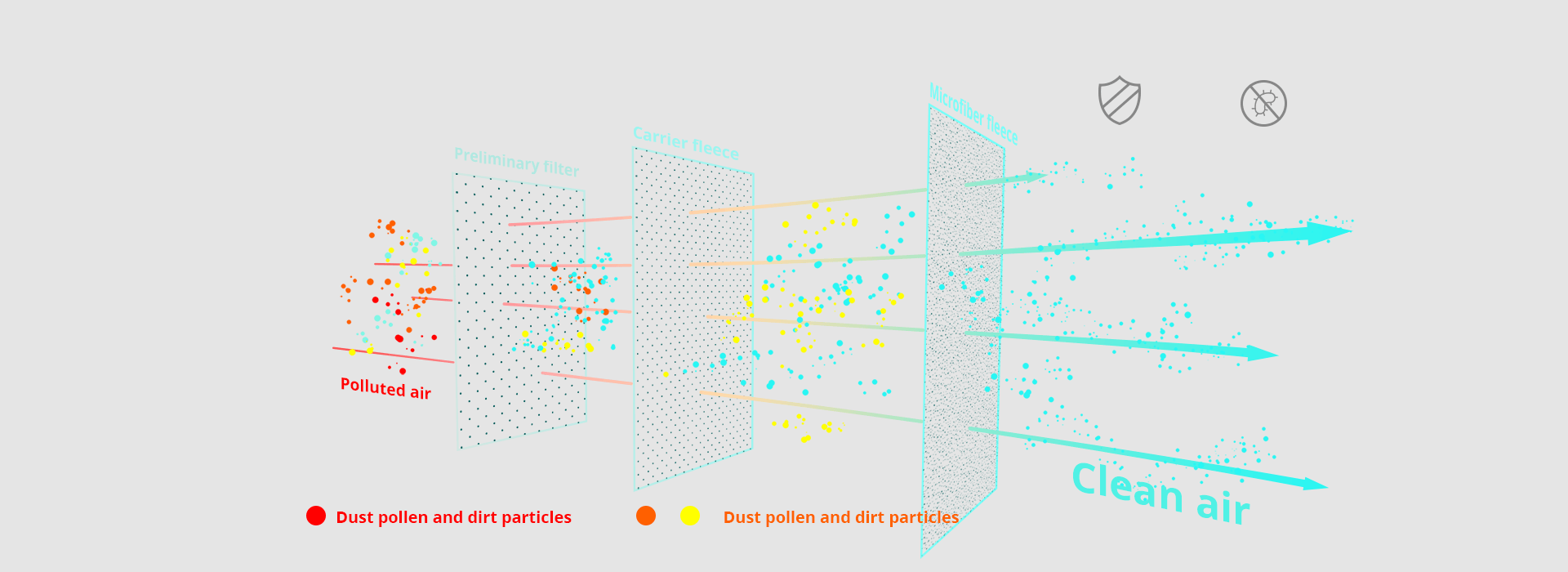
H13 True HEPA Filtration
I remember researching countless air purifiers before stumbling upon HisoAir. Its H13 True HEPA filters were a game-changer—catching 99.95% of those microscopic invaders like PM2.5 and PAHs. Knowing that my family could breathe easier was a huge relief.
| Filter Type | Efficiency | Targets |
|---|---|---|
| H13 True HEPA | 99.95% | PM2.5, PAHs |
Decibel Cancellation™ Technology
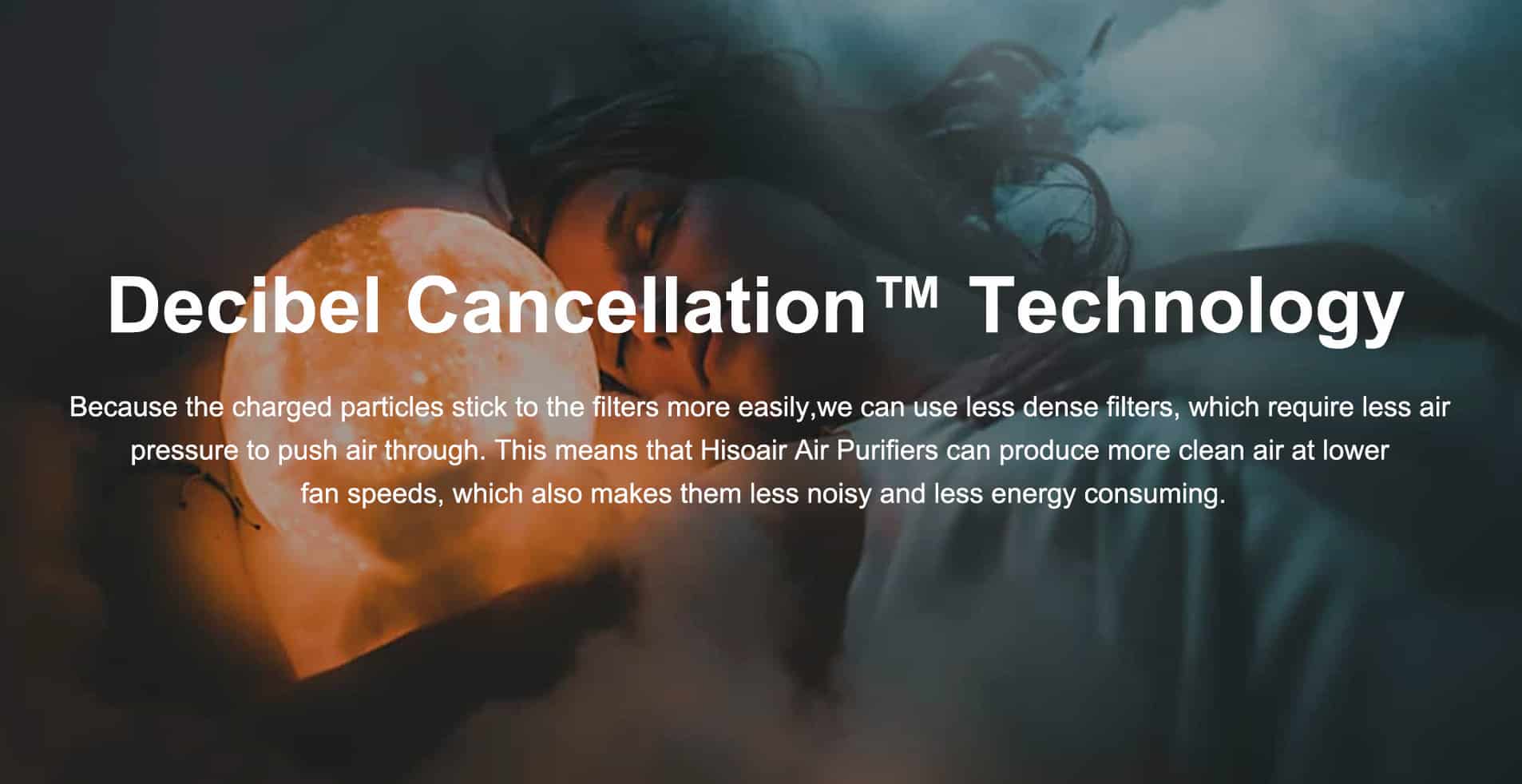
One thing that impressed me about HisoAir is its quiet operation. Thanks to its Decibel Cancellation™ Technology, I could run the purifier all day without it interfering with our daily activities or peaceful nights.
Smart Sensor Technology
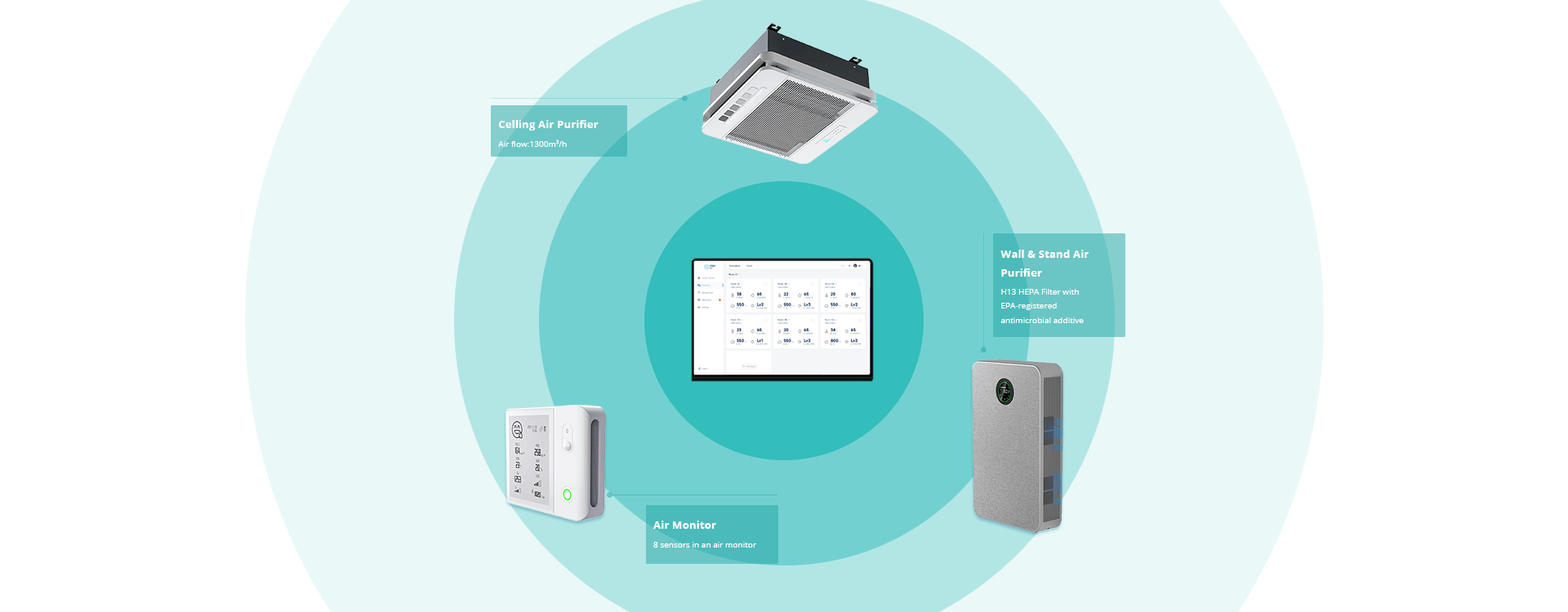
What truly sets HisoAir apart is its intelligence. The smart sensors constantly monitor the air quality, adjusting as needed. It's like having a vigilant guardian ensuring our air remains fresh and safe without me lifting a finger.
Practical Applications of HisoAir Purifiers
HisoAir purifiers are versatile, fitting seamlessly into various settings:
- Homes and Apartments: I’ve placed units strategically around our home to combat smoke and improve air quality.
- Offices and Workspaces: Imagine maintaining productivity and health with minimal noise.
- Schools and Public Facilities: Clean air for students and staff is crucial, especially during wildfire season.
For more insights on the effectiveness of HEPA filters1 and air quality monitoring2, explore these resources.
HisoAir filters remove 99.95% of PM2.5 particles.True
HisoAir uses H13 True HEPA filters, which are 99.95% efficient.
Decibel Cancellation™ makes HisoAir louder than competitors.False
Decibel Cancellation™ Technology ensures quiet operation.
How Do Air Purifiers Improve Health During Wildfire Seasons?
Ever been trapped indoors during wildfire season, feeling the smoke's grip even in your own home? I have, and it's unsettling.
Air purifiers boost health during wildfire seasons by removing harmful particles and gases like PM2.5 and VOCs from indoor air, reducing respiratory and heart risks linked to smoke exposure.

The Impact of Wildfire Smoke on Health
I still remember the first time I truly grasped the impact of wildfire smoke on my health. It was a summer when the air outside looked like a scene from an apocalyptic movie. I was inside, but my eyes stung, and my throat felt scratchy. That's when I learned about the tiny particulate matter3 (PM2.5 and PM10) that can seep indoors and wreak havoc on our lungs.
| Particulate Type | Size | Health Impact |
|---|---|---|
| PM2.5 | <2.5 microns | Penetrates lungs, causes inflammation |
| PM10 | <10 microns | Triggers asthma, other respiratory problems |
How Air Purifiers Combat Indoor Pollution
I had to find a way to protect myself and my family, which led me to air purifiers with HEPA filters4. These magical machines can trap up to 99.95% of those nasty particles, including PM2.5. It’s a huge relief knowing that there's something that actively reduces the health risks posed by wildfire smoke.
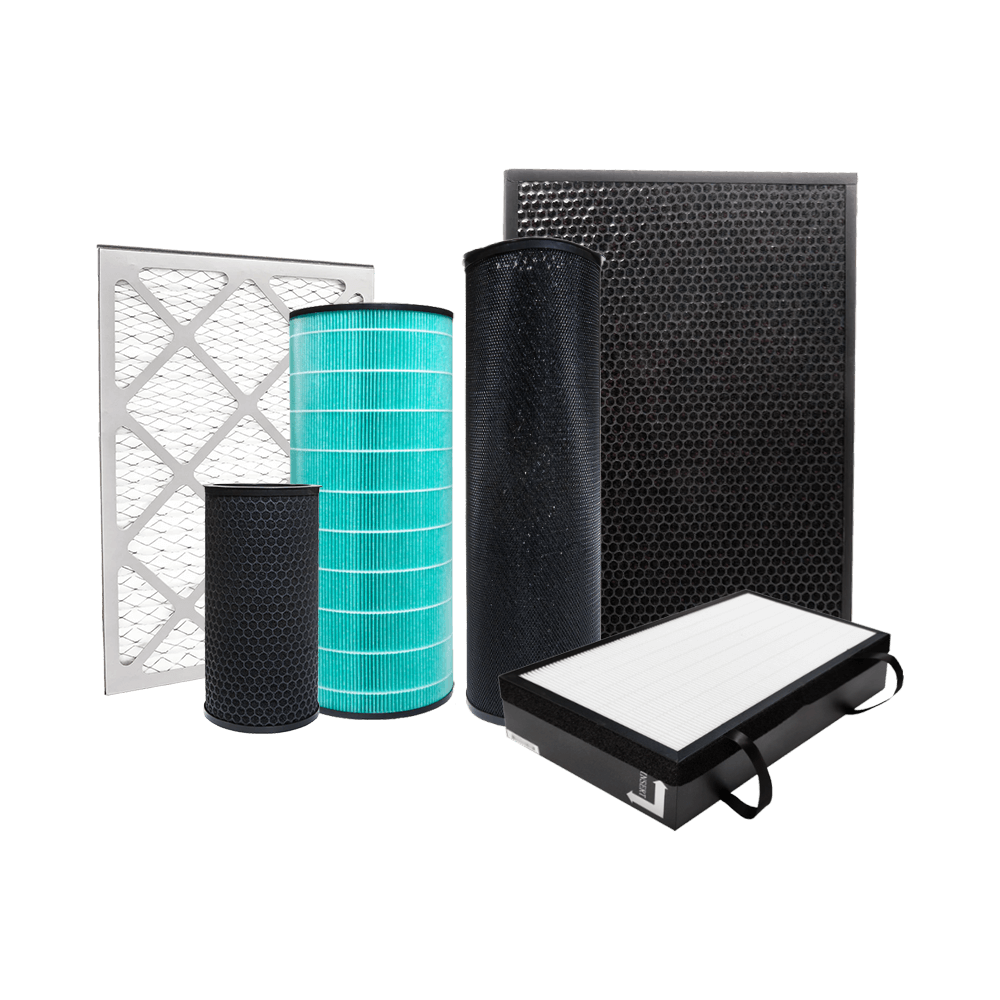
Benefits of HEPA Filtration
- High Efficiency: Captures minuscule particles and allergens.
- Versatile Use: Suitable for homes, offices, and other indoor spaces.
- Quiet Operation: Many models use noise-reduction technology.
Tackling Volatile Organic Compounds (VOCs)
Another lesson learned was about VOCs—those sneaky gases that come with wildfire smoke. Thankfully, many air purifiers have activated carbon filters which work wonders in adsorbing these gases.
Example VOCs Removed by Air Purifiers
- Benzene
- Formaldehyde
- Toluene
Real-Time Air Quality Monitoring
What’s really changed the game for me is the smart sensors in advanced air purifiers. They provide real-time data on air quality, so I know exactly what we're breathing in. It feels empowering to watch those numbers and see the purifier automatically adjust to keep our air as clean as possible.
- User Insights: Displays air quality index (AQI) levels.
- Automated Responses: Adjusts fan speeds to optimize purification.
Understanding the dangers of wildfire smoke and how air purifiers can help us breathe easier has been life-changing. It’s not just about surviving the season; it’s about maintaining a healthy environment year-round. I encourage everyone to explore these devices—not just for peace of mind but for healthier living during those smokey days.
Air purifiers remove 99.95% of PM2.5 particles.True
HEPA filters in air purifiers effectively capture tiny harmful particles.
VOCs are not removed by air purifiers.False
Activated carbon filters in purifiers adsorb VOCs, improving air quality.
Can Indoor Air Quality Be Worse Than Outdoor During Wildfires?
Ever wondered if staying indoors during a wildfire truly protects you?
Yes, indoor air quality can sometimes be worse than outdoor air during wildfires. Smoke easily infiltrates homes, and without proper filtration, pollutants like PM2.5 and VOCs can accumulate, posing serious health risks.

Understanding Indoor vs. Outdoor Air Quality
I remember the first time I faced a wildfire season; the sky turned an eerie orange, and the air outside smelled like a campfire gone wrong. My instinct was to close all windows and huddle indoors, believing it would shield me from the smoke. But I learned the hard way that smoke doesn't care about closed windows. It seeps through tiny gaps and vents, bringing along PM2.55 and VOCs6—nasty little particles that wreak havoc on our lungs.
| Pollutant Type | Description |
|---|---|
| PM2.5 | Fine particles that penetrate deep into the lungs |
| VOCs | Volatile Organic Compounds causing irritation |
Factors Worsening Indoor Air Quality
- Infiltration of Smoke: It's amazing (and frustrating) how persistent smoke can be. It squeezes in through every crevice, making its way into what we think are our safe havens.
- Accumulation Without Filtration: Once inside, these pollutants hang around like unwanted guests unless we boot them out with a trusty air purifier.
I've seen studies that show homes without good filtration can actually have higher levels of particulate matter than the air outside. It's alarming to think about how much we might unknowingly be exposing ourselves to.
Health Risks Associated with Poor Indoor Air Quality
Staying inside without the right air purification is like ignoring the monster under your bed. Over time, inhaling wildfire smoke can lead to some scary health issues like coughing fits and breathlessness, and even more severe problems like heart attacks. Trust me, I've felt that tightness in my chest when the air gets thick with smoke.
- Respiratory issues such as coughing and difficulty breathing.
- Cardiovascular problems including increased heart attack risk.
Importance of Advanced Air Filtration
That's why I can't stress enough how important it is to have a solid defense system in place, like an air purifier with H13 True HEPA filters7. These bad boys filter out up to 99.95% of those sneaky pollutants, keeping your indoor air as clean as possible during those smoky days.
Indoor air quality is always better during wildfires.False
Without filtration, indoor air can have more pollutants than outdoor.
HEPA filters remove 99.95% of PM2.5 and VOCs.True
HEPA-grade filters are highly effective against small particles.
Why Choose HisoAir Over Other Brands for Wildfire Smoke Protection?
Remember that summer when the sky turned an eerie orange and the air smelled like a campfire gone rogue? That’s wildfire season, and it’s a reminder of how crucial clean indoor air is.
HisoAir outshines other brands with its H13 HEPA filtration, whisper-quiet operation, and smart air quality monitoring, providing robust protection against harmful wildfire smoke particles and toxins.

Advanced Filtration Technology
I remember the first time I looked up what exactly was in wildfire smoke—talk about a wake-up call! Those tiny, invisible particles are no joke. That's why HisoAir's H13 True HEPA filters are a game changer. They snag 99.95% of those pesky particles down to 0.1 microns, which means goodbye PM2.5, PAHs8, and VOCs. Knowing my air purifier has my back against such pollutants gives me peace of mind, especially when you realize many other brands simply can't compete on this front.
Quiet Operation with Decibel Cancellation™
Have you ever tried to sleep with a noisy air purifier humming in the background? I have, and let me tell you, it's not fun. That's why I appreciate HisoAir's Decibel Cancellation™ technology. It's like having a ninja air purifier—quietly doing its job while I sleep soundly. This feature isn't just a luxury; it's essential in our homes, offices9, or schools where noise can be an unwanted distraction.
Intelligent Air Quality Monitoring
One of my favorite things about HisoAir is the smart sensor technology. It's a bit like having a mini meteorologist in the house, keeping tabs on the air quality in real-time. It even adjusts the settings automatically to keep things optimal, which means one less thing for me to worry about. Plus, with the dashboard insights, I can see exactly what's going on with pollutant levels and feel empowered to manage my indoor environment better.
| Feature | HisoAir | Other Brands |
|---|---|---|
| Filtration Level | H13 True HEPA | Usually lower grade HEPA |
| Noise Level | Decibel Cancellation™ Technology | Often noisy at high settings |
| Air Quality Sensors | Smart sensor with real-time insights | Basic or absent |
Versatile Applications
HisoAir's design is as versatile as my needs. Whether it's a standalone unit efficiently cleaning multiple rooms in my home or boosting productivity by ensuring clean air at work, it's got me covered. And I love knowing that it's also protecting students and staff in educational institutions from the harmful effects of smoke.
- Homes: Standalone units effectively clean multiple rooms.
- Workspaces: Enhances employee health and productivity by ensuring clean air.
- Educational Institutions: Protects students and staff from the harmful effects of smoke.
Choosing HisoAir isn't just about superior air purification10; it's about committing to sustainability and energy efficiency too. That's something I can get behind any day.
HisoAir filters capture 99.95% of particles.True
HisoAir uses H13 True HEPA filters, capturing particles as small as 0.1 microns.
Decibel Cancellation™ makes HisoAir noisier than competitors.False
HisoAir's Decibel Cancellation™ technology ensures quieter operation than others.
Conclusion
HisoAir air purifiers effectively combat wildfire smoke using H13 True HEPA filters, capturing 99.95% of harmful particles, ensuring cleaner indoor air and enhancing health during wildfire seasons.
-
This link provides a detailed explanation of how HEPA filters work and their effectiveness in capturing wildfire smoke particles. ↩
-
Explore the importance of real-time air quality monitoring systems and their role in maintaining healthy indoor environments. ↩
-
Learn about PM2.5 particles and their health impact, crucial for understanding how air purifiers protect you. ↩
-
Discover how HEPA filters capture harmful particles, essential for improving air quality. ↩
-
Learn about the specific particles and gases present in wildfire smoke and their health impacts. ↩
-
Discover why indoor particulate matter can exceed outdoor levels during wildfires and how to mitigate this. ↩
-
Explore how H13 True HEPA filters function and their effectiveness in purifying indoor air. ↩
-
Learn how Polycyclic Aromatic Hydrocarbons (PAHs) in wildfire smoke impact health and why removing them is crucial. ↩
-
Discover how a quiet air purifier can improve workplace comfort and productivity. ↩
-
Explore how advanced air purification enhances indoor air quality and overall well-being. ↩



 English
 Français
 Español
 Italiano
 Deutsch
 Português
 Русский
 العربية
 日本語
 한국어
 Tiếng Việt

