新しいタブで開きます
Air & Water Purification OEM/ODM Manufacturer | HisoAir

HisoAir空気清浄機はどのように山火事の煙と闘い、室内の空気の質を高めるのでしょうか?

Related Products

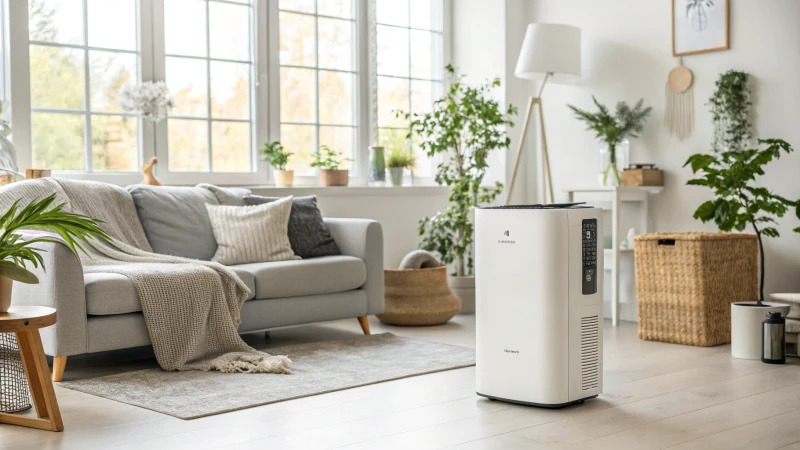
HisoAir空気清浄機と居心地の良いインテリアのモダンなリビングルーム
モダン・リビングルーム

山火事の煙が初めて私の家に忍び込み、私の安住の地を霞んだ悪夢に変えたことを覚えている。

山火事が猛威を振るうとき、ヒソエアの空気清浄機は私の頼れる味方になります。先進のH13トゥルー ヘパ のような有害な微粒子を99.95%捕集します。 PM2.5空気を浄化し、安心を取り戻す。これらの清浄機は、煙の成分を効果的に除去し、よりクリーンで健康的な室内空気を確保します。

空気が濃く感じ、喉がイガイガするまでは、室内空間が外部の汚染物質に対してどれほど脆弱であるかに気づきませんでした。そこで私はヒソエアに目を向け、その最先端技術がいかに違いをもたらすかを知ったのです。同社の清浄機は単なるガジェットではなく、あらゆる隙間から忍び込んでくる小さな侵入者から家族の肺を守ってくれる、忠実な仲間のような存在なのだ。私たちの健康のためにセキュリティーシステムを導入したようなものだ。保護層が1層増えたような気分で、山火事による汚染という目に見えない脅威に対してこの盾があることを知って安心した。

HisoAir清浄機はPM2.5粒子を99.95%捕集します。真

HisoAirは、PM2.5粒子に有効なH13トゥルーHEPAフィルターを使用しています。

山火事の煙は屋内には入り込まない。偽

山火事の煙は家屋に入り込み、室内の空気の質に影響を与える。

なぜヒソエアのろ過技術が山火事の煙対策に最適なのか?

山火事の煙が初めて家に入り込んだ時のことを思い出します。ヒソエアの高度な濾過技術がどのように家族を守り、より安全な室内環境を作り出すかをご覧ください。

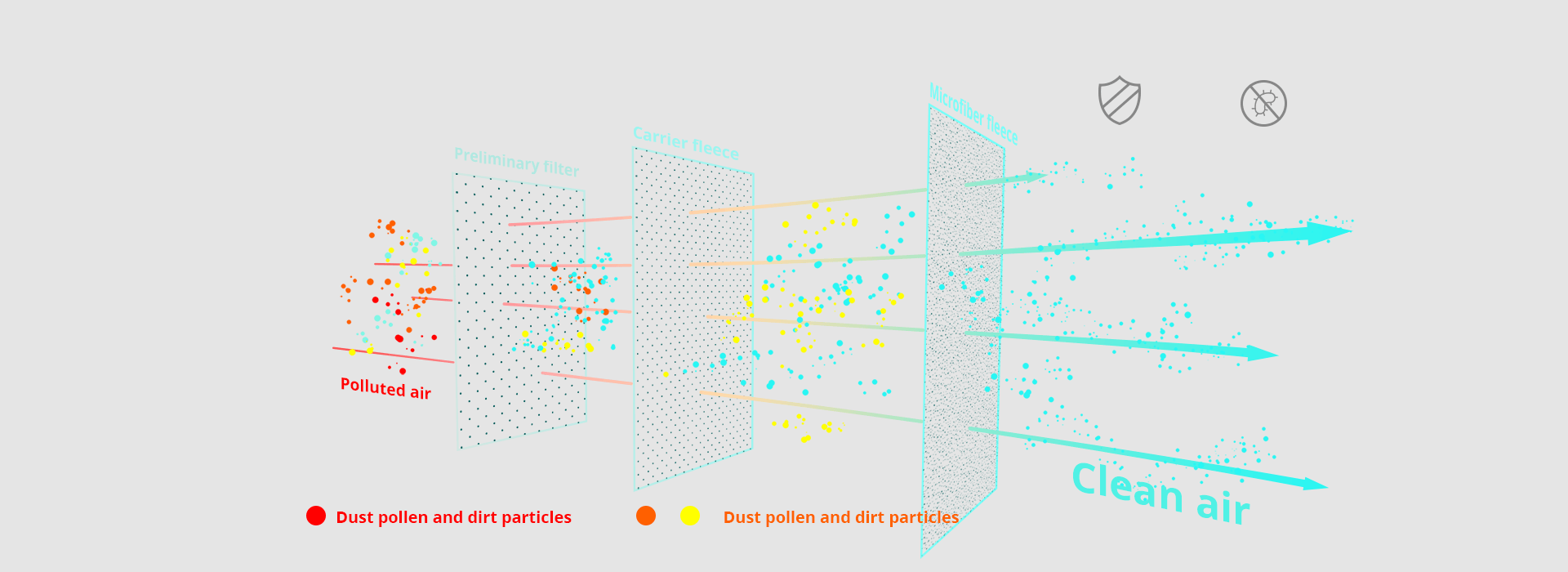
HisoAirの濾過技術は、H13True(トゥルー)フィルターにより、山火事の煙に対して優れた性能を発揮します。 ヘパ を含む0.1ミクロンまでの粒子を99.95%捕集するフィルターです。 PM2.5, VOCそして PAHs.スマートなセンサーと静かな運転音で効率性を高め、どんなスペースにも最適です。

窓際にヒソエアの空気清浄機を設置したモダンなリビングルーム
空気清浄機のあるモダン・リビングルーム

山火事の煙の課題

山火事の多い地域に住んでいると、煙がいかに卑劣で蔓延しているかを思い知らされる。臭いだけでなく、次のような小さな汚染物質もある。 PM2.5, PAHsそして VOC 空気は私たちの家に侵入し、私たちの健康に影響を与える可能性がある。このことに気づき、私は頑丈な空気ろ過システムの重要性を理解した。

ヒソエアの高度ろ過システム

H13年 ヘパ ろ過

ヒソエアに出会うまで、数え切れないほどの空気清浄機を調べたことを覚えている。そのH13トゥルー ヘパ のような微細な侵入者を99.95%も捕らえるという画期的なものだった。 PM2.5 そして PAHs.家族が安心できることがわかったことは、大きな救いだった。

フィルタータイプ 効率性 ターゲット
H13年 ヘパ 99.95% PM2.5, PAHs

フィルターソリューション

デシベル・キャンセリング™テクノロジー

HisoAirで印象的だったのは、動作音が静かなことです。Decibel Cancellation™テクノロジーのおかげで、一日中清浄機を稼動させていても、日常生活や平穏な夜の邪魔になりません。
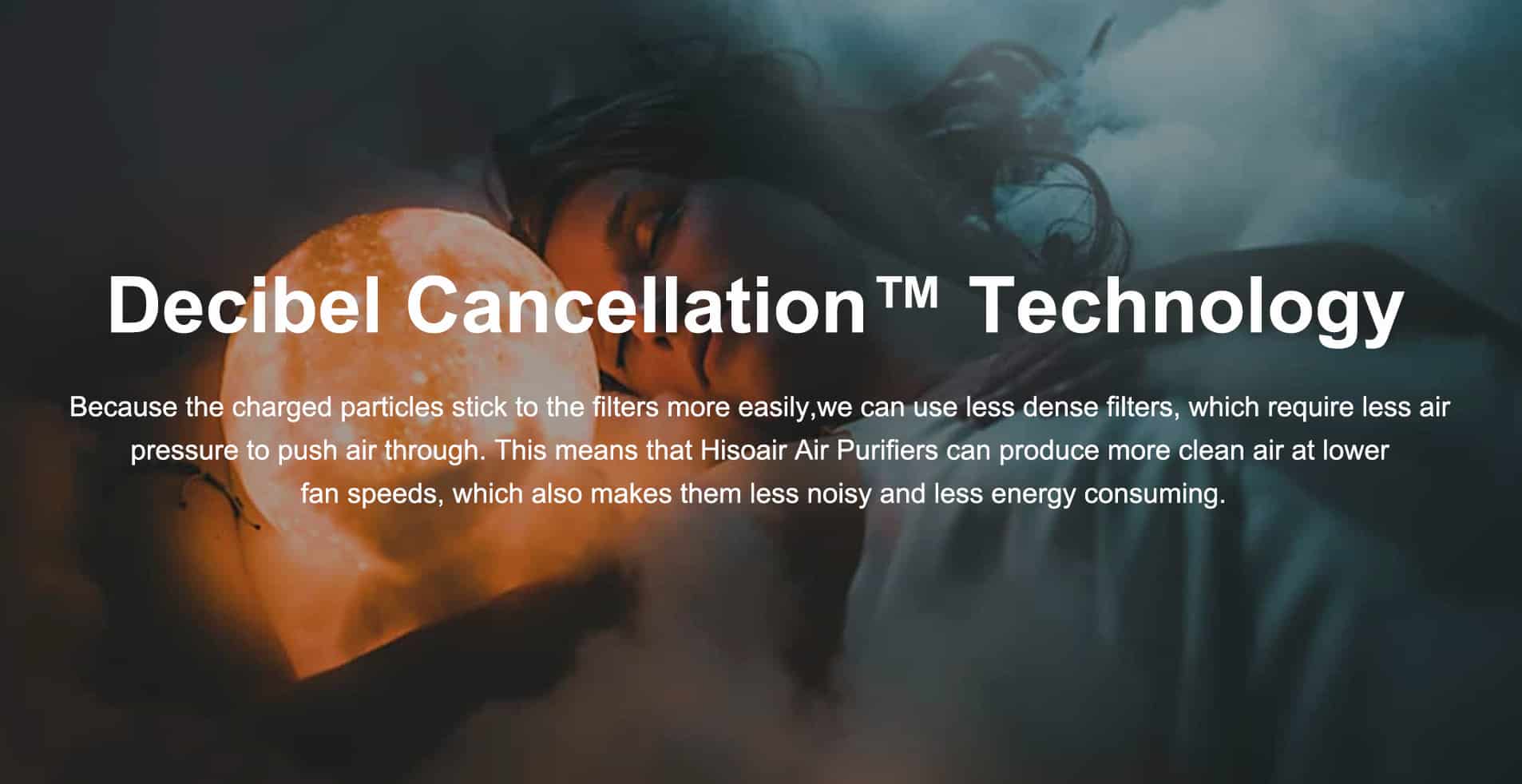
ヒソエアのデシベルキャンセル

スマートセンサー技術

HisoAirの真の特徴は、そのインテリジェンスにある。スマートセンサーが常に空気の質をモニターし、必要に応じて調整します。私が指一本動かすことなく、空気が新鮮で安全な状態に保たれるように見守ってくれているようなものです。
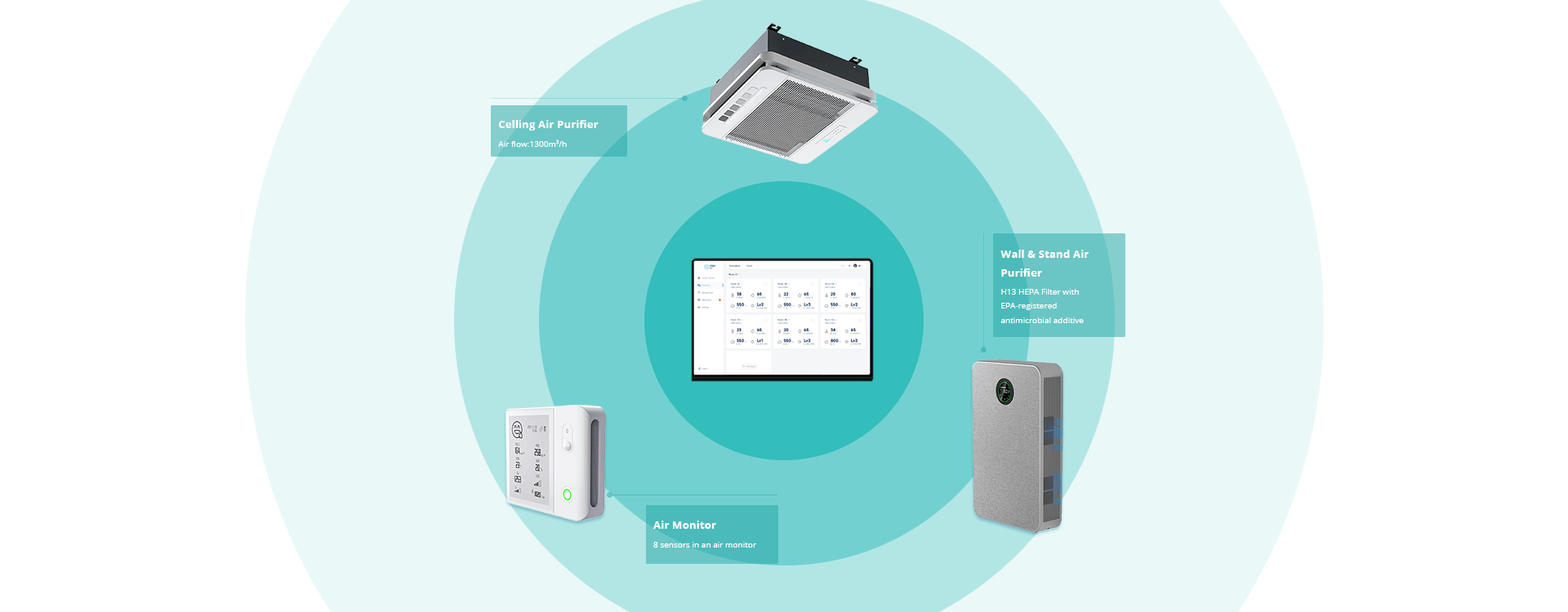
空気清浄システム

ヒソ空気清浄機の実用例

ヒソ空気清浄機は多用途で、さまざまな環境にシームレスにフィットします:

  • 住宅とアパート:煙に対抗し、空気の質を改善するために、家の周りに戦略的にユニットを配置しました。
  • オフィスとワークスペース:最小限の騒音で生産性と健康を維持することを想像してみてください。
  • 学校と公共施設:特に山火事の季節には、生徒やスタッフのためにきれいな空気を保つことが重要です。

の効果について、さらに詳しく知りたい。 ヘパ フィルター1 そして 空気品質モニタリング2これらのリソースを検索してください。

HisoAirフィルターはPM2.5粒子を99.95%除去します。真

HisoAirは、99.95%の効率を持つH13 True HEPAフィルターを使用しています。

デシベル・キャンセリング™により、HisoAirは他社製品よりも大きな音量を実現しています。偽

デシベル・キャンセリング™テクノロジーにより、静かな動作を実現。

山火事の季節に空気清浄機はどのように健康を改善するのか?

山火事の季節に屋内に閉じ込められ、自分の家でさえも煙に支配されているのを感じたことがあるだろうか?私は経験がある。

空気清浄機は、山火事の季節に、以下のような有害な粒子やガスを除去して健康を増進する。 PM2.5 そして VOC 室内空気から、煙にさらされることによる呼吸器や心臓のリスクを軽減する。

フローリングの床に洗練された空気清浄機が置かれたモダンなリビングルーム
空気清浄機のあるモダン・リビングルーム

山火事の煙が健康に及ぼす影響

山火事の煙が健康に及ぼす影響を初めて実感したときのことを、私は今でも覚えている。外の空気がまるで黙示録的な映画のワンシーンのようだった夏のことだ。私は家の中にいたが、目がチクチクし、喉がイガイガした。その時、私は山火事の煙が、そのような小さなものであることを知ったのだ。 ばいじん3 (PM2.5 やPM10)が室内に浸透し、私たちの肺に大打撃を与える可能性がある。

微粒子タイプ サイズ 健康への影響
PM2.5 <2.5ミクロン 肺に浸透し、炎症を引き起こす
PM10 <10ミクロン 喘息やその他の呼吸器疾患の引き金になる

空気清浄機による室内汚染対策

私は自分と家族を守る方法を見つけなければならなかった。 ヘパ フィルター4.この魔法のマシンは、以下のような厄介な粒子を99.95%まで捕捉することができる。 PM2.5.山火事の煙がもたらす健康リスクを積極的に軽減するものがあると知って、とても安心しました。
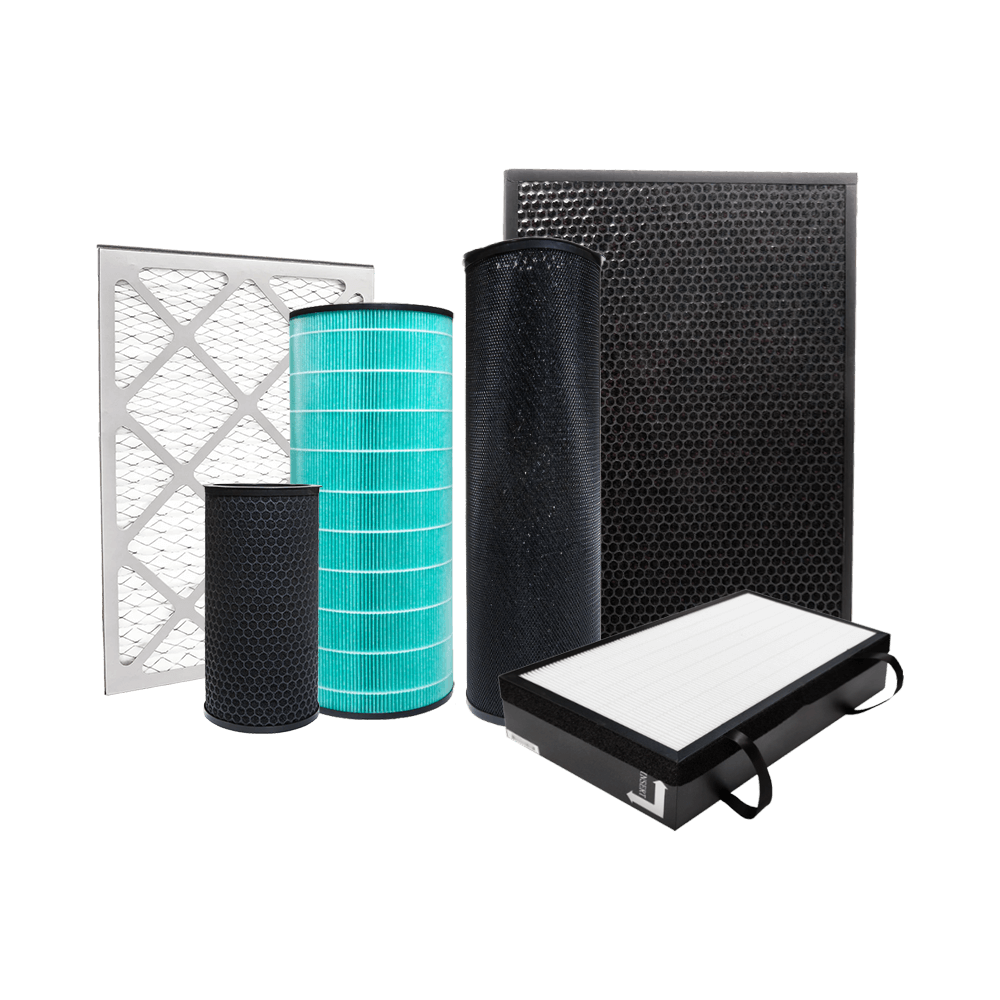
フィルターソリューション

メリット ヘパ ろ過

  • 高効率:微細な粒子やアレルゲンを捕集します。
  • 多目的な使用:家庭、オフィス、その他の屋内空間に適しています。
  • 静かな動作:多くのモデルがノイズ低減技術を採用している。

揮発性有機化合物(VOC)

もうひとつの教訓は VOC-山火事の煙に含まれるガスだ。ありがたいことに、多くの空気清浄機には活性炭フィルターが搭載されており、これらのガスを吸着してくれる。

例 VOC 空気清浄機による除去

  • ベンゼン
  • ホルムアルデヒド
  • トルエン

リアルタイム大気質モニタリング

私のゲームを大きく変えたのは、先進的な空気清浄機に搭載されたスマートセンサーだ。空気の質に関するデータをリアルタイムで提供してくれるので、私たちが何を吸い込んでいるのかが正確にわかるのです。この数値を見て、空気清浄機が自動的に調整され、私たちの空気ができるだけきれいに保たれるのを見ると、力が湧いてくるような気がします。

  • ユーザーインサイト:大気質指標(AQI)レベルを表示します。
  • 自動応答:浄化を最適化するためにファンの回転数を調整します。

山火事の煙の危険性を理解し、空気清浄機がどのように私たちの呼吸を楽にしてくれるかを理解することは、人生を変えることになった。この季節を乗り切るだけでなく、一年中健康的な環境を維持することが重要なのだ。安心のためだけでなく、煙の多い日々をより健康的に過ごすためにも、ぜひ皆さんも空気清浄機を試してみてください。

空気清浄機はPM2.5粒子を99.95%除去する。真

空気清浄機のHEPAフィルターは、有害な微小粒子を効果的に捕捉する。

VOCは空気清浄機では除去できない。偽

清浄機の活性炭フィルターがVOCを吸着し、空気の質を改善する。

山火事の際、屋内の空気の質は屋外より悪くなるのか?

山火事の際に屋内にいることが本当に身を守ることになるのか、疑問に思ったことはないだろうか。

そう、山火事の際には、屋内の空気の質が外気よりも悪くなることがあるのだ。煙は容易に家屋に侵入し、適切なろ過を行わないと、次のような汚染物質が発生する。 PM2.5 そして VOC が蓄積し、深刻な健康被害をもたらす可能性がある。

煙が充満する居心地の良いリビングルーム
煙が舞うリビングルーム

屋内と屋外の空気の質を理解する

空は不気味なオレンジ色に染まり、外の空気はキャンプファイヤーのような異臭を放っていた。空は不気味なオレンジ色に染まり、外の空気はキャンプファイヤーのような異臭を放っていた。しかし私は、煙は閉め切った窓など気にも留めないことを痛感した。煙は小さな隙間や換気口からしみ込み、次のようなものを運んでくるのだ。 PM2.55 そして VOC6-肺に大惨事をもたらす厄介な微粒子だ。

汚染物質の種類 説明
PM2.5 肺の奥深くまで浸透する微粒子
VOC 刺激の原因となる揮発性有機化合物

室内空気の質を悪化させる要因

  1. 煙の浸透:煙のしつこさには驚かされる(そしてイライラさせられる)。煙はあらゆる隙間から入り込み、私たちが安全だと思っている場所にも入り込んでくる。
  2. 濾過なしの蓄積:いったん室内に入ると、信頼できる空気清浄機で追い出さない限り、これらの汚染物質は不要な客のようにたむろしている。

濾過装置のない家では、外気よりも粒子状物質のレベルが高いという研究結果を見たことがある。私たちが知らず知らずのうちに、どれだけの量にさらされているのかを考えると憂慮すべきことだ。

室内空気の質の低下に伴う健康リスク

適切な空気清浄機を使わずに室内にいるのは、ベッドの下にいる怪物を無視するようなものだ。山火事の煙を吸い込むと、咳や息苦しさといった恐ろしい健康問題や、心臓発作のような深刻な問題を引き起こす可能性がある。信じてほしい、私は煙で空気が濃くなると胸が締め付けられるのを感じたことがある。

  • 咳や呼吸困難などの呼吸器系の問題。
  • 心臓発作のリスク上昇を含む心血管障害。

高度な空気ろ過の重要性

だから、空気清浄機のようなしっかりした防御システムを導入することがいかに重要であるかは、いくら強調してもしきれない。 H13年 ヘパ フィルター7.これらの悪い男の子は、それらの卑劣な汚染物質の99.95%までフィルタリングし、それらの煙の多い日中にあなたの屋内の空気をできるだけきれいに保ちます。

山火事の間は、屋内の空気の質は常に良くなる。偽

濾過がなければ、室内の空気は屋外よりも汚染物質が多い可能性がある。

HEPAフィルターはPM2.5とVOCを99.95%除去します。真

HEPAグレードのフィルターは、小さな粒子に対して非常に効果的です。

山火事の煙対策に他社製品ではなくHisoAirを選ぶ理由

空が不気味なオレンジ色に染まり、空気がキャンプファイヤーのような異臭を放ったあの夏を覚えているだろうか。それは山火事の季節であり、室内の空気がいかに重要であるかを思い知らされる。

H13で他ブランドを圧倒するヒソエア ヘパ 有害な山火事の煙や有害物質からしっかりと保護します。

空気清浄機と太陽光を取り入れたモダンなリビングルーム
空気清浄機のあるモダン・リビングルーム

高度なろ過技術

山火事の煙の正体を初めて調べたときのことをよく覚えている!目に見えない小さな粒子は冗談ではありません。だからこそ、HisoAirのH13 True ヘパ フィルターはゲームチェンジャーです。0.1ミクロンまでの厄介な粒子を99.95%捕集します。 PM2.5, PAHs8そして VOC.このような汚染物質に対して空気清浄機が私の背中を押してくれるということは、安心感を与えてくれる。

デシベル・キャンセリング™による静音動作

うるさい空気清浄機の音を聞きながら眠ろうとしたことがあるだろうか?私はしたことがありますが、はっきり言って楽しくありません。だから私は、HisoAirのDecibel Cancellation™テクノロジーを高く評価しています。まるで忍者のような空気清浄機で、ぐっすり眠っている間に静かに仕事をしてくれるのです。この機能は単なる贅沢品ではなく、私たちの家庭になくてはならないものなのです、 事業所9また、騒音が気になる学校などでも使用できる。

インテリジェント大気品質モニタリング

私がHisoAirで気に入っているのは、スマートセンサー技術だ。家の中にミニ気象予報士がいるようなもので、リアルタイムで空気の質をチェックしてくれる。最適な状態に保つために自動で設定も調整してくれるので、心配事がひとつ減りました。さらに、ダッシュボードのインサイトによって、汚染物質のレベルがどうなっているかを正確に把握することができ、室内環境をよりよく管理できるようになりました。

特徴 ヒソエア その他のブランド
ろ過レベル H13年 ヘパ 通常は下位グレード ヘパ
騒音レベル デシベル・キャンセリング™テクノロジー 高い設定ではノイズが多い
大気質センサー リアルタイムの洞察力を持つスマートセンサー 基本的または不在

多彩なアプリケーション

HisoAirのデザインは、私のニーズと同じくらい多用途です。スタンドアローンで自宅の複数の部屋を効率的に掃除することも、職場できれいな空気を確保することで生産性を高めることも、この製品に任せています。また、教育機関の生徒やスタッフを煙の害から守ってくれるのも嬉しいですね。

  • ホームズ 独立型ユニットで複数の部屋を効果的に清掃。
  • ワークスペース きれいな空気を確保することで、従業員の健康と生産性を高めます。
  • 教育機関: 煙の有害な影響から生徒と職員を守ります。

ヒソエアを選ぶ理由は、単に優れているというだけではない。 空気浄化10それは持続可能性とエネルギー効率にコミットすることでもある。それは私がいつでも支持できることだ。

HisoAirフィルターは99.95%の粒子を捕集します。真

HisoAirはH13トゥルーHEPAフィルターを使用しており、0.1ミクロンの微粒子まで捕集します。

デシベル・キャンセレーション™により、HisoAirは他社製品よりも低騒音です。偽

HisoAirのDecibel Cancellation™技術により、他社製品よりも静かな運転音を実現しています。

結論

HisoAir空気清浄機は、H13 Trueを使用して山火事の煙に効果的に対処します。 ヘパ 有害な粒子を99.95%捕集するフィルターにより、室内の空気を清浄にし、山火事の季節の健康増進に役立ちます。


  1. このリンクでは、HEPAフィルターの仕組みと、山火事の煙の粒子を捕捉する効果について詳しく説明しています。 ↩

  2. リアルタイムの空気品質モニタリングシステムの重要性と、健康的な室内環境の維持におけるその役割を探る。 ↩

  3. PM2.5粒子とその健康への影響について学ぶことは、空気清浄機がどのようにあなたを守るかを理解する上で非常に重要です。 ↩

  4. HEPAフィルターがどのように有害な粒子を捕捉し、空気の質を改善するのに不可欠なのかをご覧ください。 ↩

  5. 山火事の煙に含まれる特定の粒子やガスと、それらが健康に及ぼす影響について学ぶ。 ↩

  6. 山火事の際、屋内の粒子状物質が屋外のレベルを上回ることがある理由と、これを軽減する方法をご覧ください。 ↩

  7. H13トゥルーHEPAフィルターがどのように機能し、室内の空気を浄化する効果があるのかをご覧ください。 ↩

  8. 山火事の煙に含まれる多環芳香族炭化水素(PAHs)が健康にどのような影響を及ぼすのか、そしてなぜPAHsの除去が重要なのかを学ぶ。 ↩

  9. 静かな空気清浄機がいかに職場の快適性と生産性を向上させるかをご覧ください。 ↩

  10. 高度な空気浄化が室内の空気の質を高め、全体的な健康をどのように向上させるかをご覧ください。 ↩

シェアする
Alwen Lee of HisoAir
Alwen Lee, an air purification expert with over 10 years of experience, is a devoted father of two and a passionate traveler, having explored more than 30 countries. With a love for public speaking and swimming, he has dedicated his life to the indoor air quality industry. His mission is to ensure that people around the world enjoy the freedom to breathe clean air and lead happy, healthy lives.

メッセージを送る

Related Products

もっと読む

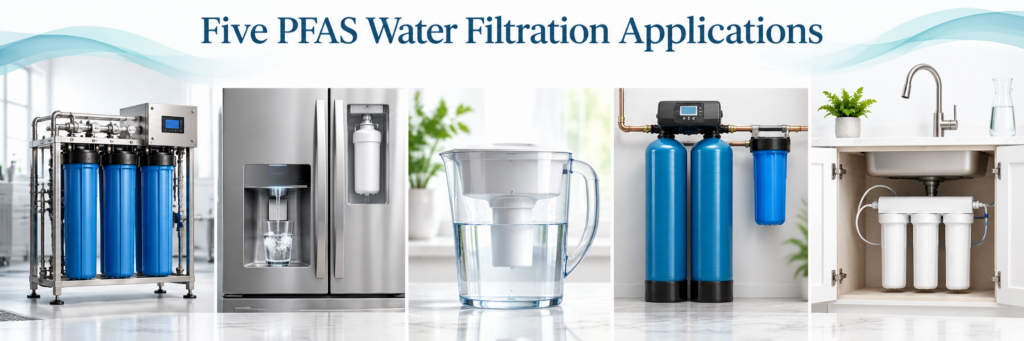
Five PFAS-certified water filter formats on a kitchen counter

PFAS-Certified Water Filters: What 5 Established Brands Reveal for Private-Label Buyers (2026)

What established filtration brands reveal about PFAS technology — and how emerging brands can bring certified solutions to market through OEM/ODM partnerships. Every month, brand ...
News, Water Purifiers
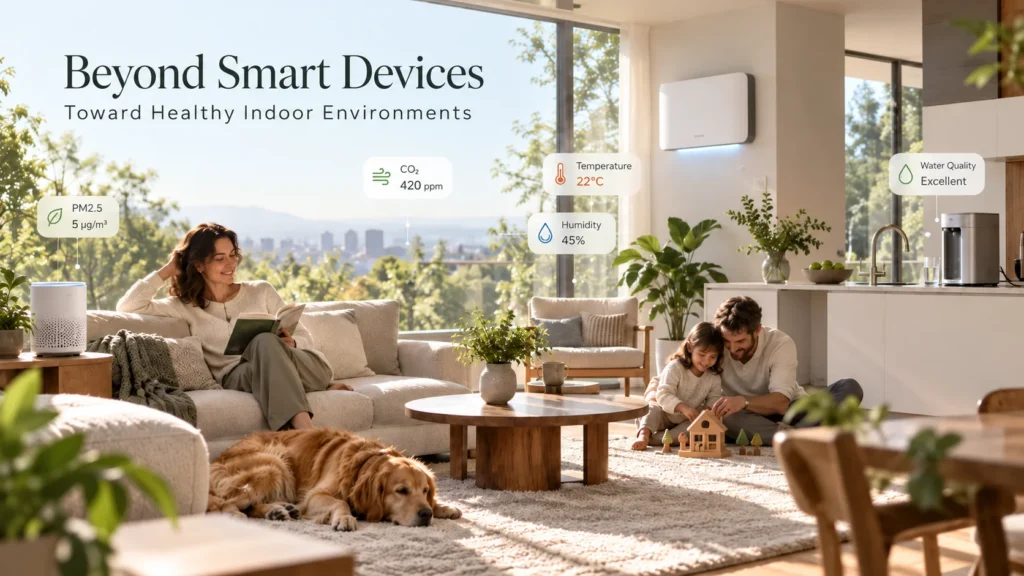
Modern living room with a family enjoying a healthy indoor environment monitored by smart devices, natural lighting, and greenery.

After IFA 2026: The Healthy Home Is Moving Beyond Smart Devices

In our previous IFA 2026 column, Air Purification Is Becoming Part of the Healthy-Home Platform, we argued that the next generation of indoor-health products would ...
ニュース
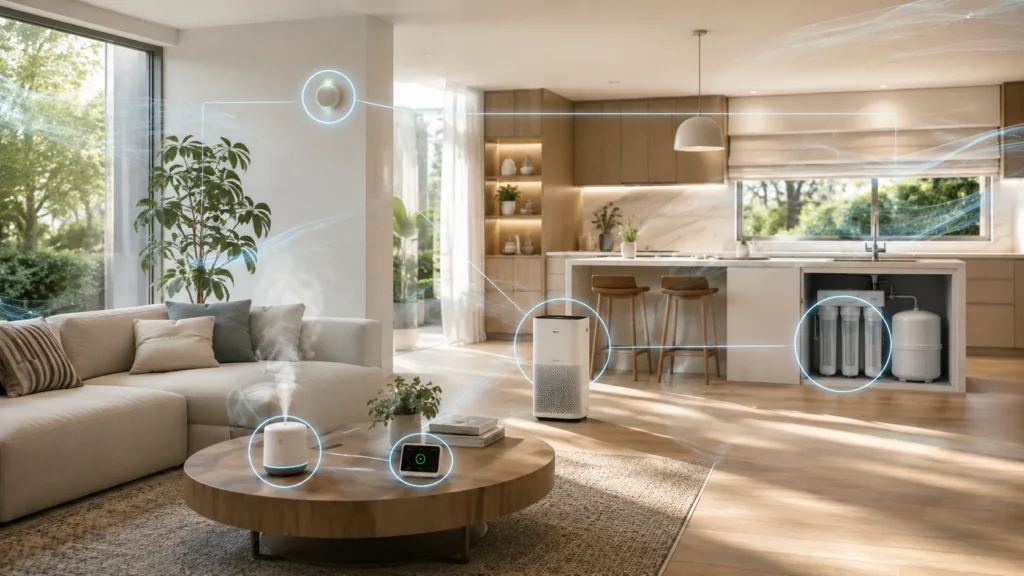
Modern living room and kitchen with smart home air quality devices including an air purifier, humidifier, and water filtration system, connected with visualized blue connectivity lines.

IFA 2026: Air Purification Is Becoming Part of the Healthy-Home Platform

Pre-IFA Industry Perspective | September 4, 2026 This article is based on official announcements and regulatory information available ahead of IFA 2026, which takes place ...
ニュース
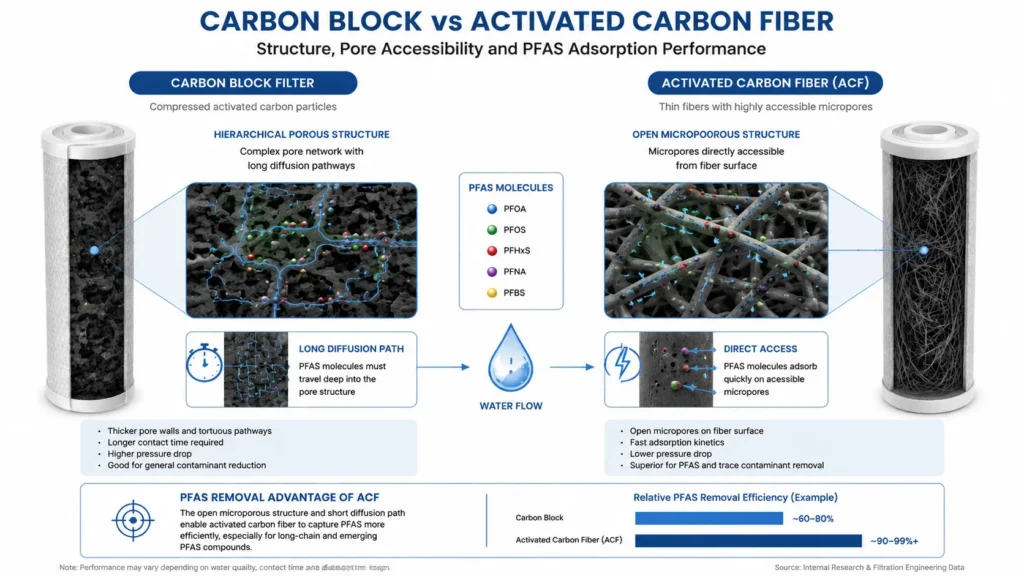
Comparison infographic showcasing the differences between carbon block filter and activated carbon fiber. Detailed diagrams illustrate the hierarchical porous structure of the carbon block with long diffusion paths and the open microporous structure of the activated carbon fiber with direct access for PFAS adsorption.

Carbon Block vs. Activated Carbon Fiber (ACF): Matching Media to Target Contaminants

Two carbon media. Same adsorption chemistry. Very different behaviour in a point-of-use cartridge. If you are specifying a water purifier platform for a PFAS-aware market, ...
ニュース
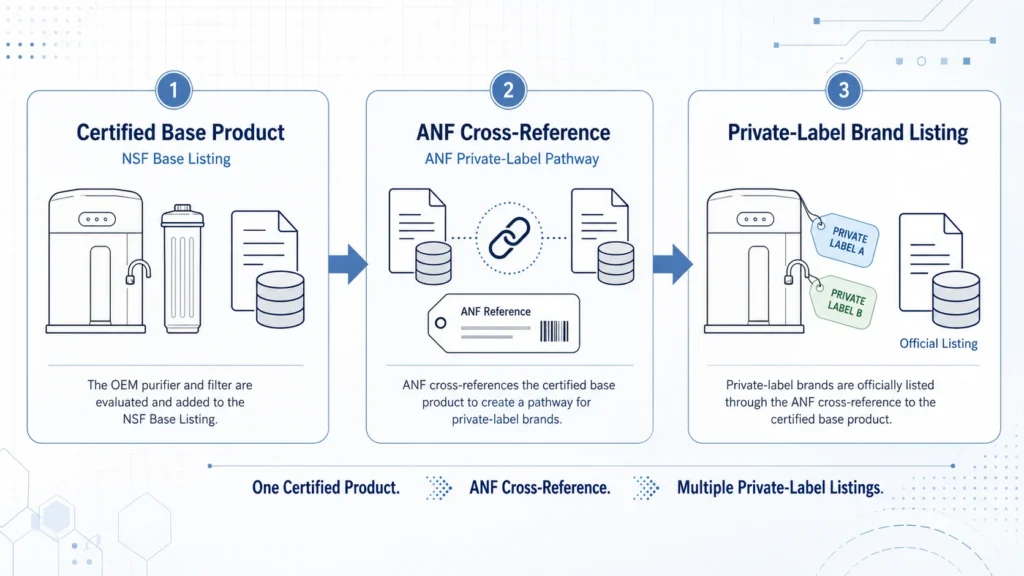
NSF base listing and ANF private-label certification pathway for OEM water filters

What Is an NSF Master Listing? A Guide to Base Listings, ANF Certification and OEM Water Filters

For a brand preparing to launch an OEM water purifier, one of the most common supplier claims is: “We already have an NSF master listing, ...
News, Water Purifiers
Healthy-home brand team reviewing PFAS water filter certification, test data and product engineering

Entering the Water Category Is Easy. Building a Credible PFAS Claim Is Much Harder

For air purification, appliance and healthy-home brands, entering the water category can look surprisingly easy. A company can select an existing undersink system, customize its ...
ニュース
Contaminant Engineering•3 min read

PFAS Water Filtration Technologies Explained: Carbon, Resin & RO

Key Takeaway:

PFAS reduction depends on the specific compounds present, treatment media, contact time, water chemistry, and system design. Activated carbon, ion exchange, and Reverse Osmosis address PFAS through different mechanisms.

PFAS are a large family of persistent fluorinated compounds that can occur in drinking-water supplies. Their treatment behavior varies significantly by molecular structure, chain length, functional group, concentration, and the chemistry of the source water.

Granular Activated Carbon (GAC) removes PFAS primarily through adsorption. It is generally more effective for many longer-chain PFAS, while shorter-chain compounds tend to break through more quickly. Carbon performance depends on media properties, Empty Bed Contact Time (EBCT), competing organic matter, loading, and replacement frequency.

Ion-exchange resins use charged functional sites to capture many PFAS compounds. Properly selected anion-exchange media can provide high capacity and may perform better than conventional activated carbon for some shorter-chain PFAS, although performance still depends on water chemistry and competing ions.

Reverse Osmosis (RO) uses membrane separation rather than adsorption. Properly designed RO systems can provide broad reduction across many PFAS compounds as well as dissolved salts and other contaminants. Unlike carbon or resin, however, RO also produces a concentrate stream that must be managed.

No single technology should be selected from a PFAS label alone. System design should consider which PFAS compounds are present, their concentrations, required reduction targets, flow rate, media life, and the applicable third-party certification or validation requirements.

HisoAir Water Technical Series
Product Discovery•3 min read

How to Choose an Under-Sink Water Purifier for Modern Kitchens

Key Takeaway:

Match the treatment technology to your water quality first, then evaluate cabinet space, faucet configuration, flow rate, drain and power requirements, and filter replacement needs.

Choosing an under-sink water purifier starts with water chemistry. Carbon filtration is well suited to chlorine, taste, odor, and many organic contaminants, while Reverse Osmosis is more appropriate when dissolved salts, fluoride, nitrates, or broader dissolved contaminants need to be reduced.

For compact kitchens, tankless RO systems eliminate the conventional storage tank and can significantly reduce the space required under the sink. However, membrane capacity stated in GPD does not directly equal faucet flow. When comparing systems, check the actual dispensing flow rate, inlet-pressure requirement, recovery ratio, and whether a booster pump is required.

Installation architecture also matters. Many RO systems require a drain connection, electrical power, and either a dedicated drinking-water faucet or a compatible multi-function faucet. High-flow carbon systems can often connect directly to the existing cold-water line with a simpler installation, but pressure drop and available faucet flow should still be verified.

RO also removes much of the naturally occurring dissolved mineral content. Where taste or mineral balance is a priority, a post-RO remineralization stage can be added. Filter life should be evaluated by both rated capacity and local water quality rather than replacement time alone.

The right system is therefore not simply the smallest or highest-GPD model. It is the configuration that matches the target contaminants, available cabinet space, desired faucet setup, peak dispensing demand, and maintenance expectations.

HisoAir Water Technical Series
Water Quality•2 min read

What Does TDS Mean in Drinking Water? Measurement vs Contaminant Reality

Key Takeaway:

A TDS meter estimates the overall concentration of dissolved ionic substances from electrical conductivity. It cannot identify specific contaminants or determine whether water is chemically safe.

Total Dissolved Solids (TDS) refers to the combined concentration of dissolved substances in water. Most handheld TDS meters do not measure TDS directly. Instead, they measure electrical conductivity (EC) and convert that reading into an estimated parts-per-million (ppm) value.

This means a TDS reading can indicate how much dissolved ionic material is present, but not what that material actually is. Calcium, magnesium, sodium, nitrates, and other dissolved ions can all contribute to conductivity, yet a simple TDS meter cannot distinguish between them.

TDS meters are also not suitable for detecting trace contaminants such as PFAS, many VOCs, pesticides, pharmaceuticals, or disinfection byproducts. These substances may be present at concentrations far below the level needed to noticeably change electrical conductivity.

A low TDS reading therefore does not guarantee safe drinking water, and a higher TDS reading does not automatically indicate contamination. Water-treatment decisions should be based on laboratory testing for specific contaminants of concern rather than TDS alone.

HisoAir Water Technical Series
Technology Selection•2 min read

RO vs UF Water Filtration: Understanding Pore Sizes & Dissolved Minerals

Key Takeaway:

Ultrafiltration can reduce bacteria, turbidity, and suspended particles while retaining most naturally occurring dissolved minerals. Reverse Osmosis provides much broader reduction of dissolved salts and smaller contaminants.

Ultrafiltration (UF) typically uses hollow-fiber membranes with pore sizes in the approximate 0.01–0.1 micron range. These membranes physically retain turbidity, suspended solids, colloids, and many microorganisms while allowing dissolved minerals and salts to remain in the water.

Reverse Osmosis (RO) operates at a much finer separation level. Unlike UF, RO can substantially reduce dissolved ions such as sodium, calcium, fluoride, nitrates, and other contributors to total dissolved solids (TDS). This makes RO more suitable when dissolved-salt reduction is a primary treatment objective.

UF generally requires less system pressure and produces little or no continuous concentrate stream in many point-of-use configurations. RO typically requires greater pressure and produces a reject-water stream, but delivers broader contaminant reduction.

For water with acceptable TDS and mineral content, UF can be a simpler mineral-retaining treatment option. Where dissolved salts, fluoride, nitrates, or broader dissolved contaminants are a concern, RO is generally the more appropriate technology.

HisoAir Water Technical Series
Technology Selection•4 min read

Carbon Block vs Reverse Osmosis: Which Fits Your Need?

Key Takeaway:

Choose RO for dissolved inorganic salts and heavy metals; choose Carbon Block for chemical taste/odor, no wastewater, and high line-pressure flow.

Reverse Osmosis (RO) and Carbon Block filtration represent two fundamentally different treatment methods: membrane separation and adsorption. Understanding these differences helps determine which technology is better suited to a specific water-quality requirement.

Reverse Osmosis uses a semi-permeable membrane with pore sizes of approximately 0.0001 microns. It can significantly reduce dissolved inorganic contaminants such as TDS, fluoride, nitrates, and certain heavy metals. Because water must be forced through the membrane, RO systems require sufficient pressure or a booster pump and generate a concentrated wastewater stream.

Carbon Block filtration relies primarily on adsorption through compressed activated carbon, commonly with nominal pore sizes around 0.5–5 microns. It is highly effective for chlorine, chloramines, VOCs, taste, and odor, while allowing substantially higher direct-flow rates without producing wastewater.

From an operating perspective, Carbon Block systems are generally simpler, require less energy, and avoid the water loss associated with RO. RO involves higher system complexity and operating cost, but provides substantially broader reduction of dissolved contaminants that Carbon Block alone cannot address.

HisoAir Water Technical Series

見積依頼