
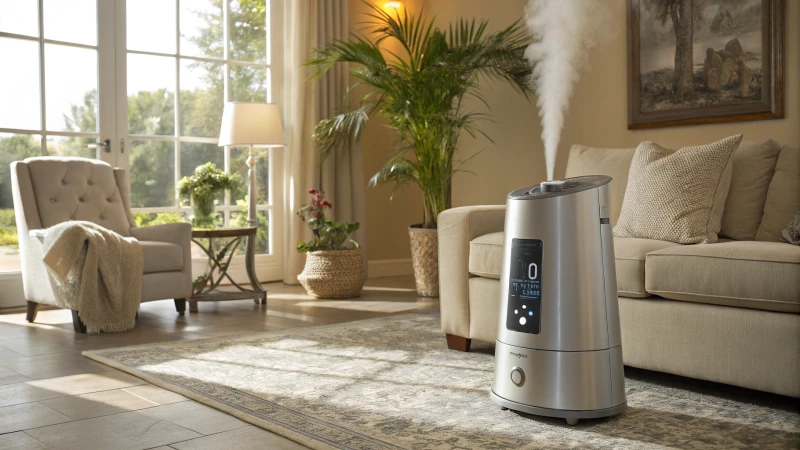
Ever wondered what the future holds for humidifiers? Dive into the trends shaping tomorrow's air quality solutions.
The future of humidifiers is all about evaporative technology, stainless steel tanks, and IoT integration. These innovations are set to enhance health benefits, efficiency, and connectivity in our homes.
I remember the first time I realized how important the right humidifier can be. It was a dry winter evening, and I was struggling with parched skin and a scratchy throat. That's when I started exploring options that could not only relieve these symptoms but also integrate seamlessly with my smart home setup. Evaporative technology caught my attention because it reduces bacterial growth—perfect for someone like me who isn't always on top of cleaning schedules. And the move towards stainless steel tanks? A game-changer for hygiene and ease of maintenance.
IoT integration feels like a natural progression. Imagine controlling your humidifier with a smartphone, syncing it with other smart devices, and creating an optimal indoor environment effortlessly. As someone who loves tech but hates unnecessary complexity, these trends promise both convenience and peace of mind. Let's dive deeper into these innovations and see how they might transform our living spaces.
Humidifiers with IoT integration are becoming more popular.真
IoT integration enhances connectivity and control, driving popularity.
Stainless steel tanks in humidifiers are less efficient than plastic.偽
Stainless steel tanks are durable and often more efficient than plastic.
Why is Evaporative Technology Gaining Popularity?
When I first stumbled upon evaporative technology, it was like discovering a hidden gem in the world of cooling systems. This eco-friendly marvel not only promises efficiency but also whispers the promise of cleaner air, making it perfect for our planet-conscious times.
Evaporative technology is gaining popularity because it combines energy efficiency, affordability, and eco-friendliness, offering a sustainable cooling solution that enhances indoor air quality by naturally humidifying the air.
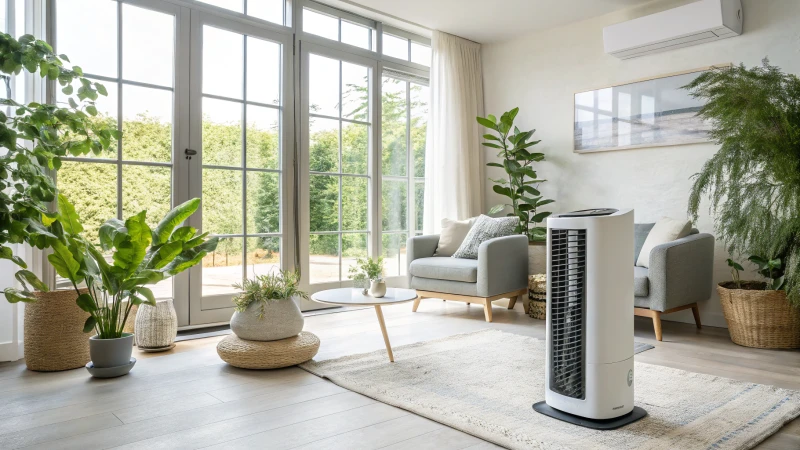
Understanding Evaporative Technology
I remember the first time I experienced the gentle, refreshing coolness of evaporative technology—it felt like stepping into a soothing oasis on a scorching day. This technology works by cooling the air through water evaporation, which is much more energy-efficient than those energy-guzzling traditional air conditioning1 systems we all know. As the water evaporates, it absorbs heat, cooling the air around us, making it especially effective in those dry, desert-like climates.
Energy Efficiency and Cost-effectiveness
One day, as I crunched numbers trying to lower my electricity bill, I realized just how much less expensive evaporative coolers are to operate. They use up to 75% less electricity compared to conventional cooling systems. For someone like me, always seeking ways to be more budget-conscious and sustainable, they are a dream come true.
| 特徴 | Traditional AC | Evaporative Technology |
|---|---|---|
| エネルギー消費 | 高い | 低い |
| Cooling Mechanism | Refrigerants | Water Evaporation |
| 初期費用 | 高い | 中程度 |
| メンテナンス | Regular Servicing | 最小限 |
環境面でのメリット
I often think about the impact my choices have on the environment. That's why I was thrilled to learn that evaporative coolers are kinder to our planet. Unlike traditional systems that rely on harmful refrigerants, evaporative coolers don’t emit gases that harm our atmosphere. They’re a preferred choice2 for anyone who cares about reducing their carbon footprint.
Indoor Air Quality Improvement
Living in a dry climate myself, I've battled with dry skin and respiratory issues every winter. Evaporative technology has been a game-changer for me; it naturally humidifies the air while cooling it. This has helped prevent those pesky dry skin problems and made my living space far more comfortable.
技術の進歩
I'm a tech enthusiast at heart, so when I heard about IoT and smart sensors being integrated into evaporative coolers, my interest piqued. These innovations are turning coolers into smart devices that can adjust themselves based on real-time data. It’s like having a personal assistant who ensures my home stays comfortable and efficient through smart home platforms3. How cool is that?
Evaporative coolers use 75% less electricity than ACs.真
Studies show evaporative coolers consume up to 75% less power.
Evaporative technology emits harmful gases into the environment.偽
Evaporative coolers use water, not refrigerants, avoiding gas emissions.
Why Choose Stainless Steel Tanks for Humidifier Hygiene?
Have you ever wondered how the material of your humidifier tank could affect your health?
Stainless steel tanks in humidifiers drastically improve hygiene by minimizing bacterial growth, resisting corrosion, and simplifying cleaning compared to plastic. Their robust design ensures a longer-lasting, cleaner operation, contributing to healthier indoor air quality.
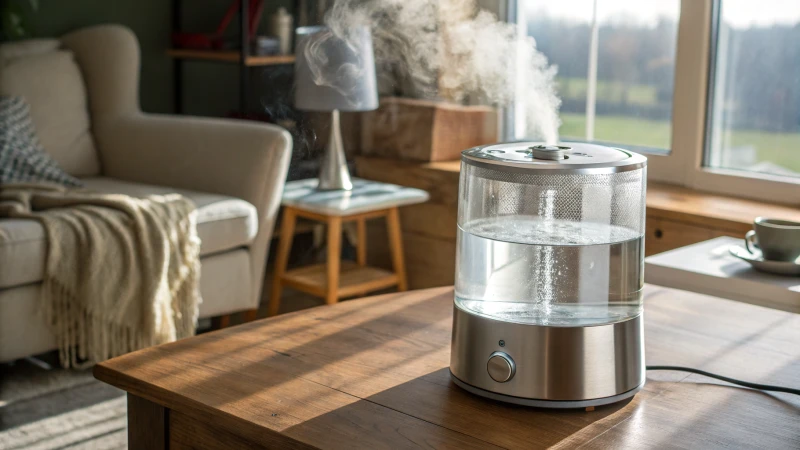
The Role of Material in Hygiene
I remember the day I decided to take a closer look at the material of my humidifier's tank. It was a plastic one, and after weeks of use, I noticed a strange odor and some visible grime that just wouldn't scrub away. That’s when I learned about the perks of stainless steel. This material is naturally resistant4 to bacteria and mold, thanks to its non-porous surface that prevents microorganisms from getting comfortable.
Durability and Resistance
Here's another thing: stainless steel is tough. I used to worry about scratches on plastic tanks, knowing they could become a playground for bacteria. But stainless steel stays smooth and scratch-free, providing fewer hiding spots for germs. Plus, it's corrosion-resistant5, which means it holds up well even with frequent water exposure and cleaning.
| 素材 | Bacterial Resistance | 耐久性 | Cleaning Ease |
|---|---|---|---|
| Stainless Steel | 高い | 高い | 高い |
| プラスチック | 低い | ミディアム | ミディアム |
Ease of Cleaning
Cleaning my stainless steel tank has become a breeze. Its smooth surface makes it so much easier to wipe down thoroughly, which means I'm more likely to keep up with regular cleaning. This simple maintenance routine significantly lowers the risk of bacteria buildup.
環境への影響
And let's not forget about our planet! Unlike plastic, stainless steel doesn't break down into harmful microplastics. Choosing this material feels like a win-win for my health and the environment.
Understanding these benefits has made me see why stainless steel tanks are becoming a go-to choice for those looking to maintain hygienic conditions in humidifiers. With the increasing demand for healthier indoor environments, choosing materials that support this lifestyle is more crucial than ever.
Stainless steel tanks resist bacterial growth.真
Stainless steel's non-porous surface prevents bacteria from embedding.
Plastic tanks are more durable than stainless steel.偽
Stainless steel is more durable and resistant to scratches than plastic.
What Role Will IoT Play in Next-Gen Humidifiers?
Ever wondered how a humidifier could get any cooler? Enter IoT, poised to revolutionize how we keep our homes comfy and healthy. Join me on this journey as we explore the future of smart humidifiers.
IoT technology is set to revolutionize humidifiers by enabling features like real-time monitoring, automation, and seamless integration with other smart home devices. These advancements will enhance performance and user convenience, making humidifiers smarter and more efficient.
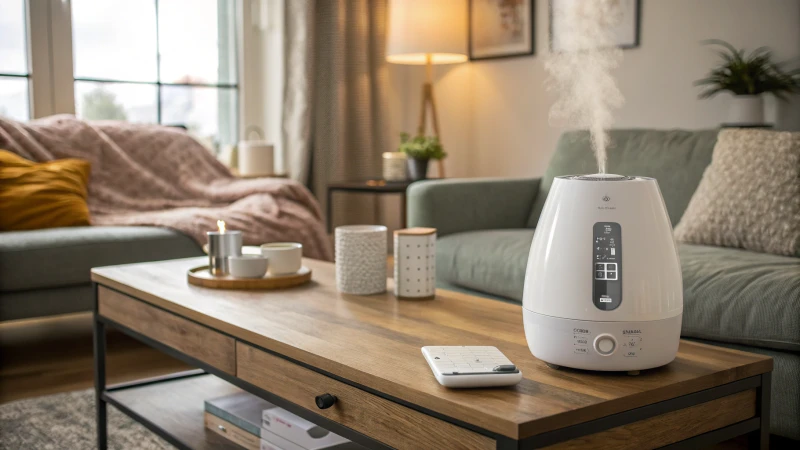
Enhanced Monitoring and Control
I remember the first time I got a humidifier—simple, effective, but oh-so-basic. Fast forward to today, and these devices are on the brink of a high-tech transformation. With IoT, next-gen humidifiers will let us monitor humidity levels directly from our smartphones. Imagine getting an alert when the air in your living room needs a boost of moisture, all while sipping coffee at a friend's house. Plus, this tech-savvy feature will help us decode humidity trends in our homes, much like how a weather app predicts the rain.
This feature enables users to maintain optimal indoor air quality and adjust settings remotely. Additionally, IoT integration offers data analytics that can help users understand6 humidity patterns in their home.
Automation for Improved Efficiency
Have you ever left your humidifier running all day, only to realize later that it was way too much? IoT-enabled humidifiers are about to change that. These smart gadgets will know exactly when to kick in, thanks to sensors that detect changes in humidity. Picture it—your device springing into action only when needed, saving energy and keeping your home feeling just right.
Automation will play a significant role in next-gen humidifiers:
| 特徴 | メリット |
|---|---|
| リアルタイム・モニタリング | Keeps track of humidity levels remotely |
| オートメーション | Saves energy by operating efficiently |
スマートホームシステムとの統合
Here's where things get really futuristic—IoT-enabled humidifiers syncing with other smart home devices. Picture your humidifier chatting with your air purifier and thermostat to create a perfectly balanced indoor climate. Imagine being able to manage everything through one smart home platform—a dream for anyone who loves the idea of a connected home.
The ability of IoT-enabled humidifiers to integrate with other smart home devices is another transformative aspect. Such integration can be managed through smart home platforms7, providing users with a centralized control hub.
Future Trends and Considerations
Peeking into the future, it's clear that IoT isn't just a trend; it's reshaping how we live. Manufacturers will need to tackle privacy and security concerns head-on as they develop these intelligent humidifiers. And as sensor technology evolves, I can't help but wonder what other cool features might be around the corner.
Looking ahead, manufacturers are likely to focus on privacy and security aspects of IoT humidifiers. Consumers should consider how their data is used and protected. The advancement in sensor technology8 will also influence the development of more sophisticated features in humidifiers.
For now, though, it's clear that IoT is set to redefine our relationship with home appliances, making them not only smarter but indispensable.
IoT humidifiers allow real-time monitoring via smartphone apps.真
IoT integration enables users to monitor humidity levels in real-time through apps.
Next-gen humidifiers operate continuously without automation.偽
Automation ensures they operate only when needed, conserving energy.
Are Eco-Friendly Humidifiers the Future of Home Appliances?
Have you ever wondered if your humidifier could be more than just a seasonal necessity?
Eco-friendly humidifiers are transforming home appliances by reducing energy use and enhancing air quality, aligning with today's eco-conscious lifestyles.
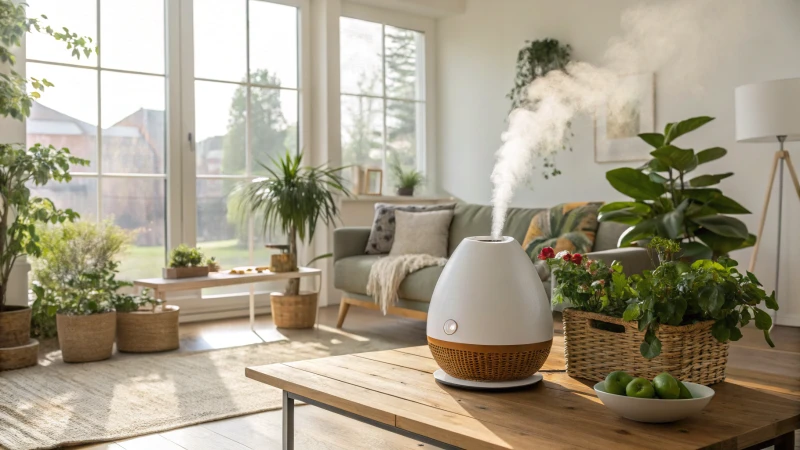
The Rise of Eco-Friendly Humidifiers
I remember the first time I set up a humidifier in my home. I was clueless about how it worked but hopeful that it would ease my winter woes. Fast forward a few years, and I find myself marveling at how far humidifiers have come, especially with the eco-friendly models that are now all the rage. These advanced devices rely on evaporative technology9, which seems like magic compared to the energy-guzzling versions I used before. Not only do they consume less power, but they also keep my home free from mold and bacteria, making the air feel fresher and healthier.
Material Innovations for Sustainability
There's something satisfying about knowing that my humidifier isn't just helping me breathe better but also doing its part for the planet. The shift to sustainable materials, like stainless steel instead of plastic, means these machines last longer and are easier to clean. It’s like trading in a clunky old car for a sleek, modern electric one—except this swap helps cut down on waste. The confidence of not having to worry about bacterial build-up is a game-changer.
| 素材 | メリット |
|---|---|
| Stainless Steel | Durable, Easy to Clean |
| Biodegradable Plastics | Reduced Environmental Impact |
スマート・テクノロジーの統合
In this tech-savvy world, everything's getting smarter—why not humidifiers too? When I got my first smart humidifier10, it felt like having a personal assistant who knew exactly when to adjust the humidity levels without me lifting a finger. These devices are now seamlessly integrating with other home appliances, making life more comfortable while keeping energy consumption in check. It's fascinating how these advancements cater to our modern needs while promoting sustainability.
Market Trends and Consumer Demand
The demand for eco-friendly products is skyrocketing. I’ve noticed that even when shopping online, there’s an evident shift towards products that promise both functionality and sustainability. As manufacturers scramble to meet this demand, we as consumers get to enjoy products that not only work well but also contribute to a healthier planet. Whether it’s saving on energy bills or cutting down on maintenance time, these eco-friendly humidifiers are fast becoming essential household staples.
Keeping an eye on these trends helps me stay ahead in this ever-evolving market landscape. Understanding what consumers want and how technology is evolving gives me a glimpse into a future where eco-friendly living is the norm.
Eco-friendly humidifiers use evaporative technology.真
Evaporative technology uses natural processes, reducing energy use.
Biodegradable plastics are not used in eco-friendly humidifiers.偽
Biodegradable plastics reduce environmental impact in humidifiers.
結論
Future humidifiers will focus on evaporative technology, stainless steel tanks, and IoT integration, enhancing efficiency, hygiene, and smart home connectivity for improved indoor air quality.
-
Explore how traditional AC systems differ from evaporative cooling to understand their environmental impact. ↩
-
Learn why evaporative cooling is eco-friendly and how it supports sustainable living. ↩
-
Discover how integrating smart technology enhances the functionality of cooling systems. ↩
-
Explore how stainless steel's properties prevent bacteria and mold growth, ensuring a cleaner humidifier. ↩
-
Learn about the properties that make stainless steel resilient against corrosion, enhancing its longevity. ↩
-
Learn how IoT facilitates real-time tracking of humidity levels, enhancing indoor air quality management. ↩
-
Explore how smart home systems allow seamless integration and centralized control of devices. ↩
-
Discover upcoming improvements in sensor technology that will enhance device functionality. ↩
-
Learn how evaporative technology reduces mold risk while conserving energy, enhancing indoor air quality. ↩
-
Discover how smart humidifiers optimize comfort by adjusting humidity levels using real-time data. ↩


 English
  Français
  Español
  Italiano
  Deutsch
  Português
  Русский
  العربية
  日本語
日本語  한국어
한국어  Tiếng Việt
