
In the world of air purification technology, Plasma and HEPA filters are two of the most talked-about systems. At HisoAir, we're committed to providing you with clear insights to choose the most suitable air purifier technology for your needs.
In this guide, we'll break down both Plasma and HEPA technologies, explaining how each works, their strengths and weaknesses, and ultimately help you decide which is best for your home or workplace.
Understanding Plasma Air Purifiers
How Plasma Technology Works
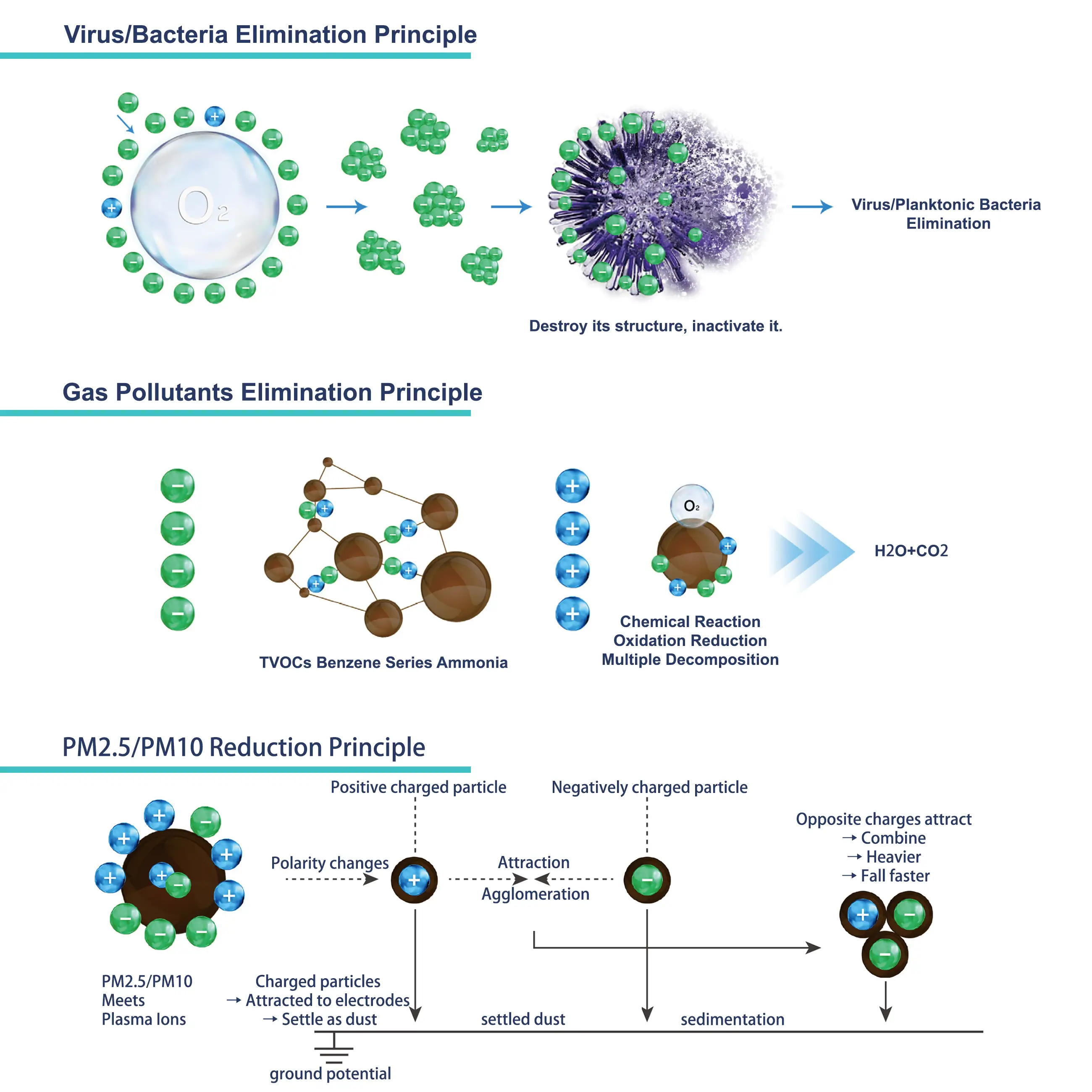
Plasma air purifiers utilize active air purification, a method distinctively different from traditional filter-based systems. Instead of passively waiting for polluted air to pass through a filter, Plasma purifiers actively release charged ions (plasma ions) into the air. These ions interact with airborne pollutants, neutralizing and decomposing them effectively.
At HisoAir, our advanced Plasma air purifiers leverage cutting-edge piezoelectric plasma technology. This innovative process generates high-density plasma without releasing ozone, ensuring safe and comprehensive air purification.
Pros of Plasma Air Purifiers:
- Active Purification: Plasma ions proactively neutralize contaminants throughout the room, providing full coverage without blind spots.
- No Filter Replacement: They don't rely on disposable filters, saving ongoing replacement costs.
- Low Maintenance: Easy-to-maintain design due to minimal consumable components.
- Effective on Multiple Pollutants: Breaks down VOCs, bacteria, viruses, and odors.
Cons of Plasma Air Purifiers:
- Ozone Risk: Poorly designed Plasma systems may emit ozone; at HisoAir, we utilize patented ozone-free technology to eliminate this concern.
- Limited Effectiveness on Heavy Particulates: Less effective at removing large dust particles compared to HEPA systems.
Understanding HEPA Air Purifiers
How HEPA Technology Works
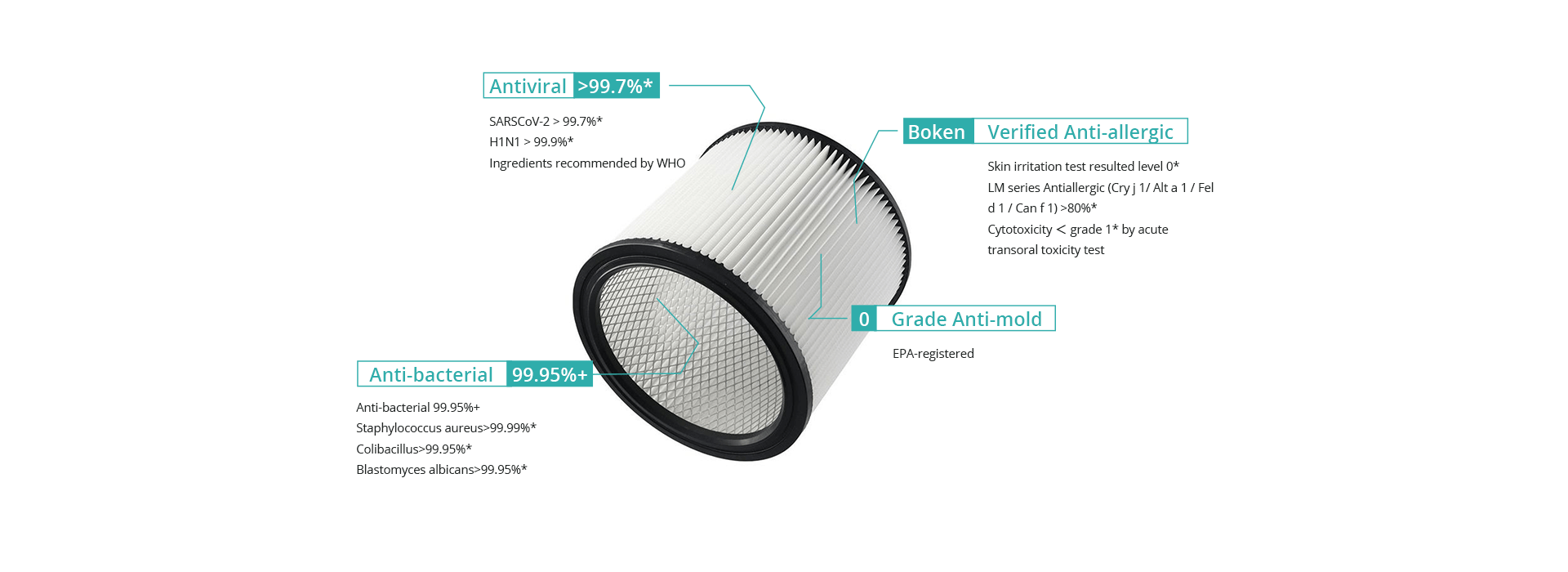
HEPA, or High-Efficiency Particulate Air filters, are designed to trap airborne particles mechanically. Air is pulled through a dense web of fibers by an internal fan, capturing particulates such as dust, pollen, bacteria, and even ultrafine particles down to 0.3 microns with an efficiency exceeding 99.97% (HEPA H13 grade).
At HisoAir, our HEPA systems often feature multiple layers, including pre-filters (like washable nylon or polypropylene filters) and activated carbon layers for enhanced removal of gases and odors.
Pros of HEPA Air Purifiers:
- Highly Effective Filtration: Exceptional at capturing particles as small as 0.3 microns and even smaller.
- 信頼できるパフォーマンス: Consistent and dependable filtration performance with standardized ratings.
- Reduced Allergy and Asthma Symptoms: Ideal for individuals with respiratory issues due to its robust particle-trapping capabilities.
Cons of HEPA Air Purifiers:
- Passive Filtration: Air must be drawn into the purifier, meaning placement and room layout significantly impact performance.
- Regular Filter Replacement: Filters require frequent changes, leading to ongoing costs.
- Limited Effect on VOCs and Odors: HEPA alone doesn’t efficiently capture gaseous pollutants without an activated carbon layer.
Plasma vs. HEPA: Direct Comparison
| 特徴 | Plasma Air Purifier | HEPA Air Purifier |
|---|---|---|
| Purification Method | Active (ionization, decomposition) | Passive (physical filtration) |
| 粒子除去 | Effective for fine particles, less for heavy dust | Excellent for all particulate matter |
| VOCs & Odors | Highly effective | Limited without additional activated carbon |
| メンテナンス | Minimal (cleaning only, no filter replacements) | Regular filter replacements required |
| エネルギー消費 | Typically lower | Typically higher due to fans |
| Ozone Emission Risk | Potential (eliminated in HisoAir’s models) | なし |
Which Purifier Should You Choose?
Choosing between Plasma and HEPA largely depends on your specific air quality concerns and practical considerations.
Choose Plasma if you:
- Want comprehensive room coverage without relying on airflow placement.
- Prefer minimal maintenance and lower long-term operational costs.
- Need to effectively manage odors, VOCs, bacteria, and viruses.
Choose HEPA if you:
- Prioritize removal of particulate pollutants like allergens, pollen, and dust.
- Have allergies, asthma, or respiratory sensitivities.
- Prefer proven filtration performance backed by extensive scientific validation.
HisoAir’s Hybrid Solution – The Best of Both Worlds
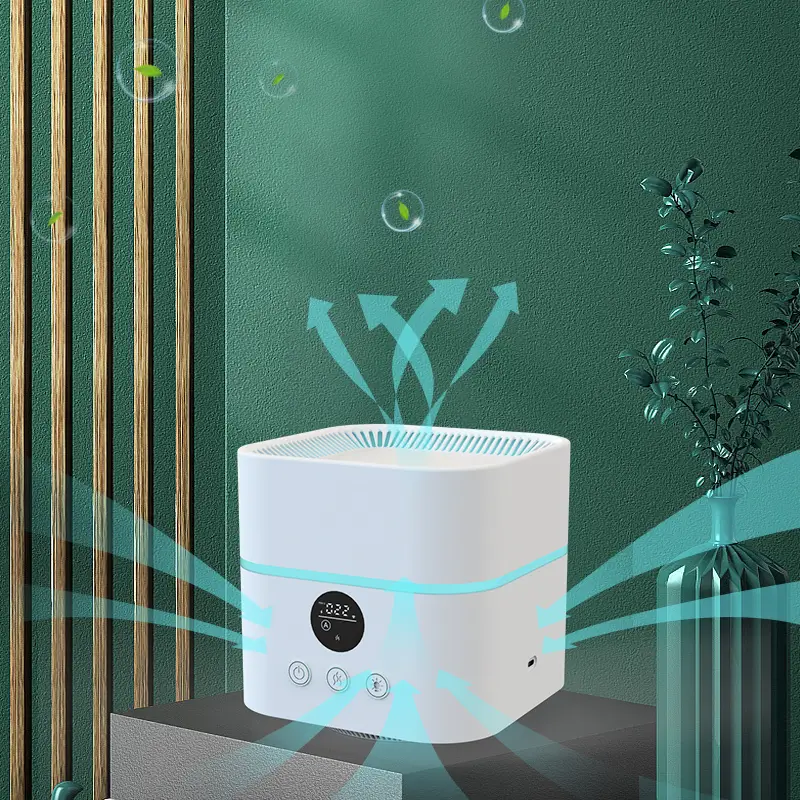
Recognizing that each technology offers unique strengths, at HisoAir, we've engineered hybrid air purifiers that combine Plasma technology with HEPA filtration. This innovative dual system provides the ultimate air purification solution:
- Active and Passive Filtration: Plasma ions eliminate VOCs and pathogens actively, while HEPA filters effectively capture particulate pollutants.
- Ozone-Free Assurance: HisoAir’s advanced Plasma technology ensures zero ozone emission.
- Cost-effective Maintenance: Our hybrid systems offer prolonged filter life due to Plasma technology reducing particulate load on HEPA filters.
結論
At HisoAir, we're committed to providing you with innovative, safe, and efficient air purification solutions tailored to your specific needs. Whether you choose Plasma, HEPA, or our advanced hybrid system, our mission remains clear: creating healthier indoor environments for you and your loved ones.
Explore our diverse range of air purification solutions at HisoAir.com and discover how we can help you breathe easier, live healthier, and achieve cleaner air today!


 English
  Français
  Español
  Italiano
  Deutsch
  Português
  Русский
  العربية
  日本語
日本語  한국어
한국어  Tiếng Việt
