
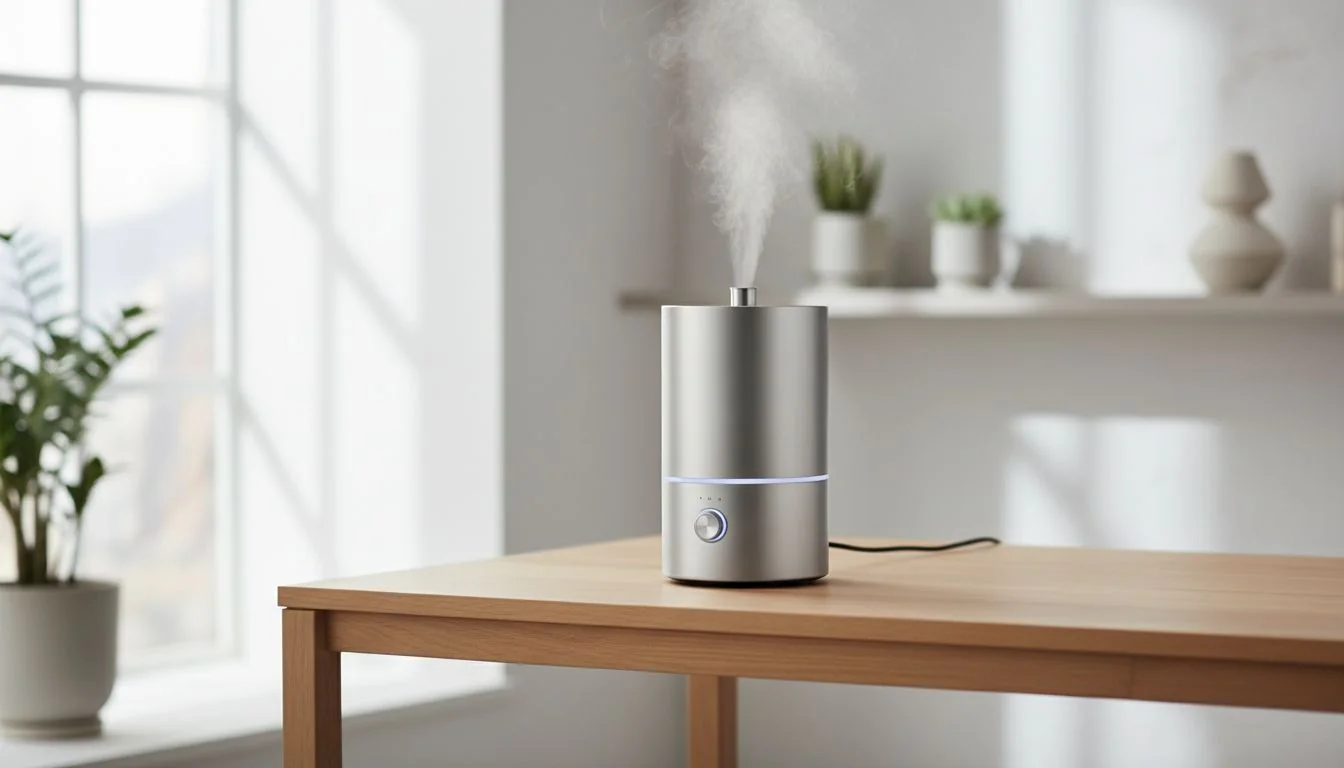
Tired of "sustainable" products that break or get gross? These disposable items create more waste and cost you more in the long run. Discover how true sustainability means building products that last.
Yes, stainless steel is leading a revolution in home appliances. It redefines sustainability by focusing on durability1, hygiene, and longevity, creating "buy-for-life" products instead of disposable plastic alternatives. This approach justifies a premium price and builds powerful brand loyalty for D2C companies.
I’ve been in the mold and manufacturing industry for a long time. I’ve seen trends come and go. But the current conversation around "sustainability" is different. Consumers, and therefore designers like you, are getting smarter. They are tired of being sold "eco-friendly" plastic junk that they have to throw away in a year. They are ready for something real, something permanent. This shift is the single biggest opportunity I see for product designers and D2C brands2 today. Let's break down what this really means for your next project.
By 2030, the sustainable goods market is projected to be worth over $150 billion in the U.S. alone.真
Multiple market research reports indicate strong and sustained growth in consumer demand for products with clear sustainability benefits.
All 'eco-friendly' products are better for the environment.偽
This is a common misconception. A product's overall environmental impact depends on its entire lifecycle, including its durability and end-of-life. A short-lived 'eco' product can be more wasteful than a durable, long-lasting one.
1. Introduction: The "Sustainability Fallacy" in Home Wellness?
Your "eco-friendly" plastic designs end up in landfills. This "sustainability fallacy3" hurts your brand's reputation and the planet. Let's expose the truth about what makes a product truly sustainable.
The "sustainability fallacy" is the belief that using recycled plastic or vague "eco-friendly" materials makes a product sustainable. True sustainability comes from longevity. If a product is designed to be disposable, it is not sustainable, no matter what it's made of.
The Greenwashing Trap
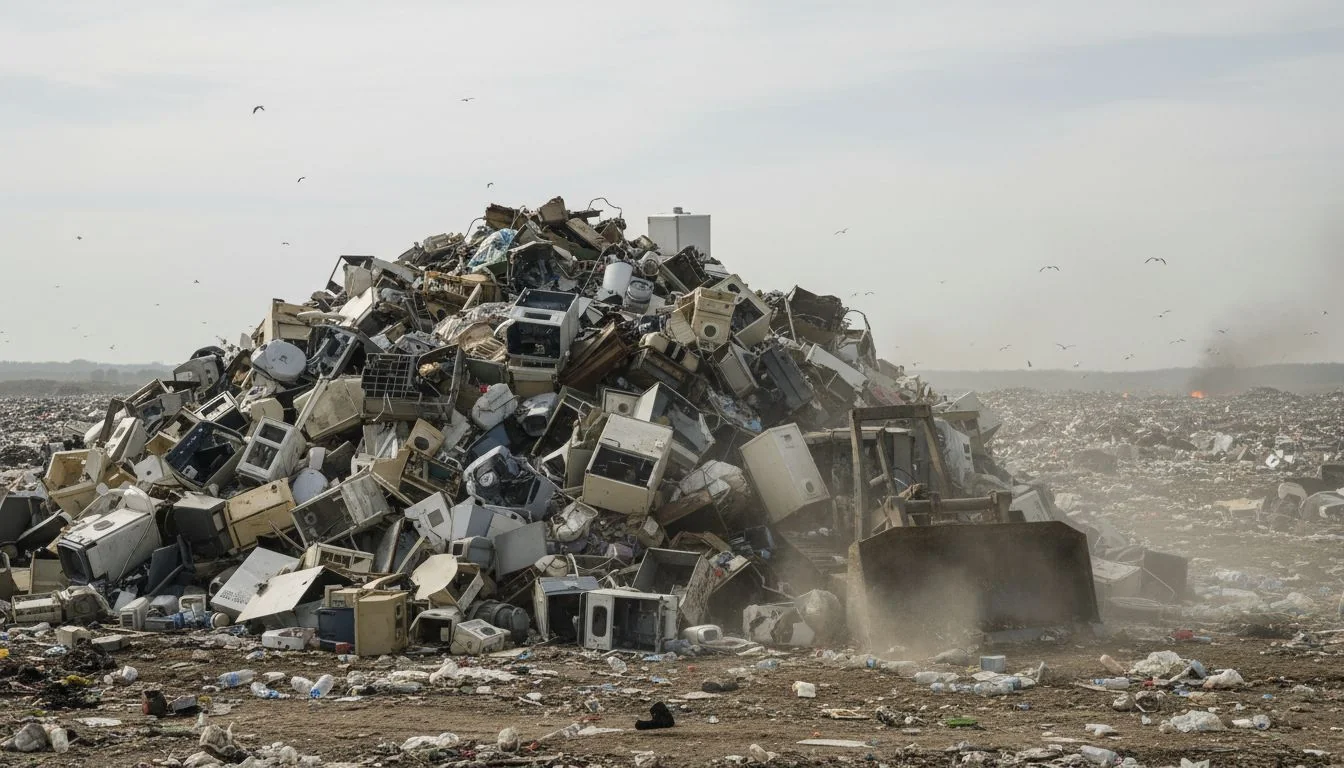
I see it all the time. Brands slap a green leaf on a box and call their product "eco-conscious." They might use some recycled plastic, which sounds good on the surface. But what they don't tell you is that the product itself is designed to fail. It's a trap that many well-meaning designers and consumers fall into. The real measure of sustainability isn't just the material's origin; it's the product's destination. If that destination is a landfill after only a year or two of use, you haven't created a sustainable product. You've created well-marketed trash. This is especially true in the home wellness space, where hygiene4 is critical.
A Personal Story: The "Eco" Humidifier
A few years ago, I bought a humidifier for my home. The box was covered in "eco-friendly" marketing. It was made from recycled plastic. I felt good about the purchase. But within a few months, I noticed a smell. I tried to clean it, but the plastic parts had all these nooks and crannies I couldn't reach. It became a moldy, unhygienic health hazard. I had to throw it away. That experience taught me a powerful lesson: a product is not sustainable if it becomes so gross you have to get rid of it. Hygiene and sustainability are directly linked.
A product made from 100% recycled plastic is inherently sustainable.偽
If the product is not durable, breaks easily, or cannot be properly cleaned, its short lifespan makes it unsustainable regardless of the material's origin.
Greenwashing can lead to consumer skepticism and damage a brand's long-term reputation.真
Studies from organizations like the European Commission have found that a large percentage of environmental claims are vague, misleading, or unfounded, eroding consumer trust.
2. Redefining "Sustainable": Why is "Buy for Life" the New Standard?
Your designs are seen as temporary, not as investments. This limits your product's perceived value and pricing potential. Shift your focus to a "buy for life5" model to command premium prices.
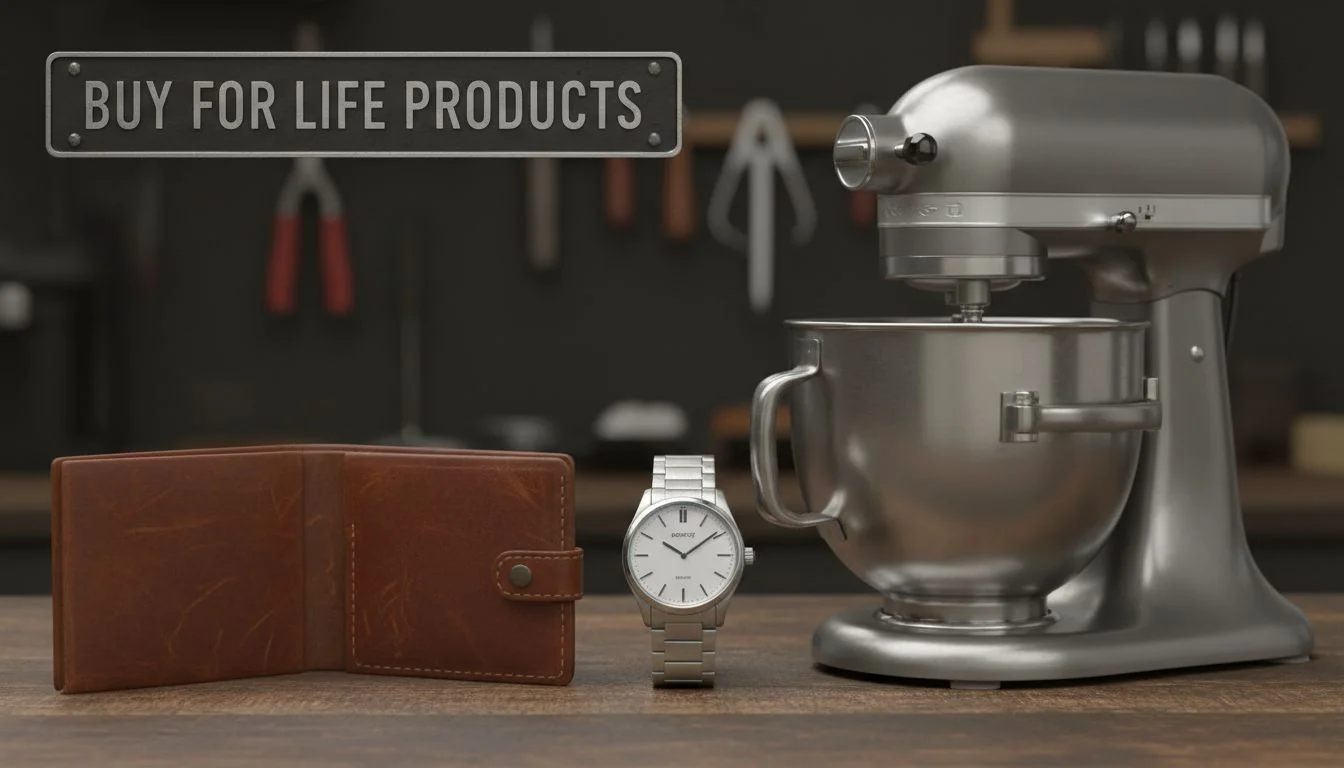
"Buy for life" is the new standard because it aligns with true sustainability: creating durable, long-lasting products that consumers value. This strategy moves away from disposability and focuses on longevity, quality, and timeless design, which naturally justifies a higher price point.
Durability, Longevity, Non-Disposable
This is the new definition of sustainable. You must seize these words and make them your own.
- 耐久性がある: The product can withstand daily use without breaking or degrading.
- Longevity: The product is designed to function for many years, not just one or two seasons.
- Non-Disposable: The product is so well-made and easy to maintain that the user never wants to throw it away.
When I help my clients, I tell them to build their entire strategy around this. This is a definition that flimsy plastic products simply cannot compete with. It immediately elevates your product above the competition.
The Designer's Role in "Buy for Life"
As a designer like Jacky, you are at the center of this shift. You make the critical decisions. It starts with choosing the right material, but it also involves designing for robust construction, easy cleaning, and even repair. Your goal is to create an object that feels like a permanent fixture in someone's home, not a temporary solution.
| Old "Sustainable" | New "Sustainable" (Buy for Life) |
|---|---|
| Recycled materials | Durability & Longevity |
| "Eco-friendly" label | Hygienic & Cleanable |
| Low-impact manufacturing | Non-Disposable Design |
| Biodegradable (often impractical) | Premium, Investment-Grade |
A 'buy for life' product is too niche and cannot be profitable.偽
While the market is smaller, the high-margin nature of premium, durable goods can lead to greater overall profitability and brand equity than low-margin, high-volume disposable products.
Consumers are increasingly willing to pay more for products that offer long-term value and durability.真
Market research consistently shows a trend towards 'investment buying,' where consumers prioritize quality and longevity over low initial cost, especially in categories like home goods and electronics.
3. The "Plastic Problem": Why is Plastic Inherently Unsustainable?
You rely on plastic for many of your designs. But plastic's reputation is declining, and it's becoming a liability for premium brands. You need to understand why plastic is fundamentally a "disposable" material.
Plastic is inherently unsustainable for premium, long-life products because it degrades, scratches easily, and can harbor bacteria and mold. Its very nature promotes a "throwaway" culture, making it the opposite of the "buy for life" ethos that modern premium consumers demand.
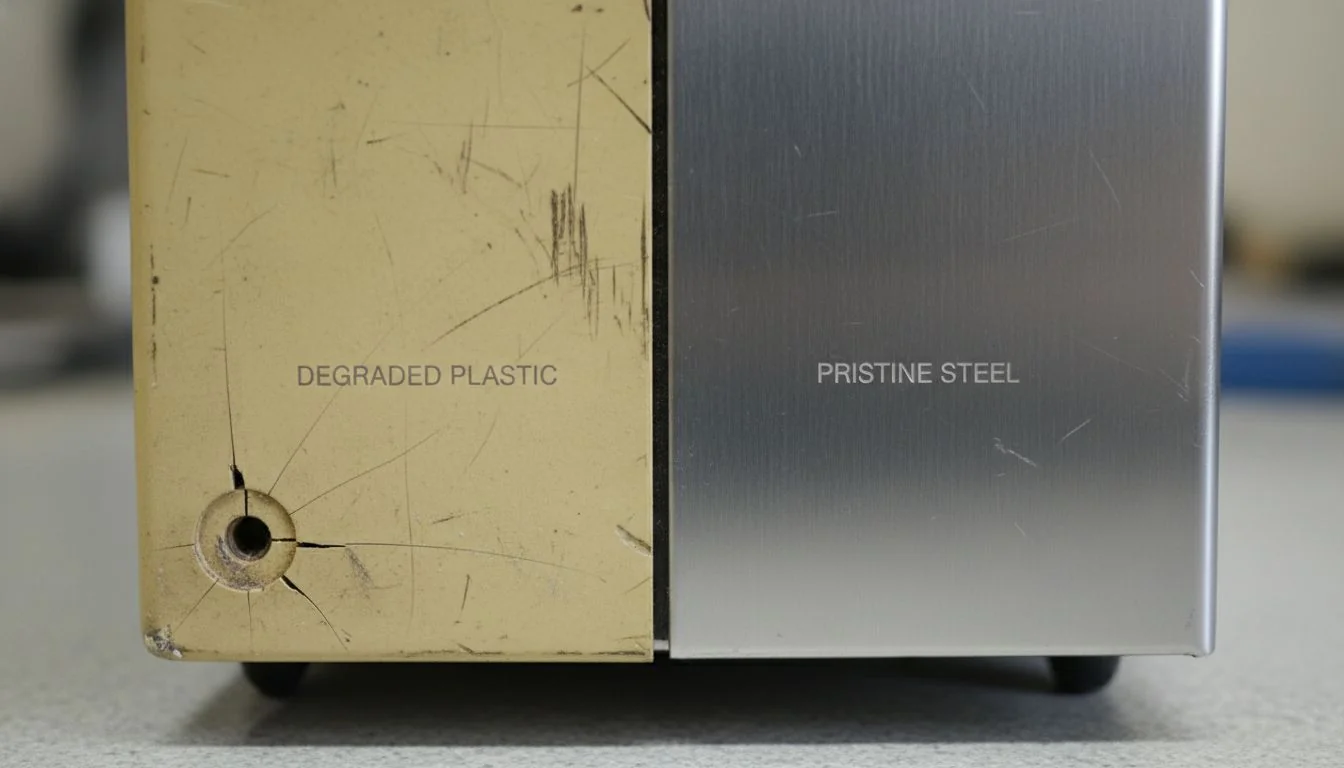
The Hygiene Angle: Plastic as a Health Hazard
This is the brilliant angle that you can use to win. A product is not sustainable if it becomes a health hazard. In my work with mold manufacturing, I've seen the inside of thousands of plastic products. Especially in appliances that use water, like humidifiers or coffee makers, plastic is a nightmare. Its surface is porous. Over time, it develops micro-scratches that are impossible to clean. These scratches become breeding grounds for mold and bacteria. The product that was meant to improve wellness ends up making you sick. At that point, the consumer has no choice but to throw it away. You must weaponize this fact. Your plastic-based competitors are selling disposable, unhygienic products.
From Premium to Throwaway
Even the highest quality plastic degrades. I've seen beautiful designs with glossy finishes turn yellow and brittle from UV exposure. I've seen matte finishes get scratched and stained, looking cheap after just a few months. This visual decay is a psychological trigger for the consumer. It tells them, "This product is old. It's time for a new one." It reinforces the cycle of consumption and waste. Plastic, by its very nature, looks and feels temporary. It is the material of disposability.
All plastics are harmful to human health.偽
Many plastics are rated as food-safe and are stable under normal conditions. However, the issue for long-life wellness products is that plastic surfaces can degrade and become difficult to sanitize, potentially harboring harmful microbes.
Microscopic scratches on plastic surfaces can make them significantly harder to disinfect than non-porous surfaces like stainless steel.真
Food safety research has demonstrated that bacteria can lodge in the surface imperfections of plastic, protecting them from cleaning agents and allowing colonies to grow.
4. The Stainless Steel Solution: Is It "True Sustainability" in Practice?
You need a material that screams "premium" and "sustainable." But finding a material that is durable, hygienic, and beautiful is a real challenge for any designer. stainless steel6 is the answer that ticks all the boxes.
Stainless steel embodies "true sustainability" by being incredibly durable, non-porous, and easy to clean. It doesn't degrade, yellow, or become unhygienic, making it a true "buy for life" material. This quality justifies a premium price and positions a product as a long-term investment.
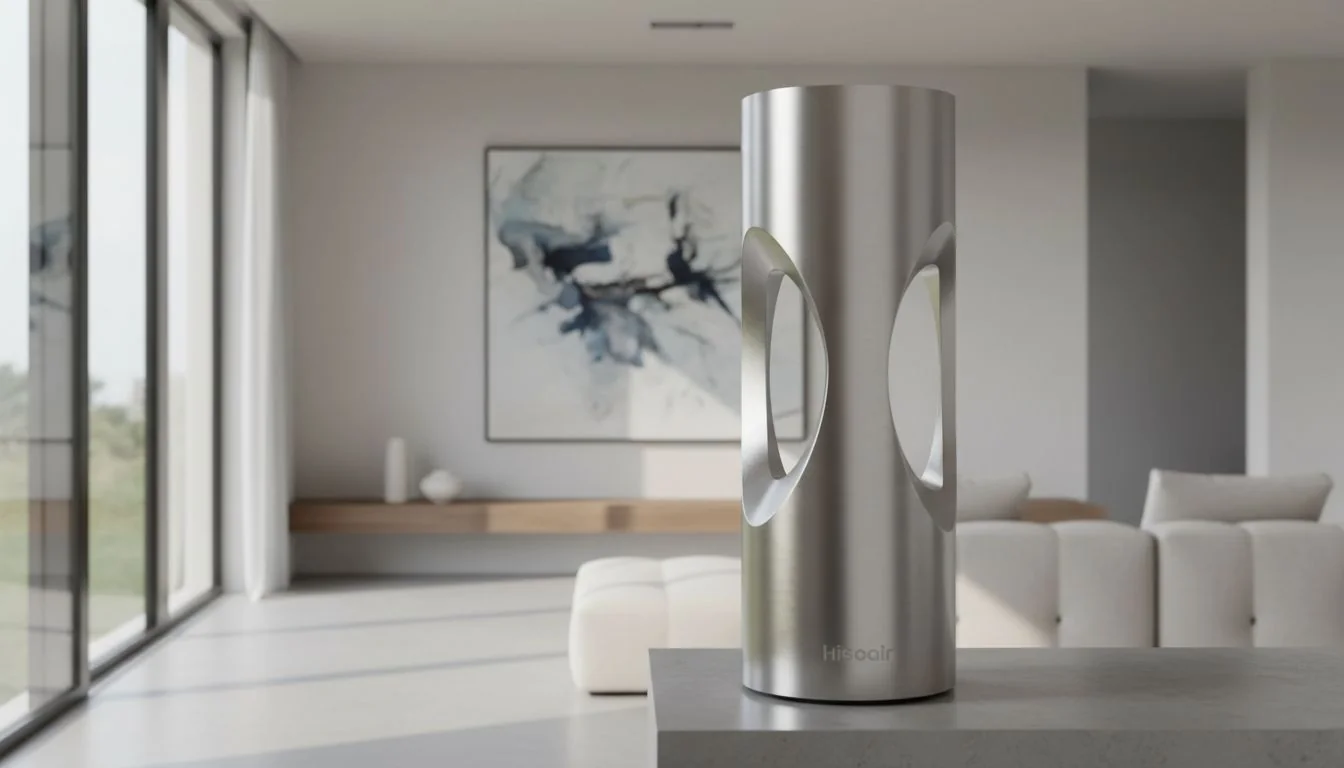
Why Stainless Steel Wins
When you hold a product made of solid stainless steel, you feel it instantly. It has weight. It feels permanent. This is not just a feeling; it's a fact.
- 耐久性がある: It resists dents, scratches, and corrosion. It doesn't get brittle or change color over time.
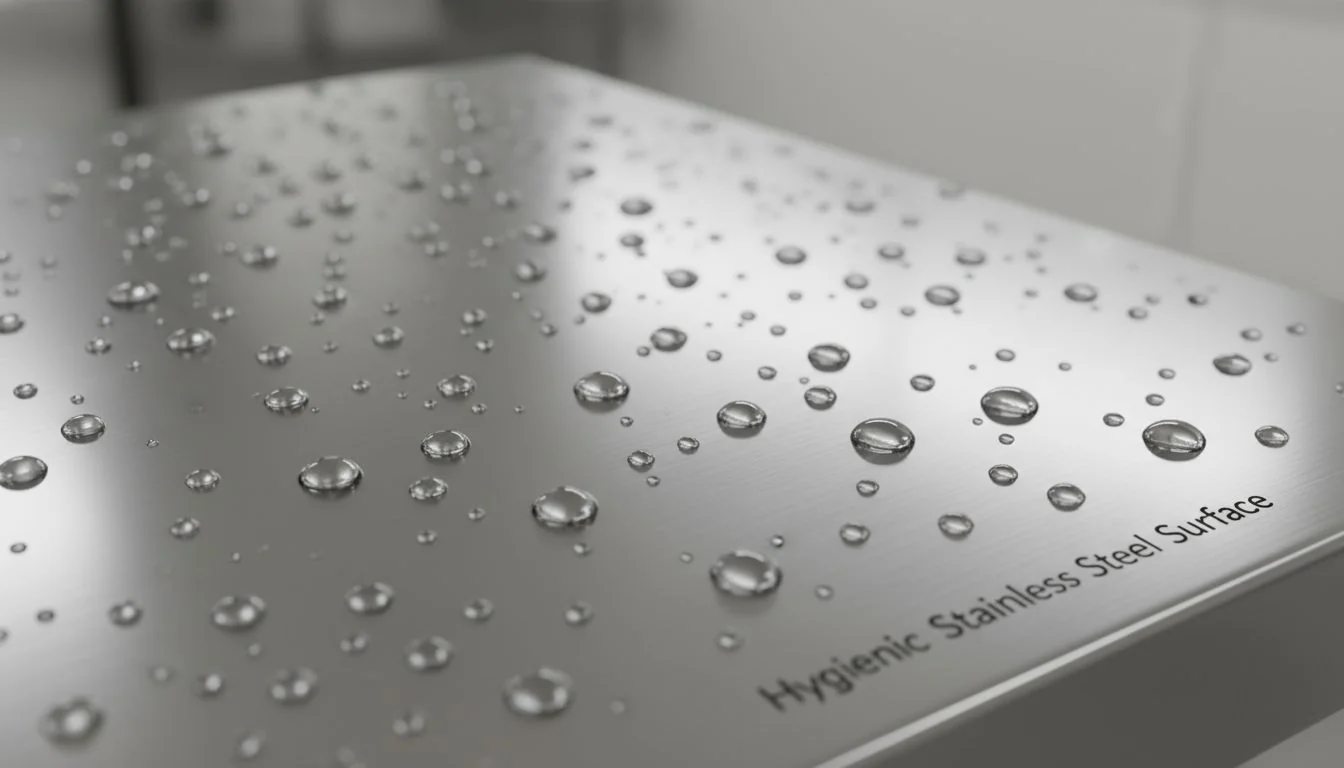
- Hygiene: This is its superpower. Stainless steel is non-porous. Bacteria and mold have nowhere to hide. It can be cleaned and sterilized to a medical-grade standard, which is why it's used in kitchens and hospitals.
- Aesthetics: It has a timeless, premium look that never goes out of style.
- recyclability7: While the goal is to create a product that's never thrown away, steel is one of the most recycled materials on earth at its true end-of-life.
The Hisoair Example: A Case Study
I recently worked with a client, Hisoair, who wanted to launch a new home appliance. They understood the "sustainability fallacy" from day one. They chose 304 stainless steel as the core of their product. Their goal was to create a "hero product" that would last a lifetime. The material itself became their marketing story. They could honestly tell customers, "This product will not become a moldy, disposable piece of junk. It's an investment in your home's health and beauty."
| 特徴 | Plastic Appliance | Stainless Steel Appliance |
|---|---|---|
| 寿命 | 1-3 years (Disposable) | 10+ years (Investment) |
| Hygiene | Porous, harbors mold | Non-porous, easy to sterilize |
| Perceived Value | Low, temporary | High, permanent |
| End-of-Life | Landfill, poor recyclability | Highly recyclable |
Stainless steel is completely rust-proof.偽
While highly resistant to corrosion, most common grades of stainless steel (like 304) can rust under specific harsh conditions, such as prolonged exposure to chlorides (like bleach or salt). However, for home appliance use, it is effectively corrosion-free.
The non-porous surface of stainless steel makes it more hygienic than plastic for applications involving moisture.真
This is a well-established principle in food science and medicine. The smooth, non-porous surface prevents microorganisms from finding refuge and makes cleaning and sanitization far more effective.
5. How Can D2C Brands Win with Sustainable Manufacturing?
D2C brands constantly struggle to stand out in a crowded online market. Competing on price is a race to the bottom that destroys your margins. Use sustainable manufacturing as a powerful pricing and branding strategy.
D2C brands win by using sustainable, "buy for life" manufacturing to create a "hero product." This strategy justifies a premium price, builds a powerful brand story around quality and longevity, and attracts high-value consumers who are tired of disposable goods.
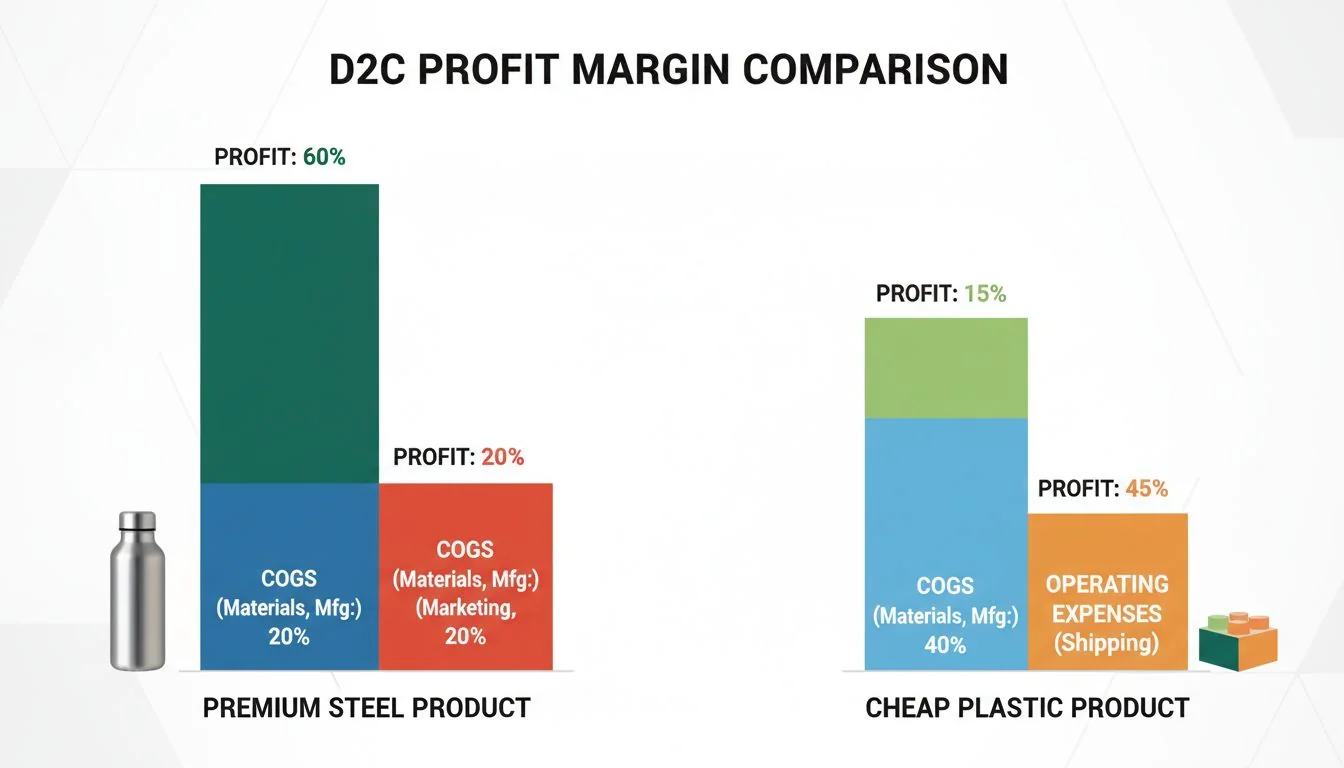
The "Hero Product" Strategy
Instead of launching ten average products, a D2C brand can build its entire identity around one exceptional, high-margin, "buy for life" product. Think about it. Your marketing is simplified. Your brand story is clear and powerful. You become known for one thing: quality. This is how you build a real brand, not just a Shopify store. The "hero product" made from stainless steel becomes your icon. It's the physical manifestation of your brand's promise of quality and longevity. It's what customers will talk about and recommend to their friends.
"Sustainable" as a Pricing Strategy
This is the key insight I share with my most successful clients. Stop thinking of sustainability as just an ethical badge. It is a pricing strategy. When you sell a product that lasts a lifetime, you are not selling a disposable good. You are selling an asset. An investment. And investments command a premium price. The higher cost of manufacturing with stainless steel isn't a bug; it's a feature. It's the justification for your high-margin business model. You are selling your client a hero product that makes them real money.
D2C brands cannot compete with the low prices of major retailers.偽
D2C brands don't compete on price; they compete on brand story, customer experience, and unique product value. A premium, sustainable product is a perfect example of a unique value proposition that mass retailers can't easily replicate.
Higher-quality materials and manufacturing lead to lower return rates and fewer warranty claims.真
A durable, reliable product results in higher customer satisfaction and lower post-sale costs, which directly improves a D2C brand's profitability.
6. How Do You Find a Truly Sustainable Manufacturing Partner?
You have a great "buy for life" product idea. But finding a factory that can actually execute your vision in a material like stainless steel is incredibly difficult. The secret is to look for an R&D partner, not just an assembler.
To find a truly sustainable manufacturing partner8, you must look for a factory with deep R&D capabilities in your chosen material. They shouldn't just assemble parts; they must be experts in the material's unique challenges, like deep drawing, welding, and polishing.
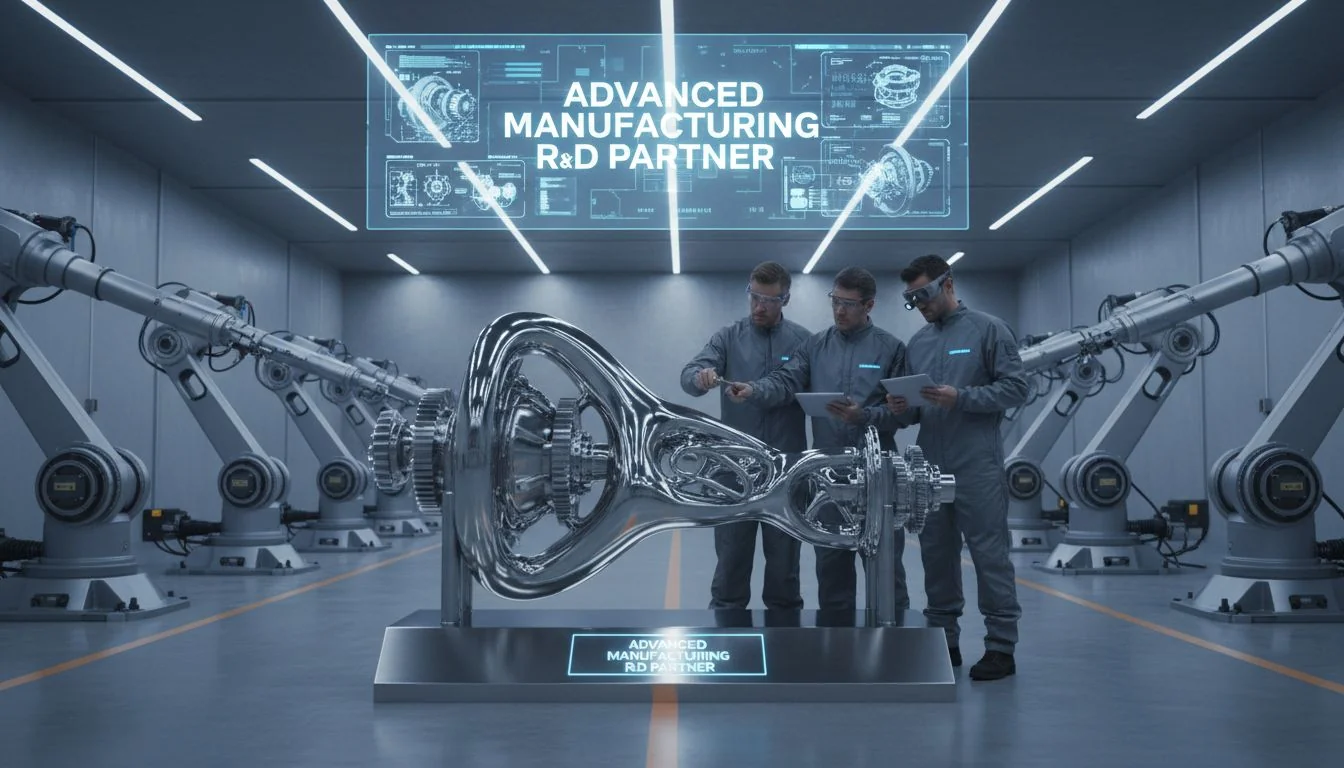
Beyond Assembly: The R&D Partner
This is where most designers fail. They create a beautiful design for a steel product and then send it to a factory that has only ever worked with plastic injection molding. The project is doomed. Manufacturing premium stainless steel goods is hard. It requires specialized machinery and, more importantly, specialized knowledge. I've seen it myself. The deep drawing process can cause the steel to crack. The welding has to be invisible. The polishing has to be perfect. A cheap assembler can't do this. You need a partner who has already invested millions in the technology and the engineering talent. You need an R&D partner like Hisoair, who has already solved these problems.
What to Look For in a Partner
When you are vetting a factory for your premium stainless steel product, ask these questions:
- Material Specialization: Show me your portfolio of stainless steel products. How many have you made?
- In-house R&D: Introduce me to the engineers who will solve problems when my design challenges your machines.
- Investment in Tech: Can I see your deep drawing presses? Your laser welding stations? Your multi-stage polishing lines?
- Case Studies: Tell me about a time you helped a client like me turn a complex steel design into a successful product.
A true partner isn't just a supplier. They are an extension of your design team.
The cost of tooling for stainless steel is always higher than for plastic injection molding.偽
While complex stamping dies can be expensive, a single-cavity steel tool can sometimes be less expensive than a complex, multi-cavity, hot-runner plastic injection mold. The cost is highly dependent on the part's complexity and production volume.
Engaging a manufacturer for Design for Manufacturability (DFM) analysis early in the process is critical for complex projects.真
DFM allows the manufacturer's experts to provide feedback that can simplify the design, reduce tooling costs, improve quality, and prevent major production problems, saving huge amounts of time and money.
結論
True sustainability is longevity, not just marketing. By choosing durable materials like stainless steel and the right R&D partner, you can create premium, "buy for life" products that customers will cherish.
References
-
Durability is key to sustainability; exploring this can enhance product design and consumer satisfaction. ↩
-
D2C brands can stand out by adopting sustainable practices, which can enhance their market position. ↩
-
Understanding the sustainability fallacy helps designers create truly sustainable products that last. ↩
-
Understanding the link between hygiene and sustainability can lead to healthier, more sustainable product designs. ↩
-
Exploring the 'buy for life' concept can inspire designers to create durable, long-lasting products. ↩
-
Stainless steel offers durability and hygiene, making it a prime choice for sustainable home appliances. ↩
-
Understanding recyclability can inform better material choices for sustainable product design. ↩
-
Finding the right manufacturing partner is crucial for executing sustainable product designs effectively. ↩

 English
  Français
  Español
  Italiano
  Deutsch
  Português
  Русский
  العربية
  日本語
日本語  한국어
한국어  Tiếng Việt
