

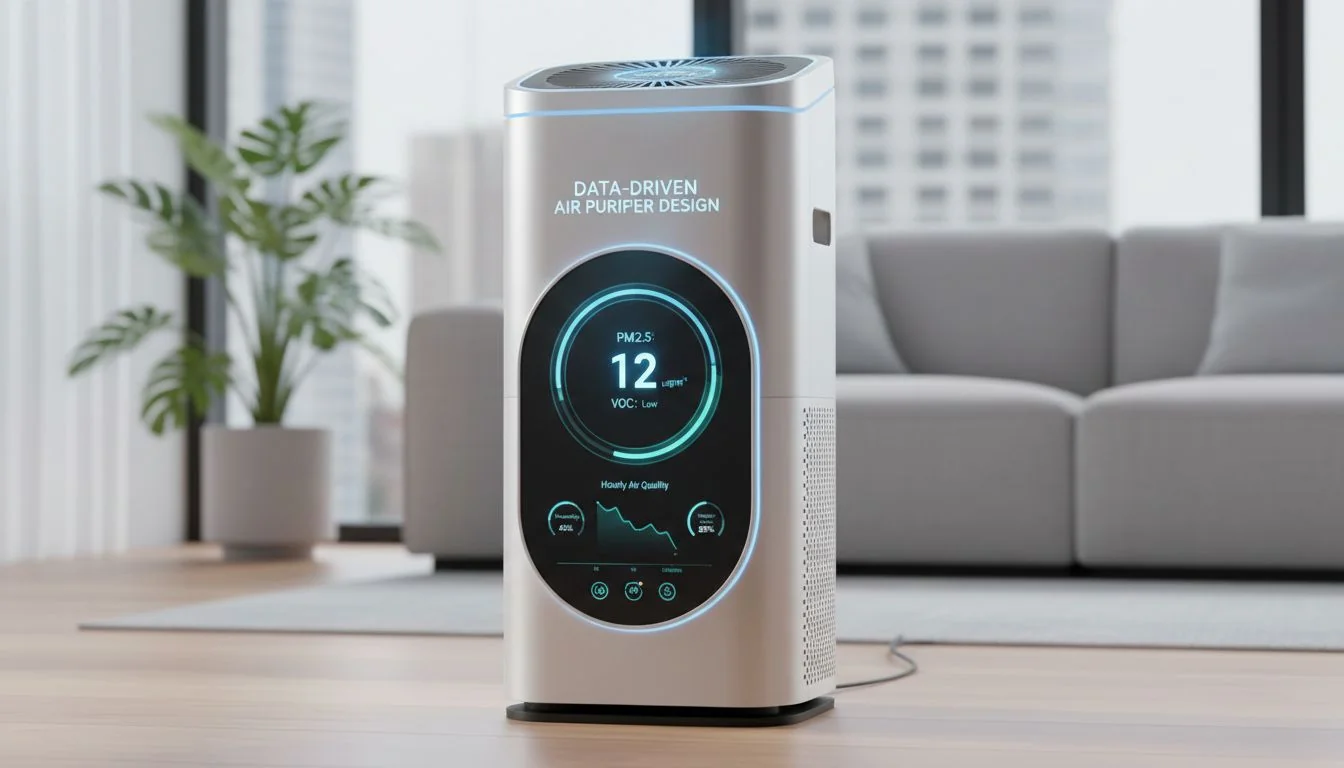
You design a beautiful plastic shell for an air purifier, but the user hides it in a corner. They turn it on once and forget it exists. This is a failure of engagement, not just aesthetics.
Data-driven air purifiers1 use sensors and connectivity to transform a simple fan into an intelligent health monitor. By visualizing invisible threats and tracking performance history, these devices shift from passive hardware to active retention engines that keep users engaged and safe.
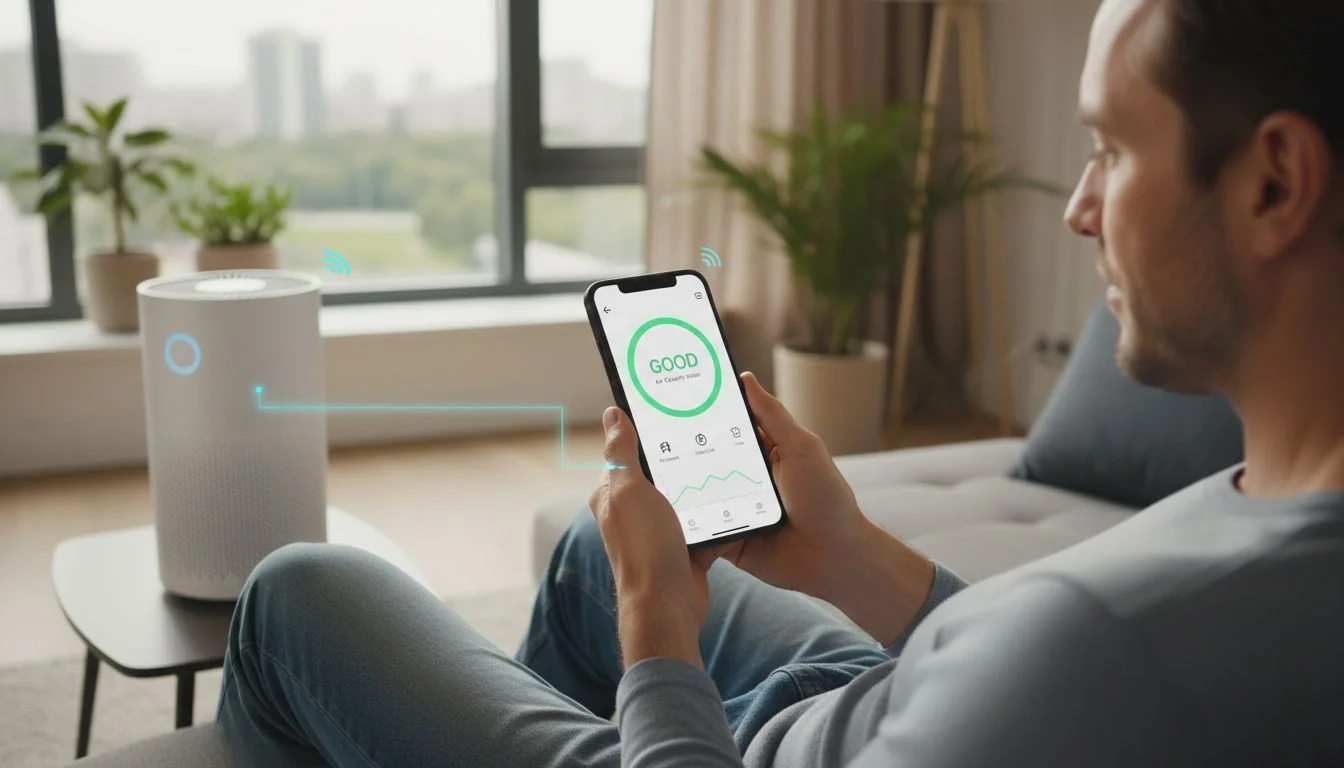
We need to stop thinking about plastic parts and start thinking about the information those parts deliver. Let me explain how we change the mold.
The global smart air purifier market is expected to grow significantly due to rising pollution awareness.True
Market research indicates a strong compound annual growth rate for connected air treatment devices.
Users prefer devices without screens to save energy.False
Data shows users prefer visual feedback to confirm the device is actually working.
Why Must We Shift From Moving Air to Managing Data?
Hardware is a one-time sale that eventually becomes a commodity. If you only sell the plastic box and the motor, your relationship with the customer ends the moment they leave the store.
The shift to managing data turns a low-margin appliance into a high-engagement platform. By integrating IoT sensors2, we create a "Retention Engine" that keeps the brand relevant in the user's daily life.
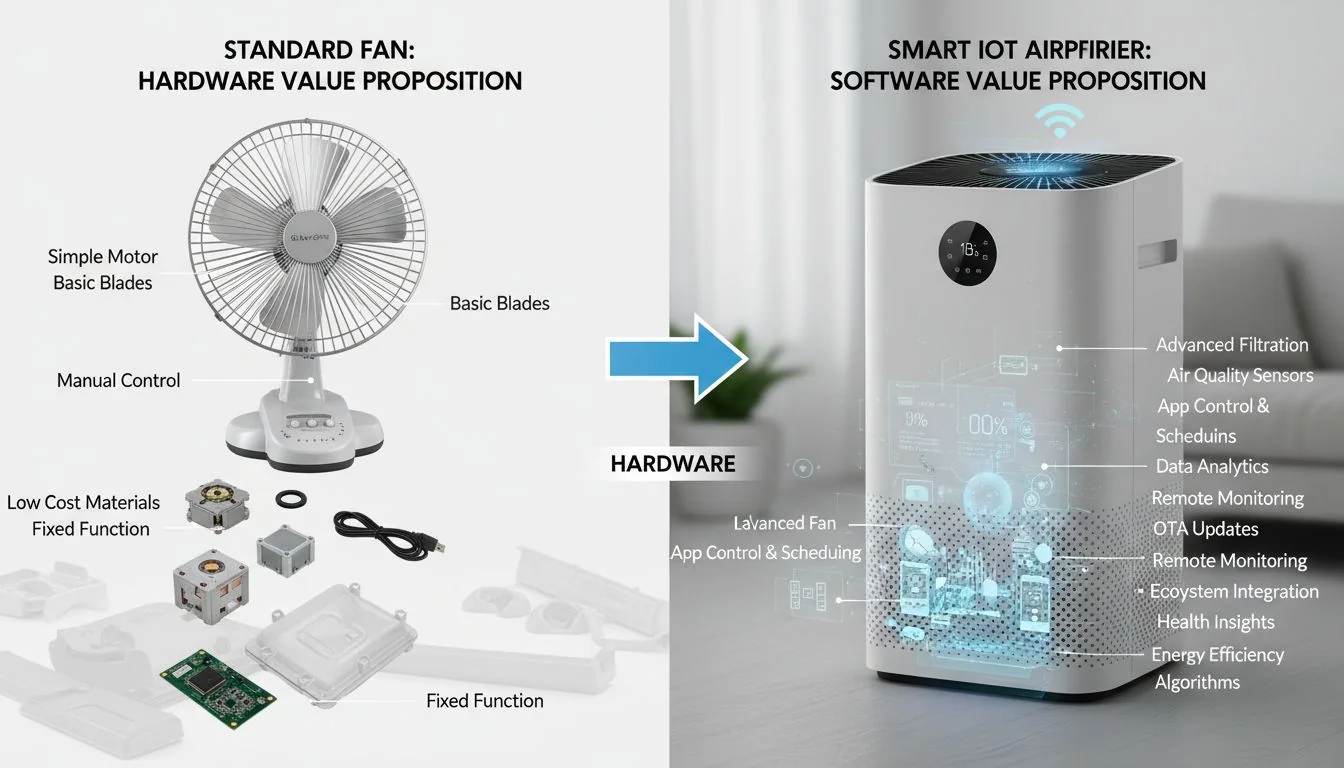
I have seen many mold clients struggle because they only focus on the physical product. They perfect the injection molding, but they ignore the software. In the world of modern appliances, data is the real product. Hardware is just the delivery mechanism. When we design for Hisoair, we position the IoT platform as the core value.
Think about it this way. A user buys a purifier once every five years. But they check their phone fifty times a day. If your device connects to an app that shows an "Air Quality History3" graph, the user is engaging with your brand every single day. They are not just buying a fan; they are buying peace of mind.
This changes how we design the physical unit. We need to make space for high-quality sensors. We need to ensure the Wi-Fi module has a clear signal path through the plastic housing. We are not just moving air anymore; we are capturing and visualizing data.
| Feature | Old Approach (Moving Air) | New Approach (Managing Data) |
|---|---|---|
| Primary Function | Filter dust | Monitor and improve health |
| User Interaction | On/Off Switch | Daily App Check-ins |
| Value Source | Hardware margins | Long-term retention |
| Design Focus | Airflow dynamics | Sensor integration & UI |
App engagement rates correlate directly with brand loyalty.True
Frequent digital interaction keeps the brand top-of-mind for future purchases.
Hardware sales alone provide sufficient long-term revenue.False
Without recurring revenue or engagement, hardware businesses face stiff price competition.
How Does Visual Data Build Trust With Users?
The biggest problem with clean air is that you cannot see it. Users often wonder if the machine is actually doing anything, which leads to them turning it off.
Visual data4 bridges this gap by making the invisible visible, acting as a "truth teller" in the room. When users see the numbers change, they trust the device.
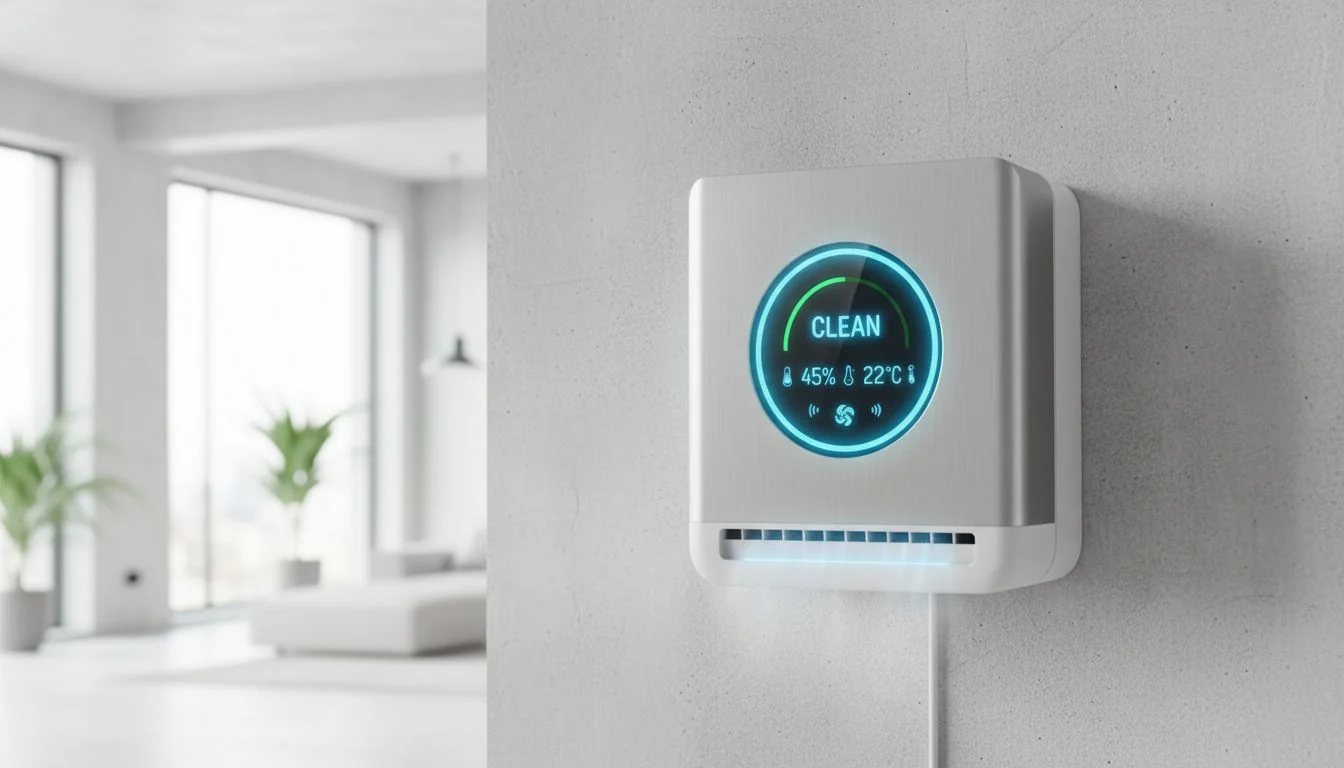
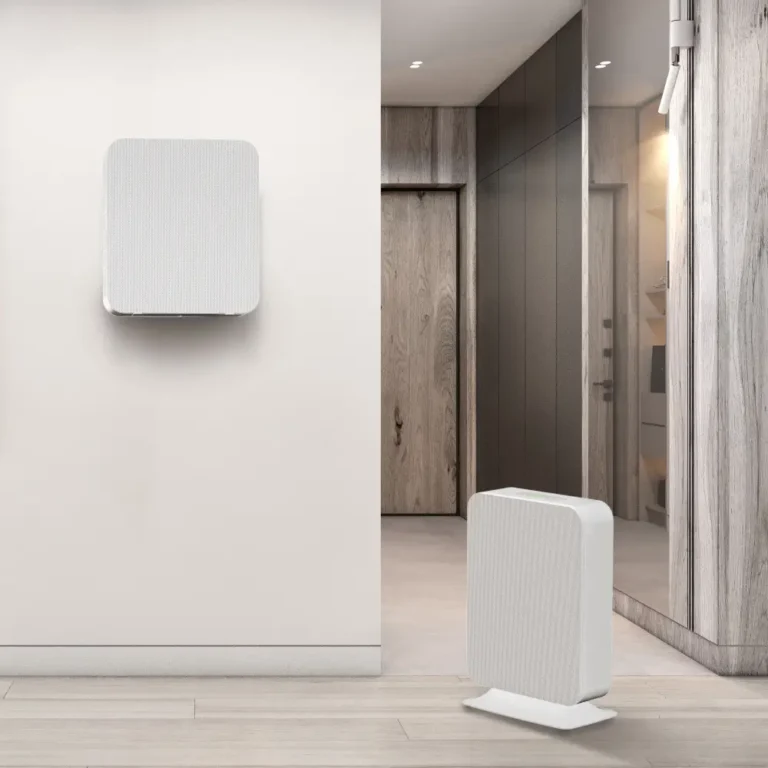
This brings me to a specific design argument I call the "Eye-Level" argument. Most air purifiers are floor units. They sit near the ground. If there is a screen, you have to bend down to see it. This is bad ergonomics and bad data presentation. Data is useless if it is physically hard to access.
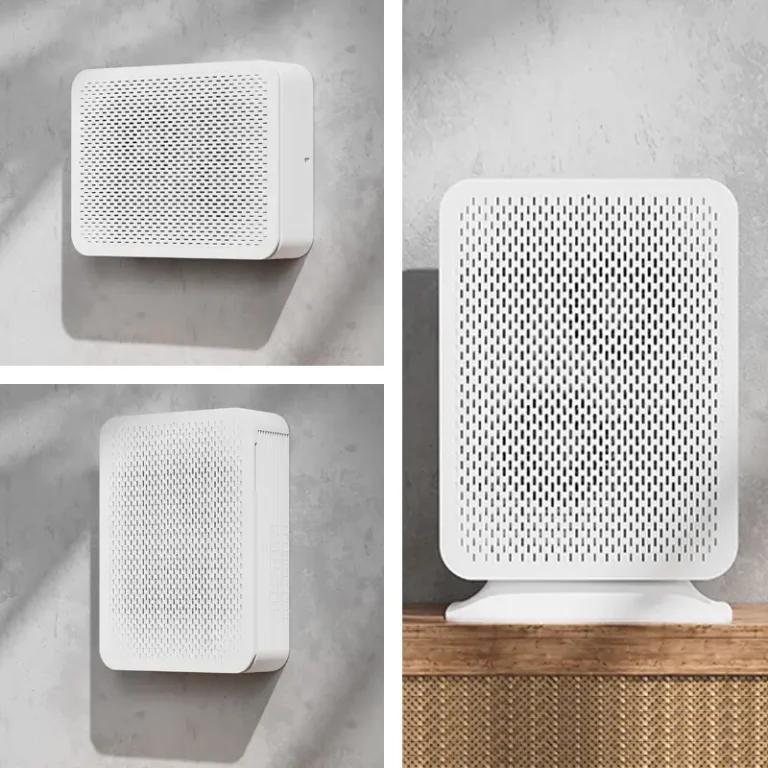
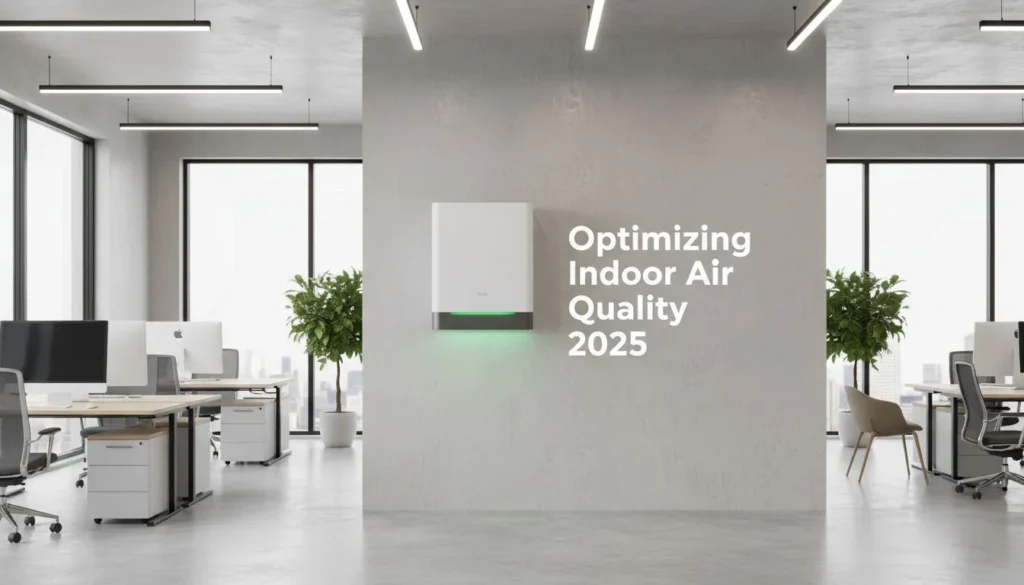
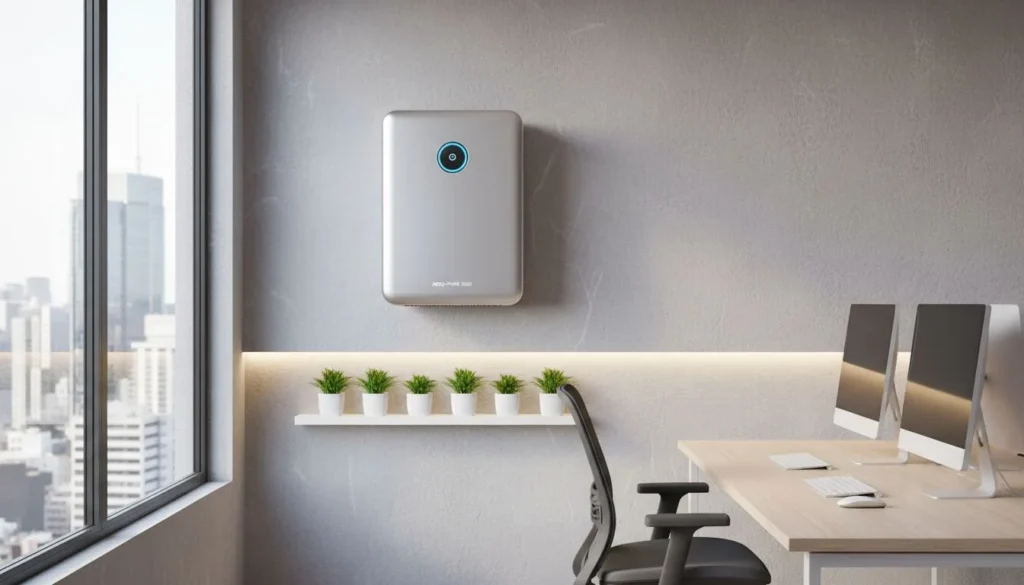
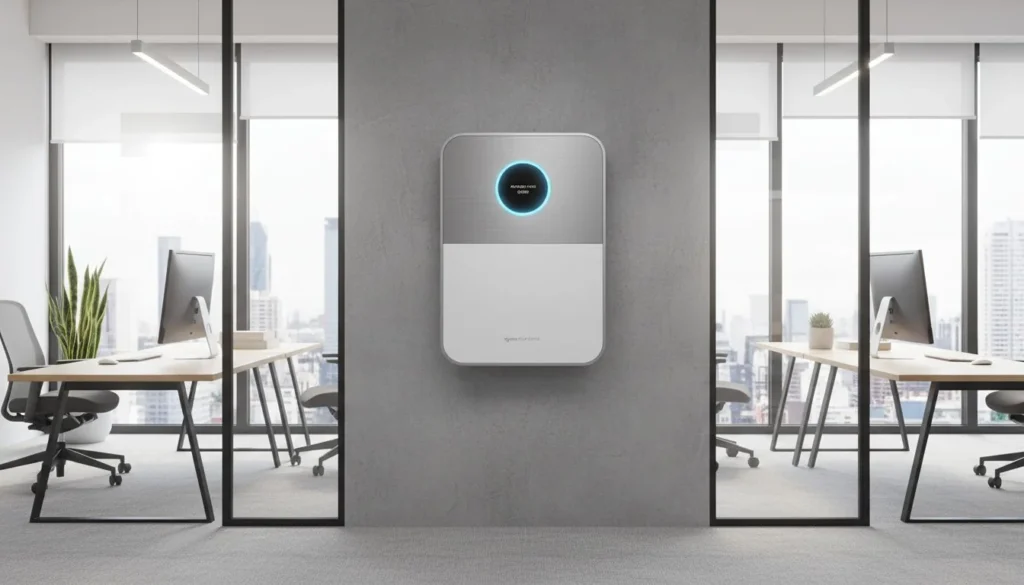
We should look at wall-mounted units differently. Think about a thermostat or a wall clock. They are placed at eye level for a reason. They are the central information hubs of a room. By designing the purifier to mount on the wall with a clear, forward-facing display, we elevate its status. It becomes the authority on the room's health.
From a mold design perspective, this presents challenges. We need to manage the weight distribution so it hangs safely. We need to route power cables cleanly. But the payoff is huge. When the screen is at eye level, the user sees the air quality reading every time they walk by. It constantly reinforces the value of the product. It proves that the air was dirty, and now it is clean. That visual confirmation builds massive trust.
Wall-mounted displays increase the frequency of user checks.True
Placing data in the natural line of sight encourages passive monitoring.
Floor units provide better visibility for data displays.False
Floor units require intentional physical effort to read, reducing engagement.
Can Gamification Drive Higher Usage and Sales?
People love to track their progress. We see this with fitness trackers where users are obsessed with "closing their rings." We can apply this same psychology to air purification.
Gamification5 features, like a "Daily Clean Air Score," encourage users to keep the device running longer to achieve a perfect rating.
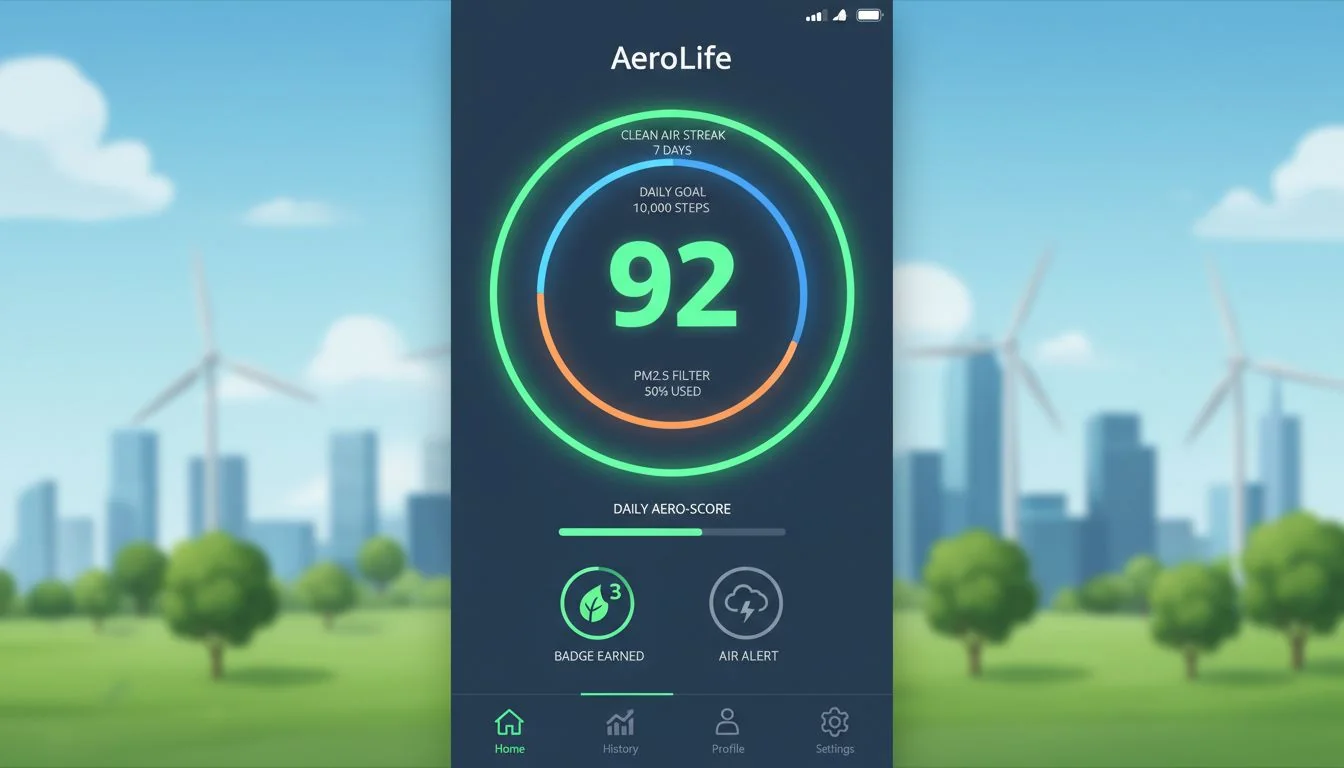
This is where design meets psychology. If we simply give a raw number, like "PM2.5 is 15," it might not mean much to the average user. But if we give them a green ring that closes when the air is clean for 24 hours, they will strive to keep that ring closed.
I call this the "Gamification of Air." We can pitch features like a "Toxins Removed Tracker." It shows the user exactly how much pollution the machine has captured this week. This makes the user feel accomplished. It validates their purchase.
But here is the business secret: this also drives sales. To get a high score, the user must keep the machine running. They cannot turn it off. When the machine runs more, the filters load up with dust faster. This means they need to buy replacement filters sooner.
As designers, we need to think about the UI on the physical device too. Maybe we add a simple LED ring on the plastic housing that mimics the app. It gives instant gratification. It turns a boring appliance into an interactive game where the prize is better health.
| Gamification Element | User Benefit | Business Benefit |
|---|---|---|
| Daily Score | Motivation to keep air clean | Increased device runtime |
| Toxin Tracker | Visual proof of value | Justifies filter cost |
| Streaks | Habit formation | Higher retention |
Gamification strategies increase user engagement with non-game apps.True
Applying game mechanics to utility apps significantly boosts daily active usage.
Running the device longer extends filter life.False
Increased runtime accumulates particulate matter faster, requiring more frequent changes.
Why Is Data the Ultimate Compliance Tool for B2B?
For commercial clients like schools and offices, air quality is not just about comfort; it is about liability. They need proof that they are providing a safe environment.
Data serves as a "Digital Paper Trail6." It provides historical records that protect organizations from complaints and lawsuits regarding air safety.
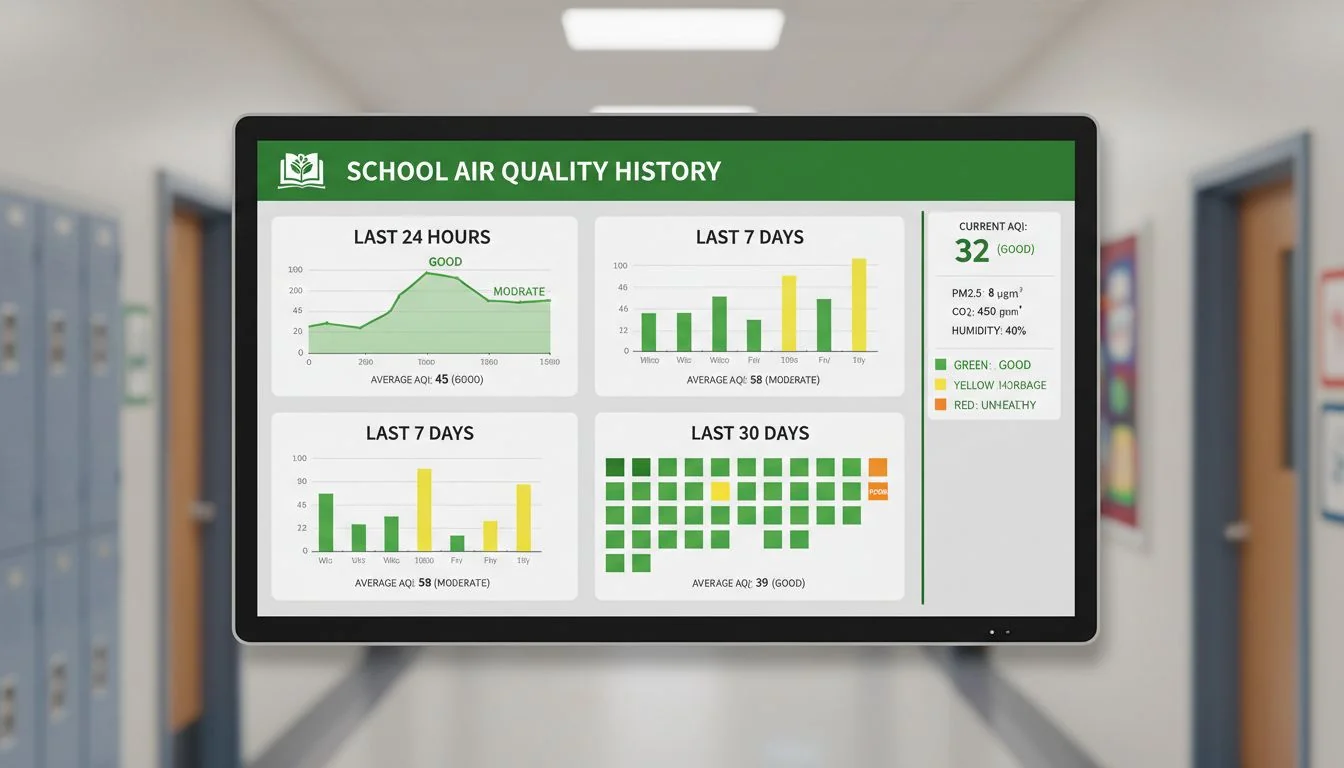
I have worked with many clients targeting the B2B sector. The needs here are different from the home user. If a parent complains to a school principal that the classroom air is making their child sick, the school needs an immediate answer. They cannot just say, "We have a purifier." They need proof.
This is where Hisoair’s commercial dashboard becomes a goldmine. It is a feature you can charge a premium for. The system records minute-by-minute air quality data. The facility manager can print out a report proving that on Tuesday at 10:00 AM, the air quality was excellent.
This is "Compliance as a Service7." For the designer, this means the device must be robust. It cannot lose connection. We might need to design the mold to house stronger antennas or even cellular modules so the device does not rely on the school's patchy Wi-Fi. The physical design must scream "reliability." It should look like a piece of infrastructure, not a toy. The data protects the client, so the device must protect the data.
Digital records of air quality can mitigate liability risks.True
Historical data serves as objective evidence of compliance with safety standards.
Commercial clients prioritize aesthetics over data logging.False
Commercial buyers prioritize function, reliability, and reporting capabilities over looks.
Is Data Your Strongest Competitive Moat?
Anyone can reverse-engineer a fan and a filter. It is easy to copy hardware. It is much harder to copy a user's personal data history and a sophisticated software ecosystem.
Positioning yourself as a "Software Partner" creates a barrier to entry. It locks customers into your ecosystem because leaving means losing their data.
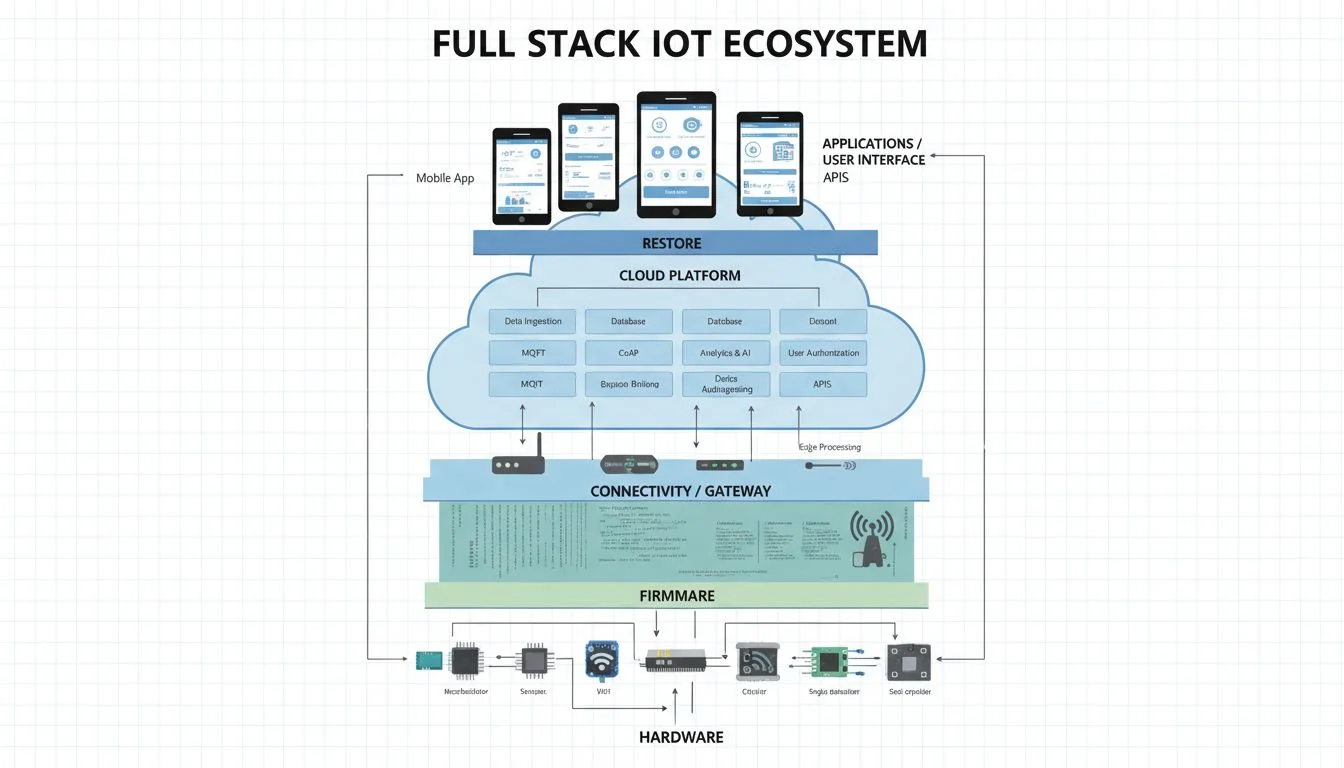
Many traditional brands fear IoT. They know how to bend metal and mold plastic, but they do not have software engineers. They are afraid of the complexity. This is where we, or a brand like Hisoair, can step in as the "Full-Stack Partner."
We handle the hardware, the firmware, and the cloud. We tell the client: "You don't just get a machine; you get the whole brain." When a competitor tries to copy the product, they can only copy the shell. They cannot copy the months of air quality history the user has stored in the app. They cannot copy the predictive algorithms we have built.
For a designer like Jacky, this means your role is expanding. You are not just designing a standalone object. You are designing a physical terminal for a cloud network. The "stickiness" of the product comes from the software, but the software needs the hardware to exist. By integrating these two perfectly, we build a moat that cheap copycats cannot cross.
Software ecosystems create higher switching costs for users.True
Users are less likely to switch brands if they lose their historical data and familiar interface.
Hardware patents are the only way to protect a product.False
Software integration and data moats offer stronger protection than hardware patents alone.
Conclusion
Data transforms the air purifier from a simple appliance into an essential service. By visualizing the invisible, gamifying usage, and providing compliance protection, we create value that goes far beyond the plastic shell.
References
-
Explore how data-driven air purifiers enhance user engagement and health monitoring. ↩
-
Learn about the role of IoT sensors in transforming air purifiers into smart devices. ↩
-
Understand the significance of tracking air quality history for user engagement. ↩
-
Understand the importance of visual data in ensuring user trust and satisfaction. ↩
-
Find out how gamification techniques can motivate users to engage more with their devices. ↩
-
Learn how digital records can serve as proof of compliance and safety. ↩
-
Explore how data compliance can protect businesses and enhance air quality assurance. ↩



 English
  Français
  Español
  Italiano
  Deutsch
  Português
  Русский
  العربية
  日本語
日本語  한국어
한국어  Tiếng Việt

