
Opens in a new tab
Innovative Air Quality Solutions

Industry Insights

Latest Posts
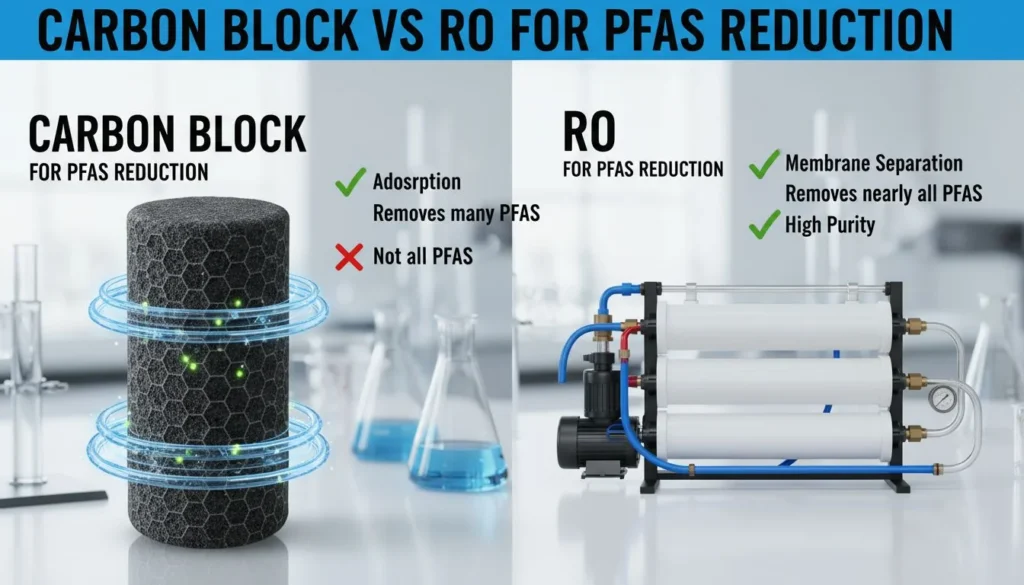
Featured image for Carbon Block vs RO for PFAS Reduction: Which Solution Fits Institutional Projects?

Carbon Block vs RO for PFAS Reduction: Which Solution Fits Institutional Projects?

Choose the right PFAS solution. Compare Carbon Block & RO for effective, cost-efficient water treatment in institutional projects. Learn more now!
News
Featured image for PFAS, Lead, Chlorine Taste and Odor: How to Match Filter Technology to Buyer Needs

PFAS, Lead, Chlorine Taste and Odor: How to Match Filter Technology to Buyer Needs

Discover the right filter tech for PFAS, lead & chlorine. Ensure safety & taste with tailored solutions. Learn how to choose today!
News
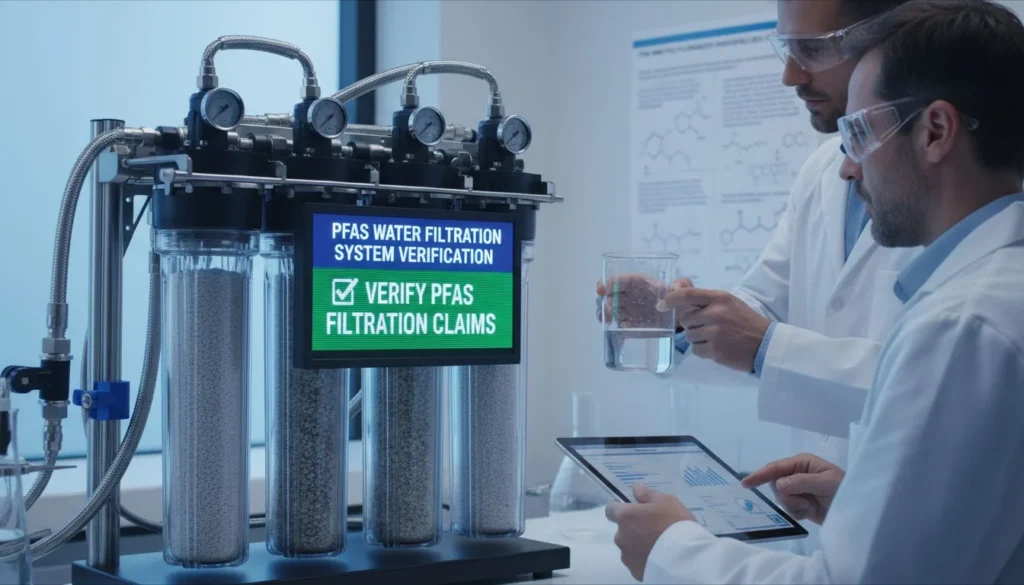
Featured image for How to Verify PFAS Reduction Claims Before Buying a Water Filtration System

How to Verify PFAS Reduction Claims Before Buying a Water Filtration System

Ensure PFAS filtration works. Learn to verify claims with our checklist and protect your health today!
News
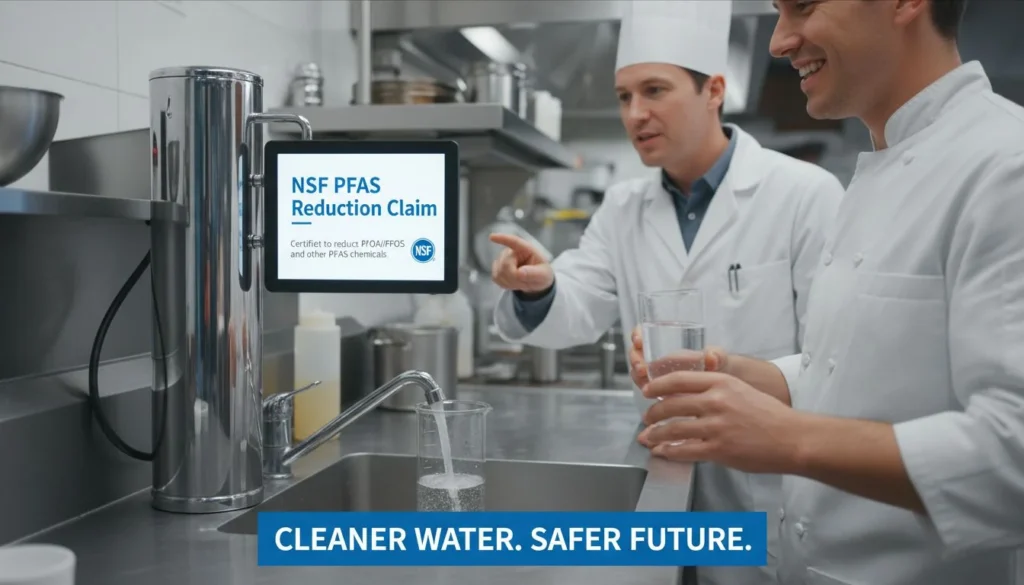
Featured image for What Does an NSF PFAS Reduction Claim Mean for Commercial Water Filtration Buyers?

What Does an NSF PFAS Reduction Claim Mean for Commercial Water Filtration Buyers?

Ensure real PFAS reduction in filters. Learn to verify claims and avoid costly mistakes. Safeguard your water filtration investments today!
News
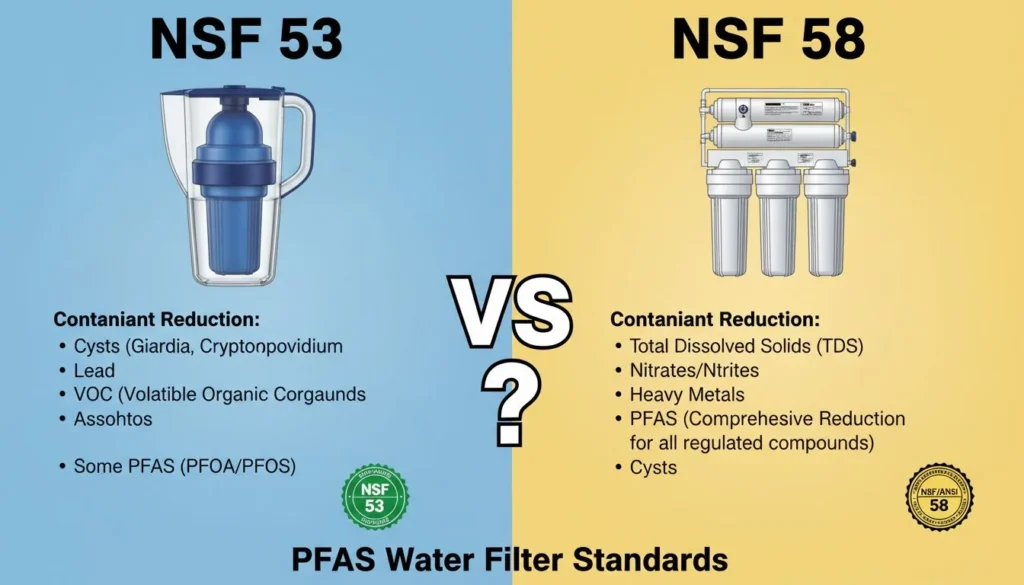
Featured image for NSF/ANSI 53 vs NSF/ANSI 58: What PFAS Water Filter Buyers Should Understand

NSF/ANSI 53 vs NSF/ANSI 58: What PFAS Water Filter Buyers Should Understand

Decipher NSF 53 & 58 for PFAS filters. Ensure safe water by choosing the right certification. Learn now to avoid costly mistakes!
News

Featured image for Why Hotels Should Consider Wall-Mounted Air Purifiers for Guest Rooms

Why Hotels Should Consider Wall-Mounted Air Purifiers for Guest Rooms

Boost guest satisfaction! Save space, enhance air quality, and simplify maintenance with wall-mounted air purifiers. Perfect for modern hotels.
News
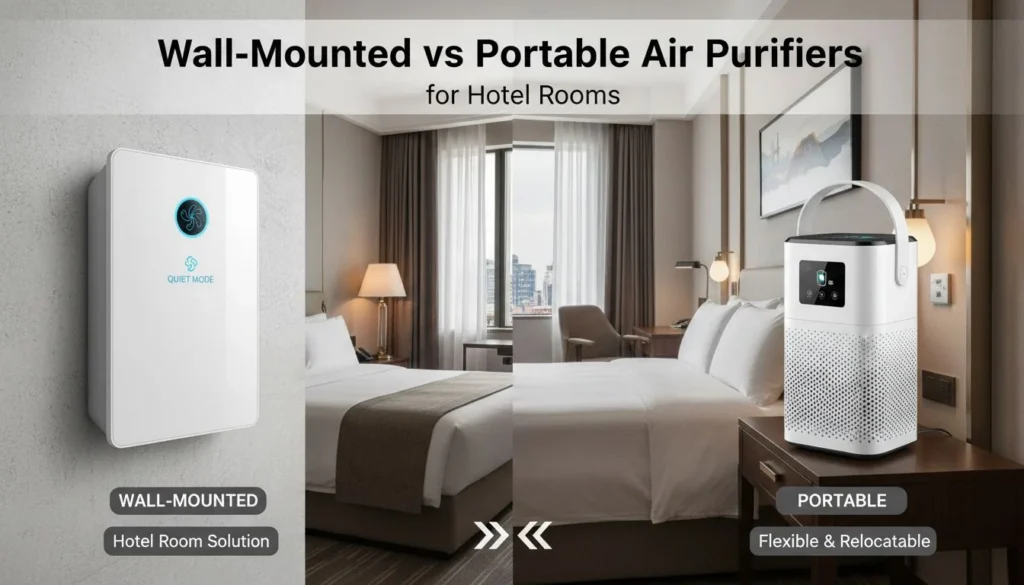
Featured image for Wall-Mounted vs Portable Air Purifiers for Hotel Rooms: Which Is Better?

Wall-Mounted vs Portable Air Purifiers for Hotel Rooms: Which Is Better?

Choose the best air purifier for your hotel. Discover why wall-mounted units offer better air quality and security than portable options.
News

Featured image for Why Indoor Air Quality Is Becoming a New Hotel Guest Experience Standard

Why Indoor Air Quality Is Becoming a New Hotel Guest Experience Standard

Boost guest satisfaction with top-notch air quality. Transform rooms into healthy havens and enhance brand reputation. Act now!
News
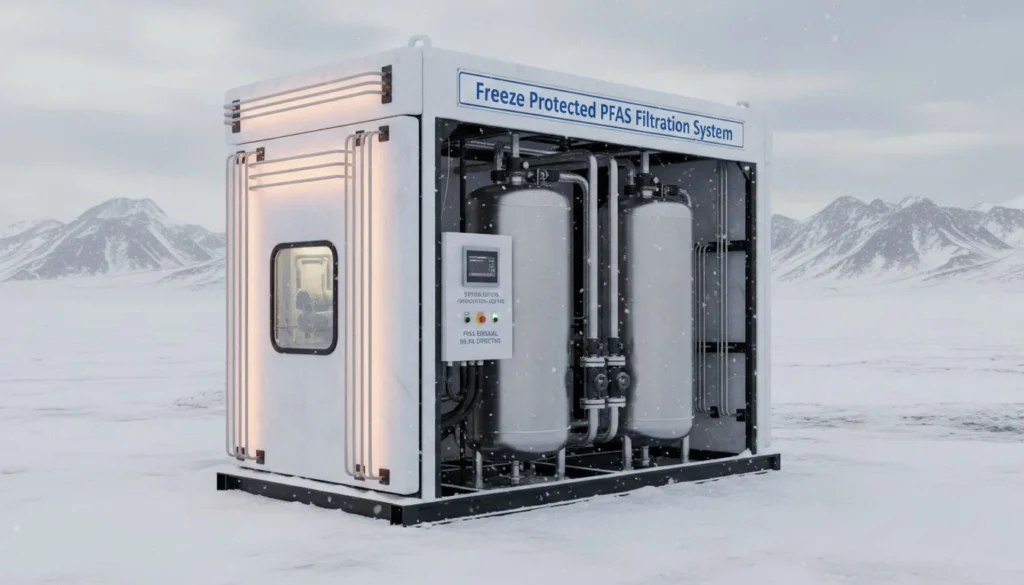
Featured image for Freeze-Protected PFAS Filtration Systems for Cold-Climate Remote Communities

Freeze-Protected PFAS Filtration Systems for Cold-Climate Remote Communities

Protect PFAS filters from freezing! Discover design strategies for reliable water filtration in cold-climate remote communities.
News
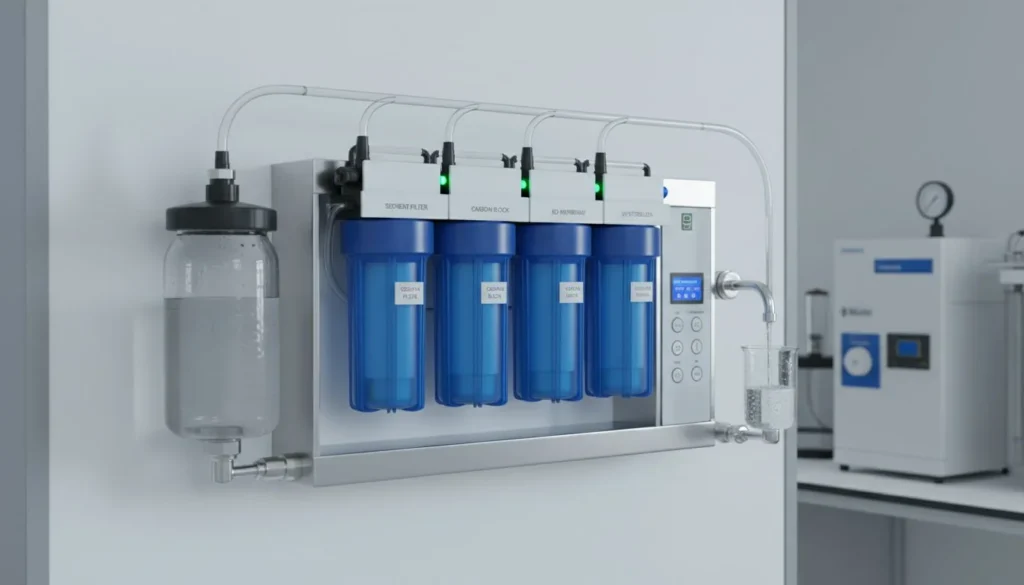
Featured image for Remote Community Water Treatment: How to Reduce Operator Burden with Modular Filtration

Remote Community Water Treatment: How to Reduce Operator Burden with Modular Filtration

Simplify remote water treatment! Discover modular systems that reduce operator workload with low-maintenance design and easy monitoring.
News
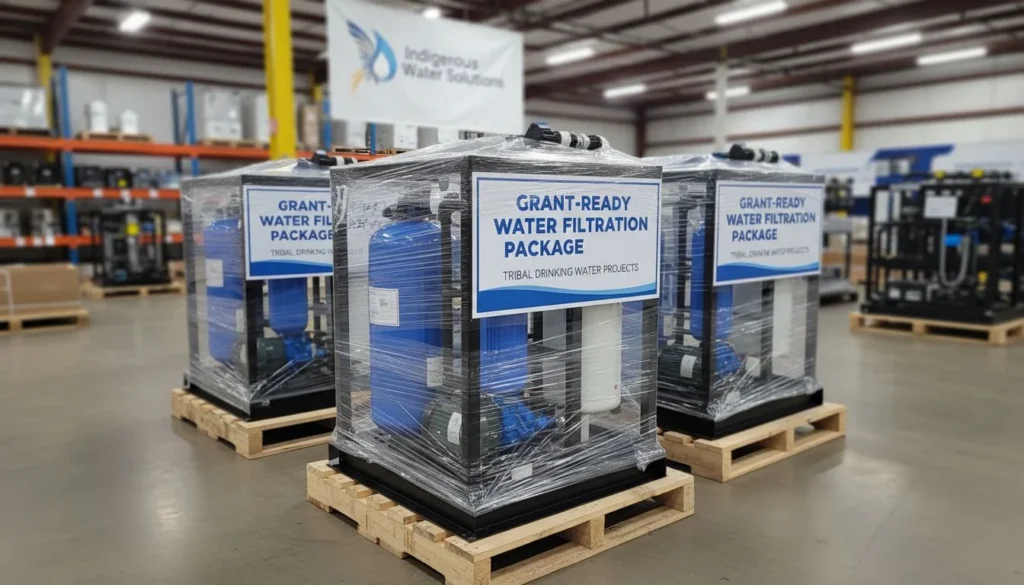
Featured image for Grant-Ready Water Filtration Packages for Tribal Drinking Water Projects

Grant-Ready Water Filtration Packages for Tribal Drinking Water Projects

Secure funding with complete, compliant water filtration packages. Meet grant criteria and maximize your chances today!
News

Featured image for Tribal and Remote Community PFAS Water Treatment: Why Modular Systems Matter

Tribal and Remote Community PFAS Water Treatment: Why Modular Systems Matter

Discover fast, low-maintenance modular PFAS systems for tribal water treatment. Save time and money now!
News

Contaminant Engineering•3 min read

PFAS Water Filtration Technologies Explained: Carbon, Resin & RO

Key Takeaway:

PFAS reduction depends on the specific compounds present, treatment media, contact time, water chemistry, and system design. Activated carbon, ion exchange, and Reverse Osmosis address PFAS through different mechanisms.

PFAS are a large family of persistent fluorinated compounds that can occur in drinking-water supplies. Their treatment behavior varies significantly by molecular structure, chain length, functional group, concentration, and the chemistry of the source water.

Granular Activated Carbon (GAC) removes PFAS primarily through adsorption. It is generally more effective for many longer-chain PFAS, while shorter-chain compounds tend to break through more quickly. Carbon performance depends on media properties, Empty Bed Contact Time (EBCT), competing organic matter, loading, and replacement frequency.

Ion-exchange resins use charged functional sites to capture many PFAS compounds. Properly selected anion-exchange media can provide high capacity and may perform better than conventional activated carbon for some shorter-chain PFAS, although performance still depends on water chemistry and competing ions.

Reverse Osmosis (RO) uses membrane separation rather than adsorption. Properly designed RO systems can provide broad reduction across many PFAS compounds as well as dissolved salts and other contaminants. Unlike carbon or resin, however, RO also produces a concentrate stream that must be managed.

No single technology should be selected from a PFAS label alone. System design should consider which PFAS compounds are present, their concentrations, required reduction targets, flow rate, media life, and the applicable third-party certification or validation requirements.

HisoAir Water Technical Series
Product Discovery•3 min read

How to Choose an Under-Sink Water Purifier for Modern Kitchens

Key Takeaway:

Match the treatment technology to your water quality first, then evaluate cabinet space, faucet configuration, flow rate, drain and power requirements, and filter replacement needs.

Choosing an under-sink water purifier starts with water chemistry. Carbon filtration is well suited to chlorine, taste, odor, and many organic contaminants, while Reverse Osmosis is more appropriate when dissolved salts, fluoride, nitrates, or broader dissolved contaminants need to be reduced.

For compact kitchens, tankless RO systems eliminate the conventional storage tank and can significantly reduce the space required under the sink. However, membrane capacity stated in GPD does not directly equal faucet flow. When comparing systems, check the actual dispensing flow rate, inlet-pressure requirement, recovery ratio, and whether a booster pump is required.

Installation architecture also matters. Many RO systems require a drain connection, electrical power, and either a dedicated drinking-water faucet or a compatible multi-function faucet. High-flow carbon systems can often connect directly to the existing cold-water line with a simpler installation, but pressure drop and available faucet flow should still be verified.

RO also removes much of the naturally occurring dissolved mineral content. Where taste or mineral balance is a priority, a post-RO remineralization stage can be added. Filter life should be evaluated by both rated capacity and local water quality rather than replacement time alone.

The right system is therefore not simply the smallest or highest-GPD model. It is the configuration that matches the target contaminants, available cabinet space, desired faucet setup, peak dispensing demand, and maintenance expectations.

HisoAir Water Technical Series
Water Quality•2 min read

What Does TDS Mean in Drinking Water? Measurement vs Contaminant Reality

Key Takeaway:

A TDS meter estimates the overall concentration of dissolved ionic substances from electrical conductivity. It cannot identify specific contaminants or determine whether water is chemically safe.

Total Dissolved Solids (TDS) refers to the combined concentration of dissolved substances in water. Most handheld TDS meters do not measure TDS directly. Instead, they measure electrical conductivity (EC) and convert that reading into an estimated parts-per-million (ppm) value.

This means a TDS reading can indicate how much dissolved ionic material is present, but not what that material actually is. Calcium, magnesium, sodium, nitrates, and other dissolved ions can all contribute to conductivity, yet a simple TDS meter cannot distinguish between them.

TDS meters are also not suitable for detecting trace contaminants such as PFAS, many VOCs, pesticides, pharmaceuticals, or disinfection byproducts. These substances may be present at concentrations far below the level needed to noticeably change electrical conductivity.

A low TDS reading therefore does not guarantee safe drinking water, and a higher TDS reading does not automatically indicate contamination. Water-treatment decisions should be based on laboratory testing for specific contaminants of concern rather than TDS alone.

HisoAir Water Technical Series
Technology Selection•2 min read

RO vs UF Water Filtration: Understanding Pore Sizes & Dissolved Minerals

Key Takeaway:

Ultrafiltration can reduce bacteria, turbidity, and suspended particles while retaining most naturally occurring dissolved minerals. Reverse Osmosis provides much broader reduction of dissolved salts and smaller contaminants.

Ultrafiltration (UF) typically uses hollow-fiber membranes with pore sizes in the approximate 0.01–0.1 micron range. These membranes physically retain turbidity, suspended solids, colloids, and many microorganisms while allowing dissolved minerals and salts to remain in the water.

Reverse Osmosis (RO) operates at a much finer separation level. Unlike UF, RO can substantially reduce dissolved ions such as sodium, calcium, fluoride, nitrates, and other contributors to total dissolved solids (TDS). This makes RO more suitable when dissolved-salt reduction is a primary treatment objective.

UF generally requires less system pressure and produces little or no continuous concentrate stream in many point-of-use configurations. RO typically requires greater pressure and produces a reject-water stream, but delivers broader contaminant reduction.

For water with acceptable TDS and mineral content, UF can be a simpler mineral-retaining treatment option. Where dissolved salts, fluoride, nitrates, or broader dissolved contaminants are a concern, RO is generally the more appropriate technology.

HisoAir Water Technical Series
Technology Selection•4 min read

Carbon Block vs Reverse Osmosis: Which Fits Your Need?

Key Takeaway:

Choose RO for dissolved inorganic salts and heavy metals; choose Carbon Block for chemical taste/odor, no wastewater, and high line-pressure flow.

Reverse Osmosis (RO) and Carbon Block filtration represent two fundamentally different treatment methods: membrane separation and adsorption. Understanding these differences helps determine which technology is better suited to a specific water-quality requirement.

Reverse Osmosis uses a semi-permeable membrane with pore sizes of approximately 0.0001 microns. It can significantly reduce dissolved inorganic contaminants such as TDS, fluoride, nitrates, and certain heavy metals. Because water must be forced through the membrane, RO systems require sufficient pressure or a booster pump and generate a concentrated wastewater stream.

Carbon Block filtration relies primarily on adsorption through compressed activated carbon, commonly with nominal pore sizes around 0.5–5 microns. It is highly effective for chlorine, chloramines, VOCs, taste, and odor, while allowing substantially higher direct-flow rates without producing wastewater.

From an operating perspective, Carbon Block systems are generally simpler, require less energy, and avoid the water loss associated with RO. RO involves higher system complexity and operating cost, but provides substantially broader reduction of dissolved contaminants that Carbon Block alone cannot address.

HisoAir Water Technical Series

REQUEST A QUOTE