
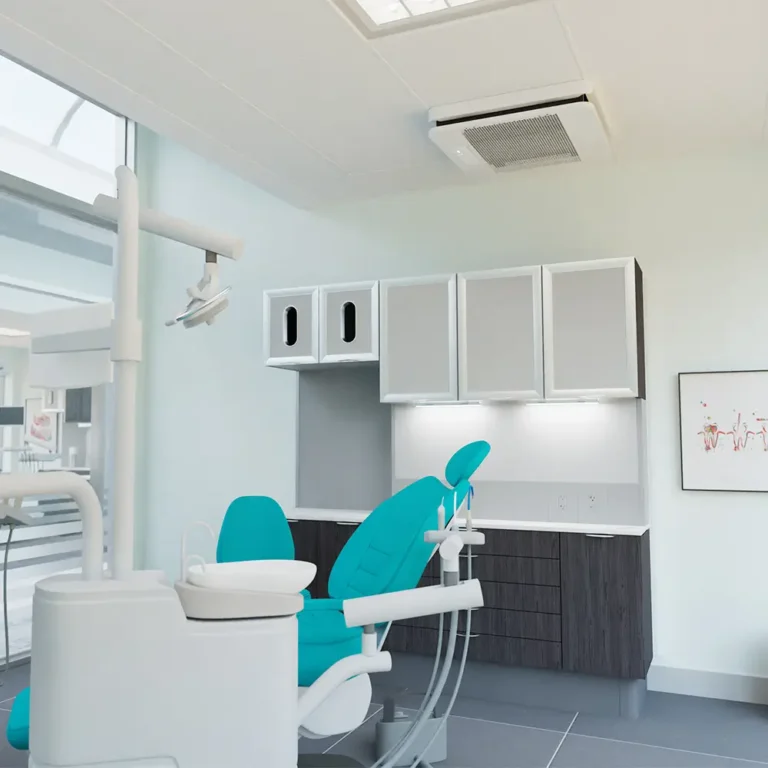
In Japan, a nation celebrated for its deep-rooted focus on health, wellness, and cutting-edge technology, clean indoor air is not just a luxury—it's a fundamental priority. This cultural imperative, combined with high urban density and a post-pandemic focus on hygiene, has cultivated one of the world's most advanced and competitive air purifier markets. Forecasts project the Japanese market to reach between USD 890 million and USD 2.1 billion by the early 2030s, a testament to its robust and sustained growth.
Within this dynamic landscape, ceiling-mounted air purifiers are emerging as a sophisticated solution for both homes and businesses. By moving air purification off the floor, these units save precious space, offer superior and more efficient air circulation, and provide a seamless, integrated aesthetic. However, the market is complex, with global conglomerates and specialized innovators all vying for a share of the ceiling.
This guide provides an in-depth look at the top five manufacturers shaping Japan's ceiling air purifier market: Sharp, Daikin, Panasonic, HisoAir, and Mitsubishi Electric. We will explore their unique technologies, strategic approaches, and flagship products to help you—whether you're a homeowner (D2C) or a business (B2B)—make an informed decision about elevating your indoor air quality.
The Japanese Air Purification Market: A Unique Landscape
Several key factors make the Japanese air purifier market a global benchmark for innovation.

Health and Environmental Consciousness: A strong cultural emphasis on preventive health, coupled with concerns over urban pollution like PM2.5 in cities like Tokyo, drives consistent demand for high-performance filtration. Seasonal allergens are also a major annual concern, making effective allergen removal a key feature.
The Post-Pandemic Imperative: The global pandemic accelerated the demand for cleaner air in all indoor spaces, from residences to offices, healthcare facilities, and schools. This has pushed manufacturers to develop technologies proven to combat airborne pathogens.
Architectural Norms: Unlike many Western homes with central HVAC, Japanese residences typically use duct-less, room-by-room air conditioners. This creates a unique market for compact, targeted "spot" purification solutions, as whole-home, in-duct systems are not feasible. This has led to the development of innovative products designed to fit into light sockets or be installed like recessed lighting.
This context has given rise to a bifurcated ceiling-mounted market:
- Dedicated "Spot" Purifiers: These are compact, standalone units designed for easy installation in smaller residential or light commercial spaces.
- Integrated HVAC Systems: These are advanced purification technologies embedded within commercial HVAC systems, such as ceiling-recessed cassettes.
Profiles of the Top 5 Manufacturers
The Japanese market is led by a handful of dominant domestic corporations. While they all compete for the top spot, their strategies for the ceiling-mounted segment reveal their core strengths and target audiences.
1. Sharp Corporation (The Market Leader)
Corporate Overview: Sharp is the undisputed leader in Japan's air purifier market, a position built on decades of consumer trust and its pioneering technology. Founded in 1912, the company that gave the world the "Ever-Sharp" mechanical pencil has a long history of innovation in consumer electronics.
Signature Technology: Plasmacluster®
Sharp's key differentiator is its Plasmacluster® technology. This active system generates and releases positive and negative ions—identical to those found in nature—into the room. These ions proactively seek out and neutralize airborne contaminants like viruses, mold, and allergens by extracting hydrogen from their surface proteins, returning to the air as harmless water.
Ceiling-Mounted Strategy: Sharp excels at consumer-focused innovation, creating a unique product that merges purification with a common household fixture.
Product Focus: Plasmacluster Ceiling-Mounted Ion Generator (IG-LTA20-W):
This ingenious device is designed to be installed as easily as a light bulb, fitting into a standard E26 socket. It combines a high-density Plasmacluster ion generator with an LED light. An onboard motion sensor activates the light and a quiet "Standard" purification mode when someone enters the room. When they leave, the light turns off, and the generator switches to a more powerful "Strong" mode to thoroughly deodorize the space. It’s an ideal, automated solution for small spaces where floor units are impractical, such as toilets, entryways, and closets.
2. Daikin Industries, Ltd. (The HVAC Titan)
Corporate Overview: Daikin is a global powerhouse in the Heating, Ventilation, and Air Conditioning (HVAC) industry and holds a strong second position in the Japanese air purifier market. Founded in 1924, Daikin's identity is rooted in its mission of "Perfecting the Air," making it the only company in the world that manufactures both air conditioners and refrigerants.
Signature Technology: Streamer Technology
Unlike ion-releasing systems, Daikin's Streamer technology is an internal purification process. It uses a high-power plasma discharge inside the unit to generate high-speed electrons that decompose harmful substances—viruses, bacteria, pollen, and VOCs—captured by the unit's physical filters. This process also helps regenerate the deodorizing filter and keep internal components clean, ensuring sustained performance.
Ceiling-Mounted Strategy: Daikin's strategy is a direct extension of its core B2B business. It doesn't offer standalone residential ceiling purifiers but instead integrates advanced purification into its market-leading commercial HVAC systems.
Product Focus: Enhanced SkyAir and VRV Ceiling Cassettes:
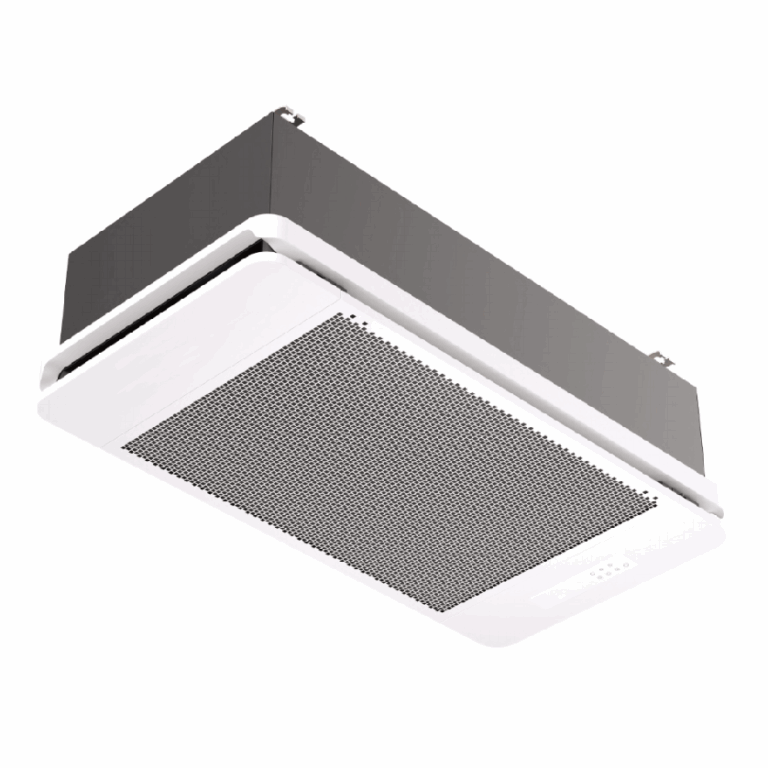
Daikin's primary ceiling products are its commercial air conditioning cassettes, which are ubiquitous in Japanese offices, shops, and clinics. The company leverages its subsidiary, NIPPON MUKI, Japan's top air filter manufacturer, to offer high-performance filter upgrades for these systems. This allows businesses to achieve powerful air purification through their existing climate control infrastructure, often combined with Daikin's Ventiere heat recovery ventilation units for a complete IAQ solution.
3. Panasonic Holdings Corporation (The Design-Forward Innovator)
Corporate Overview: A titan of Japanese industry, Panasonic holds a strong third position in the market, known for blending sophisticated technology with minimalist, modern design. Founded in 1918, the conglomerate's vast portfolio gives it a ubiquitous brand presence and a reputation for quality.
Signature Technology: nanoe™ X
Panasonic's proprietary technology, nanoe™ X, uses high voltage to create trillions of nano-sized water particles containing hydroxyl (OH) radicals. Often called "nature's detergent," these radicals inhibit pollutants, viruses, and odors. Because they are encapsulated in water, they have a longer lifespan than other ions, allowing them to travel further and penetrate deep into fabrics to deodorize from within. A key benefit is that the generator is maintenance-free.
Ceiling-Mounted Strategy: Like Sharp, Panasonic focuses on dedicated "spot" purification, but with a product designed for permanent, seamless integration.
Product Focus: WhisperAir Repair® / Air-e:
This compact, ceiling-mounted purifier is designed for a flush-mount appearance, similar to a recessed downlight. It requires a cutout for installation, making it ideal for new construction and remodels where a clean aesthetic is paramount. The device operates with extremely low noise and power consumption, making it perfect for 24/7 air maintenance in both residential spaces (bedrooms, closets) and light commercial settings like hotels, classrooms, and waiting rooms.
4. HisoAir (The Premium Innovator)

Corporate Overview: HisoAir has established itself as a leading innovator in air purification, recognized for its advanced technology and global reach. With nearly two decades of expertise, the company delivers high-performance, tailored solutions for both residential and commercial clients. Its leadership team brings a wealth of experience, including co-founder Evelyn Wen, who spent over 16 years as a Product and Quality Engineer in Apple's supply chain, instilling a deep commitment to product excellence.
Signature Approach: "Maximum Purification, Minimum Noise"
HisoAir's philosophy centers on delivering powerful, medical-grade filtration with user-friendly design and whisper-quiet operation. This commitment to quality and performance has made HisoAir a trusted partner for leading global brands and Fortune 500 companies, including JP Morgan, Aflac, and BlueAir.
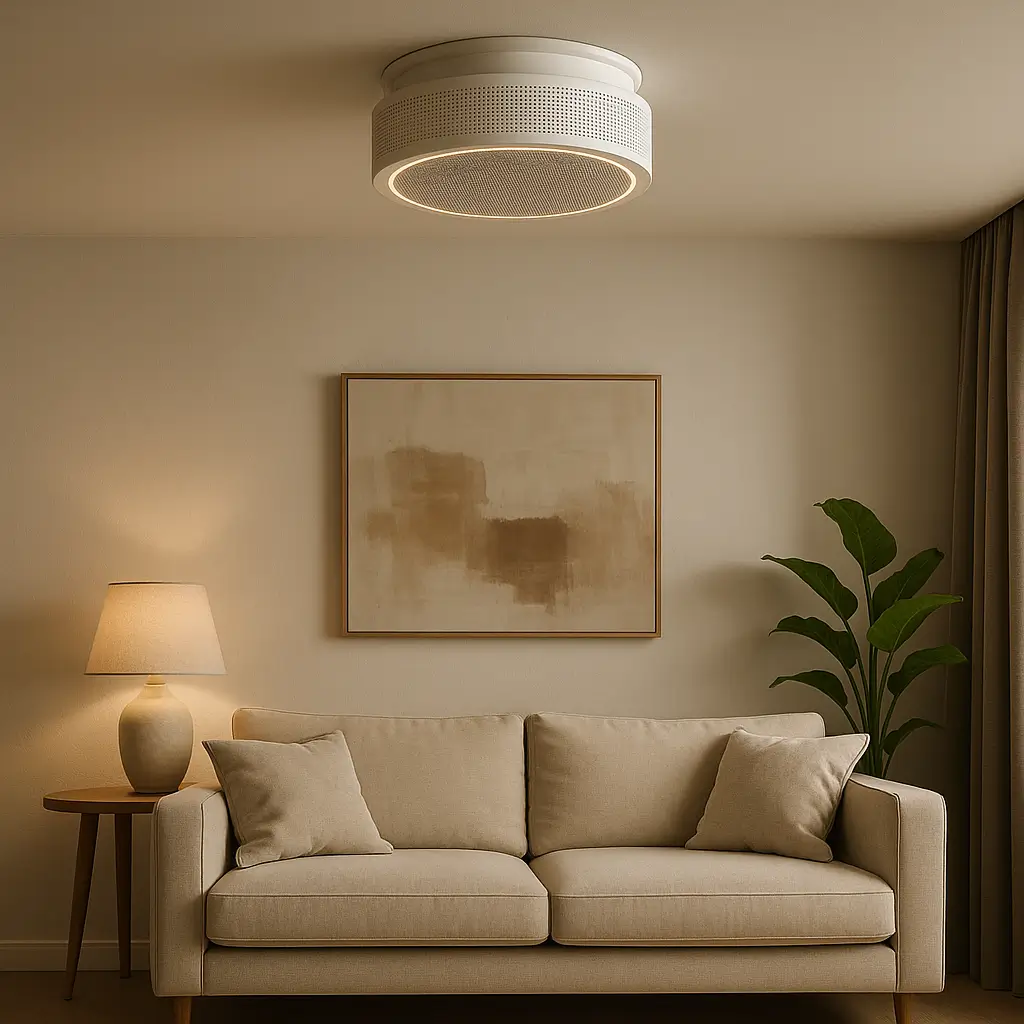
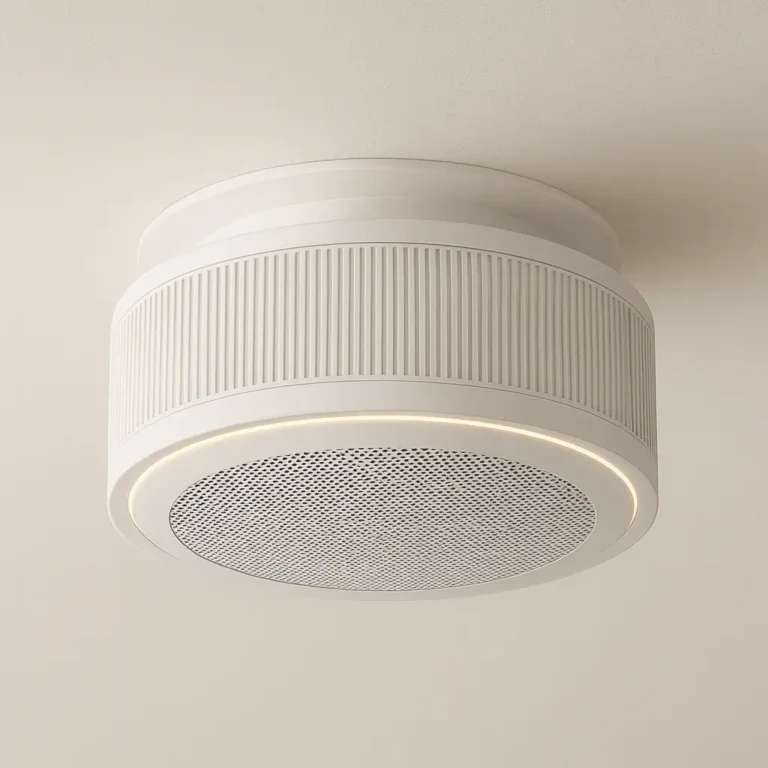
Ceiling-Mounted Strategy: HisoAir specializes in providing premium, customized ceiling-mounted air purifiers that meet the specific needs of each client. This bespoke approach is ideal for discerning B2B and D2C customers who require superior air quality without compromising on design or performance.
Product Focus: Tailored, Smart-Integrated Solutions:
HisoAir's ceiling purifiers are engineered for excellence. They integrate seamlessly into modern smart home and smart building ecosystems, supporting the universal Matter™ protocol for unified control with platforms like Apple HomeKit, Google Home, and Amazon Alexa. For businesses and homeowners seeking a high-performance, technologically advanced, and fully integrated ceiling solution, HisoAir offers unparalleled expertise. Explore their tailored solutions at hisoair.com/ceiling-air-purifiers/.
5. Mitsubishi Electric Corporation (The Engineering Specialist)

Corporate Overview: Ranked fifth in the market, Mitsubishi Electric is renowned for its robust, high-performance, and engineering-driven products. Established in 1921, the company's portfolio ranges from home appliances to factory automation and even satellite systems. In the air purifier market, it targets users who prioritize raw power and specialized functionality.
Signature Technology: Plasma Quad Connect
Mitsubishi Electric's premier technology, Plasma Quad, creates a high-voltage electrical field that functions as a plasma barrier. As air passes through, it effectively captures and neutralizes microscopic particles, including viruses, bacteria, mold, allergens, and PM2.5. Tests have verified its ability to inactivate up to 99.8% of the SARS-CoV-2 virus.
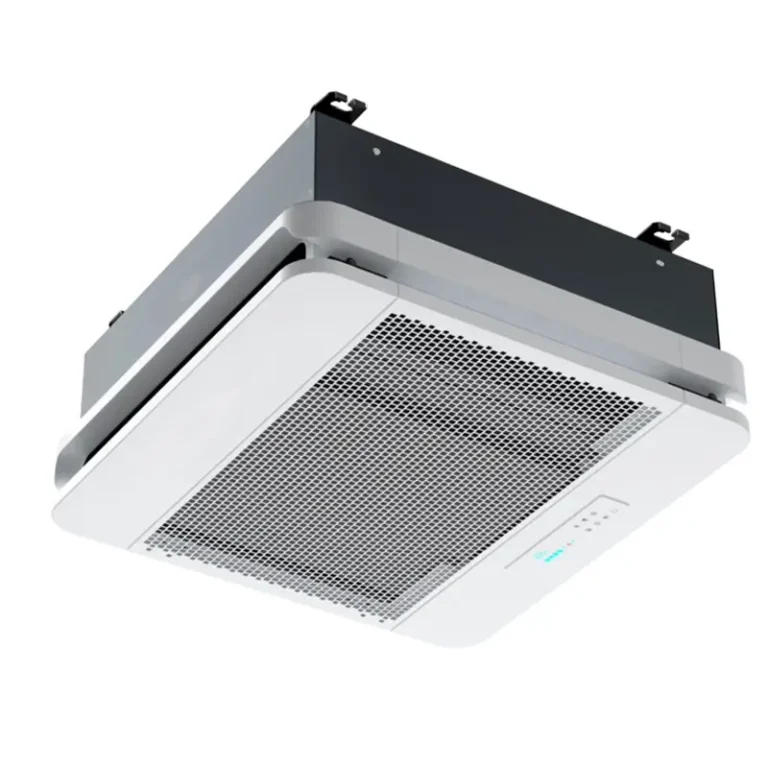
Ceiling-Mounted Strategy: Mitsubishi Electric offers a sophisticated hybrid strategy, providing a dedicated purification module that can be added to its existing HVAC units.
Product Focus: Plasma Quad Connect Add-On Module:
This device is an accessory that brings Plasma Quad technology to Mitsubishi Electric's popular Mr. Slim and City Multi series of 4-way ceiling cassettes. This creates a powerful and cost-effective upgrade path for its massive B2B customer base. Businesses can significantly enhance their indoor air quality to meet modern health standards without the disruption and expense of replacing their entire air conditioning infrastructure.

Key Takeaways and Future Outlook
The Japanese ceiling air purifier market is clearly divided. On one side, consumer electronics giants Sharp and Panasonic innovate with user-friendly "spot" purifiers that solve specific residential challenges. On the other, industrial HVAC powerhouses Daikin and Mitsubishi Electric leverage their vast commercial installed base by offering integrated solutions and high-value upgrades.
Positioned uniquely within this landscape, HisoAir bridges the gap by providing premium, tailored solutions for both high-end D2C and demanding B2B applications. Their focus on medical-grade performance, smart home integration, and customized engineering meets the needs of a market that increasingly refuses to compromise on air quality or aesthetics.
Looking ahead, the market will be driven by several key trends:
- Smart Integration: The convergence of IAQ devices with smart home and building management systems will become standard, with an emphasis on data-driven, automated air quality management.
- Commercial Growth: Sectors like healthcare, hospitality, and education will continue to be major growth drivers as clean air becomes a non-negotiable aspect of public health and safety.
- Sustainability: Energy efficiency and long-life components will become critical differentiators, as consumers and businesses alike focus on reducing their environmental footprint and total cost of ownership.
Choosing the right ceiling air purifier depends entirely on your specific needs. Whether you require a simple, localized solution for a small room, a comprehensive upgrade for a commercial HVAC system, or a premium, custom-engineered solution for a high-end space, Japan's leading manufacturers offer a diverse range of options to help everyone breathe easier.

 English
  Français
  Español
  Italiano
  Deutsch
  Português
  Русский
  العربية
  日本語
日本語  한국어
한국어  Tiếng Việt

