
新しいタブで開きます
革新的な空気品質ソリューション

加湿器

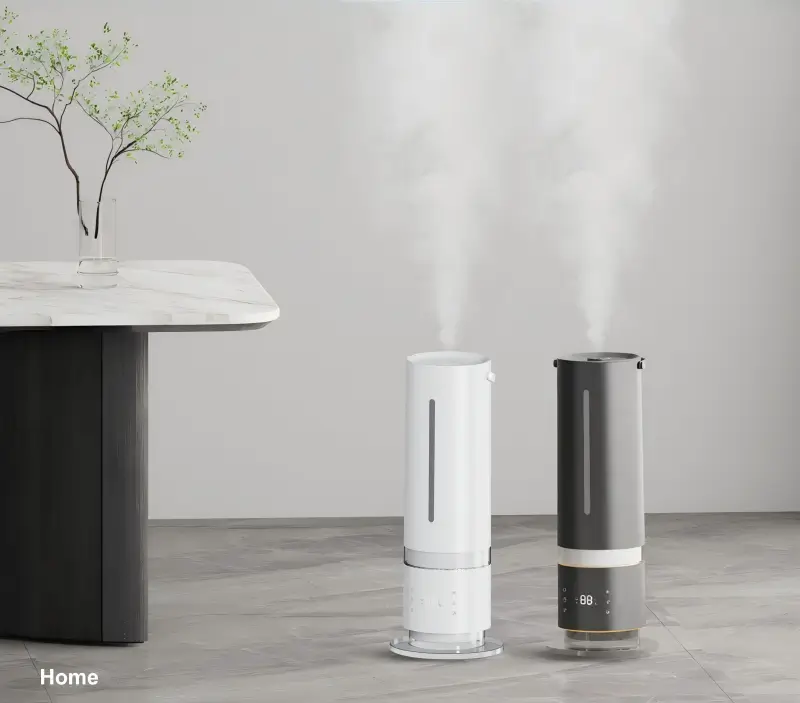
大型タンク式加湿器 HM 239D

What Does a Humidifier Do? Strategic Insights for Businesses and OEM Buyers

As Alwen Lee, Founder & CEO of HisoAir, with over two decades of experience in environmental technology, I’ve witnessed firsthand how indoor air quality (IAQ) ...
加湿器
加湿器

Top 10 Humidifiers for Blocked Nose

Nasal congestion is more than just an annoyance; it disrupts sleep, affects focus, and leaves you feeling drained. One of the most effective, non-pharmacological tools ...
加湿器
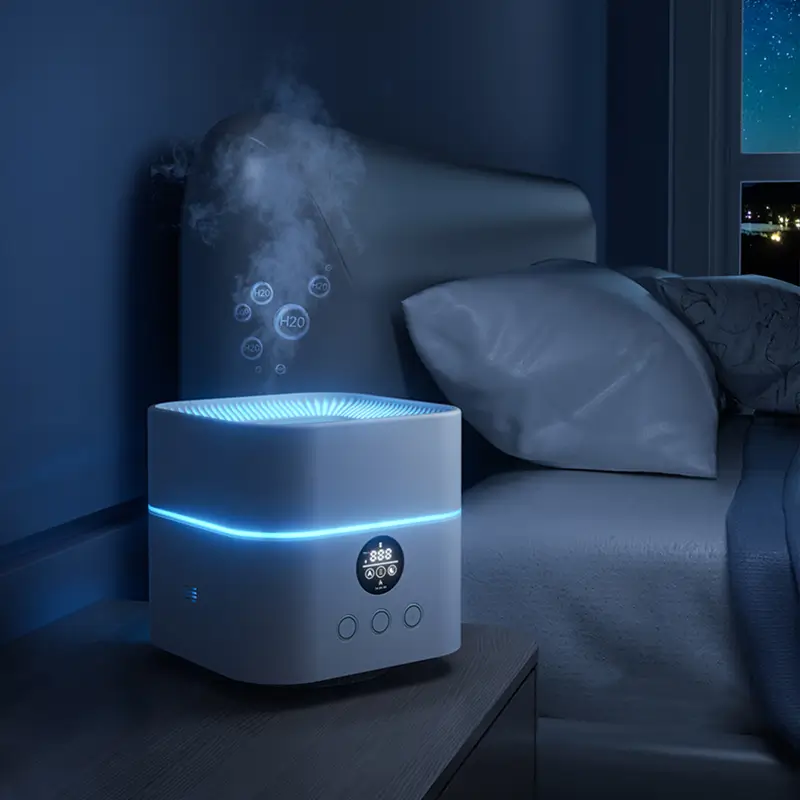
3 in 1 air purifier & humidifier & diffuser ha m18d

Best Humidifier for Bedroom: A Strategic Guide for B2B Buyers

As the Founder & CEO of HisoAir, with over two decades in indoor air quality (IAQ) technology, I've observed a critical, yet often overlooked, aspect ...
加湿器
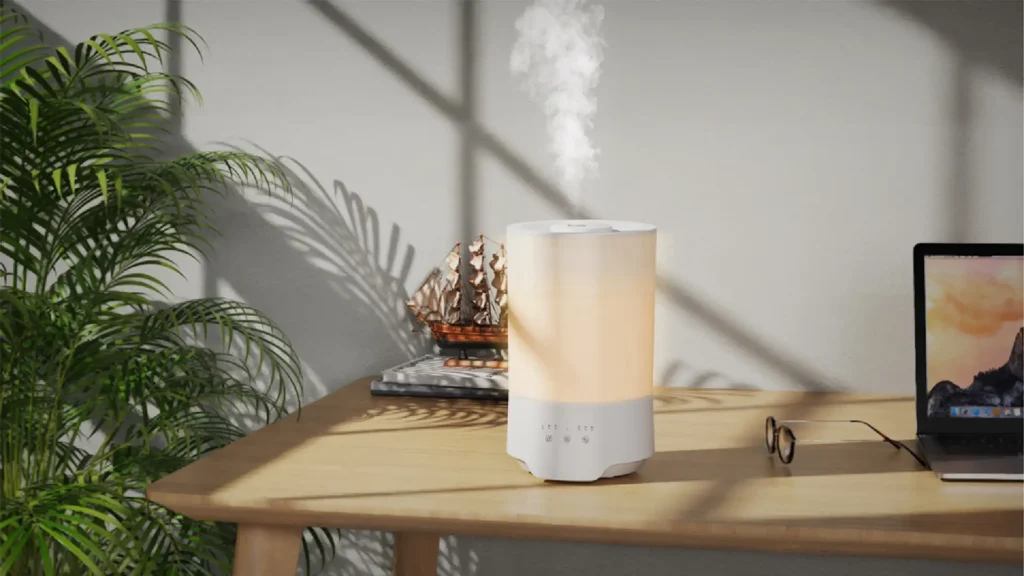
hybrid cool & warm mist humidifer hm d0328

How to Clean a Humidifier Tank to Prevent Mold Growth

A humidifier can be a fantastic tool for improving your indoor comfort, especially during dry seasons. It can soothe irritated sinuses, help you sleep better, ...
Humidifier, News
ultrasonic humidifier HM D236

Humidifier for Croup: Does It Really Work?

As a father of two, I know the fear that strikes when your child wakes up gasping with that unmistakable barking cough of croup. Like ...
加湿器
carepod humidifier 1

The Smart Humidification Trend: Stainless Steel Designs for Modern Homes

In an era where our homes are increasingly becoming extensions of our personal well-being, the humble humidifier has undergone a remarkable transformation. It has evolved ...
加湿器
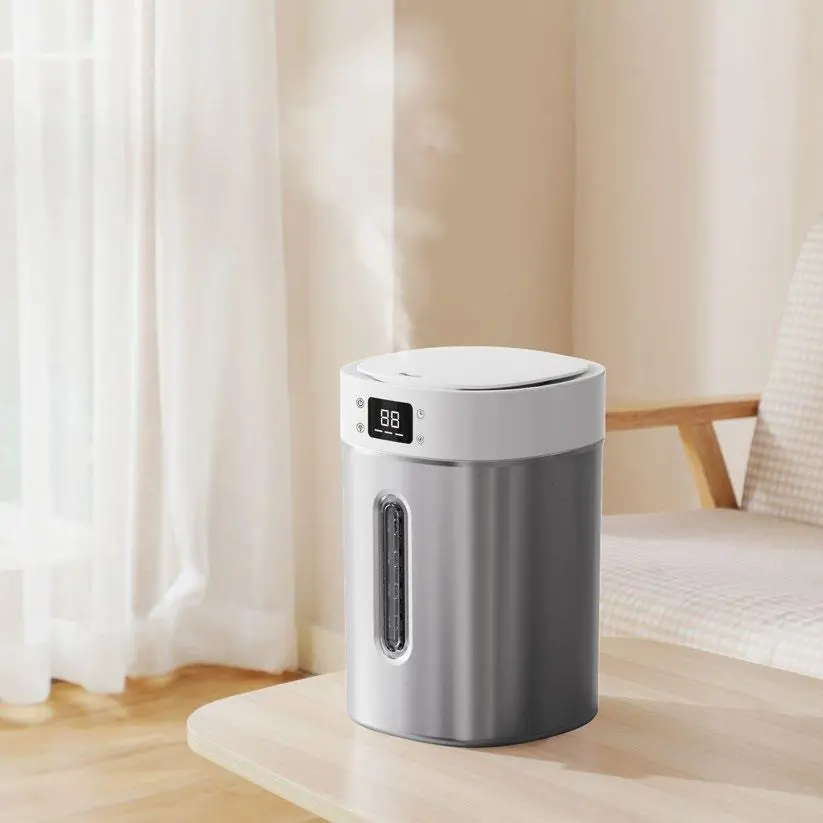
Cylindrical humidifier with a white top and grey body

Stainless Steel vs. Plastic Humidifiers: 5 Reasons Stainless Wins Every Time

As a product development partner in the Indoor Air Quality (IAQ) industry, we’ve observed a consistent challenge across humidifier programs: customers expect stable humidity performance, ...
加湿器
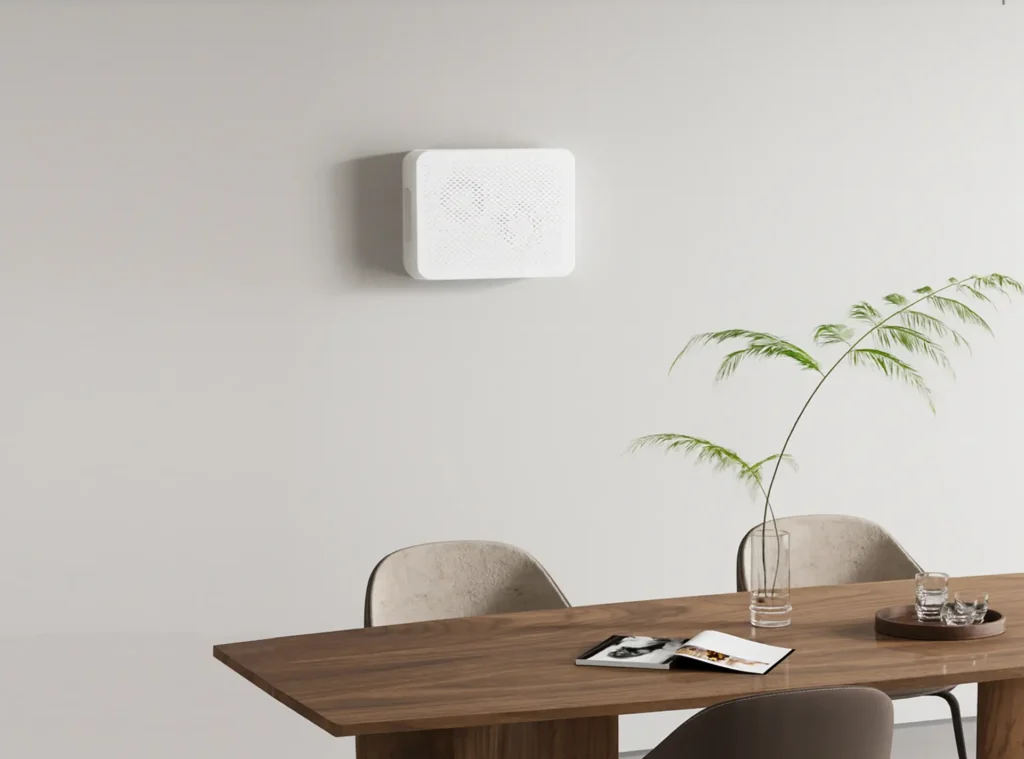
Wall-mounted air purifier above a wooden table

Best 5 Japanese Manufacturers of Air Purifiers and Humidifiers

In Japan a nation celebrated for its focus on health, wellness, and cutting-edge technology clean indoor air has become a top priority. Rising urban density, ...
Air Purifier Manufacturers, Humidifier
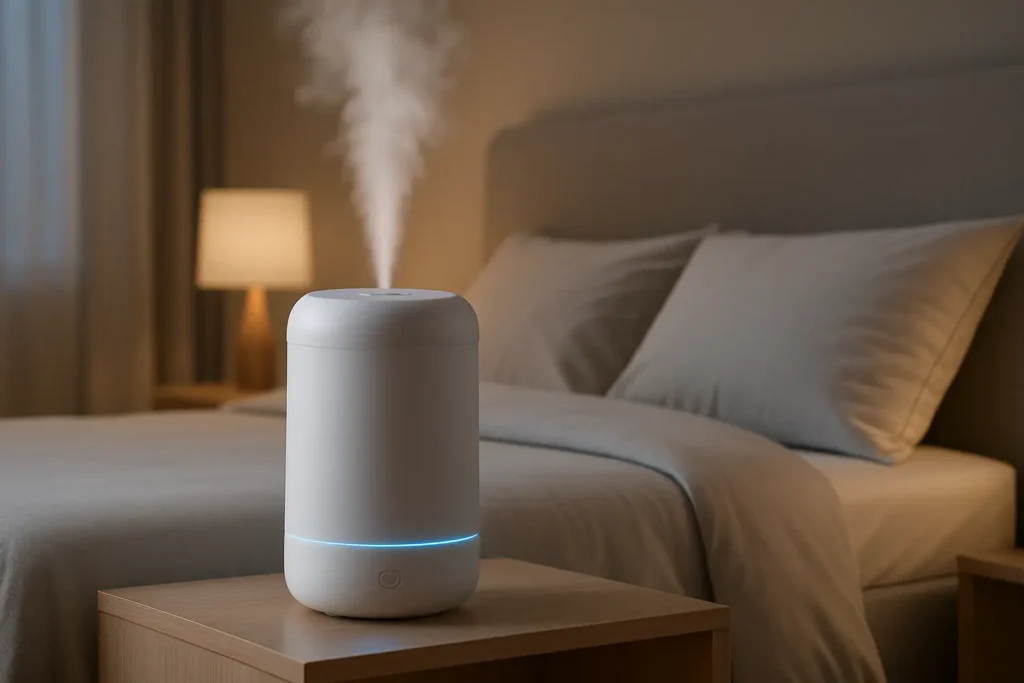
Humidifier on a bedside table

What Are the Best Humidifiers for Your Bedroom?

In today’s fast-paced business landscape, delivering exceptional indoor air quality (IAQ) solutions is key to building strong brand value and market competitiveness. Among IAQ products, ...
加湿器
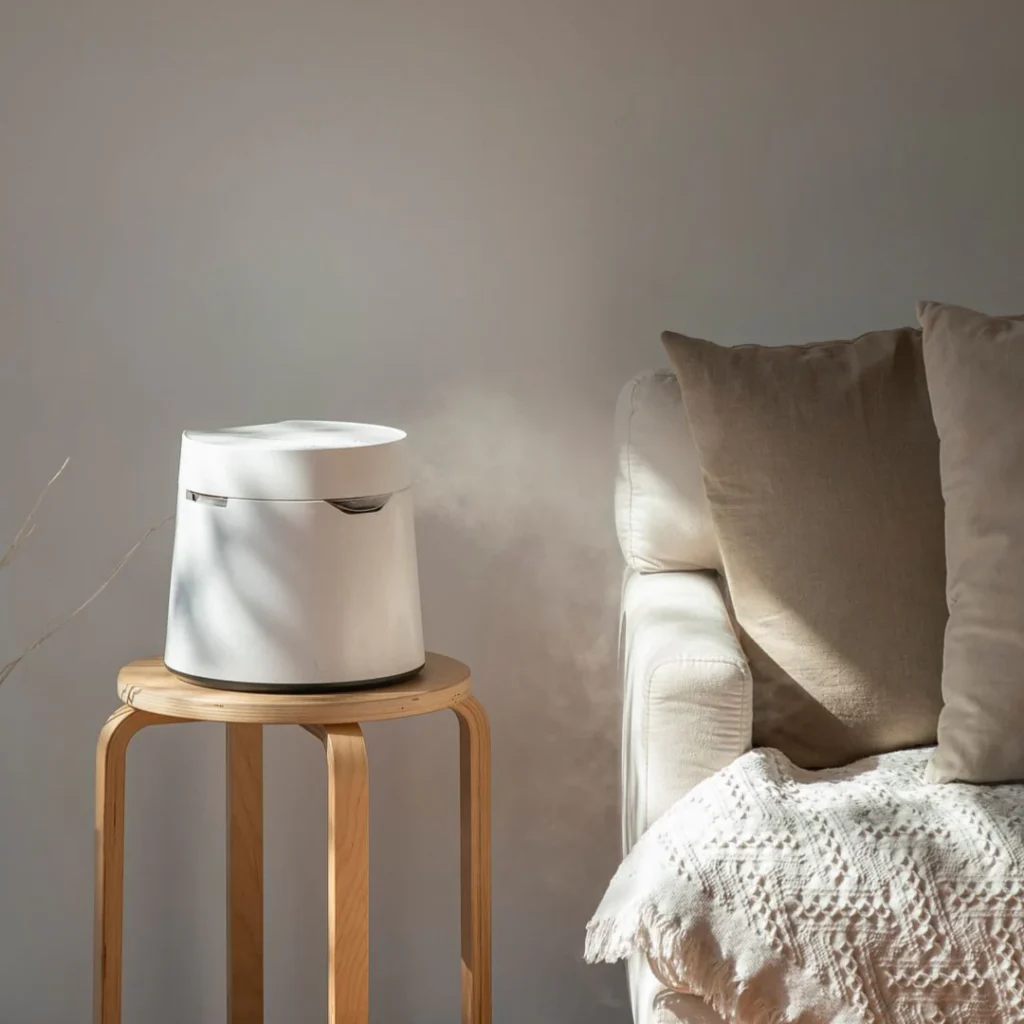
carepod humidifier2

Top 5 South Korean Humidifier Manufacturers for B2B Buyers

The South Korean humidifier market stands as a fascinating case study in consumer electronics, shaped by unique historical factors and driven by evolving health and ...
Humidifier, News
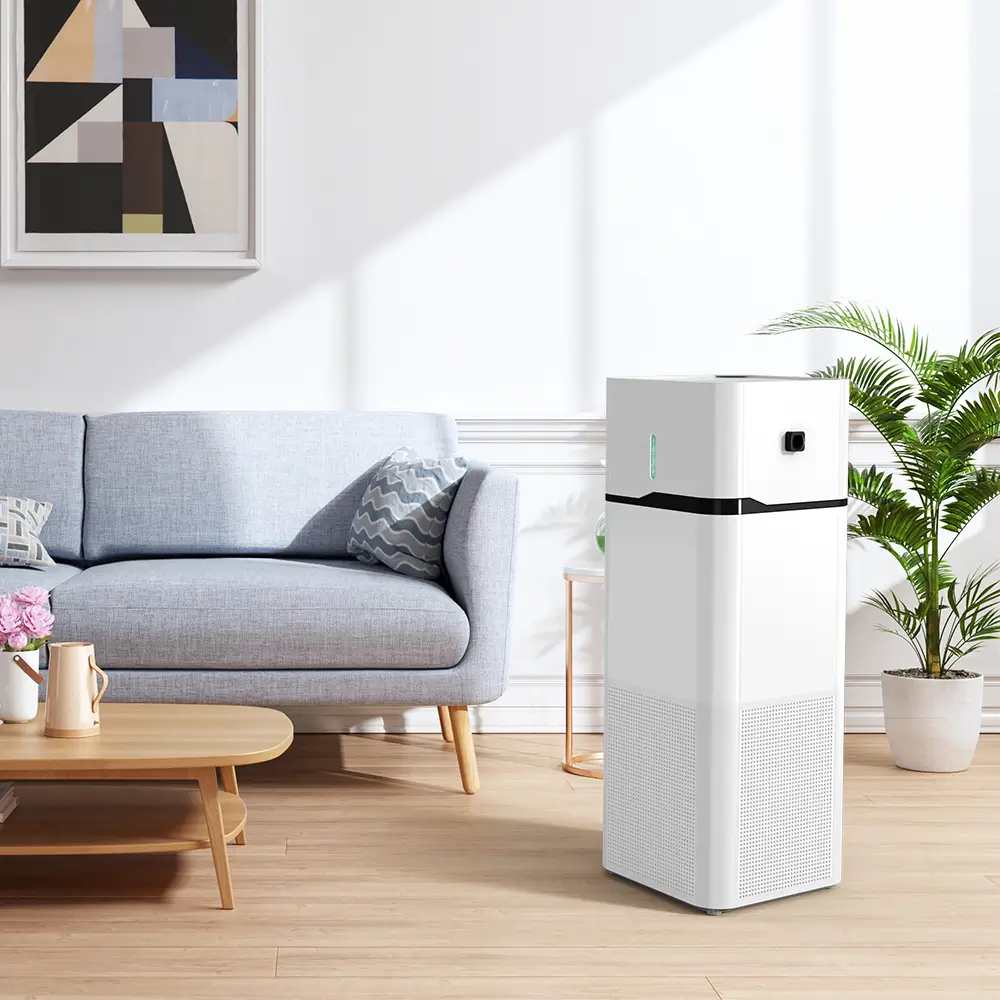
加湿空気清浄機 hm3000 (5)

Top 5 Humidifier Manufacturers in the United States

The U.S. humidifier market is experiencing remarkable momentum, fueled by heightened awareness of indoor air quality, increasing respiratory health concerns, and the growing adoption of ...
Humidifier, News
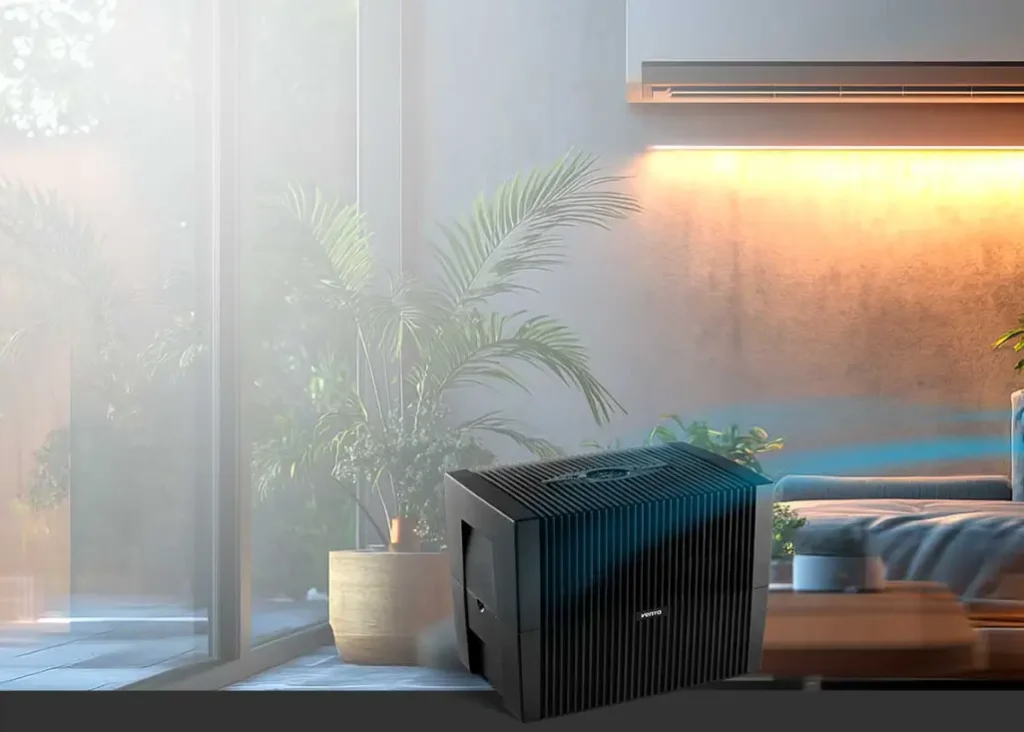
venta original lw15 black open arrow humidifier 3

Where Are Venta Humidifiers Manufactured?

When investing in a premium appliance like a humidifier, discerning buyers often ask a critical question: "Where is it made?" The country of origin is ...
Humidifier, News
Contaminant Engineering•3 min read

PFAS Water Filtration Technologies Explained: Carbon, Resin & RO

Key Takeaway:

PFAS reduction depends on the specific compounds present, treatment media, contact time, water chemistry, and system design. Activated carbon, ion exchange, and Reverse Osmosis address PFAS through different mechanisms.

PFAS are a large family of persistent fluorinated compounds that can occur in drinking-water supplies. Their treatment behavior varies significantly by molecular structure, chain length, functional group, concentration, and the chemistry of the source water.

Granular Activated Carbon (GAC) removes PFAS primarily through adsorption. It is generally more effective for many longer-chain PFAS, while shorter-chain compounds tend to break through more quickly. Carbon performance depends on media properties, Empty Bed Contact Time (EBCT), competing organic matter, loading, and replacement frequency.

Ion-exchange resins use charged functional sites to capture many PFAS compounds. Properly selected anion-exchange media can provide high capacity and may perform better than conventional activated carbon for some shorter-chain PFAS, although performance still depends on water chemistry and competing ions.

Reverse Osmosis (RO) uses membrane separation rather than adsorption. Properly designed RO systems can provide broad reduction across many PFAS compounds as well as dissolved salts and other contaminants. Unlike carbon or resin, however, RO also produces a concentrate stream that must be managed.

No single technology should be selected from a PFAS label alone. System design should consider which PFAS compounds are present, their concentrations, required reduction targets, flow rate, media life, and the applicable third-party certification or validation requirements.

HisoAir Water Technical Series
Product Discovery•3 min read

How to Choose an Under-Sink Water Purifier for Modern Kitchens

Key Takeaway:

Match the treatment technology to your water quality first, then evaluate cabinet space, faucet configuration, flow rate, drain and power requirements, and filter replacement needs.

Choosing an under-sink water purifier starts with water chemistry. Carbon filtration is well suited to chlorine, taste, odor, and many organic contaminants, while Reverse Osmosis is more appropriate when dissolved salts, fluoride, nitrates, or broader dissolved contaminants need to be reduced.

For compact kitchens, tankless RO systems eliminate the conventional storage tank and can significantly reduce the space required under the sink. However, membrane capacity stated in GPD does not directly equal faucet flow. When comparing systems, check the actual dispensing flow rate, inlet-pressure requirement, recovery ratio, and whether a booster pump is required.

Installation architecture also matters. Many RO systems require a drain connection, electrical power, and either a dedicated drinking-water faucet or a compatible multi-function faucet. High-flow carbon systems can often connect directly to the existing cold-water line with a simpler installation, but pressure drop and available faucet flow should still be verified.

RO also removes much of the naturally occurring dissolved mineral content. Where taste or mineral balance is a priority, a post-RO remineralization stage can be added. Filter life should be evaluated by both rated capacity and local water quality rather than replacement time alone.

The right system is therefore not simply the smallest or highest-GPD model. It is the configuration that matches the target contaminants, available cabinet space, desired faucet setup, peak dispensing demand, and maintenance expectations.

HisoAir Water Technical Series
Water Quality•2 min read

What Does TDS Mean in Drinking Water? Measurement vs Contaminant Reality

Key Takeaway:

A TDS meter estimates the overall concentration of dissolved ionic substances from electrical conductivity. It cannot identify specific contaminants or determine whether water is chemically safe.

Total Dissolved Solids (TDS) refers to the combined concentration of dissolved substances in water. Most handheld TDS meters do not measure TDS directly. Instead, they measure electrical conductivity (EC) and convert that reading into an estimated parts-per-million (ppm) value.

This means a TDS reading can indicate how much dissolved ionic material is present, but not what that material actually is. Calcium, magnesium, sodium, nitrates, and other dissolved ions can all contribute to conductivity, yet a simple TDS meter cannot distinguish between them.

TDS meters are also not suitable for detecting trace contaminants such as PFAS, many VOCs, pesticides, pharmaceuticals, or disinfection byproducts. These substances may be present at concentrations far below the level needed to noticeably change electrical conductivity.

A low TDS reading therefore does not guarantee safe drinking water, and a higher TDS reading does not automatically indicate contamination. Water-treatment decisions should be based on laboratory testing for specific contaminants of concern rather than TDS alone.

HisoAir Water Technical Series
Technology Selection•2 min read

RO vs UF Water Filtration: Understanding Pore Sizes & Dissolved Minerals

Key Takeaway:

Ultrafiltration can reduce bacteria, turbidity, and suspended particles while retaining most naturally occurring dissolved minerals. Reverse Osmosis provides much broader reduction of dissolved salts and smaller contaminants.

Ultrafiltration (UF) typically uses hollow-fiber membranes with pore sizes in the approximate 0.01–0.1 micron range. These membranes physically retain turbidity, suspended solids, colloids, and many microorganisms while allowing dissolved minerals and salts to remain in the water.

Reverse Osmosis (RO) operates at a much finer separation level. Unlike UF, RO can substantially reduce dissolved ions such as sodium, calcium, fluoride, nitrates, and other contributors to total dissolved solids (TDS). This makes RO more suitable when dissolved-salt reduction is a primary treatment objective.

UF generally requires less system pressure and produces little or no continuous concentrate stream in many point-of-use configurations. RO typically requires greater pressure and produces a reject-water stream, but delivers broader contaminant reduction.

For water with acceptable TDS and mineral content, UF can be a simpler mineral-retaining treatment option. Where dissolved salts, fluoride, nitrates, or broader dissolved contaminants are a concern, RO is generally the more appropriate technology.

HisoAir Water Technical Series
Technology Selection•4 min read

Carbon Block vs Reverse Osmosis: Which Fits Your Need?

Key Takeaway:

Choose RO for dissolved inorganic salts and heavy metals; choose Carbon Block for chemical taste/odor, no wastewater, and high line-pressure flow.

Reverse Osmosis (RO) and Carbon Block filtration represent two fundamentally different treatment methods: membrane separation and adsorption. Understanding these differences helps determine which technology is better suited to a specific water-quality requirement.

Reverse Osmosis uses a semi-permeable membrane with pore sizes of approximately 0.0001 microns. It can significantly reduce dissolved inorganic contaminants such as TDS, fluoride, nitrates, and certain heavy metals. Because water must be forced through the membrane, RO systems require sufficient pressure or a booster pump and generate a concentrated wastewater stream.

Carbon Block filtration relies primarily on adsorption through compressed activated carbon, commonly with nominal pore sizes around 0.5–5 microns. It is highly effective for chlorine, chloramines, VOCs, taste, and odor, while allowing substantially higher direct-flow rates without producing wastewater.

From an operating perspective, Carbon Block systems are generally simpler, require less energy, and avoid the water loss associated with RO. RO involves higher system complexity and operating cost, but provides substantially broader reduction of dissolved contaminants that Carbon Block alone cannot address.

HisoAir Water Technical Series

見積依頼