新しいタブで開きます
革新的な空気品質ソリューション

カビアレルギー対策に最適な空気清浄機とは?

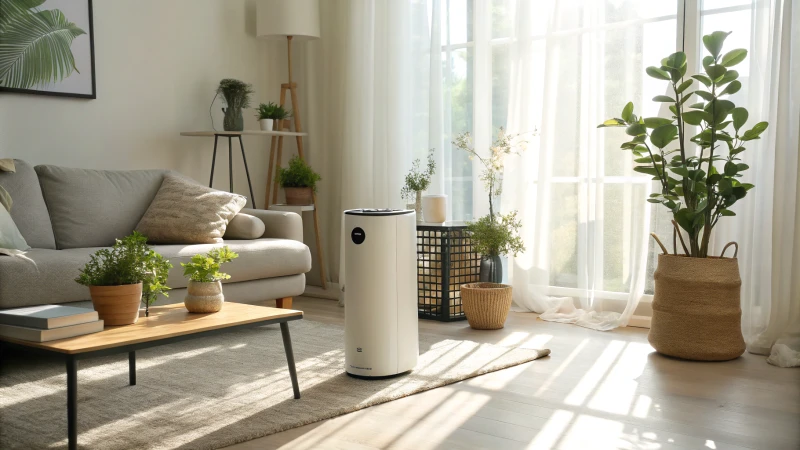
明るいリビングルームにモダンな空気清浄機
リビングルームのモダンな空気清浄機

あなたの家がカビアレルギーに対する砦のように思えたことはないだろうか?

空気清浄機 ヘパ または ヘパ 14フィルターはカビアレルギーに効果的です。これらのフィルターは小さなカビの胞子を効果的に捕集します。空気の質を改善し、アレルギー症状を軽減します。このフィルターで空気がきれいになります。きれいな空気は快適さをもたらします。

真 ヘパ そして ヘパ 14フィルターは空気清浄のスーパーヒーローのような役割を果たす。しかし、考えるべきことは他にもある。最初は空気清浄機が多すぎて混乱した。徐々に、これらのフィルター内部のテクノロジーを知ることで、すべてが変わることを知った。これらのフィルターは小さな粒子を捕捉する。トップブランドはさまざまな機能を提供している。他の機能は空気清浄機の働きを向上させる。

HEPA 14フィルターはカビアレルギーに効果的です。真

HEPA 14フィルターは、カビを含む浮遊粒子を99.995%捕集します。

バイオポーラ除電は、カビに対してはHEPAよりも効果的です。偽

HEPAフィルターは、カビ除去のためのラボテストにおいて、より効果的であることが証明されている。

本当のところはどうなのか? ヘパ フィルターがカビアレルギーに効く?

カビアレルギーと人知れず闘っているような気がすることはありませんか?真実 ヘパ フィルターがあなたの隠れた味方になってくれるかもしれない。

真 ヘパ フィルターがカビアレルギーを改善します。空気中のカビの胞子を99.97%捕捉し、0.3ミクロンの小さな胞子も捕捉します。これは暴露を大幅にカットします。このため、家庭内のアレルギー症状は落ち着きます。

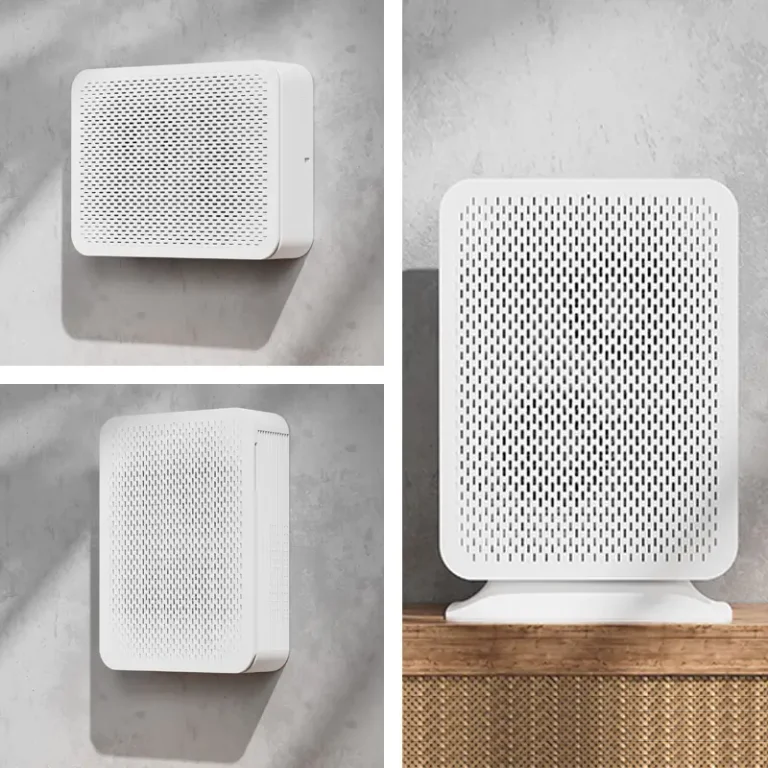
繊維構造を示す真のHEPAフィルターのクローズアップ
HEPAフィルターのクローズアップ

理解する ヘパ テクノロジー

を初めて知ったときのことを思い出す。 ヘパ 我が家に隠された超能力を見つけたような気分だった。真実 ヘパ (高効率粒子状空気)フィルターは、花粉やホコリを含む多くの空気中の粒子を捕集します。カビの胞子も捕捉するのに優れています。0.3ミクロンの粒子を99.97%捕集することで、アレルゲンへの日常的な暴露を大幅に低減します。

カビの胞子ろ過

カビの胞子は1ミクロンから20ミクロンである。 真 ヘパ フィルター1 カビを簡単に捕らえることができる。これはカビに敏感な人にとっては本当に重要なことで、カビにさらされる機会が減るということは、くしゃみの回数が減り、鼻づまりも軽減されるということだ。呼吸がより快適になり、呼吸するたびに安心感が得られます。

空気清浄機の重要性

私が初めて空気清浄機を購入したとき、その空気清浄機の性能の高さに驚きました。 ヘパ フィルターのおかげで、我が家はすっかり変わりました。カビが生えやすい場所には、おそらく良い空気清浄機が必要だろう。抗菌レイヤーを備えたモデルは、カビの繁殖をガードするような役割を果たすので、とても役に立つ。

特徴 説明
真 ヘパ フィルター 0.3ミクロンの粒子を99.97%捕捉
抗菌層 フィルター表面のカビ胞子の成長を防ぐ

その他の技術

よりクリーンな空気を求めて、次のような技術も導入した。 PECOテクノロジー2 はカビアレルギーを扱うと主張している。しかし ヘパ が、頑固な胞子を捕獲するには最も信頼できる。他の方法は聞こえはいいかもしれないが、通常、より多くのケアが必要であったり、長期的にはそれほど効果的でなかったりする。

メンテナンス ヘパ フィルター

定期的なメンテナンスはとても重要です。フィルター交換の時期が表示されている機種もあります。継続的なカビアレルギー対策はこれにかかっていますので、常に忘れないようにしてください。

これらの点を理解することで、適切な空気清浄機を選び、適切にメンテナンスすることで、カビアレルギーを遠ざけることができる。

空気清浄技術の詳細な比較については、以下を参照されたい。 この包括的なガイド3 お客様のニーズに最適なソリューションをお選びください。

真のHEPAフィルターはカビアレルギーに最適です。真

HEPAフィルターはカビの胞子を効果的に捕獲し、アレルゲンを低減します。

バイオポーラ除電は、カビに対してはHEPAよりも効果的です。偽

HEPAフィルターは、カビ除去のための実験室テストにおいて優れていることが証明されている。

なぜなのか? ヘパ 14の技術がカビ除去に優れている?

私の家に初めてカビが生えたときは、とても不安になった。その後、私はカビの強さについて学んだ。 ヘパ 14種類のフィルター

ヘパ 14フィルターはカビの除去に優れています。0.3ミクロンの微粒子を99.995%捕集します。その結果、低級フィルターよりもはるかにクリーンな室内環境を実現します。

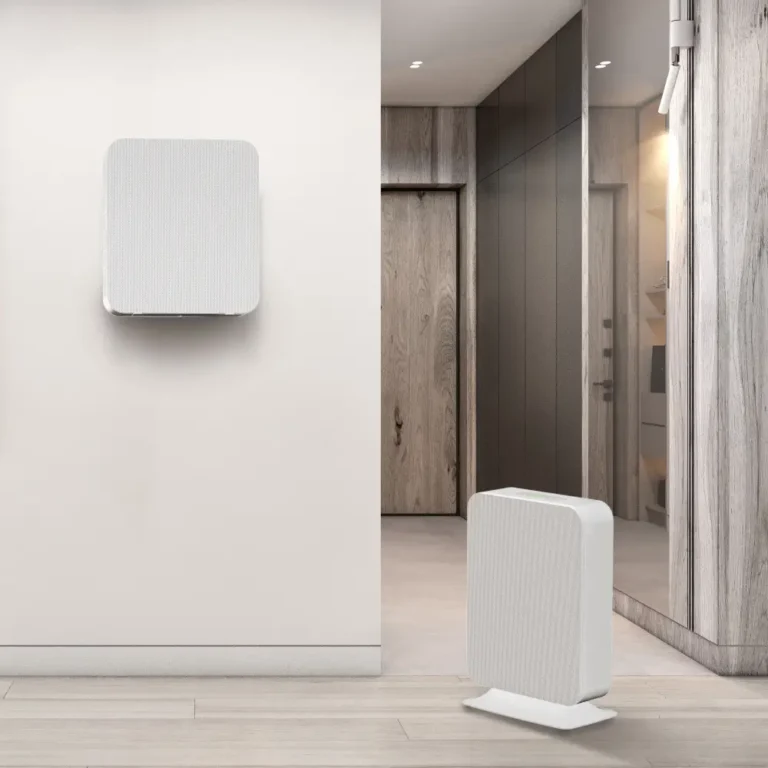
モダンなHEPA 14空気清浄機を明るいリビングルームに設置
HEPA 14 空気清浄機

理解する ヘパ 14 テクノロジー

私はその重要性を学んだことを覚えている。 ヘパ 14フィルター である。地下室でカビを見つけたので空気清浄機について調べていたのですが、そのデータに驚きました。高効率粒子状空気 (ヘパ)のフィルターは小さな粒子を捕らえることで有名だ。 ヘパ 14 0.3ミクロンの粒子を99.995%捕集する。

フィルタータイプ 効率性 粒子径(ミクロン)
ヘパ 13 99.95% 0.3
ヘパ 14 99.995% 0.3

この事実だけで、私はこの選択を確信した。 ヘパ 14 カビと戦うための最も賢い選択だった。

カビとその健康への影響

カビの胞子は家の隅に潜み、健康を害する。カビの胞子はアレルギーや呼吸障害を引き起こすことがわかりました。その 米国肺協会4 のような高効率フィルターの必要性を強調している。 ヘパ 14.

比較 ヘパ 14 他の技術との組み合わせ

さまざまな技術を探求するのは、少し怖いかもしれない。以下のようなオプションがある。 バイポーライオン化 そして PECOテクノロジー 期待できそうだが、私の調査によれば ヘパ がやはり最高だ。

  • バイポーラ電離:イオンは粒子にくっつくが、粒子にはくっつかない ヘパの信頼性である。
  • PECOテクノロジー:粒子を殺すために光を使用するが、常に勝てるとは限らない ヘパ カビのため。

詳しくは これらのレビュー5.

実際の応用と利点

部屋に一歩足を踏み入れれば、新鮮な空気を吸うことができる。カビの臭いもなく、有害なものを吸い込む心配もない。これは ヘパ 14フィルター 家庭で。これらのフィルターは、地下室やバスルームのような湿気の多い場所で重宝する。

この技術に興味をお持ちの方は、家庭や仕事場での利用を検討してみてはいかがだろうか。 製品オプション6 使用する ヘパ 14フィルター 素晴らしいカビ対策のために。私の生活は本当に変わりました。私の家はより良く、より新鮮で、より楽しく感じられるようになりました。

HEPA 14フィルターはカビ除去に優れている。真

HEPA 14フィルターは、低グレードのものよりも小さな粒子を効果的に捕集します。

カビアレルギーは長い年月をかけてガンになる可能性がある。偽

カビアレルギーは呼吸器系の問題を引き起こすが、癌を直接引き起こすことはない。

カビ用空気清浄機に求めるべき機能とは?

私の家にカビが生え始めたとき、最高の空気清浄機を手に入れる時が来たと悟った。正しい清浄機を選ぶと、生活空間が本当に変わります。

True(真)の空気清浄機を使う ヘパ このタイプのフィルターは、空気中の小さな胞子をキャッチすることができる。このタイプのフィルターは、空気中の小さな胞子をキャッチすることができます。UV-Cライト・テクノロジーは細菌やカビを殺す。カーボンフィルターは悪臭を除去し、抗菌フィルターはカビの繁殖を抑える。これらの道具を一緒に使うことで、空気がより新鮮に保たれます。きれいな空気はとても重要です。新鮮な空気はとても重要だ。

スタイリッシュなリビングルームにモダンな空気清浄機
最新の空気清浄機

真 ヘパ フィルター最良の選択

真実について学ぶ ヘパ フィルターが大きな安心感をもたらしてくれました。この上部フィルターは、頑固なカビの胞子を含む小さな粒子を99.97%も捕集する。きれいな空気だけを通す、クラブの警備員のようなものだ。選び方 ヘパ 14モデルは、さらに小さな粒子を扱う特別アクセスパスを手に入れたようなものだ。 さらに詳しく ヘパ フィルター7.

活性炭フィルター悪臭の除去

部屋に一歩足を踏み入れると、古臭くなく新鮮な香りがして、私は活性炭フィルターに魅了された。このフィルターは芳香剤のような働きをし、カビの臭いや有害な化学物質を吸い込む。その結果は?清潔で新鮮な香りのする家。

特徴 メリット
真 ヘパ フィルター 99.97%の粒子を捕捉
活性炭フィルター 臭気とVOCを吸収
抗菌フィルター バクテリアとカビの胞子を殺す

UV-Cライト技術:胞子を破壊する

UV-Cライトの技術を思い浮かべると、小さな剣がカビの胞子を切り裂くようなイメージが浮かんだ。劇的ではないが、UV-Cライトは本当に微生物のDNAを破壊し、成長を止める。UV-Cライトの効果は、光の照射時間と強さによって変化することを覚えておいてほしい。 UV-Cテクノロジーについて8.

抗菌フィルター:さらなる安全性

私にとって、抗菌フィルターを使う快適さは何物にも代えがたい。抗菌フィルターに含まれる特殊な化学物質が、フィルターに付着したカビやバクテリアの繁殖を抑え、フィルターをより長く、より良く機能させるのだ。

湿度コントロールの特徴カビを防ぐ

カビは湿った状態を好むことがわかった。室内の湿度をコントロールすることは重要です。空気清浄機の中には、湿度を下げたり、湿度のバランスを保つセンサーがついているものもある。家にお天気マシーンがあるような気分で、おそらくカビを永久に止めることができるだろう。

テクノロジーの比較クイックルック

他の技術も良さそうに聞こえるかもしれないが、私の経験と研究では、頑丈なものに勝るものはない。 ヘパ ラボと幸せなユーザーから信頼されているフィルター。

これらの特徴を知ることは、カビを上手に処理し、室内の空気の健康を改善する空気清浄機を選ぶのに役立ちます。それはまさに、あなたの家を安全で快適な空間に変えることなのだ。

HEPA 14フィルターは、カビアレルギーに最も効果的である。真

HEPA 14フィルターは、カビの胞子を含む99.995%の粒子を捕集します。

バイオポーラ除電は、カビ除去にはHEPAよりも効果的です。偽

研究所のテストでは、HEPAフィルターの方がカビの除去効果が高い。

カビアレルギーに最も信頼できる空気清浄機はどのブランドか?

カビアレルギーのしつこい苛立ちを経験したことがあるだろうか。この苦労は多くの人が共有しています。正しい空気清浄機は、きれいな空気を求めるあなたのこの問題を解決します。

カビアレルギーを防ぐには、Trueを搭載した空気清浄機を選ぶこと。 ヘパ フィルター、特に ヘパ 14または防カビ微生物フィルター付きのもの。HisoAirはその優れた濾過システムで際立っている。

スタイリッシュな空気清浄機を備えた明るいモダン・リビングルーム
リビングルームのスタイリッシュな空気清浄機

カビアレルギーと空気清浄機の理解

カビアレルギーとの戦いは、くしゃみと喉のかゆみの多発を意味する。緩和策を見つけることが不可欠になる。私は、いつも掃除しているのに喉がイガイガしてイライラすることが多かった。そんな時、空気清浄機の威力を知った。

考えるべき重要なこと:

  • フィルタータイプ:真 ヘパ フィルターは非常に役に立つ。以下のようなモデルを検討してください。 ヘパ カビ胞子の捕獲効率に優れた14。
  • 追加機能:防カビ・微生物フィルターが、より一層の保護を提供します。

注目のトップブランド

ブランド 主な特徴
ヒソエア ヘパ 14および抗菌フィルター
モレキュール PECOテクノロジー
ヘルスウェイ DFSテクノロジー

ヒソエアカビアレルギー対策のトップチョイス

HisoAirは私の家の空気の質を本当に変えてくれました。彼らの ヘパ 14フィルター9 はカビ・アレルゲンを効果的に除去する。その高度な技術は重度のアレルギーに最適である。

モレキュールPECOテクノロジー

Molekuleは、私の関心を引いた。 PECOテクノロジー10これは非常に細かいレベルで機能する。通常のものと比べてみるのも面白いかもしれない。 ヘパ フィルターがある。

ヘルスウェイのDFSテクノロジー

ヘルスウェイのDFSシステムは病院で高い評価を得ている。その強力な病原体捕獲能力を知り、製品を検討した。

その他の空気清浄機技術

そのほか ヘパ やPECOなど、新しい技術が次々と登場している:

  • バイオポーラー電離:空気中のアレルゲンを中和することで知られる。
  • UVライト:カビの胞子を即座に死滅させる効果がある。

これらを理解する テクノロジー11 は、自分に合ったものを選ぶのにとても役立つだろう。

適切なオプションを選ぶ

空気清浄機を選ぶのは大変に感じるが、それは技術をニーズに合わせることだ。部屋の大きさやアレルギーの特質について考えてみましょう。ユーザーの意見や専門家のアドバイスが役に立つことも多い。この ガイド12 を明確にするのに役立つかもしれない。

多くの選択肢がある中で、どの機能が重要かを理解することは、私がそうであったように、空気環境を改善する製品への道しるべとなります。HisoAirを選ぶにせよ、他のブランドを選ぶにせよ、自分のニーズを知ることは、より良い呼吸をすることにつながります。

HEPA 14フィルターは、カビの胞子を効果的に除去します。真

HEPA 14フィルターは、カビを含む99.995%の粒子を捕獲するように設計されています。

カビアレルギーは長い年月をかけてガンになる可能性がある。偽

カビアレルギーは呼吸器系の問題を引き起こすが、癌との関連はない。

結論

真 ヘパ そして ヘパ 14台の空気清浄機は、小さな胞子を捕獲することでカビアレルギーと効果的に闘い、空気の質を改善し、アレルギー症状を軽減して、より健康的な室内環境を実現します。


  1. カビの胞子を捕獲し、アレルギー症状を軽減するHEPAフィルターの効率について学ぶ。 ↩

  2. カビの胞子やアレルゲンをろ過するPECO技術とHEPAとの比較をご覧ください。 ↩

  3. さまざまな空気浄化技術を詳細に比較し、カビアレルギーの管理に最適なものを見つけてください。 ↩

  4. 信頼できる保健機関から、カビへの長期暴露に関連する潜在的な健康リスクについて学ぶ。 ↩

  5. さまざまな空気浄化技術の詳細な比較をご覧いただき、十分な情報に基づいた決断をしてください。 ↩

  6. カビを効果的に除去するHEPA 14テクノロジーを搭載した、トップクラスの空気清浄機をお探しください。 ↩

  7. HEPAフィルターが空気中のカビ胞子やその他のアレルゲンの除去に高い効果を発揮する理由をご覧ください。 ↩

  8. カビの胞子や細菌を分子レベルで破壊するUV-Cライト技術の仕組みをご覧ください。 ↩

  9. ヒソエアの高度なろ過がカビアレルゲンに高い効果を発揮する理由をご覧ください。 ↩

  10. Molekuleの革新的なPECOテクノロジーと従来のHEPAフィルターの比較をご覧ください。 ↩

  11. カビの胞子を中和する紫外線の有効性を理解する。 ↩

  12. 専門家やユーザーのレビューから、あなたのニーズに最適な空気清浄機をお選びください。 ↩

シェアする
Alwen Lee of HisoAir
Alwen Lee, an air purification expert with over 10 years of experience, is a devoted father of two and a passionate traveler, having explored more than 30 countries. With a love for public speaking and swimming, he has dedicated his life to the indoor air quality industry. His mission is to ensure that people around the world enjoy the freedom to breathe clean air and lead happy, healthy lives.

メッセージを送る

もっと読む

Modern living room with a family enjoying a healthy indoor environment monitored by smart devices, natural lighting, and greenery.

After IFA 2026: The Healthy Home Is Moving Beyond Smart Devices

In our previous IFA 2026 column, Air Purification Is Becoming Part of the Healthy-Home Platform, we argued that the next generation of indoor-health products would ...
ニュース
Modern living room and kitchen with smart home air quality devices including an air purifier, humidifier, and water filtration system, connected with visualized blue connectivity lines.

IFA 2026: Air Purification Is Becoming Part of the Healthy-Home Platform

Pre-IFA Industry Perspective | September 4, 2026 This article is based on official announcements and regulatory information available ahead of IFA 2026, which takes place ...
ニュース
Comparison infographic showcasing the differences between carbon block filter and activated carbon fiber. Detailed diagrams illustrate the hierarchical porous structure of the carbon block with long diffusion paths and the open microporous structure of the activated carbon fiber with direct access for PFAS adsorption.

Carbon Block vs. Activated Carbon Fiber (ACF): Matching Media to Target Contaminants

Two carbon media. Same adsorption chemistry. Very different behaviour in a point-of-use cartridge. If you are specifying a water purifier platform for a PFAS-aware market, ...
ニュース
NSF base listing and ANF private-label certification pathway for OEM water filters

What Is an NSF Master Listing? A Guide to Base Listings, ANF Certification and OEM Water Filters

For a brand preparing to launch an OEM water purifier, one of the most common supplier claims is: “We already have an NSF master listing, ...
News, Water Purifiers
Healthy-home brand team reviewing PFAS water filter certification, test data and product engineering

Entering the Water Category Is Easy. Building a Credible PFAS Claim Is Much Harder

For air purification, appliance and healthy-home brands, entering the water category can look surprisingly easy. A company can select an existing undersink system, customize its ...
ニュース
Team in a business meeting discussing a water filtration system with product components and a comparison table displayed on a screen.

5 Leading OEM Water Purifier Manufacturers in China for Private Label Brands

China has thousands of companies selling water filters, reverse osmosis systems and drinking-water appliances. However, only a portion of them are suitable for private-label, OEM ...
ニュース
Contaminant Engineering•3 min read

PFAS Water Filtration Technologies Explained: Carbon, Resin & RO

Key Takeaway:

PFAS reduction depends on the specific compounds present, treatment media, contact time, water chemistry, and system design. Activated carbon, ion exchange, and Reverse Osmosis address PFAS through different mechanisms.

PFAS are a large family of persistent fluorinated compounds that can occur in drinking-water supplies. Their treatment behavior varies significantly by molecular structure, chain length, functional group, concentration, and the chemistry of the source water.

Granular Activated Carbon (GAC) removes PFAS primarily through adsorption. It is generally more effective for many longer-chain PFAS, while shorter-chain compounds tend to break through more quickly. Carbon performance depends on media properties, Empty Bed Contact Time (EBCT), competing organic matter, loading, and replacement frequency.

Ion-exchange resins use charged functional sites to capture many PFAS compounds. Properly selected anion-exchange media can provide high capacity and may perform better than conventional activated carbon for some shorter-chain PFAS, although performance still depends on water chemistry and competing ions.

Reverse Osmosis (RO) uses membrane separation rather than adsorption. Properly designed RO systems can provide broad reduction across many PFAS compounds as well as dissolved salts and other contaminants. Unlike carbon or resin, however, RO also produces a concentrate stream that must be managed.

No single technology should be selected from a PFAS label alone. System design should consider which PFAS compounds are present, their concentrations, required reduction targets, flow rate, media life, and the applicable third-party certification or validation requirements.

HisoAir Water Technical Series
Product Discovery•3 min read

How to Choose an Under-Sink Water Purifier for Modern Kitchens

Key Takeaway:

Match the treatment technology to your water quality first, then evaluate cabinet space, faucet configuration, flow rate, drain and power requirements, and filter replacement needs.

Choosing an under-sink water purifier starts with water chemistry. Carbon filtration is well suited to chlorine, taste, odor, and many organic contaminants, while Reverse Osmosis is more appropriate when dissolved salts, fluoride, nitrates, or broader dissolved contaminants need to be reduced.

For compact kitchens, tankless RO systems eliminate the conventional storage tank and can significantly reduce the space required under the sink. However, membrane capacity stated in GPD does not directly equal faucet flow. When comparing systems, check the actual dispensing flow rate, inlet-pressure requirement, recovery ratio, and whether a booster pump is required.

Installation architecture also matters. Many RO systems require a drain connection, electrical power, and either a dedicated drinking-water faucet or a compatible multi-function faucet. High-flow carbon systems can often connect directly to the existing cold-water line with a simpler installation, but pressure drop and available faucet flow should still be verified.

RO also removes much of the naturally occurring dissolved mineral content. Where taste or mineral balance is a priority, a post-RO remineralization stage can be added. Filter life should be evaluated by both rated capacity and local water quality rather than replacement time alone.

The right system is therefore not simply the smallest or highest-GPD model. It is the configuration that matches the target contaminants, available cabinet space, desired faucet setup, peak dispensing demand, and maintenance expectations.

HisoAir Water Technical Series
Water Quality•2 min read

What Does TDS Mean in Drinking Water? Measurement vs Contaminant Reality

Key Takeaway:

A TDS meter estimates the overall concentration of dissolved ionic substances from electrical conductivity. It cannot identify specific contaminants or determine whether water is chemically safe.

Total Dissolved Solids (TDS) refers to the combined concentration of dissolved substances in water. Most handheld TDS meters do not measure TDS directly. Instead, they measure electrical conductivity (EC) and convert that reading into an estimated parts-per-million (ppm) value.

This means a TDS reading can indicate how much dissolved ionic material is present, but not what that material actually is. Calcium, magnesium, sodium, nitrates, and other dissolved ions can all contribute to conductivity, yet a simple TDS meter cannot distinguish between them.

TDS meters are also not suitable for detecting trace contaminants such as PFAS, many VOCs, pesticides, pharmaceuticals, or disinfection byproducts. These substances may be present at concentrations far below the level needed to noticeably change electrical conductivity.

A low TDS reading therefore does not guarantee safe drinking water, and a higher TDS reading does not automatically indicate contamination. Water-treatment decisions should be based on laboratory testing for specific contaminants of concern rather than TDS alone.

HisoAir Water Technical Series
Technology Selection•2 min read

RO vs UF Water Filtration: Understanding Pore Sizes & Dissolved Minerals

Key Takeaway:

Ultrafiltration can reduce bacteria, turbidity, and suspended particles while retaining most naturally occurring dissolved minerals. Reverse Osmosis provides much broader reduction of dissolved salts and smaller contaminants.

Ultrafiltration (UF) typically uses hollow-fiber membranes with pore sizes in the approximate 0.01–0.1 micron range. These membranes physically retain turbidity, suspended solids, colloids, and many microorganisms while allowing dissolved minerals and salts to remain in the water.

Reverse Osmosis (RO) operates at a much finer separation level. Unlike UF, RO can substantially reduce dissolved ions such as sodium, calcium, fluoride, nitrates, and other contributors to total dissolved solids (TDS). This makes RO more suitable when dissolved-salt reduction is a primary treatment objective.

UF generally requires less system pressure and produces little or no continuous concentrate stream in many point-of-use configurations. RO typically requires greater pressure and produces a reject-water stream, but delivers broader contaminant reduction.

For water with acceptable TDS and mineral content, UF can be a simpler mineral-retaining treatment option. Where dissolved salts, fluoride, nitrates, or broader dissolved contaminants are a concern, RO is generally the more appropriate technology.

HisoAir Water Technical Series
Technology Selection•4 min read

Carbon Block vs Reverse Osmosis: Which Fits Your Need?

Key Takeaway:

Choose RO for dissolved inorganic salts and heavy metals; choose Carbon Block for chemical taste/odor, no wastewater, and high line-pressure flow.

Reverse Osmosis (RO) and Carbon Block filtration represent two fundamentally different treatment methods: membrane separation and adsorption. Understanding these differences helps determine which technology is better suited to a specific water-quality requirement.

Reverse Osmosis uses a semi-permeable membrane with pore sizes of approximately 0.0001 microns. It can significantly reduce dissolved inorganic contaminants such as TDS, fluoride, nitrates, and certain heavy metals. Because water must be forced through the membrane, RO systems require sufficient pressure or a booster pump and generate a concentrated wastewater stream.

Carbon Block filtration relies primarily on adsorption through compressed activated carbon, commonly with nominal pore sizes around 0.5–5 microns. It is highly effective for chlorine, chloramines, VOCs, taste, and odor, while allowing substantially higher direct-flow rates without producing wastewater.

From an operating perspective, Carbon Block systems are generally simpler, require less energy, and avoid the water loss associated with RO. RO involves higher system complexity and operating cost, but provides substantially broader reduction of dissolved contaminants that Carbon Block alone cannot address.

HisoAir Water Technical Series

見積依頼