新しいタブで開きます
Air & Water Purification OEM/ODM Manufacturer | HisoAir

カビ用空気清浄機

Related Products

HisoAirは10年以上の経験を持つプロの空気清浄機メーカーです。同社は空気消毒機と空気清浄機のOEM/ODMサービスに重点を置き、世界の一流ブランドと取引しています。

当社は、ユーザーフレンドリーで高品質な空気清浄機・除菌機の世界トップメーカーのひとつです。 

HisoMedical社(HisoAir社傘下)は空気清浄機の専門メーカーとして、お客様のターゲット市場や使用シーンに合わせた様々な空気清浄機ソリューションを提供しています。 

当社の医療用空気清浄機は、空気中に浮遊するカビやその他の微生物を捕獲することができます。

クラス最高のカビ用空気清浄機 

いくつかのHisoAir空気清浄機は、カビ胞子の除去に関して非常に優れた性能を発揮します。これらの空気清浄機には、医療用HEPAフィルター、カーボンフィルター、その他のメカニズムが搭載されており、カビの捕獲に効果的です。 

ヒソエアの空気清浄機の一般的なタイプを以下に示します。

  • ヒソエア HA-1601
  • ヒソエア HA-1968
  • ヒソエア HA-1000
  • ヒソエア HA-138
  • ヒソエア HA-139
  • ヒソエア HA-W400

なぜ空気清浄機が不可欠なのか?

空気清浄機は、空気中の汚染物質を除去する最も効率的な方法のひとつである。また、空気清浄機の中には、臭いの原因となる物質や化学物質、化合物を分解することができる特殊なフィルターを備えたものもある。

以下は、空気清浄機の粒子の重要性の一部である:

カビの胞子を除去する

空気清浄機を使えば、空気中のカビの胞子を除去し、空気の質を改善することができる。これらの空気清浄機は、空気中の汚染物質を除去するために、フィルターを通して強制的に空気を送るためにファンを使用します。 

アレルゲンを捕捉する

アレルゲンとは、アレルギーや喘息などの有害な免疫反応を引き起こす物質である。空気清浄機はHEPAフィルターで動作し、後者は空気中のアレルゲンを捕捉するために人気があります。  

ウイルスを殺す

空気清浄機は、浮遊粒子、汚染物質、アレルゲン、さらにはウイルスから空気を除菌・浄化するために、さまざまなフィルター技術を使用している。つまり、粒子をろ過し、ウイルスも除菌・死滅させるのだ。

真菌とカビを減少させる

キノコ、酵母、カビを含む真菌は、ほとんどの人にとってアレルゲンとなり得る。研究によると、HEPA空気清浄機ファンが家庭内の浮遊真菌を効果的に減少させる。  

煙を抑える

煙は室内空気汚染の主な原因である。丸太を燃やす焚き火、山火事、タバコ、調理などから発生する。ある研究によると、ポータブルHEPAフィルター空気清浄機は、非喫煙者の副流煙暴露を減らすのに効果的である。

室内の有害物質を最小限に抑える

建材、パーソナルケア製品、掃除から発生する化学物質のような室内毒素も問題である。HEPA空気清浄機を使えば、3Dプリンターから発生する室内毒素を最小限に抑えることができるという研究結果がある。 

医療用空気清浄機の信頼できるサプライヤー 

ユーザーフレンドリーで高品質な空気清浄機と空気殺菌機を10年以上製造してきたヒソエアは、医療用空気清浄機の信頼できるサプライヤーです。お客様のブランドに合ったカスタムメイドやJDM OEM ODM空気清浄機に加え、性能の良い空気清浄機をご提供いたします。 

HisoMedicalは高品質の製品とサービスをお客様に提供することに専念しています。20年以上にわたり、強力なエンジニアリングチームと10名以上のエンジニアが空気清浄機の製造に特化してきました。高性能でありながら低騒音の空気清浄機を作るなら、ヒソエアをおいて他にありません。  

カビ用空気清浄機ヒソエアを選ぶ理由 

HisoAir空気清浄機は、空気中のウイルス、バクテリア、その他の汚染物質を99.9%まで除去することができます。ほとんどのHisoAir空気清浄機のフィルター構成は以下の通りです:

プレフィルター

これらのフィルターは、ゴミ、髪の毛、ホコリなどの大きな粒子を取り除きます。プレフィルターは、空気清浄機の空気ろ過プロセスの最初のステップです。メインのエアフィルターがゴミで詰まるのを防ぎ、微細な汚染物質を捕捉できるようにします。

HEPAフィルター 

HisoAirの医療用HEPAフィルターは、ウイルス、バクテリア、細菌、さらに小さな浮遊粒子や汚染物質をキャッチし、捕捉することができます。このフィルターは、0.3ミクロンの空気中の汚染物質を99.9%捕集することができます。

活性炭フィルター

これらのフィルターは、ガス、臭気分子、化学蒸気を除去する。空気清浄機に使用され、トルエンやホルムアルデヒドなどの有害ガスを効率よく永久的に吸着する。活性炭フィルターは、揮発性有機化合物(VOC)も中和します。 

中国工場の最高級空気清浄機技術

長年にわたり、私たちは空気の劣化の影響を経験してきた。ますます多くの人々が、自分たちが呼吸する空気の質を心配し、それを改善しようとしています。HisoAirはそのコンセプトを実現するためにここにあります。

私たちは、空気清浄機と空気消毒機の開発・製造に特化した、この業界で世界をリードするサプライヤーになることを目指しています。 

高品質で使い勝手の良い空気清浄機作りを目指し、病院、政府機関、営利企業、団体など、大小100以上のプロジェクトを完了させてきました。 

ヒソエア空気清浄機がカビ対策に必需品である理由

カビは見た目に不快なだけでなく、家を悪臭にすることもある。さらに、カビは健康上の問題を引き起こすこともある。カビの胞子は屋内外の空気中に常に存在しています。 

空気清浄機は胞子をろ過し、家の中の空気を清潔に保つことができます。カビが問題になっている場合、空気清浄機は空気の質を改善するのに役立ちます。空気清浄機は空気中の汚染物質を除去し、室内の空気の質を改善します。ホコリ、煙、ペットのフケ、カビの胞子、花粉、その他の小さな粒子をろ過することができます。

空気清浄機は空気中に浮遊するカビの胞子をろ過することができますが、カビの発生源に対処することが不可欠です。空気清浄機のトップブランドであっても、カビの根本的な原因には対処できません。空気清浄機のトップブランドは、HEPAフィルターを使って汚染物質、アレルゲン、カビの胞子を除去し、よりクリーンな室内空気を実現します。この機能は、HisoAir空気清浄機がカビ対策に最適である理由のひとつです。 

ヒソエアの空気清浄機には、カビ対策に欠かせない以下のような特徴がある: 

  • ユニークなエアダクト設計 - 騒音防止とスムーズな空気循環に優れています。
  • 操作のしやすさ - 難なく操作できる
  • 多層ろ過システム - プレフィルター、抗細菌フィルター、活性炭フィルター、HEPAフィルターを含む
  • UVC LED殺菌
  • 高清浄空気供給率(CADR)

HisoAir 空気清浄機はどのように機能するのですか?

空気清浄機は、空気から粒子を取り除き、きれいな空気を再循環させるろ過システムを利用している。空気清浄機の仕組みは以下の通りである:

  1. ファンを使って空気を自吸する。空気清浄機の全体的な性能は、モーターとファンの品質に影響されます。そのため、静かに効率的に動作するモーターとファンを手に入れるようにしてください。 
  2. 次に、空気はグラスファイバーや紙など様々な素材でできた何層ものフィルターを通過する。カビの胞子のような微細な汚染物質のほとんどは、HEPAフィルターで捕捉される。空気は、臭いの原因となる物質の分解を助けるカーボンフィルターも通過することがある。
  3. そしてフィルターが一定の大きさ以上の粒子を捕獲する。その大きさは空気清浄機によって異なる。例えば、HEPAフィルターは最高基準である。0.3ミクロン以上の粒子を捕捉することができる。
  4. 空気が清浄化されると、ファンによって再び室内に放出される。この手順が繰り返されることで、不要な物質や有害な汚染物質が除去されるのです。 

すべての空気清浄機が同じ働きをするわけではないことを覚えておいてほしい。 上記の方法ではなく、中和によって機能するものもある。

HisoAir 空気清浄機はカビ対策に有効か?  

HisoAir 空気清浄機はカビの胞子を除去するのに有効です。しかし、カビの繁殖を止めることはできません。 

HisoAir空気清浄機には、空気中のカビ胞子を捕捉するHEPAフィルターが搭載されています。また、プレフィルターと活性炭フィルターも搭載しています。プレフィルターは他のフィルターにダメージを与える大きなゴミを捕らえ、活性炭フィルターはカビの臭いを除去します。 

UVCランプが搭載されていることも、カビ胞子対策に効果的なHisoAir空気清浄機の特徴です。このUVCランプがカビ胞子の繁殖を阻止します。 

ヒソエアHA-1601 は、空気中のカビの胞子や微細な汚染物質を除去するのに最適な空気清浄機のひとつです。完全な空気浄化に必要なフィルターを備えています:HEPAフィルター、活性炭フィルター、UVCライト。 

あなたの家で深刻な型の問題に直面したら、永久的な救助を得るために根本的な問題に演説しなければならない。そうしなければ、カビはさらに広がる可能性がある。一方、あなたが直面しているカビの問題がそれほど深刻でない場合は、あなたが呼吸する空気からそれらの自然発生のカビの胞子を除去するために空気清浄機を使用することができます。 

シェアする
Alwen Lee of HisoAir
Alwen Lee, an air purification expert with over 10 years of experience, is a devoted father of two and a passionate traveler, having explored more than 30 countries. With a love for public speaking and swimming, he has dedicated his life to the indoor air quality industry. His mission is to ensure that people around the world enjoy the freedom to breathe clean air and lead happy, healthy lives.

メッセージを送る

Related Products

もっと読む

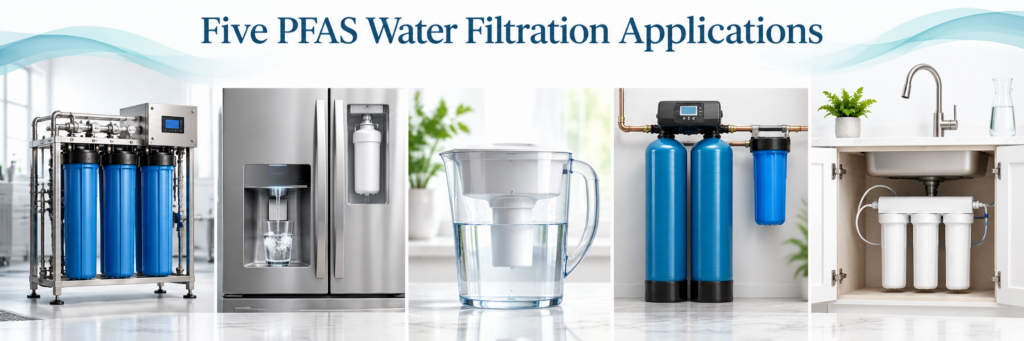
Five PFAS-certified water filter formats on a kitchen counter

PFAS-Certified Water Filters: What 5 Established Brands Reveal for Private-Label Buyers (2026)

What established filtration brands reveal about PFAS technology — and how emerging brands can bring certified solutions to market through OEM/ODM partnerships. Every month, brand ...
News, Water Purifiers
Modern living room with a family enjoying a healthy indoor environment monitored by smart devices, natural lighting, and greenery.

After IFA 2026: The Healthy Home Is Moving Beyond Smart Devices

In our previous IFA 2026 column, Air Purification Is Becoming Part of the Healthy-Home Platform, we argued that the next generation of indoor-health products would ...
ニュース
Modern living room and kitchen with smart home air quality devices including an air purifier, humidifier, and water filtration system, connected with visualized blue connectivity lines.

IFA 2026: Air Purification Is Becoming Part of the Healthy-Home Platform

Pre-IFA Industry Perspective | September 4, 2026 This article is based on official announcements and regulatory information available ahead of IFA 2026, which takes place ...
ニュース
Comparison infographic showcasing the differences between carbon block filter and activated carbon fiber. Detailed diagrams illustrate the hierarchical porous structure of the carbon block with long diffusion paths and the open microporous structure of the activated carbon fiber with direct access for PFAS adsorption.

Carbon Block vs. Activated Carbon Fiber (ACF): Matching Media to Target Contaminants

Two carbon media. Same adsorption chemistry. Very different behaviour in a point-of-use cartridge. If you are specifying a water purifier platform for a PFAS-aware market, ...
ニュース
NSF base listing and ANF private-label certification pathway for OEM water filters

What Is an NSF Master Listing? A Guide to Base Listings, ANF Certification and OEM Water Filters

For a brand preparing to launch an OEM water purifier, one of the most common supplier claims is: “We already have an NSF master listing, ...
News, Water Purifiers
Healthy-home brand team reviewing PFAS water filter certification, test data and product engineering

Entering the Water Category Is Easy. Building a Credible PFAS Claim Is Much Harder

For air purification, appliance and healthy-home brands, entering the water category can look surprisingly easy. A company can select an existing undersink system, customize its ...
ニュース
Contaminant Engineering•3 min read

PFAS Water Filtration Technologies Explained: Carbon, Resin & RO

Key Takeaway:

PFAS reduction depends on the specific compounds present, treatment media, contact time, water chemistry, and system design. Activated carbon, ion exchange, and Reverse Osmosis address PFAS through different mechanisms.

PFAS are a large family of persistent fluorinated compounds that can occur in drinking-water supplies. Their treatment behavior varies significantly by molecular structure, chain length, functional group, concentration, and the chemistry of the source water.

Granular Activated Carbon (GAC) removes PFAS primarily through adsorption. It is generally more effective for many longer-chain PFAS, while shorter-chain compounds tend to break through more quickly. Carbon performance depends on media properties, Empty Bed Contact Time (EBCT), competing organic matter, loading, and replacement frequency.

Ion-exchange resins use charged functional sites to capture many PFAS compounds. Properly selected anion-exchange media can provide high capacity and may perform better than conventional activated carbon for some shorter-chain PFAS, although performance still depends on water chemistry and competing ions.

Reverse Osmosis (RO) uses membrane separation rather than adsorption. Properly designed RO systems can provide broad reduction across many PFAS compounds as well as dissolved salts and other contaminants. Unlike carbon or resin, however, RO also produces a concentrate stream that must be managed.

No single technology should be selected from a PFAS label alone. System design should consider which PFAS compounds are present, their concentrations, required reduction targets, flow rate, media life, and the applicable third-party certification or validation requirements.

HisoAir Water Technical Series
Product Discovery•3 min read

How to Choose an Under-Sink Water Purifier for Modern Kitchens

Key Takeaway:

Match the treatment technology to your water quality first, then evaluate cabinet space, faucet configuration, flow rate, drain and power requirements, and filter replacement needs.

Choosing an under-sink water purifier starts with water chemistry. Carbon filtration is well suited to chlorine, taste, odor, and many organic contaminants, while Reverse Osmosis is more appropriate when dissolved salts, fluoride, nitrates, or broader dissolved contaminants need to be reduced.

For compact kitchens, tankless RO systems eliminate the conventional storage tank and can significantly reduce the space required under the sink. However, membrane capacity stated in GPD does not directly equal faucet flow. When comparing systems, check the actual dispensing flow rate, inlet-pressure requirement, recovery ratio, and whether a booster pump is required.

Installation architecture also matters. Many RO systems require a drain connection, electrical power, and either a dedicated drinking-water faucet or a compatible multi-function faucet. High-flow carbon systems can often connect directly to the existing cold-water line with a simpler installation, but pressure drop and available faucet flow should still be verified.

RO also removes much of the naturally occurring dissolved mineral content. Where taste or mineral balance is a priority, a post-RO remineralization stage can be added. Filter life should be evaluated by both rated capacity and local water quality rather than replacement time alone.

The right system is therefore not simply the smallest or highest-GPD model. It is the configuration that matches the target contaminants, available cabinet space, desired faucet setup, peak dispensing demand, and maintenance expectations.

HisoAir Water Technical Series
Water Quality•2 min read

What Does TDS Mean in Drinking Water? Measurement vs Contaminant Reality

Key Takeaway:

A TDS meter estimates the overall concentration of dissolved ionic substances from electrical conductivity. It cannot identify specific contaminants or determine whether water is chemically safe.

Total Dissolved Solids (TDS) refers to the combined concentration of dissolved substances in water. Most handheld TDS meters do not measure TDS directly. Instead, they measure electrical conductivity (EC) and convert that reading into an estimated parts-per-million (ppm) value.

This means a TDS reading can indicate how much dissolved ionic material is present, but not what that material actually is. Calcium, magnesium, sodium, nitrates, and other dissolved ions can all contribute to conductivity, yet a simple TDS meter cannot distinguish between them.

TDS meters are also not suitable for detecting trace contaminants such as PFAS, many VOCs, pesticides, pharmaceuticals, or disinfection byproducts. These substances may be present at concentrations far below the level needed to noticeably change electrical conductivity.

A low TDS reading therefore does not guarantee safe drinking water, and a higher TDS reading does not automatically indicate contamination. Water-treatment decisions should be based on laboratory testing for specific contaminants of concern rather than TDS alone.

HisoAir Water Technical Series
Technology Selection•2 min read

RO vs UF Water Filtration: Understanding Pore Sizes & Dissolved Minerals

Key Takeaway:

Ultrafiltration can reduce bacteria, turbidity, and suspended particles while retaining most naturally occurring dissolved minerals. Reverse Osmosis provides much broader reduction of dissolved salts and smaller contaminants.

Ultrafiltration (UF) typically uses hollow-fiber membranes with pore sizes in the approximate 0.01–0.1 micron range. These membranes physically retain turbidity, suspended solids, colloids, and many microorganisms while allowing dissolved minerals and salts to remain in the water.

Reverse Osmosis (RO) operates at a much finer separation level. Unlike UF, RO can substantially reduce dissolved ions such as sodium, calcium, fluoride, nitrates, and other contributors to total dissolved solids (TDS). This makes RO more suitable when dissolved-salt reduction is a primary treatment objective.

UF generally requires less system pressure and produces little or no continuous concentrate stream in many point-of-use configurations. RO typically requires greater pressure and produces a reject-water stream, but delivers broader contaminant reduction.

For water with acceptable TDS and mineral content, UF can be a simpler mineral-retaining treatment option. Where dissolved salts, fluoride, nitrates, or broader dissolved contaminants are a concern, RO is generally the more appropriate technology.

HisoAir Water Technical Series
Technology Selection•4 min read

Carbon Block vs Reverse Osmosis: Which Fits Your Need?

Key Takeaway:

Choose RO for dissolved inorganic salts and heavy metals; choose Carbon Block for chemical taste/odor, no wastewater, and high line-pressure flow.

Reverse Osmosis (RO) and Carbon Block filtration represent two fundamentally different treatment methods: membrane separation and adsorption. Understanding these differences helps determine which technology is better suited to a specific water-quality requirement.

Reverse Osmosis uses a semi-permeable membrane with pore sizes of approximately 0.0001 microns. It can significantly reduce dissolved inorganic contaminants such as TDS, fluoride, nitrates, and certain heavy metals. Because water must be forced through the membrane, RO systems require sufficient pressure or a booster pump and generate a concentrated wastewater stream.

Carbon Block filtration relies primarily on adsorption through compressed activated carbon, commonly with nominal pore sizes around 0.5–5 microns. It is highly effective for chlorine, chloramines, VOCs, taste, and odor, while allowing substantially higher direct-flow rates without producing wastewater.

From an operating perspective, Carbon Block systems are generally simpler, require less energy, and avoid the water loss associated with RO. RO involves higher system complexity and operating cost, but provides substantially broader reduction of dissolved contaminants that Carbon Block alone cannot address.

HisoAir Water Technical Series

見積依頼