新しいタブで開きます
Air & Water Purification OEM/ODM Manufacturer | HisoAir

ダイソンの空気清浄機はどこで製造されていますか?

Related Products

ダイソン空気清浄機

ダイソンの空気清浄機の由来について考えたことはありますか?ダイソン空気清浄機の誕生秘話を探ってみましょう。

ダイソンの空気清浄機は主にマレーシアで生産されている。その他の重要な工場は中国とメキシコにある。このような体制により、ダイソンは様々な国に容易に進出することができる。このような体制は、ダイソンが多くの市場にサービスを提供する上で非常に役立っている。

場所を認識することは探索の始まりに過ぎない。しかし、なぜこのような場所を選ぶのか?世界中の市場のニーズと品質のバランスを取ることを思い浮かべてほしい!それは、地元の食材を使ってお気に入りの料理を作るときのようなもので、適切な地域で最高のパーツを見つけることなのです。ダイソンがこの非常に複雑な世界をどのように進んでいるのか、ぜひお読みください。

ダイソンの空気清浄機はマレーシアでしか製造されていない。偽

ダイソンはサプライチェーンの効率化のため、中国とメキシコでも製造している。

ダイソンは市場効率を重視して製造拠点を選んでいる。真

複数の国で製造することで、ダイソンは地域の需要に応えている。

ダイソンが製造にマレーシアを選んだ理由

ダイソンが製造に選んだマレーシア。戦略が重要な役割を果たしたコストが低かった。チャンスが豊富だった

ダイソンがマレーシアを生産地に選んだのは、人件費が安いからだ。政府は本当に企業を支援している。マレーシアは世界中に製品を送るための戦略的スポットがある。インフラがしっかりしている。熟練労働者が豊富。

高度なロボット組み立てラインを備えたマレーシアの近代的な製造施設。
近代的製造施設

戦略的立地と市場アクセス

マレーシアは、東南アジアの中でも非常に戦略的な場所に位置している。この位置は、ダイソンが多くの市場に容易にアクセスするのに役立っており、まるで人通りの多い一角にレモネードスタンドを出すようなものだ。マレーシアは、アジアと世界の両方の市場へのアクセスを提供し、ダイソンに大きなメリットをもたらしている。 流通ネットワーク1.

労働とコスト効率

適切なチームは本当に重要だ。マレーシアは、手頃な価格の熟練労働者を提供しており、これが大きな違いを生み出しています。同国は競争力のある賃金を提供し、ダイソンのような企業を惹きつけている。多くの企業がマレーシアを理想的な事業展開の場と見なしています。 費用対効果の高い労働市場2.

平均月給(米ドル)の比較:

国名 製造業賃金
マレーシア 450
中国 800
アメリカ 3,500

政府の支援と政策

支援が大きな違いを生むマレーシア政府は、税制優遇や有利な貿易取引など、有益なインセンティブを提供している。これらは インセンティブ3 ダイソンのような企業の繁栄を支援するために、企業にとって非常に友好的な環境を作り出している。

堅牢なインフラ

建築には適切なツールが必要だ。マレーシアは、最新の交通網や工業地帯を含む近代的なインフラストラクチャーによって、そのようなツールを提供している。交通網から近代的な 工業団地4このような設備は、大規模な生産工程を簡素化するものであり、適切な設備が詰まった工具箱を持つようなものである。

サプライチェーンの利点

ダイソンは、その強力なサプライチェーンから中国から部品を輸入しているが、マレーシアでの現地生産はコストと待ち時間を削減する。この方法は、時間と費用を節約しながら品質を保証するものです。

サプライチェーンの概要

  • 主な輸入品 射出成形金型、PCBA基板
  • 地元の利点: リードタイムの短縮、輸送コストの削減
  • 世界の流通拠点: アジア、北米

これらの点を理解することで、ダイソンの生産においてマレーシアが重要な鍵を握る理由がわかる。コストと品質のバランスを取ることで、ダイソンは高い水準を維持しながら、効率的に世界のニーズを満たすことができるのです。

マレーシアの製造業の賃金は中国よりも低い。真

マレーシアの平均製造業賃金は$450で、中国の$800より低い。

ダイソンは人件費が高いため、マレーシアで製造している。偽

ダイソンがマレーシアを選んだ主な理由は、マレーシアの費用対効果の高い労働市場である。

中国のサプライチェーンはダイソンの生産をどのように支えているのか?

ダイソンがワールドワイドに活躍する秘訣をご存知ですか?その舞台裏をお見せしましょう。中国の活気あるサプライチェーンは本当に重要な役割を果たしています。このサプライチェーンはダイソンを大いに助けています。

中国はダイソンの強力なサプライチェーンを支えている。中国の工場は、射出成形金型やPCBA基板などの部品を手頃な価格で提供しています。これらの部品は、製造の迅速さとスムーズさを向上させています。品質は高く保たれ、技術標準に適合しています。非常に効率的な製造が実現します。
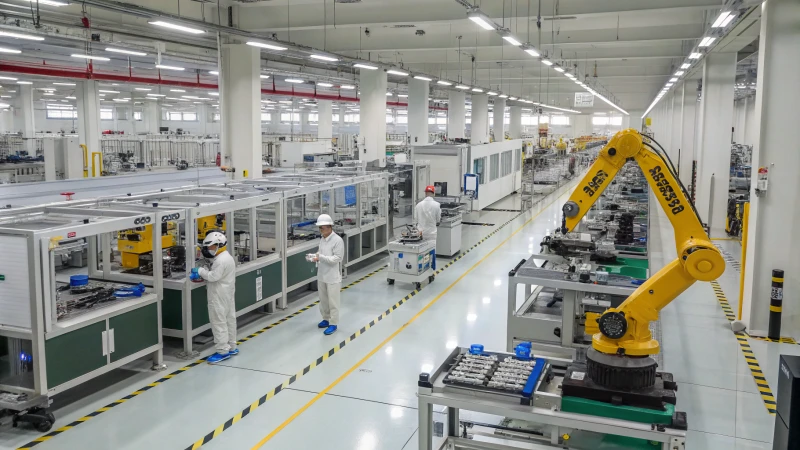
組み立てラインとロボットアームが設置されたダイソンの近代的な製造施設
ダイソン製造施設

製造業の屋台骨射出成形金型

私が初めてグローバル製造業の詳細な世界を探ったとき、ダイソンのような企業にとって中国の役割が非常に重要であることに気づいた。ひとつの製品に何千もの完璧な形のプラスチック部品が必要なことを想像してみてほしい。このような場合に、中国の 射出成形金型5 が輝いている。ダイソンでは、このような金型を迅速かつ安価に作成することで、コストをかけずに高品質の基準を維持することができるのだ。

ファクター インパクト
コスト効率 生産コストの削減
品質保証 高品質基準を満たす
生産規模 大容量のニーズに対応

PCBAボード技術の核心

デバイスのコアを理解するのはとても難しく感じたことを覚えている。しかし、中国の生産能力は プリント基板アセンブリ (PCBA) ボードには本当に驚かされた。これらのボードは、ダイソンの製品に命を吹き込む隠れたチャンピオンであり、最新のテクノロジーと信頼性を兼ね備えている。中国から購入することで、ダイソンは製品を最先端かつ信頼性の高いものに保つことができるのだ。

戦略的立地による市場ニーズへの対応

立地は企業の業績を変える。アジアに位置する中国は、世界市場への迅速なルートを持つようなものです。ダイソンにとって、これは迅速な出荷と市場のニーズへの機敏な対応につながります。

競争力の優位性:市場で一歩先を行く

競争の激しい世界を旅する中で、私は次のようなローカルブランドがどのようなものかを観察した。 レボワ6 ダイソンのようなコンテストの巨人。しかし、中国の強力なサプライチェーンを活用することで、ダイソンは高い品質を維持しながらコストをコントロールしている。このスマートなバランスによって、ダイソンは革新的であり、卓越性と価値の両方を求める消費者を惹きつけることができるのである。

私の経験と考えは、よく計画されたサプライ・チェーンは単に商品を運ぶ以上のものであり、世界中の消費者に語りかける競争力を生み出すものであることを示している。

中国はダイソンの射出成形用金型を生産している。真

中国は高品質の金型を作るためのインフラが発達している。

ダイソンのPCBA基板はメキシコで組み立てられている。偽

ダイソンのPCBA基板は、中国の先進的なサプライチェーンによって供給されている。

なぜメキシコがダイソンの製造戦略のカギなのか?

ダイソンの生産計画について考えるとき、メキシコは北米市場のニーズへの対応方法を変える興味深い選択肢として登場する。メキシコはダイソンにとって重要な役割を果たしている。しかし、なぜメキシコが重要なのだろうか?

メキシコはダイソンの生産計画において非常に重要な役割を果たしている。北米に近いため、輸送費が削減できる。また、この場所は地元のサプライヤーをうまく利用している。ダイソンは競合他社よりも優位に立っている。

組み立てラインと作業員がいるダイソンの近代的な製造施設
ダイソン製造施設

北米市場への近さ

ダイソンがメキシコを選んだように、企業はいつも賢い選択で私を魅了する。ダイソンが出荷を削減する様子 距離7 そして納期。メキシコは空気清浄機の大市場に近いため、このようなことが可能になります。コスト削減の結果、ダイソンは顧客のニーズに素早く対応することができるのです。迅速な市場においては、迅速な行動が重要なのです。

アフォーダブル・マニュファクチャリング

品質を落とさずに生産することは、技術なのだ。メキシコは人件費が安く、ダイソンにそのチャンスを与えてくれる。ダイソンはコストをかけずに高い品質を維持している。USMCAのような貿易協定は、ダイソンへの無関税アクセスを提供することで、取引を有利にする。 近隣市場8.二重のアドバンテージだ。

ファクター ベネフィット
人件費 生産コストの削減
貿易協定 関税無料アクセス

サプライチェーンのつながり

現地調達が企業のサプライチェーンを変える。ダイソンはメキシコで貴重なサプライヤーを見つけている。その結果、遠方のサプライヤーへの依存を減らすことができた。これにより サプライチェーン問題9.頼りになる隣人がいるような心地よさだ。

競争力

競争は厳しい。ダイソンはメキシコに拠点を置くことで、レボワのようなブランドに対抗している。より安い物流と生産は、より良い価格と有名な品質につながる。製造の物流とコストを最適化することで、ダイソンは以下を提供できる。 競争価格10 品質に妥協することなく、北米での地位を確固たるものにした。

メキシコはダイソンの輸送距離を短縮。真

メキシコは北米に近いため、輸送距離が短縮される。

ダイソンはメキシコ市場で競合に直面していない。偽

ダイソンはメキシコでレボワなどのブランドと競合している。

空気清浄機市場におけるダイソンと他ブランドとの競合は?

ダイソンが空気清浄機市場をリードしている理由を考えたことがあるだろうか。彼らの巧みなテクノロジーとスマートな戦略が、常にトップを走り続けている。ダイソンの特徴を探ってみよう。

ダイソンは最先端技術で勝負している。ダイソンはスマートな場所を選んで製品を製造しています。質の高いルールが、ダイソンの仕事の指針となっています。革新と効率はダイソンを前進させます。ダイソンは、マレーシアとメキシコに工場を持ち、安定した供給を続けています。ダイソンの市場での存在感は増しています。

シックなリビングルームにダイソンの空気清浄機
ダイソン空気清浄機

ダイソンの技術的優位性

ダイソンの革新性は、私が空気清浄機を試した経験を思い起こさせる。デザインはとてもスマートだが、テクノロジーには本当に驚かされる。ダイソンの製品には、以下のような高度な技術が組み込まれていることが多い。 エアマルチプライヤー11 テクノロジーを採用し、エアフロー効率を高めている。これは他とは一線を画すだけでなく、効果的なソリューションを求める技術に詳しい消費者にもアピールする。

戦略的製造拠点

製造業において立地は非常に重要であることは、経験からも明らかだ。生産を効率化し、コストを削減するために、ダイソンはマレーシアとメキシコを巧みに選んで製品を製造している。これらの立地は、強固なサプライチェーンを活用することを可能にしている。

所在地 メリット
マレーシア 高品質の部品組み立て
メキシコ 北米市場への近さ

高品質の組み立てはマレーシアで行われ、信頼性の高い製品につながる。メキシコは北米に近く、空気清浄機の最大市場であるため、賢明な選択である。

コストパフォーマンスの高いブランドとの競争

多くのブランドは主に価格で勝負しようとしている。Levoitを考えてみよう。彼らは、おそらく予算重視の消費者にとって魅力的な安価なオプションを提供している。ダイソンは、そのプレミアムな価格設定にもかかわらず、こうしたコストパフォーマンスの高いブランドとの厳しい競争に直面している。しかし、ダイソンは高い評判と製品の信頼性で差別化を図っている。ダイソンを購入することは、長い時間をかけて証明されたブランドを購入するような確かな気持ちになる。

ダイソン空気清浄機

イノベーションと製品開発

ダイソンは、より静かで効率的な空気清浄機に絶えず投資しており、その研究熱心さには感心させられる。その結果、以下のようなイノベーションが生まれました。 デシベル・キャンセル12 テクノロジーに取り組んでいます。このような取り組みにより、ダイソンはトレンドや人々が求めるものを先取りし、リーダーであり続けることができるのです。

消費者の認識とブランド力

ダイソンの品質と革新性はよく話題になり、安価な製品との激しい競争の中でも、ロイヤリティを育むポジティブなイメージを維持している。消費者はダイソンから品質と革新性を連想し、それがブランドのロイヤリティ維持に役立っている。

ダイソンはその地位をさらに強固なものにするため、これらの特性を強調する戦略的なマーケティング・キャンペーンを実施し、空気清浄機の購入を検討している消費者の頭の中に常にあるようにしている。

家電製品のような厳しい市場で競争するには、独自の強みを理解し、絶え間なく卓越性を追求する必要がある。

ダイソンは空気清浄機にエアマルチプライヤー技術を採用している。真

エアマルチプライヤーテクノロジーは、ダイソン独自のエアフロー効率を高めます。

ダイソンはすべての空気清浄機を英国でのみ製造している。偽

ダイソンはマレーシアとメキシコで製造しており、英国だけで製造しているわけではない。

結論

ダイソンの空気清浄機は主にマレーシアで製造されているが、サプライチェーンを最適化し、世界市場の需要に効率的に対応するため、中国とメキシコでも生産している。


  1. マレーシアの戦略的な立地が、ダイソンのグローバルな販売力を強化し、効率的な市場アクセスを促進していることをご紹介します。 ↩

  2. ダイソンのようなメーカーにとって、マレーシアの労働市場が、その費用対効果と熟練した労働力により魅力的である理由を理解する。 ↩

  3. マレーシアが外資系企業誘致のために提供する優遇措置について学び、ダイソンの製造に関する意思決定に影響を与える。 ↩

  4. マレーシアの工業団地が、大規模な製造業を支える強固なインフラにどのように貢献しているかをご覧ください。 ↩

  5. 中国のインフラと専門知識が、いかに高品質の射出成形用金型生産のリーダーとなっているかをご覧ください。 ↩

  6. レボワとダイソンの競合関係を探り、市場力学と競争戦略に関する洞察を提供します。 ↩

  7. ダイソンにとってメキシコが重要である理由は、近接性がいかにコストを削減し、配送効率を高めるかを理解することにある。 ↩

  8. ダイソンの戦略的選択を理解する上で欠かせないUSMCAのメリットについて、メキシコがもたらす貿易上の優位性を解説します。 ↩

  9. サプライチェーンマネジメントを学ぶことで、メキシコでの現地調達がダイソンにとって有益である理由が読者に伝わります。 ↩

  10. ダイソンの戦略を知ることで、メキシコでの製造がいかに競争力のあるポジショニングに役立っているかを知ることができる。 ↩

  11. このリンクでは、ダイソンのエアマルチプライヤー・テクノロジーがいかに空気清浄機の気流効率を高めているかを説明している。 ↩

  12. デシベルキャンセリング技術とは、ダイソンの空気清浄機をより静かで効率的にする技術です。 ↩

シェアする
Alwen Lee of HisoAir
Alwen Lee, an air purification expert with over 10 years of experience, is a devoted father of two and a passionate traveler, having explored more than 30 countries. With a love for public speaking and swimming, he has dedicated his life to the indoor air quality industry. His mission is to ensure that people around the world enjoy the freedom to breathe clean air and lead happy, healthy lives.

メッセージを送る

Related Products

もっと読む

Five PFAS-certified water filter formats on a kitchen counter

PFAS-Certified Water Filters: What 5 Established Brands Reveal for Private-Label Buyers (2026)

What established filtration brands reveal about PFAS technology — and how emerging brands can bring certified solutions to market through OEM/ODM partnerships. Every month, brand ...
News, Water Purifiers
Modern living room with a family enjoying a healthy indoor environment monitored by smart devices, natural lighting, and greenery.

After IFA 2026: The Healthy Home Is Moving Beyond Smart Devices

In our previous IFA 2026 column, Air Purification Is Becoming Part of the Healthy-Home Platform, we argued that the next generation of indoor-health products would ...
ニュース
Modern living room and kitchen with smart home air quality devices including an air purifier, humidifier, and water filtration system, connected with visualized blue connectivity lines.

IFA 2026: Air Purification Is Becoming Part of the Healthy-Home Platform

Pre-IFA Industry Perspective | September 4, 2026 This article is based on official announcements and regulatory information available ahead of IFA 2026, which takes place ...
ニュース
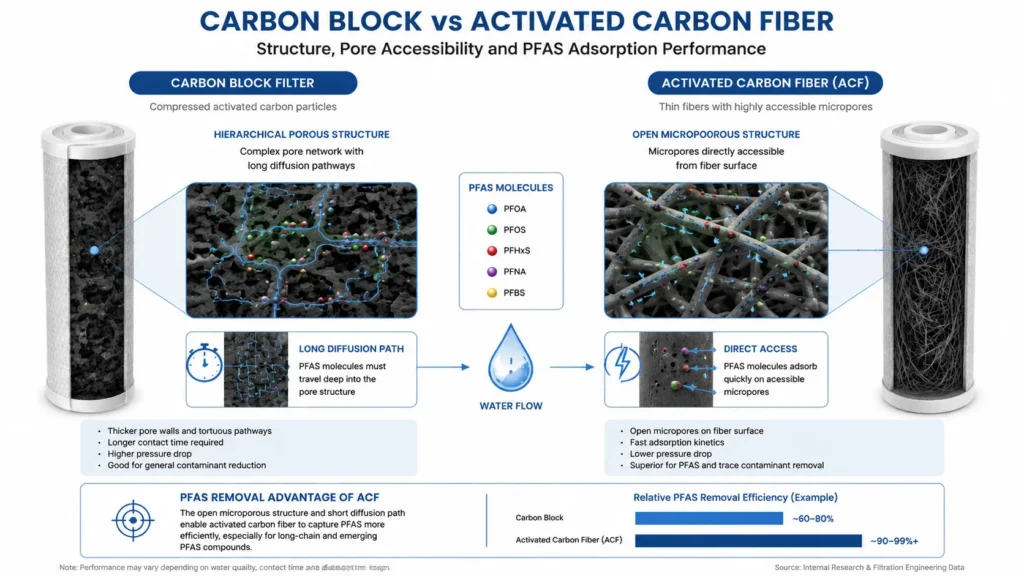
Comparison infographic showcasing the differences between carbon block filter and activated carbon fiber. Detailed diagrams illustrate the hierarchical porous structure of the carbon block with long diffusion paths and the open microporous structure of the activated carbon fiber with direct access for PFAS adsorption.

Carbon Block vs. Activated Carbon Fiber (ACF): Matching Media to Target Contaminants

Two carbon media. Same adsorption chemistry. Very different behaviour in a point-of-use cartridge. If you are specifying a water purifier platform for a PFAS-aware market, ...
ニュース
NSF base listing and ANF private-label certification pathway for OEM water filters

What Is an NSF Master Listing? A Guide to Base Listings, ANF Certification and OEM Water Filters

For a brand preparing to launch an OEM water purifier, one of the most common supplier claims is: “We already have an NSF master listing, ...
News, Water Purifiers
Healthy-home brand team reviewing PFAS water filter certification, test data and product engineering

Entering the Water Category Is Easy. Building a Credible PFAS Claim Is Much Harder

For air purification, appliance and healthy-home brands, entering the water category can look surprisingly easy. A company can select an existing undersink system, customize its ...
ニュース
Contaminant Engineering•3 min read

PFAS Water Filtration Technologies Explained: Carbon, Resin & RO

Key Takeaway:

PFAS reduction depends on the specific compounds present, treatment media, contact time, water chemistry, and system design. Activated carbon, ion exchange, and Reverse Osmosis address PFAS through different mechanisms.

PFAS are a large family of persistent fluorinated compounds that can occur in drinking-water supplies. Their treatment behavior varies significantly by molecular structure, chain length, functional group, concentration, and the chemistry of the source water.

Granular Activated Carbon (GAC) removes PFAS primarily through adsorption. It is generally more effective for many longer-chain PFAS, while shorter-chain compounds tend to break through more quickly. Carbon performance depends on media properties, Empty Bed Contact Time (EBCT), competing organic matter, loading, and replacement frequency.

Ion-exchange resins use charged functional sites to capture many PFAS compounds. Properly selected anion-exchange media can provide high capacity and may perform better than conventional activated carbon for some shorter-chain PFAS, although performance still depends on water chemistry and competing ions.

Reverse Osmosis (RO) uses membrane separation rather than adsorption. Properly designed RO systems can provide broad reduction across many PFAS compounds as well as dissolved salts and other contaminants. Unlike carbon or resin, however, RO also produces a concentrate stream that must be managed.

No single technology should be selected from a PFAS label alone. System design should consider which PFAS compounds are present, their concentrations, required reduction targets, flow rate, media life, and the applicable third-party certification or validation requirements.

HisoAir Water Technical Series
Product Discovery•3 min read

How to Choose an Under-Sink Water Purifier for Modern Kitchens

Key Takeaway:

Match the treatment technology to your water quality first, then evaluate cabinet space, faucet configuration, flow rate, drain and power requirements, and filter replacement needs.

Choosing an under-sink water purifier starts with water chemistry. Carbon filtration is well suited to chlorine, taste, odor, and many organic contaminants, while Reverse Osmosis is more appropriate when dissolved salts, fluoride, nitrates, or broader dissolved contaminants need to be reduced.

For compact kitchens, tankless RO systems eliminate the conventional storage tank and can significantly reduce the space required under the sink. However, membrane capacity stated in GPD does not directly equal faucet flow. When comparing systems, check the actual dispensing flow rate, inlet-pressure requirement, recovery ratio, and whether a booster pump is required.

Installation architecture also matters. Many RO systems require a drain connection, electrical power, and either a dedicated drinking-water faucet or a compatible multi-function faucet. High-flow carbon systems can often connect directly to the existing cold-water line with a simpler installation, but pressure drop and available faucet flow should still be verified.

RO also removes much of the naturally occurring dissolved mineral content. Where taste or mineral balance is a priority, a post-RO remineralization stage can be added. Filter life should be evaluated by both rated capacity and local water quality rather than replacement time alone.

The right system is therefore not simply the smallest or highest-GPD model. It is the configuration that matches the target contaminants, available cabinet space, desired faucet setup, peak dispensing demand, and maintenance expectations.

HisoAir Water Technical Series
Water Quality•2 min read

What Does TDS Mean in Drinking Water? Measurement vs Contaminant Reality

Key Takeaway:

A TDS meter estimates the overall concentration of dissolved ionic substances from electrical conductivity. It cannot identify specific contaminants or determine whether water is chemically safe.

Total Dissolved Solids (TDS) refers to the combined concentration of dissolved substances in water. Most handheld TDS meters do not measure TDS directly. Instead, they measure electrical conductivity (EC) and convert that reading into an estimated parts-per-million (ppm) value.

This means a TDS reading can indicate how much dissolved ionic material is present, but not what that material actually is. Calcium, magnesium, sodium, nitrates, and other dissolved ions can all contribute to conductivity, yet a simple TDS meter cannot distinguish between them.

TDS meters are also not suitable for detecting trace contaminants such as PFAS, many VOCs, pesticides, pharmaceuticals, or disinfection byproducts. These substances may be present at concentrations far below the level needed to noticeably change electrical conductivity.

A low TDS reading therefore does not guarantee safe drinking water, and a higher TDS reading does not automatically indicate contamination. Water-treatment decisions should be based on laboratory testing for specific contaminants of concern rather than TDS alone.

HisoAir Water Technical Series
Technology Selection•2 min read

RO vs UF Water Filtration: Understanding Pore Sizes & Dissolved Minerals

Key Takeaway:

Ultrafiltration can reduce bacteria, turbidity, and suspended particles while retaining most naturally occurring dissolved minerals. Reverse Osmosis provides much broader reduction of dissolved salts and smaller contaminants.

Ultrafiltration (UF) typically uses hollow-fiber membranes with pore sizes in the approximate 0.01–0.1 micron range. These membranes physically retain turbidity, suspended solids, colloids, and many microorganisms while allowing dissolved minerals and salts to remain in the water.

Reverse Osmosis (RO) operates at a much finer separation level. Unlike UF, RO can substantially reduce dissolved ions such as sodium, calcium, fluoride, nitrates, and other contributors to total dissolved solids (TDS). This makes RO more suitable when dissolved-salt reduction is a primary treatment objective.

UF generally requires less system pressure and produces little or no continuous concentrate stream in many point-of-use configurations. RO typically requires greater pressure and produces a reject-water stream, but delivers broader contaminant reduction.

For water with acceptable TDS and mineral content, UF can be a simpler mineral-retaining treatment option. Where dissolved salts, fluoride, nitrates, or broader dissolved contaminants are a concern, RO is generally the more appropriate technology.

HisoAir Water Technical Series
Technology Selection•4 min read

Carbon Block vs Reverse Osmosis: Which Fits Your Need?

Key Takeaway:

Choose RO for dissolved inorganic salts and heavy metals; choose Carbon Block for chemical taste/odor, no wastewater, and high line-pressure flow.

Reverse Osmosis (RO) and Carbon Block filtration represent two fundamentally different treatment methods: membrane separation and adsorption. Understanding these differences helps determine which technology is better suited to a specific water-quality requirement.

Reverse Osmosis uses a semi-permeable membrane with pore sizes of approximately 0.0001 microns. It can significantly reduce dissolved inorganic contaminants such as TDS, fluoride, nitrates, and certain heavy metals. Because water must be forced through the membrane, RO systems require sufficient pressure or a booster pump and generate a concentrated wastewater stream.

Carbon Block filtration relies primarily on adsorption through compressed activated carbon, commonly with nominal pore sizes around 0.5–5 microns. It is highly effective for chlorine, chloramines, VOCs, taste, and odor, while allowing substantially higher direct-flow rates without producing wastewater.

From an operating perspective, Carbon Block systems are generally simpler, require less energy, and avoid the water loss associated with RO. RO involves higher system complexity and operating cost, but provides substantially broader reduction of dissolved contaminants that Carbon Block alone cannot address.

HisoAir Water Technical Series

見積依頼