新しいタブで開きます
Air & Water Purification OEM/ODM Manufacturer | HisoAir

天井型空気清浄機とポータブル空気清浄機の主な違いは?

Related Products

空気清浄機を備えたモダンなオフィスと居心地の良いリビングルーム
モダンなオフィス・リビング用空気清浄機

適切な空気清浄機を選ぶのは混乱するかもしれない。しかし、選択肢を知ることは本当に重要だ。

天井用空気清浄機は、病院やスポーツジムなどの広い場所で活躍する。これらの清浄機はHVACシステムに完璧に適合する。ポータブル空気清浄機は家庭に最適です。価格も安く、柔軟性も高い。天井型は広い範囲をカバーし、性能も高い。ポータブル型はより便利で、コストも低い。

初めて空気清浄機について調べたときのことを覚えている。それは全く新しい世界のように思えた。天井型や携帯型など、それぞれにユニークな利点と使い方があった。そのどちらかを選ぼうとしたことがある人なら、自分のニーズと機能を比較することがいかに重要かを理解しているはずだ。天井型は恒久的なソリューションを提供します。ポータブルタイプは柔軟性があります。両者は実に対照的だ。それぞれの違いや日常生活への影響について、さらに深く探ってみましょう。

天井用空気清浄機はHVACシステムと統合される。真

既存のHVACシステムと連動するように設計されている。

ポータブル空気清浄機は天井型よりも高価である。偽

ポータブル・ユニットは、サイズと容量が小さいため、一般的に安価である。

天井用空気清浄機はどのようにHVACシステムと統合するのか?

天井埋め込み型空気清浄機が空調システムとどのように連動するのか、気になったことはありませんか?

天井用空気清浄機はHVACシステムに接続する。ダクトを通して直接接続するか、独立したユニットとして接続する。これらの空気清浄機は、汚染物質をろ過して空気をきれいにします。そしてきれいな空気が循環します。これは本当に助かる。HVACシステムはこのプロセスでより良く機能する。エネルギー使用量は減少する。

空気清浄機と自然光を取り入れたモダンなオフィス・インテリア
空気清浄機付きモダン・オフィス

天井埋込型空気清浄機とHVACシステムを理解する

ある会議室で、同僚が新しい空気浄化技術について興奮気味に話すのを聞いたことがある。そのとき私は、天井空気清浄機が室内空間、特に次のような場所をどのように変えることができるかを初めて理解した。 病院と学校1.これらの清浄機は、単に空気をきれいにするだけではありません。既存のHVACシステムと簡単に接続でき、空気の質を集中管理することができます。

ダイレクト・ダクト・インテグレーション

あるプロジェクトでは、現在の設定を邪魔することなく空気品質を改善する必要がありました。そこで採用したのが、直接ダクトに接続する方法です。この方法は、清浄機をHVACダクトに直接接続し、建物全体にきれいな空気を行き渡らせるものです。これは余分なフィルターとして機能します。厄介な浮遊粒子を逃がしません。

メリット 考察
広い空間全体の空気循環を改善 設置には専門家のサポートが必要な場合があります。
HVACの負荷軽減によるエネルギー節約 イニシャルコストは高くつく

HVAC互換性のある独立型ユニット

シンプルであることが重要な場合もある。大きな変化がなさそうなときは、スタンドアロン型天井清浄機がぴったりだ。これらのユニットはHVACシステムと連携します。センサーにより、リアルタイムの空気品質データに従って動作を調整する。私はこのようなシステムを設置した後、ジムに足を踏み入れたことがある。すぐに空気が新鮮になったことに気づき、まるで魔法が起こったように感じた。

  • エネルギー効率:これらのシステムは、一定の冷暖房の必要性を削減することで、エネルギー使用量を大幅に削減することができるだろう。
  • 大気の質の改善:適切に統合されることで 空気交換率2.これは、厳しい空気環境が必要な場所では非常に重要である。

考慮すべき主な特徴

HVAC統合用の天井用空気清浄機には、次のような貴重な機能があります:

  • HEPAフィルター:花粉やホコリのような小さな粒子を捕らえる。
  • 活性炭:臭気と揮発性有機化合物(VOC)の除去に非常に効果的。
  • スマートコントロール:現在の空気の質に基づいた自動運転を許可する。

これらの技術を採用することは、より健康的な室内環境をサポートする。また、エネルギー使用を賢く管理するのにも役立ちます。人と地球のために賢い選択肢を選ぶということだ。このアップグレードを考えている人には、信頼できるサイトで詳細な比較やレビューを読むことをお勧めする。 業界プラットフォーム3.このステップは、あなたの決断を後押しする。

天井用空気清浄機は、HVACのエネルギー消費を削減する。真

統合されたシステムは安定した温度を維持し、空調サイクルを削減する。

独立型清浄機は、HVACの大規模な改造を必要とする。偽

大きな変更を必要とせず、HVACシステムを補完する。

天井型空気清浄機とポータブル空気清浄機のコストの違いは?

天井埋め込み型空気清浄機か、ポータブル型空気清浄機か、迷ったことはありませんか?私はあります!値段で迷ってしまいますよね。実際のコストの違いを知ることで、選びやすくなるのではないでしょうか。

天井埋め込み型空気清浄機は、設置費用や高度な機能のために価格が高くなることが多い。ポータブル空気清浄機は安い。しかし、フィルターの頻繁な交換が必要な場合がある。

天井にポータブル空気清浄機を設置したモダンなリビングルーム。
空気清浄機のあるモダン・リビングルーム

初回購入価格

初めて空気清浄機を買おうと思ったとき、天井モデルの値段に衝撃を受けた。これらの機械は$500から$5000以上する。ジムや病院のような広い場所向けに作られている。これらの機種には多くの技術が搭載されており、広いスペースに設置する価値がある。

一方、ポータブル空気清浄機は予算に優しく、多くの場合$200より安い。寝室や小さなオフィスに最適だ。個人的な空気清浄機の友達だと思ってください。

タイプ 価格帯
天井空気清浄機 $500 - $5000+
ポータブル空気清浄機 <$200

設置費用とメンテナンス費用

天井に空気清浄機を設置するのは大変だった。一般人には無理だ。設置にはプロが必要で、初期費用はさらにかかる。また、既存の空気清浄機とスムーズに作動させるためには、定期的な点検が必要だ。 換気システム4.

ポータブル・ユニット?プラグを差し込むだけ。簡単だ!しかし、フィルターには注意してください。使用状況にもよりますが、数ヶ月に1回、$20~$50の交換が必要です。

業務効率とエネルギーコスト

長期的な節約を考えると、天井埋め込み型空気清浄機が有利です。 HVACシステム5.この接続は、全体的な改善によって、長期的にエネルギー料金を削減するのに役立ちます。 アッチ レベル6.

携帯用?狭い場所の空気清浄に最適です。1台あたりの消費電力は少ないですが、たくさんあると電気代が少し高くなります。

市場動向と入手可能性

企業や学校は、政府施設や学校のようなB2Bチャネルを通じて多くの天井モデルを購入することが多く、大量購入オプションを提供することで、ユニットあたりのコストを削減できる可能性があります。公共スペースで静かに動作します。

ポータブル清浄機はどこにでもある。Amazonのようなオンライン・プラットフォームでも、地元の店でも簡単に見つけることができる。

これらのコスト要因を考えることで、自分のライフスタイルと予算に最適な空気清浄機を選ぶことができた。広い場所に大型機が必要な場合も、家庭用の小型機が必要な場合も、これらの違いを理解することは非常に重要です。この知識は、空気清浄機を選ぶ際に欠かせません。 空気の質のニーズ7.

天井埋め込み型空気清浄機は、ポータブル型よりも値段が高い。真

天井ユニットは$500から$5000以上、ポータブルは$50から$200である。

ポータブル空気清浄機は、専門家による設置が必要である。偽

ポータブル・ユニットはプラグ・アンド・プレイのため、設置コストがかからない。

なぜ天井用空気清浄機は広い空間に適しているのか?

なぜ天井用空気清浄機が広い空間に最適なのか、不思議に思ったことはありませんか?天井用空気清浄機は強力な性能を発揮し、効率的に働きます。また、床をすっきりとした状態に保つことができます。天井用空気清浄機は、パワーと効率に優れているのです。

天井用空気清浄機は、広い空間で非常に優れた性能を発揮する。大風量が得られます。HVACシステムと簡単に統合できます。広い範囲をカバーします。重要なのは、貴重な床面積を占有しないことです。

大きな窓と空気清浄機を備えたモダンなオフィス
モダンなオフィススペース

優れたエアフローとカバレージ

賑やかな病院に入っていくところを想像してみてほしい。空気がとてもきれいで新鮮に感じられます。天井空気清浄機はこのような感覚を与えてくれます。これらのシステムは、体育館や学校のような広い空間で静かに機能します。大量の空気を簡単に移動させることができます。天井用空気清浄機と HVACシステム8この2つは完璧に連動する。浄化された空気が均一に広がるため、空気の入れ替え頻度が高まります。これは健康的な室内環境を維持するのに役立ちます。

特徴 天井空気清浄機 ポータブル空気清浄機
インストール 天井取り付け 独立型、可動式
理想的な使い方 大型商業スペース 住宅、小部屋
風量 高い 可変
統合 HVACシステム スタンドアロン

エネルギー効率とコスト

天井用の空気清浄機を買おうと思ったことがある。最初の値段で二の足を踏んだ。しかし、長期的な節約を考えた。これらのシステムは HVACシステム9.ポータブル型は安く見えるかもしれないが、省エネを逃していることが多い。天井埋込型は、時間が経つにつれてエネルギー代が節約され、実に高い効率を発揮する。

市場と設置に関する考察

天井用空気清浄機は、官公庁の建物や学校、病院などに企業間取引で導入されることが多い。天井用空気清浄機の設置には専門家が必要だ。専門家が地元のスポーツジムに設置したのを見たことがあるが、空気の質はすぐに改善された。一方、 ポータブルユニット10 は、ネットやチェーン店で見つけ、部屋から部屋へ簡単に移動できる個人購入者向けだ。

天井用空気清浄機がなぜ広いエリアで人気があるのか、その理由を詳しくご覧ください。

革新的技術

この技術によって騒音が低減され、大音量の清浄機を好む人はいないため、より平和な空間が生まれます!また、これらのユニットは 持続可能な実践11 ユーザーにも地球にも優しい、まさにWin-Winの関係だ!

天井用空気清浄機は、ポータブル・ユニットよりもACHが高い。真

天井ユニットはHVACシステムと統合され、1時間当たりの換気量を増加させる。

ポータブル空気清浄機は、天井型よりもエネルギー効率が高い。偽

天井設置型は、ポータブル型とは異なり、空調システムと連動することでエネルギーを節約する。

ポータブル空気清浄機は業務用に適しているか?

ポータブル空気清浄機がオフィスや店舗で本当に役立つのか考えたことはあるだろうか。これらの機器がビジネス分野でどのような性能を発揮するのか、見てみよう。

ポータブル空気清浄機はビジネスで活躍する。狭い場所に最適です。現在のシステムの補助的な役割を果たします。これらの清浄機はフレキシブルで手頃な価格です。新鮮な空気を必要とする特定の場所をターゲットにします。特定の場所の空気の質を改善します。

机の上にポータブル空気清浄機が置かれたモダンなオフィス
モダンオフィス空気清浄機

ポータブル空気清浄機の役割を理解する

私は自宅でポータブル空気清浄機を使い始め、リビングルームがとても爽やかになったことに驚いた。そして、この小さなガジェットはビジネスシーンでも使えるのではないかと考えた。

商業利用における利点

  1. 柔軟性:人通りの多いオフィスの入り口や混雑したレジカウンターの近くなど、最も必要とされる場所に清浄機を移動できます。
  2. 費用対効果:これらのユニットは通常、完全なHVACシステムよりも低コストです。このニュースは、中小企業の経営者にとっては素晴らしいことだろう。
  3. 補助的使用:ホコリや花粉が集まりやすい、手の届きにくい場所をターゲットにすることで、より大きなシステムをサポートする。
特徴 ポータブル空気清浄機 天井空気清浄機
モビリティ 高い 低い
コスト 通常 < $200 よくある質問 > $1000
インストール 必要なし インストールが必要

考慮すべき制限

デメリットもある。ポータブル空気清浄機は、小さなスペースには最適だが、大きなオフィスエリアや大型店舗では苦戦することが多い。その能力は家庭には適しているが、大風量用に設計された業務用システムにはかなわないかもしれない。

効果的なシナリオ

ポータブル空気清浄機は、このような場所で非常に効果的だ:

  • オフィススペース:あまりお金をかけずに空気の質を改善したい小規模オフィスに最適。
  • 店舗環境:小さな店舗では、これらのユニットをスマートに配置することで、新鮮で心地よい空気を保つことができる。

結論として、ポータブル空気清浄機は、次のような製品に取って代わることはできない。 総合システム12 大きなスペースで。しかし、狭い場所や補助的な用途であれば、空気の質を改善することができます。ポータブル・エアコンを検討しているのであれば、まず具体的なニーズを把握することが重要だ。ポータブル・ユニットと強力なソリューションを組み合わせるのが、最良の結果を得るための賢い方法かもしれない。正しい清浄機の選び方については、以下をご覧ください。 専門家の推奨13 商業用。

ビジネス環境への影響評価

ポータブル空気清浄機は、従業員の健康や顧客満足度にプラスの影響を与えます。特にホコリや煙などの汚染物質に対して有効です。顧客やスタッフに、あなたのビジネスが健康的な環境を大切にしていることをアピールできます。

ポータブル空気清浄機を選ぶ際には、空間の大きさ、汚染物質の種類、現在の空調能力を考慮してください。これは、御社のビジネスに適しているかどうかを判断するのに役立ちます。さまざまな製品とその仕様について学ぶことは非常に重要です。

ポータブル空気清浄機は、中小企業にとって費用対効果が高い。真

市販のシステムよりも安価で、$200以下であることが多い。

ポータブル清浄機は、広い空間では空調システムの代わりになる。偽

大面積の典型的な大風量に対応する能力がないのだ。

結論

天井用空気清浄機は広いスペースに最適で、HVACシステムと統合することができます。一方、ポータブル空気清浄機は、より小さなエリアに柔軟性と手頃な価格を提供します。


  1. 天井用空気清浄機が学校や病院など人の出入りの多い環境に最適な理由をご覧ください。 ↩

  2. 高い空気交換率を維持することが、優れた室内空気品質を確保するために不可欠である理由をご覧ください。 ↩

  3. 2023年のトップクラスの天井用空気清浄機を調べて、あなたのニーズに最適なものを見つけてください。 ↩

  4. 天井用空気清浄機の最適な性能と安全性を確保するには、専門家による設置が不可欠です。 ↩

  5. 天井用空気清浄機をHVACシステムと統合することで、効率と性能を向上させるメリットについてご紹介します。 ↩

  6. ACHレベルの向上が、室内空気の質の向上とシステムの効率化にどのように貢献するかを探る。 ↩

  7. 特定の空気品質要件に合わせた空気清浄機の選択に関するガイダンスをご覧ください。 ↩

  8. 大空間での空気分配効率を高める統合方法をご覧ください。 ↩

  9. これらの機器が長期的なエネルギーコストをどのように削減できるかをご覧ください。 ↩

  10. ポータブル・ユニットの利点と限界を理解する。 ↩

  11. 環境にやさしい技術が、ユーザーと環境にどのようなメリットをもたらすかをご覧ください。 ↩

  12. ポータブル・ユニットよりも広い範囲をカバーする総合システムについてご紹介します。 ↩

  13. ビジネス環境に適した空気清浄機を選ぶための専門家のアドバイスをご覧ください。 ↩

シェアする
Alwen Lee of HisoAir
Alwen Lee, an air purification expert with over 10 years of experience, is a devoted father of two and a passionate traveler, having explored more than 30 countries. With a love for public speaking and swimming, he has dedicated his life to the indoor air quality industry. His mission is to ensure that people around the world enjoy the freedom to breathe clean air and lead happy, healthy lives.

メッセージを送る

Related Products

もっと読む

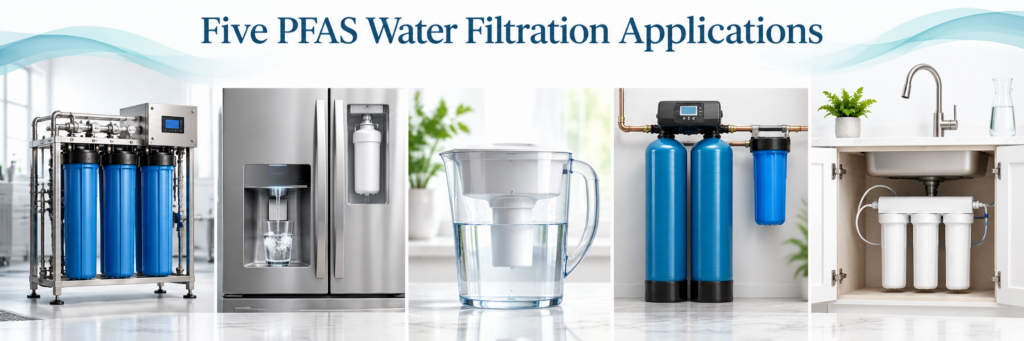
Five PFAS-certified water filter formats on a kitchen counter

PFAS-Certified Water Filters: What 5 Established Brands Reveal for Private-Label Buyers (2026)

What established filtration brands reveal about PFAS technology — and how emerging brands can bring certified solutions to market through OEM/ODM partnerships. Every month, brand ...
News, Water Purifiers
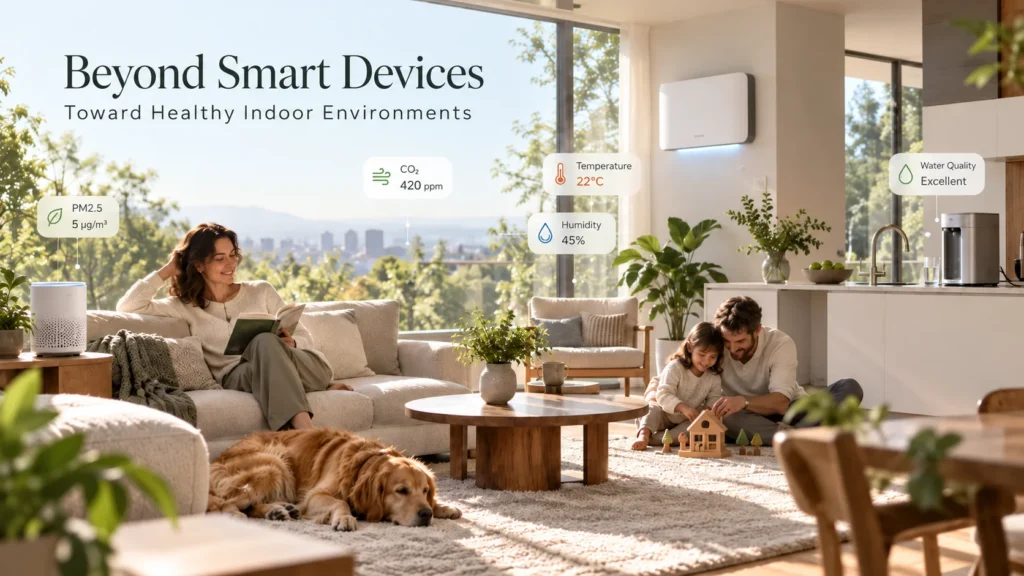
Modern living room with a family enjoying a healthy indoor environment monitored by smart devices, natural lighting, and greenery.

After IFA 2026: The Healthy Home Is Moving Beyond Smart Devices

In our previous IFA 2026 column, Air Purification Is Becoming Part of the Healthy-Home Platform, we argued that the next generation of indoor-health products would ...
ニュース
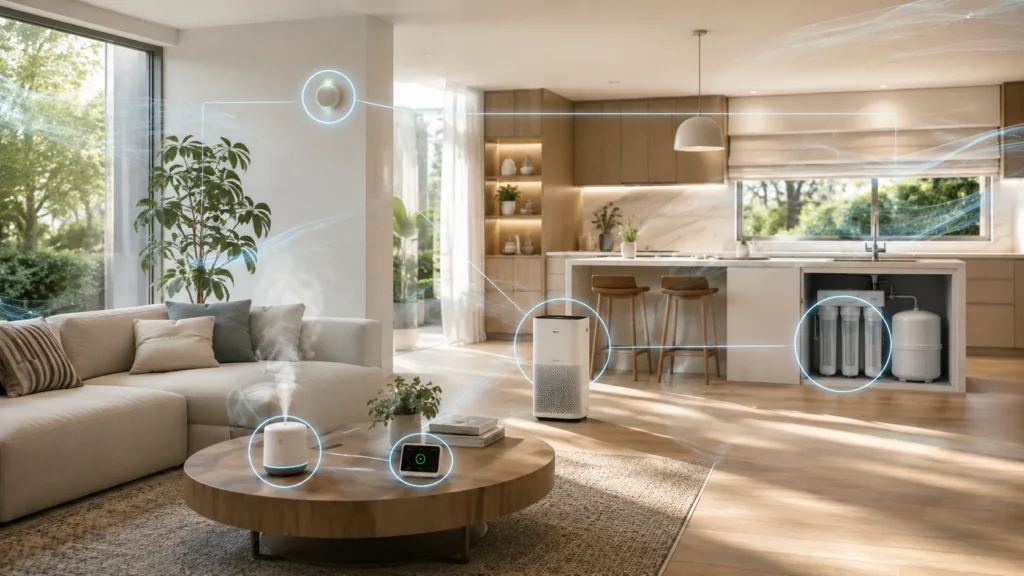
Modern living room and kitchen with smart home air quality devices including an air purifier, humidifier, and water filtration system, connected with visualized blue connectivity lines.

IFA 2026: Air Purification Is Becoming Part of the Healthy-Home Platform

Pre-IFA Industry Perspective | September 4, 2026 This article is based on official announcements and regulatory information available ahead of IFA 2026, which takes place ...
ニュース
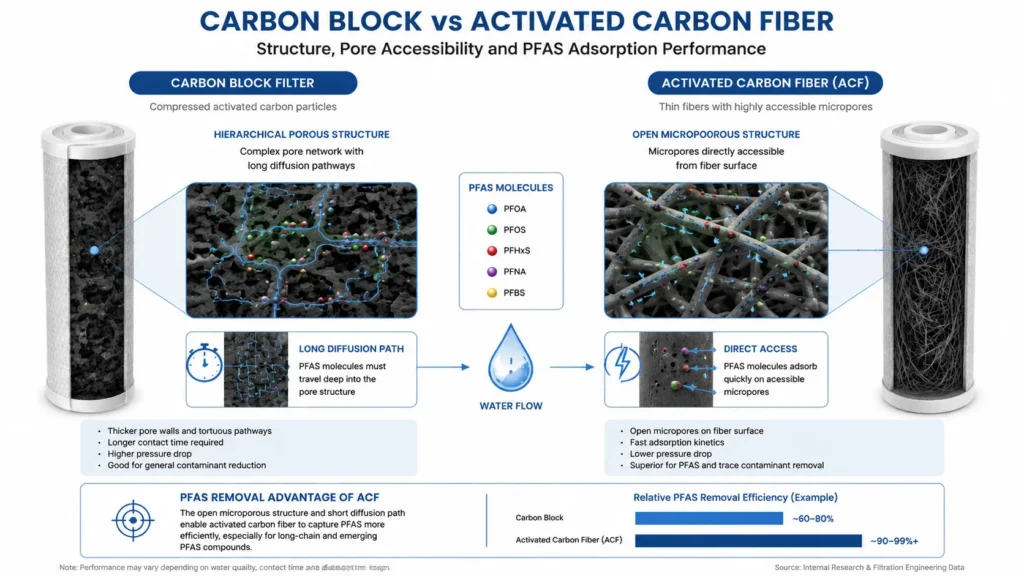
Comparison infographic showcasing the differences between carbon block filter and activated carbon fiber. Detailed diagrams illustrate the hierarchical porous structure of the carbon block with long diffusion paths and the open microporous structure of the activated carbon fiber with direct access for PFAS adsorption.

Carbon Block vs. Activated Carbon Fiber (ACF): Matching Media to Target Contaminants

Two carbon media. Same adsorption chemistry. Very different behaviour in a point-of-use cartridge. If you are specifying a water purifier platform for a PFAS-aware market, ...
ニュース
NSF base listing and ANF private-label certification pathway for OEM water filters

What Is an NSF Master Listing? A Guide to Base Listings, ANF Certification and OEM Water Filters

For a brand preparing to launch an OEM water purifier, one of the most common supplier claims is: “We already have an NSF master listing, ...
News, Water Purifiers
Healthy-home brand team reviewing PFAS water filter certification, test data and product engineering

Entering the Water Category Is Easy. Building a Credible PFAS Claim Is Much Harder

For air purification, appliance and healthy-home brands, entering the water category can look surprisingly easy. A company can select an existing undersink system, customize its ...
ニュース
Contaminant Engineering•3 min read

PFAS Water Filtration Technologies Explained: Carbon, Resin & RO

Key Takeaway:

PFAS reduction depends on the specific compounds present, treatment media, contact time, water chemistry, and system design. Activated carbon, ion exchange, and Reverse Osmosis address PFAS through different mechanisms.

PFAS are a large family of persistent fluorinated compounds that can occur in drinking-water supplies. Their treatment behavior varies significantly by molecular structure, chain length, functional group, concentration, and the chemistry of the source water.

Granular Activated Carbon (GAC) removes PFAS primarily through adsorption. It is generally more effective for many longer-chain PFAS, while shorter-chain compounds tend to break through more quickly. Carbon performance depends on media properties, Empty Bed Contact Time (EBCT), competing organic matter, loading, and replacement frequency.

Ion-exchange resins use charged functional sites to capture many PFAS compounds. Properly selected anion-exchange media can provide high capacity and may perform better than conventional activated carbon for some shorter-chain PFAS, although performance still depends on water chemistry and competing ions.

Reverse Osmosis (RO) uses membrane separation rather than adsorption. Properly designed RO systems can provide broad reduction across many PFAS compounds as well as dissolved salts and other contaminants. Unlike carbon or resin, however, RO also produces a concentrate stream that must be managed.

No single technology should be selected from a PFAS label alone. System design should consider which PFAS compounds are present, their concentrations, required reduction targets, flow rate, media life, and the applicable third-party certification or validation requirements.

HisoAir Water Technical Series
Product Discovery•3 min read

How to Choose an Under-Sink Water Purifier for Modern Kitchens

Key Takeaway:

Match the treatment technology to your water quality first, then evaluate cabinet space, faucet configuration, flow rate, drain and power requirements, and filter replacement needs.

Choosing an under-sink water purifier starts with water chemistry. Carbon filtration is well suited to chlorine, taste, odor, and many organic contaminants, while Reverse Osmosis is more appropriate when dissolved salts, fluoride, nitrates, or broader dissolved contaminants need to be reduced.

For compact kitchens, tankless RO systems eliminate the conventional storage tank and can significantly reduce the space required under the sink. However, membrane capacity stated in GPD does not directly equal faucet flow. When comparing systems, check the actual dispensing flow rate, inlet-pressure requirement, recovery ratio, and whether a booster pump is required.

Installation architecture also matters. Many RO systems require a drain connection, electrical power, and either a dedicated drinking-water faucet or a compatible multi-function faucet. High-flow carbon systems can often connect directly to the existing cold-water line with a simpler installation, but pressure drop and available faucet flow should still be verified.

RO also removes much of the naturally occurring dissolved mineral content. Where taste or mineral balance is a priority, a post-RO remineralization stage can be added. Filter life should be evaluated by both rated capacity and local water quality rather than replacement time alone.

The right system is therefore not simply the smallest or highest-GPD model. It is the configuration that matches the target contaminants, available cabinet space, desired faucet setup, peak dispensing demand, and maintenance expectations.

HisoAir Water Technical Series
Water Quality•2 min read

What Does TDS Mean in Drinking Water? Measurement vs Contaminant Reality

Key Takeaway:

A TDS meter estimates the overall concentration of dissolved ionic substances from electrical conductivity. It cannot identify specific contaminants or determine whether water is chemically safe.

Total Dissolved Solids (TDS) refers to the combined concentration of dissolved substances in water. Most handheld TDS meters do not measure TDS directly. Instead, they measure electrical conductivity (EC) and convert that reading into an estimated parts-per-million (ppm) value.

This means a TDS reading can indicate how much dissolved ionic material is present, but not what that material actually is. Calcium, magnesium, sodium, nitrates, and other dissolved ions can all contribute to conductivity, yet a simple TDS meter cannot distinguish between them.

TDS meters are also not suitable for detecting trace contaminants such as PFAS, many VOCs, pesticides, pharmaceuticals, or disinfection byproducts. These substances may be present at concentrations far below the level needed to noticeably change electrical conductivity.

A low TDS reading therefore does not guarantee safe drinking water, and a higher TDS reading does not automatically indicate contamination. Water-treatment decisions should be based on laboratory testing for specific contaminants of concern rather than TDS alone.

HisoAir Water Technical Series
Technology Selection•2 min read

RO vs UF Water Filtration: Understanding Pore Sizes & Dissolved Minerals

Key Takeaway:

Ultrafiltration can reduce bacteria, turbidity, and suspended particles while retaining most naturally occurring dissolved minerals. Reverse Osmosis provides much broader reduction of dissolved salts and smaller contaminants.

Ultrafiltration (UF) typically uses hollow-fiber membranes with pore sizes in the approximate 0.01–0.1 micron range. These membranes physically retain turbidity, suspended solids, colloids, and many microorganisms while allowing dissolved minerals and salts to remain in the water.

Reverse Osmosis (RO) operates at a much finer separation level. Unlike UF, RO can substantially reduce dissolved ions such as sodium, calcium, fluoride, nitrates, and other contributors to total dissolved solids (TDS). This makes RO more suitable when dissolved-salt reduction is a primary treatment objective.

UF generally requires less system pressure and produces little or no continuous concentrate stream in many point-of-use configurations. RO typically requires greater pressure and produces a reject-water stream, but delivers broader contaminant reduction.

For water with acceptable TDS and mineral content, UF can be a simpler mineral-retaining treatment option. Where dissolved salts, fluoride, nitrates, or broader dissolved contaminants are a concern, RO is generally the more appropriate technology.

HisoAir Water Technical Series
Technology Selection•4 min read

Carbon Block vs Reverse Osmosis: Which Fits Your Need?

Key Takeaway:

Choose RO for dissolved inorganic salts and heavy metals; choose Carbon Block for chemical taste/odor, no wastewater, and high line-pressure flow.

Reverse Osmosis (RO) and Carbon Block filtration represent two fundamentally different treatment methods: membrane separation and adsorption. Understanding these differences helps determine which technology is better suited to a specific water-quality requirement.

Reverse Osmosis uses a semi-permeable membrane with pore sizes of approximately 0.0001 microns. It can significantly reduce dissolved inorganic contaminants such as TDS, fluoride, nitrates, and certain heavy metals. Because water must be forced through the membrane, RO systems require sufficient pressure or a booster pump and generate a concentrated wastewater stream.

Carbon Block filtration relies primarily on adsorption through compressed activated carbon, commonly with nominal pore sizes around 0.5–5 microns. It is highly effective for chlorine, chloramines, VOCs, taste, and odor, while allowing substantially higher direct-flow rates without producing wastewater.

From an operating perspective, Carbon Block systems are generally simpler, require less energy, and avoid the water loss associated with RO. RO involves higher system complexity and operating cost, but provides substantially broader reduction of dissolved contaminants that Carbon Block alone cannot address.

HisoAir Water Technical Series

見積依頼