
新しいタブで開きます
革新的な空気品質ソリューション

競争市場で空気清浄機製品を差別化するには?

Related Products

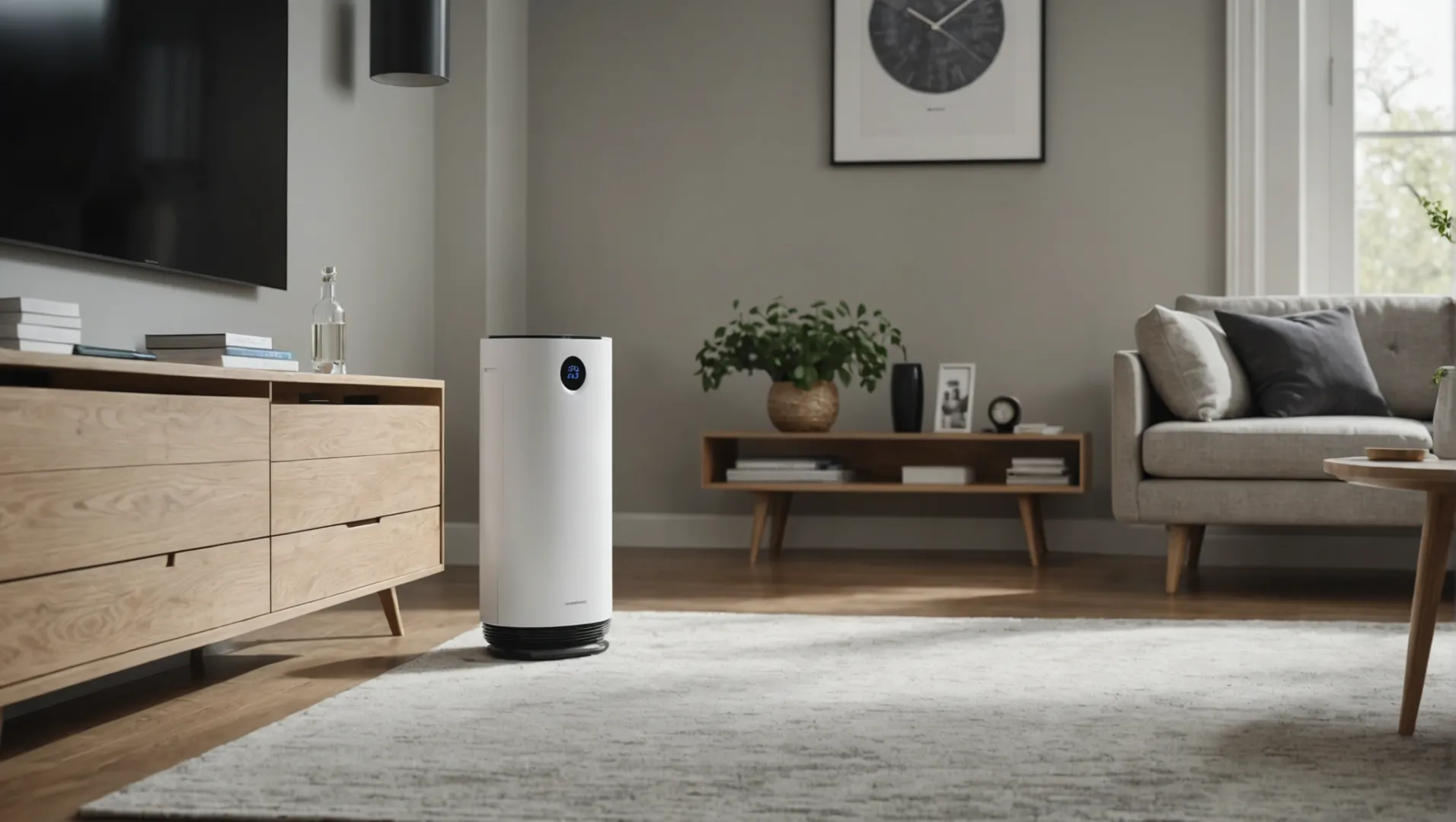
高度なテクノロジーを搭載した洗練された空気清浄機が、モダンな室内空間に映える。

選択肢に満ちた世界で、空気清浄機を輝かせるにはどうすればいいのか?

競争の激しい市場で空気清浄機製品を差別化するには、特定の消費者層をターゲットにすること、先進技術を取り入れること、顧客のニーズに対応する独自の機能を強調することが必要である。

市場セグメンテーションや技術革新など、貴社の空気清浄機を競合他社よりも優位に立たせることができる、オーダーメイドの戦略を探ってみましょう!

空気清浄機の成功には、高度なろ過技術が欠かせない。真

HEPAフィルターのような高度なろ過により、99.97%の粒子を捕集します。

顧客が空気清浄機に求める主な機能とは?

競争の激しい今日の空気清浄機市場において、顧客の好みを理解することは極めて重要である。

顧客が空気清浄機に求める主な機能には、高度なろ過技術、騒音レベル、カバーエリア、使いやすさ、スマート接続オプションなどがある。
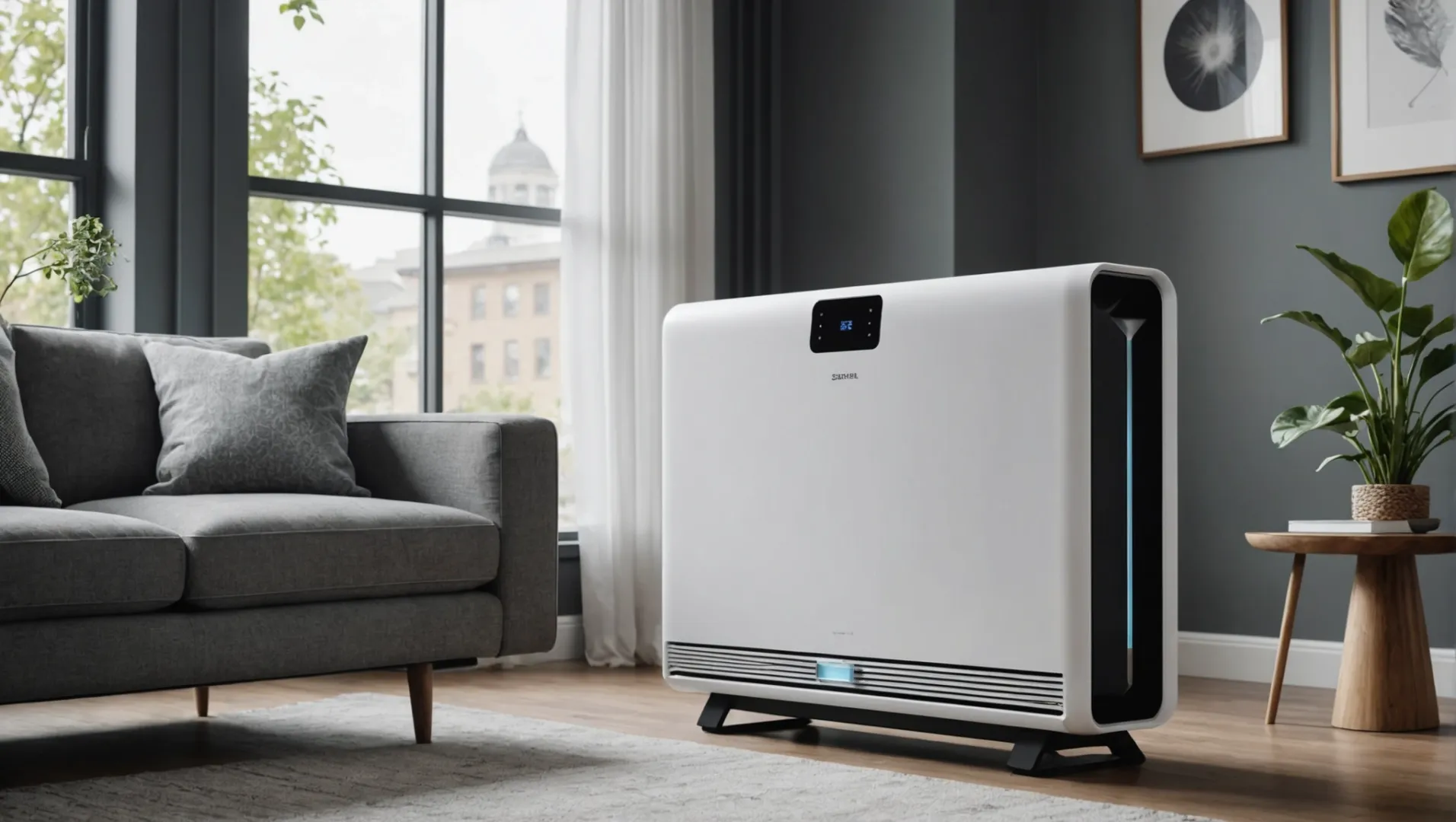
リビングルームに置かれたモダンな空気清浄機
最新の空気清浄機

濾過技術

消費者が評価する主な特徴のひとつは ろ過技術1 空気清浄機が採用している高効率微粒子空気ヘパ)フィルターは、0.3ミクロンの粒子を最大99.97%捕捉する能力で人気がある。高度なモデルの中には、臭いやガスを除去する活性炭フィルターや、細菌やウイルスを殺すためのUVライトを組み込んだものもある。

騒音レベル

騒音レベルは、特に寝室やオフィスで空気清浄機を使用する予定の人にとって、非常に重要な考慮事項です。顧客はしばしば、性能に妥協することなく静かに動作するデバイスを探します。複数の速度設定が可能な清浄機では、使用環境に合わせて騒音レベルを調整することができます。

カバーエリア

空気清浄機が効果的に使用できる部屋の広さも重要な要素だ。消費者は通常、目的のスペースの面積に見合うか、それ以上の装置を探す。オープンプランの住宅やオフィスでは、カバーエリアが広いことが特に重要です。

部屋の大きさ おすすめ CADR (クリーンエア供給率)
小型(200平方フィートまで) 100-150 CADR
ミディアム(200~400平方フィート) 150-250 CADR
大型(400平方フィート以上) 250+ CADR

使いやすさとメンテナンス

ユーザーは、操作とメンテナンスがシンプルであることを重視します。直感的なコントロール、フィルター交換インジケーター、掃除のしやすいコンポーネントなどの機能は、ユーザーエクスペリエンスを向上させます。洗浄可能なフィルターや長持ちするフィルターを備えたモデルは、継続的なコストを削減し、予算に敏感な購入者にアピールします。

スマート・コネクティビティ

スマートホームの台頭により、アプリコントロール、空気品質のモニタリング、AlexaやGoogle Homeのようなスマートホームシステムとの統合といった接続機能がますます求められるようになっている。これらの機能は利便性を提供するだけでなく、ユーザーに自宅の空気品質に関する貴重な洞察を提供する。

これらの重要な特徴を理解することで、メーカーは消費者の特定のニーズに合わせて製品を調整し、満足度とブランド・ロイヤルティの向上につなげることができる。

HEPAフィルターは99.97%の粒子を捕集します。真

HEPAフィルターは非常に効果的で、0.3ミクロンの粒子を捕捉します。

空気清浄機にとって、スマートコネクティビティは重要ではない。偽

スマート・コネクティビティは、利便性と空気の質に関する洞察を提供し、価値を高める。

特定の消費者層をターゲットにすることで、商品の魅力を高めるには?

空気清浄機市場で際立つには、読者を理解することが重要です。

特定の消費者セグメントをターゲットにすることで、各グループの明確なニーズや嗜好に合わせた機能やメッセージを提供し、製品の魅力を高めることができる。
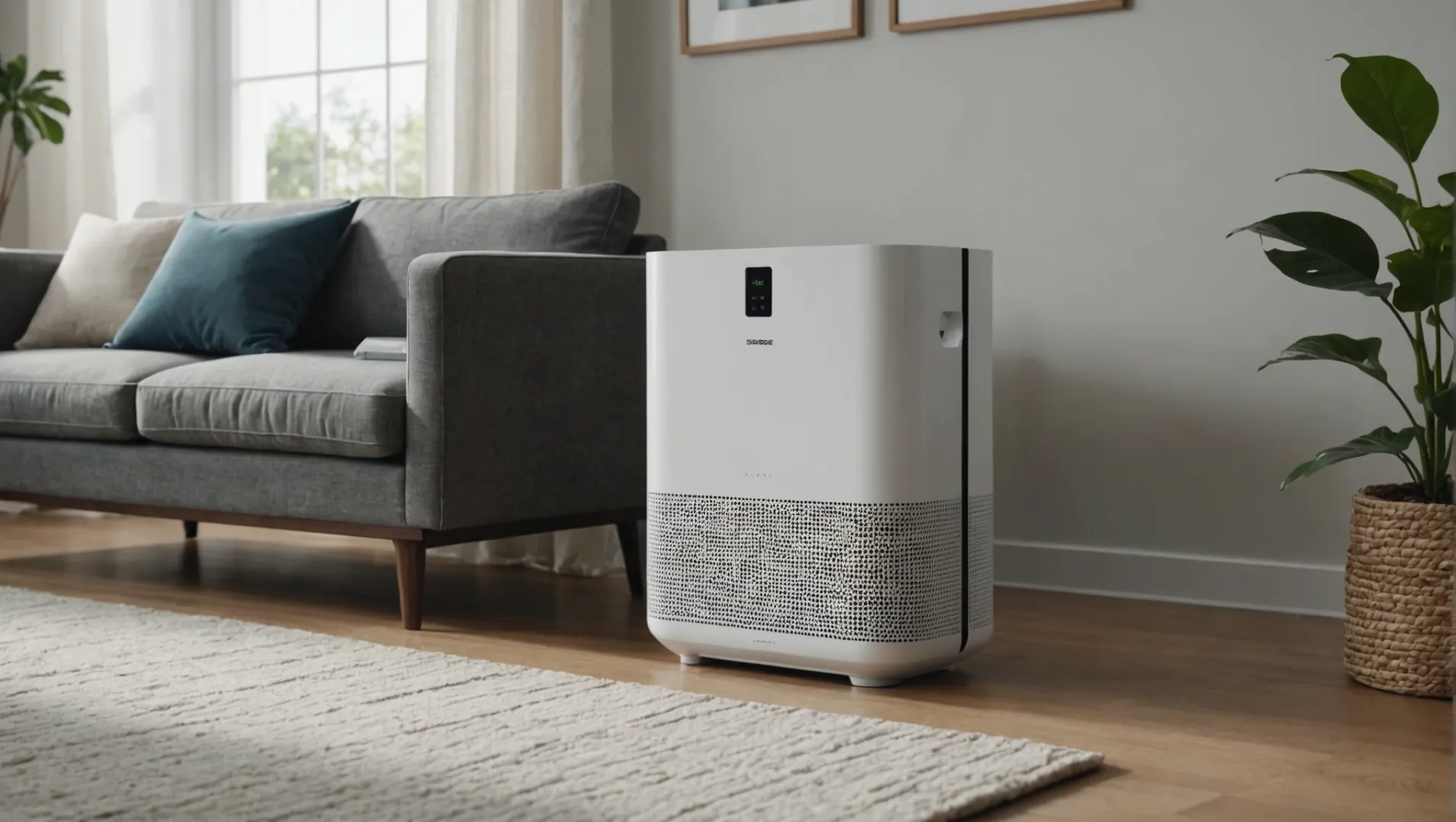
ペットの飼い主や新米パパママなど、さまざまな消費者層に合わせた空気清浄機。
コンシューマー向け空気清浄機

消費者セグメントの理解

特定の消費者層を効果的にターゲットにするためには、まず、そのグループ独自の特徴とニーズを特定し、理解することが極めて重要である。例えば、ペットを飼っている人は、ペットのフケや臭いに対応した空気清浄機を優先するかもしれないし、新米パパママは、乳幼児の空気の質を気にして、ろ過機能が強化された清浄機を求めるかもしれない。

製品機能のカスタマイズ

このような異なるセグメントの需要に合わせて製品を調整することで、企業は製品の魅力を大幅に高めることができる。以下のような特殊フィルターの開発を検討しよう。 活性炭フィルター2 臭いを中和し、毛皮を閉じ込める。 ヘパ 乳幼児に影響を与えやすい微粒子を捕捉するように設計されたフィルター。

セグメント 主な特徴
ペットオーナー 活性炭フィルター、低ノイズレベル
新しい両親 上級 ヘパ フィルター、赤ちゃんに優しいアクセサリー
健康愛好家 抗菌フィルター、長持ち性能

ポジショニングとメッセージング

製品の位置づけや売り出し方も、さまざまな消費者層への訴求力に影響を与える。マーケティング・キャンペーンは、それぞれのグループの価値観や関心事に共鳴するように作られるべきである。例えば、ある製品を「健康的な生活のための必需品」と位置づければ、健康愛好家を惹きつけることができるかもしれないし、静かな運転音と費用対効果を強調すれば、予算重視の家庭にアピールできるかもしれない。

テクノロジーの活用

IoTのような最新技術を統合することで、特定の消費者層向けの体験をさらにパーソナライズすることができる。モバイル制御や空気品質に関するリアルタイムのデータを提供することで、利便性と接続性を高く評価する技術に精通した顧客にアピールすることができる。

実生活への応用

空気清浄機のシリーズを発売することで、複数の消費者層をターゲットにすることに成功した企業の話を考えてみよう。 CADR (クリーン・エア・デリバリー・レート)のファミリー向けと、都市生活者向けのコンパクトなポータブル・タイプがある。これらのグループ独自のニーズに焦点を当てることで、より大きな市場シェアを獲得し、ブランド・ロイヤルティを高めることに成功した。

消費者層を戦略的にターゲットにすることで、企業は製品の魅力を高めるだけでなく、視聴者とのより深いつながりを築き、ビジネスの持続的成長につなげることができる。

ペットの飼い主は、騒音レベルの低い清浄機を好む。真

ペットの飼い主は、ペットの邪魔にならないように静かな機器を優先することが多い。

高度なHEPAフィルターは乳幼児には不向きです。偽

高度なHEPAフィルターは、乳幼児に影響を与える微粒子を捕捉するのに理想的です。

空気清浄機の差別化において技術が果たす役割とは?

急速に進化する市場において、技術的進歩は空気清浄機を際立たせる鍵となる。

テクノロジーは、ろ過効率の向上、スマート機能の統合、特定の環境ニーズに合わせたソリューションによって、空気清浄機を差別化する。
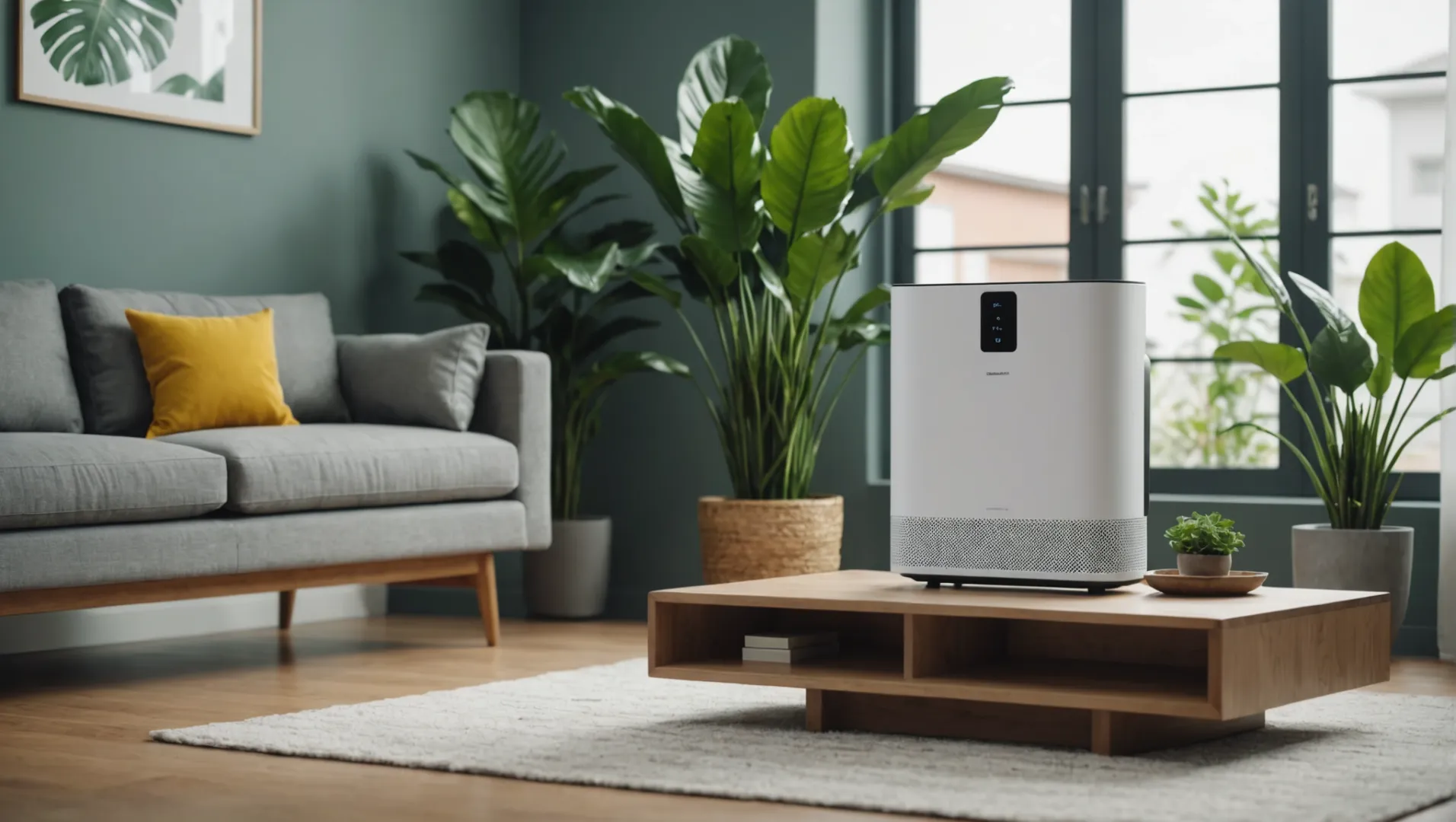
スタイリッシュなリビングルームに、先進のテクノロジーを搭載したモダンな空気清浄機を設置。
進化した空気清浄機

ろ過効率の向上

空気清浄機における最も重要な技術的進歩のひとつは、以下の改良である。 ろ過システム3.高効率微粒子空気 (ヘパ)フィルターは現在、活性炭で強化されるのが一般的で、臭いやガスを捕らえ、ペットや喫煙者のいる家庭に理想的なものとなっている。さらに、微生物やアレルゲンとより効果的に闘うために、電気集塵装置やUVライトのような高度な技術を採用した清浄機もある。

スマートな機能と接続性

の統合 モノのインターネット(IoT)4 技術により、空気清浄機はモバイルアプリで遠隔操作できるスマート機器へと変貌を遂げ、ユーザーはどこからでも空気の質をモニターし、設定を調整できるようになった。汚染物質を検知し、清浄機の動作を自動的に調整するセンサーが標準となりつつあり、ユーザーにリアルタイムのデータとハンズフリー体験を提供している。

スマート機能 ベネフィット
モバイル・アプリ・コントロール 利便性と遠隔監視
大気質センサー 最適なパフォーマンスのための自動調整

特定のニーズに合わせたソリューション

高度な技術により、空気清浄機は顧客のニーズに合わせてカスタマイズすることができる。例えば、子供部屋用に設計された空気清浄機には、赤ちゃんの睡眠を妨げないよう、超静音運転やナイトモード機能が搭載されているかもしれない。同様に、重度のアレルギーを持つ人をターゲットにした空気清浄機では、花粉やダニをより効率的に捕獲するための特殊フィルターを使用することができる。

このような技術的進歩を活用することで、メーカーは飽和状態の市場において自社製品を差別化し、消費者の多様なニーズを満たすオーダーメイドのソリューションを提供することができる。

HEPAフィルターだけで、あらゆる空気浄化のニーズに対応できる。偽

HEPAフィルターは、臭気に対して活性炭のような強化が必要だ。

IoTの統合により、アプリを介して空気清浄機を遠隔操作できる。真

IoTは、アプリを使った清浄機の遠隔監視と制御を可能にする。

効果的なマーケティング手法で空気清浄機の認知度を高めるには?

空気清浄機ブランドを新たな高みへと押し上げるマーケティング戦略をご覧ください。

空気清浄機の効果的なマーケティング戦術には、デジタル広告、ソーシャルメディア・エンゲージメント、インフルエンサー・パートナーシップ、コンテンツ・マーケティングを活用し、ブランドの認知度と顧客エンゲージメントを高めることが含まれる。

デスクにはデジタルマーケティングのダッシュボードが表示されたノートパソコンが置かれ、その横には空気清浄機が置かれている。
空気清浄機のデジタル・マーケティング戦略

デジタル広告の活用

今日のデジタル時代において、オンライン広告は強力なツールです。Google Adsのようなプラットフォームでは、"アレルギーに最適な空気清浄機 "や "寝室用の静かな空気清浄機 "など、潜在顧客が検索している特定のキーワードをターゲットにすることができます。これにより、貴社の製品が検索結果の目立つところに表示されるようになります。

ソーシャルメディアの活用

インスタグラム、フェイスブック、ツイッターなどのソーシャルメディア・プラットフォームは、視聴者と直接関わる絶好の機会を提供します。空気清浄機のメリットに関する有益なコンテンツを共有し、顧客の声を投稿し、Q&Aやライブデモなどのインタラクティブなセッションを開催しましょう。こうすることで、あなたのブランドを中心としたコミュニティが形成され、潜在的な購入者からの信頼が育まれます。

インフルエンサーとの提携

ブランドの価値観に合ったインフルエンサーとコラボレーションすることで、商品の認知度を大幅に高めることができます。インフルエンサーは、彼らの推薦を信頼するオーディエンスを確立しています。例えば、健康とウェルネスのインフルエンサーと提携して、貴社の空気清浄機の室内空気の質を改善する能力を紹介することは、非常に効果的です。

説得力のあるコンテンツ・マーケティング

コンテンツマーケティングとは、潜在顧客の質問に答えたり、問題を解決したりする価値あるコンテンツを作成することです。これは、ブログ記事、ビデオ、インフォグラフィックなどを通じて行うことができます。トピックとしては、"自宅に適した空気清浄機の選び方 "や "さまざまな種類のエアフィルターを理解する "などがあります。有益な情報を提供することで、あなたのブランドを業界の専門家として位置づけることができます。

SEO戦略の実施

検索エンジン向けにウェブサイトや製品ページを最適化することで、顧客が簡単に貴社を見つけられるようになります。検索エンジンのランキングを上げるために、関連キーワード、メタディスクリプション、画像のaltテキストを使用しましょう。空気清浄機に関する一般的な質問に対応するFAQセクションの作成を検討しましょう。

これらのマーケティング戦術を取り入れることで、効果的に空気清浄機製品の認知度を高め、市場で確固たる存在感を確立することができます。デジタルツールの活用に関するより詳細な戦略については、以下をご覧ください。 ソーシャルメディア戦略ガイド5 そして インフルエンサー・パートナーシップ6.

デジタル広告が空気清浄機の認知度を高める真

デジタル広告は特定のキーワードをターゲットとし、商品の認知度を高める。

インフルエンサーが空気清浄機の販売を強化することはできない。偽

インフルエンサーとのパートナーシップは、製品の知名度と売上を大幅に向上させることができる。

結論

空気清浄機市場で際立つために、イノベーションと消費者インサイトを取り入れる。


  1. 空気清浄機の性能を高めるトップクラスのろ過技術をご覧ください:過去9年間に60台以上の空気清浄機をテストしてきましたが、その中でもコーウェイのAirmega AP-1512HH Mightyはトップ・ピックです。 ↩

  2. 活性炭フィルターがどのように臭気と闘い、空気の質を向上させるかを学びましょう:活性炭フィルターは、揮発性有機化合物を捕捉するために、一部の空気清浄機メーカーによって使用されています。 ↩

  3. 空気浄化効率を高める最先端のろ過技術をご覧ください:この記事のトップ20テクノロジーは、産業界に大きなブレークスルーをもたらし、さまざまな用途でよりクリーンな空気へのニーズの高まりに応えている。 ↩

  4. 最新の空気清浄機のスマート機能の利点を探る:理想的な空気の質を保ち、気になる臭いや汚染物質を取り除くことで、IoTを統合したスマート空気清浄機は、快適な環境づくりに役立ちます。 ↩

  5. ソーシャルメディアを通じてブランドの認知度を高めるための包括的な戦略を探る:簡単に言えば、ソーシャルメディア戦略とは、ソーシャルメディアの目標、それを達成するために使用する戦術、および測定基準の概要を示す包括的な計画である。 ↩

  6. 商品の認知度を高めるためにインフルエンサー・パートナーシップを活用する方法を学びましょう:インフルエンサーのパートナーを見つける - コラボレーションを提案するために連絡を取る - 条件に合意する - コラボレーションの結果を監視する。 ↩

シェアする
ヒソエア創設者のリー氏
Alwen Lee, an air purification expert with over 10 years of experience, is a devoted father of two and a passionate traveler, having explored more than 30 countries. With a love for public speaking and swimming, he has dedicated his life to the indoor air quality industry. His mission is to ensure that people around the world enjoy the freedom to breathe clean air and lead happy, healthy lives.

メッセージを送る

Related Products

もっと読む

Modern living room with a family enjoying a healthy indoor environment monitored by smart devices, natural lighting, and greenery.

After IFA 2026: The Healthy Home Is Moving Beyond Smart Devices

In our previous IFA 2026 column, Air Purification Is Becoming Part of the Healthy-Home Platform, we argued that the next generation of indoor-health products would ...
ニュース
Modern living room and kitchen with smart home air quality devices including an air purifier, humidifier, and water filtration system, connected with visualized blue connectivity lines.

IFA 2026: Air Purification Is Becoming Part of the Healthy-Home Platform

Pre-IFA Industry Perspective | September 4, 2026 This article is based on official announcements and regulatory information available ahead of IFA 2026, which takes place ...
ニュース
Comparison infographic showcasing the differences between carbon block filter and activated carbon fiber. Detailed diagrams illustrate the hierarchical porous structure of the carbon block with long diffusion paths and the open microporous structure of the activated carbon fiber with direct access for PFAS adsorption.

Carbon Block vs. Activated Carbon Fiber (ACF): Matching Media to Target Contaminants

Two carbon media. Same adsorption chemistry. Very different behaviour in a point-of-use cartridge. If you are specifying a water purifier platform for a PFAS-aware market, ...
ニュース
NSF base listing and ANF private-label certification pathway for OEM water filters

What Is an NSF Master Listing? A Guide to Base Listings, ANF Certification and OEM Water Filters

For a brand preparing to launch an OEM water purifier, one of the most common supplier claims is: “We already have an NSF master listing, ...
News, Water Purifiers
Healthy-home brand team reviewing PFAS water filter certification, test data and product engineering

Entering the Water Category Is Easy. Building a Credible PFAS Claim Is Much Harder

For air purification, appliance and healthy-home brands, entering the water category can look surprisingly easy. A company can select an existing undersink system, customize its ...
ニュース
Team in a business meeting discussing a water filtration system with product components and a comparison table displayed on a screen.

5 Leading OEM Water Purifier Manufacturers in China for Private Label Brands

China has thousands of companies selling water filters, reverse osmosis systems and drinking-water appliances. However, only a portion of them are suitable for private-label, OEM ...
ニュース
Contaminant Engineering•3 min read

PFAS Water Filtration Technologies Explained: Carbon, Resin & RO

Key Takeaway:

PFAS reduction depends on the specific compounds present, treatment media, contact time, water chemistry, and system design. Activated carbon, ion exchange, and Reverse Osmosis address PFAS through different mechanisms.

PFAS are a large family of persistent fluorinated compounds that can occur in drinking-water supplies. Their treatment behavior varies significantly by molecular structure, chain length, functional group, concentration, and the chemistry of the source water.

Granular Activated Carbon (GAC) removes PFAS primarily through adsorption. It is generally more effective for many longer-chain PFAS, while shorter-chain compounds tend to break through more quickly. Carbon performance depends on media properties, Empty Bed Contact Time (EBCT), competing organic matter, loading, and replacement frequency.

Ion-exchange resins use charged functional sites to capture many PFAS compounds. Properly selected anion-exchange media can provide high capacity and may perform better than conventional activated carbon for some shorter-chain PFAS, although performance still depends on water chemistry and competing ions.

Reverse Osmosis (RO) uses membrane separation rather than adsorption. Properly designed RO systems can provide broad reduction across many PFAS compounds as well as dissolved salts and other contaminants. Unlike carbon or resin, however, RO also produces a concentrate stream that must be managed.

No single technology should be selected from a PFAS label alone. System design should consider which PFAS compounds are present, their concentrations, required reduction targets, flow rate, media life, and the applicable third-party certification or validation requirements.

HisoAir Water Technical Series
Product Discovery•3 min read

How to Choose an Under-Sink Water Purifier for Modern Kitchens

Key Takeaway:

Match the treatment technology to your water quality first, then evaluate cabinet space, faucet configuration, flow rate, drain and power requirements, and filter replacement needs.

Choosing an under-sink water purifier starts with water chemistry. Carbon filtration is well suited to chlorine, taste, odor, and many organic contaminants, while Reverse Osmosis is more appropriate when dissolved salts, fluoride, nitrates, or broader dissolved contaminants need to be reduced.

For compact kitchens, tankless RO systems eliminate the conventional storage tank and can significantly reduce the space required under the sink. However, membrane capacity stated in GPD does not directly equal faucet flow. When comparing systems, check the actual dispensing flow rate, inlet-pressure requirement, recovery ratio, and whether a booster pump is required.

Installation architecture also matters. Many RO systems require a drain connection, electrical power, and either a dedicated drinking-water faucet or a compatible multi-function faucet. High-flow carbon systems can often connect directly to the existing cold-water line with a simpler installation, but pressure drop and available faucet flow should still be verified.

RO also removes much of the naturally occurring dissolved mineral content. Where taste or mineral balance is a priority, a post-RO remineralization stage can be added. Filter life should be evaluated by both rated capacity and local water quality rather than replacement time alone.

The right system is therefore not simply the smallest or highest-GPD model. It is the configuration that matches the target contaminants, available cabinet space, desired faucet setup, peak dispensing demand, and maintenance expectations.

HisoAir Water Technical Series
Water Quality•2 min read

What Does TDS Mean in Drinking Water? Measurement vs Contaminant Reality

Key Takeaway:

A TDS meter estimates the overall concentration of dissolved ionic substances from electrical conductivity. It cannot identify specific contaminants or determine whether water is chemically safe.

Total Dissolved Solids (TDS) refers to the combined concentration of dissolved substances in water. Most handheld TDS meters do not measure TDS directly. Instead, they measure electrical conductivity (EC) and convert that reading into an estimated parts-per-million (ppm) value.

This means a TDS reading can indicate how much dissolved ionic material is present, but not what that material actually is. Calcium, magnesium, sodium, nitrates, and other dissolved ions can all contribute to conductivity, yet a simple TDS meter cannot distinguish between them.

TDS meters are also not suitable for detecting trace contaminants such as PFAS, many VOCs, pesticides, pharmaceuticals, or disinfection byproducts. These substances may be present at concentrations far below the level needed to noticeably change electrical conductivity.

A low TDS reading therefore does not guarantee safe drinking water, and a higher TDS reading does not automatically indicate contamination. Water-treatment decisions should be based on laboratory testing for specific contaminants of concern rather than TDS alone.

HisoAir Water Technical Series
Technology Selection•2 min read

RO vs UF Water Filtration: Understanding Pore Sizes & Dissolved Minerals

Key Takeaway:

Ultrafiltration can reduce bacteria, turbidity, and suspended particles while retaining most naturally occurring dissolved minerals. Reverse Osmosis provides much broader reduction of dissolved salts and smaller contaminants.

Ultrafiltration (UF) typically uses hollow-fiber membranes with pore sizes in the approximate 0.01–0.1 micron range. These membranes physically retain turbidity, suspended solids, colloids, and many microorganisms while allowing dissolved minerals and salts to remain in the water.

Reverse Osmosis (RO) operates at a much finer separation level. Unlike UF, RO can substantially reduce dissolved ions such as sodium, calcium, fluoride, nitrates, and other contributors to total dissolved solids (TDS). This makes RO more suitable when dissolved-salt reduction is a primary treatment objective.

UF generally requires less system pressure and produces little or no continuous concentrate stream in many point-of-use configurations. RO typically requires greater pressure and produces a reject-water stream, but delivers broader contaminant reduction.

For water with acceptable TDS and mineral content, UF can be a simpler mineral-retaining treatment option. Where dissolved salts, fluoride, nitrates, or broader dissolved contaminants are a concern, RO is generally the more appropriate technology.

HisoAir Water Technical Series
Technology Selection•4 min read

Carbon Block vs Reverse Osmosis: Which Fits Your Need?

Key Takeaway:

Choose RO for dissolved inorganic salts and heavy metals; choose Carbon Block for chemical taste/odor, no wastewater, and high line-pressure flow.

Reverse Osmosis (RO) and Carbon Block filtration represent two fundamentally different treatment methods: membrane separation and adsorption. Understanding these differences helps determine which technology is better suited to a specific water-quality requirement.

Reverse Osmosis uses a semi-permeable membrane with pore sizes of approximately 0.0001 microns. It can significantly reduce dissolved inorganic contaminants such as TDS, fluoride, nitrates, and certain heavy metals. Because water must be forced through the membrane, RO systems require sufficient pressure or a booster pump and generate a concentrated wastewater stream.

Carbon Block filtration relies primarily on adsorption through compressed activated carbon, commonly with nominal pore sizes around 0.5–5 microns. It is highly effective for chlorine, chloramines, VOCs, taste, and odor, while allowing substantially higher direct-flow rates without producing wastewater.

From an operating perspective, Carbon Block systems are generally simpler, require less energy, and avoid the water loss associated with RO. RO involves higher system complexity and operating cost, but provides substantially broader reduction of dissolved contaminants that Carbon Block alone cannot address.

HisoAir Water Technical Series

見積依頼
















