
新しいタブで開きます
革新的な空気品質ソリューション
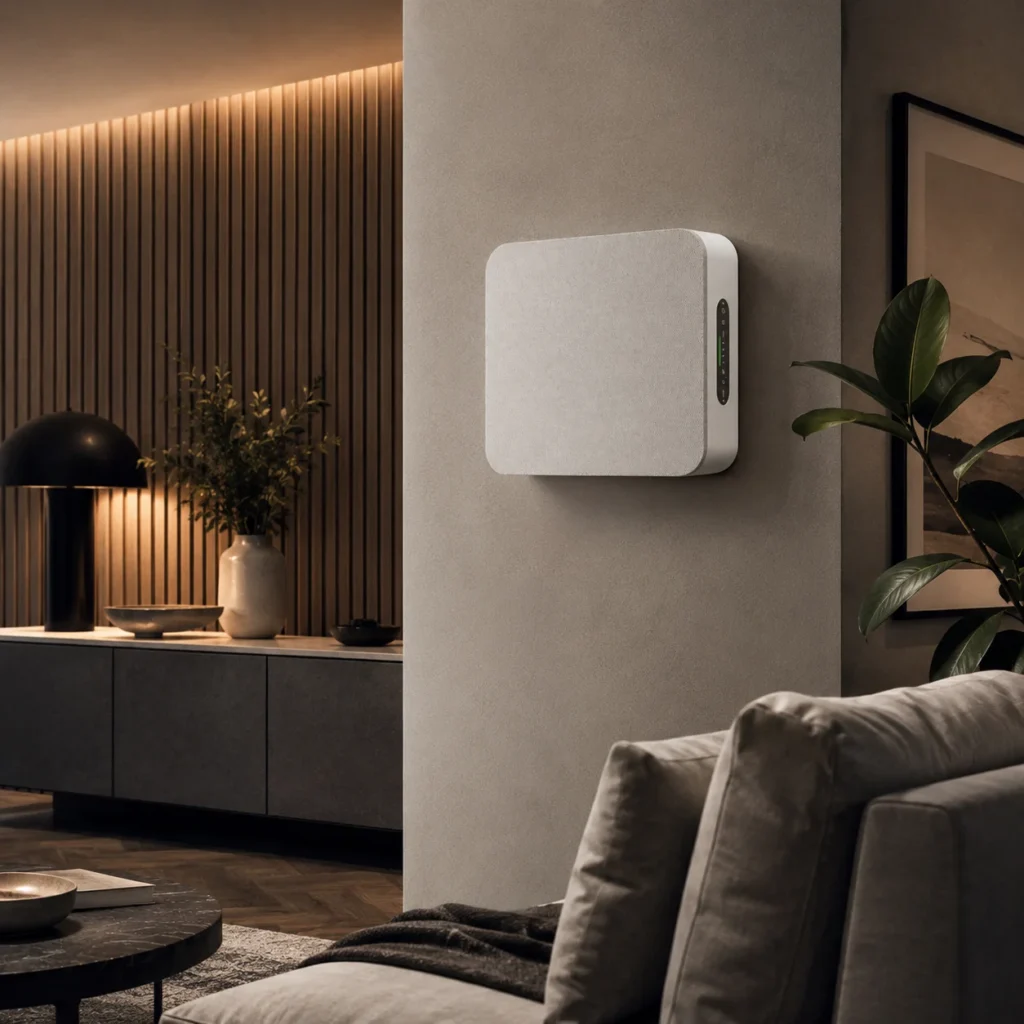
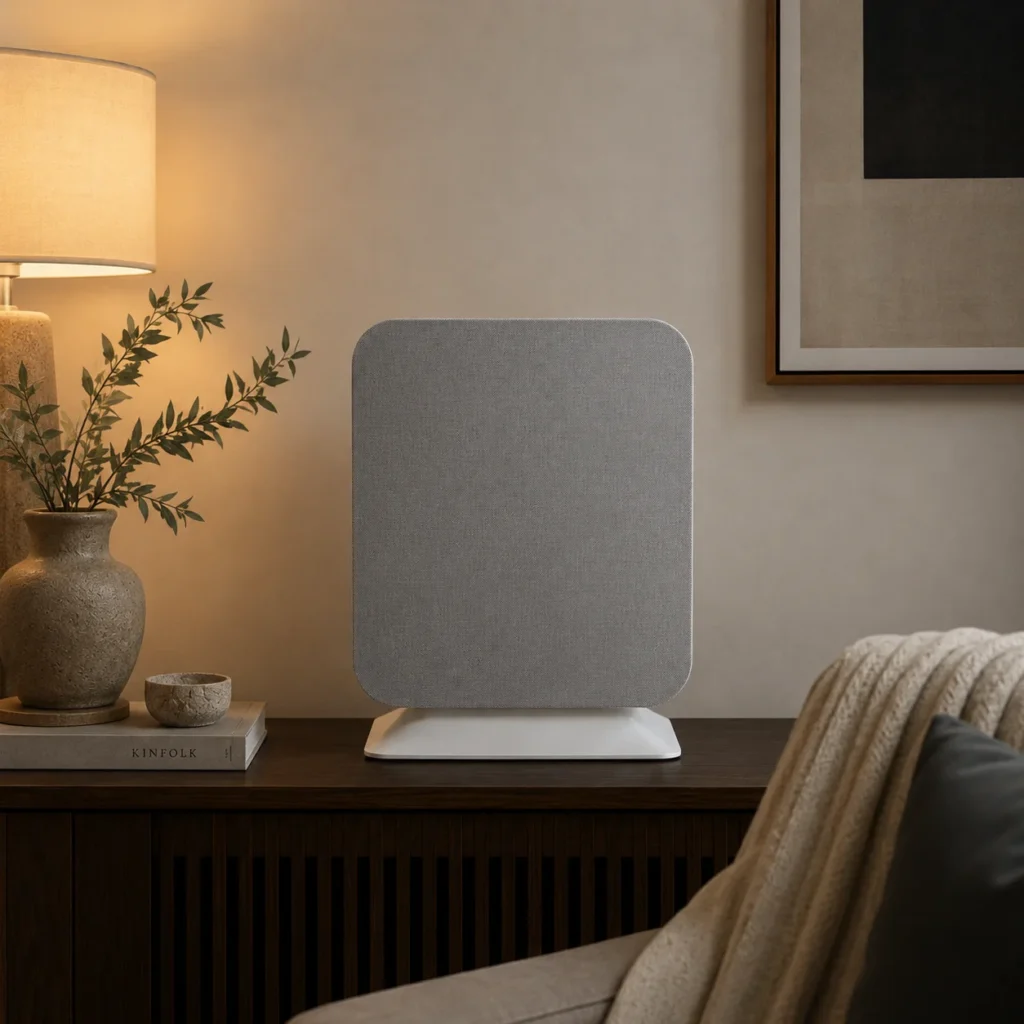
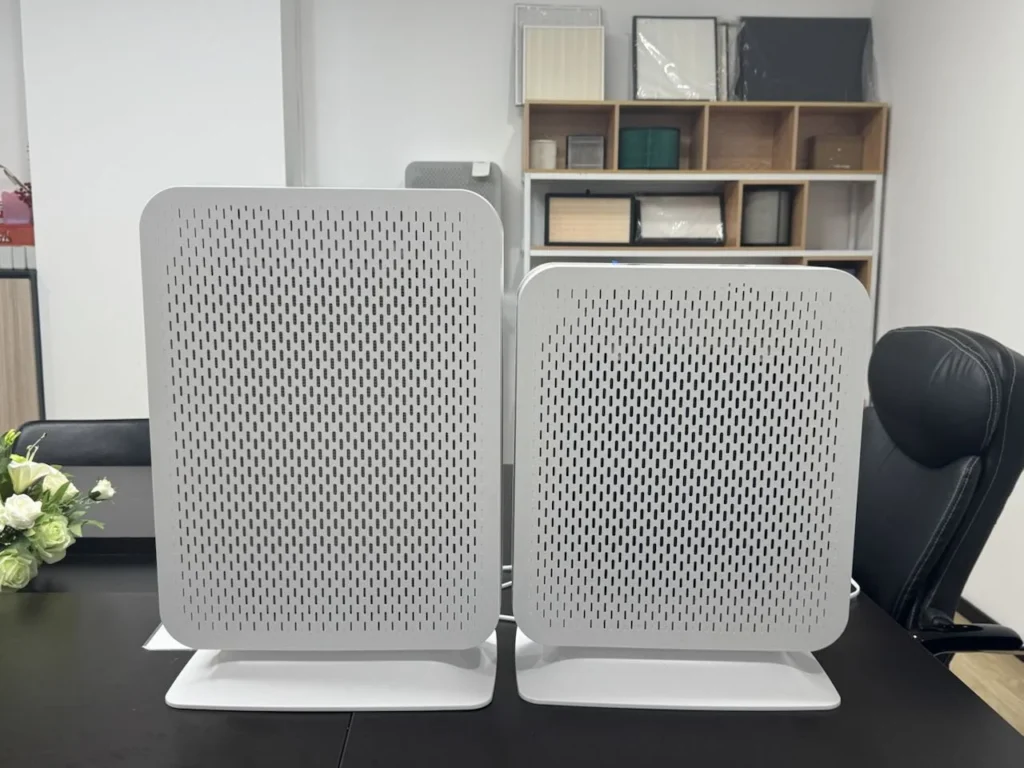
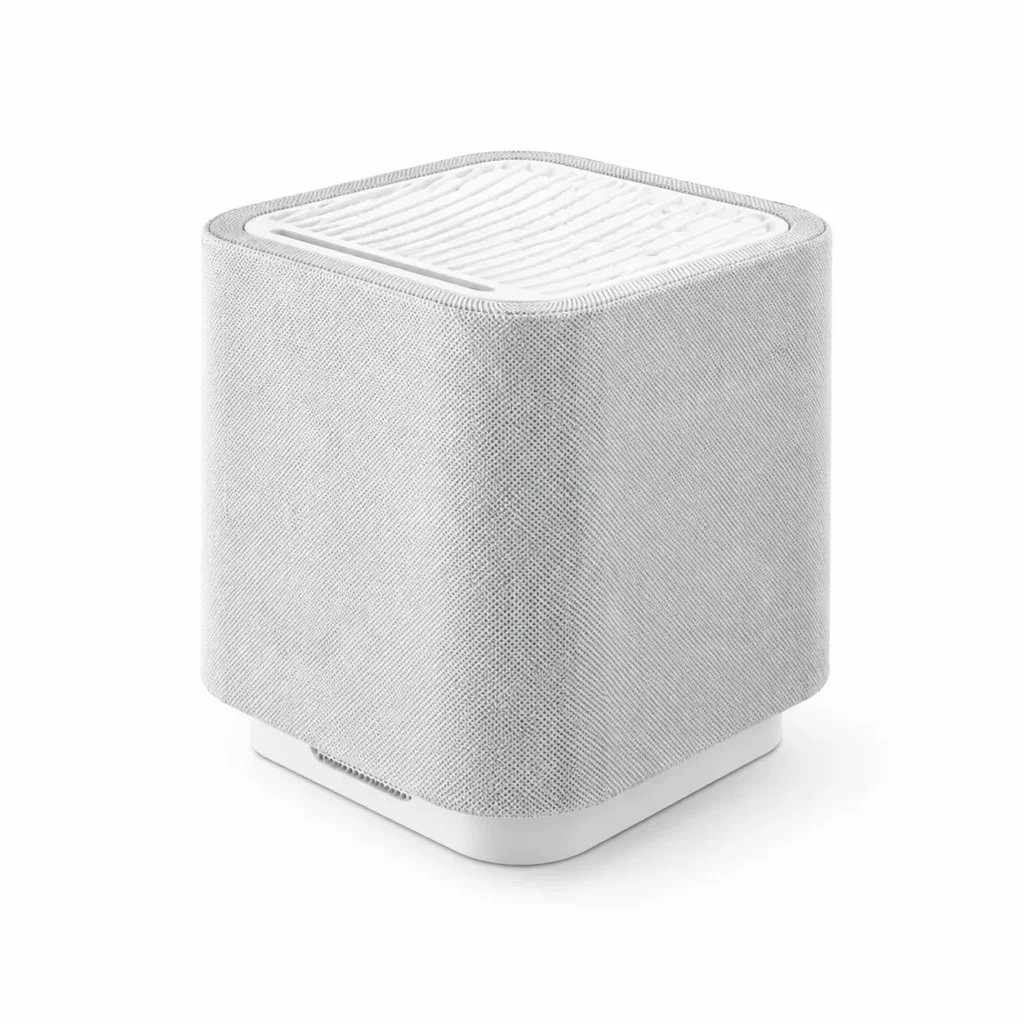
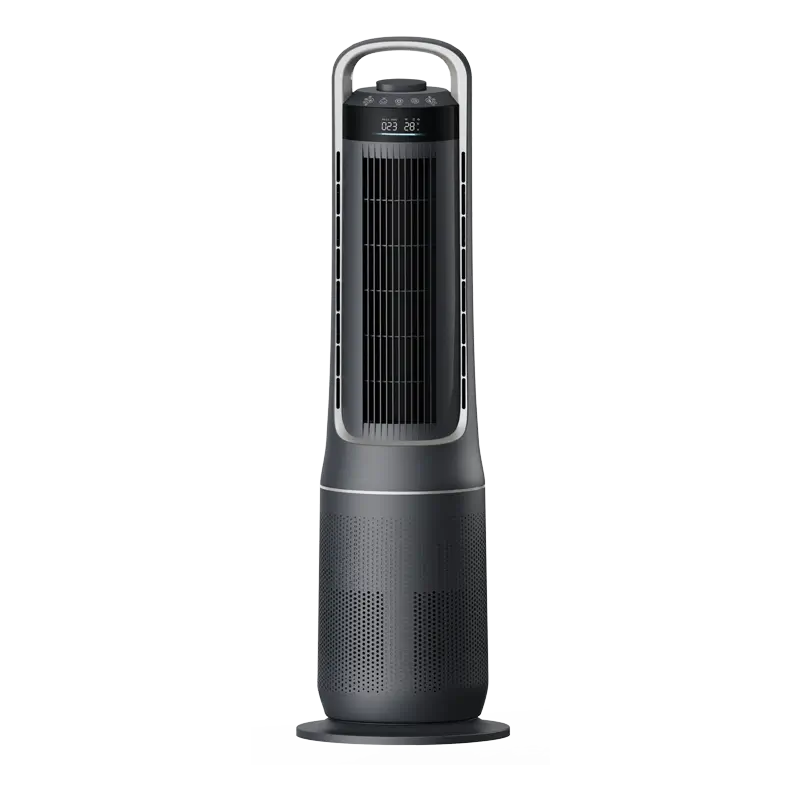
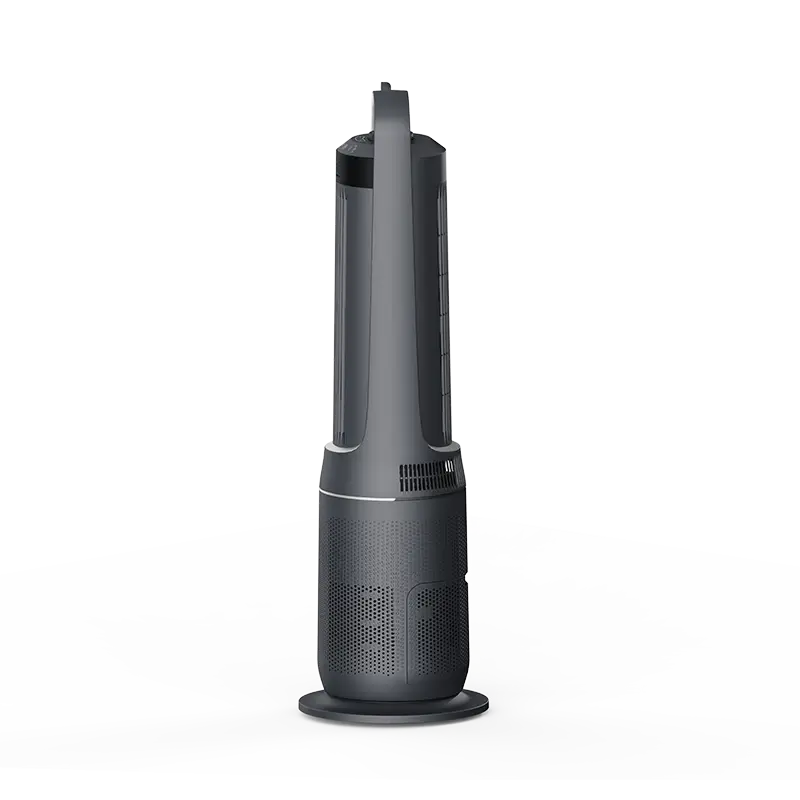
1台3役の空気清浄機、ファン&ヒーター ha h255f

3-in-1 Air Purifier, Fan & Heater HA-H255F

カテゴリー Combo, ヒーター, New Products

3-in-1 Modes

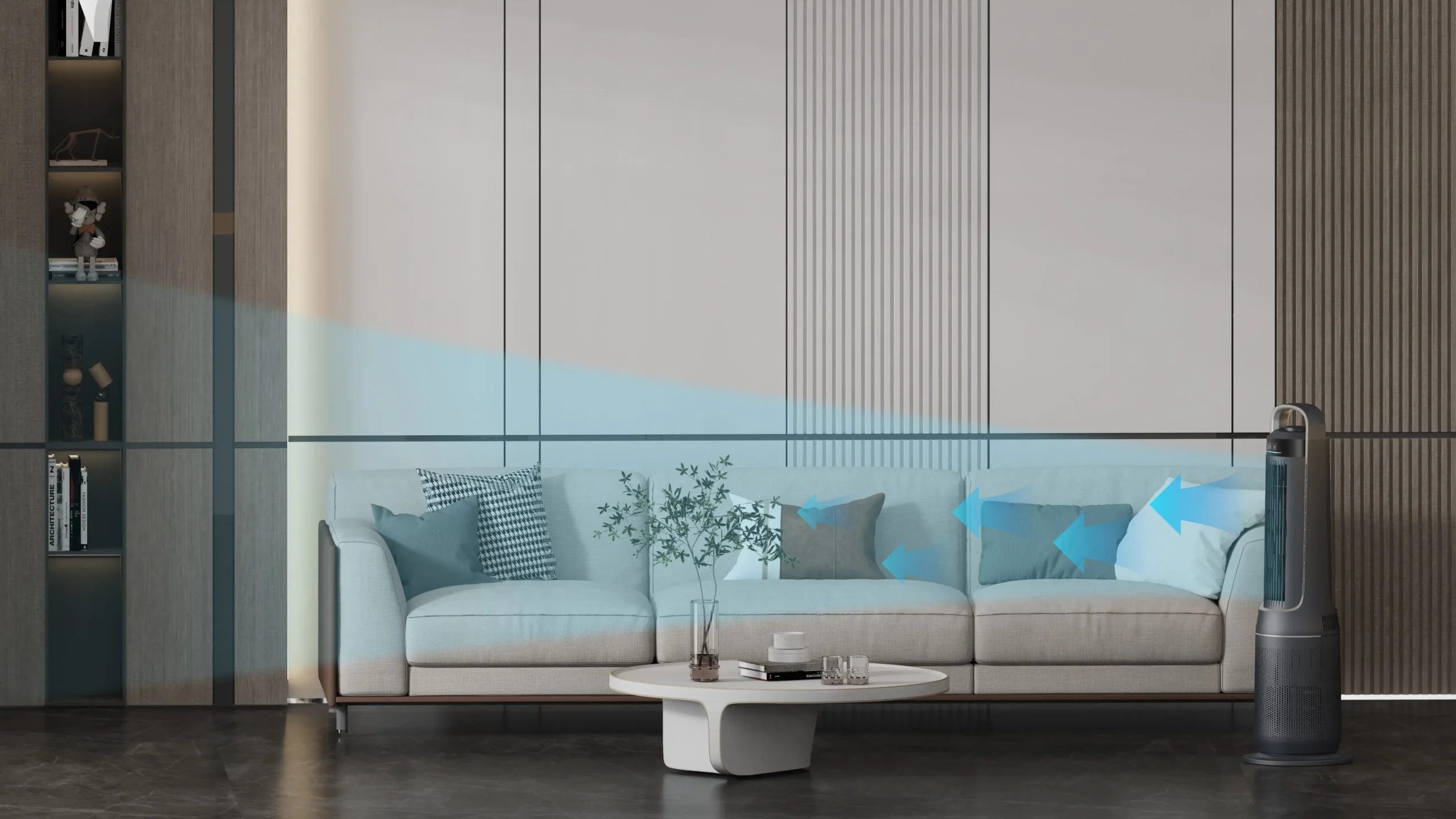
Switch effortlessly between purified air, purified heat, or purified fan for customized comfort all year round.

Purified Fan

Enjoy powerful, oscillating airflow with a purifying fan designed for maximum air circulation.

Purified Heat

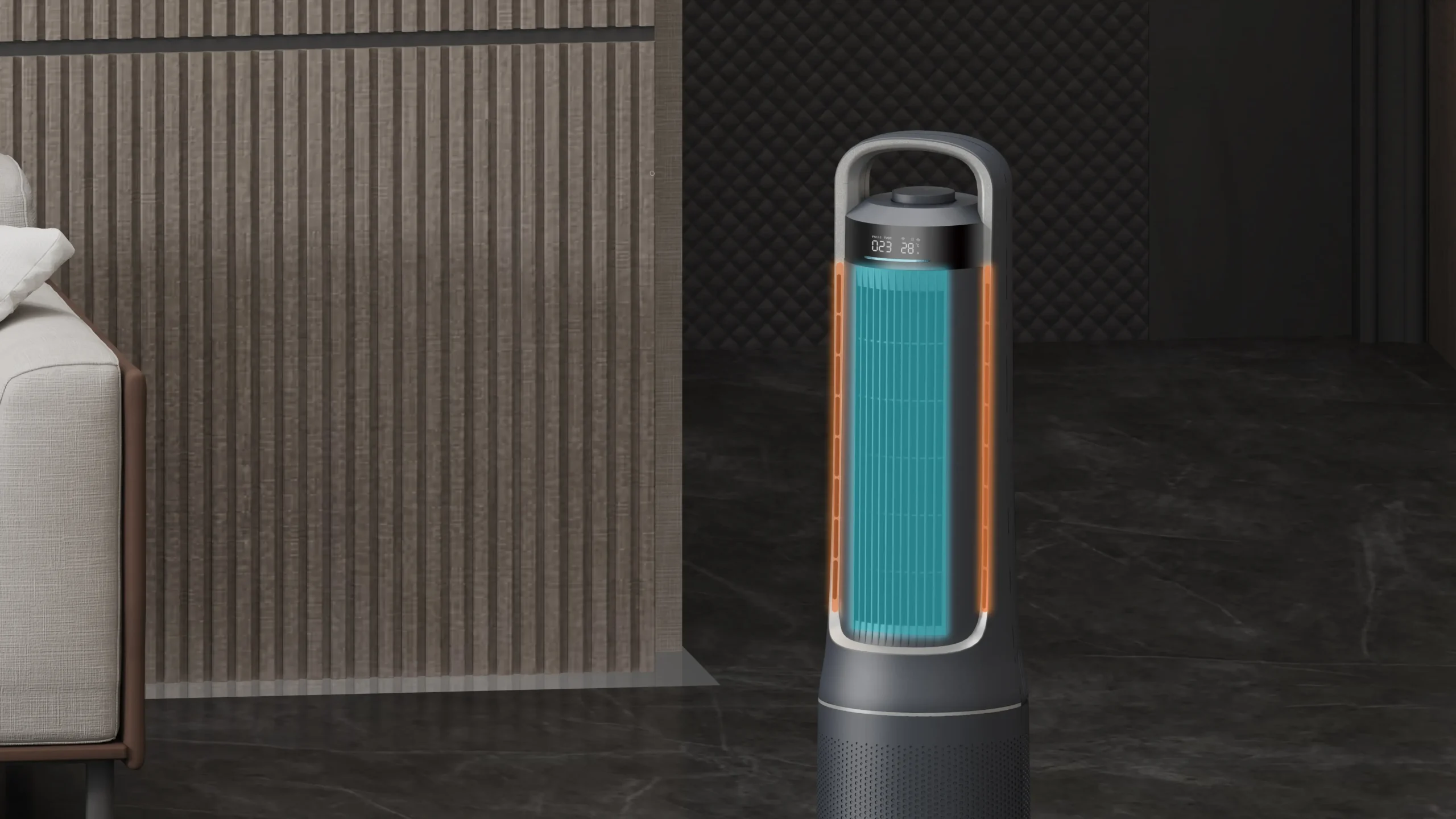
Thermal Comfort Control intelligently adjusts to your selected temperature, warming rooms effectively while maintaining your ideal comfort.

Advanced Purification System

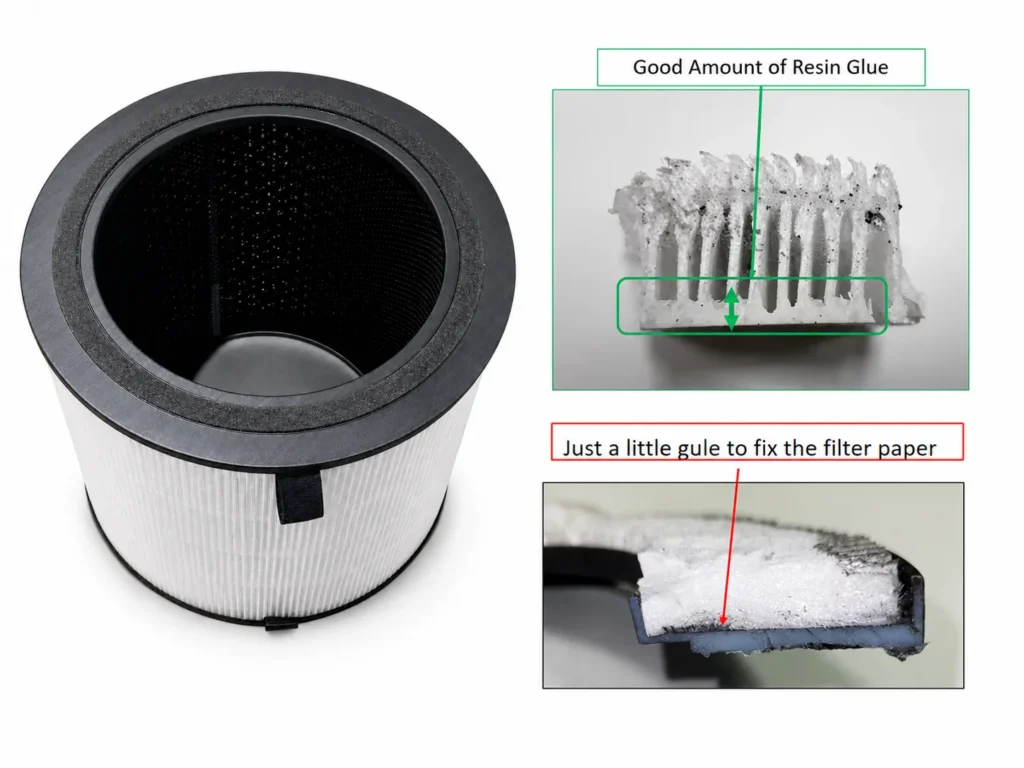
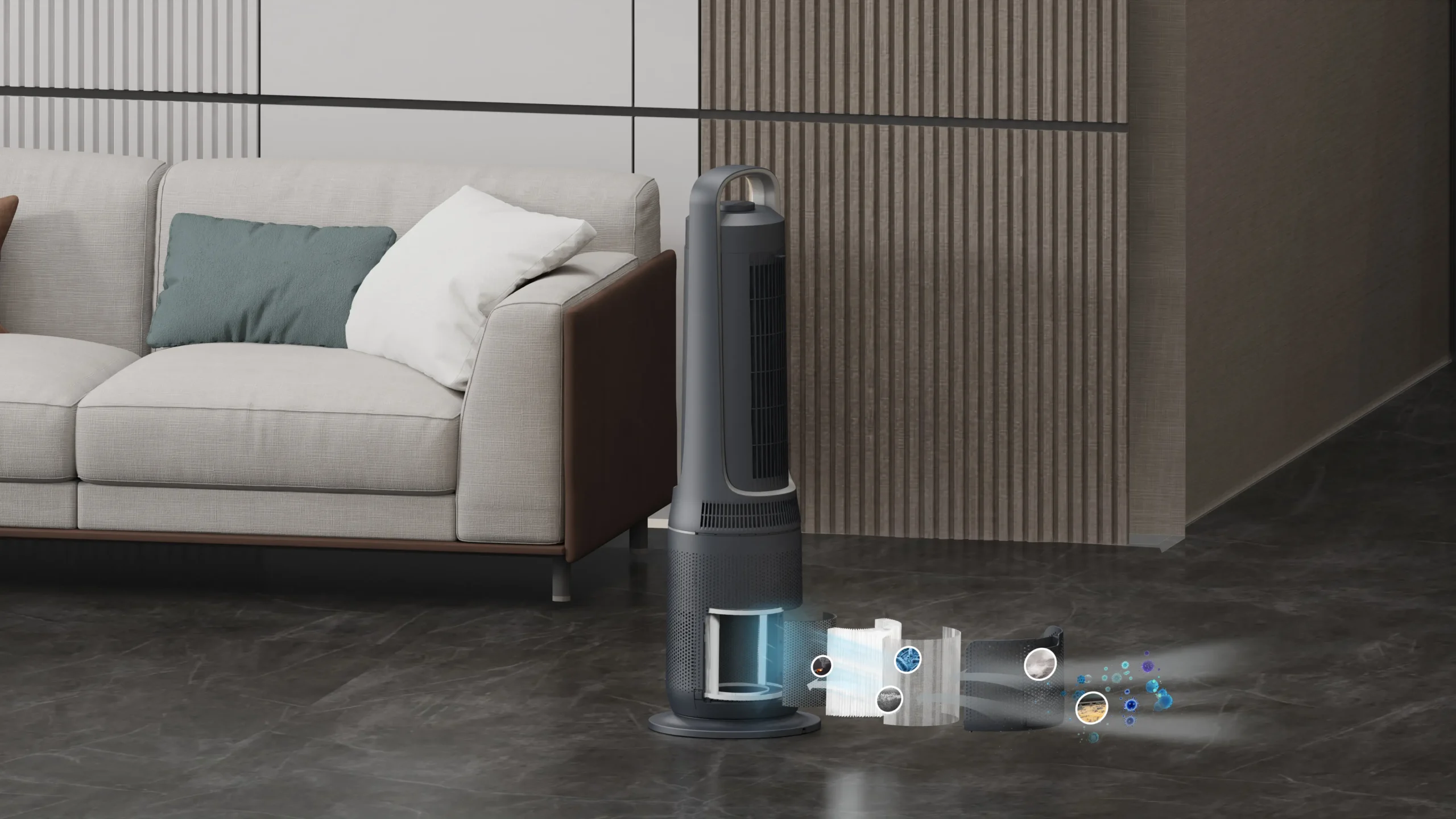
Includes Pre-Filter + H13 HEPA + Activated Carbon Filter to capture particles, allergens, pollen, dust, smoke, and pet dander.

Smart Features

Equipped with safety measures, intuitive controls, and sensors for an enhanced user experience.

見積依頼

商品説明

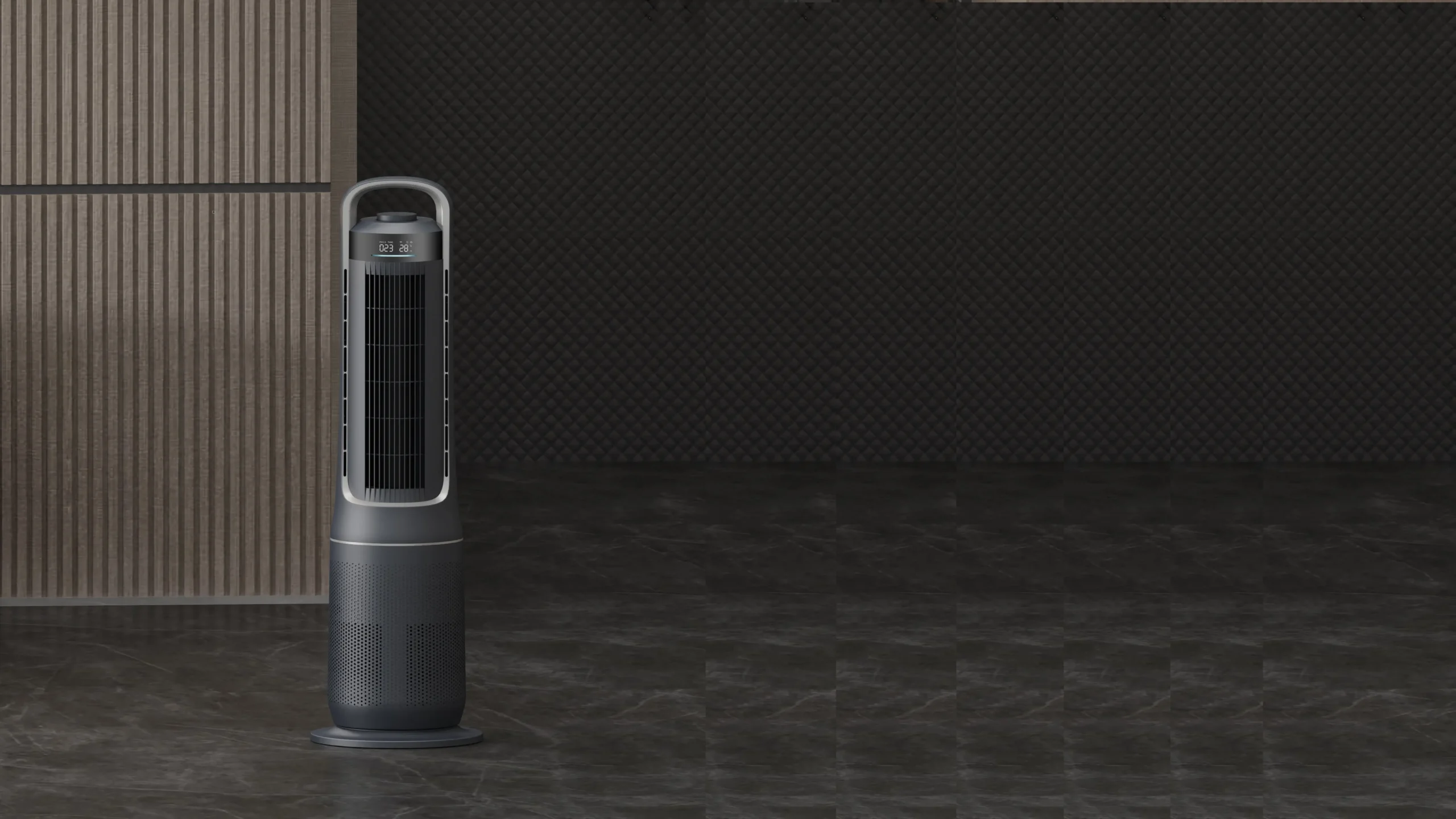
The HA-H255F: 3-in-1 Air Purifier, Fan & Heater is the ultimate solution for year-round comfort and air purification, making it ideal for homes, offices, and any indoor spaces that demand versatility and efficiency. With its powerful purification system, smart features, and multi-functionality, it ensures a clean, comfortable, and healthy environment in every season.
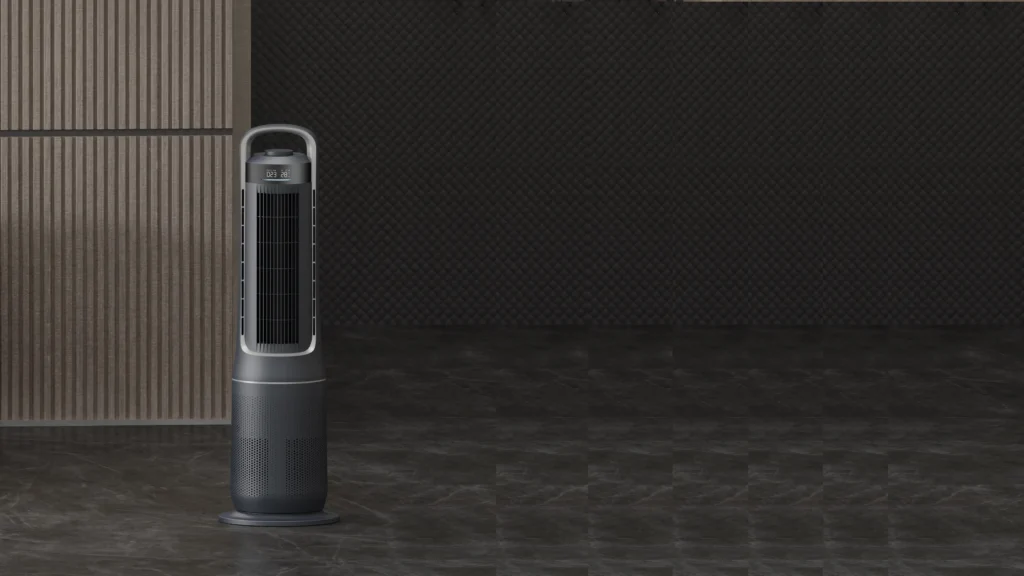
1台3役の空気清浄機、ファン&ヒーター ha h255f

Purification System Excellence

With the advanced Pre-Filter, H13 HEPA filter, and activated carbon filtration, the HA-H255F removes airborne particles and allergens, providing fresh and clean air for healthier living.
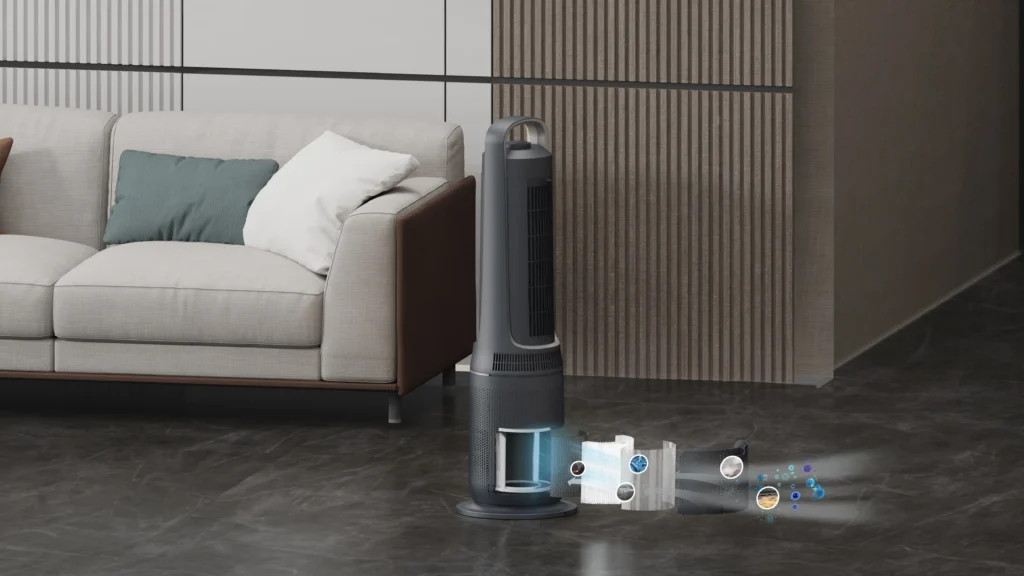
1台3役の空気清浄機、ファン&ヒーター ha h255f

Thermal Comfort and Cooling

Whether you need to warm up a space or circulate fresh air, the purified fan and heater modes deliver efficient performance tailored to your needs.


1台3役の空気清浄機、ファン&ヒーター ha h255f

Smart Features and User-Friendly Design

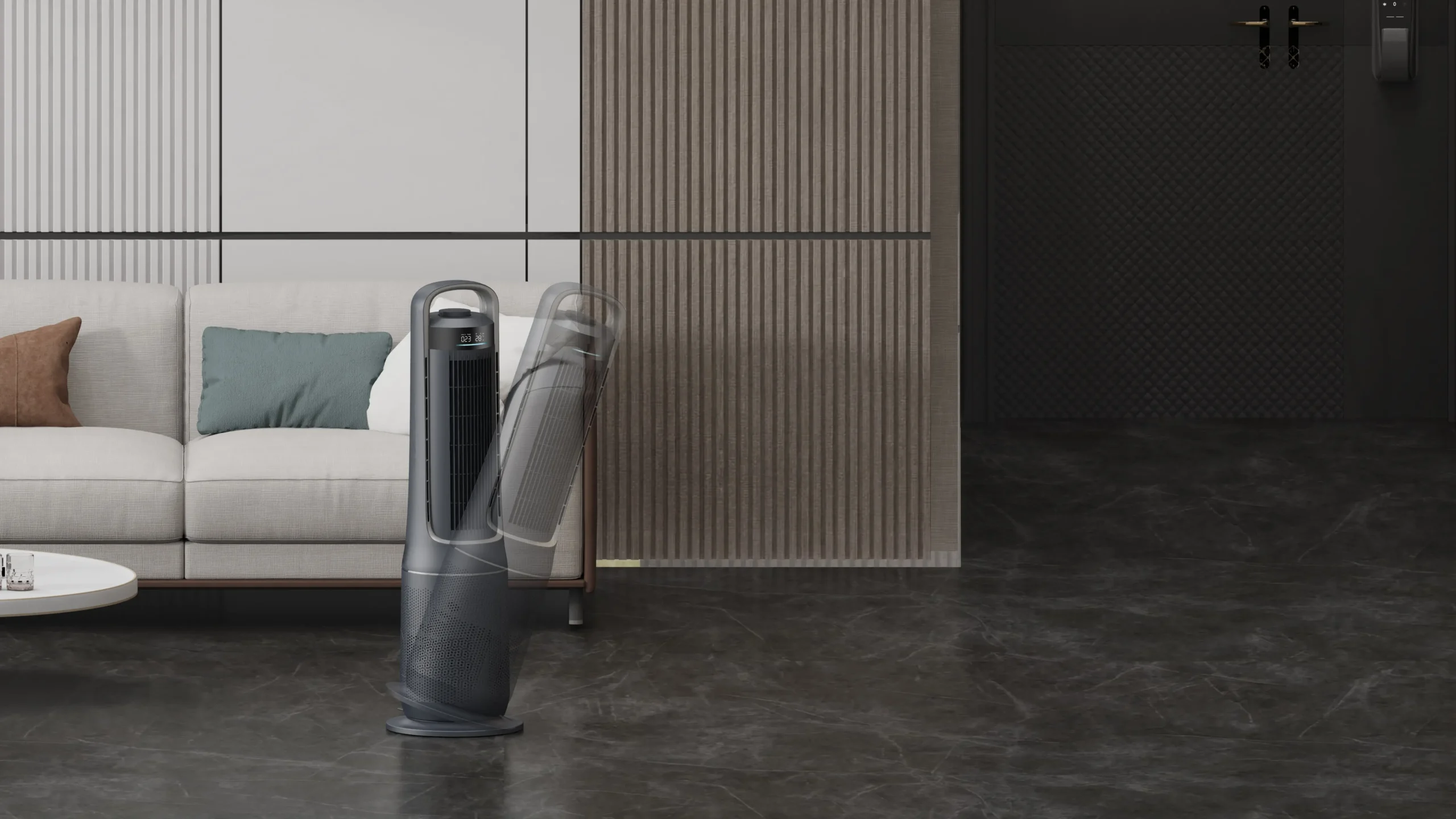
The HA-H255F includes features like a remote controller, double digital display for air quality and temperature, PM2.5 and VOC sensors, and a 350-degree rotatable body for optimal coverage.

仕様

電圧
100-240V~, 50/60Hz
パワー
22W(Fan)
34W(Purification)
2200W(Heating)
ノイズ
≤59 dB
CADR
255 m³/h (150 CFM ±10%)
カバレッジ
30–35 m²
Cold air volume
450 m³/h
Purification Speed
4
Fan Mode
12 levels
ファンスピード
1.7 ~ 7.5 m/s
Heating level
3(Low-Mid-High)
タイマー
1–12 hours
寸法
325 x 325 x 1060mm
フィルター
Pre-Filter+ H13 + Activated carbon filter

関連文書ダウンロード

ダウンロードはできません。

関連記事 3-in-1 Air Purifier, Fan & Heater HA-H255F

関連記事はありません。

当社の空気清浄機を選ぶ理由

High-Performance Air Purification
Advanced Filtration Options
99.9%バクテリア
除去率
高CADR
(クリーンエア供給率)
H13/H14 HEPA Filtration Options
Optional 270–280 nm UVC Module
H14 H13 extended filter life
lifespan HEPA filters
Third-Party Tested Filtration Performance

中国トップ3 OEM/ODM 空気清浄機メーカー

数十年にわたり、ブランド空気清浄機のプライベート・ブランドを展開

HisoAirでは、HisoAirの空気清浄機のデザインと仕様をご検討いただき、ご同意いただいたお客様を対象に、空気清浄機のプライベートラベルサービスをご提供しています。契約締結後、選定された製品にお客様のお名前をラベルとしてお入れします。

空気清浄機のOEM

HisoAirは、製品に必要な仕様をお持ちのパートナー様に、空気清浄機のOEMサービスを提供しています。研究、設計、エンジニアリング、モックアップまたは改造、テスト、そしてお客様の最終設計に基づく量産を行います。

赤で描かれた3Mのロゴ。
キャリアロゴ
ロゴ
アレンロゴ - 信頼の空気清浄機
tclロゴ 0
ハネウェルのロゴ - 空気清浄とろ過ソリューションのリーダー
LGロゴ - スマート家電と空気清浄ソリューションのイノベーター
フィリップスのロゴ - 健康技術と空気清浄ソリューションのリーダー

有名グローバルブランドからの信頼

20年以上の専門知識を持つ当社は、世界で最も有名なブランドのニーズにシームレスに統合するIAQソリューションの提供を専門としています。お客様の市場に合わせた卓越したパフォーマンスを実現するために、当社とパートナーシップを結んでください。

お客様の声

"グーグルからhisoairのウェブサイトを見つけ、正直なところ、最初は信頼できるかどうか不安でしたが、私のプロジェクト要件を1ヶ月半で完成させてくれました。また、プロジェクトでCO2センサーの緊急追加が必要になった際には、1週間以内に新しいサンプルを完成させてくれました。
TMS 1
トーマス
ドイツの政府系サプライヤー
"HisoAirの空気清浄機を購入しました。この7年間、HisoAirのAlwenと一緒に仕事をしていますが、彼はとても信頼できる人で、とても効率的でプロフェッショナルです。
お客様の声 2
ランジット・バーラ
インドからの医療製品輸入業者
"私たちは15年以上、民間機関や民間セクターと仕事をしてきた経験を持つ会社です。私たちは3年間、ヒソとコラボレーションをしてきましたが、ヒソが私たちに提供してくれた仕事には本当に感謝しています。とのコラボレーションに感謝しています。 チェリーとリーさん "
お客様の声
ヘリナ
ルーマニアの病院と政府系サプライヤー

当社の空気ろ過ソリューションの専門知識を信頼するグローバルリーダーの一員になりませんか。

あなたの問い合わせは私たちにとって重要です。お客様の情報は常に安全に保護されています。
ヒソとは3年間コラボレーションを続けており、ヒソが提供してくれた作品には本当に感謝している。チェリーと李さんとのコラボレーションに感謝しています。
TMS 1
トーマス
ドイツの政府系サプライヤー
Contaminant Engineering•3 min read

PFAS Water Filtration Technologies Explained: Carbon, Resin & RO

Key Takeaway:

PFAS reduction depends on the specific compounds present, treatment media, contact time, water chemistry, and system design. Activated carbon, ion exchange, and Reverse Osmosis address PFAS through different mechanisms.

PFAS are a large family of persistent fluorinated compounds that can occur in drinking-water supplies. Their treatment behavior varies significantly by molecular structure, chain length, functional group, concentration, and the chemistry of the source water.

Granular Activated Carbon (GAC) removes PFAS primarily through adsorption. It is generally more effective for many longer-chain PFAS, while shorter-chain compounds tend to break through more quickly. Carbon performance depends on media properties, Empty Bed Contact Time (EBCT), competing organic matter, loading, and replacement frequency.

Ion-exchange resins use charged functional sites to capture many PFAS compounds. Properly selected anion-exchange media can provide high capacity and may perform better than conventional activated carbon for some shorter-chain PFAS, although performance still depends on water chemistry and competing ions.

Reverse Osmosis (RO) uses membrane separation rather than adsorption. Properly designed RO systems can provide broad reduction across many PFAS compounds as well as dissolved salts and other contaminants. Unlike carbon or resin, however, RO also produces a concentrate stream that must be managed.

No single technology should be selected from a PFAS label alone. System design should consider which PFAS compounds are present, their concentrations, required reduction targets, flow rate, media life, and the applicable third-party certification or validation requirements.

HisoAir Water Technical Series
Product Discovery•3 min read

How to Choose an Under-Sink Water Purifier for Modern Kitchens

Key Takeaway:

Match the treatment technology to your water quality first, then evaluate cabinet space, faucet configuration, flow rate, drain and power requirements, and filter replacement needs.

Choosing an under-sink water purifier starts with water chemistry. Carbon filtration is well suited to chlorine, taste, odor, and many organic contaminants, while Reverse Osmosis is more appropriate when dissolved salts, fluoride, nitrates, or broader dissolved contaminants need to be reduced.

For compact kitchens, tankless RO systems eliminate the conventional storage tank and can significantly reduce the space required under the sink. However, membrane capacity stated in GPD does not directly equal faucet flow. When comparing systems, check the actual dispensing flow rate, inlet-pressure requirement, recovery ratio, and whether a booster pump is required.

Installation architecture also matters. Many RO systems require a drain connection, electrical power, and either a dedicated drinking-water faucet or a compatible multi-function faucet. High-flow carbon systems can often connect directly to the existing cold-water line with a simpler installation, but pressure drop and available faucet flow should still be verified.

RO also removes much of the naturally occurring dissolved mineral content. Where taste or mineral balance is a priority, a post-RO remineralization stage can be added. Filter life should be evaluated by both rated capacity and local water quality rather than replacement time alone.

The right system is therefore not simply the smallest or highest-GPD model. It is the configuration that matches the target contaminants, available cabinet space, desired faucet setup, peak dispensing demand, and maintenance expectations.

HisoAir Water Technical Series
Water Quality•2 min read

What Does TDS Mean in Drinking Water? Measurement vs Contaminant Reality

Key Takeaway:

A TDS meter estimates the overall concentration of dissolved ionic substances from electrical conductivity. It cannot identify specific contaminants or determine whether water is chemically safe.

Total Dissolved Solids (TDS) refers to the combined concentration of dissolved substances in water. Most handheld TDS meters do not measure TDS directly. Instead, they measure electrical conductivity (EC) and convert that reading into an estimated parts-per-million (ppm) value.

This means a TDS reading can indicate how much dissolved ionic material is present, but not what that material actually is. Calcium, magnesium, sodium, nitrates, and other dissolved ions can all contribute to conductivity, yet a simple TDS meter cannot distinguish between them.

TDS meters are also not suitable for detecting trace contaminants such as PFAS, many VOCs, pesticides, pharmaceuticals, or disinfection byproducts. These substances may be present at concentrations far below the level needed to noticeably change electrical conductivity.

A low TDS reading therefore does not guarantee safe drinking water, and a higher TDS reading does not automatically indicate contamination. Water-treatment decisions should be based on laboratory testing for specific contaminants of concern rather than TDS alone.

HisoAir Water Technical Series
Technology Selection•2 min read

RO vs UF Water Filtration: Understanding Pore Sizes & Dissolved Minerals

Key Takeaway:

Ultrafiltration can reduce bacteria, turbidity, and suspended particles while retaining most naturally occurring dissolved minerals. Reverse Osmosis provides much broader reduction of dissolved salts and smaller contaminants.

Ultrafiltration (UF) typically uses hollow-fiber membranes with pore sizes in the approximate 0.01–0.1 micron range. These membranes physically retain turbidity, suspended solids, colloids, and many microorganisms while allowing dissolved minerals and salts to remain in the water.

Reverse Osmosis (RO) operates at a much finer separation level. Unlike UF, RO can substantially reduce dissolved ions such as sodium, calcium, fluoride, nitrates, and other contributors to total dissolved solids (TDS). This makes RO more suitable when dissolved-salt reduction is a primary treatment objective.

UF generally requires less system pressure and produces little or no continuous concentrate stream in many point-of-use configurations. RO typically requires greater pressure and produces a reject-water stream, but delivers broader contaminant reduction.

For water with acceptable TDS and mineral content, UF can be a simpler mineral-retaining treatment option. Where dissolved salts, fluoride, nitrates, or broader dissolved contaminants are a concern, RO is generally the more appropriate technology.

HisoAir Water Technical Series
Technology Selection•4 min read

Carbon Block vs Reverse Osmosis: Which Fits Your Need?

Key Takeaway:

Choose RO for dissolved inorganic salts and heavy metals; choose Carbon Block for chemical taste/odor, no wastewater, and high line-pressure flow.

Reverse Osmosis (RO) and Carbon Block filtration represent two fundamentally different treatment methods: membrane separation and adsorption. Understanding these differences helps determine which technology is better suited to a specific water-quality requirement.

Reverse Osmosis uses a semi-permeable membrane with pore sizes of approximately 0.0001 microns. It can significantly reduce dissolved inorganic contaminants such as TDS, fluoride, nitrates, and certain heavy metals. Because water must be forced through the membrane, RO systems require sufficient pressure or a booster pump and generate a concentrated wastewater stream.

Carbon Block filtration relies primarily on adsorption through compressed activated carbon, commonly with nominal pore sizes around 0.5–5 microns. It is highly effective for chlorine, chloramines, VOCs, taste, and odor, while allowing substantially higher direct-flow rates without producing wastewater.

From an operating perspective, Carbon Block systems are generally simpler, require less energy, and avoid the water loss associated with RO. RO involves higher system complexity and operating cost, but provides substantially broader reduction of dissolved contaminants that Carbon Block alone cannot address.

HisoAir Water Technical Series

見積依頼