新しいタブで開きます
革新的な空気品質ソリューション

空気清浄機の騒音レベルを効果的にテストするには?

Related Products

空気清浄機と騒音計を備えた専門試験室

うるさい家電製品にうんざりしていませんか?一緒に空気清浄機の騒音レベルをテストしてみましょう!

空気清浄機の騒音レベルを効果的に試験するには、環境干渉を避けるために専門の騒音試験室を使用し、音圧と音響パワーの測定を区別してください。正確な結果を得るためには、空気清浄機の性能に合わせて試験を行う必要があります。

この小冊子は基礎的な理解を提供しますが、騒音試験の複雑さは膨大です。専門的な試験環境、測定技術、空気清浄機が最適に機能するための性能と騒音レベルのバランスの取り方について、詳細なガイドをご覧ください。

サウンドパワーは環境に関係なく一定です。真

音響パワーは、周囲の影響を受けずに放出される総エネルギーを測定する。

騒音試験にはどのような道具や設備が必要ですか?

空気清浄機の騒音試験に着手する前に、適切なツールと機器を揃えることが重要です。

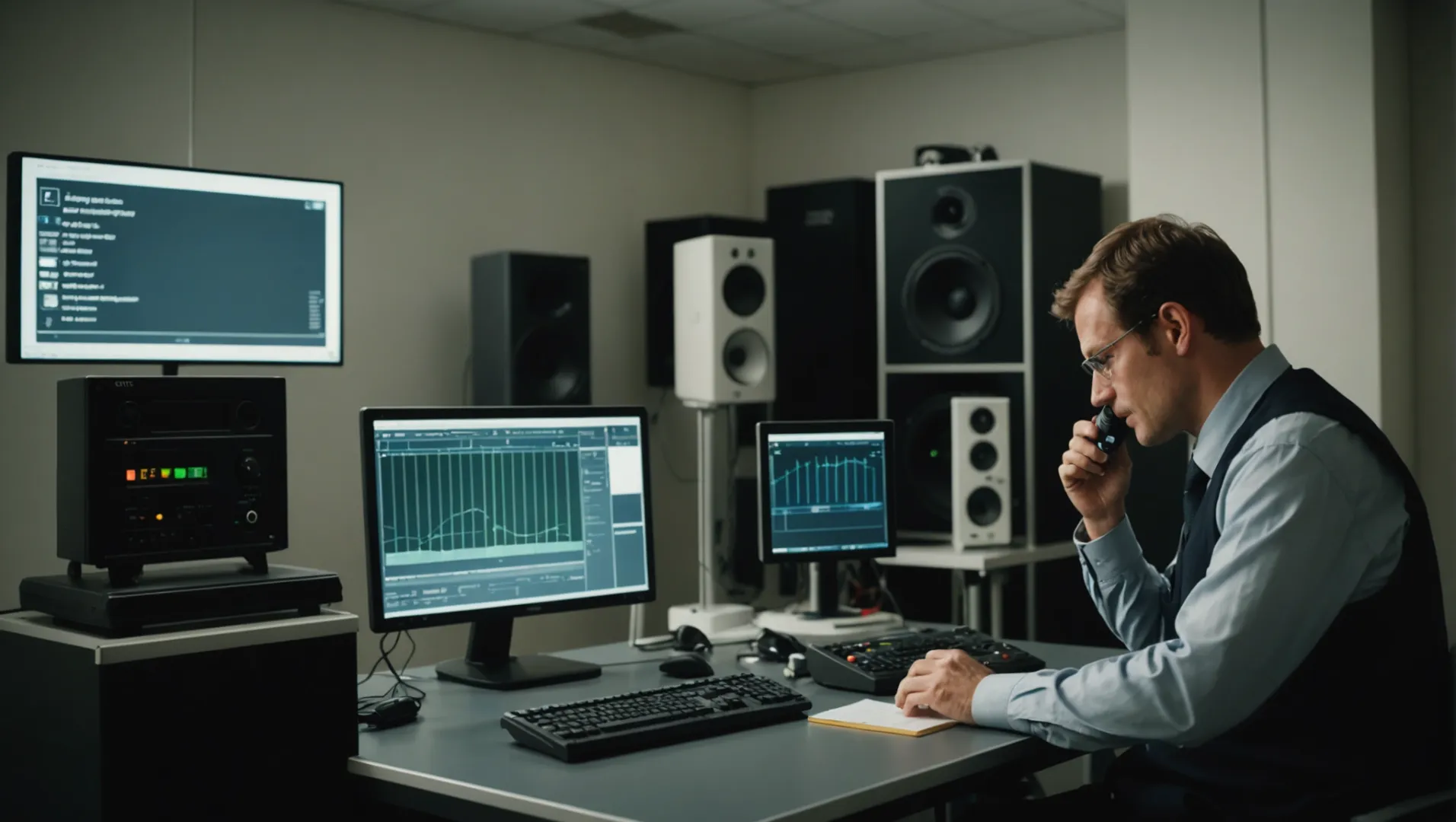
騒音試験に不可欠なツールには、騒音計、騒音線量計、校正器、無響室などがあります。これらの機器は、空気清浄機の性能評価に不可欠な音圧と音響パワーの正確な測定に役立ちます。
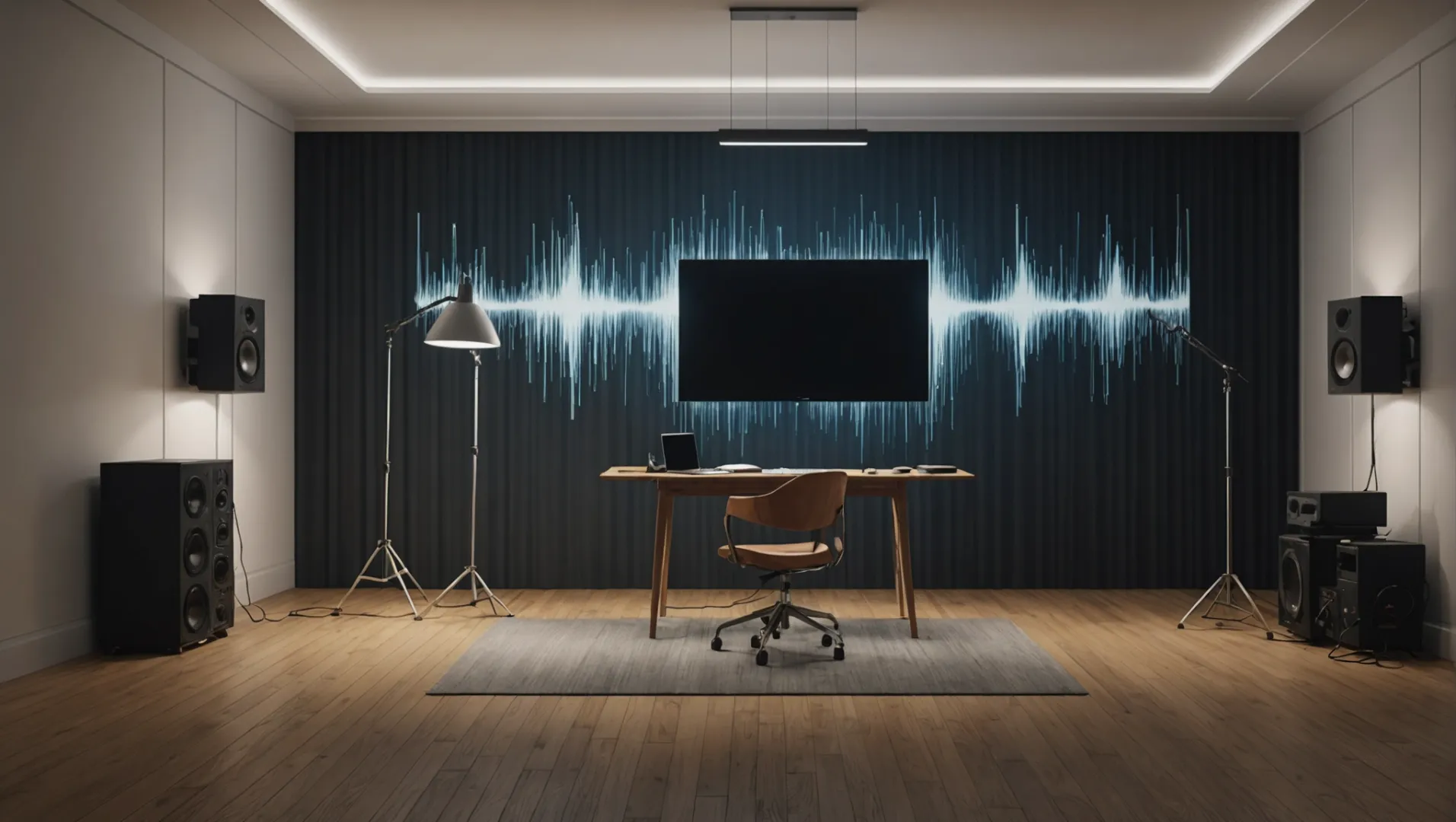
騒音レベル計、騒音線量計、無響室を含む騒音試験装置のセットアップ。
騒音試験装置

ノイズ測定の基本を理解する

正確には 試験騒音レベル1 空気清浄機には、いくつかの専門的な道具が必要です。ここでは、必要不可欠な道具の内訳を紹介しよう:

  • サウンドレベルメーター:音の強さをデシベル(dB)で測定します。空気清浄機から発生する騒音レベルを把握するために重要です。
  • 騒音計:騒音計と似ていますが、平均的な騒音暴露を評価するために長期間使用されます。騒音レベルが変動する環境では特に有用です。
  • 校正器:音響測定器の精度を確保するためには、校正が必要です。校正器は基準音を提供し、それに応じて騒音計を調整することができます。
  • 無響室:音の反射を吸収するよう特別に設計された部屋。外部ノイズの干渉を排除し、より正確なテストを行うためのコントロールされた環境を提供します。

音圧と音響パワーの比較

騒音を測定する場合、音圧と音響パワーを区別することが重要です:

  • 音圧 は私たちが耳にするもので、騒音計で測定される。これは音波によって引き起こされる局所的な圧力の変化である。
  • サウンド・パワー一方、単位時間あたりに音源から放出されるエネルギーのことで、音源が音を発生させる能力をより本質的に表す指標となる。これは、工業的な場面で精度のためによく使われる。

実際には 音響パワー測定2 空気清浄機の完全なサウンドプロファイルを決定するには、無響室やマルチポイントテストのような、より高度なセットアップが必要です。

標準試験手順

騒音試験は、結果の一貫性と比較可能性を確保するために、標準化された手順に従わなければならない。空気清浄機の場合

  • 9項目のテスト:この方法では、空気清浄機の周囲を様々な角度や距離で測定します。この方法は、完全なノイズエミッションプロファイルを取得するのに役立ちます。
  • スタンダードの遵守:米国市場向けのAHAMのような団体のガイドラインを活用する。

これらのツールや方法を理解することは、測定の精度を向上させるだけでなく、より静かで効率的な空気清浄機の設計にも役立ちます。

騒音計は音の強さをデシベルで測定する。真

騒音計は、音の強さをデシベル(dB)で測定するように設計されています。

無響室は、正確なテストのために外部ノイズを増幅します。偽

無響室は音の反射を吸収し、外部ノイズの干渉を排除します。

音圧と音響パワーはどのように違うのか?

音圧と音響パワーの違いを理解することは、正確な騒音レベル試験を行う上で非常に重要です。

音圧は音波によって引き起こされる空気圧の局所的な変化を測定し、音響パワーは音源から放出される総エネルギーを数値化します。音圧レベルは距離や環境によって変動するのに対し、音響パワーは一定であるため、異なる音源を比較する際により安定した基準となる。
音圧測定と音響パワー測定の対比図
音圧と音響パワーの比較

音圧:可聴体験

音圧とは、私たちが何かの音の大きさを議論するときによく使う言葉です。特定の地点における気圧の変動を測定するもので、通常デシベル(dB)で表されます。デシベルは 音圧レベル3 (音圧レベル)は、音源からの距離や、音を反射・吸収する壁や物体などの環境条件に影響される。このばらつきは、実際のリスニング条件を反映するため、消費者製品にとって実用的な測定となります。

サウンドパワー:ソースの特徴

一方、音響パワーとは、音源から放出される音響エネルギーの総量を指し、単位はワットです。音圧とは異なり、音響パワーは周囲の環境や音源からの距離に関係なく一定です。この一貫性により、騒音放射を正確に制御することが重要な産業用途において、音響パワーは貴重な指標となります。

測定の違いによる実践的な意味合い

空気清浄機のような消費者市場では、ユーザー体験との関連性から、音圧測定がしばしば用いられます。しかし、低騒音で高性能な空気清浄機を設計するためには、音圧を理解する必要があります。 音響パワー測定4 が不可欠である。例えば、音圧レベルが部屋内の配置によって異なる場合でも、音響出力を下げれば、全体的に静かな機器になります。

測定タイプ 単位 影響 アプリケーション
音圧 dB 距離、環境 消費者製品
サウンド・パワー ワッツ なし 工業デザイン

正しい測定の選択

音圧と音響パワーのどちらを選択するかは、用途によって異なります。ユーザーが静かな環境を体験できるようにすることが目的であれば、音圧と音響パワーのどちらを重視するかは、アプリケーションによって異なります。 音圧レベル5 は有益である。逆に、一貫した出力が必要とされるエンジニアリング用途では、音響パワーはより信頼性の高いベンチマークとなる。

音響パワーはデシベル(dB)で測定される。偽

音響パワーはデシベルではなくワットで測定される。

音圧レベルは音源からの距離によって変化する。真

距離は音圧レベルに影響し、音の大きさを変える。

なぜ専門的な騒音試験室が重要なのか?

空気清浄機の正確な評価に専門的な騒音試験室が欠かせない理由をご覧ください。

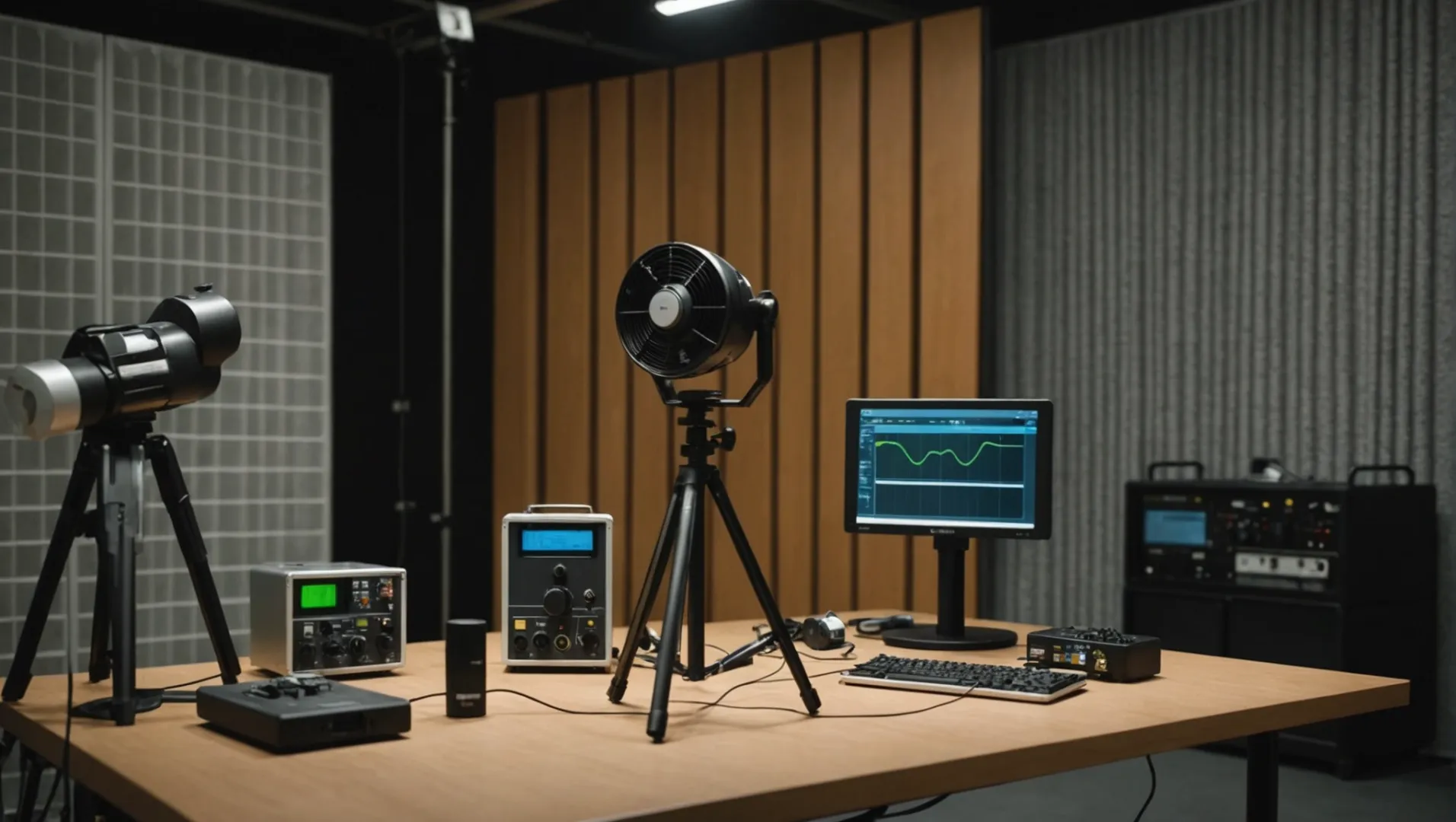
専門的な騒音試験室は、環境騒音の干渉を最小限に抑え、空気清浄機の騒音レベルを正確かつ確実に測定します。
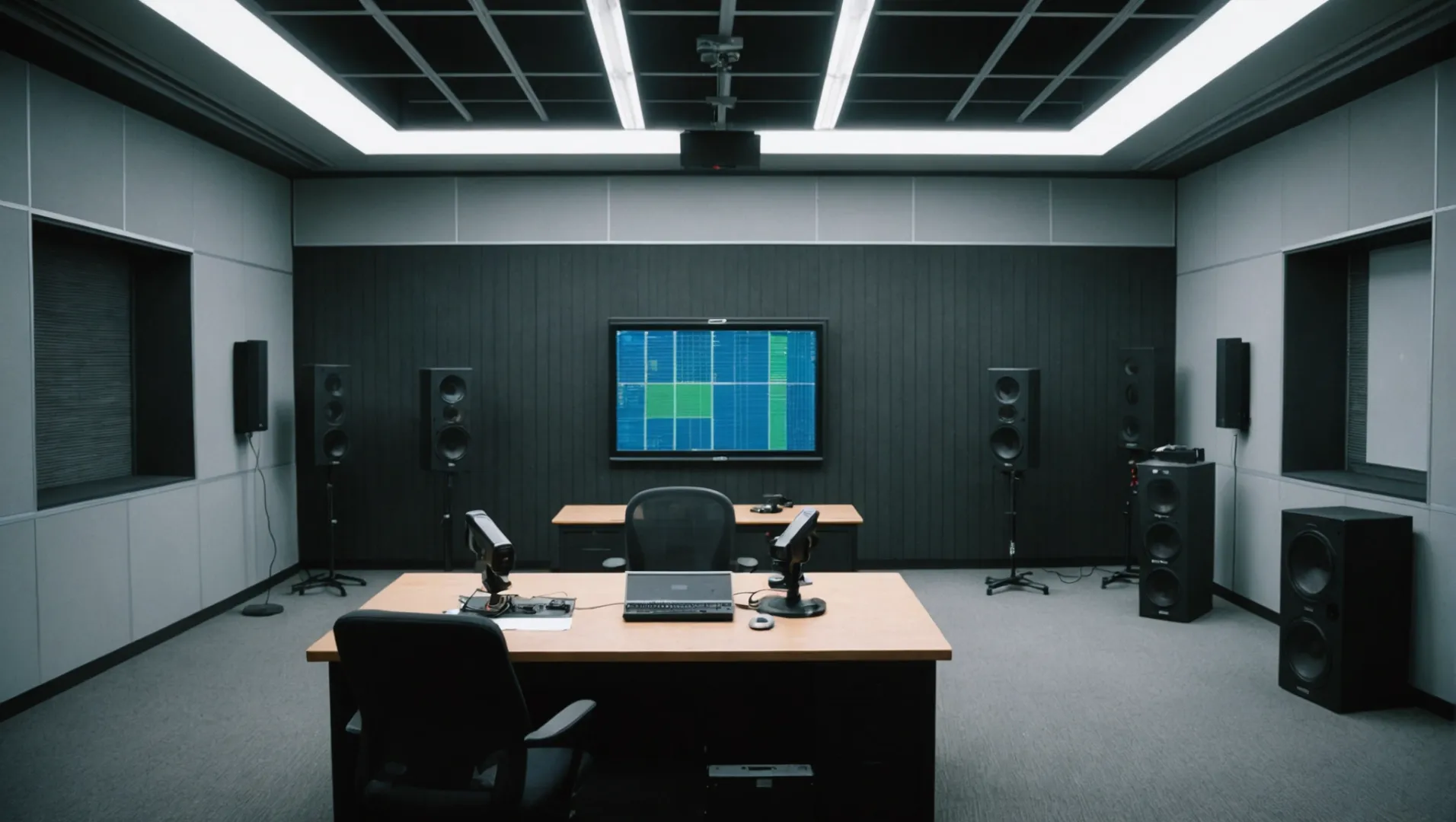
中央に空気清浄機が設置された業務用騒音試験室の内部
業務用騒音試験室

正確な測定の確保

空気清浄機の騒音レベルを測定する際、正確で一貫した結果を得るためには、専門的な騒音試験室が不可欠です。このような制御された環境がなければ、外部ノイズによって測定値が簡単に歪んでしまい、空気清浄機の性能を真に反映しない不正確な評価につながります。専用の部屋に装置を隔離することで、試験者は空気清浄機自体が発する音だけに集中することができます。

音圧と音響パワーの区別

騒音試験の分野では、音圧と音響パワーを区別することが重要です。音圧は、民生市場でよく使用されるもので、ある地点における可聴音レベルを表し、環境によって変化します。一方、音響パワーは、デバイスから放出される総音響エネルギーを定量化するもので、商業環境で好まれる、より正確な指標を提供します。

専門的な騒音試験室は、外部からの影響を受けない安定した環境を提供することで、音圧と音響パワーの両方を正確に測定することができます。この透明性は、騒音を最小限に抑えた高性能空気清浄機を設計する際に特に重要です。

性能と騒音レベルのバランス

空気清浄機は、効率的な動作と許容できる騒音レベルのバランスを取る必要があります。専門的な試験環境では、メーカーは以下のような技術を採用することで、このバランスを厳密に評価することができます。 マルチポイントテスト6.これには、前面、背面、側面、上面など、装置の周囲のさまざまな角度から、通常は1メートルの距離から測定を行うことが含まれます。このような包括的なテストにより、清浄機の性能を損なうことなく、騒音レベルを確実に抑えることができます。

業界標準とコンプライアンス

業界標準を遵守することも、専門の騒音試験室が不可欠である理由の一つです。AHAM(家電製品製造者協会)などの規格は、製品間の一貫性を確保するための試験手順をガイドしています。これらの規格は、どこでどのように測定を行うべきかを規定しているため、メーカーはこれらの厳しい要求を満たすことができる設備を利用することが不可欠です。

要約すると、専門的な騒音試験室とは、単に低いデシベルを達成することではなく、許容できる騒音レベルによってユーザーの快適性を維持しながら、空気清浄機が最高の性能を発揮できるようにすることなのです。このバランスは、消費者が静かな運転と効率的な空気清浄の両方を求める今日の競争市場において非常に重要です。

専門的なノイズ試験室は、外部ノイズの干渉を低減します。真

これらの部屋は環境ノイズを最小限に抑えるように設計されており、正確な測定を保証する。

騒音試験では、音圧と音響パワーは同一である。偽

音圧は環境によって異なり、音響パワーは総音響エネルギーを測定する。

空気清浄機の性能と騒音のバランスを取るには?

空気清浄機の性能と騒音のバランスをとることは、邪魔をせずに最適な機能を発揮させるために非常に重要です。

空気清浄機の性能と騒音のバランスをとるには、音響パワー測定による騒音レベルのテスト、ファンスピードの検討、より静かな動作のための先進技術の採用が必要です。
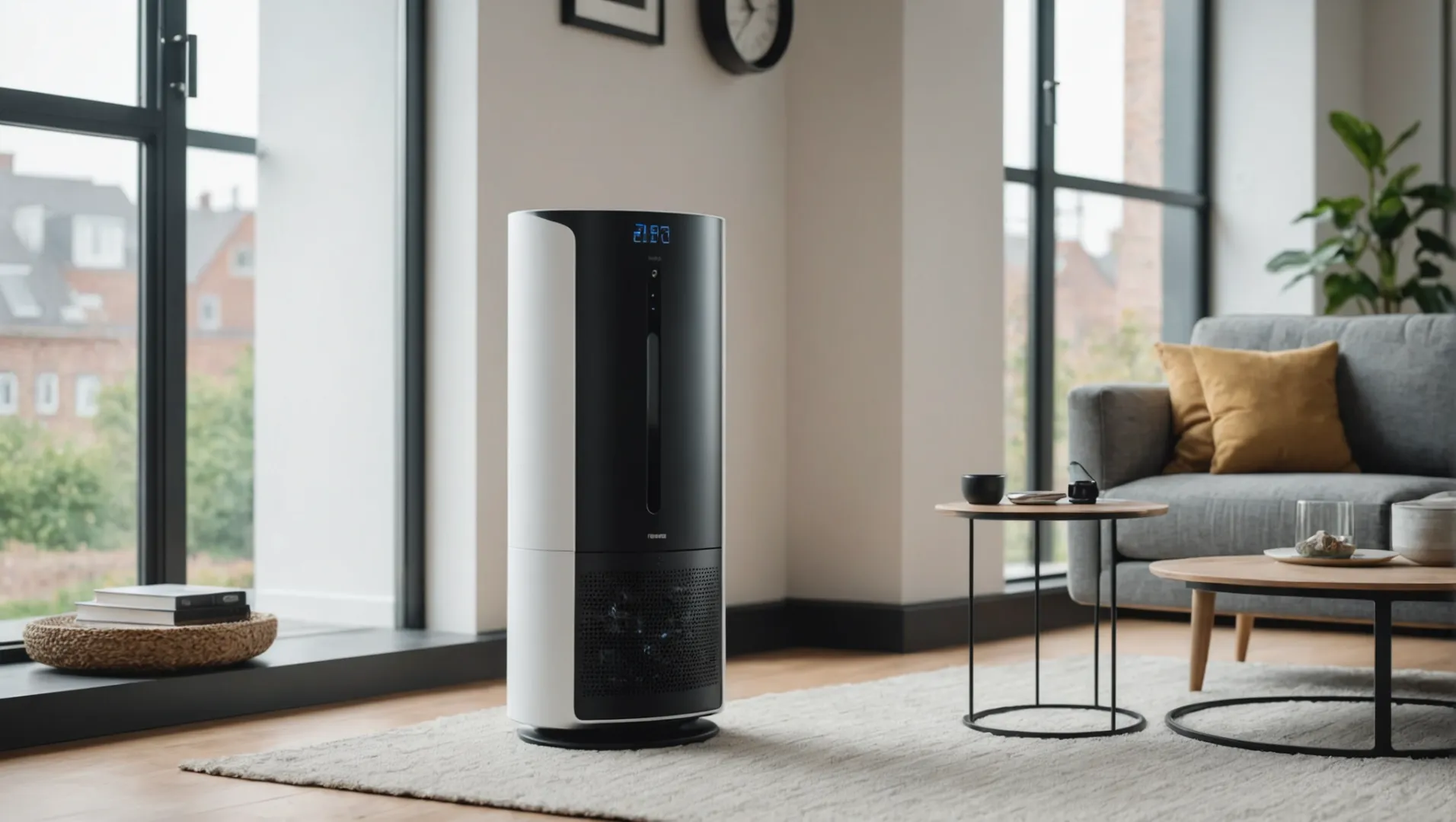
リビングルームに置かれたモダンな空気清浄機
最新の空気清浄機

性能とノイズのトレードオフを理解する

空気清浄機は、フィルターを通して空気を循環させ、汚染物質を除去することで作動する。このプロセスの有効性は、ファンの回転速度と使用するろ過システムのタイプに大きく依存する。一般的に、ファンの回転数を上げると空気清浄性能は向上するが、騒音レベルも上昇する。そのため、バランスを取るには戦略的な調整が必要となる。

ファンの回転数と技術の役割

メーカーは多くの場合、可変回転数制御を組み込んでおり、ユーザーは必要に応じてファンの回転数を調整できる。高性能の設定は、汚染のピーク時に適しているかもしれないが、騒音が大きくなる可能性がある。逆に、静かな運転が望ましい夜間の使用には、低めの設定で十分かもしれない。

近年の技術進歩により、性能を損なうことなく騒音を低減する、より効率的なファンやモーターが開発されています。そのような技術として HEPAフィルターシステム7 および活性炭フィルターは、音響出力を最小限に抑えながら空気浄化を最大化するように設計されています。

騒音制御のための音響パワー測定

一般的に、音圧レベルよりも音響パワーレベルの測定の方が、特に商業・工業環境においてはより正確です。このアプローチでは、環境要因によって変化する可能性のある人間の耳で感知される音ではなく、清浄機自体から放出される音を評価します。

総合的な騒音試験では、空気清浄機の前面、背面、側面、上面など、周囲の複数のポイントを通常1mの標準距離で測定する必要があります。これにより、さまざまな運転モードにおけるノイズプロファイルをより明確に把握することができます。

測定タイプ 説明 申し込み
サウンド・パワー 放出される全音響エネルギー デザインとエンジニアリングに有利
音圧 人間が感じる騒音レベル 消費者評価によくあること

デザイン・イノベーションの導入

断熱ケーシング、吸音材、空気力学に基づいたファンブレードなどの設計機能を取り入れることで、騒音低減をさらに促進することができます。先進的なモデルの中には、空気の質に基づいてファンの回転数を自動的に調整するスマートセンサーを搭載し、性能と静音運転のバランスを維持するものもあります。

これらの要素に注目することで、メーカーは高性能と低騒音の両方を満たす空気清浄機を作ることができ、消費者に両方の長所を提供することができる。

ファンの回転数を上げると、空気清浄機の騒音が大きくなる。真

ファンの回転数を上げると、空気の清浄度は高まるが、騒音レベルは上がる。

HEPAフィルターは空気清浄機の騒音を低減する。偽

HEPAフィルターは浄化能力を向上させるが、騒音を直接低減するわけではない。

結論

騒音試験を理解することで、効率と静けさのバランスがとれた完璧な空気清浄機を選ぶことができる。


  1. 正確な騒音試験に不可欠なツールの包括的なリストをご覧ください:空気清浄機から発生する騒音レベルを評価することは非常に重要です。私たちはdBAスケールで騒音レベルを測定する専用ツールを使用し、各空気清浄機をテストします。 ↩

  2. 音圧とパワーの主な違いについて学びましょう:音圧レベルの基準値が2.10-5パスカルであるのに対し、パワーレベルの基準値は10-12ワットです。 ↩

  3. 音圧レベルが聴覚体験にどのような影響を与えるかを探る..:音圧レベル(SPL)は、デシベル(dB)で測定される音の圧力レベル。音圧レベル(SPL)は、音圧レベル(音圧レベル)の根音(音圧レベル)の比の20×対数10に等しい。 ↩

  4. 製品設計における音響パワーの重要性を理解する..:産業騒音は、産業騒音公害とも呼ばれ、産業活動やプロセスによって発生する不要な音や過剰な音を指します。 ↩

  5. SPLが消費者の知覚に与える影響について学ぶ..:このPNR評価は、消費者が購入したいと思うような製品のノイズをより良く理解し、比較するのに役立ちます。 ↩

  6. マルチポイントテストが総合的な騒音レベル評価を確実にする理由をご覧ください:DIYエアフィルターをテストするために、同じ料理を4回作り、うち2回はファンを強で運転することにしました。 ↩

  7. HEPAシステムがどのように浄化効率と騒音低減のバランスをとっているかをご覧ください:HEPAは、プリーツ加工された機械式エアフィルターの一種です。高効率微粒子空気[フィルター]の頭文字をとったものです(米国エネルギー省によって公式に定義されています)。 ↩

シェアする
ヒソエア創設者のリー氏
Alwen Lee, an air purification expert with over 10 years of experience, is a devoted father of two and a passionate traveler, having explored more than 30 countries. With a love for public speaking and swimming, he has dedicated his life to the indoor air quality industry. His mission is to ensure that people around the world enjoy the freedom to breathe clean air and lead happy, healthy lives.

メッセージを送る

Related Products

もっと読む

Modern living room with a family enjoying a healthy indoor environment monitored by smart devices, natural lighting, and greenery.

After IFA 2026: The Healthy Home Is Moving Beyond Smart Devices

In our previous IFA 2026 column, Air Purification Is Becoming Part of the Healthy-Home Platform, we argued that the next generation of indoor-health products would ...
ニュース
Modern living room and kitchen with smart home air quality devices including an air purifier, humidifier, and water filtration system, connected with visualized blue connectivity lines.

IFA 2026: Air Purification Is Becoming Part of the Healthy-Home Platform

Pre-IFA Industry Perspective | September 4, 2026 This article is based on official announcements and regulatory information available ahead of IFA 2026, which takes place ...
ニュース
Comparison infographic showcasing the differences between carbon block filter and activated carbon fiber. Detailed diagrams illustrate the hierarchical porous structure of the carbon block with long diffusion paths and the open microporous structure of the activated carbon fiber with direct access for PFAS adsorption.

Carbon Block vs. Activated Carbon Fiber (ACF): Matching Media to Target Contaminants

Two carbon media. Same adsorption chemistry. Very different behaviour in a point-of-use cartridge. If you are specifying a water purifier platform for a PFAS-aware market, ...
ニュース
NSF base listing and ANF private-label certification pathway for OEM water filters

What Is an NSF Master Listing? A Guide to Base Listings, ANF Certification and OEM Water Filters

For a brand preparing to launch an OEM water purifier, one of the most common supplier claims is: “We already have an NSF master listing, ...
News, Water Purifiers
Healthy-home brand team reviewing PFAS water filter certification, test data and product engineering

Entering the Water Category Is Easy. Building a Credible PFAS Claim Is Much Harder

For air purification, appliance and healthy-home brands, entering the water category can look surprisingly easy. A company can select an existing undersink system, customize its ...
ニュース
Team in a business meeting discussing a water filtration system with product components and a comparison table displayed on a screen.

5 Leading OEM Water Purifier Manufacturers in China for Private Label Brands

China has thousands of companies selling water filters, reverse osmosis systems and drinking-water appliances. However, only a portion of them are suitable for private-label, OEM ...
ニュース
Contaminant Engineering•3 min read

PFAS Water Filtration Technologies Explained: Carbon, Resin & RO

Key Takeaway:

PFAS reduction depends on the specific compounds present, treatment media, contact time, water chemistry, and system design. Activated carbon, ion exchange, and Reverse Osmosis address PFAS through different mechanisms.

PFAS are a large family of persistent fluorinated compounds that can occur in drinking-water supplies. Their treatment behavior varies significantly by molecular structure, chain length, functional group, concentration, and the chemistry of the source water.

Granular Activated Carbon (GAC) removes PFAS primarily through adsorption. It is generally more effective for many longer-chain PFAS, while shorter-chain compounds tend to break through more quickly. Carbon performance depends on media properties, Empty Bed Contact Time (EBCT), competing organic matter, loading, and replacement frequency.

Ion-exchange resins use charged functional sites to capture many PFAS compounds. Properly selected anion-exchange media can provide high capacity and may perform better than conventional activated carbon for some shorter-chain PFAS, although performance still depends on water chemistry and competing ions.

Reverse Osmosis (RO) uses membrane separation rather than adsorption. Properly designed RO systems can provide broad reduction across many PFAS compounds as well as dissolved salts and other contaminants. Unlike carbon or resin, however, RO also produces a concentrate stream that must be managed.

No single technology should be selected from a PFAS label alone. System design should consider which PFAS compounds are present, their concentrations, required reduction targets, flow rate, media life, and the applicable third-party certification or validation requirements.

HisoAir Water Technical Series
Product Discovery•3 min read

How to Choose an Under-Sink Water Purifier for Modern Kitchens

Key Takeaway:

Match the treatment technology to your water quality first, then evaluate cabinet space, faucet configuration, flow rate, drain and power requirements, and filter replacement needs.

Choosing an under-sink water purifier starts with water chemistry. Carbon filtration is well suited to chlorine, taste, odor, and many organic contaminants, while Reverse Osmosis is more appropriate when dissolved salts, fluoride, nitrates, or broader dissolved contaminants need to be reduced.

For compact kitchens, tankless RO systems eliminate the conventional storage tank and can significantly reduce the space required under the sink. However, membrane capacity stated in GPD does not directly equal faucet flow. When comparing systems, check the actual dispensing flow rate, inlet-pressure requirement, recovery ratio, and whether a booster pump is required.

Installation architecture also matters. Many RO systems require a drain connection, electrical power, and either a dedicated drinking-water faucet or a compatible multi-function faucet. High-flow carbon systems can often connect directly to the existing cold-water line with a simpler installation, but pressure drop and available faucet flow should still be verified.

RO also removes much of the naturally occurring dissolved mineral content. Where taste or mineral balance is a priority, a post-RO remineralization stage can be added. Filter life should be evaluated by both rated capacity and local water quality rather than replacement time alone.

The right system is therefore not simply the smallest or highest-GPD model. It is the configuration that matches the target contaminants, available cabinet space, desired faucet setup, peak dispensing demand, and maintenance expectations.

HisoAir Water Technical Series
Water Quality•2 min read

What Does TDS Mean in Drinking Water? Measurement vs Contaminant Reality

Key Takeaway:

A TDS meter estimates the overall concentration of dissolved ionic substances from electrical conductivity. It cannot identify specific contaminants or determine whether water is chemically safe.

Total Dissolved Solids (TDS) refers to the combined concentration of dissolved substances in water. Most handheld TDS meters do not measure TDS directly. Instead, they measure electrical conductivity (EC) and convert that reading into an estimated parts-per-million (ppm) value.

This means a TDS reading can indicate how much dissolved ionic material is present, but not what that material actually is. Calcium, magnesium, sodium, nitrates, and other dissolved ions can all contribute to conductivity, yet a simple TDS meter cannot distinguish between them.

TDS meters are also not suitable for detecting trace contaminants such as PFAS, many VOCs, pesticides, pharmaceuticals, or disinfection byproducts. These substances may be present at concentrations far below the level needed to noticeably change electrical conductivity.

A low TDS reading therefore does not guarantee safe drinking water, and a higher TDS reading does not automatically indicate contamination. Water-treatment decisions should be based on laboratory testing for specific contaminants of concern rather than TDS alone.

HisoAir Water Technical Series
Technology Selection•2 min read

RO vs UF Water Filtration: Understanding Pore Sizes & Dissolved Minerals

Key Takeaway:

Ultrafiltration can reduce bacteria, turbidity, and suspended particles while retaining most naturally occurring dissolved minerals. Reverse Osmosis provides much broader reduction of dissolved salts and smaller contaminants.

Ultrafiltration (UF) typically uses hollow-fiber membranes with pore sizes in the approximate 0.01–0.1 micron range. These membranes physically retain turbidity, suspended solids, colloids, and many microorganisms while allowing dissolved minerals and salts to remain in the water.

Reverse Osmosis (RO) operates at a much finer separation level. Unlike UF, RO can substantially reduce dissolved ions such as sodium, calcium, fluoride, nitrates, and other contributors to total dissolved solids (TDS). This makes RO more suitable when dissolved-salt reduction is a primary treatment objective.

UF generally requires less system pressure and produces little or no continuous concentrate stream in many point-of-use configurations. RO typically requires greater pressure and produces a reject-water stream, but delivers broader contaminant reduction.

For water with acceptable TDS and mineral content, UF can be a simpler mineral-retaining treatment option. Where dissolved salts, fluoride, nitrates, or broader dissolved contaminants are a concern, RO is generally the more appropriate technology.

HisoAir Water Technical Series
Technology Selection•4 min read

Carbon Block vs Reverse Osmosis: Which Fits Your Need?

Key Takeaway:

Choose RO for dissolved inorganic salts and heavy metals; choose Carbon Block for chemical taste/odor, no wastewater, and high line-pressure flow.

Reverse Osmosis (RO) and Carbon Block filtration represent two fundamentally different treatment methods: membrane separation and adsorption. Understanding these differences helps determine which technology is better suited to a specific water-quality requirement.

Reverse Osmosis uses a semi-permeable membrane with pore sizes of approximately 0.0001 microns. It can significantly reduce dissolved inorganic contaminants such as TDS, fluoride, nitrates, and certain heavy metals. Because water must be forced through the membrane, RO systems require sufficient pressure or a booster pump and generate a concentrated wastewater stream.

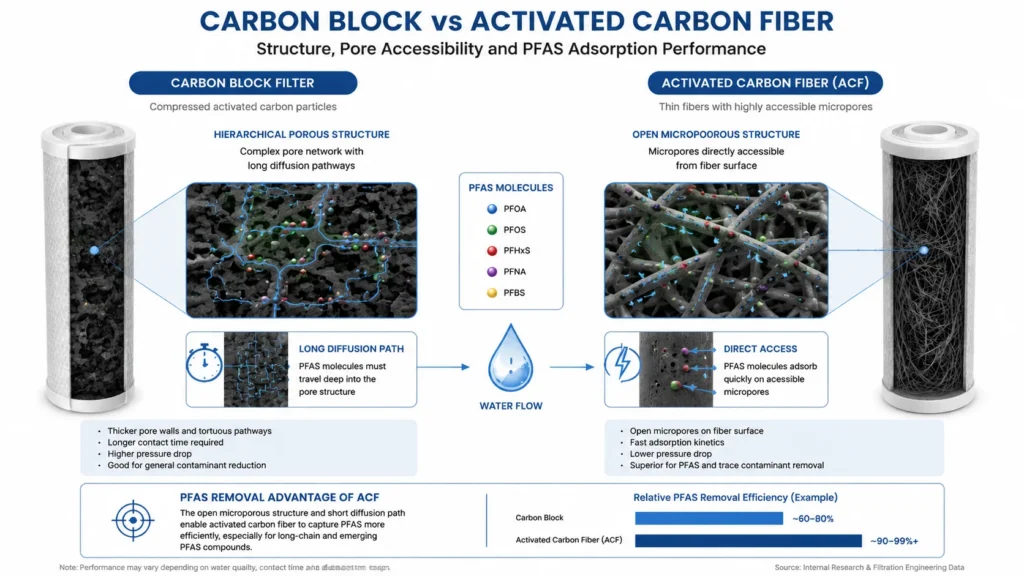
Carbon Block filtration relies primarily on adsorption through compressed activated carbon, commonly with nominal pore sizes around 0.5–5 microns. It is highly effective for chlorine, chloramines, VOCs, taste, and odor, while allowing substantially higher direct-flow rates without producing wastewater.

From an operating perspective, Carbon Block systems are generally simpler, require less energy, and avoid the water loss associated with RO. RO involves higher system complexity and operating cost, but provides substantially broader reduction of dissolved contaminants that Carbon Block alone cannot address.

HisoAir Water Technical Series

見積依頼