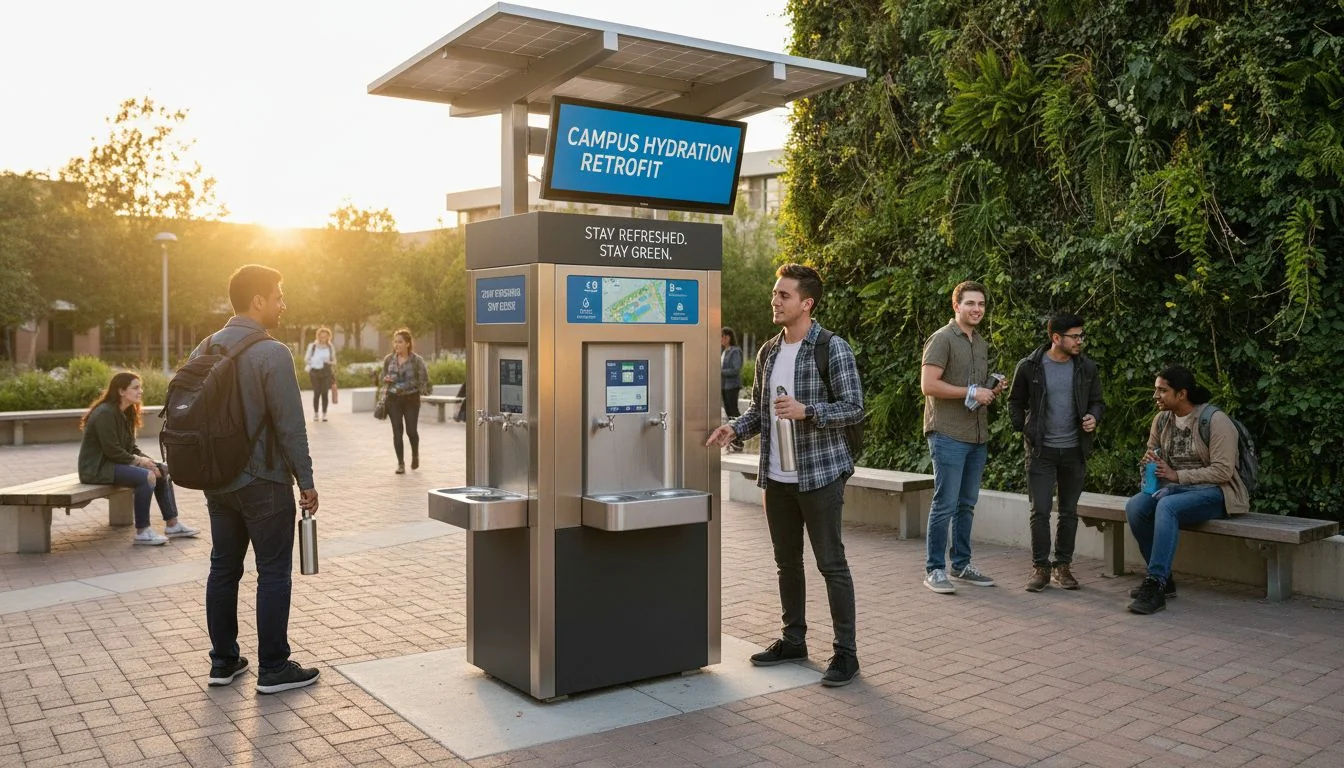
Students hate paying for bottled water. Plastic waste piles up across campus, hurting your green goals. A smart hydration retrofit solves both problems and boosts student satisfaction.
Universities can improve student experience by installing modern hydration stations1. These units provide free, filtered water, cut down single-use plastic waste, and support campus ESG goals. A phased rollout ensures easy maintenance and long-term success.
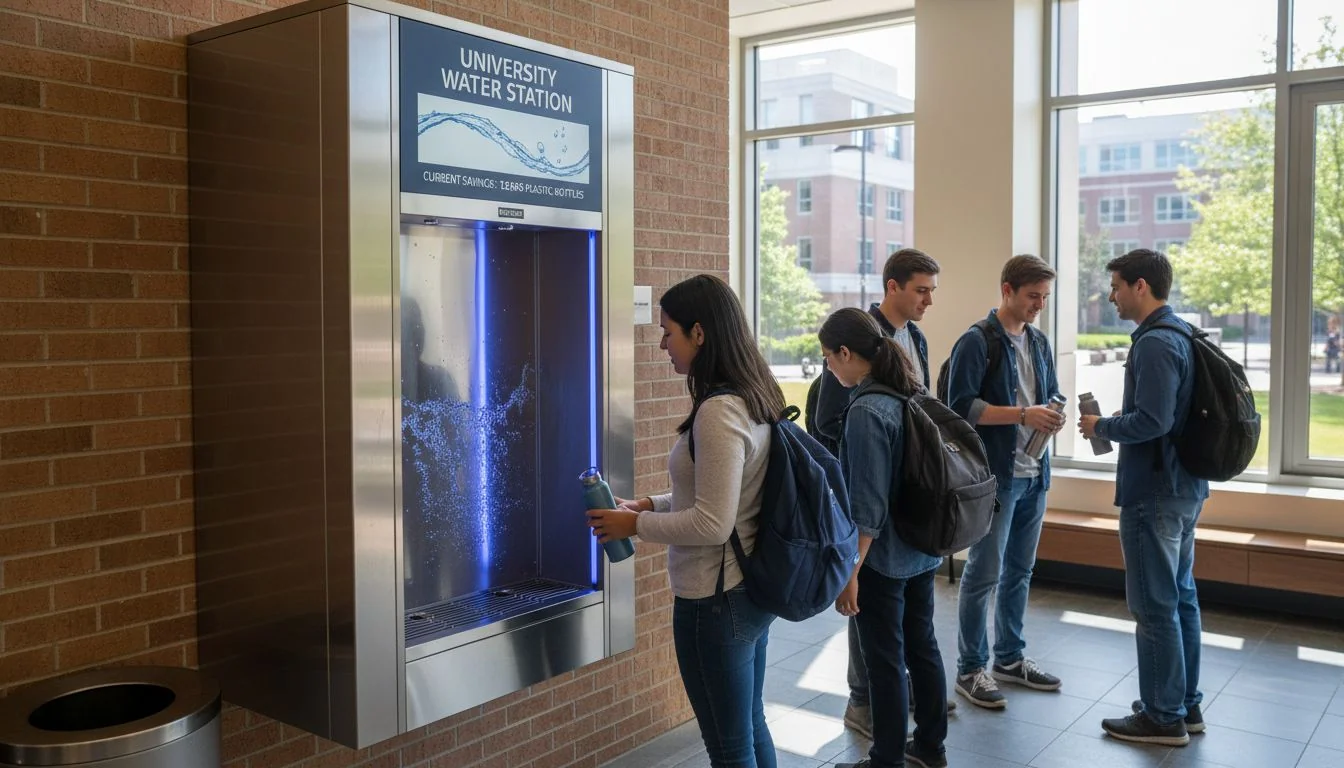
I remember walking through a university campus recently and seeing overflowing trash cans full of plastic bottles. It made me think about how we design products for longevity. Let us look at how a campus hydration retrofit changes the game.
Hydration stations cure all student health problems.偽
Hydration stations provide clean water, but they do not cure health problems. We focus on waste reduction and campus experience.
Hydration retrofits reduce single-use plastic waste on campus.真
Installing water refill stations directly replaces the need for single-use plastic bottles.
Why Are Hydration Stations a Campus Experience Upgrade?
Old water fountains look dirty. Students avoid them and buy expensive bottled water instead. Modern hydration stations offer a clean, fast, and premium refill experience.
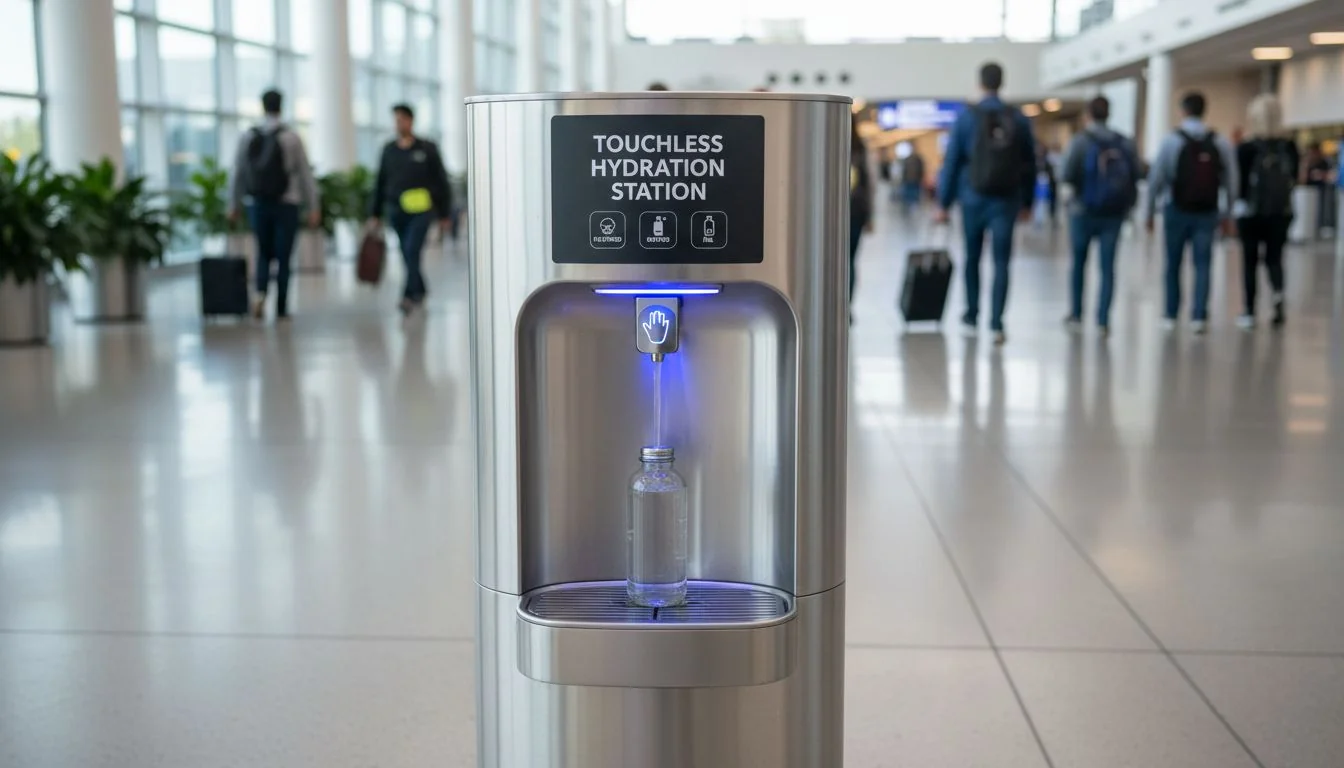
Hydration stations upgrade the campus experience by offering a fast, touchless way to refill reusable bottles. They look modern, function smoothly, and show students that the university cares about their daily needs and comfort.
Designing for the User Experience
When I started my mold and CNC trading company, I learned that user experience2 drives product success. The same applies to campus hydration stations. Students want a fast, clean fill. Old fountains have low water pressure. Modern stations use sensors for touchless filling. This requires precise plastic components. As a mold designer, you know that the sensor housing and the water dispensing nozzle must fit perfectly. If the mold shrinkage is off, the sensor might fail.
We must look at the physical design of these stations. The plastic panels need to be durable. They face heavy daily use. A good campus experience means the machine works every time.
| 特徴 | Old Water Fountain | Modern Hydration Station |
|---|---|---|
| Activation | Push button | Touchless sensor |
| Fill Speed | Slow | Fast |
| User Trust | 低い | 高い |
By upgrading to modern units, universities give students a reliable service. The design of the plastic shell also makes cleaning easy. This keeps the campus looking great.
Students prefer old push-button water fountains.偽
Students prefer modern, touchless hydration stations because they are faster and cleaner.
Touchless sensors require precise plastic housings.真
The plastic components holding the sensors must be molded accurately to ensure proper function.
How Does the Sustainability Case Reduce Single-Use Plastic?
Plastic bottles fill up campus landfills. Recycling programs cost money and often fail. Hydration stations stop plastic waste at the source by encouraging reusable bottles.
Hydration stations reduce single-use plastic by giving students a free and easy way to refill their own bottles. This cuts down the number of plastic bottles bought, used, and thrown away on campus every day.
Stopping Waste at the Source
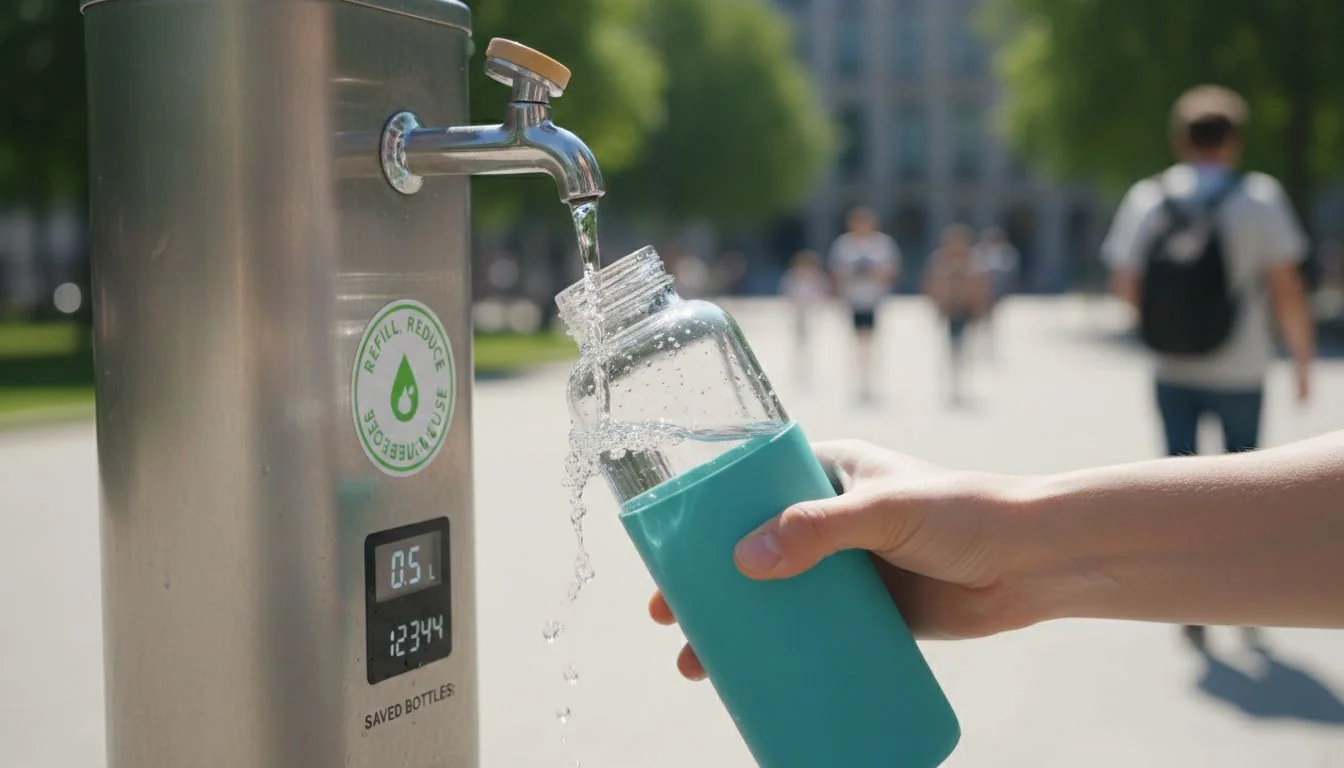
In my years working in a mold factory, I saw how much plastic we produce. Plastic is a great material, but single-use plastic bottles create a huge waste problem. Universities want to hit their ESG goals. A hydration retrofit is a highly visible way to do this.
Every time a student uses a refill station, a digital counter goes up. This counter shows how many plastic bottles the campus has saved. It is a brilliant psychological tool. From a manufacturing view, the station itself uses durable molded plastics. We design these parts to last for years, not minutes.
| Plastic Type | 寿命 | 環境への影響 |
|---|---|---|
| Single-use bottle | 20 minutes | High waste |
| Reusable bottle | Years | Low waste |
| Station housing | 10+ years | Sustainable investment |
By shifting from single-use to durable plastics, universities make a real impact. They reduce waste management costs. They also teach students good habits. This is a core part of any campus sustainability plan.
Recycling is the only way to handle plastic bottles.偽
Reducing use at the source with refill stations is much more effective than recycling.
Digital counters on stations encourage reusable bottle use.真
Seeing the number of bottles saved motivates students to keep using the refill stations.
How Do We Choose Locations for Maximum Use and Visibility?
A hidden water station gets no use. Poor placement wastes your investment. You must put hydration stations where student traffic is highest to get the best results.
To maximize use, universities should install hydration stations in 交通量の多い場所3. The best spots include gym entrances, library lobbies, cafeteria exits, and main hallway intersections. High visibility ensures students actually use the machines.
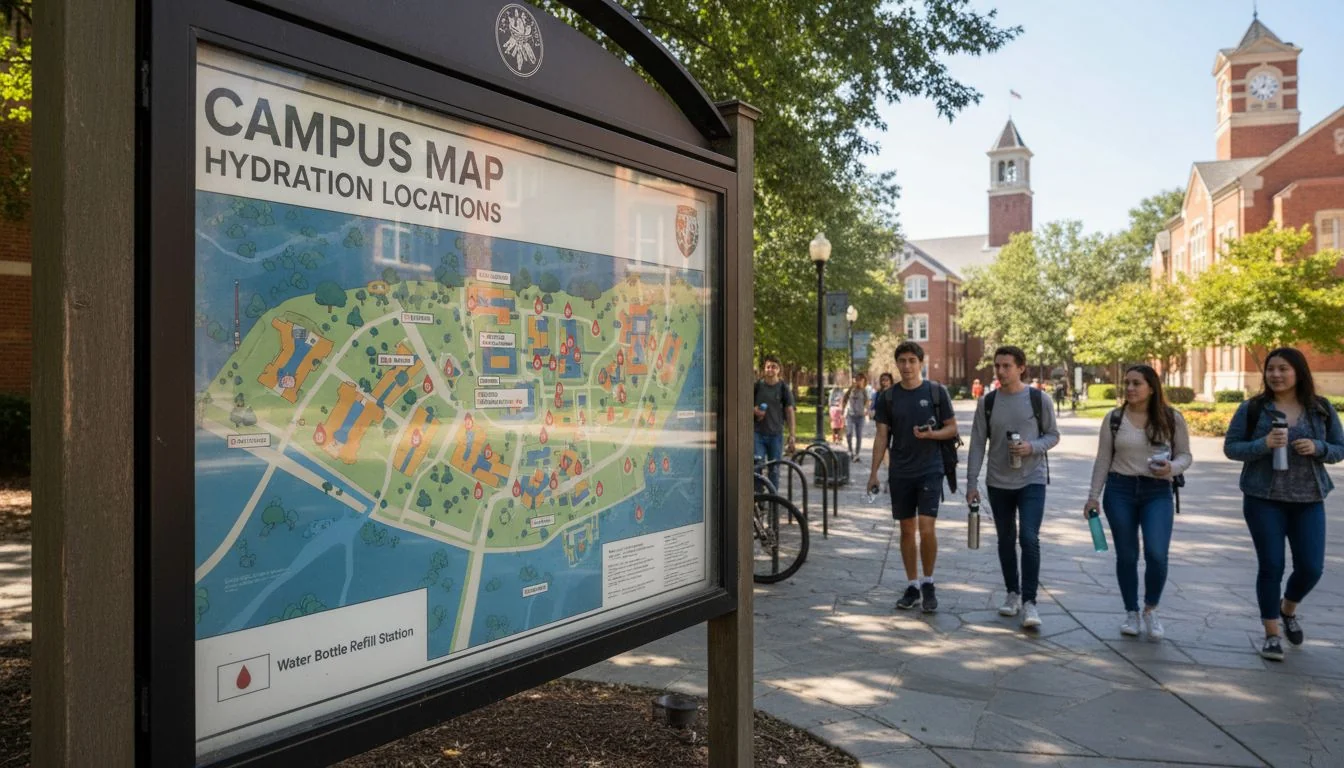
Mapping the Campus Flow
When I help clients grow their businesses, we always look at where the customers are. For a university, the customers are the students. You must place the hydration stations in their natural path. If a student has to walk out of their way, they will just buy a bottled water instead.
Think about the installation process. The stations need plumbing and power. Sometimes, retrofitting an old fountain is the easiest choice because the pipes are already there. But you must also consider the wall structure. The plastic backplate of the station must mount securely. As designers, we know that the mounting brackets must handle heavy loads.
| 所在地 | Traffic Level | Installation Difficulty |
|---|---|---|
| Gym Entrance | 非常に高い | ミディアム |
| Library Lobby | 高い | Low (if replacing old unit) |
| Basement Hallway | 低い | 低い |
You want maximum visibility. A station in the main lobby acts as a billboard for the university's green initiatives. It shows everyone that the school cares about the student experience.
Basement hallways are the best place for hydration stations.偽
Basements have low traffic. High-traffic areas like lobbies are much better.
Replacing old fountains is often easier due to existing plumbing.真
Existing water lines and drains make the retrofit process much faster and cheaper.
What Are the Equipment Options, Capacity, and Filter Performance?
Buying cheap equipment leads to breakdowns. Slow filters frustrate students. You need to choose stations with high capacity and reliable filters to handle campus crowds.
Universities must choose hydration stations with high chilling capacity and fast flow rates. Good filter performance4 ensures clean, great-tasting water. Selecting durable equipment reduces maintenance headaches and keeps the water flowing during busy class changes.
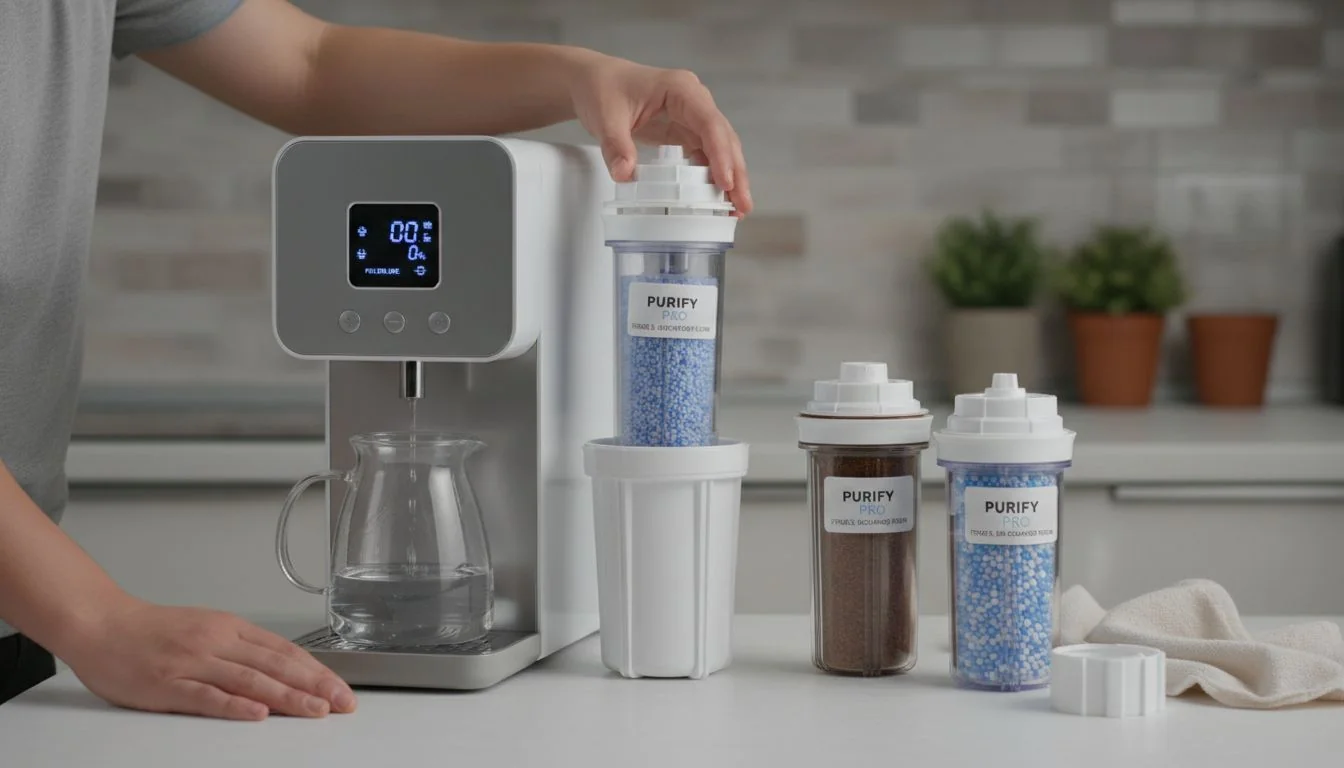
Understanding the Hardware and Consumables
This is where the long-term consumables logic comes in. When I design a mold, I think about the long-term production run. When a university buys a hydration station, they are also buying into a filter replacement program.
The filters are consumables. They need regular changing. If the filter gets clogged, the water flow slows down. Students hate slow water. The internal components, like the chilling tank and the plastic tubing, must be high quality. The plastic parts inside must be food-grade and resist scaling. If you are designing these parts, you must calculate mold shrinkage perfectly so the water seals do not leak.
| コンポーネント | 機能 | Maintenance Need |
|---|---|---|
| Chiller | Cools the water | 低い |
| フィルター | Cleans the water | High (Replace every 6 months) |
| センサー | Detects the bottle | 低い |
Choosing the right equipment means looking at the total cost of ownership. You need a unit that is easy to service. The front plastic panel should pop off easily so maintenance staff can swap the filter in minutes.
Water filters in hydration stations never need to be replaced.偽
Filters are consumables and must be replaced regularly to maintain water flow and quality.
Food-grade plastics are required for internal water station parts.真
Any part touching drinking water must meet strict safety and material standards.
How Do Cost, Funding, and ESG Reporting Angles Work Together?
Budgets are always tight. Administrators worry about the upfront cost. However, hydration retrofits offer great funding opportunities and provide hard data for campus ESG reports.
Hydration retrofits require an initial investment, but they pay off through student green funds and grants. The digital bottle counters provide exact data on plastic waste reduction. This data is perfect for strengthening the university's annual ESG reports.

Turning Data into Funding
In my trading company, I learned that numbers tell the best story. Universities need numbers for their ESG reports. Hydration stations give them exact numbers. The digital counter on the front plastic bezel tracks every bottle saved.
This data is very valuable. It proves that the university is reducing its carbon footprint. Because of this, many schools use student green fees5 or sustainability grants to pay for the retrofit. The cost is not just for the machine. It includes the long-term consumables, like filters and replacement plastic parts.
| Funding Source | Ease of Access | Best Use |
|---|---|---|
| Student Green Fees | 高い | Buying new stations |
| Alumni Donations | ミディアム | Sponsoring specific locations |
| Facilities Budget | 低い | Ongoing filter maintenance |
When you design a product, you must think about its whole life cycle. The same is true here. The university buys the station once, but they buy filters for years. This creates a predictable maintenance budget. It also guarantees ongoing ESG data for their reports.
Hydration stations provide no measurable data for universities.偽
The digital counters provide exact data on how many plastic bottles are saved.
Student green fees are often used to fund sustainability projects.真
Many universities have specific funds collected from students to pay for green initiatives.
How Should Universities Plan a Phased Campus Rollout?
Trying to replace every fountain at once causes chaos. Maintenance teams get overwhelmed. A phased rollout6 ensures a smooth transition and keeps the project on budget.
A phased rollout means installing hydration stations in stages. Start with the highest-traffic buildings first. This creates immediate positive feedback from students. Then, move to older buildings as budgets and maintenance schedules allow.
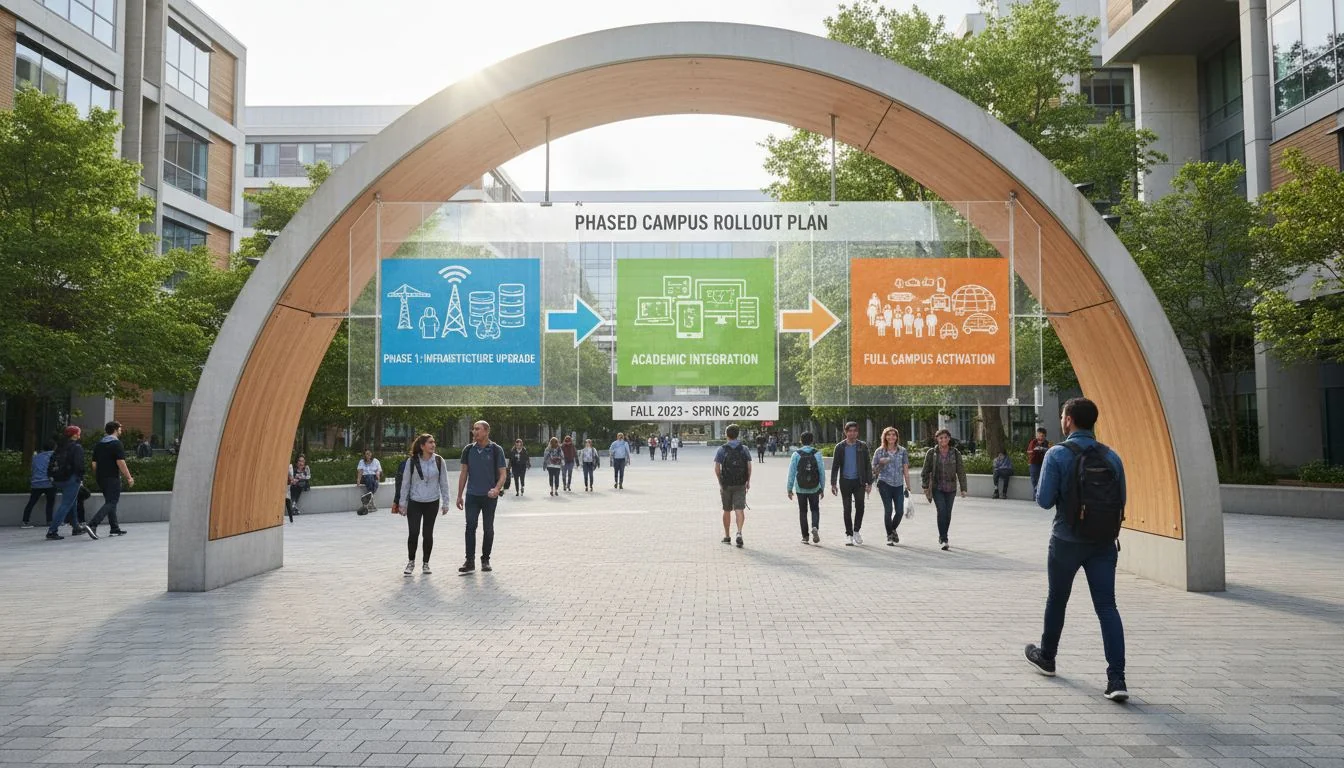
Executing the Retrofit Strategy
Managing a campus rollout is like managing a large mold manufacturing project. You cannot do everything on day one. You must manage tight project deadlines. I always tell my clients to start with a pilot program.
First, target the gym and the main library. Install the new stations and see how the students react. Train your maintenance staff on how to change the filters and clean the plastic surfaces. Once they are comfortable, move to the next phase. This phased approach spreads out the cost. It also spreads out the filter replacement schedule. You do not want all the filters to expire in the same week.
| Phase | Target Buildings | Goal |
|---|---|---|
| Phase 1 | Gym, Library | High visibility, test equipment |
| Phase 2 | Dormitories | Daily student convenience |
| Phase 3 | Older Classrooms | Complete campus coverage |
By planning carefully, the university ensures a great student experience. The maintenance team learns the new equipment. The long-term consumables logic becomes part of their normal routine. This makes the whole retrofit program a massive success.
Universities should replace all water fountains on the exact same day.偽
A phased rollout is much better for managing budgets and maintenance schedules.
A phased rollout spreads out the filter replacement schedule.真
Installing stations at different times means their filters will need replacing at different times.
結論
A campus hydration retrofit boosts the student experience and cuts plastic waste. By choosing the right equipment and planning a phased rollout, universities achieve their long-term サステナビリティ目標7.
References
-
Explore how hydration stations enhance student satisfaction and reduce plastic waste. ↩
-
Understand the significance of user experience in product design, especially for hydration stations. ↩
-
Discover the best locations for hydration stations to ensure they are utilized effectively. ↩
-
Gain insights into the importance of filter performance for providing clean drinking water. ↩
-
Discover how student contributions support green initiatives like hydration retrofits. ↩
-
Learn about the benefits of a phased approach to implementing hydration stations on campus. ↩
-
Find out how hydration retrofits contribute to universities' environmental sustainability objectives. ↩



 English
  Français
  Español
  Italiano
  Deutsch
  Português
  Русский
  العربية
  日本語
日本語  한국어
한국어  Tiếng Việt
