
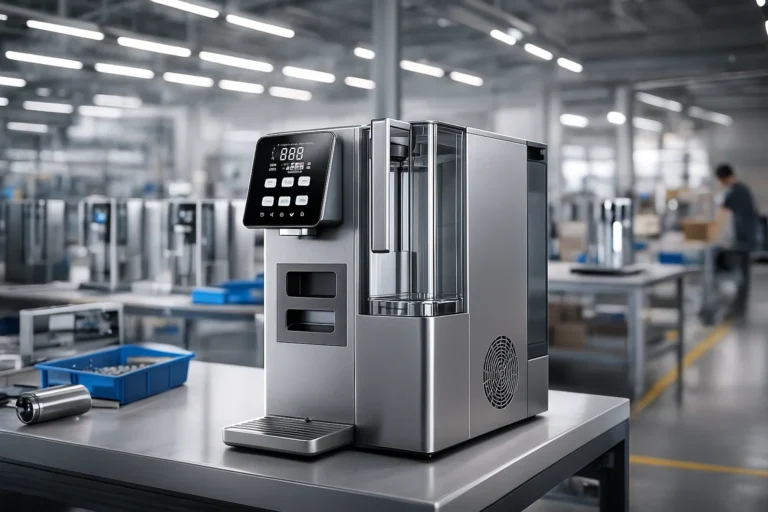

Bad water ruins your business equipment and harms your health. You lose money and trust. I will show you how to pick the right commercial water system today.
The best commercial water purifier solutions depend on your specific business needs. You must match the system to your daily water usage, installation space, filter lifespan, and maintenance budget. A good system provides clean water for restaurants, hotels, schools, and offices while keeping running costs low.

I remember my early days in the mold factory. We had terrible water. It scaled up our cooling lines and tasted awful. I learned that finding the right water solution is just like designing a perfect mold. You need exact specs. Let us look at how different businesses solve this problem.
Commercial water purifiers only use RO membranes.偽
Commercial systems use various filters like UV, UF, and carbon, depending on the water quality needs.
Hard water can damage commercial appliances.真
Mineral buildup from hard water causes scale, which ruins coffee machines, boilers, and cooling systems.
What is the best commercial water purifier for restaurants?
Dirty water makes your food taste bad. Your ice machines break down from scale. You need a high-flow water purifier to save your kitchen equipment and your menu.
The best commercial water purifier for restaurants is a high-capacity Reverse Osmosis (RO) system1 with a water softener. It removes scale-causing minerals and bad tastes. This protects your expensive espresso machines and ice makers while ensuring your food and drinks taste perfect every time.

Restaurant Water Usage and Needs
I often help clients design plastic housings for restaurant water filters. I know these systems must handle heavy daily use. A busy restaurant uses hundreds of gallons of water a day. You cannot use a small home filter here. You need a system that provides fast flow rates during peak dinner hours. The water pressure must stay strong. If the pressure drops, the dishwasher will not clean the plates properly.
Filter Life and Maintenance
Restaurant owners care about maintenance costs. If a filter dies during a busy shift, the kitchen stops. You must plan for filter replacements. I always tell my clients to look at the total cost of ownership.
| 特徴 | Requirement | Why It Matters |
|---|---|---|
| Flow Rate | High (400+ GPD) | Keeps up with cooking and cleaning demands. |
| Scale Prevention | エッセンシャル | Protects ice machines and coffee makers from breaking. |
| Filter Life | 6 to 12 months | Reduces maintenance downtime and service costs. |
| インストール | Under counter or back room | Saves valuable kitchen space for staff. |
You must choose a system with easy-to-change filters. This keeps your maintenance costs low. It also keeps your kitchen running smoothly.
Restaurants can use standard residential water filters.偽
Residential filters cannot handle the high volume and flow rate required by a commercial kitchen.
RO systems improve the taste of coffee and tea.真
RO removes chlorine and impurities that negatively affect the flavor of brewed beverages.
What is the best commercial water purifier for hotels?
Guests complain about bad shower water. Your boiler pipes clog with hard scale. A central commercial water purifier2 stops these complaints and saves your plumbing system.
The best commercial water purifier for hotels is a whole-building central filtration system combined with commercial water softeners. This setup treats all incoming water. It provides clean drinking water in rooms, protects boilers from scale, and ensures spotless laundry in the hotel cleaning facility.

Hotel Water System Challenges
When I travel to meet mold clients, I stay in many hotels. I always notice the water quality. Hotels have massive water demands. They need water for guest rooms, huge kitchens, swimming pools, and laundry rooms. A single point-of-use filter will not work here. You need a central system. This system must handle thousands of gallons every single day. It must also handle sudden spikes in water use.
Central Filtration Benefits
A central system treats water before it enters the building pipes. This protects the entire plumbing network. It extends the life of water heaters and washing machines.
| アプリケーションエリア | Water Treatment Need | Benefit to Hotel |
|---|---|---|
| Guest Rooms | Carbon filtration | Better tasting tap water and cleaner showers. |
| Laundry | Water softening | Uses less soap and keeps linens soft. |
| Boiler Room | Scale removal | Saves energy and prevents pipe damage. |
| キッチン | RO system | Safe drinking water and better food quality. |
You must calculate the peak water usage for the morning shower rush. The system must maintain high water pressure at all times. This keeps your guests happy. It also keeps your maintenance team relaxed.
Soft water makes hotel laundry feel rough.偽
Soft water actually makes linens softer and requires less detergent to clean effectively.
Central filtration protects hotel plumbing.真
Removing minerals and sediment at the entry point prevents scale buildup in the entire building's pipes.
What is the best commercial water purifier for schools?
Old school pipes leak lead into drinking water. Students get sick from bacteria. You must install safe, heavy-duty water dispensers to protect children and meet health rules.
The best commercial water purifier for schools is a point-of-use RO dispenser3 with UV sterilization. These units remove heavy metals like lead from old pipes and kill harmful bacteria. They provide safe, great-tasting drinking water for hundreds of students every day.

Safety First in Schools
I have designed plastic parts for school water fountains. Safety is the only thing that matters here. Schools often have old plumbing. These old pipes can add lead and rust to the water. You cannot risk the health of students. You need filters that specifically target heavy metals and bacteria. The water must pass strict health tests. You must use certified filters.
High Traffic Dispensing
Students rush to drink water between classes. The water purifier must dispense water quickly. It also needs a tough outer shell. Kids can be rough on equipment.
| 特徴 | Why It Is Needed | Maintenance Focus |
|---|---|---|
| Lead Removal | Old pipes leach heavy metals. | Check NSF certifications regularly. |
| UV Sterilization | Kills viruses and bacteria. | Replace UV lamps once a year. |
| High Flow Rate | Fast filling during breaks. | Monitor pump pressure. |
| Vandal-proof | Kids damage fragile parts. | Use strong plastic or metal housings. |
You must place these purifiers in hallways and cafeterias. The maintenance team must change the filters on a strict schedule. This guarantees the water is always safe for the students.
Boiling water removes lead from school drinking water.偽
Boiling water actually concentrates lead; it does not remove it. You need specific filters for lead.
UV light kills bacteria in water.真
Ultraviolet light destroys the DNA of bacteria and viruses, making the water safe to drink.
What is the best commercial water purifier for office buildings?
Buying bottled water for the office is expensive. Plastic bottles ruin the environment. You need a smart, bottle-less water purifier to save money and keep employees hydrated.
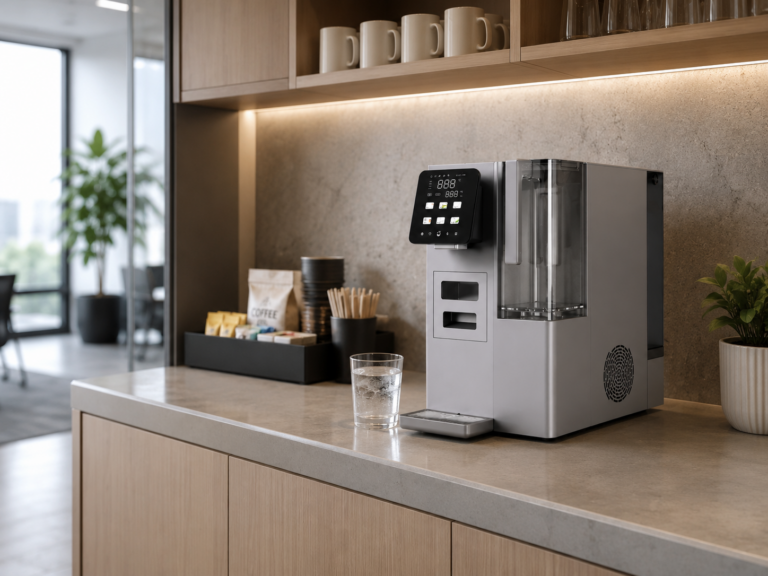
The best commercial water purifier for office buildings is a bottle-less water cooler4 with multi-stage UF or RO filtration. It connects directly to the building water supply. This provides unlimited hot and cold water, eliminates plastic waste, and cuts down on monthly drinking water costs.

The Problem with Bottled Water
In my trading company, we used to buy big plastic water jugs. It was a huge waste of money. The delivery guys always interrupted our work. The heavy jugs hurt our backs. I switched to a bottle-less commercial purifier. It changed everything. We saved money immediately. We also stopped throwing away plastic cups and bottles.
Office Hydration Needs
Office workers want hot water for tea and cold water for drinking. A good office purifier does both. It looks professional and fits in the break room.
| System Type | Best For | Cost Impact |
|---|---|---|
| Bottled Cooler | Small temporary offices | High monthly cost for water delivery. |
| Bottle-less UF | Areas with good tap water | Low cost, keeps healthy minerals. |
| Bottle-less RO | Areas with bad tap water | Medium cost, removes all impurities. |
| Sparkling Water | High-end corporate offices | Higher cost, great employee perk. |
You just connect the machine to the office water line. The maintenance is very simple. You only need to change the filters every six months. This saves your company money. It also helps the environment.
Bottle-less water coolers require daily manual refilling.偽
Bottle-less coolers connect directly to the plumbing, so they refill automatically.
Switching to bottle-less purifiers reduces plastic waste.真
It eliminates the need for single-use plastic bottles and large plastic delivery jugs.
How to calculate GPD for a commercial water purifier?
Guessing your water usage leads to disaster. A small system breaks down quickly. A huge system wastes your money. You must calculate your exact GPD to buy the right machine.
To calculate GPD (Gallons Per Day) for a commercial water purifier, multiply your daily number of users by their average water consumption. For a restaurant, multiply the number of daily customers by the gallons used per meal. Always add a 20% buffer for peak usage times.

Understanding GPD
GPD stands for Gallons Per Day. It is the most important number when you buy a commercial water purifier. In mold design, we calculate exact shrinkage rates. In water systems, you calculate exact flow rates. If your GPD is too low, your water pressure drops. Your equipment will stop working. You will frustrate your customers and your staff.
The Calculation Formula
You must look at your specific business type. A hotel uses water differently than an office.
| ビジネスタイプ | Average Water Usage | Calculation Example |
|---|---|---|
| オフィス | 0.5 gallons per person | 100 staff x 0.5 = 50 GPD |
| Restaurant | 1.5 gallons per meal | 200 meals x 1.5 = 300 GPD |
| Coffee Shop | 0.2 gallons per cup | 500 cups x 0.2 = 100 GPD |
| ホテル | 50 gallons per room | 50 rooms x 50 = 2500 GPD |
After you find your base number, you must add a safety margin. I always tell my clients to add 20% to 30% extra capacity. This handles busy days. It also prepares you for future business growth. You never want to run out of clean water.
GPD stands for Gallons Per Degree.偽
GPD stands for Gallons Per Day, which measures the water production capacity of a system.
Adding a buffer to your GPD calculation prevents water shortages.真
A 20% buffer ensures you have enough water during unexpected peak hours or business growth.
What is the commercial water purifier installation and maintenance guide?
Bad installation causes massive water leaks. Ignored maintenance destroys expensive filters. You will face huge repair bills. You need a strict guide to install and maintain your system properly.
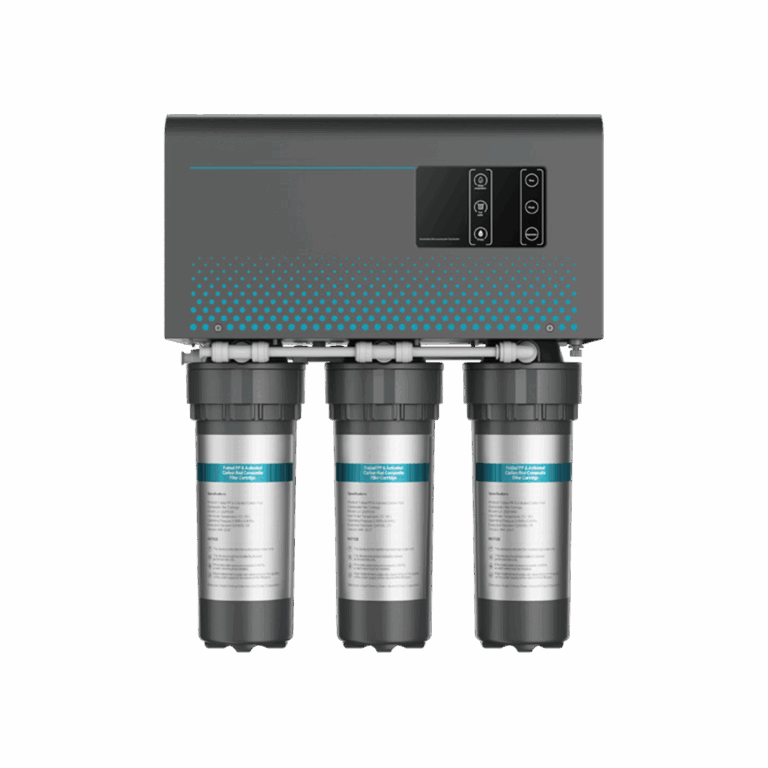
commercial water purifier installation5 requires a professional plumber to connect water lines, drain lines, and electrical outlets safely. Maintenance involves changing pre-filters every 3 to 6 months, replacing RO membranes every 1 to 2 years, and sanitizing the storage tanks annually to ensure safe water quality.

Professional Installation is Crucial
I have seen many factories try to install complex water systems themselves. They usually fail. Commercial systems have high water pressure. They need proper drain connections for wastewater. You must hire a certified technician. They will check the feed water pressure. They will install pressure regulators if needed. They will also make sure the system meets local building codes.
Creating a Maintenance Schedule
You cannot install a water purifier and forget about it. The filters will clog. The water flow will stop. You must track your maintenance costs and schedule.
| コンポーネント | Replacement Time | Maintenance Action |
|---|---|---|
| Sediment Filter | 3 to 6 months | Inspect for heavy dirt buildup and replace. |
| カーボンフィルター | 6 months | Replace to keep chlorine away from the RO membrane. |
| RO Membrane | 12 to 24 months | Test water TDS (Total Dissolved Solids) to check performance. |
| UV Lamp | 12 months | Replace the bulb even if it still lights up. |
You should keep a logbook next to the machine. Write down every filter change. This simple habit extends the life of your commercial water purifier. It keeps your business running without interruptions.
You never need to replace a UV lamp if it is still glowing.偽
UV lamps lose their germ-killing intensity after about a year, even if they still emit visible light.
Pre-filters protect the expensive RO membrane.真
Sediment and carbon pre-filters remove large particles and chlorine that would otherwise destroy the RO membrane.
結論
Choosing the right commercial water purifier protects your equipment and keeps your people safe. Calculate your GPD, plan your maintenance, and always match the system to your specific business needs.
References
-
Learn about high-capacity RO systems and how they can enhance water quality in commercial settings. ↩
-
Discover the advantages of central commercial water purifiers for large facilities like hotels. ↩
-
Find out how point-of-use RO dispensers ensure safe drinking water in schools. ↩
-
Explore the advantages of bottle-less water coolers for cost savings and environmental impact. ↩
-
Learn about the essential steps for properly installing a commercial water purifier. ↩







 English
 Français
 Español
 Italiano
 Deutsch
 Português
 Русский
 العربية
 日本語
 한국어
 Tiếng Việt


