
In the modern workplace, employee wellbeing is a strategic imperative. Companies recognize that a healthy, engaged workforce directly correlates with enhanced productivity, reduced absenteeism, and improved talent retention. While various wellness initiatives are explored, aromatherapy offers a simple, yet profoundly effective solution to enhance the office environment.
This article explores the science behind how aromas influence the brain, details the proven benefits of aromatherapy in an office setting, identifies the best essential oils and diffusion devices, and provides a practical guide for successful implementation. By understanding the subtle yet powerful influence of scent, businesses can cultivate a more positive, productive, and healthier environment for their most valuable asset: their people.
The Science Behind Scent: How Aromas Influence the Brain
The profound impact of aromatherapy on wellbeing is rooted in the neurobiology of our sense of smell. The olfactory system has a direct connection to the brain's limbic system, a critical hub for emotions, memories, and behaviors. Unlike other senses, olfactory information travels directly to the limbic system, explaining why scents trigger immediate emotional and physiological responses.
Aromatherapy uses natural plant extracts, essential oils, to promote physical and emotional health. It's crucial to differentiate between 100% pure, therapeutic-grade essential oils and synthetic "fragrance oils." Pure essential oils contain complex, therapeutic constituents that interact with our brain chemistry, making their use paramount for effective workplace wellness.
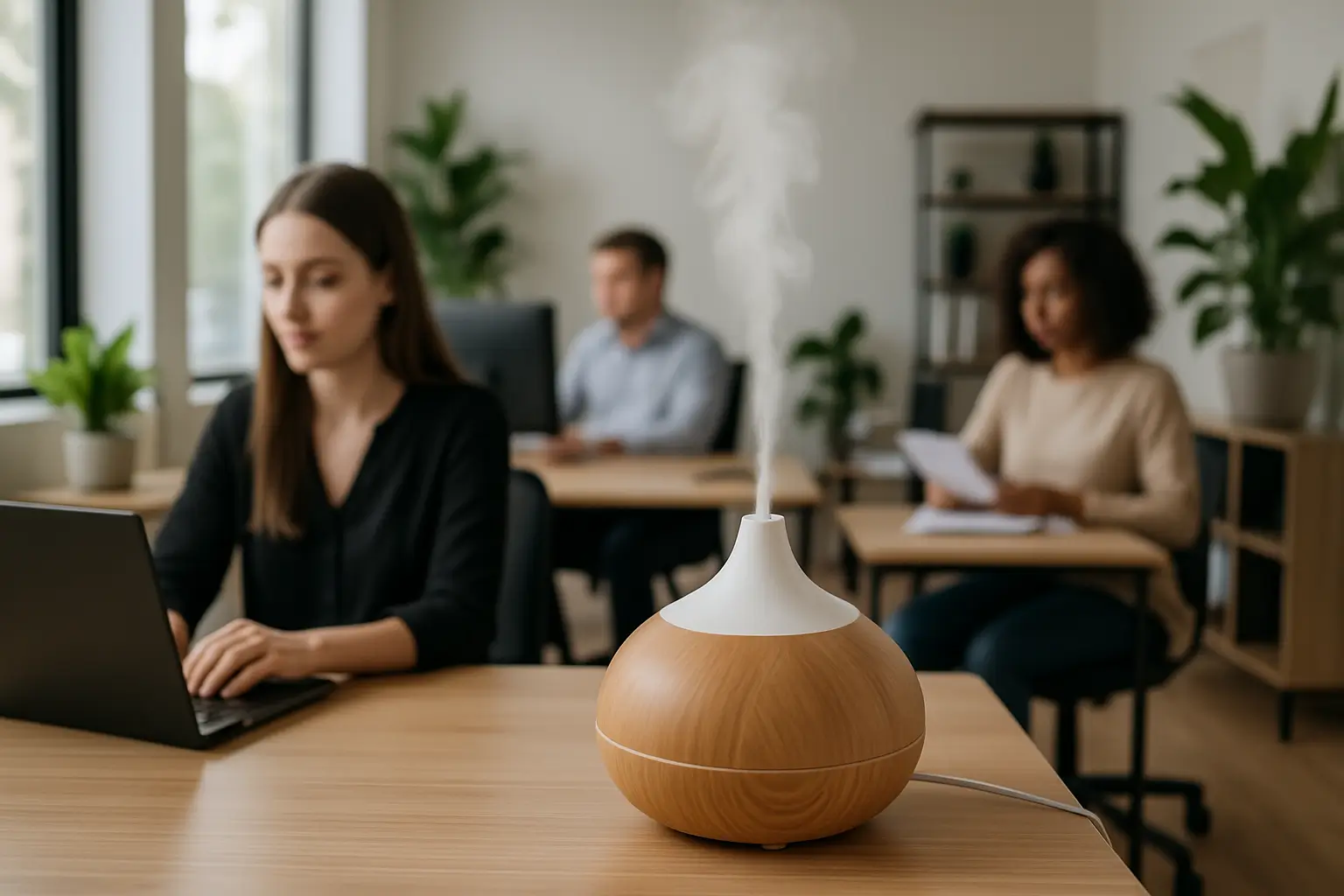
Key Benefits of Aromatherapy in the Office
The integration of aromatherapy offers multifaceted benefits for employee wellbeing:
How Can Aromatherapy Reduce Stress & Anxiety in the Office?
Aromatherapy effectively mitigates stress and anxiety. Essential oils like lavender and bergamot calm and reduce physiological stress markers such as heart rate and blood pressure. A study with healthcare workers showed a 33% improvement in self-reported stress and anxiety with lavender diffusers, creating a more serene environment for employees.
How Can Aromatherapy Increase Focus & Productivity?
Stimulating essential oils enhance cognitive functions, improving focus and productivity. Scents like peppermint, rosemary, and lemon boost concentration, alertness, and memory. A Japanese study linked lemon oil diffusion to a 54% reduction in typing errors, demonstrating how aroma can sharpen mental acuity and efficiency.
Can Aromatherapy Enhance Mood & Morale in the Workplace?
Pleasant scents uplift mood and foster a positive atmosphere. A welcoming olfactory environment contributes to enhanced morale and job satisfaction. A survey revealed 93% of office executives agreed ambient scenting positively influenced their morale and productivity, leading to a more harmonious and collaborative environment.
Does Aromatherapy Improve Office Air Quality?
Many essential oils offer natural antibacterial and antiviral properties, contributing to improved indoor air quality. Oils like eucalyptus and tea tree purify the air and reduce airborne germs. This benefits shared office spaces by potentially reducing illness spread and supporting overall employee health.
How Does Aromatherapy Support Mental Clarity and Cognitive Function?
Aromatherapy supports mental clarity and cognitive function. Stimulating oils like lemon and peppermint clear mental fog, enhance alertness, and improve information processing. This leads to efficient problem-solving, better decision-making, and higher quality work output, acting as a natural stimulant without jitters.
Can Aromatherapy Foster a Positive and Collaborative Atmosphere?
Scent influences the collective workplace atmosphere. A harmonious environment, subtly enhanced by chosen aromas, contributes to a positive and collaborative culture. Employees feeling comfortable and uplifted are more likely to engage positively, foster stronger team bonds, and exhibit greater job satisfaction. Aromatherapy cultivates a cohesive and supportive work community.
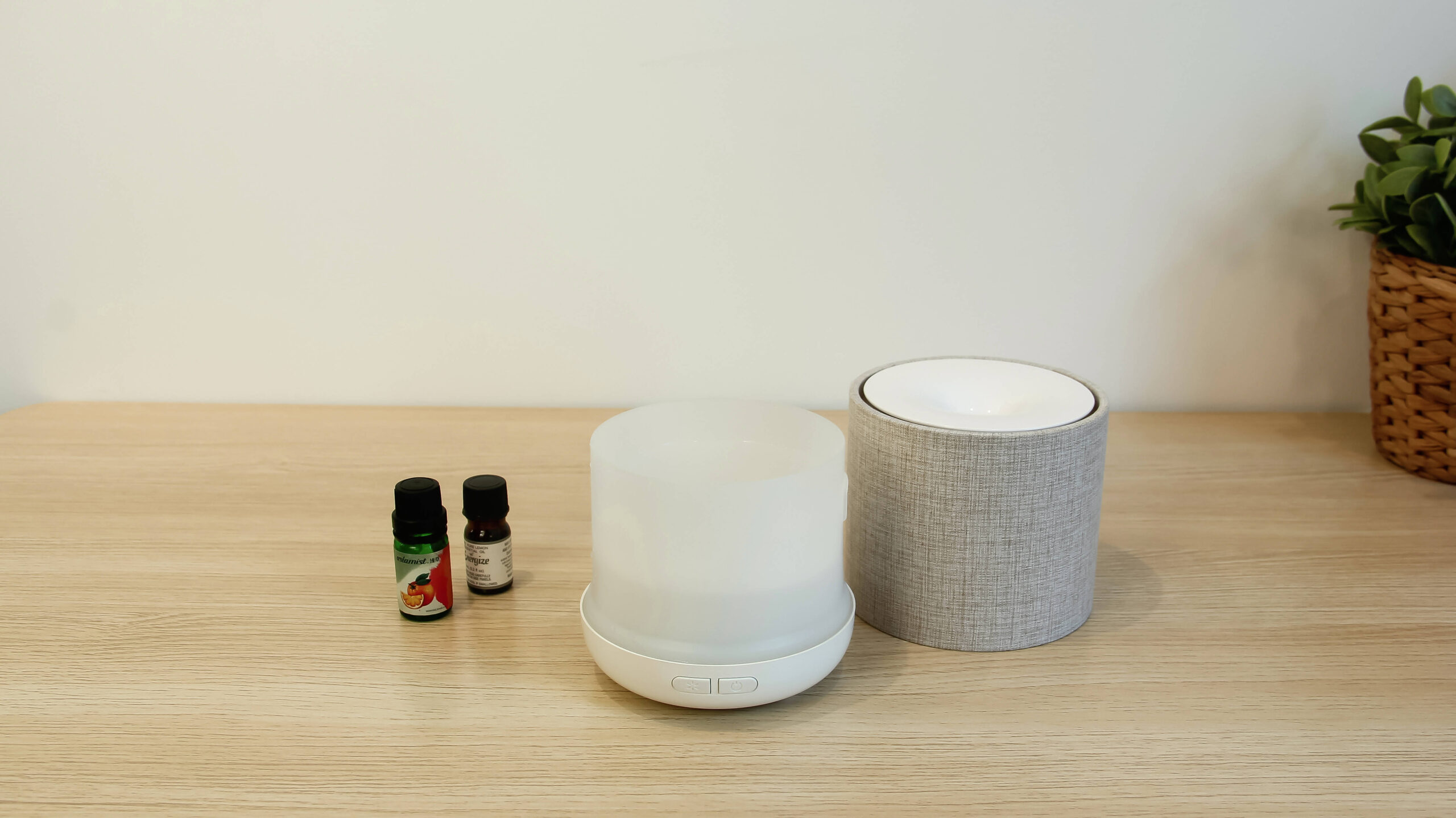
The Office Aromatherapy Toolkit: Oils and Devices
Implementing an effective aromatherapy program requires careful consideration of essential oils and diffusion devices, aligning with desired effects and workspace characteristics.
A. Choosing the Right Essential Oils
Selecting appropriate essential oils is crucial, as different oils interact with the body and mind uniquely:
For Focus & Energy: Peppermint enhances alertness and concentration with its invigorating properties. Rosemary boosts cognitive performance and mental clarity. Lemon improves mood while increasing alertness and helping purify air. Eucalyptus promotes clear breathing and mental invigoration.
For Stress Relief & Calm: Lavender is highly effective for reducing stress, anxiety, and promoting relaxation. Bergamot offers mood-lifting and anxiety-reducing properties. Cedarwood provides grounding and calming effects. Frankincense promotes peace, relaxation, and overall wellness.
For Mood Elevation: Sweet Orange creates cheerful and uplifting atmospheres. Lemongrass provides invigoration and fatigue relief. Grapefruit reduces stress while enhancing mood and energy.
B. Selecting the Right Diffusion Device
Diffusion method significantly impacts oil dispersion. Different diffusers suit various spaces:
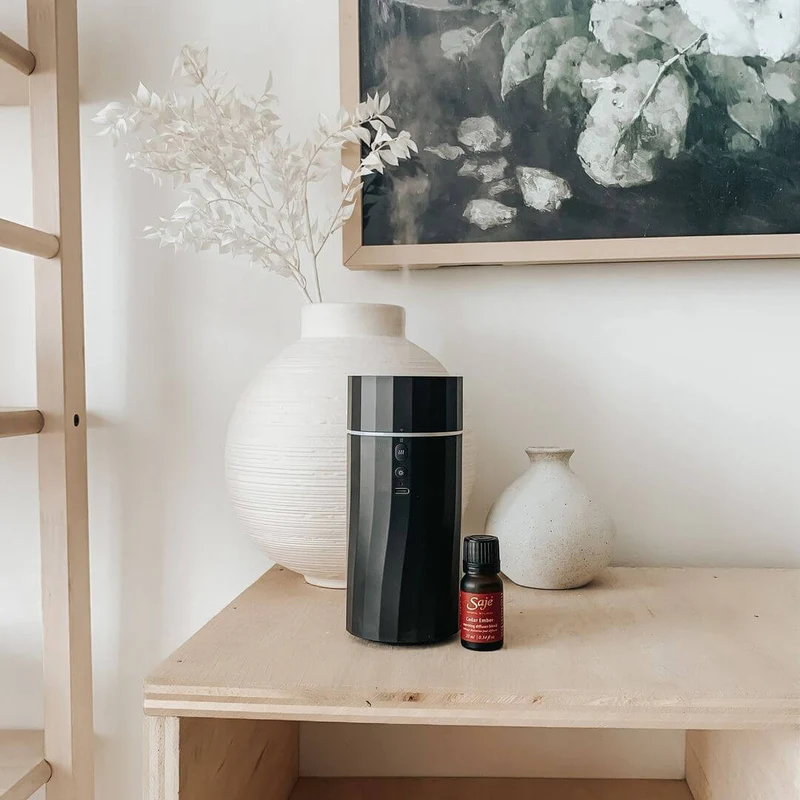
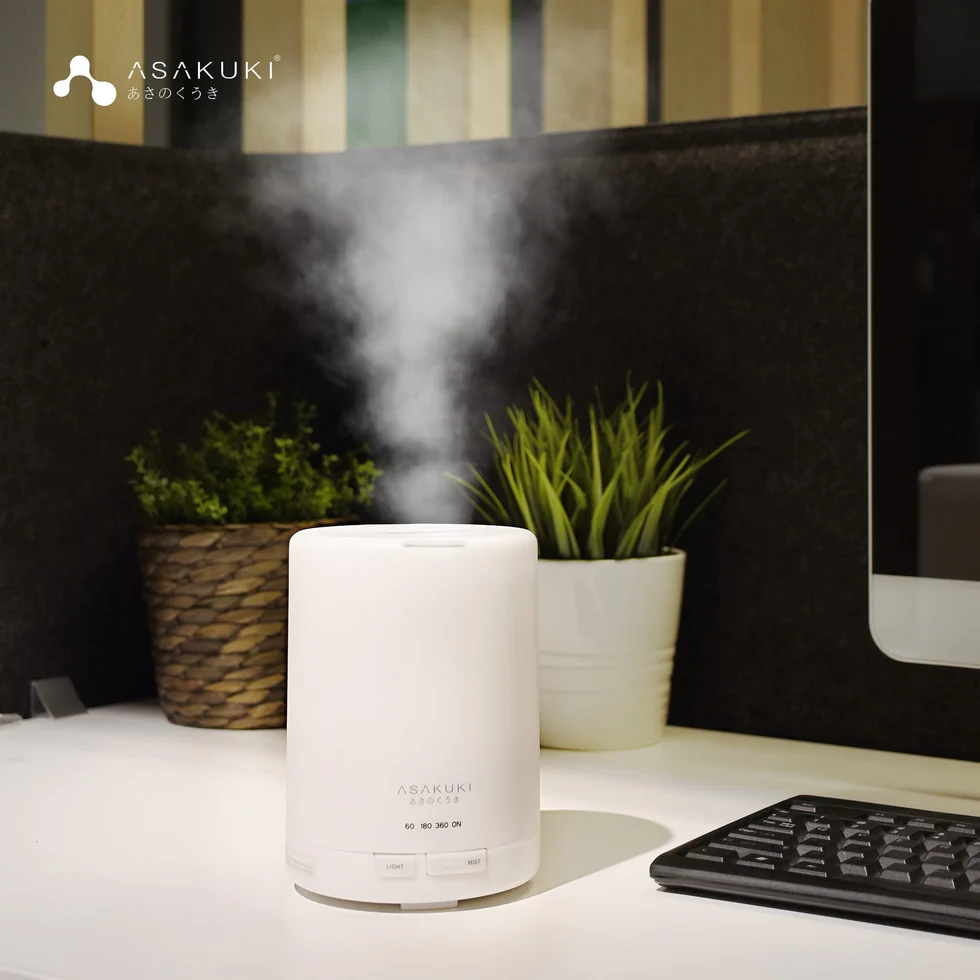
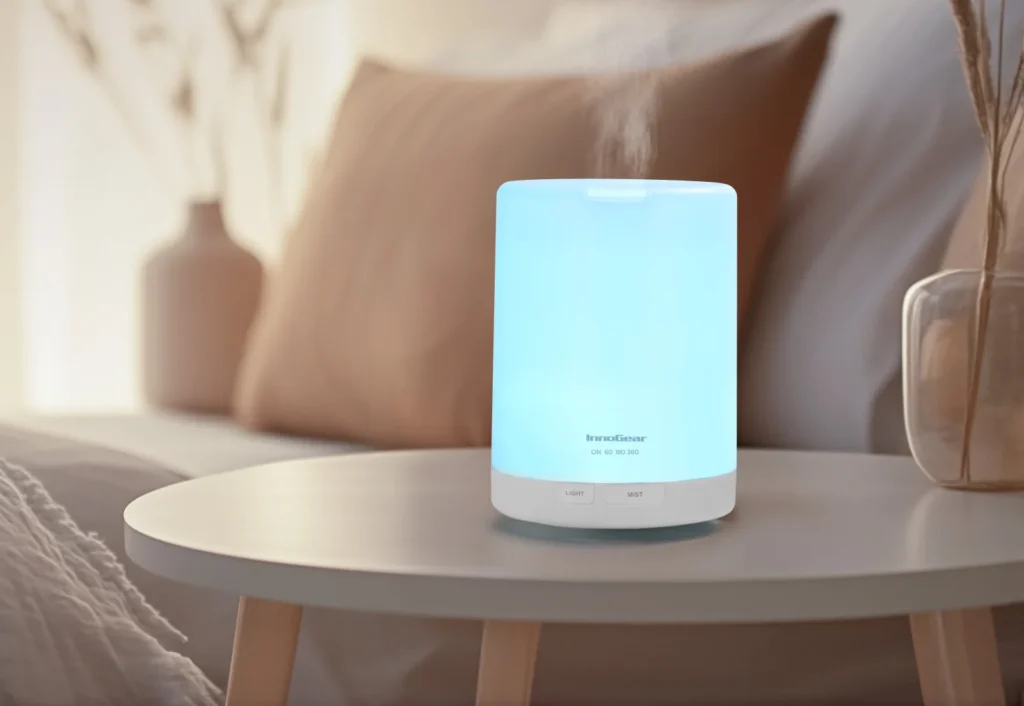
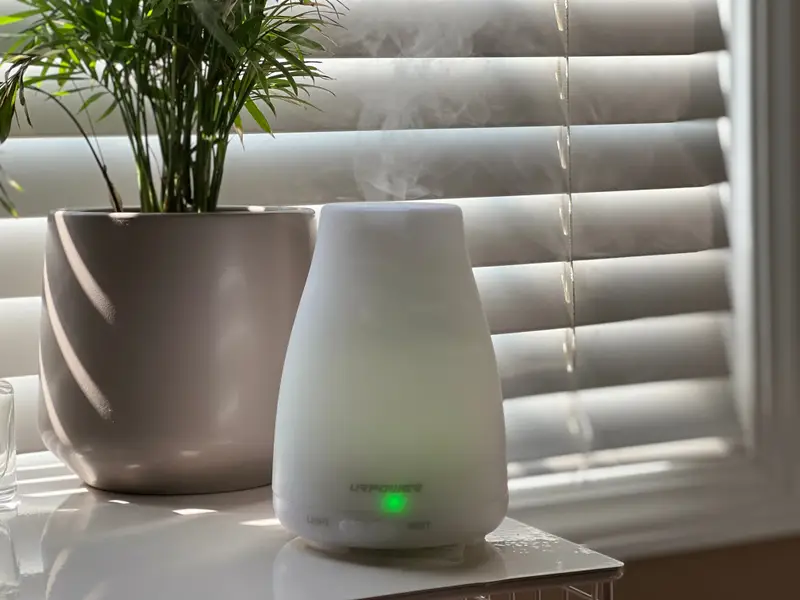
Ultrasonic Diffusers: Popular for small to medium spaces, they use vibrations to create fine mist without heat, adding humidity. Require regular cleaning to prevent mold buildup.
Nebulizing Diffusers: Ideal for larger areas, they disperse pure, undiluted oil as micro-fine mist without water or heat, offering potent aroma. Can be expensive and slightly noisy.
Personal/Passive Diffusers: Discreet and safe for shared spaces, including inhalers, jewelry, and reed diffusers, allowing individual benefits without affecting others.
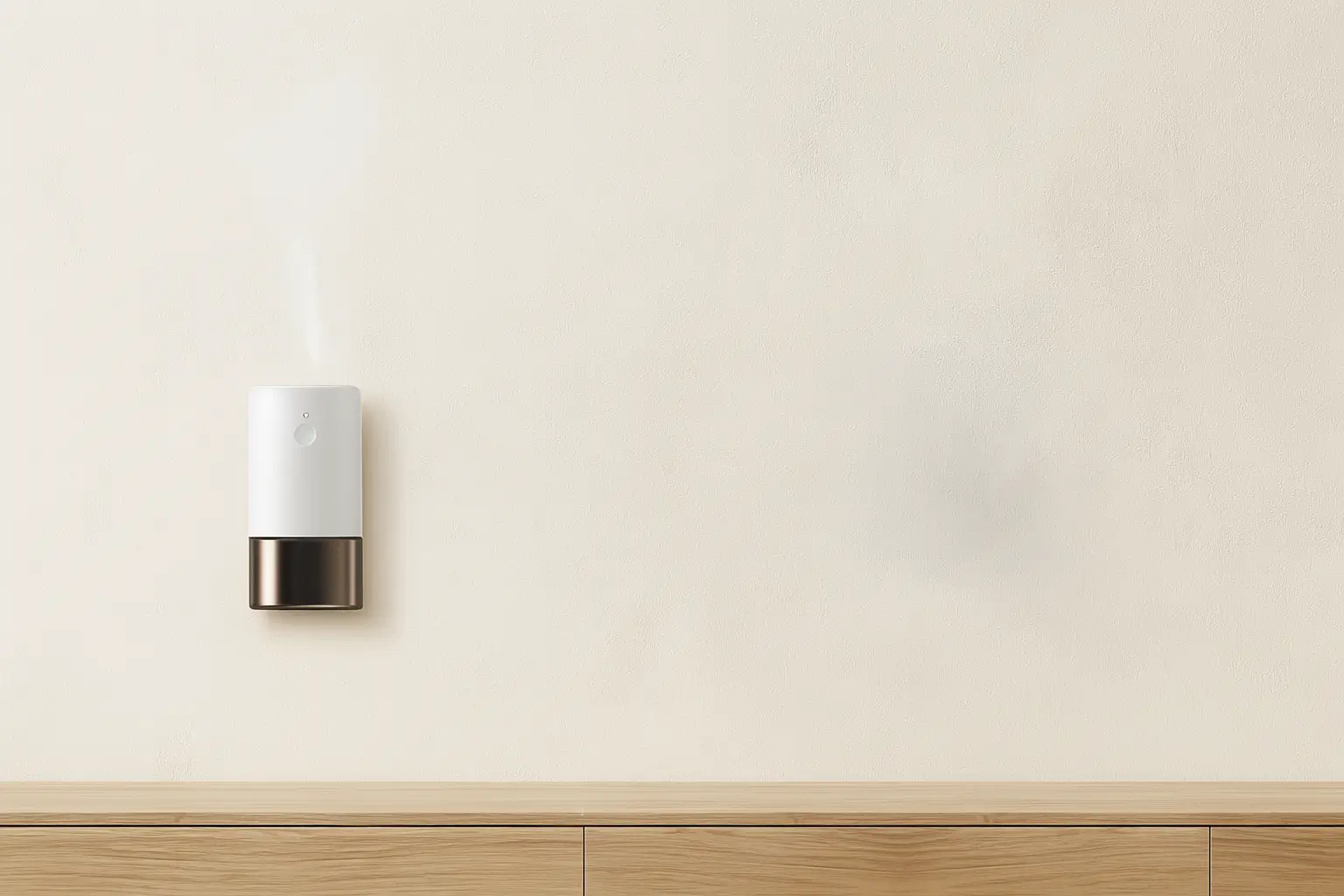
Recommended Device: HisoAir HD101 Wall Plug Diffuser
For offices looking for a discreet, efficient, and easy-to-maintain diffusion solution, the HisoAir HD101 Wall Plug Scent Diffuser is a top choice. It features a compact design, ultra-quiet operation, and smart timer settings ideal for professional spaces. With its no-water-required nebulizing technology, it ensures even, high-purity aroma distribution—perfect for meeting rooms, private offices, or reception areas.
A Practical Guide to Implementation: Best Practices for Success
Successfully integrating aromatherapy requires a thoughtful approach prioritizing employee comfort and safety:
Survey Employees First
Before initiating any aromatherapy program, gauge employee interest and identify allergies or scent sensitivities. Anonymous surveys help collect feedback and ensure inclusive, beneficial programs. This prevents discomfort and fosters employee involvement.
Establish a Clear Scent Policy
Create comprehensive scent policies defining where and when diffusers can be used, specifying acceptable essential oil types, and designating "scent-free zones" for sensitive employees. Prioritize personal, discreet diffusion methods over ambient scenting in open offices.
Start Subtle and Gather Feedback
Begin with light, universally appealing scents and low diffusion intensity. Create subtle, pleasant background aromas, not overpowering ones. Establish feedback channels for timely adjustments, ensuring programs remain beneficial and well-received.
Educate and Involve Your Team
Communicate program goals and benefits to employees. Education demystifies aromatherapy and addresses misconceptions. Involve employees in essential oil selection or custom blend creation. This participatory approach fosters ownership and buy-in.
Conclusion: Cultivating a Better Work Environment
The integration of aromatherapy devices presents a powerful, science-backed strategy for enhancing employee wellbeing. From reducing stress and anxiety to boosting focus, productivity, and mood, the benefits contribute to healthier, more harmonious, and productive workplaces. By leveraging scent's subtle yet profound influence, companies make low-cost, high-impact investments in their people.
Successful aromatherapy programs require thoughtful, employee-first approaches prioritizing safety, communication, and personal choice. By conducting surveys, establishing clear policies, starting subtly, and actively involving teams, businesses create inclusive and beneficial aromatic environments. Embracing aromatherapy cultivates cultures of care and wellbeing, fostering atmospheres where employees thrive, feel valued, and perform at their best.
Call to Action: Ready to transform your office into a sanctuary of productivity and wellbeing? Explore how strategic aromatherapy solutions can elevate your workplace environment and empower your team. お問い合わせ today to learn more about our tailored aromatherapy device solutions for businesses.
Discover the Right Solution for Your Office
At HisoAir, we provide scent diffusion devices designed specifically for workplace environments. Our HD101 Wall Plug Scent Diffuser offers seamless integration into any office setting—delivering professional-grade aroma with minimal maintenance.
Whether you're looking to reduce stress, enhance focus, or improve your workspace ambiance, our devices ensure consistent and controlled diffusion. お問い合わせ to learn how our aromatherapy solutions can support your employee wellness goals.
Essential Oil Benefits Summary Table
| Essential Oil | Primary Benefit | Secondary Benefits | Best for Office Use Case |
|---|---|---|---|
| Lavender | Stress Reduction | Calming, Relaxation | General Relaxation, De-stressing Areas |
| Peppermint | Focus & Alertness | Energy Boost, Headache Relief | Task-Oriented Workspaces, Mid-day Slump |
| Lemon | Mood Elevation | Air Purification, Focus | Common Areas, Boosting Morale |
| Bergamot | Anxiety Reduction | Mood Uplift, Calming | Individual Desks, Stressful Periods |
| Rosemary | Cognitive Enhancement | Memory, Concentration | Study Areas, Creative Brainstorming |
| Eucalyptus | Clear Breathing | Invigoration, Decongestant | Cold/Flu Season, Refreshing Air |
| Sweet Orange | Mood Uplift | Anxiety Reduction, Cheerfulness | Break Rooms, Welcoming Areas |
| Cedarwood | Grounding & Calming | Reduces Nervous Tension | Quiet Zones, Meditation Spaces |
| Frankincense | Peace & Relaxation | Overall Wellness, Meditation | Executive Offices, Mindfulness Corners |
| Lemongrass | Invigoration | Fatigue Relief, Uplifting | High-Energy Workspaces, Morning Boost |
| Grapefruit | Mood Enhancement | Stress Reduction, Energy | Collaborative Spaces, Creative Hubs |


 English
  Français
  Español
  Italiano
  Deutsch
  Português
  Русский
  العربية
  日本語
日本語  한국어
한국어  Tiếng Việt

