

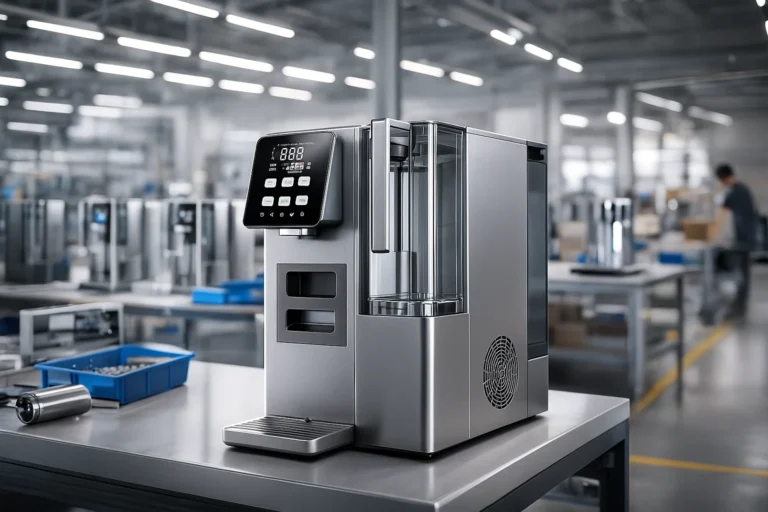
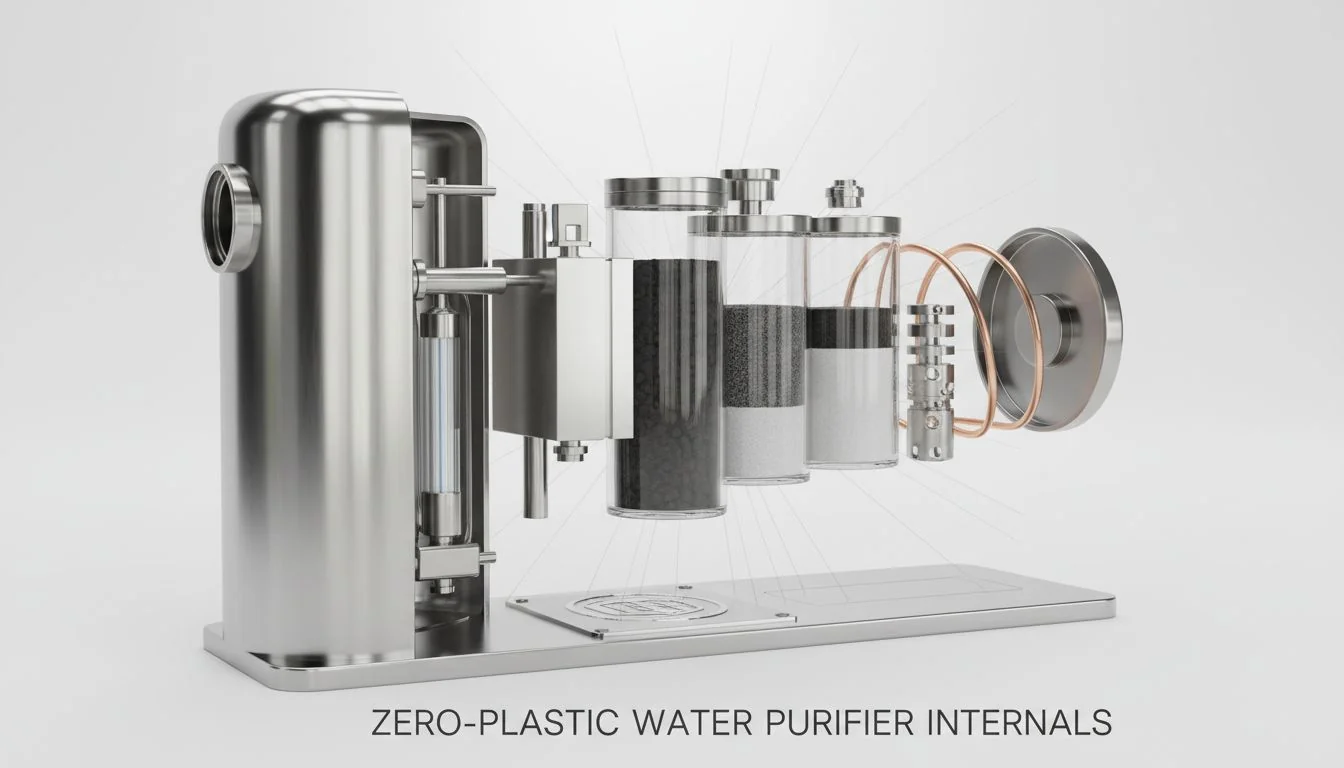
Your wellness brand promises purity, but plastic parts in your water system create doubt. This disconnect can erode customer trust. Zero-plastic systems1 align your product with your promise, building true brand integrity.
Zero-plastic systems build trust by showing a brand's deep commitment to material integrity2, sustainability, and health. Using materials like stainless steel and glass removes worries about microplastics. It also boosts the product's value and durability in the eyes of the customer.
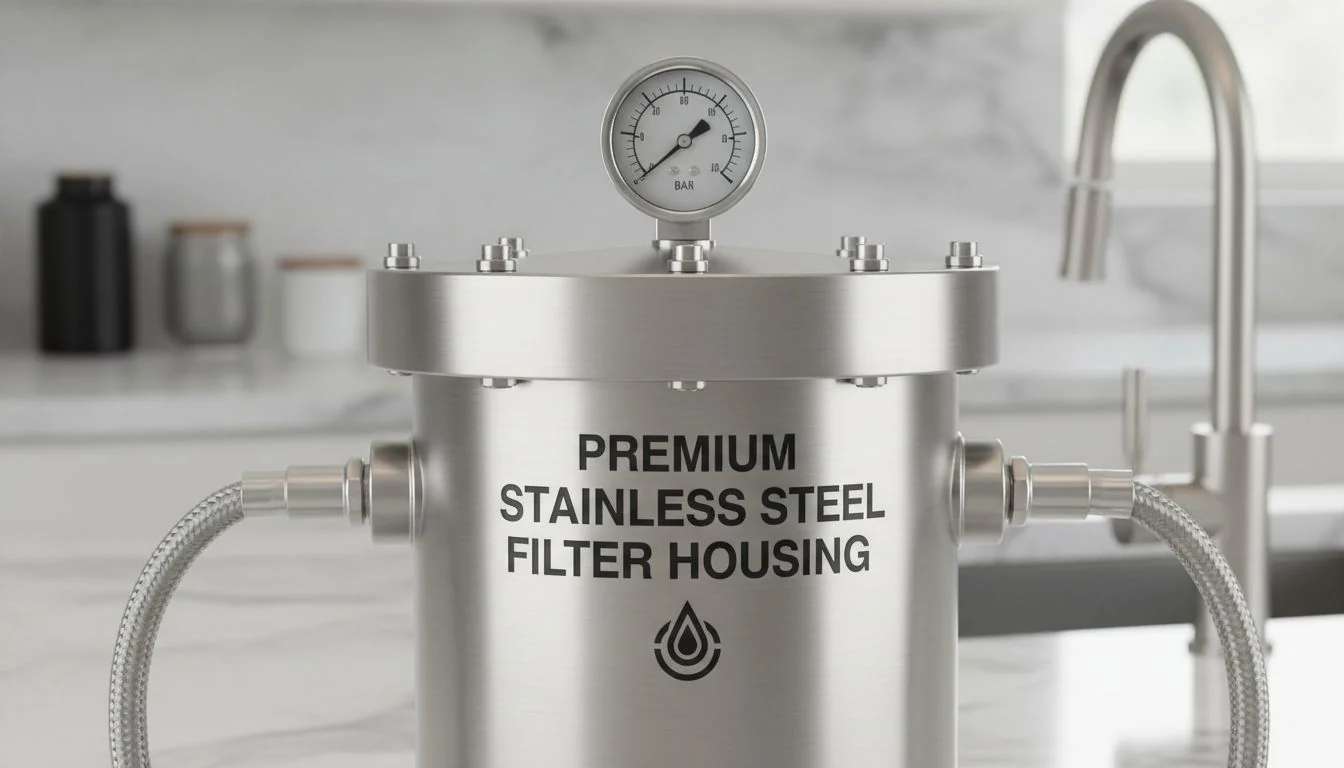
I've seen it many times in my career. A brand promotes a premium, all-natural lifestyle, but the products they sell are full of plastic parts. It's a common shortcut in manufacturing to save money. But for high-end wellness brands, this shortcut can be a dead end. Customers today are very smart. They look past the marketing slogans and check the product itself. When they find plastic where they expect purity, that trust starts to break. So, how does a brand fix this gap? It starts by rethinking the materials that make up the product. Let's explore why moving away from plastic is not just a trend. It is a powerful way to build a brand that people can trust for a long time.
Over 90% of bottled water brands contain microplastics.真
A 2018 study by Orb Media found microplastic contamination in 93% of the bottled water samples from 11 different brands across nine countries.
Stainless steel water systems are always 100% recyclable.偽
While stainless steel is highly recyclable, the entire system may contain other components (like seals or electronic parts) that are not, and the recycling process itself is not 100% efficient.
Why Does Plastic Still Matter in Traditional Water Purifiers?
You design your products for top performance, but plastic parts come with hidden problems. These problems can hurt a premium brand's image and make customers worry about their health. Let's look at why this is important.
Even in expensive purifiers, plastic is common for housings, cartridges, and tubes because it is cheap and easy to shape. But this choice clashes with a wellness brand's message of purity. It raises concerns about microplastics3 and waste, which hurts customer trust.
When I started in this industry, plastic was the go-to material for almost everything. It's versatile and cost-effective, which makes it a default choice for many designers. But for a premium wellness brand, the material is part of the message. Using plastic can send the wrong signal. I remember working on a project for a high-end kitchen appliance. The client chose a specific plastic for the internal water tank to save a little money. Just six months after the product launched, they were flooded with complaints about a "plastic taste" in the water. It was a classic example of how saving a few dollars in production can cost you a fortune in brand reputation. This is the exact risk that wellness brands face today.
The Perception Problem
Customers connect materials with value. When someone pays a premium price, they expect premium materials4. Seeing plastic, especially in a product meant for health and purity, can feel like a letdown. It can make the product seem cheaper than its price tag suggests. This mismatch between price and perceived quality is a major source of distrust.
The Health and Environmental Concern
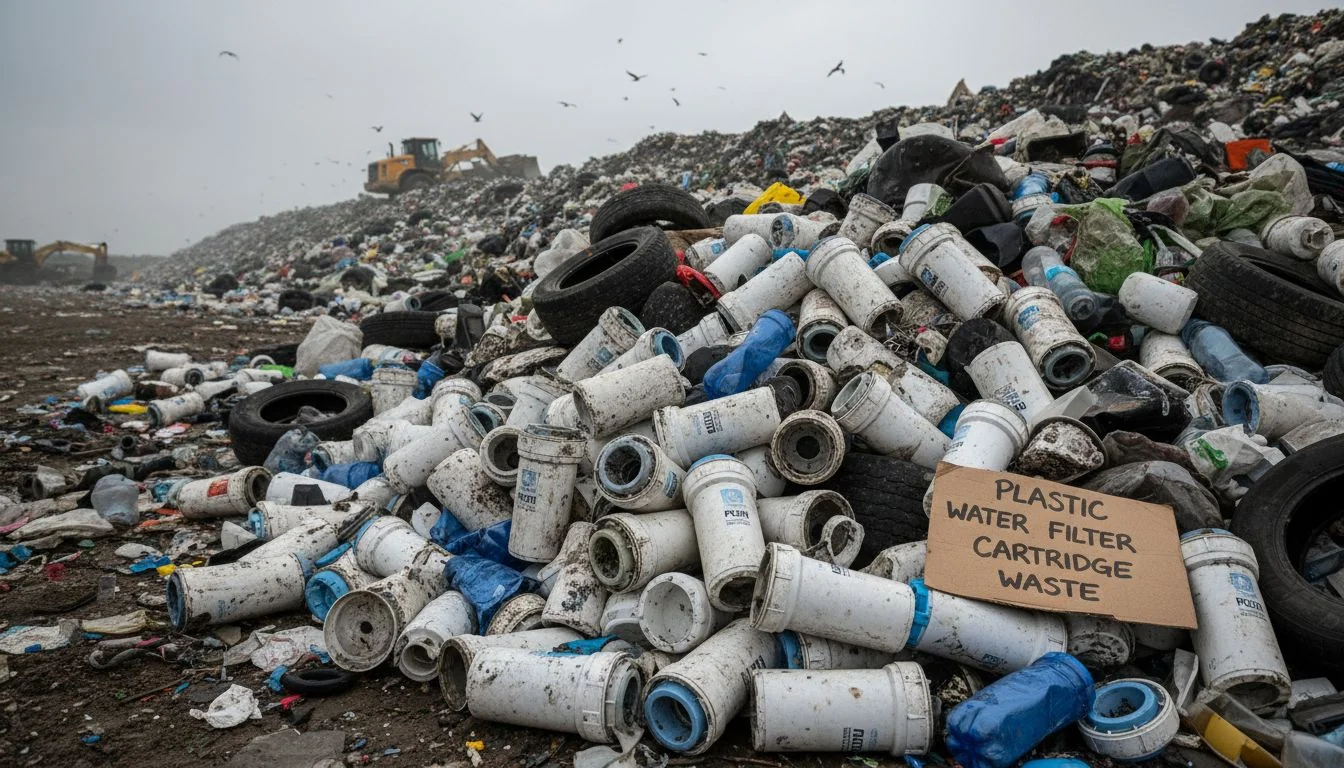
Today's consumers are very aware of the problems with plastic. They read about microplastics getting into our water and food. They worry about chemicals from plastic off-gassing into their homes. They also care about the environment and see plastic filter cartridges as more waste for landfills. A wellness brand that uses plastic is ignoring these very real concerns.
The Manufacturing Reality
So why is plastic still so common? From a mold designer's perspective, it's easy to work with and keeps costs down. Here’s a simple breakdown:
| 特徴 | Plastic Components | Metal/Glass Components |
|---|---|---|
| コスト | 低い | 高い |
| 重量 | ライト | Heavy |
| 耐久性 | Can warp, yellow, crack | Very durable, long-lasting |
| Perceived Value | Low to Medium | 高い |
| Health Perception | Negative (microplastics) | Positive (inert, pure) |
All plastics used in water systems leach harmful chemicals.偽
Many plastics used in food and water applications are certified as food-grade and BPA-free, and are considered safe under normal use conditions. However, the perception of risk and concerns about microplastics remain.
Plastic water filter cartridges are a significant source of landfill waste.真
Most disposable water filter cartridges are made of mixed materials (plastic, carbon, resin) that are difficult to separate and recycle, so they typically end up in landfills.
Your brand talks a lot about サステナビリティ5, but your products create plastic waste. This contradiction can make your message seem empty. A zero-plastic product proves you are serious about your commitment.
A zero-plastic system is a strong, real signal of a brand's dedication to sustainability and wellness. It shows customers that the brand cares about every detail, from how well the filter works to the product's impact at the end of its life, justifying a higher price.
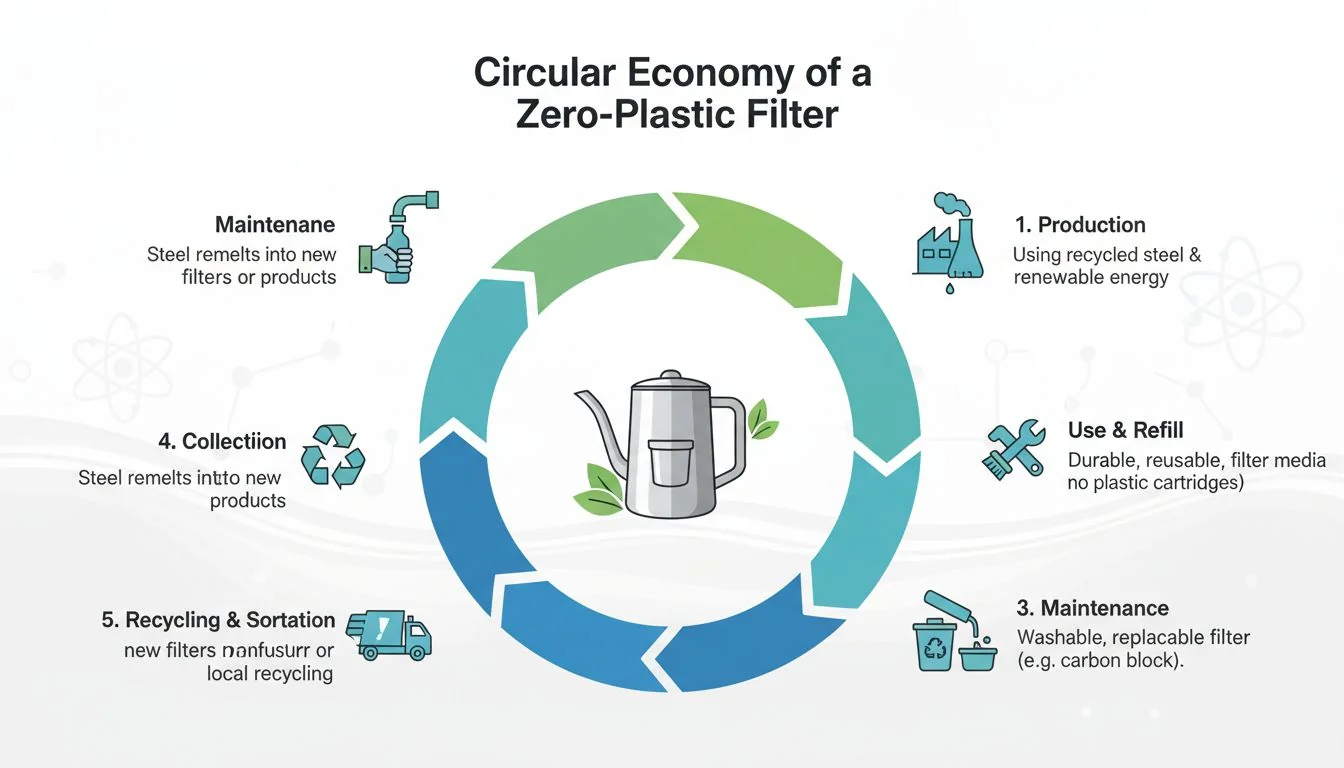
Credibility is everything for a premium brand. You can't just say you care about the planet; you have to show it. A zero-plastic water system is one of the most powerful ways to do that. It’s a physical promise to your customer. It says, "We thought about everything, including what happens to this product years from now." This kind of thinking builds a deep, lasting trust that marketing slogans alone can never achieve. It turns a simple purchase into a statement of shared values between the brand and the customer. This is how you build a loyal community, not just a customer base.
Aligning with Brand Purpose
Many modern companies follow ESG (Environmental, Social, and Governance) goals. A zero-plastic product is a perfect fit for this framework. It's a clear, measurable step towards reducing environmental impact. It makes your brand's purpose feel authentic, not just like a page in an annual report.
The Circular Economy Advantage
Sustainability is about more than just using "green" materials. It's about the entire lifecycle of a product. Zero-plastic systems, often made from stainless steel or glass, are designed for a circular economy6. They are easier to recycle or even reuse. This minimizes landfill waste and reduces the need for new raw materials.
Communicating Authenticity
When your product matches your message, your marketing becomes much more powerful. You can tell a compelling story. For example, a message like "Every drop, every component, aligned with nature" feels true when the customer can see and touch the high-quality, non-plastic materials.
| Lifecycle Stage | Plastic Cartridge Story | Zero-Plastic System Story |
|---|---|---|
| Creation | Made from virgin plastics, fossil fuels. | Made from recyclable metal/glass. |
| Use | Potential for microplastic shedding. | Inert materials ensure water purity. |
| End-of-Life | Thrown in landfill, takes centuries to break down. | Can be fully recycled into new products. |
Using recycled materials always lowers a product's carbon footprint.偽
While often true, it depends on the material and the energy required for collection, transportation, and reprocessing. Sometimes, the process of recycling can be very energy-intensive.
Consumers are increasingly willing to pay more for sustainable products.真
Multiple studies, including a 2021 report by Simon-Kucher & Partners, show that a significant percentage of global consumers are shifting their purchasing habits toward more environmentally friendly products and are willing to pay a premium for them.
Material Integrity = Brand Integrity: What is the Engineering Behind Zero-Plastic Water Systems?
Switching from plastic to metal or glass sounds easy, but it is a big engineering challenge. If you miss the small details, you can have leaks and product failures. Here is how to do it right.
Engineering a zero-plastic system means redesigning everything from the seals to the main housing. It demands skill with materials like stainless steel and glass to guarantee strength, safety, and performance. This engineering effort shows a brand's true commitment to quality.
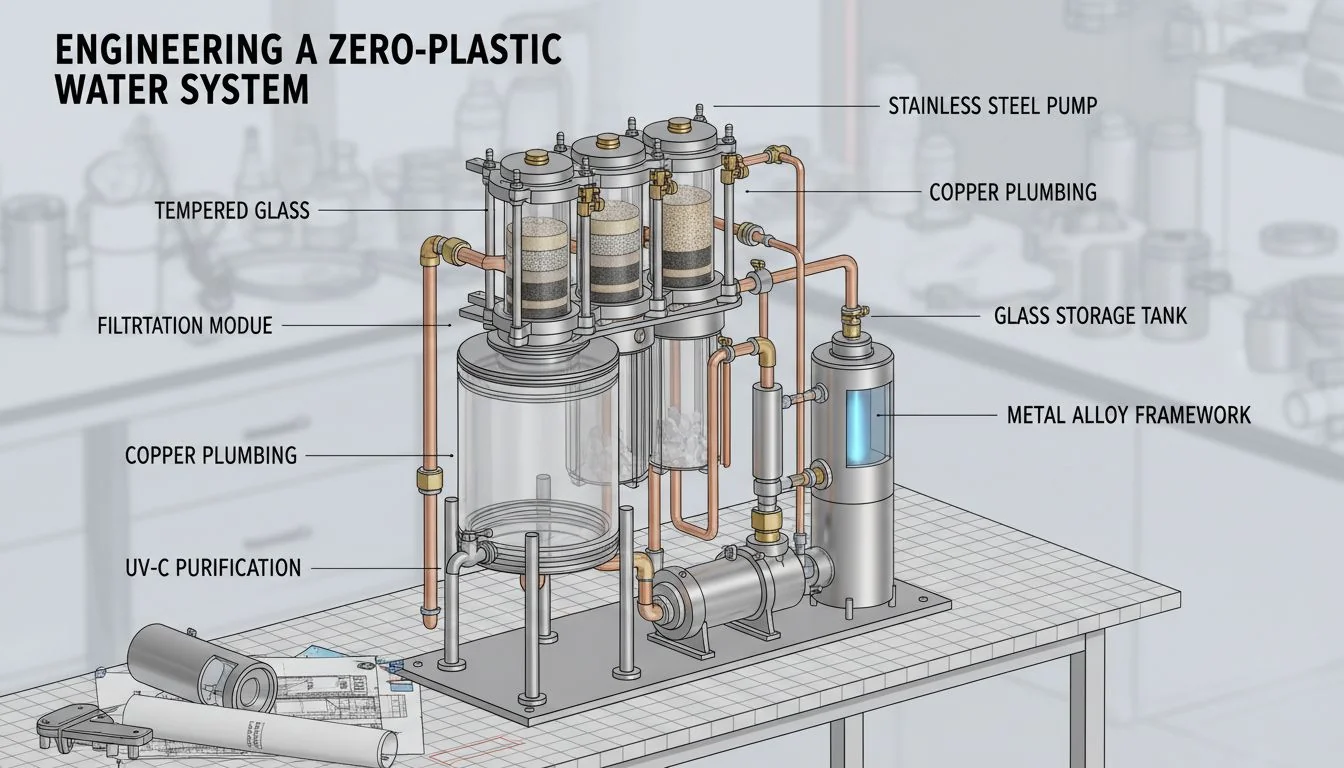
I once consulted for a startup that wanted to make a metal water bottle with a very complex lid. They spent all their time on the beautiful look of the brushed steel but forgot about the seal design. The first batch of products leaked everywhere. It was a costly mistake, but it taught me a key lesson: material integrity is not just about the main body. It's about how every single part, down to the smallest seal, works together perfectly. When a brand invests in this level of engineering, it shows they are not just selling a pretty object. They are selling a reliable, high-quality system. This is where an experienced OEM/ODM partner like HisoAir becomes critical, as they have the testing labs and engineering know-how to get it right.
Design and Material Challenges
Replacing plastic is not a simple swap. Plastic is flexible and forgiving. Metals and glass are rigid. This changes everything.
- Seals: You need to design new types of seals and gaskets that can create a perfect, leak-proof fit between metal or glass parts.
- Housings: Metal housings need to be designed to handle water pressure without bending or breaking.
- Filter Modules: The internal modules must be designed for easy access and replacement, without using plastic clips or catches.
The Value of Premium Materials
Choosing the right material does more than just eliminate plastic. It adds value.
- 耐久性がある: Stainless steel and coated aluminum don't crack or turn yellow over time. They look good for years.
- Aesthetics: The look and feel of real metal or glass immediately communicate quality and luxury.
- Tactile Experience: For high-end customers, the cool, solid feel of a brushed steel finish or a precision-machined part matters a lot.
Performance and Compliance
A beautiful design is useless if the purifier doesn't work well. The system must still meet all the key filtration standards (like RO or UF) and safety certifications. This requires rigorous testing of filtration efficiency, durability, and safety in certified labs. A brand that can show test results proves that their commitment to quality is inside and out.
Glass is completely inert and cannot affect the taste of water.真
Glass is a non-porous and inert material, meaning it will not leach chemicals or flavors into the water, preserving its pure taste.
All stainless steel is magnetic.偽
It depends on the type. Austenitic stainless steels, like the common 304 or 316 grades used in food equipment, are non-magnetic. Ferritic and martensitic stainless steels are magnetic.
Communicating Zero-Plastic: What Marketing Tools Build Trust?
You have built an amazing zero-plastic product, but your customers don't know about it. If you fail to communicate its unique value, you have lost your biggest advantage.
To build trust, brands must market their zero-plastic systems with total transparency. Use clear phrases like "plastic-free internal system" and "metal-housed premium filtration." Back these claims with great visuals, lab test results, and sustainable packaging for a strong, believable story.
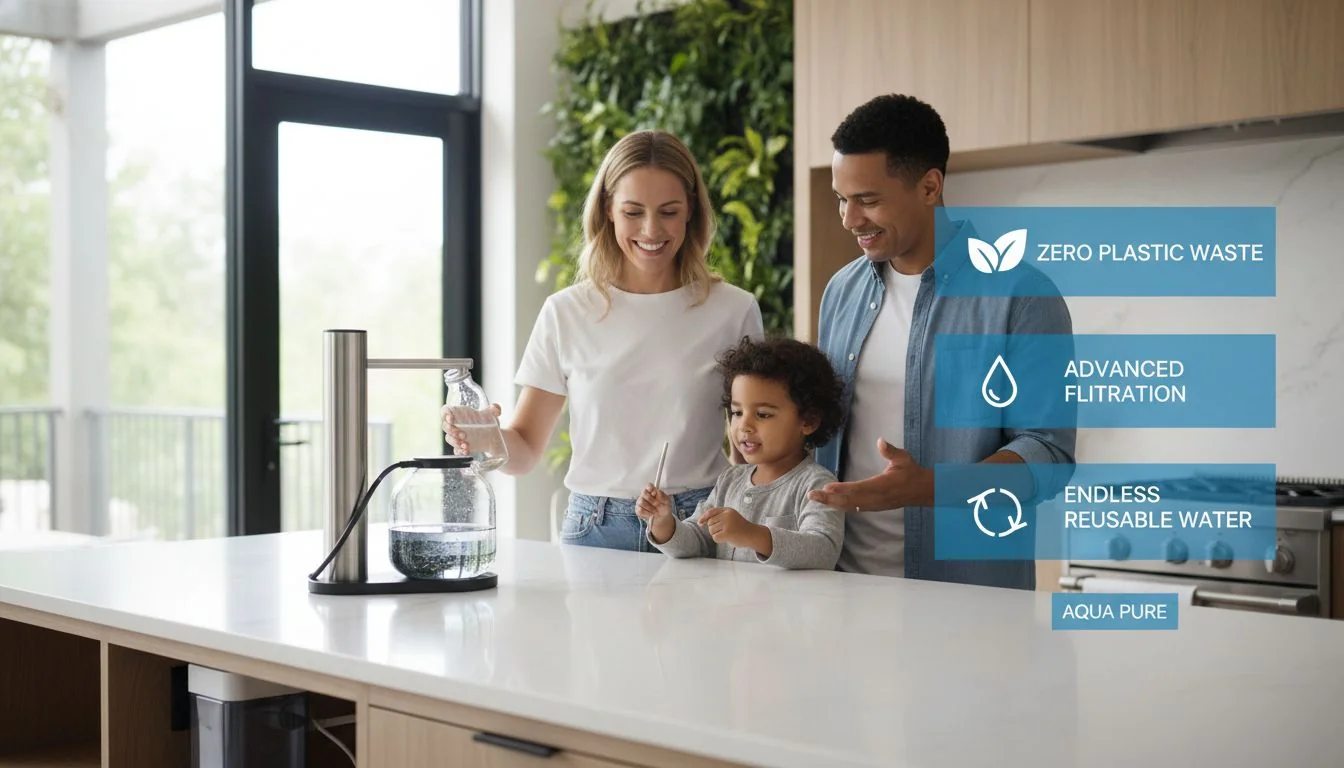
Marketing is not just about selling; it's about teaching. You have to teach your customers why your product is different and better. When you've invested so much in engineering a zero-plastic system, your marketing needs to tell that story. Don't just say "premium." Show them the stainless steel. Show them the lab reports. Create a video tour of the factory where it's made. When customers see the proof, they don't just buy a product; they buy into the brand's philosophy. This is how you turn a feature into a feeling of trust. An OEM/ODM partner can even provide a full marketing kit with spec sheets and sustainability stories to make this process seamless.
Crafting the Message
Your words matter. Be specific and clear. Instead of vague terms, use direct language that highlights the absence of plastic.
- "Plastic-free internal water path"
- "Durable stainless-steel housing"
- "No virgin plastic cartridges"
The Power of Visuals
People trust what they can see.
- Exploded Views: Show all the internal metal and glass components.
- Before/After: Compare your durable metal housing to a plastic one that has yellowed over time.
- Sustainability Infographics: Create simple charts that show the positive environmental impact.
Building Coherence
Trust is built on consistency. If your product is zero-plastic, your packaging should be too. Use FSC-certified paper and avoid plastic wrap. This creates a coherent experience from the moment the customer receives the box.
| 特徴 | ベネフィット | Trust Signal |
|---|---|---|
| Stainless Steel Housing | Lasts for years, won't yellow or crack. | "We invest in quality that endures." |
| Plastic-Free Internals | No risk of microplastics or plastic taste. | "We care about your health and purity." |
| Recyclable Components | Reduces landfill waste. | "We are responsible for our products' entire lifecycle." |
FSC-certified paper means the product is made from 100% recycled materials.偽
FSC (Forest Stewardship Council) certification ensures that the paper comes from responsibly managed forests, which may include a mix of virgin and recycled fibers, but it doesn't guarantee it's 100% recycled.
Exploded-view diagrams in marketing can increase a consumer's perception of a product's quality.真
Research in marketing and consumer psychology suggests that showing the internal complexity and quality of components through diagrams can enhance perceived value and build trust in the product's engineering.
Customers worry about how long their water purifier will last and the hidden costs. Plastic parts that yellow, break, or create constant waste can seriously damage your brand's reputation over time.
Zero-plastic systems boost a brand's long-term reputation by being much more durable. Metal housings do not degrade like plastic. This means fewer customer complaints and a better total cost of ownership7, which strengthens the brand's premium image and builds lasting loyalty.
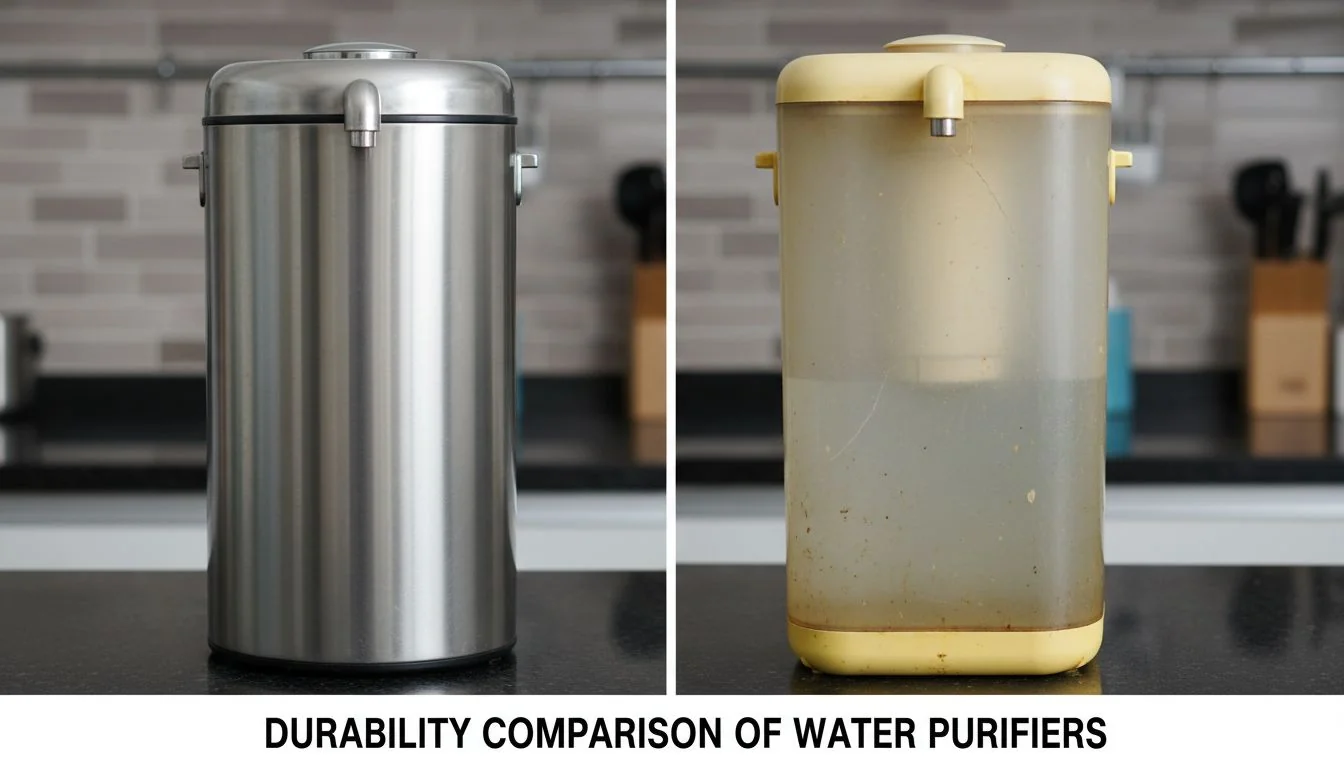
A friend of mine bought a very expensive "designer" coffee machine. It looked fantastic in the store. But after just one year, the plastic water tank was stained and the shiny chrome-plated plastic handle started to peel. He told me he felt cheated. That's the danger of selling "premium" products that cut corners on materials. True luxury is not just about how a product looks on day one; it's about how it looks and performs on day one thousand. A product that lasts builds a reputation that lasts. It avoids the "cheap look" that comes from degrading plastic and supports a true luxury image.
The Longevity Advantage
The biggest benefit of using materials like stainless steel is their lifespan.
- Metal housings don't warp from heat or turn yellow from UV light.
- High-quality seals designed for metal parts hold their integrity longer, preventing leaks.
- The product maintains its premium look and feel for years, reinforcing its value.
Reducing the "Hidden Cost"
Customers hate feeling like they have to keep spending money after the initial purchase.
- Fewer Replacements: Durable components mean fewer service calls and replacement parts.
- Less Waste: Moving away from disposable plastic cartridges reduces the environmental and financial burden on the customer.
- Better Hygiene: Smooth, non-porous surfaces like steel and glass are easier to clean and less likely to harbor bacteria.
Protecting the Luxury Image
A premium brand's reputation is its most valuable asset. When a high-end wellness brand sells a system that still looks and works like new after five years, it sends a powerful message. It says the brand's commitment to quality is real. This positive long-term experience leads to great reviews, word-of-mouth referrals, and a rock-solid reputation.
Plastic yellowing is caused by a chemical reaction triggered by UV light and oxygen.真
This process, called photo-oxidation, breaks down the polymer chains in the plastic and causes the formation of chromophores, which are parts of a molecule that absorb light and create the yellow color.
Total Cost of Ownership (TCO) only includes the initial purchase price and replacement filters.偽
A comprehensive TCO calculation also includes costs for energy consumption, maintenance, repairs, and the eventual disposal or recycling of the unit.
Scaling the Zero-Plastic Model: What’s Next for Wellness Brands and OEM/ODM Partners?
A zero-plastic system is a fantastic product, but how do you grow the business? Challenges with the supply chain and higher costs can easily stop your growth before it even starts.
Scaling a zero-plastic model requires smart sourcing of materials like stainless steel and partnerships with expert OEM/ODM manufacturers. Brands can grow from home systems to hospitality and corporate wellness, weaving water purification into a larger wellness ecosystem for stronger brand identity.
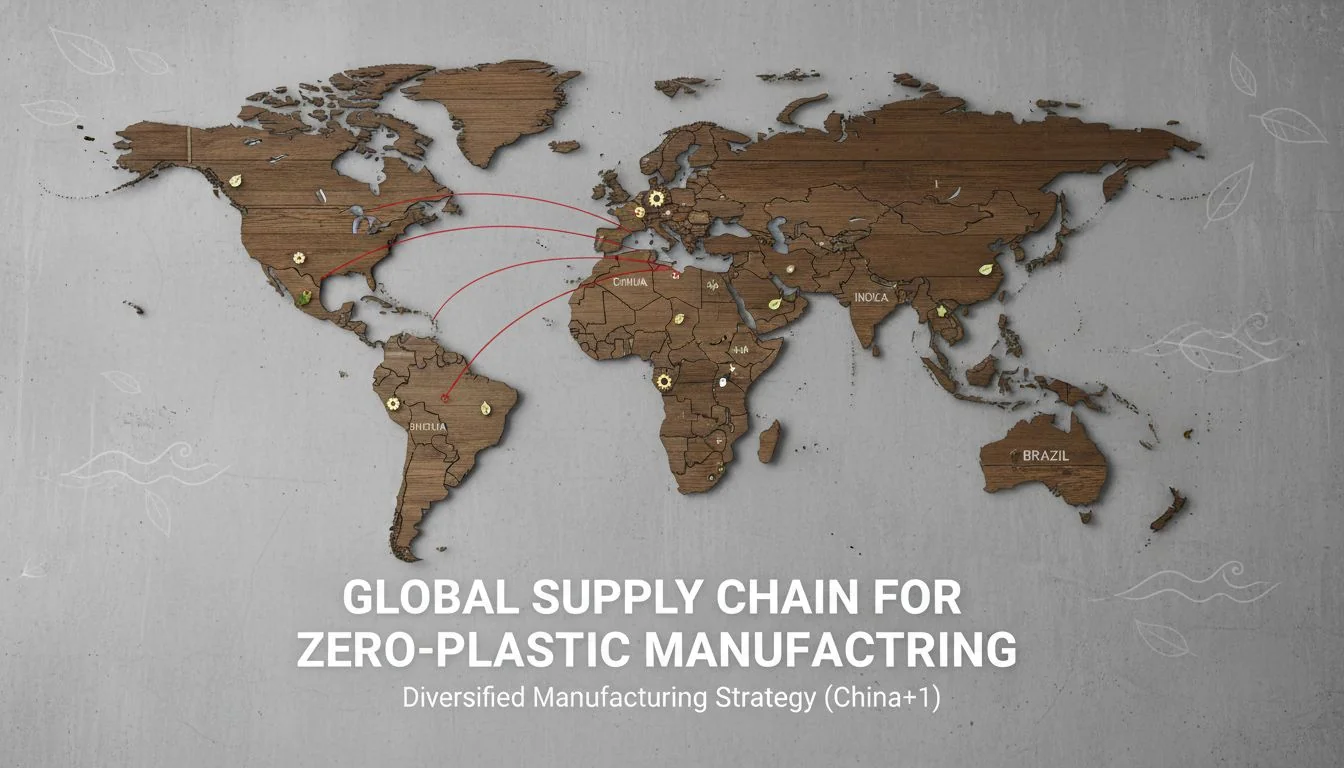
Growth is always the goal, but you have to grow smart. For a product that relies on specific, high-quality materials, your supply chain is everything. You can't just find the cheapest supplier. You need a partner who understands the quality and consistency you need. This is where strategies like "China+1" become important, where you have manufacturing in China but also in another country like Vietnam or Thailand to reduce risk. As a brand, your job is to have the vision. The job of your manufacturing partner, like HisoAir, is to help you build that vision at scale, without compromising on the zero-plastic promise that makes your brand special.
The Growth Pathway
The market for wellness is huge. A brand can start in one area and expand.
- Premium Home Systems: Target high-end residential customers who value health and design.
- Hospitality & Spa: Move into boutique hotels, wellness spas, and luxury gyms.
- Enterprise Wellness: Install systems in high-end corporate offices as part of their employee wellness programs.
Overcoming Supply Chain Hurdles
Scaling brings new challenges.
- Sourcing: Finding reliable suppliers for high-grade stainless steel or coated aluminum can be difficult.
- Cost Management: The cost of metal is higher than plastic. Smart design and efficient manufacturing are key to keeping the product affordable.
- 認証だ: Ensuring all components and the final product meet international standards requires a robust quality control process.
The Broader Wellness Ecosystem
A zero-plastic water system shouldn't be a standalone product. It should be part of a larger story. Brands can create a whole ecosystem of wellness products—like air purifiers and even pet wellness devices—that all share the same commitment to material integrity and sustainability. This creates a powerful, coherent brand that customers can trust across multiple areas of their lives.
| Scaling Phase | ターゲット市場 | Key Challenge |
|---|---|---|
| Phase 1: Launch | Luxury Residential | Establishing brand credibility and premium positioning. |
| Phase 2: Expand | Hospitality & Spas (B2B) | Engineering for higher usage and commercial standards. |
| Phase 3: Dominate | Corporate & Enterprise | Managing large-scale installations and service contracts. |
The 'China Plus One' strategy means moving all manufacturing out of China.偽
It's a diversification strategy where companies keep significant operations in China while adding new facilities in other countries (like Vietnam, India, or Mexico) to mitigate risks related to trade tensions, rising costs, and supply chain disruptions.
Integrating multiple wellness products under one brand increases customer lifetime value.真
By offering a suite of related products, a brand can encourage repeat purchases and build deeper loyalty, significantly increasing the total revenue generated from a single customer over time.
結論
Ultimately, a zero-plastic water system aligns your product with your promise. For wellness brands, this material integrity is the foundation of lasting customer trust and brand loyalty.
References
-
Discover how zero-plastic systems enhance brand integrity and customer trust. ↩
-
Learn how material integrity impacts customer perception and brand loyalty. ↩
-
Understand the risks associated with microplastics and their impact on health. ↩
-
Find out how premium materials can elevate product value and customer satisfaction. ↩
-
Explore the growing importance of sustainability in consumer choices and brand reputation. ↩
-
Learn about the circular economy and its benefits for sustainability and waste reduction. ↩
-
Learn how total cost of ownership impacts consumer decisions and brand reputation. ↩









 English
  Français
  Español
  Italiano
  Deutsch
  Português
  Русский
  العربية
  日本語
日本語  한국어
한국어  Tiếng Việt

