

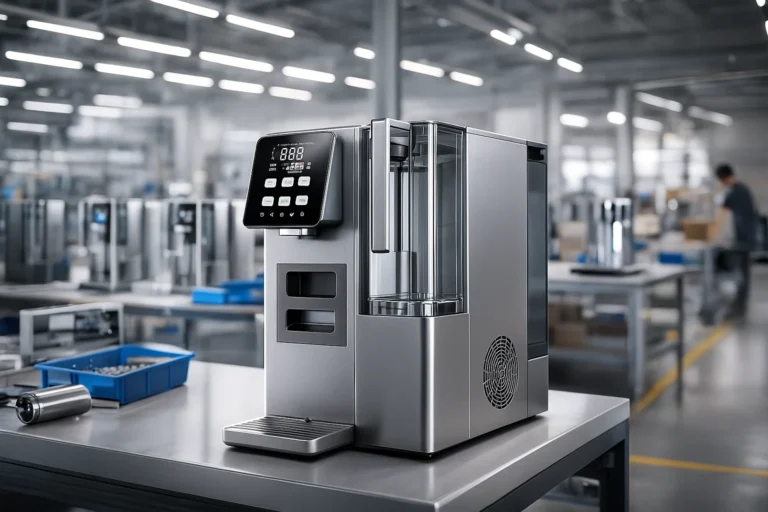
You design products for function, but what about taste? Many filters strip water bare, leaving it flat and lifeless. We need a better engineering approach for hydration.
The best water isn't just filtered; it is engineered through a "strip and rebuild" process. While Reverse Osmosis1 (RO) creates ultra-pure water, it removes essential minerals. The superior method involves cleaning via RO and then remineralizing to create bio-active, alkaline water that tastes better and supports health.
Most people think clean water is simple. But as designers, we know simple often requires complex engineering. Let's look at the mechanics of water.
Reverse Osmosis removes up to 99% of all contaminants including minerals.真
RO membranes have a pore size of approximately 0.0001 microns, which blocks almost all dissolved solids.
Drinking pure distilled water is the healthiest option for the human body.偽
Pure water lacks essential electrolytes and minerals like magnesium and calcium, which are vital for bodily functions.
Is Pure Water Actually the Best Water?
We often equate purity with quality in manufacturing. But in Water Chemistry2, absolute purity might actually be a design flaw.
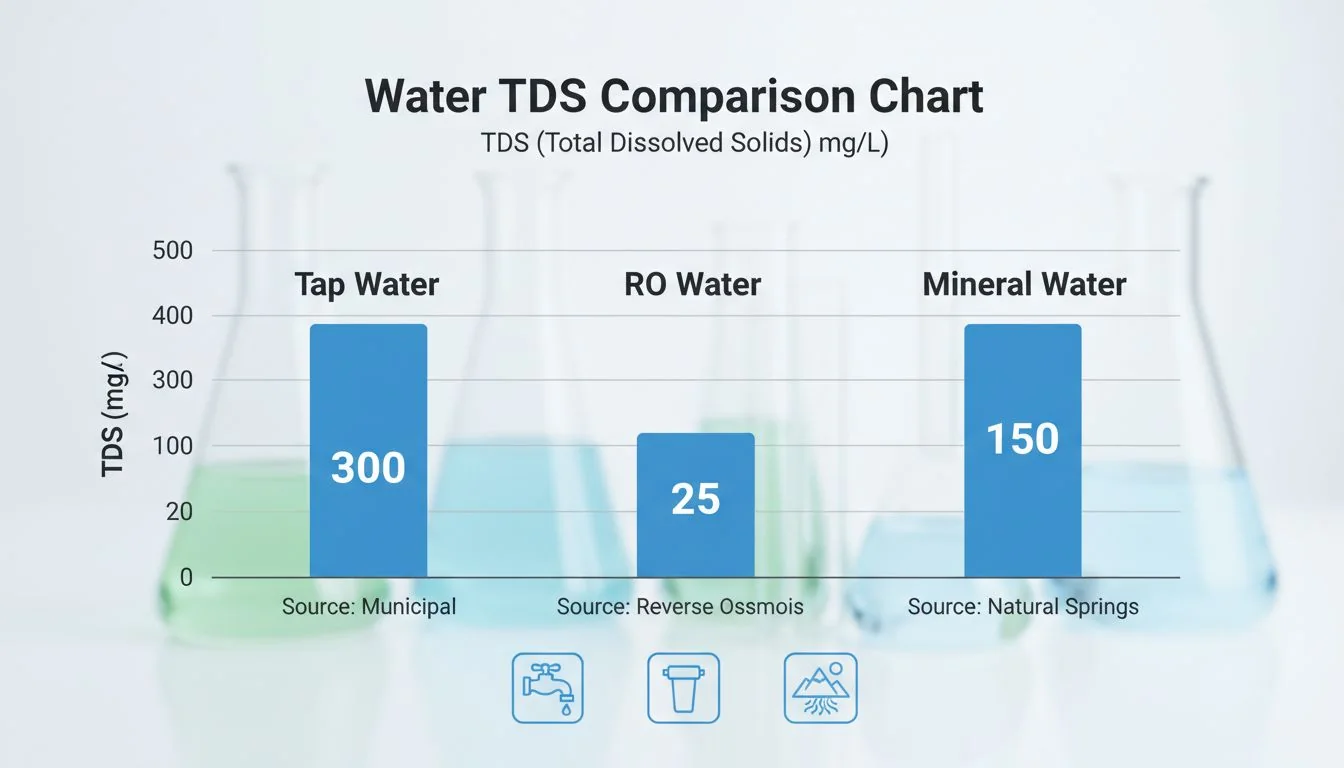
The debate centers on Total Dissolved Solids3 (TDS). While removing contaminants is crucial, removing all minerals creates an imbalance. The engineering challenge is distinguishing between harmful pollutants and beneficial minerals like magnesium and calcium.
In the world of mold design and manufacturing, we obsess over material properties. We want pure resin. We want clean steel. However, water is different. It is a solvent. When you strip water down to just H2O molecules, it becomes aggressive. It wants to bond with something. In engineering terms, we might call this an unstable state.
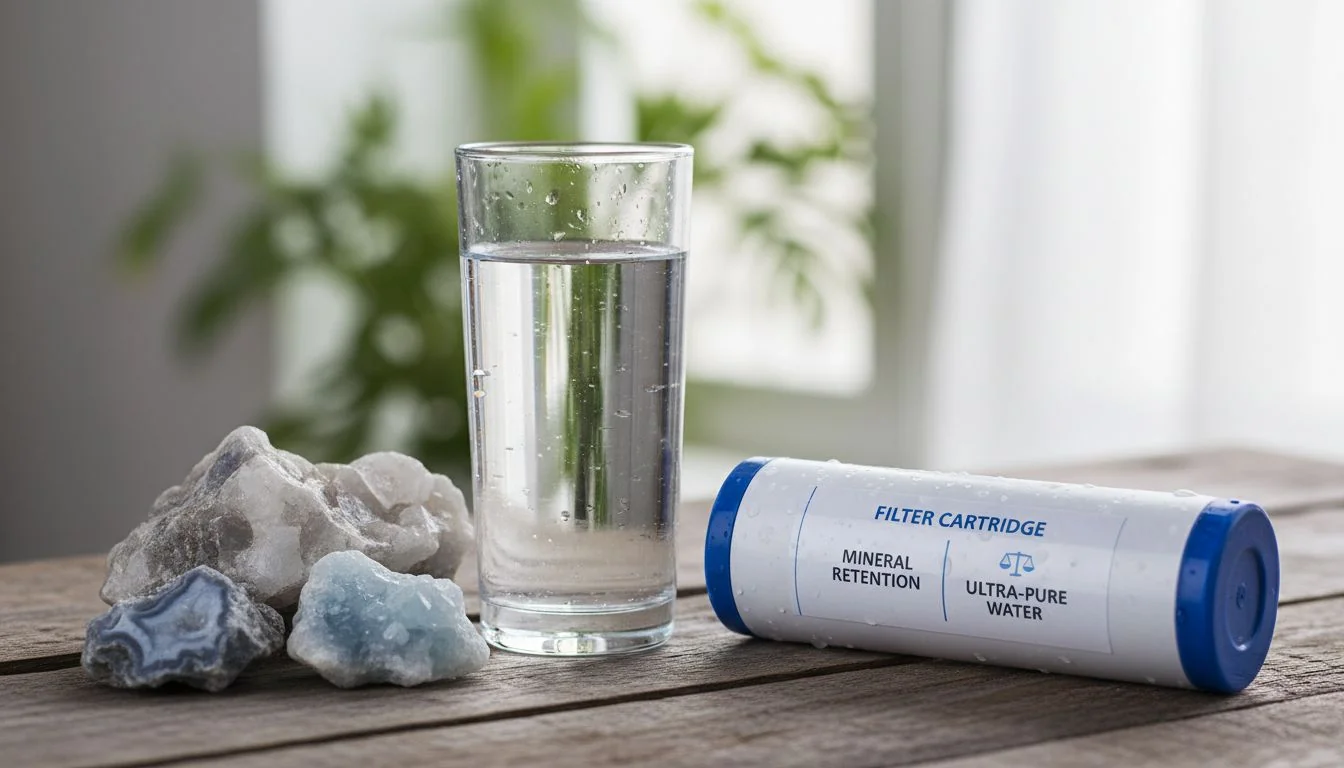
When we look at the "Great Water Debate," we are looking at two different design philosophies. One philosophy prioritizes safety above all else. This is the "Ultra-Pure" camp. They want zero contaminants. The other philosophy prioritizes biology and taste. This is the "Mineral Retention4" camp.
As a designer, I see this as a balancing act. You need to remove the bad stuff, like lead and bacteria. But if you remove the good stuff, like calcium, you ruin the user experience. The water tastes flat. It feels different in your mouth. It does not quench your thirst the same way. We need to stop looking at water filtration as just a removal process. We need to look at it as a profile management process. We are not just cleaning; we are crafting a specific chemical profile.
Water with zero TDS is aggressive and can leach metals from pipes.真
Ultra-pure water is a 'hungry' solvent and will dissolve materials it comes into contact with to reach equilibrium.
Natural spring water is usually free of all dissolved solids.偽
Spring water naturally picks up minerals from the earth, giving it a TDS count usually between 50 and 200 ppm.
Why Do Engineers Rely on Reverse Osmosis?
RO is the heavy lifter of filtration. It is like the roughing pass in CNC machining—it removes the bulk of the material.
Reverse Osmosis forces water through a semi-permeable membrane, removing up to 99% of contaminants. It is the gold standard for safety, ensuring no bacteria, viruses, or heavy metals remain in the final product.
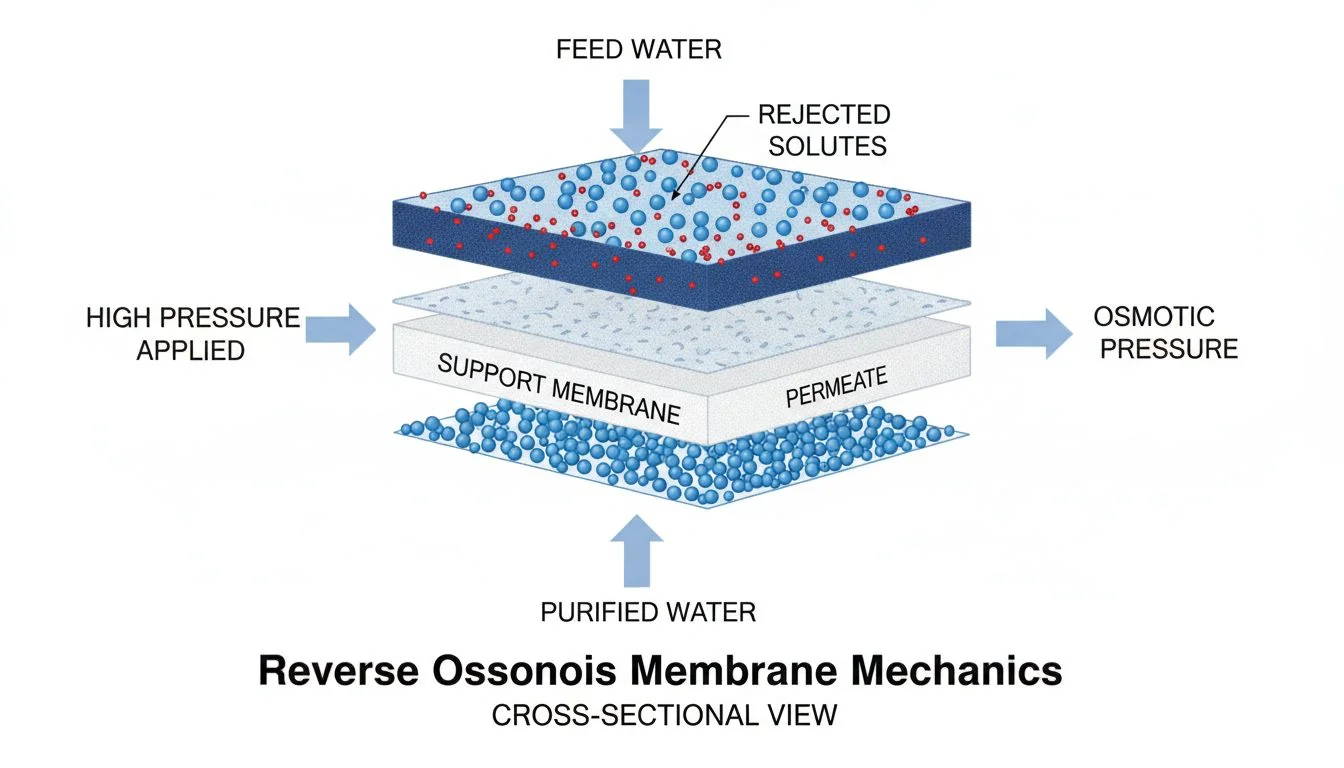
Let's talk about the mechanics of Reverse Osmosis, or RO. In my factory days, we used various filtration methods for coolants and oils. RO is the most thorough. It uses pressure to push water through a membrane with tiny pores. These pores are so small that only water molecules can pass through.
This is an excellent engineering solution for safety. If you are designing a system for a place with terrible tap water, RO is necessary. It catches everything. It stops arsenic. It stops fluoride. It stops microplastics. From a safety standpoint, it is the "Case for Ultra-Pure."
However, this strength is also a weakness. The membrane does not discriminate. It blocks the good minerals right along with the bad poisons. It is a blunt instrument. In mold making, this would be like machining a block of steel and removing too much material, leaving the walls too thin. The part is clean, but it is weak. RO creates a blank canvas. That is valuable, but a blank canvas is not a finished painting. We have to recognize that RO is just the first step in a complete process, not the final product.
Reverse Osmosis systems require electricity to function.偽
While some use pumps, standard residential RO systems rely on existing water pressure to push water through the membrane.
RO membranes can filter out viruses.真
Viruses are generally larger than the 0.0001-micron pore size of an RO membrane.
What Is the Problem with "Dead Water"?
You wouldn't design a plastic part that is brittle. Similarly, water without minerals is chemically "brittle" and unappealing.
Water with zero Total Dissolved Solids is often called "Dead Water5." It lacks structure and taste. Without minerals, water becomes slightly acidic and fails to hydrate the body as effectively as mineral-rich water.
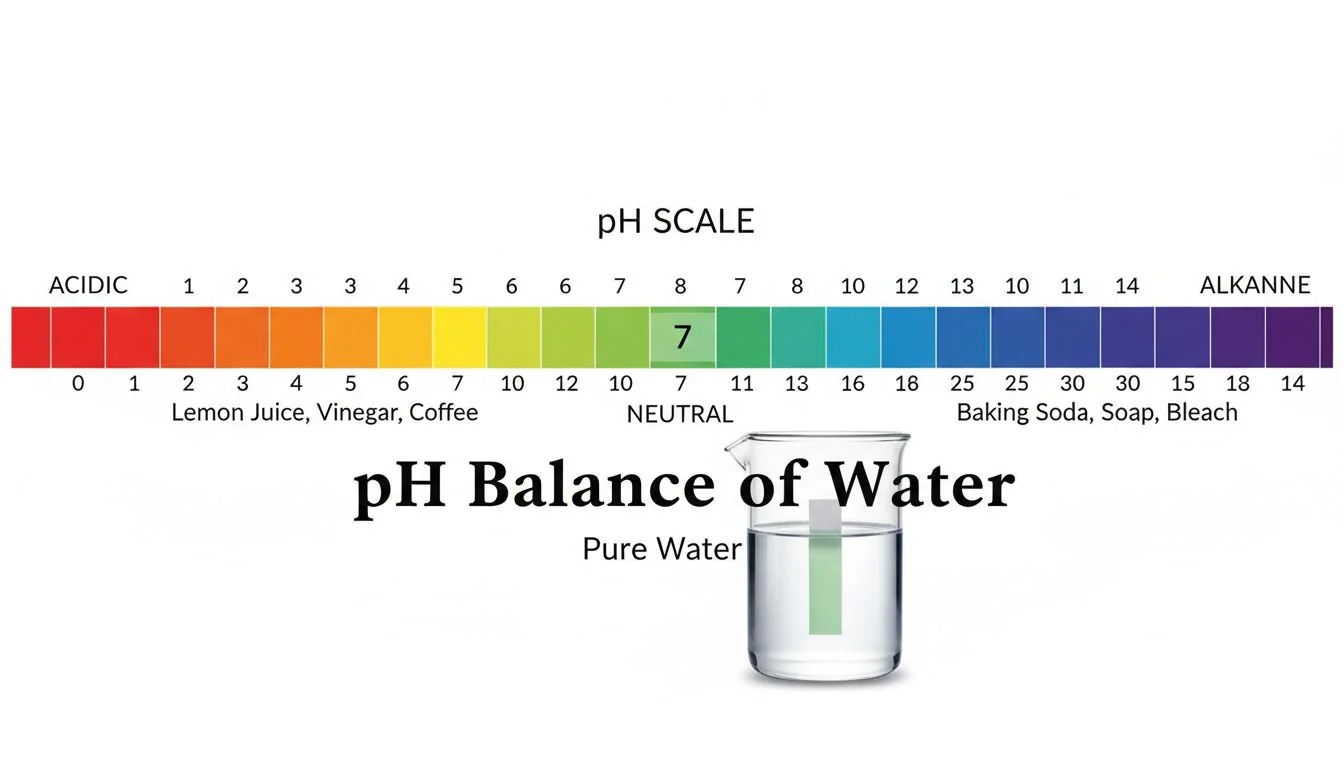
I want to introduce a term here: "Dead Water." This is what you get from a standard RO system that lacks a post-filter. In the industry, we see competitors selling these basic units. They boast about "Zero TDS." To a consumer, zero sounds good. It sounds clean. But to an engineer or a biologist, "Zero TDS" means empty.
"Dead Water" has a hidden flaw. Because it has no minerals to buffer it, the pH often drops below 7. It becomes acidic. When you drink this, your body has to work to balance it. It pulls minerals from your own system to neutralize the acidity. This is the opposite of what a health product should do.
Also, think about the sensory experience. We design products to feel good in the hand. Water should feel good in the mouth. Dead water feels thin. It has no texture. It is unappealing. If you are a wellness enthusiast, or if you practice yoga and eat organic, you do not want dead ingredients. You want "Living Water6." You want water that is bio-active. This is a massive gap in the market that standard filters ignore.
Drinking acidic water causes immediate health problems.偽
The body has strong buffering systems, but long-term consumption of demineralized water is not ideal for optimal hydration.
Magnesium in water contributes to a smoother mouthfeel.真
Dissolved minerals like magnesium and calcium give water 'body' and texture.
Can We Replicate Nature's Design?
Nature is the ultimate designer. Spring water picks up minerals from rocks. We should aim to mimic this natural process.
Mineral retention focuses on keeping or adding magnesium, calcium, and potassium. This creates "Living Water" or bio-active water. It mimics natural springs, providing better absorption and a smoother mouthfeel.
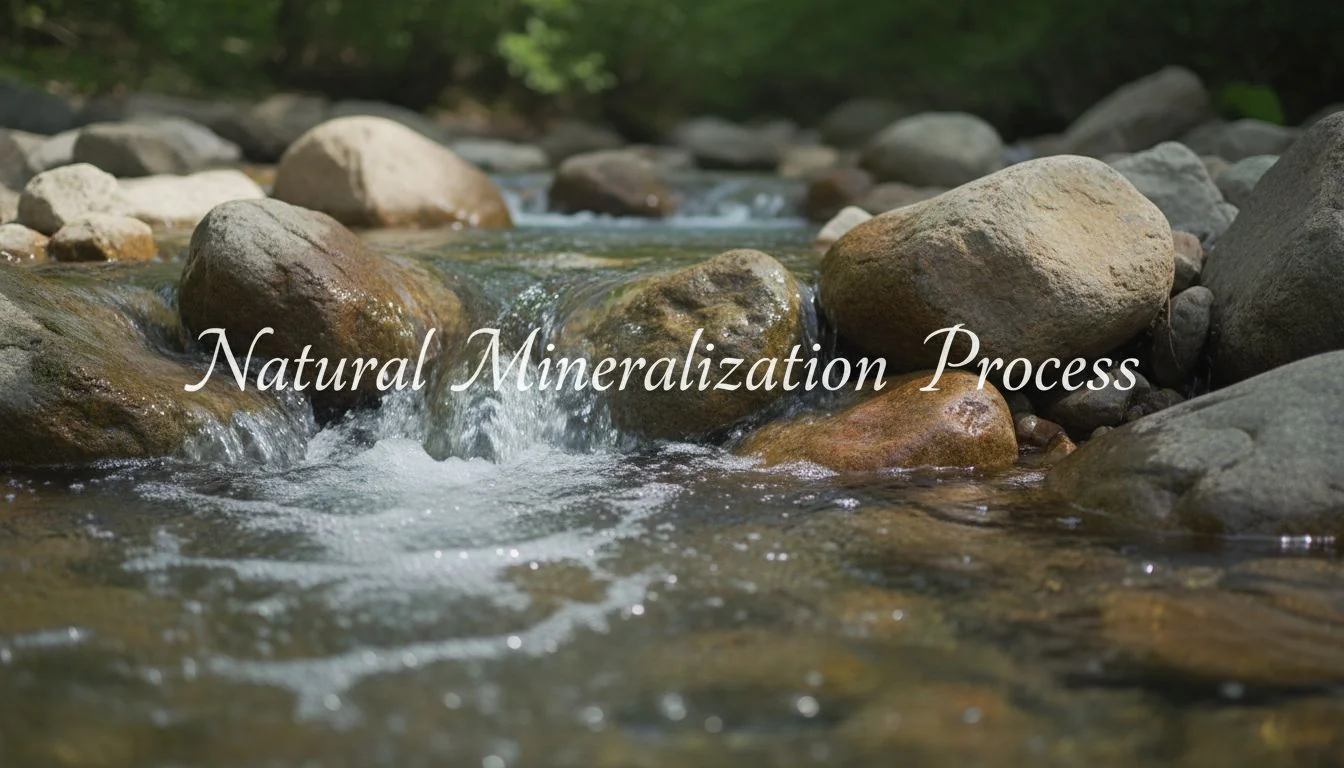
When I face a tough design challenge, I often look at how nature solves it. Nature does not produce distilled water. Rain falls, hits the ground, and filters through layers of rock and soil. This is the "Spring Water" ideal.
As the water travels through the earth, it picks up minerals. It grabs calcium. It grabs magnesium. It grabs potassium. This is not contamination; this is enhancement. This process changes the structure of the water. It raises the pH. It makes the water alkaline.
The case for mineral retention is strong. We know that minerals in water are highly bio-available. This means your body absorbs them easily. It is often easier to get magnesium from water than from food. So, the engineering goal shifts. We are not just trying to make water safe. We are trying to make water that functions like a natural spring. We want to replicate that geological process inside a compact machine. We want to turn the tap into a mountain stream.
Minerals in water are difficult for the body to absorb.偽
Minerals dissolved in water are in ionic form and are absorbed very easily by the digestive system.
Alkaline water has a pH higher than 7.真
Any solution with a pH above 7.0 is considered alkaline or basic.
How Does the "Strip and Rebuild" System Work?
The best manufacturing processes often involve multiple stages. We strip the material down, then build it back up to spec.
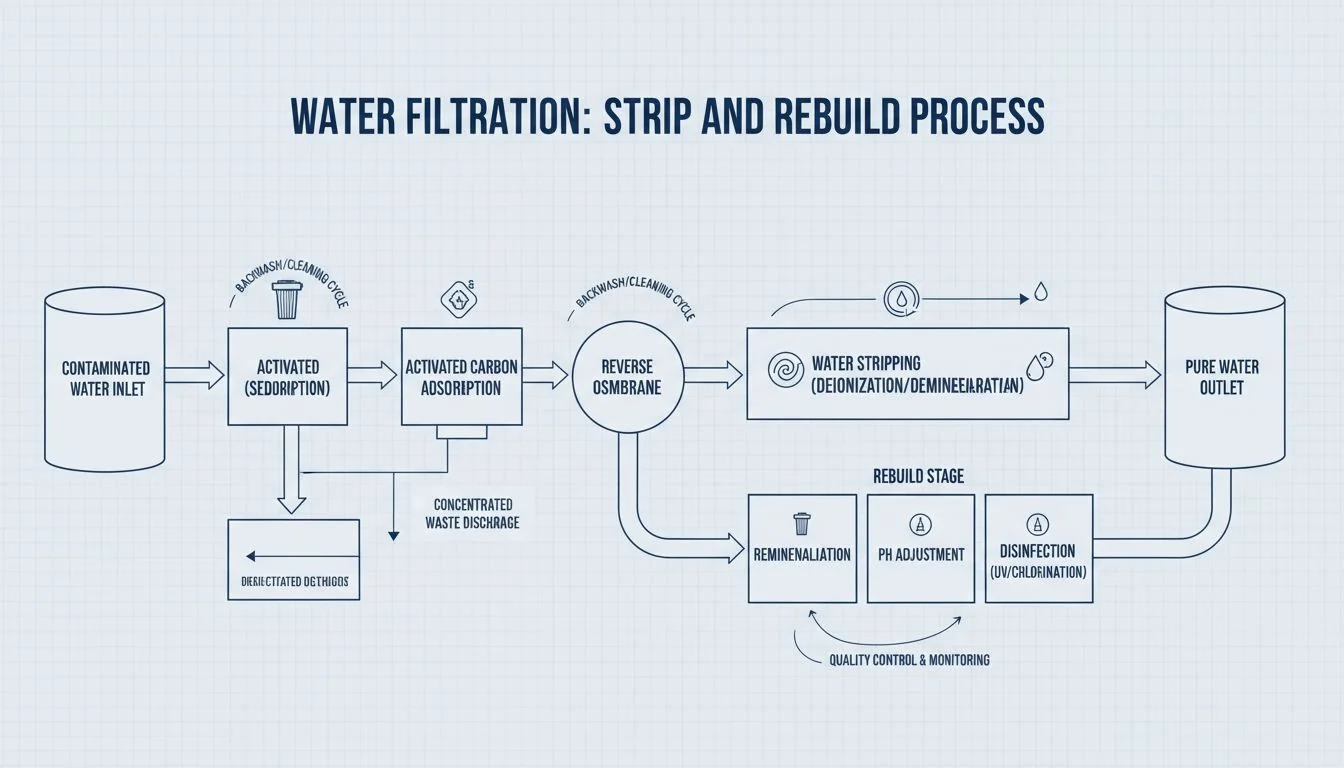
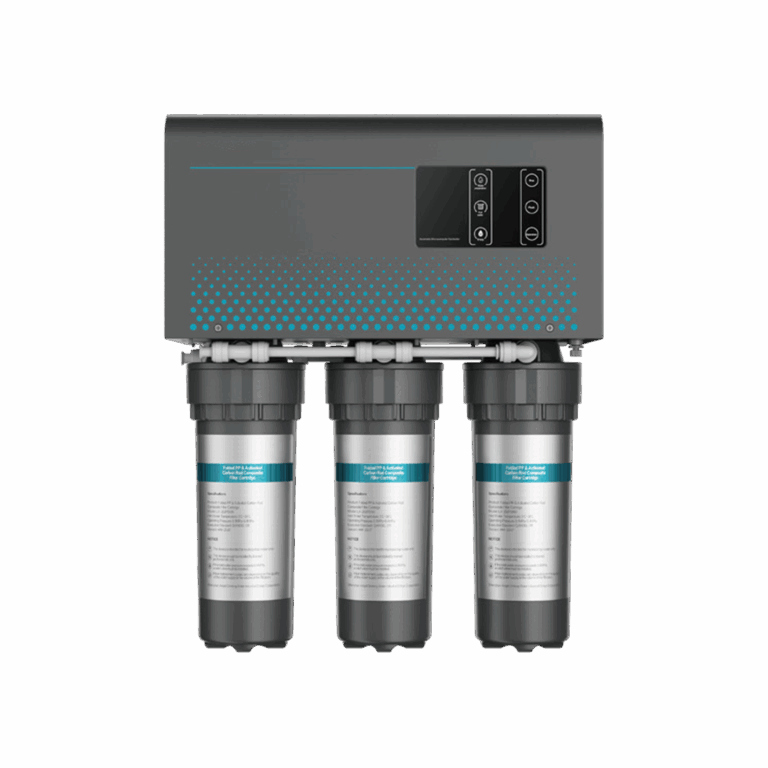
The "Strip and Rebuild7" method is a complete lifecycle. First, RO cleans the water. Next, UV polishes it. Finally, remineralization adds specific minerals back in. This justifies a higher cost because it engineers the perfect water profile.
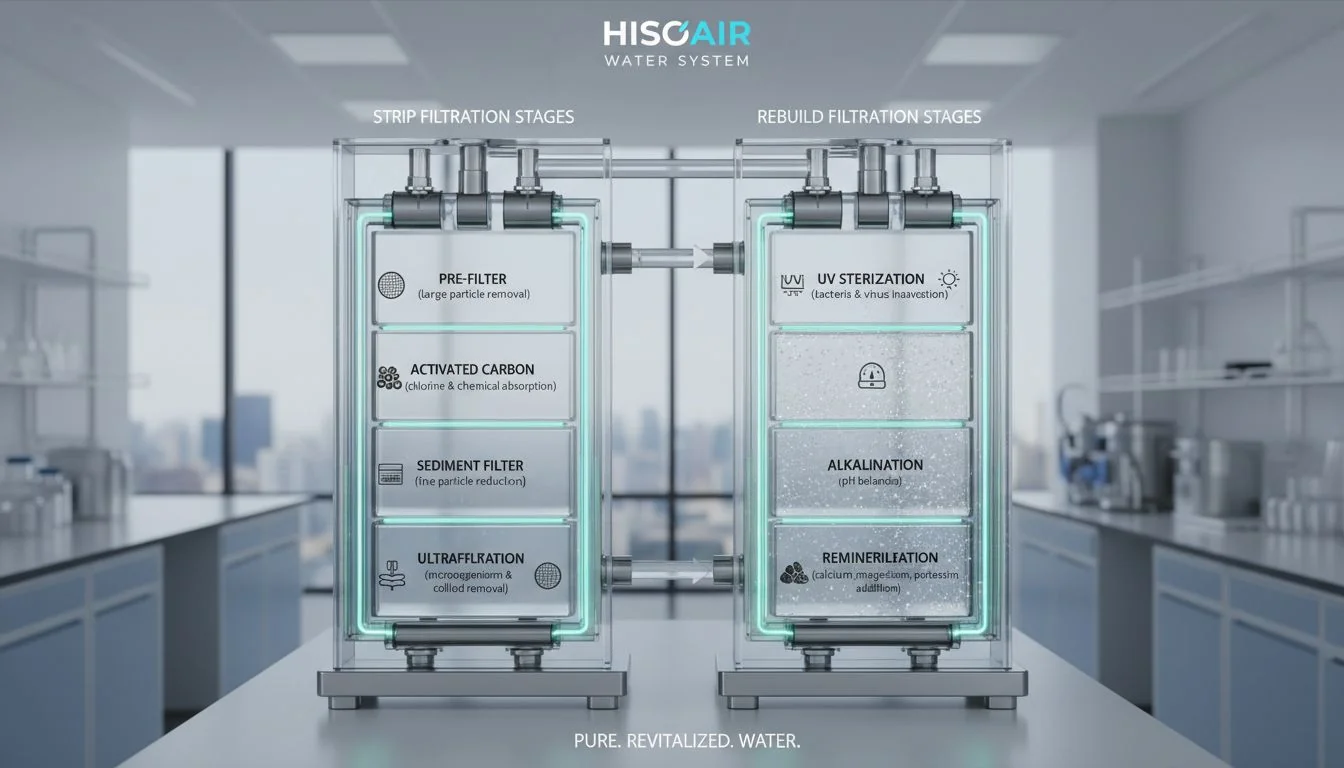
This brings me to the solution. I call it the "Strip and Rebuild" narrative. This is the logic used by advanced systems like those from Hisoair. It frames standard filters as incomplete. A standard filter just strips. A complete system rebuilds.
Think of it as a "Complete Lifecycle" for water.
Stage 1 is Cleaning. We use RO to strip everything out. We get that blank canvas.
Stage 2 is Polishing. We might use UV light to ensure absolute sterility.
Stage 3 is Enhancing. This is the magic step. We pass the water through mineral cartridges.
We add magnesium and calcium back in. But we do it with precision. We control the amount. This creates a consistent "Water Profile." This is why these systems cost more. You are not buying a strainer; you are buying a water processing plant. You are paying for the engineering that turns "Dead Water" back into "Living Water." It is a sophisticated approach that appeals to anyone who values high-performance design.
UV light removes minerals from water.偽
UV light is used to disinfect water by neutralizing bacteria and viruses; it does not remove dissolved solids.
Remineralization filters can adjust the taste of water.真
By adding specific minerals, the flavor profile of the water changes, usually becoming smoother and slightly sweet.
Does Water Chemistry Affect Flavor and Health?
A mold is only as good as the part it produces. Water is only as good as the coffee it brews or the health it supports.
Magnesium is essential for extracting flavor from coffee beans. "Dead water" results in flat coffee. Furthermore, adding minerals raises the pH to 7.5+, creating Alkaline Water8 which is highly sought after for health benefits.
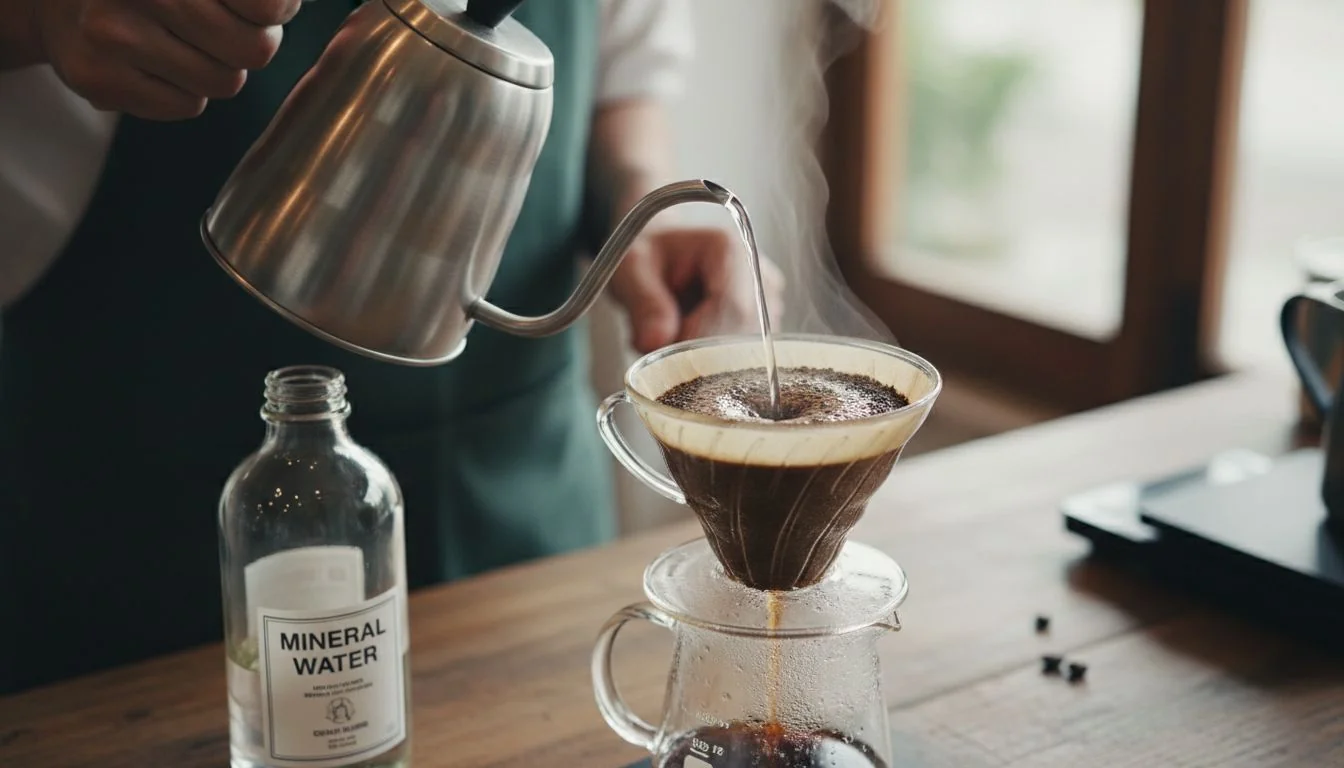
Let's look at the practical application. Why does this matter to a user like Jacky? Or to a coffee shop owner? It comes down to chemistry.
Take coffee, for example. Coffee beans contain flavor compounds. To get those flavors out, you need a solvent. Magnesium is particularly good at binding to these flavor compounds. If you brew coffee with "Dead Water," you get flat, bitter coffee. If you brew with remineralized water, you get rich, complex notes. This is the "Coffee & Tea" argument. These systems are the ultimate upgrade for coffee enthusiasts.
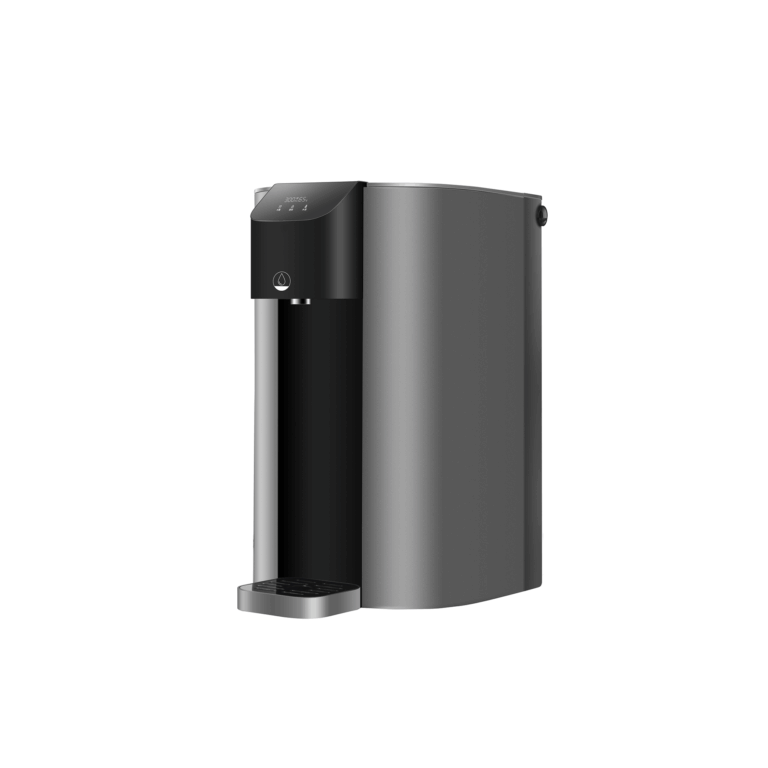
Then there is the health angle. By adding these minerals, we raise the pH to 7.5 or higher. We create "Alkaline Water." This is a massive search term right now. People want alkaline water for balance. By positioning a system as an "Alkaline Water Machine," we move it out of the commodity filter market and into the premium health market. We are acting as "Water Sommeliers." We are not just removing dirt; we are crafting the taste and mouthfeel.
Hard water with high mineral content is bad for coffee machines.真
While minerals help taste, excessive scale buildup from very hard water can damage heating elements.
Magnesium aids in the extraction of fruity notes in coffee.真
Magnesium ions bind to specific organic acids in coffee, enhancing sweetness and fruity flavors.
結論
The best water is engineered, not just filtered. By using a "Strip and Rebuild" approach, we combine the safety of RO with the health and taste benefits of mineral retention.
References
-
Understanding Reverse Osmosis is crucial for anyone interested in advanced water filtration technologies. ↩
-
Explore the relationship between water chemistry and its effects on beverages and health. ↩
-
Learn about TDS to understand the balance of minerals in your drinking water. ↩
-
Explore the significance of mineral retention for taste and health in water. ↩
-
Uncover the drawbacks of Dead Water and its impact on hydration. ↩
-
Discover the concept of Living Water and its advantages for hydration and wellness. ↩
-
Understand the innovative Strip and Rebuild method for creating optimal water quality. ↩
-
Find out why Alkaline Water is gaining popularity and its potential health benefits. ↩


 English
  Français
  Español
  Italiano
  Deutsch
  Português
  Русский
  العربية
  日本語
日本語  한국어
한국어  Tiếng Việt

