
Remote water systems often fail. Local operators struggle with complex equipment. We can fix this. Good product design makes daily tasks much easier for these workers.
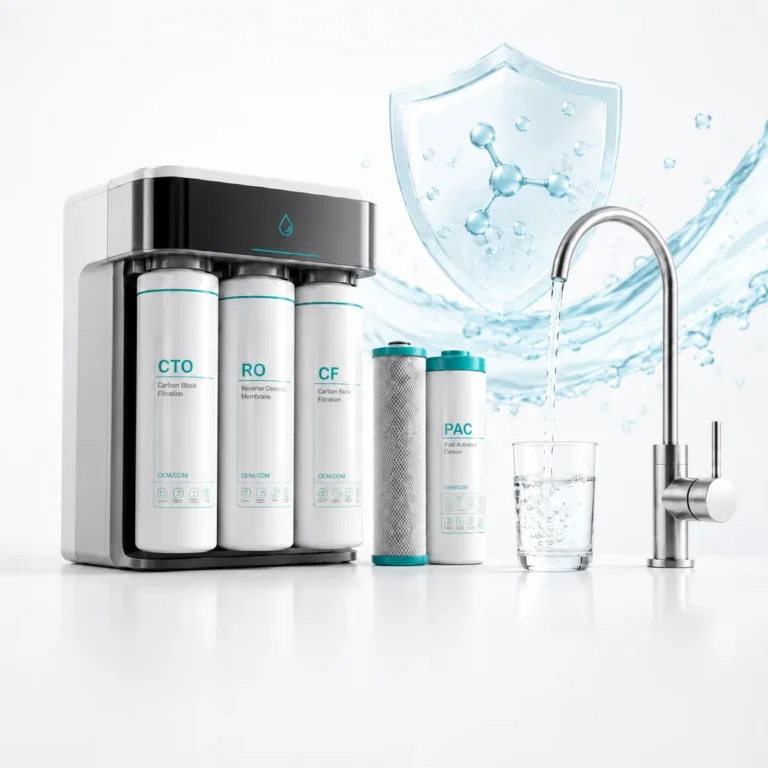
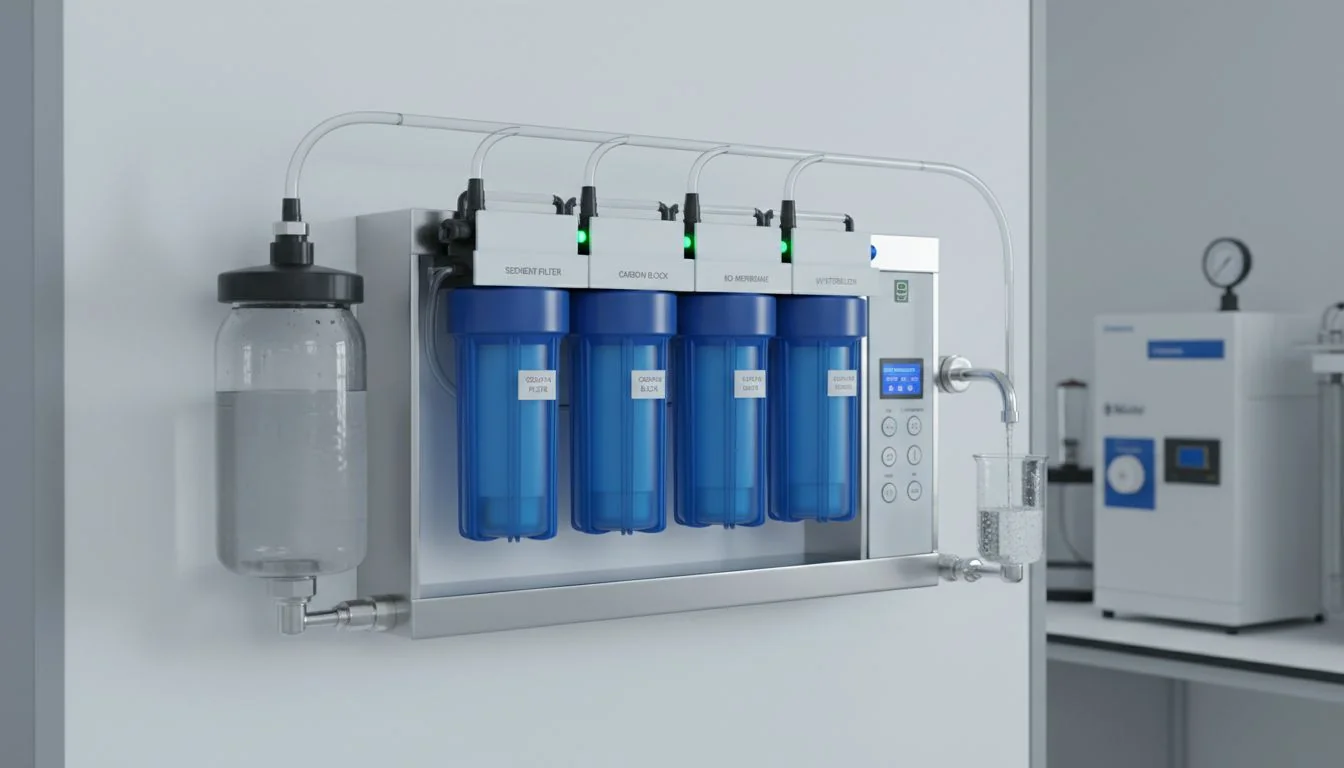
modular filtration1 reduces operator burden by using low-maintenance plastic housings, easy cartridge replacements, and clear visual alerts. As product designers, we must focus on reducing day-to-day maintenance complexity rather than promising unsupervised operation.
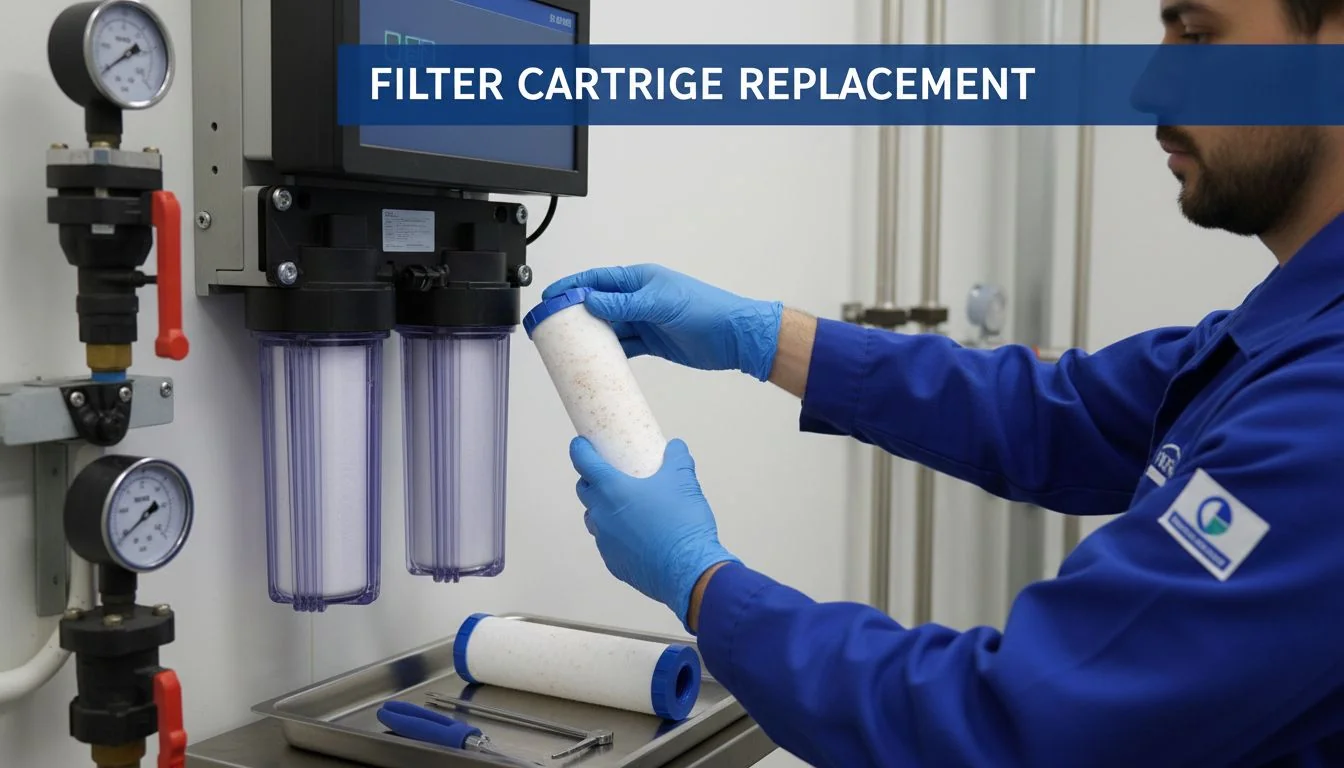
I remember a project from my early days in the mold factory. A client wanted a complex water filter housing. The design was a nightmare to open. The end users hated it. I realized then that our design choices directly impact the people working in the field. Let us explore how we can design better systems.
Modular filtration systems can guarantee perfect water quality without any human supervision.偽
No system runs completely without supervision. We can only reduce day-to-day maintenance complexity.
Good product design can significantly lower the daily workload of remote water system operators.真
Easy-to-use components and clear alerts make daily tasks much faster and simpler.
Why Is Operator Burden a Core Constraint in Remote Systems?
Remote communities lack trained engineers. Complex machines break down and stay broken. We must make long-term operator burden2 our main focus when we design these products.
Operator burden is the main limit for remote systems because local workers have limited technical training. If a system requires constant adjustments, it will fail. We must design parts that are simple to handle and easy to understand.
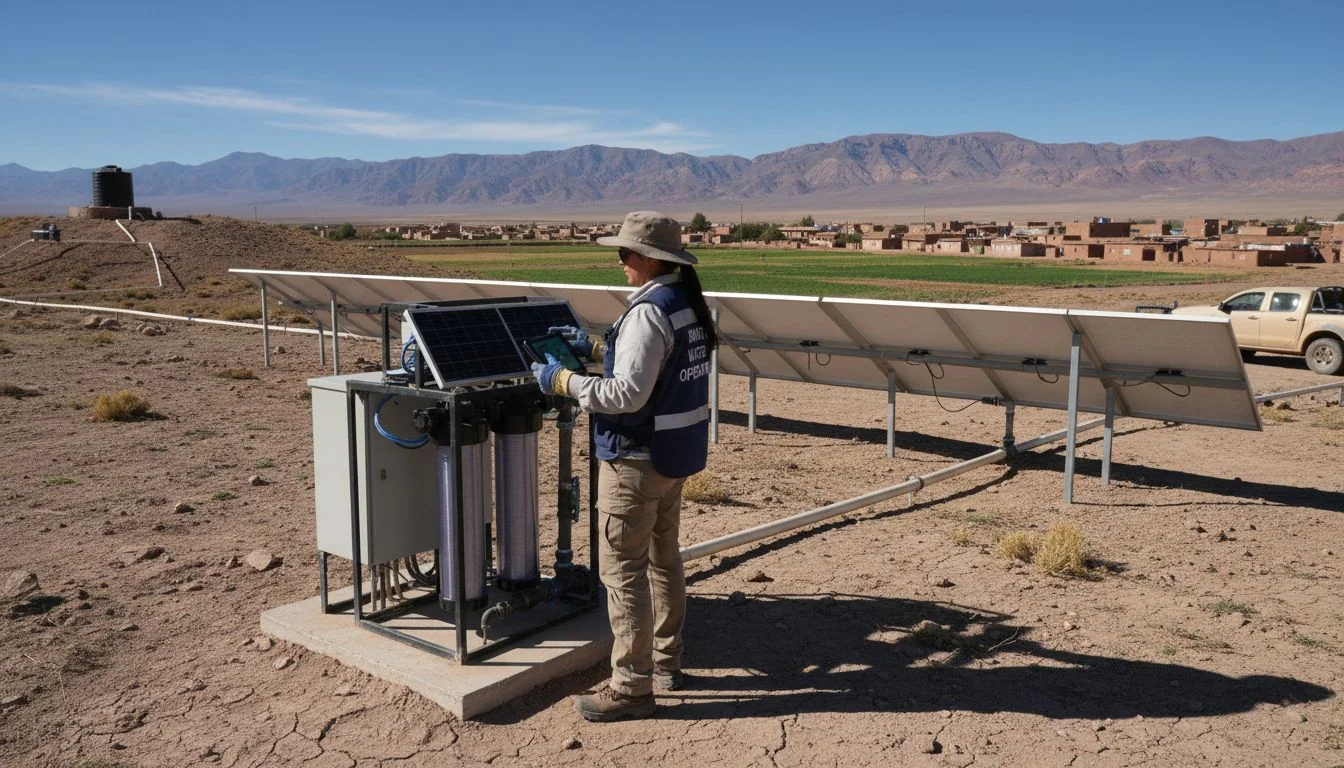
The Reality of Remote Operations
I often tell my clients that a great mold design is useless if the final product is too hard to use. In remote water treatment, the operator is usually a local community member. They are not a trained engineer. They have other jobs. If our plastic filter housings require special tools to open, the operator will struggle.
We must think about the physical effort. A large, heavy filter casing is hard to lift. If we design modular, smaller components, the operator can handle them easily. We also need to think about part tolerances. Jacky, you know how important this is. If our mold shrinkage calculations are wrong, the parts will stick together. The operator will have to force them apart. This causes frustration and breaks the equipment.
Here is a breakdown of common operator constraints:
| Constraint | Impact on System | Design Solution |
|---|---|---|
| Lack of special tools | Maintenance gets delayed | Tool-free snap fits and threaded caps |
| Limited time | Daily checks are skipped | Clear visual indicators on the housing |
| Physical strength limits | Heavy parts are dropped | Lightweight, modular plastic components |
We must design for the user. We must make their job as easy as possible.
Remote water systems usually have highly trained engineers on site every day.偽
Remote systems rely on local community members who have limited technical training.
Accurate mold shrinkage calculations help create parts that are easier for operators to take apart.真
Good tolerances prevent parts from sticking, making maintenance much easier.
What Design Features Lower Day-to-Day Operator Workload?
Daily maintenance takes too much time. Operators get tired and make mistakes. We can use smart design features to make these daily tasks fast and simple.
Design features like tool-free access3, color-coded parts, and ergonomic grips lower the daily workload. When we design molds for these systems, we must include these features. This reduces the time and effort needed for basic maintenance.
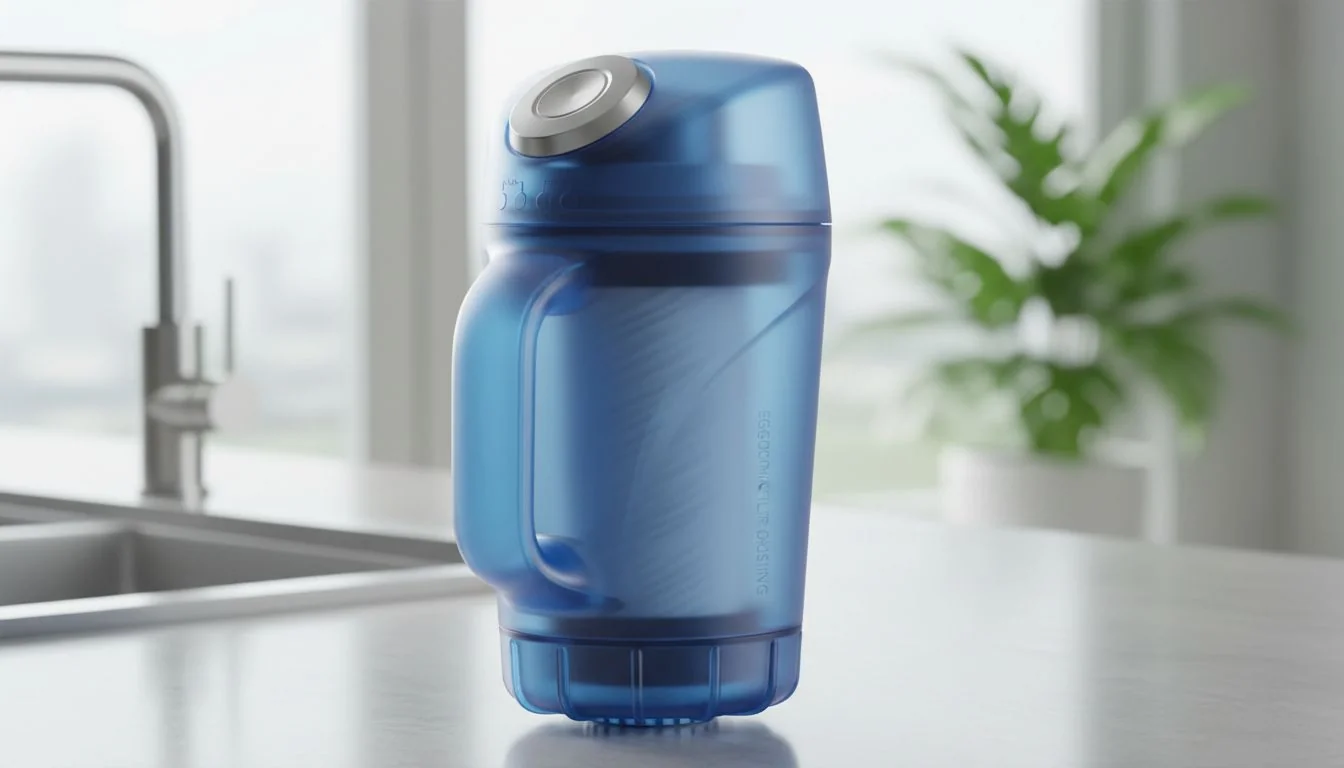
Designing for Simplicity
When Jacky and I discuss product design, we always talk about user experience. For water systems, the user experience is the maintenance process. We need to focus on low-maintenance design.
First, we should use tool-free access. I once designed a mold for a threaded cap with large, textured grips. The operator could open it with wet hands. No wrenches were needed. This small change saved the operator ten minutes every day.
Second, we can use color-coding. We can mold different parts in different colors. A red cap means "do not touch." A green lever means "pull here to flush." This visual language removes confusion.
Third, we must ensure easy cartridge replacement. The internal ribs of the housing must guide the cartridge into place. If the cartridge goes in crooked, it will leak. Good mold design ensures the cartridge aligns perfectly every time.
| Design Feature | Benefit to Operator | Mold Design Consideration |
|---|---|---|
| Textured grips | Easy to open with wet hands | Add deep textures to the mold cavity |
| color-coded parts4 | Prevents operational mistakes | Use different color masterbatches for parts |
| Guide ribs | Fast and correct cartridge insertion | Design smooth draft angles on internal ribs |
These features directly reduce the daily burden on the operator.
Tool-free access features increase the time needed for daily maintenance.偽
Tool-free access makes maintenance faster because operators do not need to find or use special tools.
Internal guide ribs in a filter housing help operators insert cartridges correctly.真
Guide ribs physically direct the cartridge into the correct position, preventing leaks.
How Do Remote Monitoring and Simplified Maintenance Approaches Work?
Operators cannot watch the system all day. Problems go unnoticed until the water stops. We need clear status alerts and remote monitoring5 to help them.
Remote monitoring uses sensors to track system health. It sends alerts when pressure drops. Simplified maintenance pairs these alerts with clear physical designs. This tells the operator exactly what to do and when to do it.
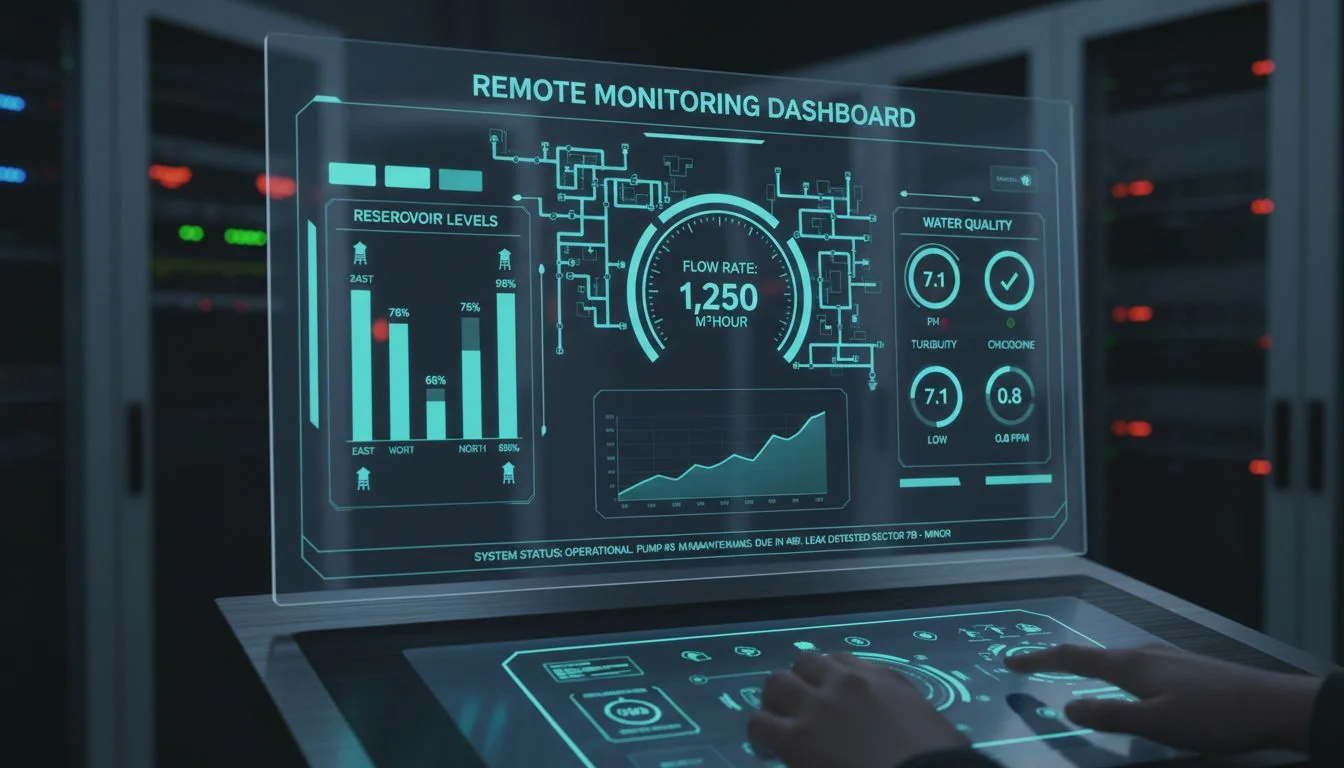
Connecting Digital Alerts to Physical Design
Remote monitoring is great. But it must connect to the physical product. If a sensor says "Filter 2 is clogged," the operator must easily find Filter 2.
As product designers, we must integrate sensor mounts into our plastic housings. I always advise my clients to design secure, waterproof pockets for these sensors. If the sensor gets wet, the remote support fails.
We also need clear status alerts on the machine itself. We can design transparent windows in the plastic housing. This allows the operator to see the filter condition. We can also mold simple instructions directly onto the plastic surface. Paper labels peel off in wet environments. Molded text lasts forever.
When the remote support team calls the local operator, they need to speak the same language.
| Monitoring Feature | Physical Design Requirement | Why It Helps |
|---|---|---|
| Pressure sensors | Molded sensor ports with O-rings | Warns of clogs before they stop water flow |
| Visual status checks | Transparent plastic viewing windows | Allows quick daily checks without opening |
| Permanent instructions | Embossed text on the mold | Ensures instructions never wash away |
This approach makes remote support highly effective.
Paper labels are the best way to provide instructions on wet water filtration equipment.偽
Paper labels peel off when wet. Embossed text molded into the plastic is much better.
Transparent viewing windows allow operators to check filter status without opening the housing.真
Clear plastic windows provide a quick visual check, saving time and effort.
How Should We Plan Filter Replacement and Consumables?
Running out of clean filters stops the whole system. Replacing them is often messy. We must design for easy cartridge replacement and simple spare-parts management.
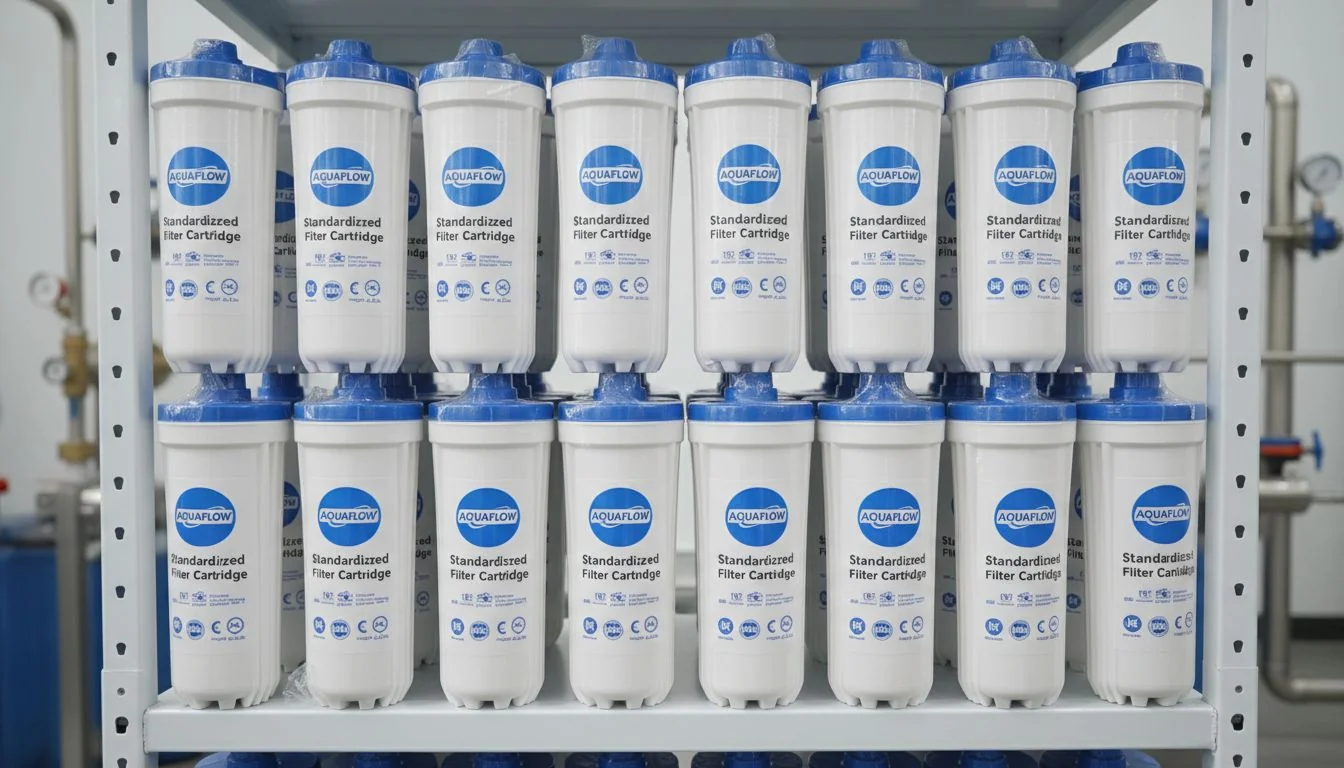
We plan filter replacements by designing modular, standardized cartridges6. This reduces the number of different spare parts needed. Easy cartridge replacement means the operator can swap the filter quickly without spilling water.
Standardizing Consumables
Spare-parts availability is a huge problem in remote areas. If a system uses ten different filter sizes, the community will eventually run out of one.
I learned this when trading CNC parts. Standardization saves money and time. We should design modular systems that use the exact same cartridge size for different filtration stages. The operator only needs to stock one type of physical cartridge.
We must also design the housing to minimize mess during replacement. When the operator opens the housing, water should drain away safely. We can design a small drain valve at the bottom of the plastic casing.
Here is how we plan for better consumable management:
| Planning Strategy | Design Action | Operator Benefit |
|---|---|---|
| Standardize sizes | Use one cartridge size for all stages | Simplifies inventory and ordering |
| Mess-free swapping | Add a molded drain port | Keeps the work area clean and safe |
| Foolproof fitting | Use asymmetrical connection points | Prevents putting the filter in backwards |
By focusing on these details, we make the operator's job much less stressful.
Using many different sizes of filter cartridges makes inventory management easier for remote communities.偽
Multiple sizes complicate inventory. Standardizing to one size makes stocking spare parts much easier.
An asymmetrical connection point ensures the operator cannot install the filter backwards.真
Asymmetrical designs only fit together one way, preventing installation errors.
What Are the Training and Support Considerations for Local Operators?
Training takes time and money. Operators forget complex steps. We must design systems that are so intuitive that they require very little training.
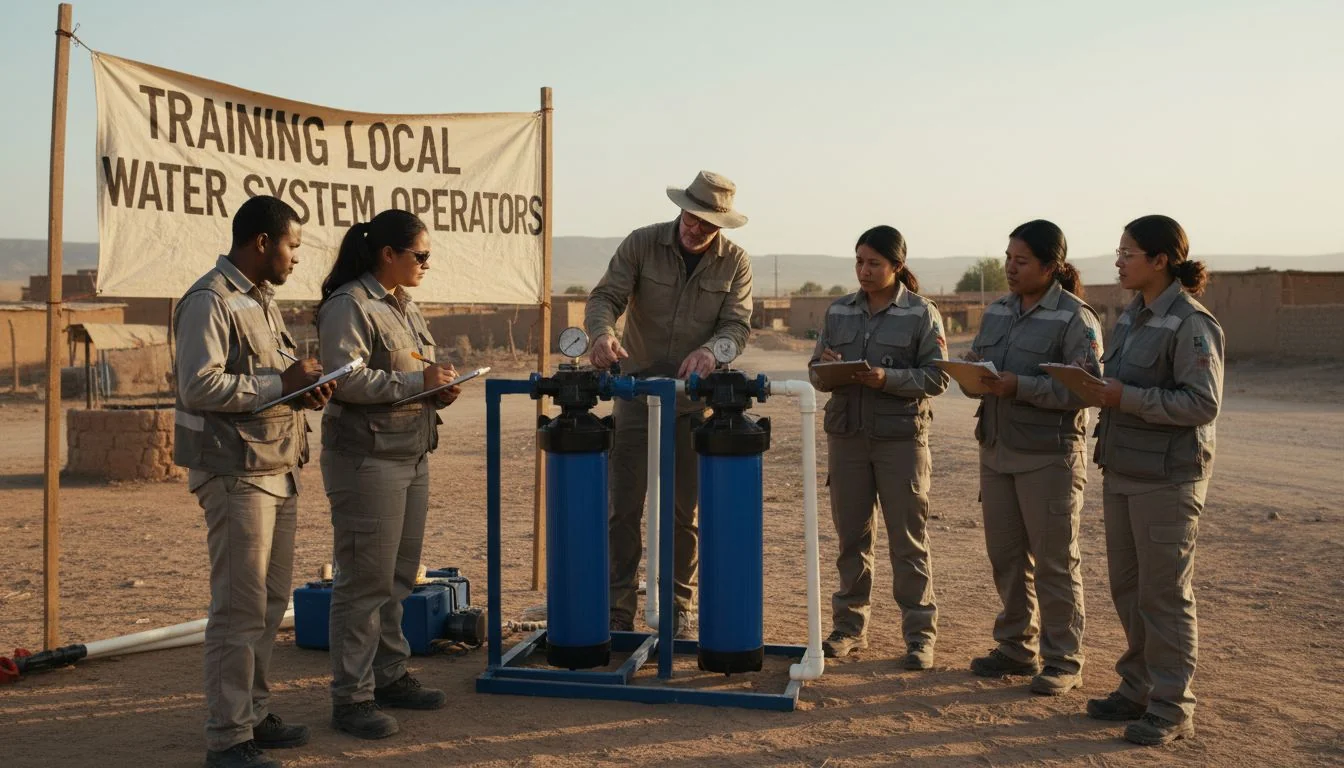
We support local operators by designing intuitive products. If the physical design guides the user, they need less training. We must also ensure remote support teams have access to the same visual references.
Intuitive Design Replaces Complex Training
You cannot send a trainer to a remote village every month. The product itself must be the teacher.
In mold design, we use a concept called mistake-proofing7. We must apply this to water systems. If a valve should only turn 90 degrees, we mold a hard physical stop into the plastic. The operator cannot turn it too far. They do not need a manual to tell them when to stop. The product tells them.
I always tell designers like Jacky to think about the worst-case scenario. What if the operator has never seen this machine before?
We can also mold QR codes directly into the plastic parts. The operator can scan the code with a phone to watch a quick video.
| Support Method | Design Implementation | Result |
|---|---|---|
| Mistake-proofing | Molded physical stops on valves | Prevents breaking parts by over-turning |
| Instant help | Molded QR codes linking to videos | Provides immediate, visual training on site |
| Visual alignment | Matching arrows on caps and bodies | Shows exactly how parts should align |
Good design drastically reduces the need for constant retraining.
Molding physical stops into plastic valves prevents operators from turning them too far.真
Physical stops provide a hard limit, making it impossible to over-turn and break the valve.
Complex written manuals are the best way to train operators in remote villages.偽
Intuitive design and visual aids like videos are much more effective than complex written manuals.
How Do We Specify Low-Burden Systems in Project Requirements?
Buyers often focus only on water output. They forget about the operator. We must include specific low-burden design requirements in every new project contract.
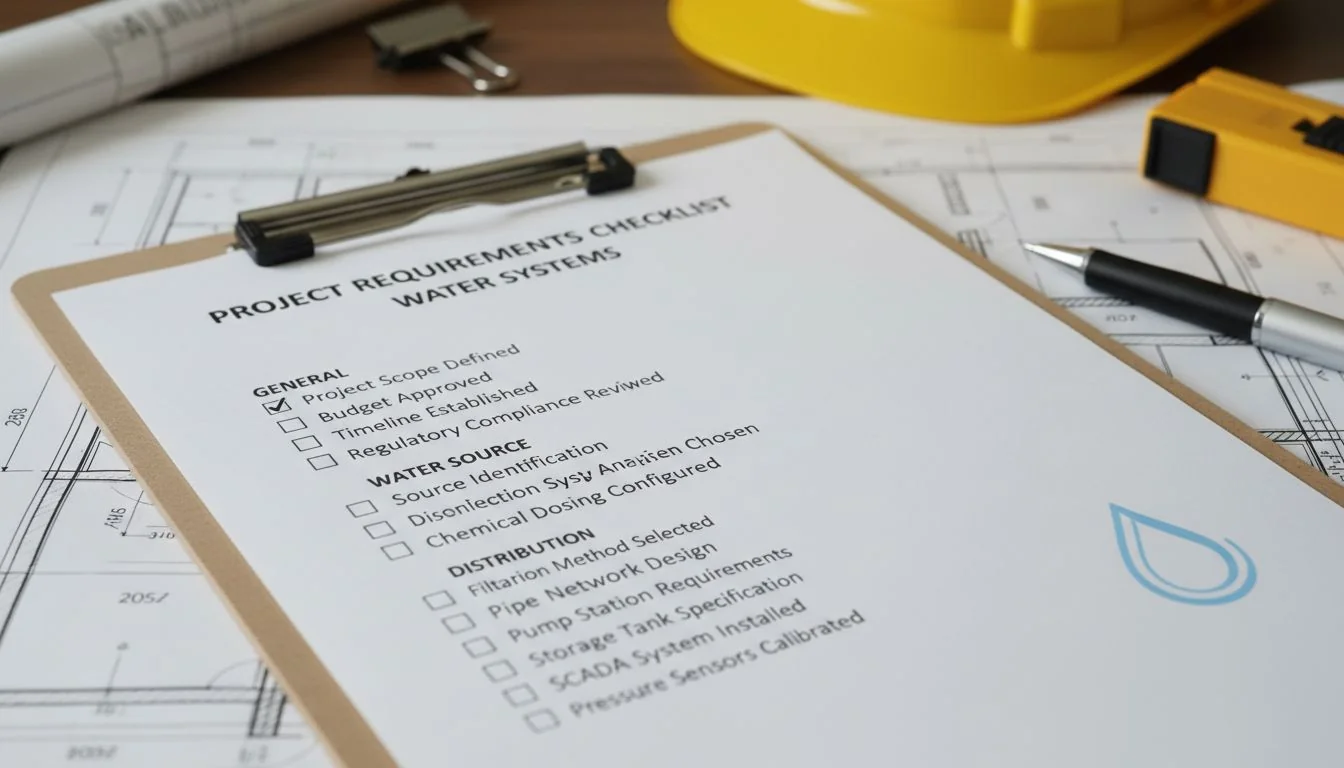
We specify low-burden systems by creating a product design checklist. This checklist helps buyers compare real maintenance requirements. It forces manufacturers to prove that their systems are easy to use.
The Product Design Checklist
When you write project requirements, you must demand low-maintenance design. You cannot just ask for good water. You must ask for easy operation.
I have helped many clients draft manufacturing requirements. If you do not specify the details, the factory will make the cheapest, most complex design. You must demand easy cartridge replacement. You must demand clear status alerts. You must demand spare-parts availability.
Here is a product design checklist you can use to compare systems:
| Requirement | What to Look For | Why It Matters |
|---|---|---|
| Tool-free maintenance | Can I change the filter with bare hands? | Reduces daily operator burden |
| Standardized parts | Do all stages use the same cartridge? | Simplifies spare-parts availability |
| Mistake-proof assembly | Is it impossible to put parts in backwards? | Prevents critical system failures |
| Permanent instructions | Are instructions molded into the plastic? | Ensures guidance is always available |
Use this checklist. It will help you choose a system that truly reduces day-to-day maintenance complexity.
Buyers should only focus on the water output volume when choosing a remote water system.偽
Buyers must also focus on maintenance requirements to ensure the system survives long-term.
A product design checklist helps buyers compare the real maintenance needs of different systems.真
A checklist forces buyers to look at specific features that affect the daily workload of the operator.
結論
Modular filtration reduces operator burden through smart, intuitive product design. By focusing on easy maintenance and standardized parts, we ensure remote water systems succeed long-term.
References
-
Explore how modular filtration can simplify maintenance and improve water quality. ↩
-
Learn strategies to alleviate the challenges faced by operators in remote areas. ↩
-
Discover how tool-free access can enhance user experience and reduce maintenance time. ↩
-
Find out how color-coding can prevent mistakes and streamline processes. ↩
-
Investigate the role of remote monitoring in maintaining system health and efficiency. ↩
-
Understand how standardization can simplify inventory management and reduce costs. ↩
-
Learn how mistake-proofing can prevent errors and improve user safety. ↩


 English
  Français
  Español
  Italiano
  Deutsch
  Português
  Русский
  العربية
  日本語
日本語  한국어
한국어  Tiếng Việt

