
Indoor air quality has become a critical concern for health-conscious individuals and businesses alike. With people spending approximately 90% of their time indoors, the air we breathe inside our homes and workplaces significantly impacts our overall health and wellbeing. According to the U.S. Environmental Protection Agency, indoor air can be 2-5 times more polluted than outdoor air, making effective air purification essential. Air purifiers are vital tools for removing airborne contaminants, but their effectiveness largely depends on strategic placement. This comprehensive guide explores the optimal locations for air purifiers to maximize their performance and improve your indoor air quality.
Does Placement Really Matter?
The location of your air purifier significantly impacts its efficiency. According to environmental studies, proper placement ensures maximum air circulation, allowing the device to capture more pollutants while consuming less energy. Conversely, poor placement can reduce effectiveness by up to 50%, regardless of the purifier's quality or price point.
HisoAir's high-performance air purifiers feature advanced filtration systems that can remove allergens, pathogens, particulate matter, and gaseous substances. With over 20 years of expertise in air quality solutions, HisoAir has developed purifiers that combine maximum purification with minimum noise. However, even the most sophisticated air purifier requires strategic placement to deliver optimal results.
Understanding Air Purifier Technology
Before diving into placement strategies, it's important to understand how air purifiers work:
Filtration Systems
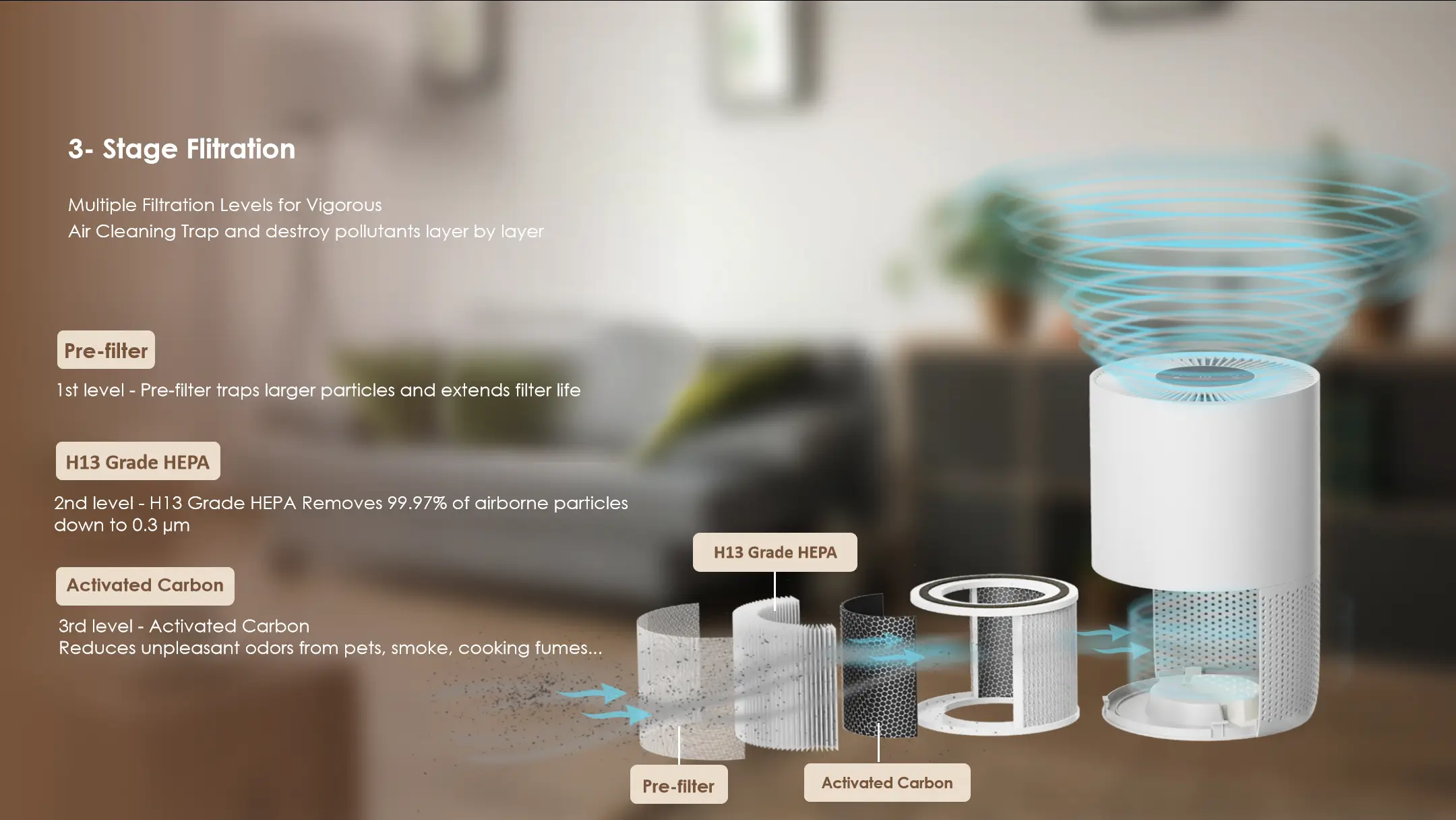
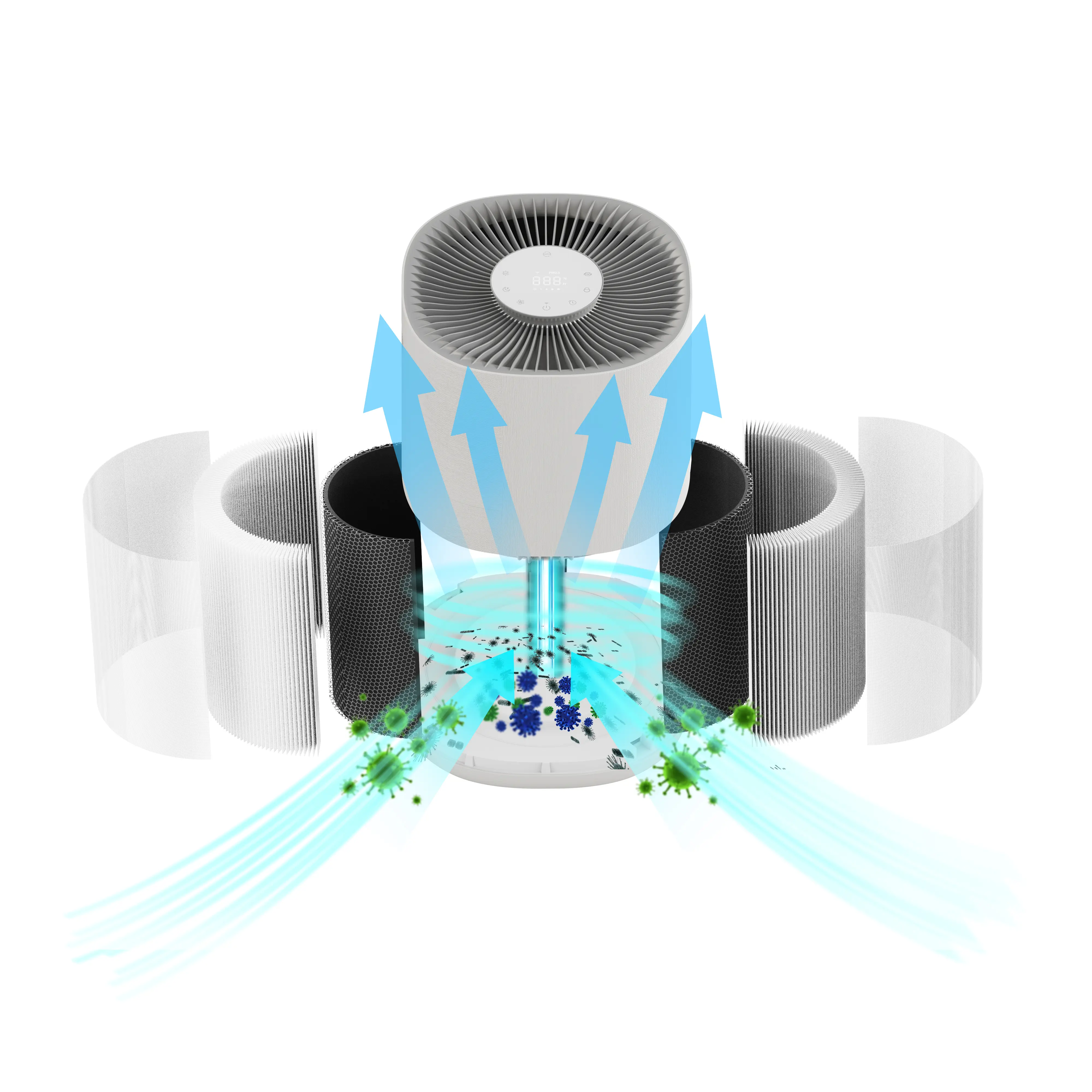
Most modern air purifiers utilize a multi-stage filtration process:
- プレフィルター: Captures larger particles like hair and dust
- HEPAフィルター: Removes 99.97% of particles as small as 0.3 microns
- 活性炭フィルター: Absorbs odors, gases, and VOCs
- Optional Technologies: UV-C light, ionizers, or photocatalytic oxidation for additional purification
HisoAir's purifiers incorporate True HEPA technology combined with activated carbon filters, ensuring comprehensive removal of both particulate matter and gaseous pollutants. Their proprietary Decibel Cancellation™ Technology allows for powerful purification without the noise typically associated with high-performance units.
HisoAir HA1702 Air Purifier
The Evolution of Air Purification Technology
Air purification technology has evolved significantly over the past decades:
First Generation (1950s-1970s): Simple mechanical filters with limited effectiveness
Second Generation (1980s-1990s): Introduction of HEPA technology for residential use
Third Generation (2000s-2010s): Multi-stage filtration with activated carbon
Fourth Generation (2010s-Present): Smart, connected purifiers with sensors and IoT capabilities
As a contributor to national air purifier standards, HisoAir has been at the forefront of this evolution, particularly in developing quieter, more energy-efficient models without sacrificing purification power.
Key Factors That Determine Ideal Placement
Before deciding where to place your air purifier, consider these critical factors:
1. Room Size vs. Purifier Capacity
Match your air purifier's Clean Air Delivery Rate (CADR) to the room size. Using a small purifier in a large space or vice versa wastes energy and reduces effectiveness.
| 部屋の大きさ | Recommended CADR | Air Changes Per Hour |
|---|---|---|
| 小型(200平方フィートまで) | 100-200 | 4-5 |
| ミディアム(200~400平方フィート) | 200-300 | 3-4 |
| Large (400-600 sq ft) | 300+ | 2-3 |
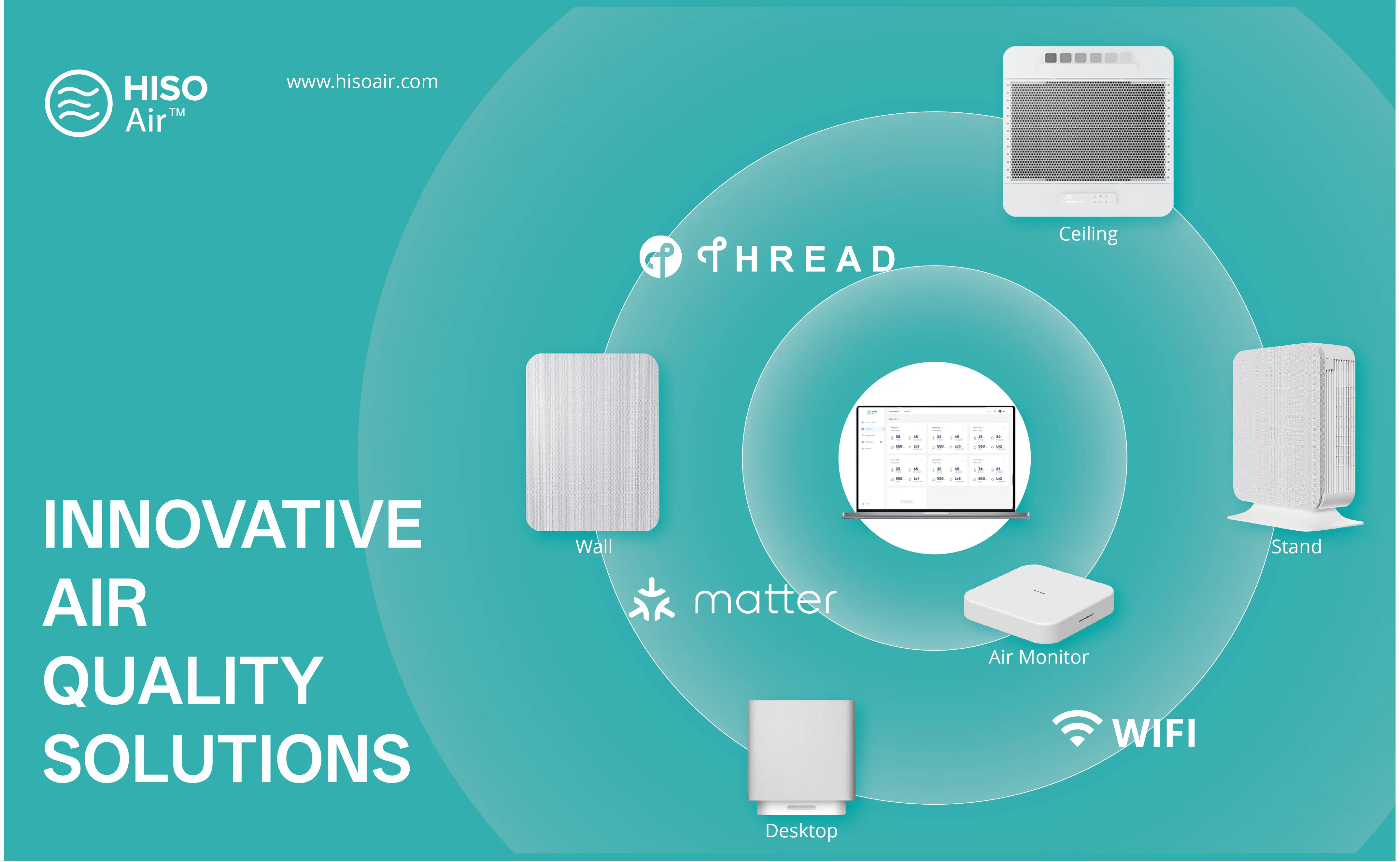
HisoAir offers various models to accommodate different room sizes:
- Desktop models with CADR up to 120m³/h for personal spaces
- Standing models with CADR up to 380m³/h for medium-sized rooms
- Ceiling models with CADR up to 700m³/h for large spaces up to 80m²
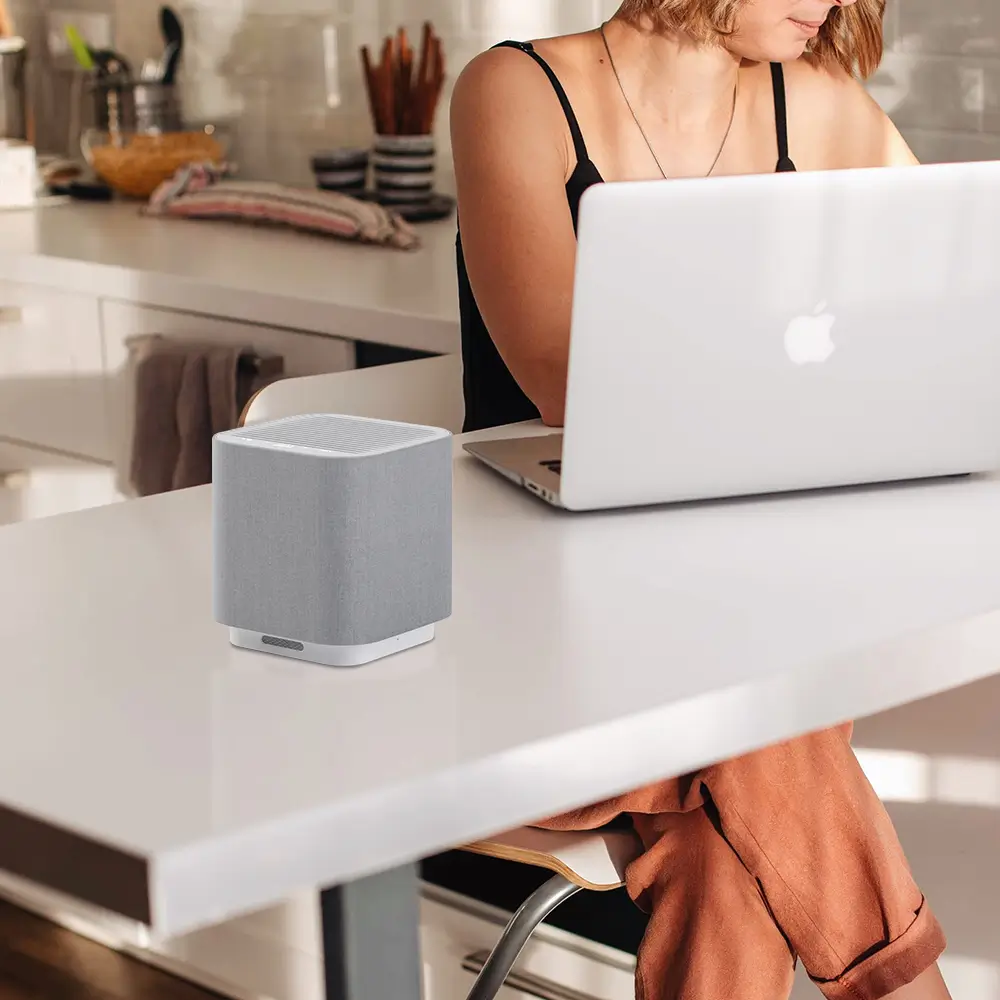
HisoAir HA100D Desktop Air Purifier
2. Air Circulation Patterns
Position your purifier where air naturally flows to maximize coverage:
- Consider the path air takes through your space
- Account for HVAC vents, fans, and natural drafts
- Avoid "dead zones" where air remains stagnant
Air Mapping Technology: HisoAir's commercial solutions include air mapping services that analyze airflow patterns in specific environments to determine optimal purifier placement. This service has been particularly valuable for healthcare facilities and commercial spaces where air quality is critical.
3. Pollution Sources
Identify and target specific pollution sources in your space:
- Cooking areas (particulates and odors)
- Pet areas (dander and odors)
- Entry points (outdoor pollutants)
- Bathrooms (moisture and mold spores)
Pollution Source Analysis: Different pollutants require different filtration approaches. HisoAir's 8-sensor technology can detect and differentiate between various contaminants, adjusting filtration parameters accordingly.
4. Noise Considerations
Balance performance with noise levels, especially in bedrooms or quiet spaces:
- Most air purifiers produce 30-70 decibels of noise
- HisoAir's Decibel Cancellation™ Technology reduces operational noise while maintaining high performance
- Consider night mode features for sleeping areas
Noise Reduction Innovation: Traditional air purifiers face a trade-off between power and noise. HisoAir's engineering team spent three years developing their proprietary noise reduction technology, resulting in purifiers that operate at just 22dB on low settings—quieter than a whispered conversation.
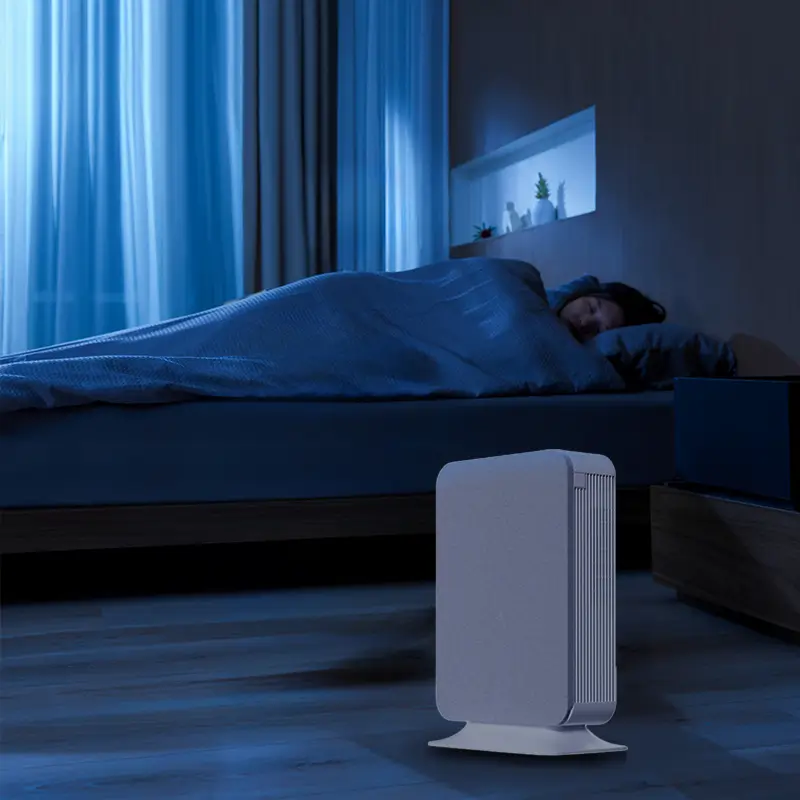
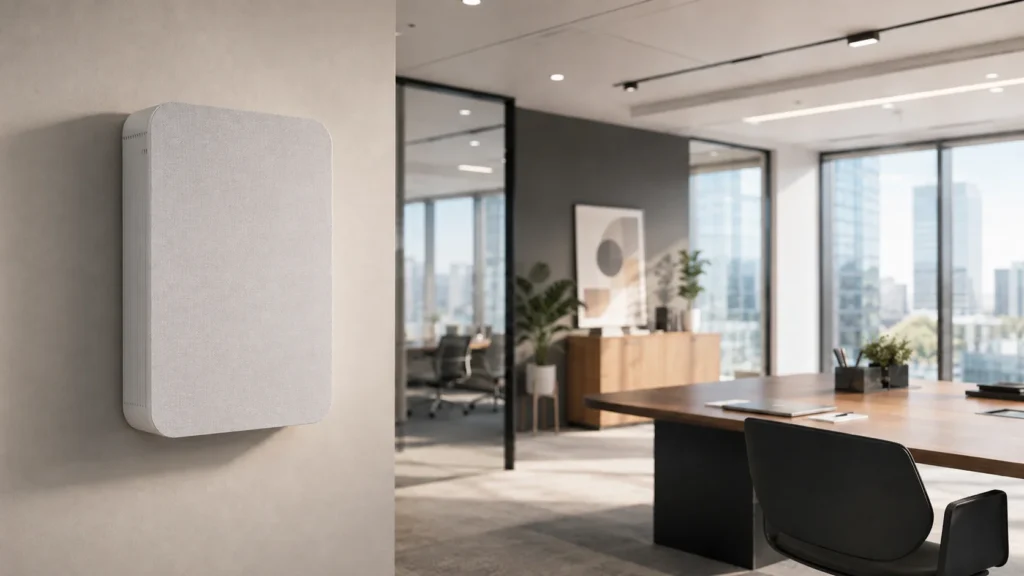
HisoAir HA380 Standing & Wall-Mounted Air Purifier
Essential Placement Rules for Maximum Efficiency
1. Avoid Obstructions and Tight Spaces
Corners and places with obstructions significantly hinder an air purifier's performance. For optimal airflow:
- Maintain at least 3-4 feet of clear space around all sides
- Keep away from furniture, walls, and other obstacles
- Never place behind curtains, under tables, or in enclosed spaces
- The more space available, the more efficient the air purification
Technical Explanation: Air purifiers draw in air from all directions (or specific intake points on some models). When obstructions block these intake paths, the volume of air processed decreases dramatically, forcing the purifier to work harder while cleaning less air.
Airflow Visualization Study: In a 2023 study conducted in HisoAir's CNAS-approved laboratory, smoke tests visually demonstrated how obstructions created "shadow zones" where air circulation was minimal, reducing overall purification efficiency by up to 63% in worst-case scenarios.
2. Position Near Pollution Sources
Place your air purifier strategically to intercept pollutants before they spread:
- Near doorways and windows to capture incoming outdoor pollutants
- In rooms with pets to manage dander and odors
- Near kitchens to address cooking fumes and odors
- In bedrooms to reduce dust mites and allergens while sleeping
ケーススタディ: In a HisoAir test environment, placing an air purifier near a doorway reduced the infiltration of outdoor pollutants by up to 60% compared to central room placement. This strategic positioning created a "clean air barrier" that filtered contaminants before they could disperse throughout the space.
Real-World Application: During the 2020 wildfire season in California, HisoAir customers reported significantly better indoor air quality when units were positioned near windows and doors, creating a first line of defense against smoke infiltration.
3. Consider Room Size and Purifier Coverage
Follow these guidelines for optimal sizing:
- Don't use a large air purifier for a small room (wastes energy)
- Don't use a small desktop air purifier for a large room (ineffective)
- For open floor plans, position the purifier in central, high-traffic areas
- For multi-level homes, place at least one purifier on each floor
Energy Efficiency Insight: Matching purifier size to room dimensions can reduce energy consumption by 20-30%. HisoAir's smart purifiers automatically adjust fan speed based on detected pollution levels, further optimizing energy usage while maintaining air quality.
Coverage Calculation: To determine if your purifier is adequately sized for your space, multiply the room's square footage by the ceiling height to get cubic footage. Your purifier's CADR should be able to process at least two-thirds of this volume per hour for effective purification.
4. Keep Away from Electronics
Air purifiers, especially digital models, can cause interference with:
- Televisions and computer monitors
- WiFi routers and modems
- Radios and speakers
Maintain at least 5 feet of distance between your air purifier and electronic devices to prevent signal disruption and ensure both operate correctly.
Technical Explanation: The motors in air purifiers generate electromagnetic fields that can interfere with wireless signals and electronic displays. HisoAir's models incorporate EMI/RFI shielding to minimize this interference, but maintaining proper distance remains best practice.
Engineering Solution: HisoAir's newer models feature enhanced electromagnetic shielding and motor designs that reduce EMI/RFI emissions by up to 85% compared to industry standards, allowing for closer placement to sensitive electronics when necessary.
5. Avoid High-Humidity Areas
High humidity reduces air purifier effectiveness, particularly for HEPA filters. Avoid placing in:
- バスルーム
- Kitchens with poor ventilation
- Basements with moisture issues
In these locations, consider using a dehumidifier alongside your air purifier to maintain optimal performance. HisoAir offers 2-in-1 air purifier and dehumidifier models specifically designed for high-humidity environments, with dehumidification capacity up to 12L/h.
Scientific Insight: When relative humidity exceeds 80%, HEPA filter efficiency can decrease by up to 30%. The moisture causes particles to stick together and become heavier, making them more difficult to capture in the filter media.
Humidity-Resistant Technology: HisoAir's specialized models for high-humidity environments incorporate hydrophobic filter treatments that maintain efficiency even in challenging conditions. These models are particularly popular in tropical regions and industrial settings where moisture control is difficult.
6. Elevate for Better Results
Placing your air purifier at the right height improves performance:
- For capturing dust and heavier particles: position 3-5 feet off the ground
- For general air purification: central placement at breathing height
- For smoke and cooking odors: slightly higher placement to capture rising particles
Airflow Dynamics: Different pollutants behave differently in air. Dust and heavier particles tend to settle lower, while smoke and cooking odors rise. Understanding these dynamics helps optimize placement for specific concerns.
Vertical Stratification Study: Research conducted by HisoAir's R&D team found that indoor air pollutants can stratify at different heights depending on their molecular weight and temperature. Their ceiling-mounted models were specifically designed to address this phenomenon in spaces with high ceilings.
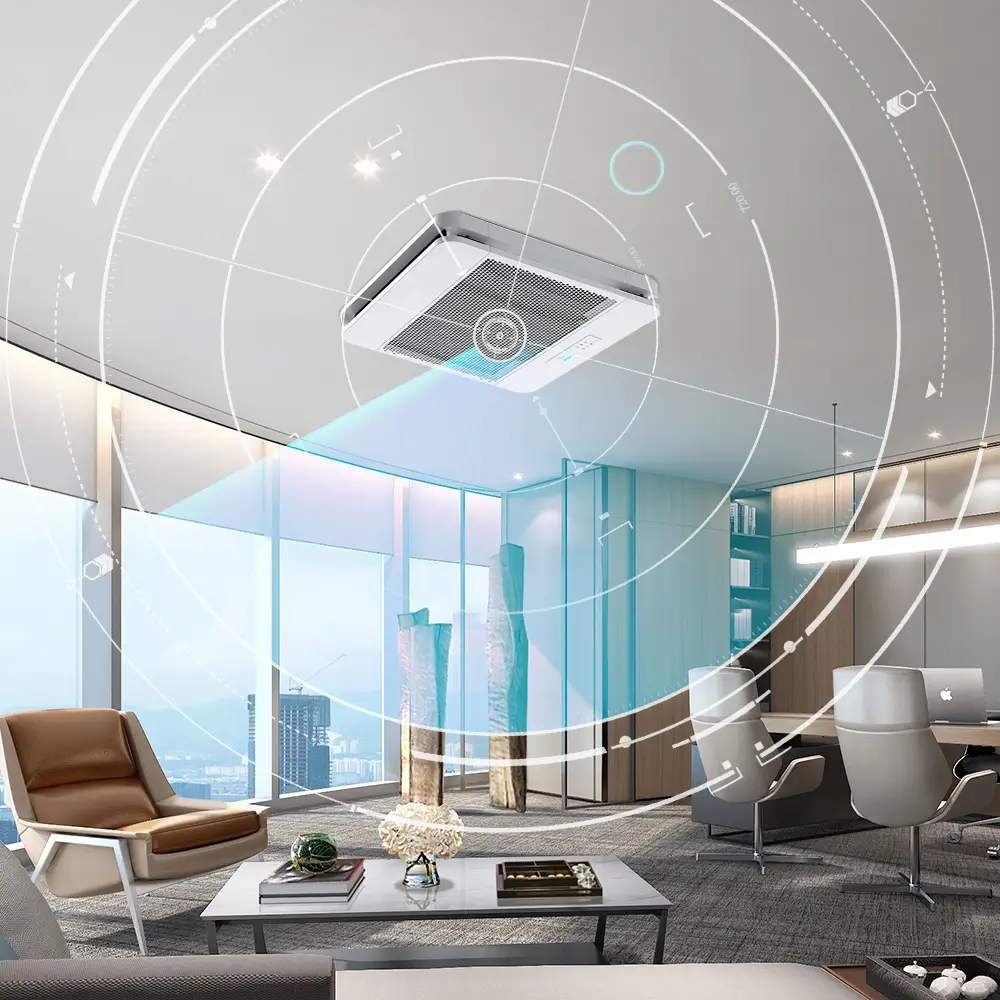
HisoAir HA800 Ceiling Air Purifier
Optimal Placement in Specific Environments
Home Settings
リビングルーム
- Central placement where people gather
- At least 3 feet from walls and furniture
- Away from TV and electronics
- Consider near windows if outdoor pollution is a concern
Recommended HisoAir Model: The HA380 wall-mounted and standing air purifier with CADR 380m³/h provides excellent coverage for living spaces while maintaining a stylish, unobtrusive presence.
Designer Insight: "We designed the HA380 with living spaces in mind, creating a unit that complements modern interiors while delivering powerful purification," explains HisoAir's lead industrial designer. "The 360° intake allows for flexible placement without compromising performance."
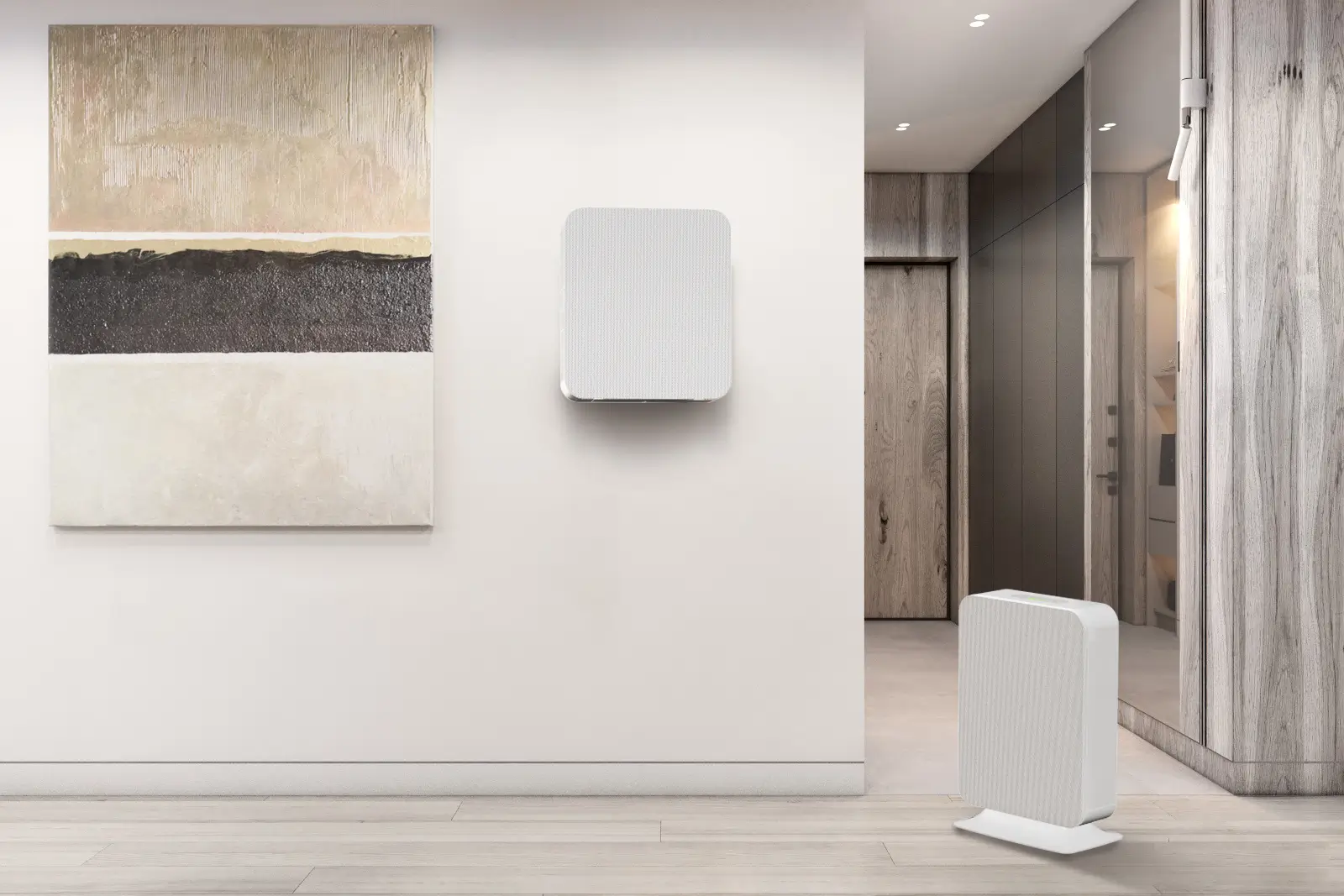
HisoAir HA380 Standing & Wall-Mounted Air Purifier
ベッドルーム
- 6-10 feet from the bed
- On a nightstand or dresser (for smaller units)
- Away from direct airflow that might cause discomfort
- HisoAir's quiet operation models are ideal for bedrooms, featuring Decibel Cancellation™ Technology for undisturbed sleep
Sleep Quality Enhancement: Studies show that using an air purifier in bedrooms can improve sleep quality by reducing allergens that cause nighttime congestion and respiratory irritation. HisoAir's night mode automatically reduces noise levels while maintaining effective filtration.
Customer Testimonial: "As someone with severe allergies, I've tried numerous air purifiers in my bedroom. The HisoAir HA1702 is the first one quiet enough that I can sleep undisturbed while still waking up congestion-free." - Sarah K., verified customer
Home Office
- Near your workspace but not directly beside computers
- Position to draw air away from printers and other office equipment that release particles
- Consider a desktop model like HisoAir's HA100D Pro with 8-sensor technology for personalized air quality monitoring
Productivity Impact: Research indicates that improved air quality can enhance cognitive function by up to 15%, making air purification an important consideration for home office environments.
Remote Work Revolution: Since 2020, HisoAir has seen a 300% increase in desktop purifier sales as more professionals work from home and seek to optimize their workspace air quality.
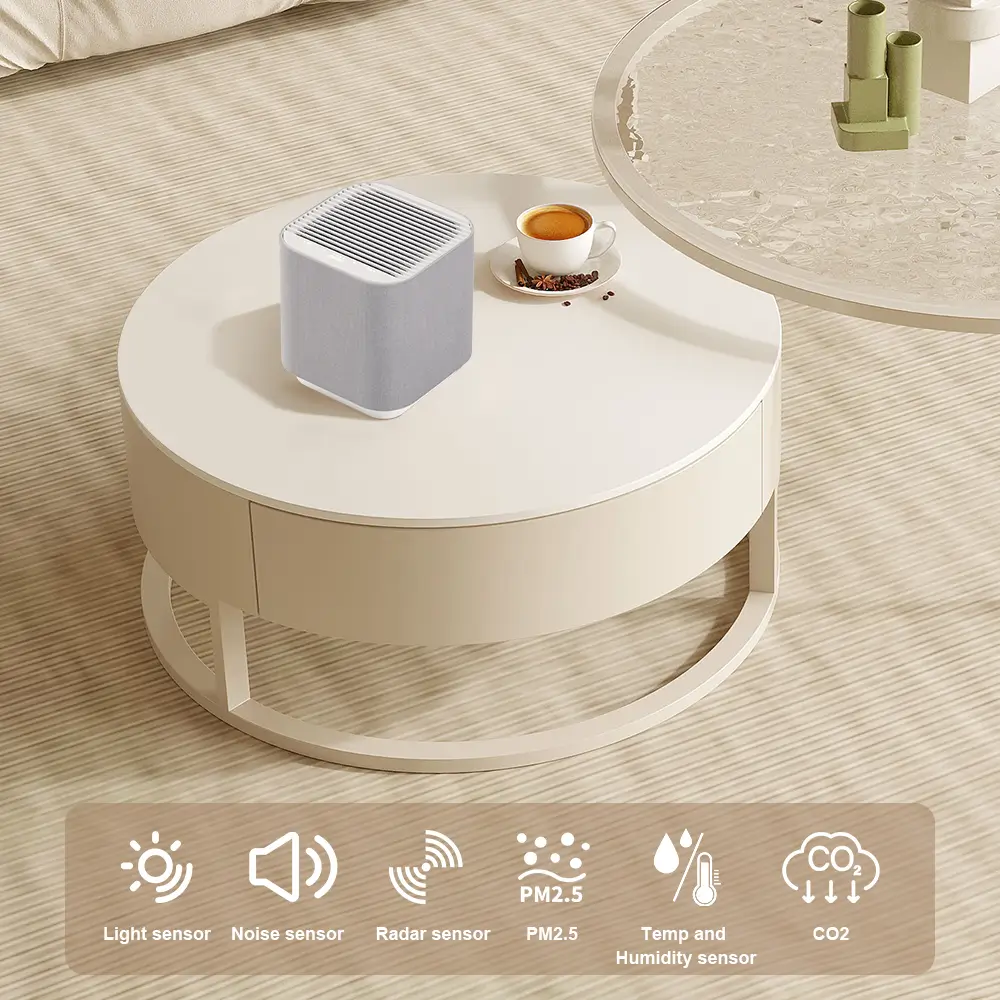
HisoAir HA100D Pro Desktop Air Purifier
Commercial Spaces
レストラン
- Near dining areas but away from food preparation
- Position to create clean air zones for customers
- Multiple units strategically placed for comprehensive coverage
Business Case: Restaurants using HisoAir commercial purifiers report improved customer comfort and longer dining times, particularly beneficial during allergy seasons and in urban locations with higher pollution levels.
ROI Analysis: A 2022 case study of restaurants implementing HisoAir purification systems showed an average 8% increase in customer dwell time and a 12% reduction in staff sick days, translating to measurable revenue improvements.
Healthcare Facilities
- Near patient rooms and waiting areas
- In surgery and treatment rooms
- In transportation vehicles for patients
Infection Control: HisoAir's hospital-grade purifiers with True HEPA filtration can reduce airborne pathogens by up to 99.97%, complementing existing infection control protocols in healthcare settings.
Clinical Implementation: Over 200 healthcare facilities across Asia and North America have implemented HisoAir purification systems, with several reporting reductions in hospital-acquired infection rates following installation.
Hotels
- In lobbies and common areas
- Available in guest rooms
- Near conference and meeting spaces
Guest Experience Enhancement: Hotels implementing HisoAir purification systems have reported improved guest satisfaction scores and fewer complaints related to allergies or odors.
Hospitality Industry Standard: Leading hotel chains have begun including air purification as part of their premium room offerings, with HisoAir's whisper-quiet operation making them ideal for this application.
Gyms and Fitness Centers
- Central placement in workout areas
- Near cardio equipment where breathing is heaviest
- In smaller studios and class spaces
Performance Benefit: Clean air in fitness environments can improve workout performance by ensuring optimal oxygen intake during exercise. HisoAir's high-capacity models are designed to handle the increased particulate matter generated during physical activity.
Common Questions About Air Purifier Placement
各部屋に空気清浄機を置くべきか?
While ideal, multiple purifiers may not be practical for everyone. Prioritize:
- Bedrooms (where you spend 6-8 hours daily)
- Living rooms and common areas
- Home offices and workspaces
For smaller spaces, consider HisoAir's portable models that can be moved between rooms as needed. The company's research shows that rotating a single purifier between rooms can still provide significant air quality improvements compared to no purification.
Cost-Effective Strategy: For budget-conscious consumers, HisoAir recommends a "primary-secondary" approach—investing in one high-capacity unit for the main living area and smaller, more affordable units for bedrooms and offices.
How Long Should I Run My Air Purifier?
For optimal air quality:
- Run continuously in areas with persistent pollution concerns
- For energy efficiency, use smart models with air quality sensors that adjust operation based on detected pollutants
- HisoAir's IoT-enabled purifiers offer automated operation based on real-time air quality monitoring
Energy Consumption Analysis: Modern air purifiers are designed for continuous operation. HisoAir's energy-efficient models consume as little as 5-8 watts on low settings, comparable to an LED light bulb, making 24/7 operation economically feasible.
季節に関する考察: Pollution levels vary seasonally. During high pollen seasons, wildfire events, or winter months when windows remain closed, continuous operation becomes more important for maintaining healthy indoor air.
Should I Run an Air Purifier With Windows Open?
Air purifiers work most efficiently in sealed environments. However:
- If you must open windows, choose a purifier with higher CADR ratings
- Position near windows to capture incoming pollutants
- Expect reduced efficiency and increased energy consumption
Efficiency Impact: Tests show that open windows can reduce air purifier effectiveness by 30-60% depending on outdoor conditions and window size. In situations requiring open windows, increasing the purifier's fan speed can partially compensate for this reduction.
Ventilation Balance: HisoAir engineers recommend a balanced approach—periodic ventilation with windows open (15-20 minutes) followed by closed-window purification cycles to maintain both fresh air intake and effective filtration.

HisoAir HA-M110 2-in-1 Air purifier & Humidifier
Which Way Should the Air Purifier Face?
The orientation of your air purifier affects its performance:
- For units with directional output, point toward the center of the room
- For 360° intake models (like many HisoAir units), central placement is ideal
- Ensure the main air outlet isn't blocked or facing a wall
Airflow Optimization: HisoAir's advanced models feature optimized airflow patterns that create a vortex effect, drawing in polluted air from all directions while distributing clean air throughout the space.
Directional Purification: Some specialized HisoAir models offer directional output control, allowing users to "aim" purified air toward specific areas—particularly useful in bedrooms and workspaces.
Can Air Purifiers Remove COVID-19 and Other Viruses?
While no air purifier can guarantee complete protection:
- HEPA filters can capture the particles that may carry viruses
- UV-C technology in some models provides additional disinfection
- Proper placement increases the likelihood of capturing airborne pathogens
Scientific Perspective: HisoAir's hospital-grade purifiers combine True HEPA filtration with UV-C technology, creating a multi-layered approach to reducing airborne pathogens, including those in the size range of SARS-CoV-2 particles.
Research Collaboration: HisoAir has participated in several independent studies examining air purification efficacy against viral particles, contributing to the growing body of evidence supporting HEPA filtration as part of a comprehensive infection control strategy.
HisoAir HA680 Standing Air Purifier
Common Placement Mistakes to Avoid
Many users inadvertently reduce their air purifier's effectiveness through these common placement errors:
1. Placing Against Walls
Problem: Restricts airflow by blocking intake on one side
ソリューション: Pull the unit at least 3 feet away from walls
2. Hiding Behind Furniture
Problem: Obstructs both intake and output airflow
ソリューション: Position in open areas with clear space around all sides
3. Placing on the Floor for Non-Floor Models
Problem: Floor-level placement captures more dust but misses many airborne particles at breathing height
ソリューション: Elevate desktop and tabletop models as designed
4. Positioning in Corners
Problem: Corners restrict airflow and create dead zones
ソリューション: Place in more central locations with good air circulation
5. Ignoring Filter Direction
Problem: Incorrectly installed filters can bypass contaminants
ソリューション: Follow manufacturer guidelines for filter installation and replacement
Maintenance Considerations for Optimal Performance
Regardless of placement, regular maintenance ensures continued effectiveness:
- Replace filters according to manufacturer recommendations
- Clean pre-filters and external surfaces regularly
- Monitor air quality indicators to verify performance
- Adjust placement seasonally to address changing pollution patterns
HisoAir's smart purifiers feature filter life indicators and automated maintenance reminders, ensuring optimal performance throughout the device's lifespan.
Filter Technology Advancements: HisoAir's latest filter designs incorporate antimicrobial treatments that prevent mold growth on the filter media—a common issue in humid environments that can turn purifiers into pollution sources if not properly maintained.
空気浄化の未来
As indoor air quality concerns continue to grow, air purification technology is evolving rapidly:
- AI-Driven Optimization: Next-generation purifiers will use artificial intelligence to analyze air quality patterns and automatically adjust placement recommendations
- Networked Systems: Multiple purifiers working in coordination throughout a space, creating comprehensive coverage
- Integration with Smart Homes: Air purifiers becoming central components of home automation systems, working in concert with HVAC, humidity control, and ventilation
HisoAir's R&D department is actively developing these technologies, with several patents pending for advanced air quality management systems.
結論
Strategic placement of your air purifier significantly enhances its performance and efficiency. By following these guidelines and considering your specific environment, you can maximize air quality improvement while optimizing energy usage.
HisoAir's range of air purifiers—from desktop models to commercial-grade systems—are engineered with advanced filtration technology and quiet operation. With over two decades of experience as a contributor to national air purifier standards and a CNAS-approved testing laboratory, HisoAir combines technical expertise with practical design.
With proper placement, these high-performance purifiers can effectively remove allergens, pathogens, and pollutants, creating healthier indoor environments for homes, businesses, and healthcare facilities. The company's commitment to "Maximum Purification, Minimum Noise" ensures that clean air doesn't come at the cost of comfort.
For personalized recommendations on the best air purifier placement for your specific needs, contact HisoAir's air quality experts who can provide tailored solutions based on your space and air quality concerns.






 English
 Français
 Español
 Italiano
 Deutsch
 Português
 Русский
 العربية
 日本語
 한국어
 Tiếng Việt


