
Are you struggling with high tariffs and supply chain risks? Relying on one country hurts your business. I will show you how to find the right non-China water purifier manufacturer.
Finding a top water purifier manufacturer outside China means building a 中国+1戦略1. It is not about leaving China completely. It is about lowering tariff risks, meeting country-of-origin rules, and securing a second production base to protect your supply chain.
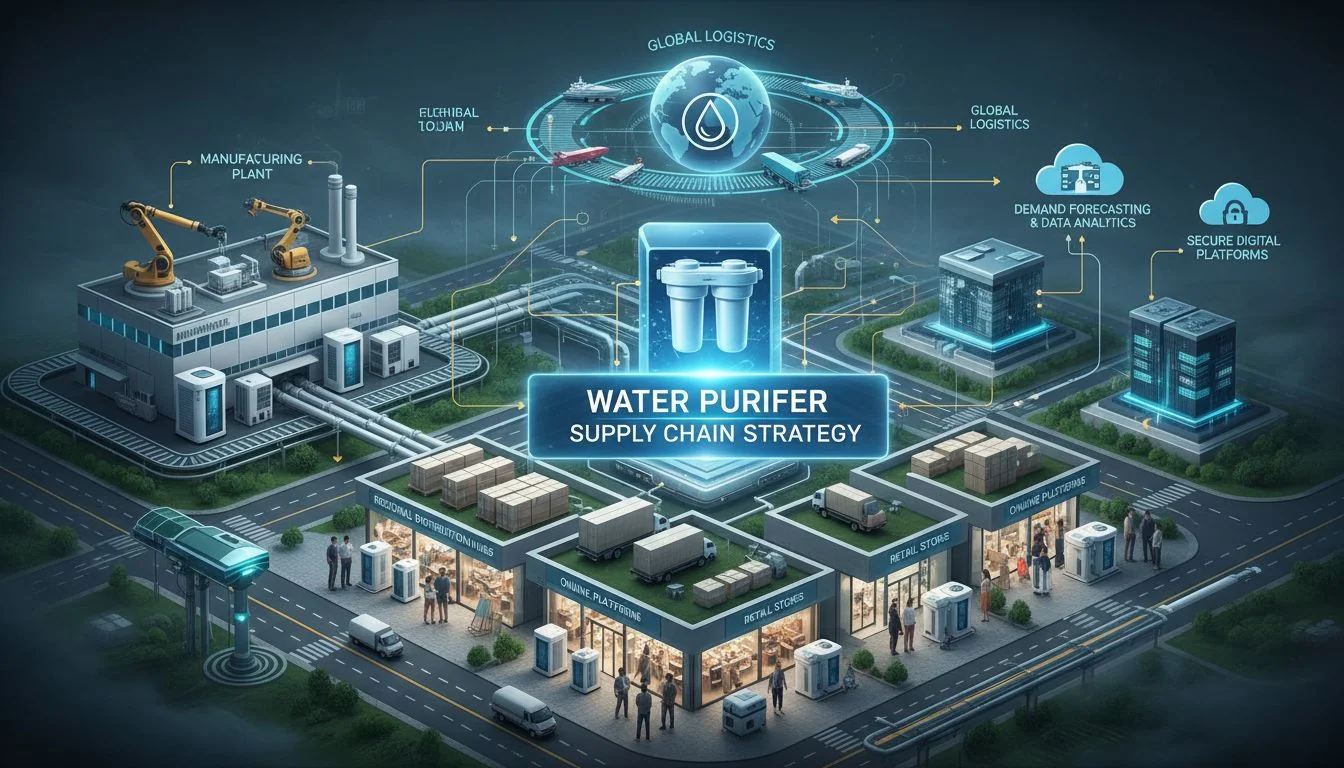
You might think moving production out of China is a simple fix. But if you do not understand the rules, you will face higher costs and delayed projects. Let us look at the real facts before you make a move.
Moving production out of China always guarantees lower costs.偽
Non-China manufacturing often focuses on risk reduction, not just lower unit prices.
The China+1 strategy acts as an insurance mechanism for your supply chain.真
It helps buyers manage tariff exposure, geopolitical risks, and supply continuity.
Why Are Global Buyers Looking for Water Purifier Manufacturers Outside China?
Are rising costs eating your profits? Single-country sourcing is dangerous today. You need a backup plan to protect your margins and keep your products on the shelves.
Buyers look outside China to lower single-country risks, avoid US tariffs, and meet retailer rules. The goal is not to find a cheaper price. The goal is to build a safe, dual-country supply chain that ensures steady product delivery.
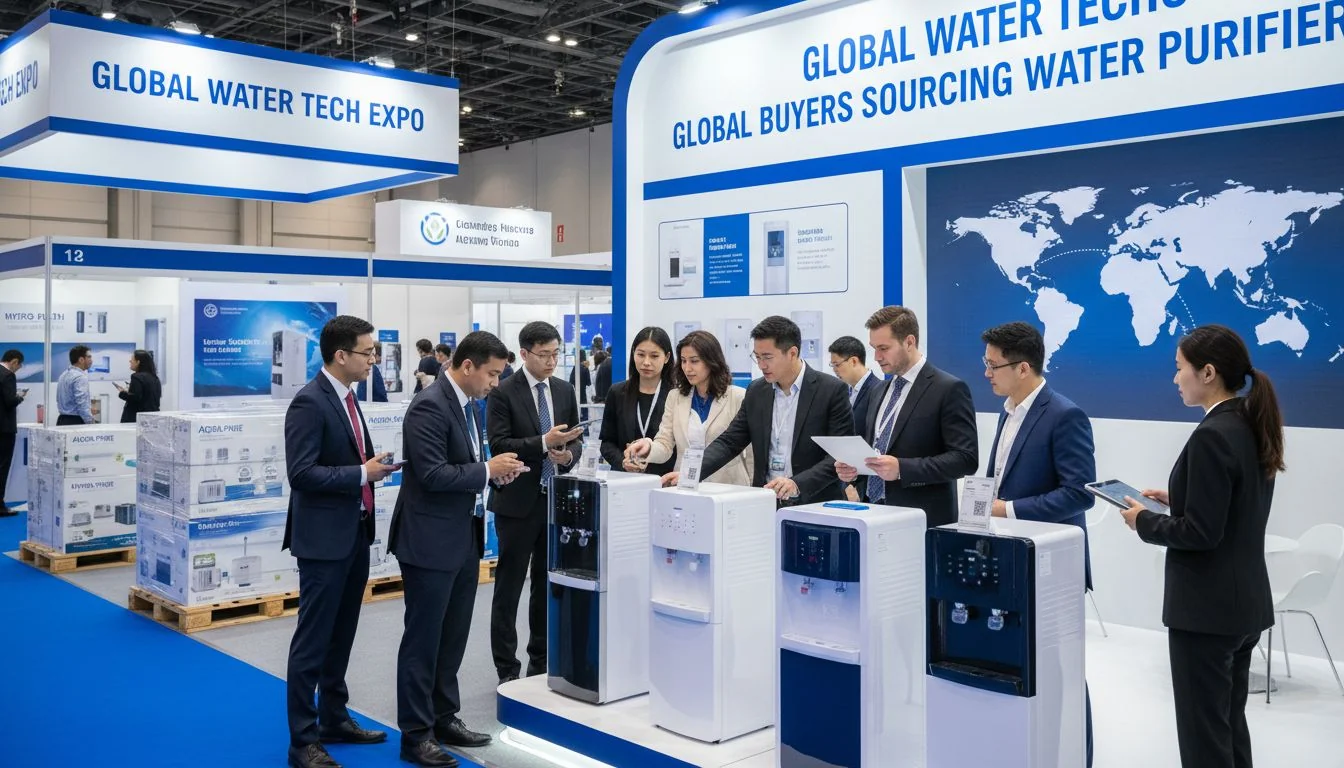
The Shift from Cost to Risk Management
In the past, buyers moved to places like Vietnam just for cheap labor. Today, the rules have changed. As a mold and product designer, I see many clients making a big mistake. They only compare the unit price in China with the unit price in another country. This is the wrong way to look at it. When I started my mold trading company, I learned that risk is more expensive than a high unit price.
You must look at the total landed cost. This includes tariff risks, inventory risks, and certification costs. Non-China production might not give you a lower factory price. However, it can lower your overall risk in certain markets.
Comparing the Real Costs
Here is how you should evaluate your sourcing choices:
| コスト係数 | Traditional View | Modern View |
|---|---|---|
| Unit Price | Only focus on EXW price | Look at total landed cost |
| Tariffs | Ignore future changes | Plan for Section 301 risks |
| サプライチェーン | Rely on one factory | Build a China+1 backup |
Buyers really need to choose between a fully non-China supply chain, a non-China origin product, or a China+1 setup. It is a supply chain insurance policy.
Buyers only leave China to find cheaper labor.偽
Modern sourcing decisions focus more on tariff exposure, supply continuity, and geopolitical risks.
A China+1 strategy is a form of supply chain insurance.真
It protects businesses from single-country disruptions and tariff impacts.
What Does “Non-China Manufacturing” Actually Mean?
Are you confused by supplier claims? Buying a "non-China" product can mean many different things. If you guess wrong, you might still pay high tariffs.
"Non-China manufacturing" does not always mean zero Chinese parts. It usually means the final product has a non-China origin. You must define if you want a non-China company, a non-China factory, or a fully China-free supply chain.
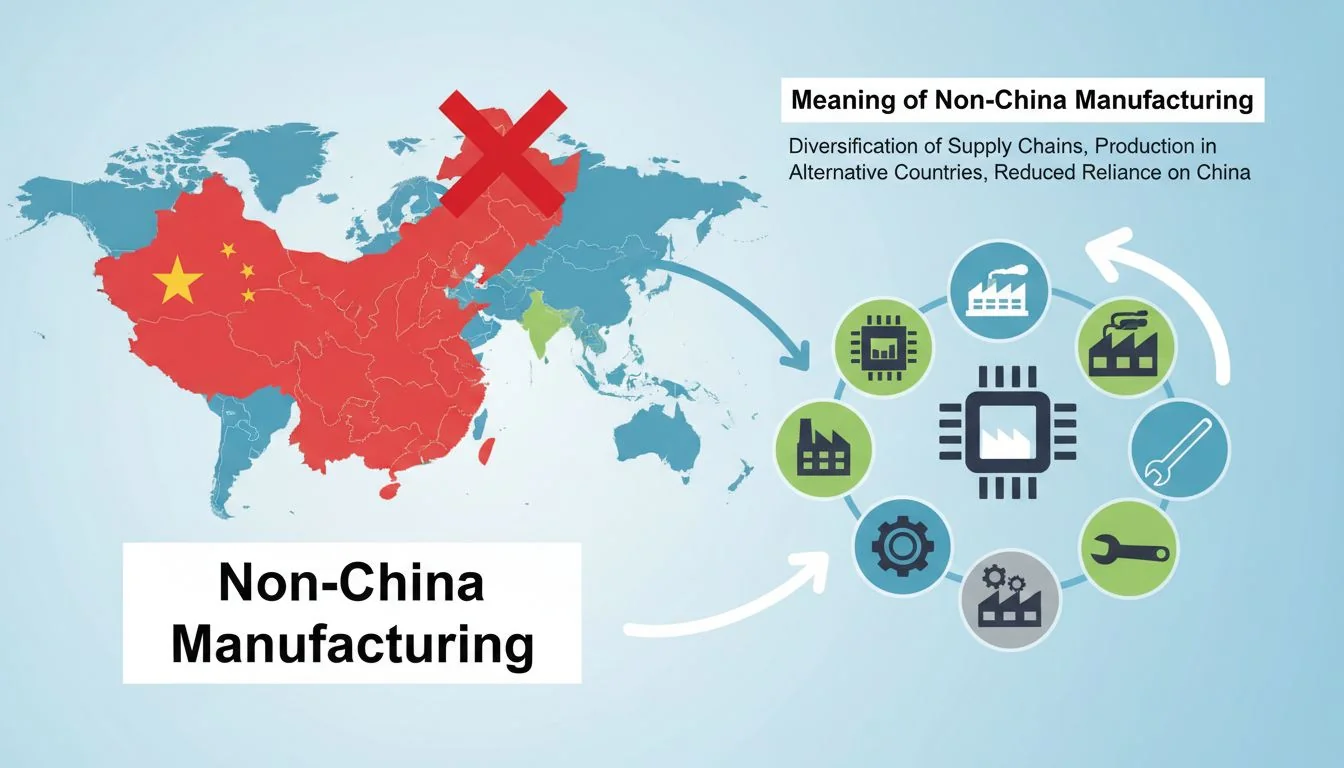
Defining Your Sourcing Goals
Many buyers ask me for a "China-free" product. I always ask them what they really mean. A fully China-free product is very hard to make. It means you cannot use Chinese pumps, valves, filter housings, or injection molds. This will increase your costs and delay your project.
As a product designer, you know that changing a mold or a PCB supplier takes a lot of time and money. You have to re-test everything. Therefore, you must define your exact needs before you ask for quotes.
The Levels of Non-China Sourcing
Here is a simple guide to help you understand the different terms:
| Sourcing Goal | What It Actually Means |
|---|---|
| Non-China Company | The supplier's head office is not in China. |
| Non-China Factory | The final assembly happens outside China. |
| Non-China Origin | The product legally qualifies for a new country of origin. |
| China+1 | You use China and another country together. |
| Fully China-Free | No parts, assembly, or molds come from China. |
If you do not define these terms first, you cannot compare quotes or supply chain plans accurately.
A non-China factory means the product uses zero Chinese parts.偽
A non-China factory only means final assembly happens elsewhere; parts may still come from China.
Building a fully China-free product increases costs and development time.真
You must find new suppliers for molds, pumps, and valves, which requires new testing and validation.
How US Tariffs and CBP Country-of-Origin Rules Affect China+1 Sourcing?
Are you worried about Section 301 tariffs? Moving assembly to another country might not save you. US Customs rules are strict and can trap you.
To avoid US tariffs, your product must undergo a "substantial transformation" in the new country. Simple assembly or repackaging does not change the country of origin. You must design your China+1 project from the BOM and core parts level.
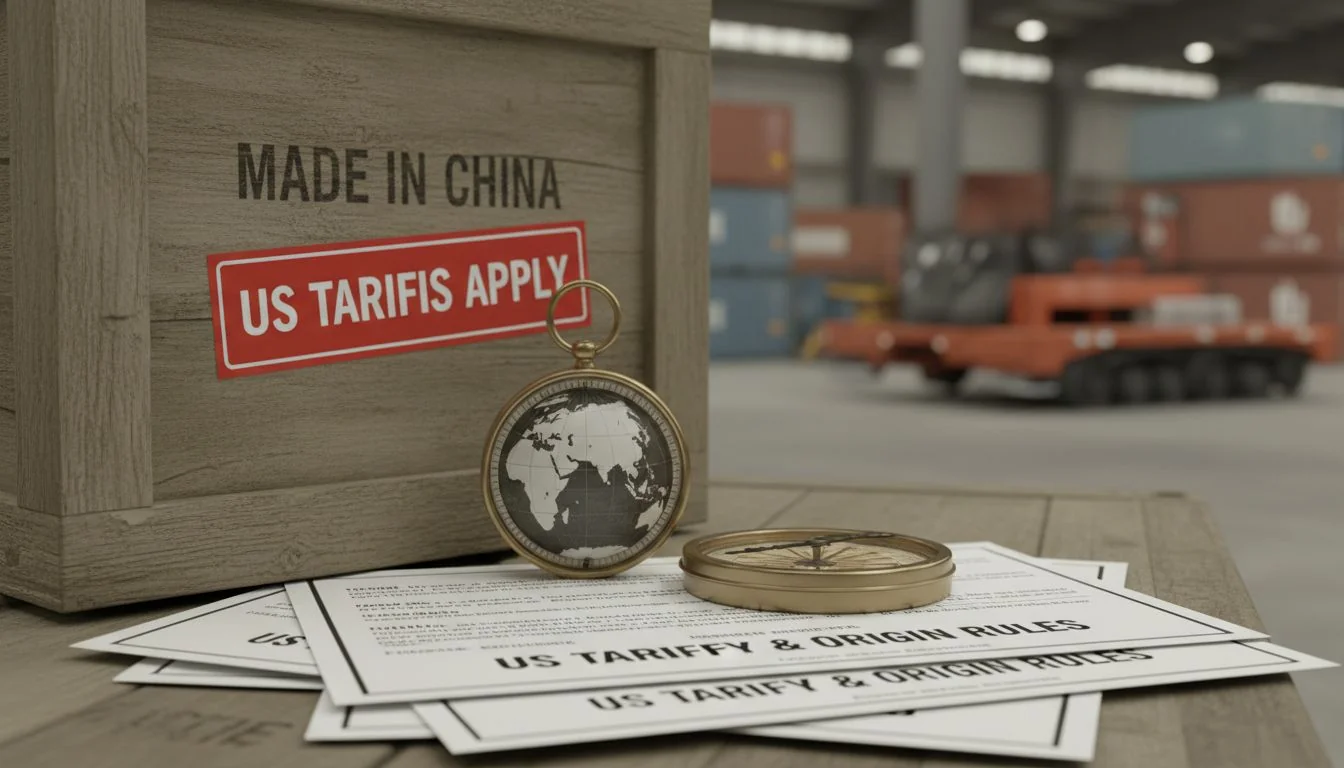
The Substantial Transformation Rule
This is the most misunderstood part of non-China sourcing. Where you assemble the product does not always decide its origin. US Customs and Border Protection (CBP) looks for a "substantial transformation." Simple tasks like putting a filter in a box will not change the origin.
I have seen clients ship complete sets of Chinese parts to a third country. They just screw them together. CBP still charged them China tariffs. You must evaluate the complexity of the work and the core parts used. You must look at every single part in your Bill of Materials.
Tariff Exclusions and HTS Codes
You cannot just ask if a water purifier is free from tariffs. You must check the details.
| What to Check | Why It Matters |
|---|---|
| HTS Codes | The machine and the filter might use different codes. |
| 商品説明 | It must match the exact exclusion rules. |
| Expiration Dates | Tariff exclusions can end, like the ones in 2026. |
A good China+1 project starts with the Bill of Materials (BOM). Do not rely on a supplier's verbal promise about tariffs.
Simple assembly in a third country automatically changes the product's origin.偽
US Customs requires a 'substantial transformation' to change the country of origin.
Tariff exclusions depend on specific HTS codes and product descriptions.真
Not all water purifiers automatically get Section 301 tariff exemptions.
Taiwan and South Korea: Strengths and Limitations for Water Purifier OEM Projects?
Are you looking for high-quality alternatives to China? Choosing the wrong country can ruin your product design. Taiwan and South Korea offer very different strengths.
Taiwan is great for RO parts, filters, and traditional OEM supply chains. South Korea excels in high-end, smart water purifiers and hot/cold dispensing systems. You cannot simply compare their costs directly with China's massive supply chain.
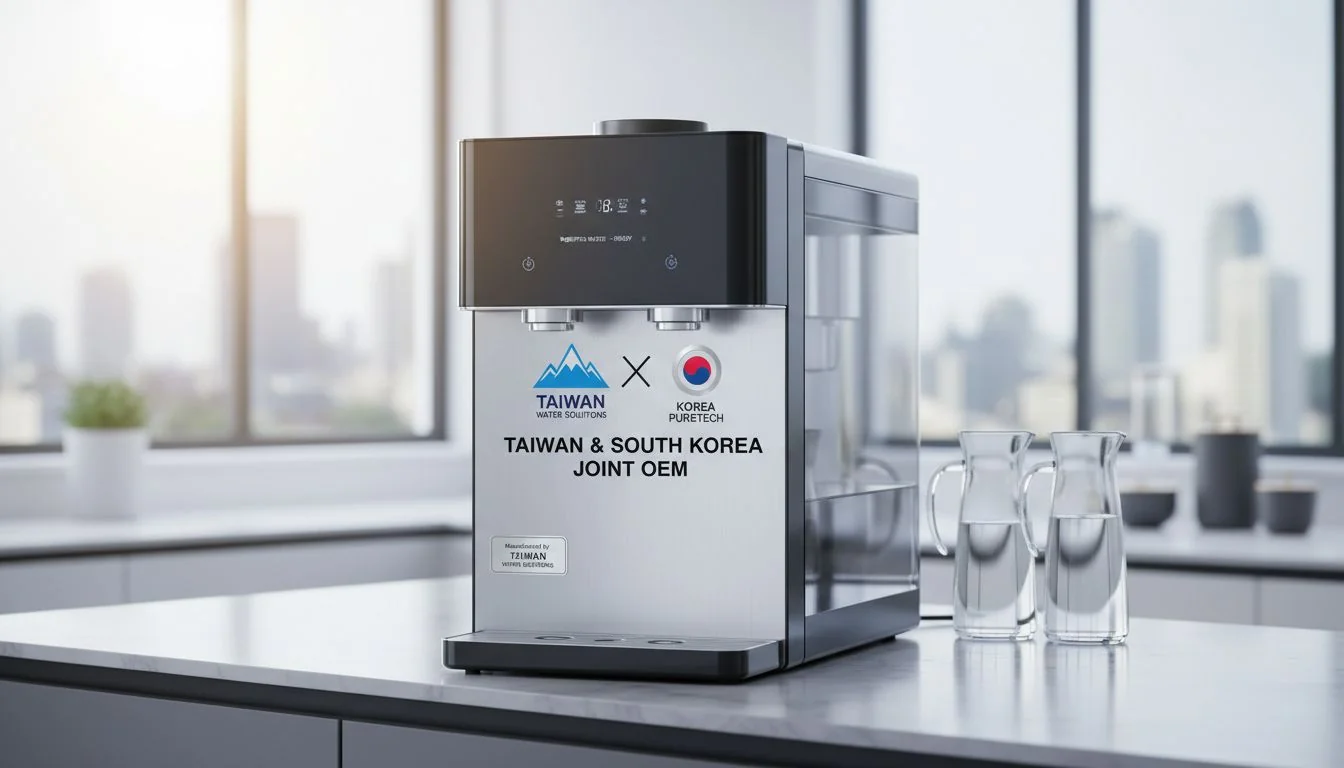
Taiwan: The Component Hub
Taiwan and South Korea are not the same. Taiwan has a very complete network for drinking water equipment. They are strong in RO purifiers, filter cartridges, and water path parts. If you need reliable injection-molded parts or traditional OEM work, Taiwan is a solid choice. I often source precision molds from Taiwan for my clients. My CNC trading company works with many Taiwanese suppliers for this exact reason.
South Korea: The Premium Innovator
South Korea has a different focus. They are the best at high-end countertop purifiers. If your design needs smart controls, hot and cold water, or a great user experience, look at Korea. They are very good at rental-type product designs.
Comparing the Two Options
Here is a quick way to see which country fits your project:
| 国名 | Best For | Main Limitation |
|---|---|---|
| Taiwan | RO parts, filters, traditional OEM | Less focus on smart home integration |
| 韓国 | High-end, smart, hot/cold dispensers | Higher costs than traditional OEM |
Both countries are good, but their costs are higher than China. You pay for their specific expertise.
Taiwan and South Korea offer the exact same manufacturing advantages.偽
Taiwan is better for components and traditional OEM, while Korea focuses on high-end and smart purifiers.
South Korea is a strong choice for hot and cold dispensing water purifiers.真
Korean manufacturers excel in premium, appliance-like water purifier designs.
Vietnam and Malaysia: China+1 Cost Advantages and Supply-Chain Trade-Offs?
Are you tempted by cheap assembly in Southeast Asia? Moving there blindly can break your supply chain. You must know what these countries can actually make.
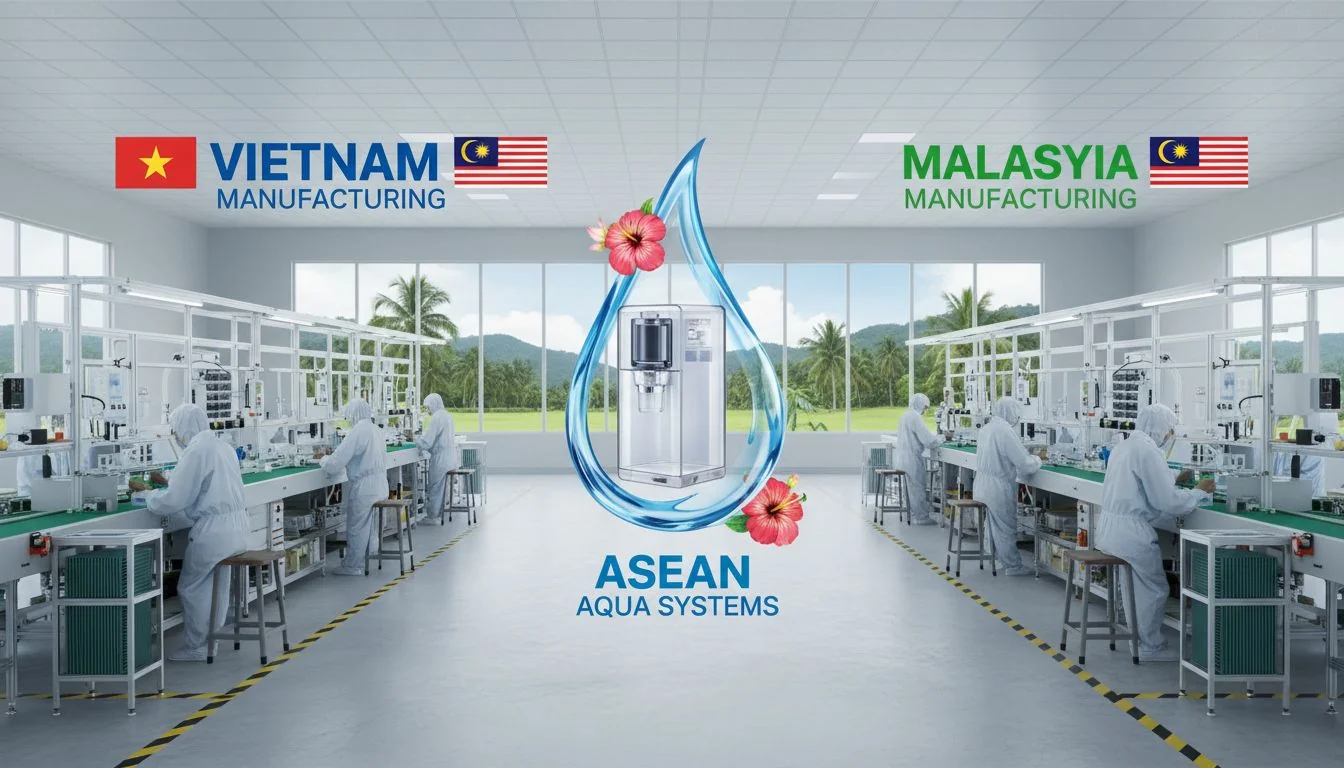
Vietnam is a good regional assembly base, but it relies on imported core parts. Malaysia is better for regional operations and commercial systems. Neither country can fully replace China's deep component supply chain for complex home RO systems.
Vietnam: Assembly and Local Value
Vietnam has a growing market for RO purifiers. However, it is mostly an assembly base. For complex products, you still need to import RO membranes, booster pumps, and PCBs from China. The real value of a Vietnam factory is final assembly, local testing, and regional delivery. You must check the "local value added" to ensure it meets origin rules. You must test the final product carefully if the parts travel a long way.
Malaysia: Regional Operations
Malaysia is strong in industrial water systems and local services. But its consumer water purifier OEM chain is not as deep as China or Taiwan. Malaysia is good for Southeast Asia regional assembly and hot/cold dispenser projects.
Southeast Asia Supply Chain Check
Before you move, verify where these parts come from:
| コンポーネント | Likely Source |
|---|---|
| RO Membrane | Imported (China/USA) |
| Booster Pump | Imported (China/Taiwan) |
| Injection Molds | Imported (China) |
| Final Assembly | Local (Vietnam/Malaysia) |
Do not treat all Southeast Asian countries as mature manufacturing hubs. Their supply chain depth varies a lot.
Vietnam can completely replace China's water purifier component supply chain.偽
Vietnam still relies heavily on imported core parts like pumps and PCBs for complex products.
Malaysia is well-suited for regional assembly and commercial filtration projects.真
Malaysia has strong capabilities in industrial systems and serving the ASEAN market.
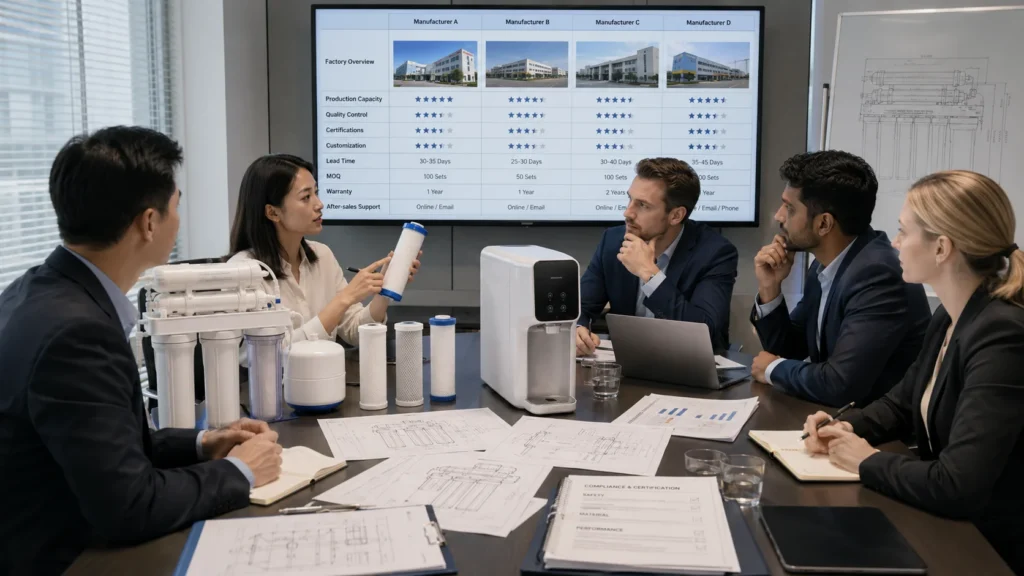
How to Evaluate a Non-China Water Purifier Manufacturer?
Are you judging suppliers by their factory size? That is a huge mistake today. A big building does not mean they can deliver safe, certified products.
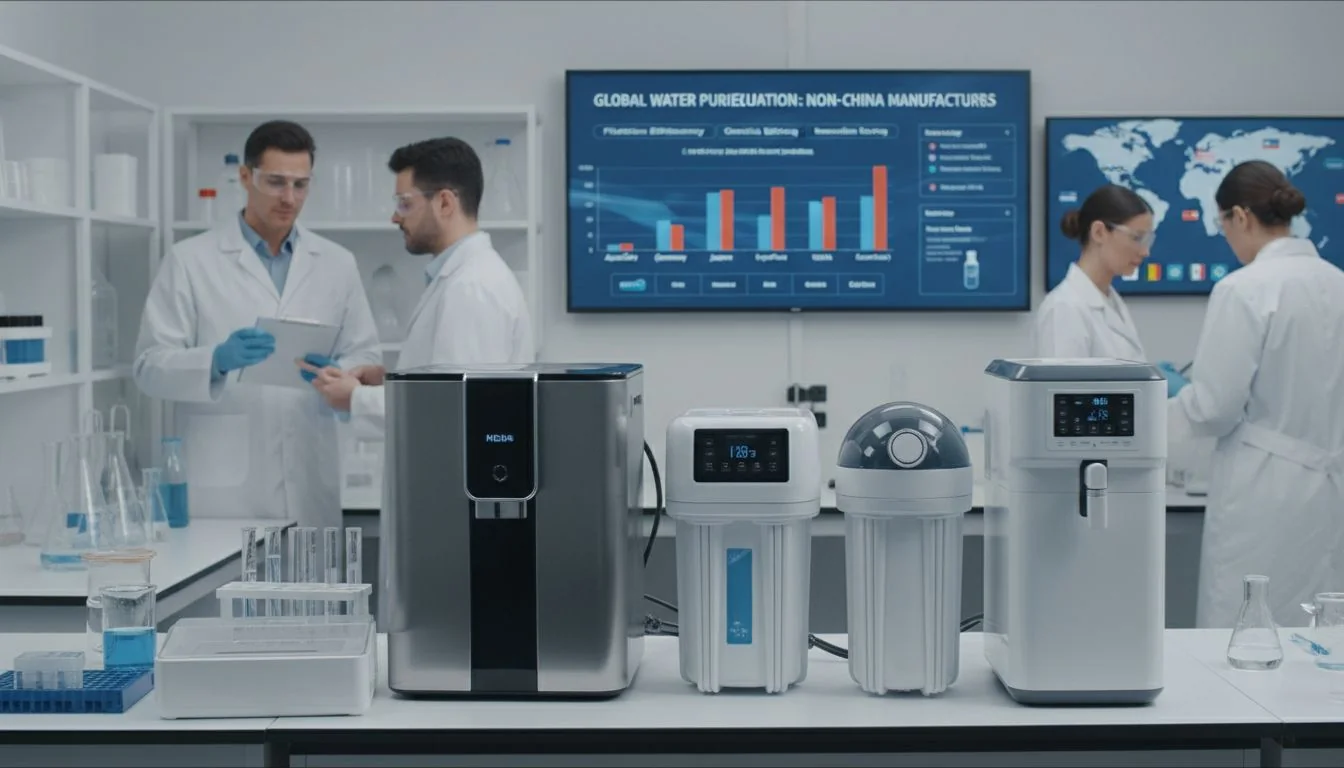
Evaluate manufacturers based on their system certifications, testing abilities, and long-term filter supply. A top manufacturer must prove product performance, handle PFAS reduction claims2, and maintain NSF certifications. Do not confuse certified components with a certified complete system.
Certifications Over Factory Size
B2B buyers can no longer just look at factory size. True capability means having complete system certifications, not just single parts. You need a supplier who can do pressure, burst, and leakage tests. They must control food-contact materials.
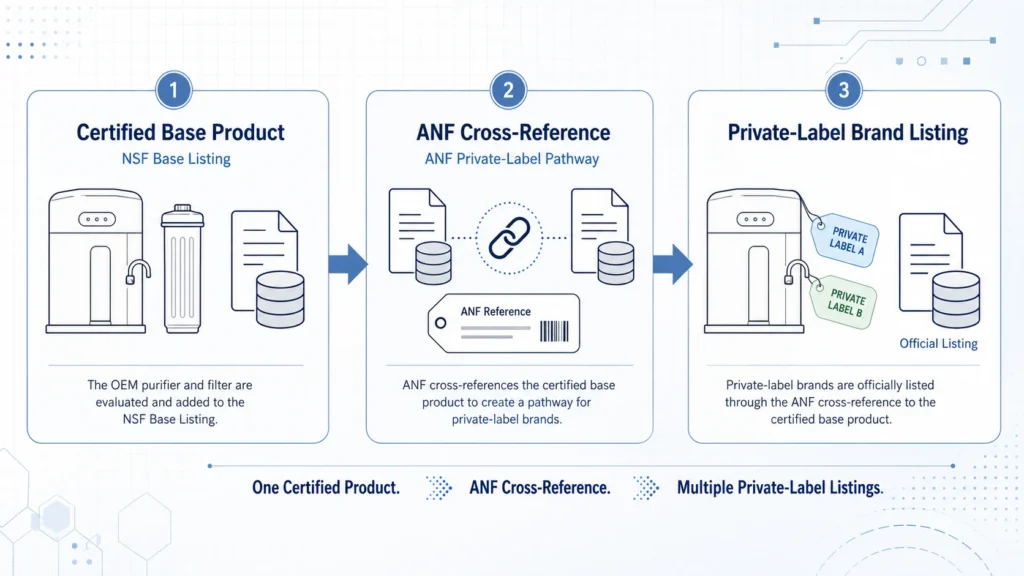
Many suppliers say they use "NSF-certified filter media." This does not mean the whole machine has NSF certification. You must verify the certification holder and the specific contaminant reduction claims on the NSF database.
The Importance of Replacement Filters and PFAS
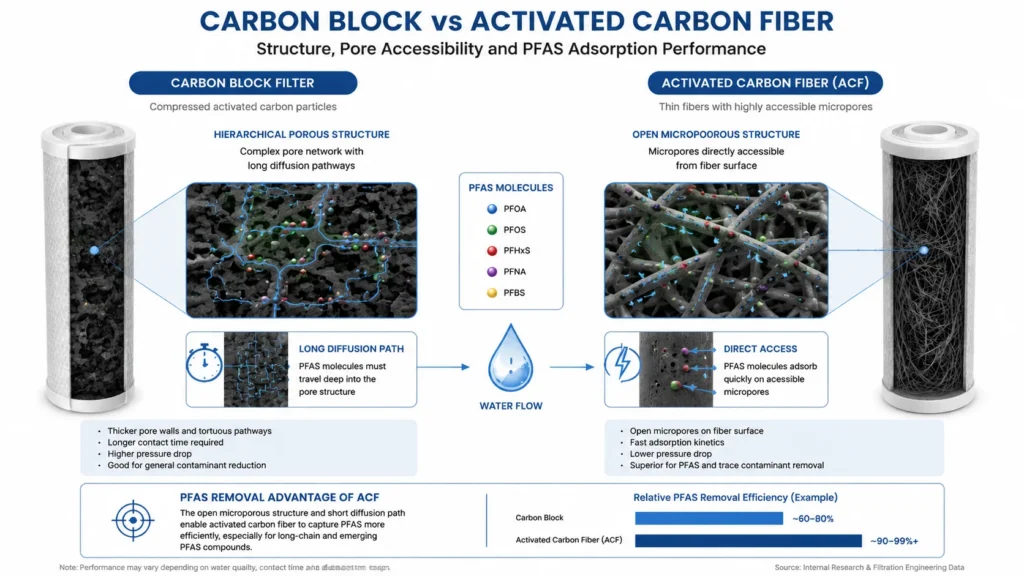
Water purifiers are a long-term business. The replacement filter supply is more important than the first machine order. Your clients will judge you on the quality of the replacement filters over the next five years. Also, PFAS reduction is now a strict requirement, not just marketing.
| Evaluation Area | What to Verify |
|---|---|
| 認証 | Check NSF/ANSI 53 and 58 for the whole system. |
| PFAS Claims | Ask for third-party lab tests and flow rate data. |
| Filter Supply | Ensure long-term supply and consistent filter sizes. |
The best model is a distributed network. China handles engineering and molds. Vietnam does assembly. The US handles final market compliance.
Using NSF-certified materials means the entire water purifier is NSF certified.偽
Component certification is different from complete system performance certification.
PFAS reduction claims require specific testing and third-party validation.真
You cannot claim PFAS reduction just by using carbon or RO membranes; it must be tested to standards like NSF/ANSI 53.
結論
Finding a top non-China manufacturer means building a smart, distributed supply chain. Focus on risk management, strict origin rules, and long-term filter supply to ensure your business succeeds.


 English
  Français
  Español
  Italiano
  Deutsch
  Português
  Русский
  العربية
  日本語
日本語  한국어
한국어  Tiếng Việt

