

You see marketing teams push big numbers. But when products hit the real world, they fail. I know the pain of defending specs that do not match reality.
OEM brands must pin down three core engineering specs: GPD1, flow rate, and recovery rate. You must define these under both lab conditions and real-world variables like pressure and temperature. This honest approach helps you avoid compliance risks and angry customer reviews.
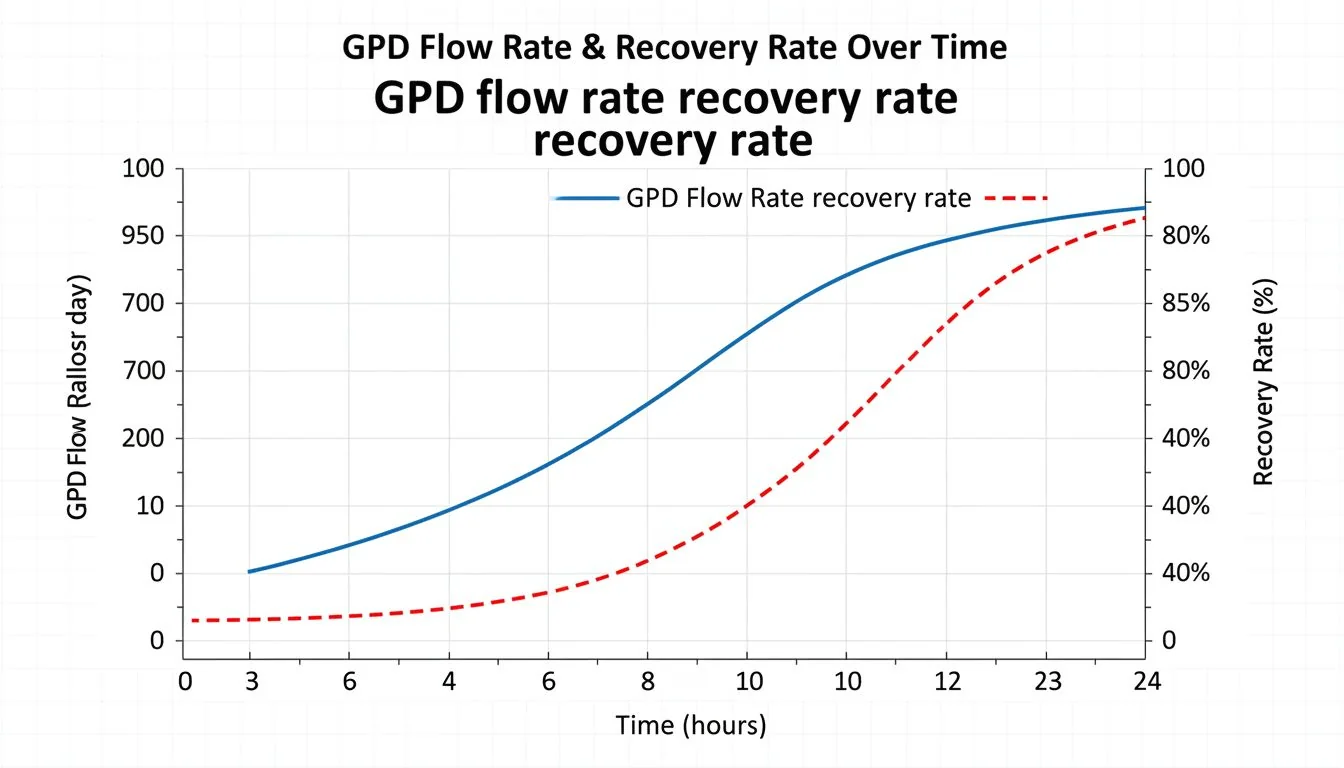
Let us look at why these numbers matter. I will show you how to align your marketing claims with solid engineering facts. You will never have to hide from your buyers again.
GPD is a real-world operating spec.偽
GPD is a theoretical maximum volume measured under strict laboratory conditions, not real-world use.
Flow rate measures instant water delivery.真
Flow rate is the rate at which treated water comes out of the faucet during a draw event.
What Are the Three Engineering Specs Marketing Teams Quote and Engineering Teams Must Defend?
Marketing loves to sell "100 GPD" and "instant water." But when the system only makes 40 GPD, your engineering team takes the blame. This gap ruins brand trust.
The three most misunderstood specs are GPD (daily capacity), flow rate2 (instant output speed), and recovery rate (wastewater ratio). Brands must use NSF test conditions for nameplate claims but also provide real-world operating ranges to stay honest and avoid FTC trouble.

Breaking Down the Big Three
When I started working with water purifier molds, I saw how easily people confused these terms. Let us break them down clearly. GPD is your nameplate capacity. It shows what a system can do in 24 hours under perfect lab conditions. Flow rate is what the user actually feels. It is the instant water speed at the faucet. recovery rate3 is the ratio of clean water to wastewater.
As a designer, you must align your marketing and engineering teams. If you design a tankless system with a 0.3 GPM flow rate, customers will call it slow. You need at least 0.5 GPM for a good experience.
Here is a simple guide to these specs:
| Spec Name | What It Measures | Good Target for Premium RO |
|---|---|---|
| GPD | Total daily capacity (Lab) | 100 GPD (NSF conditions) |
| Flow Rate | Instant faucet output | ≥ 0.5 GPM |
| Recovery Rate | Clean water vs. wastewater | 1:1 to 1:1.5 |
If you only quote nameplate numbers, you expose your brand to compliance risks. You must translate these lab numbers into real-world facts. This protects your brand and builds trust with your buyers.
A 0.3 GPM flow rate is considered fast for tankless systems.偽
Customers usually complain that 0.3 GPM is too slow. You need at least 0.5 GPM for instant water claims.
Recovery rate affects your ESG narrative.真
A better recovery rate means less wastewater, which is a strong selling point for sustainability.
Why Does "100 GPD" at Lab Test Pressure Become a Fraction of That in a Real Phoenix Apartment?
You promise 100 GPD. Your buyer in Phoenix gets 67 GPD. They feel cheated. Ignoring regional water differences leads to bad reviews and lost B2B contracts4.
Standard NSF tests use 60 psi pressure, 77°F water, and 250 ppm TDS. Real-world conditions vary wildly. In Phoenix, hot water helps, but high TDS and lower pressure drop the output to 67 GPD. You must publish a real-world output5 range.

The Physics of Derating
I remember testing a system that worked perfectly in our lab. Then we shipped it to a client in the Pacific Northwest. The cold water dropped the output by 40%. I had to explain the physics of derating to them.
Four main factors change your GPD in the real world. These are feed water pressure, temperature, TDS, and recovery rate setting. Pressure is the biggest factor. If your pressure drops from 60 psi to 40 psi, your GPD drops to about 50% of the nameplate. Cold water also slows down the flow. High TDS requires more pressure to push water through the membrane.
Let us look at how a 100 GPD system performs in two different cities:
| 都市 | Pressure | Temp | TDS | Real-World Output |
|---|---|---|---|---|
| Phoenix (Summer) | 55 psi | 80°F | 700 ppm | ~67 GPD |
| Pacific NW (Winter) | 50 psi | 55°F | 60 ppm | ~58 GPD |
You must publish these operating curves. B2B buyers need this data to size systems correctly for hotels and apartments. Honest specs prevent angry phone calls later.
Feed water pressure is the single largest derating factor for GPD.真
Pressure directly drives the water through the membrane. Low pressure drastically reduces output.
High TDS feed water increases the GPD output.偽
High TDS requires higher net driving pressure, which effectively lowers the GPD output.
How Does the 1:1 vs. 1:3 vs. 1:5 Decision Determine Wastewater Cost and Cert Path?
High wastewater bills anger property managers. If you sell a 1:4 recovery system to a large building, you cost them thousands. You will lose the next bid.
Recovery rate is the ratio of treated water to wastewater. A 1:1 rate saves massive amounts of water compared to a 1:4 rate. Premium brands must aim for 1:1 or 1:2 to win B2B contracts and meet ESG goals.
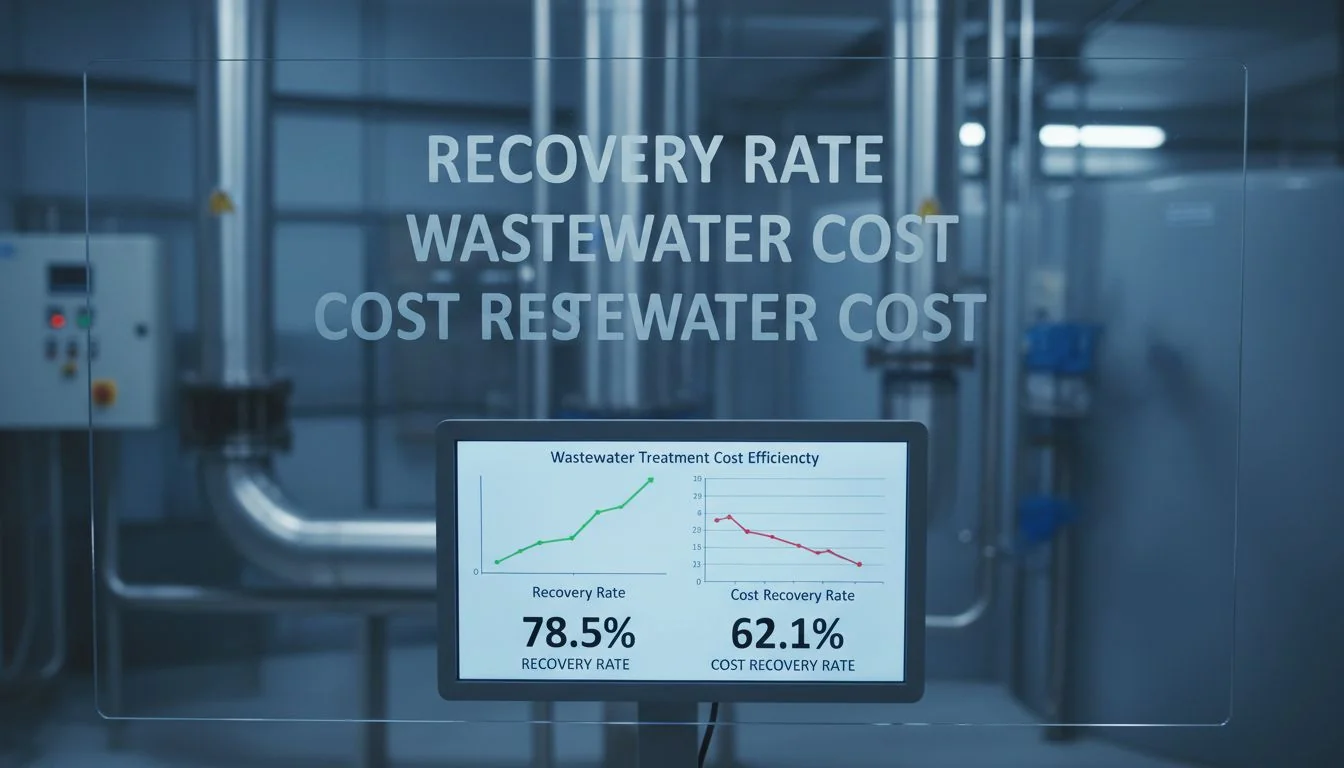
The Cost of Wasted Water
When I helped a client design a new RO system, they wanted to save money on parts. They chose a 1:4 recovery rate. Later, a hotel buyer rejected their product because the water utility costs were too high.
Recovery rate changes your system design and your target market. Low recovery (1:4) is cheap to build. It uses simple parts and the membrane lasts longer. But it wastes a lot of water. High recovery (1:1) requires a strong booster pump and complex valves. It costs more to build, but it saves money on water bills.
Here is how recovery rates compare:
| Recovery Rate | Wastewater per Gallon | System Complexity | Best Market |
|---|---|---|---|
| Low (1:4) | 4 Gallons | Simple, low cost | Bargain tier |
| Mid (1:2) | 2 Gallons | 中程度 | Standard residential |
| High (1:1) | 1 Gallon | High, needs pump | Premium & B2B |
You must decide your recovery rate early. If you want to sell to premium retail or eco-friendly buyers, you must invest in high-recovery engineering. It is worth the extra cost.
A 1:4 recovery rate system is cheaper to manufacture than a 1:1 system.真
1:4 systems do not need high-pressure booster pumps or complex recirculation valves.
Premium retail channels prefer low recovery rate systems.偽
Premium channels and ESG-conscious buyers demand high recovery rates to save water.
What Are the Pressure and Temperature Variables Most OEM Spec Sheets Do Not Disclose?
Your customer complains their tank takes forever to fill in December. You check the system, and it works fine. The hidden problem is cold winter water.
RO membrane performance depends heavily on feed pressure and temperature. Cold water and low municipal pressure drastically reduce water output. Brands must disclose these dependencies using performance bands so buyers know exactly what to expect in their specific location.
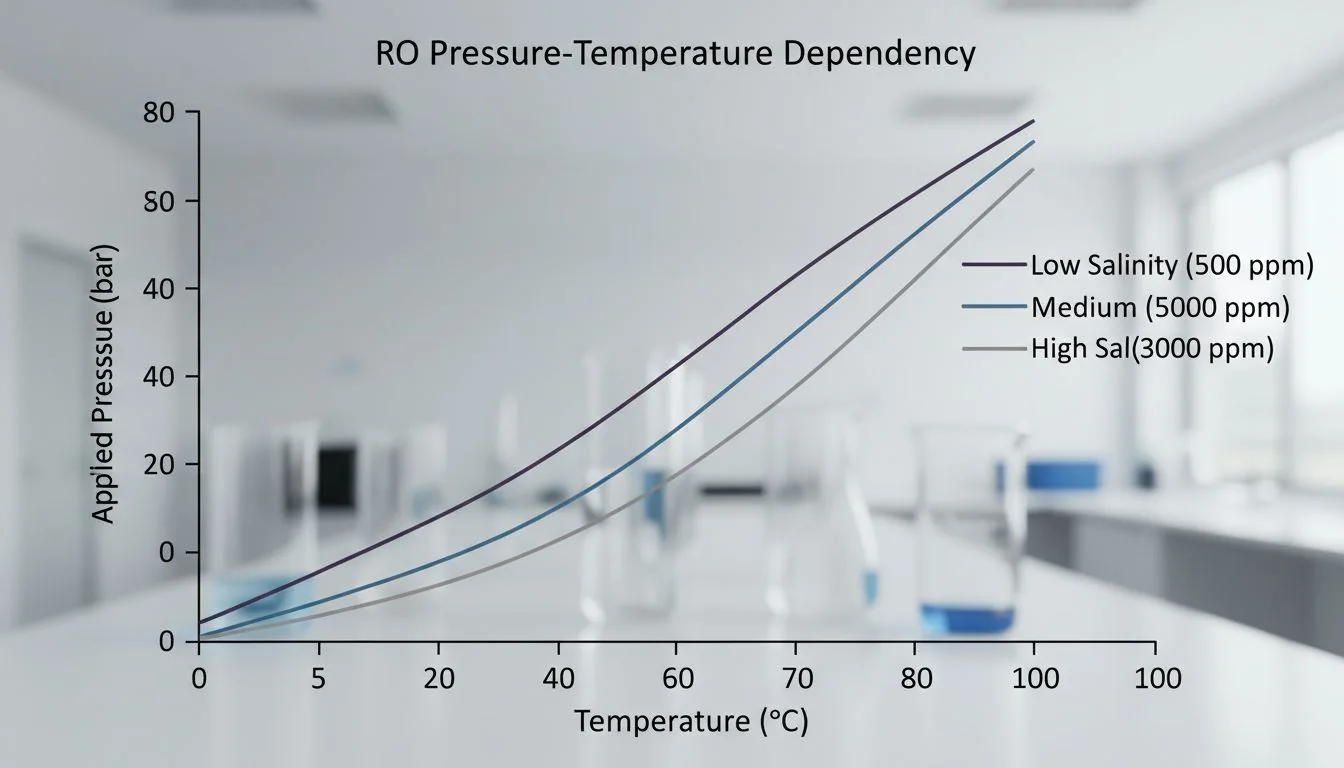
The Hidden Seasonal Drops
I once dealt with a huge spike in customer complaints6 during winter. The systems were not broken. The cold water simply slowed down the membrane flux. We had failed to explain this to the users.
Pressure and temperature are the core realities of RO systems. If a house has 40 psi pressure instead of the standard 60 psi, the system only makes 60% of its rated capacity. If the water is 40°F in winter, the output drops another 30% to 40%.
You can fix pressure issues with a booster pump. A pump keeps the pressure high and steady. But pumps add cost and noise.
Here is how temperature affects output at standard pressure:
| Water Temp | Season/Region | Output vs Nameplate |
|---|---|---|
| 40°F | Winter (North US) | 60% - 70% |
| 60°F | Mild (Year-round) | 85% - 90% |
| 77°F | Lab Standard | 100% |
| 80°F+ | Summer (Southwest) | 105% - 115% |
You must provide sizing calculators for B2B buyers. They need to plan for the worst-case winter conditions. Do not hide these facts.
Adding a booster pump solves low municipal water pressure issues.真
A booster pump raises the feed pressure to the optimal level for the RO membrane.
Water temperature has no effect on RO membrane flux.偽
Cold water significantly reduces membrane flux, lowering the GPD output.
What Test Protocols Should B2B Buyers Build Into Their Quality Agreements?
You trust your supplier. Then a whole batch of products fails in the field. Recalls cost you money and ruin your reputation. You need strict incoming QC.
B2B buyers must verify specs at incoming QC to control supplier quality. You should test GPD output, flow rate, recovery rate, and pressure cycle fatigue. Document these test protocols in your contract to catch manufacturing drift early.
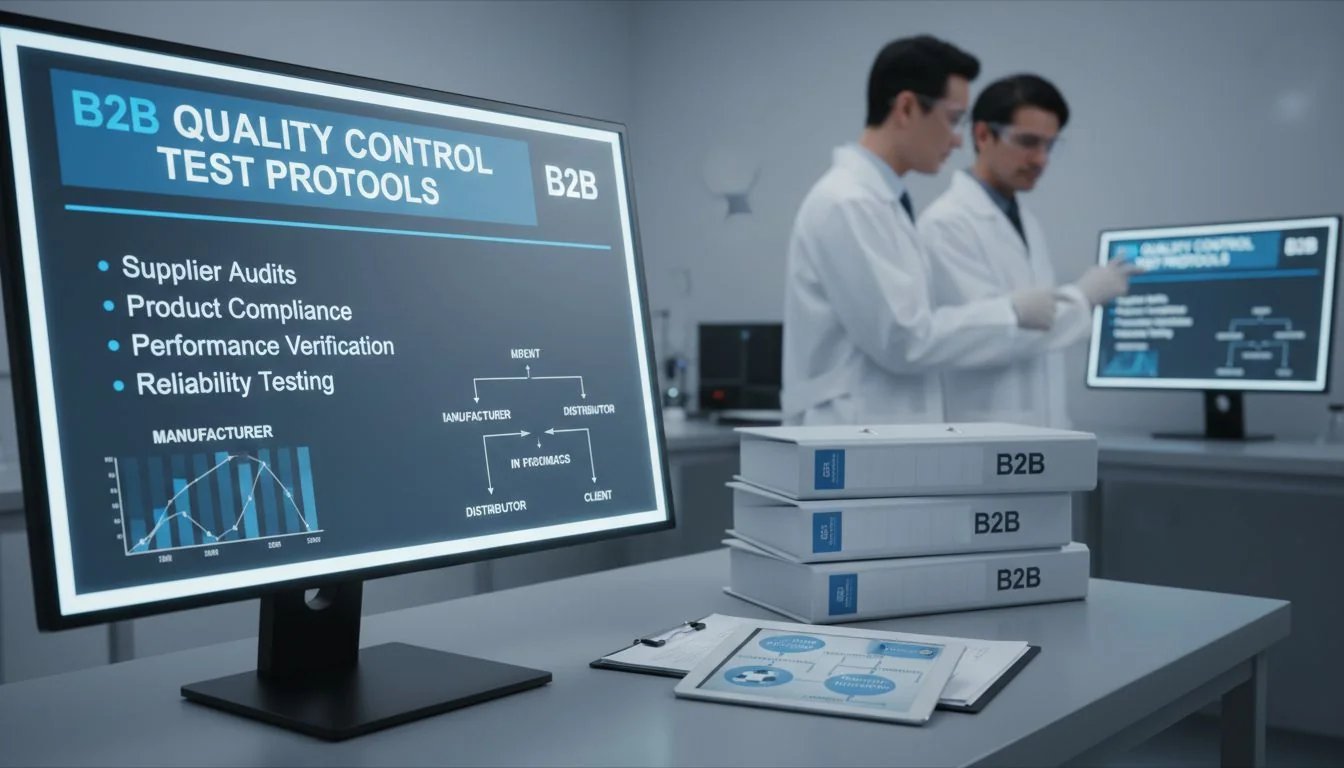
Building a Strong QC Protocol
In my trading company, I learned that contract words mean nothing without testing. We once received a batch of molded parts made from the wrong plastic. Because we tested them at the door, we caught the error before assembly.
You must test the critical specs on every lot. Test the GPD output to ensure it is within 10% of the spec. Check the flow rate at the faucet. Measure the recovery rate to make sure the flow restrictors are correct.
You also need destructive testing. Burst pressure tests and cycle fatigue tests catch long-term failure risks.
Here is a basic QC sampling framework:
| Test Type | Sample Size | What It Catches |
|---|---|---|
| Performance (GPD/Flow) | 2-5% of lot | Bad membranes, wrong pumps |
| Recovery Rate | 2-5% of lot | Wrong flow restrictors |
| Destructive (Burst/Cycle) | 1-2 units per lot | Weak materials, bad seals |
Put these rules in your contract. Make the supplier pay for failed lots. A good supplier will respect a strict QC process. It keeps everyone honest.
Destructive testing is unnecessary if the factory provides a good warranty.偽
Destructive testing catches process drift and weak materials before they cause expensive field failures.
You should test GPD output on a representative sample of every production lot.真
Testing a sample of every lot ensures the factory maintains consistent membrane and pump quality.
結論
You must master GPD, flow rate, and recovery rate. Disclose real-world variables honestly and enforce strict QC. This builds trust, wins B2B contracts, and protects your brand reputation.
References
-
Understanding GPD is crucial for aligning marketing claims with actual performance, ensuring customer satisfaction. ↩
-
Flow rate directly impacts user experience; knowing how it's measured helps in setting realistic expectations. ↩
-
Recovery rate affects water efficiency and cost; it's essential for sustainable practices and customer trust. ↩
-
Clear specifications in B2B contracts prevent misunderstandings and ensure quality control. ↩
-
Understanding the difference helps manufacturers set accurate expectations and avoid customer dissatisfaction. ↩
-
Effective complaint management is key to maintaining customer trust and improving product design. ↩



 English
  Français
  Español
  Italiano
  Deutsch
  Português
  Русский
  العربية
  日本語
日本語  한국어
한국어  Tiếng Việt
