
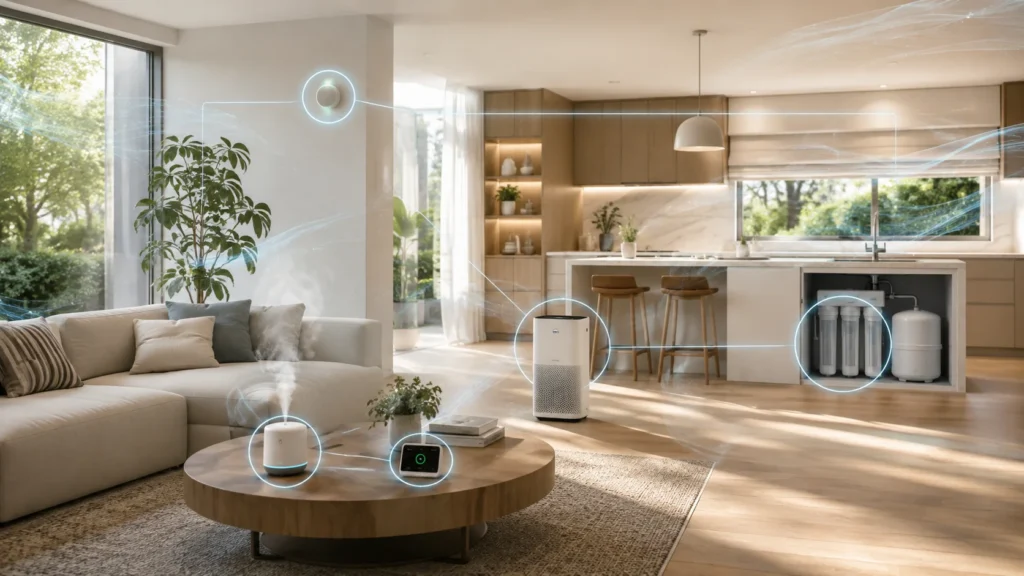
Want to know how an air purifier works before buying one? It's pretty simple how it functions. Just look at this simple diagram:
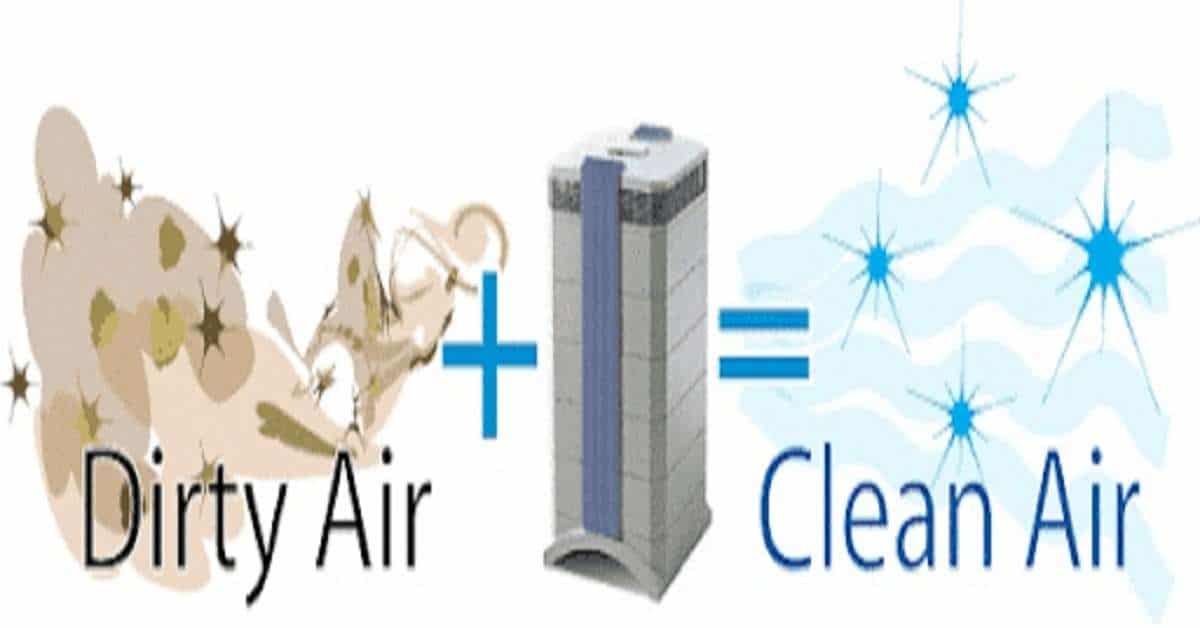
An air purifier manufacturer can combine one or more filter types to clean and sanitize indoor air. But, the most basic idea in air purification systems is on the diagram we just showed you.
how do air purifiers work
Basically, an air purifier draws in the dirty indoor air, cleans it through multiple stages of filters and delivers it out clean and filtered.
It works as an air cleaning machine that rids the air from suspended particles, dusts, smoke, fumes, pollens, pet danders, hair and even germs and biological contaminants.
how do air purifiers work video
Of course there's more to it than this basic explanation. If you want to know how it really works from the inside out, read on! We will answer the most frequently asked questions about how most air cleaners function.
How does air filtration work?
There are two main ways how air purifiers work - either through negative ionization or by mechanical filtration.
- Mechanical Air Filtration - this uses a HEPA filter, activated carbon filter and some models even integrate a UV-C filter to clean the air
- Negative Ionization Generators - use charged wires to create negative ions to pair with ions found in dirty air, weighing them down to stick with the nearest object. This is how does negative ion air purifier work.
Different air purifier brands have a variety of procedures of cleaning the air. The most competitive designs use multi-stage air filtering processes.
How long does air filters last
Filters are usually subject to replacement every 3 to 4 months, depending on the machine manual. This is to let them perform optimally and make sure it really cleans your indoor air without recirculating the contaminants.
How Does an Air Filter Work?
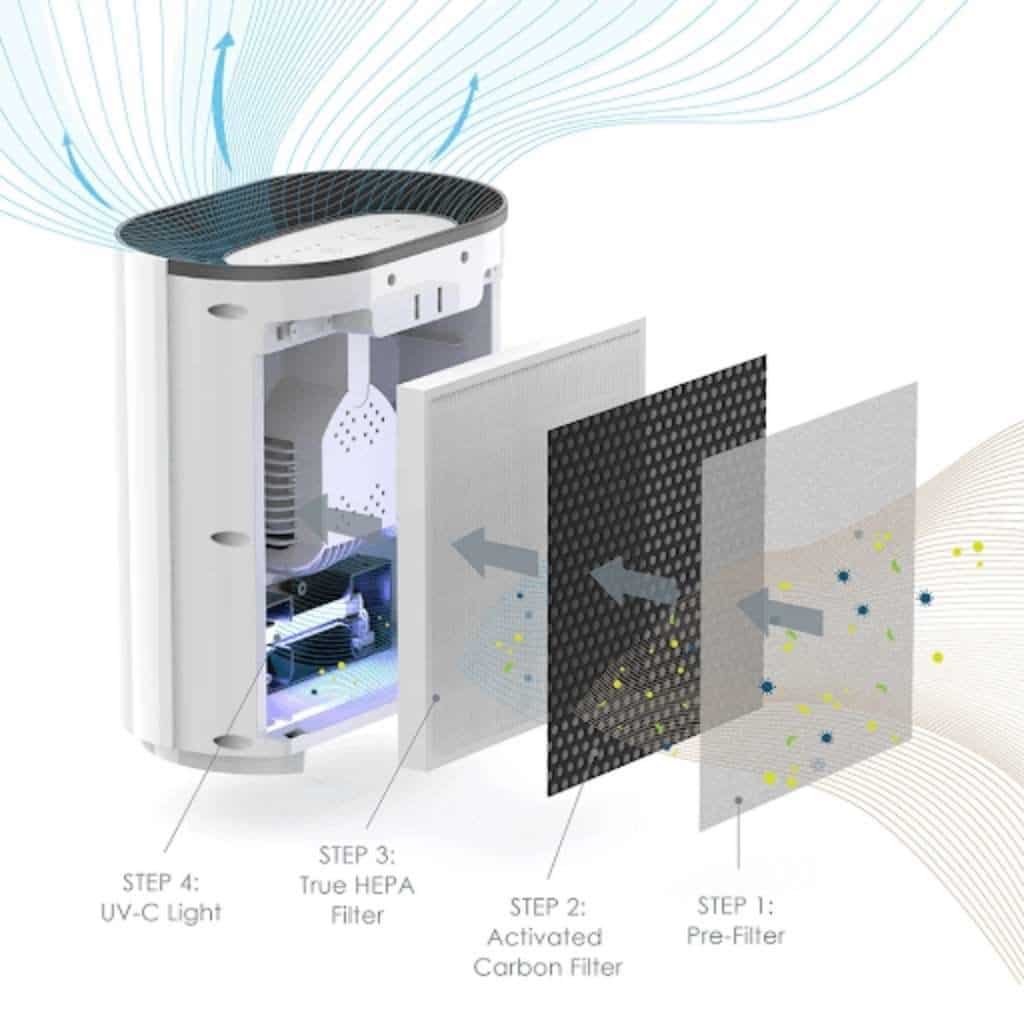
Air filters work by trapping pollutants, dusts and pollens and germs. Certain filters such as carbon filters trap odors, fumes and VOCs (volatile organic compounds).
Commercial air purifiers used in the households, studio apartments and offices are usually equipped with a HEPA filter and activated carbon.
There are also ionizer air purifiers which give off ions to pair up with ions found in suspended particles in order to clean the air.
Below are some of the most common air filters and how they work.
How Do HEPA filters Work
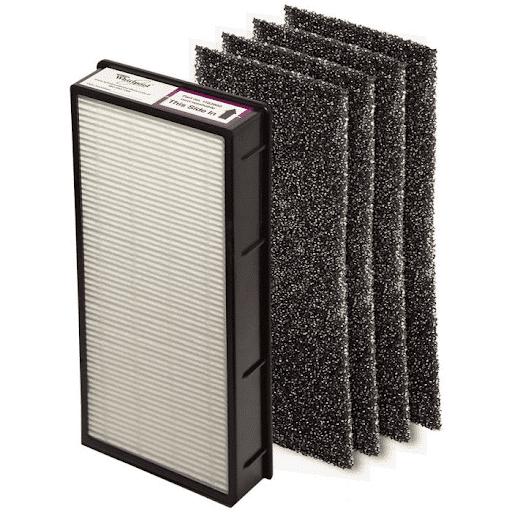
True HEPA filters can capture submicron particles down to 0.3 microns with at least 99.97% efficiency (ASME).
To help you visualize this, the tiniest particles visible to the naked eye is about 10 microns. Anything smaller than this cannot be seen.
HEPA stands for High Efficiency Particulate Arresting. It is designed to satisfy the requirements set by the ASME or European standards.
how do hepa air purifiers work
Particles captured by a True HEPA filter include the tiniest dust particles, pollutants and pollens which can get into the lungs. They can also capture viruses and bacteria, such as Aspergillus niger, Penicillium citrinum, and nanoparticles, such as the Coronavirus .
How Does an Activated Carbon Filter Work?
how does activated carbon work
Activated carbon, composed of powdered, granular blocks of carbon, has an absorbent property. This enables it to soak up contaminants and allergens through its charcoal bed filter.
How do Activated Carbon Filters Work?
Activated carbon filter is a popular filtration component for gases, volatile organic compounds (VOCs) and chemicals. The only downside is that the carbon filter is not highly efficient in removing dust particles, mites, hairs and pollens.
Hence, high performance air purifiers are often integrated with a HEPA filter and activated carbon filter to filter both particles and fumes.
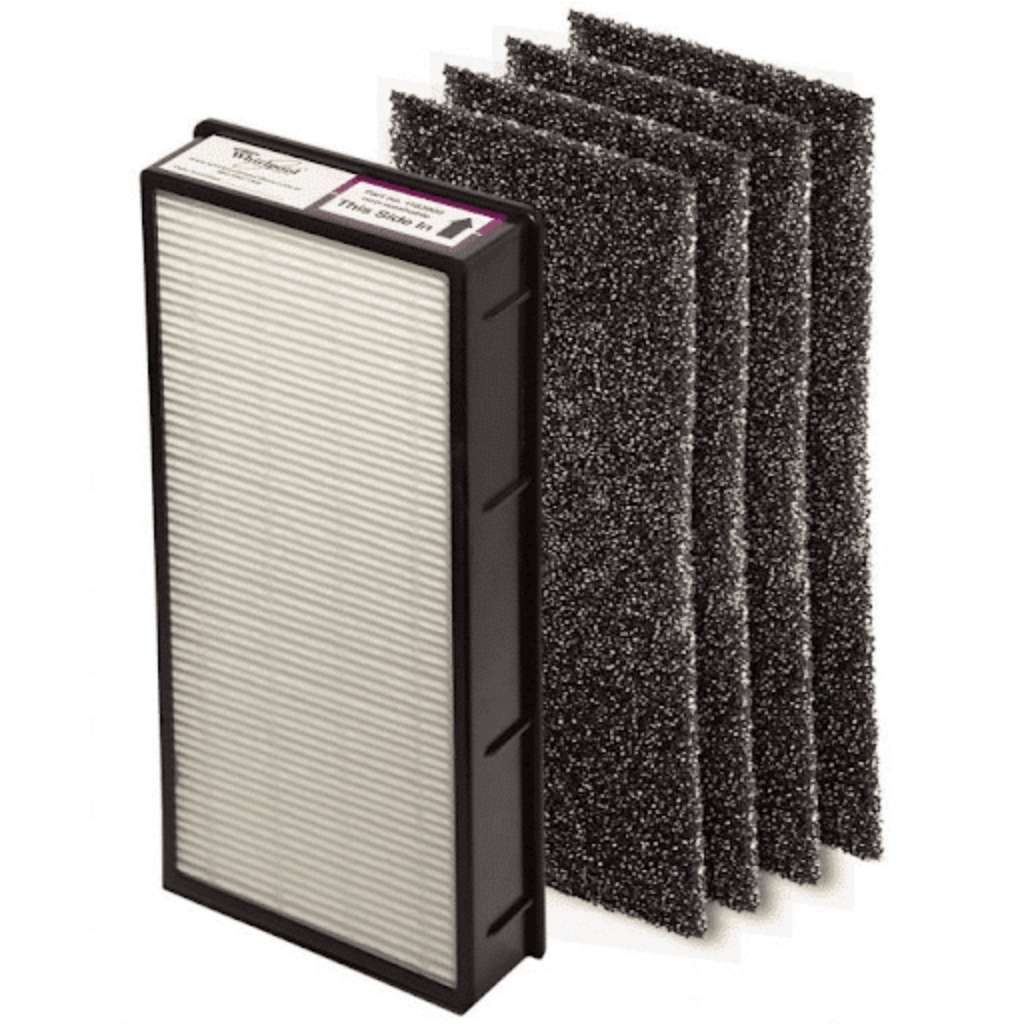
how does activated charcoal work for air purification?
Filthy air will enter the purification system passing through the activated carbon. It leaves the filter layer purified. When used with a HEPA filter, the carbon layer prevents bigger particles from reaching the HEPA.
We have an explanation about the differences between ionic air purifiers and hepa, clicking it away if you want to know!
how does ionizer air purifier work
what is an ionizer(ionic air purifier)
Ionizers use electric charges to clean contaminated air. It is capable of reducing the size of contaminants to 0.1 microns, which can often be seen as more precise than True HEPA filters.
However, ozone emissions can be dangerous to your health, especially if it is more than 0.05 parts per million (ppm).
Hence, true HEPA air purifiers with UV light filters are usually better preferred than ionizer air purifiers. Some brands such as the Blueair, combine ionizer filters with HEPA technology which creates an effective air cleaner, this is confirmed by the Blueair air purifier manufacturer.
Another upside of ionizer filters is that you won't have to replace it every now and then unlike HEPA filters.
How Ionizer Filter Works?
The ionizer works by using electricity to give off negative ions in your indoor environment to charge air with airborne contaminants. Upon charging particles with static, they simply drop down to your furniture or stick onto the nearest object. This way, it rids the air from contaminants and you'll feel the fresh, filtered air.
how do uv air purifiers work?
what is a UV-C light filter
The UV-C light filter is a type of filter that's used in high performance air purifiers that is capable of killing viruses and bacteria. Integrating this with a True HEPA filter and activated carbon, this can be a powerful air cleaning machine.
For example, the HA-HL15 Air Disinfection Purifier has 5 types of filters for sanitizing the air. One of these filters is a UV-C light filter. It also has a HEPA filter and activated carbon and thereby designed for facilities to trap contaminants, rid bad odors and kill viruses.
How Does a UV Filter Work?
In air disinfection purifiers, the UV-C light filter has a wavelength of 256 nm that deactivates microbial activities. As the True HEPA filter and activated carbon trap these pollens and viruses, the UV filter destroys these microorganisms and prevents further reproduction. Thus it not only cleans indoor air, but also sanitizes it.
what is a water air purifier and how does a water air purifier work
Water air purifiers are sticky and can capture various harmful organisms in the air. This is the principle by which water-based air purifiers purify air with water. The fan pushes air into and down the water layers. The water traps any impurities in the air filters them and pushes them back into the surroundings. This mechanism makes a water-based air purifier best for removing flu.
How Air Purifiers Work: Confusion Solved
Does Air Purifier Work Like a Humidifier?
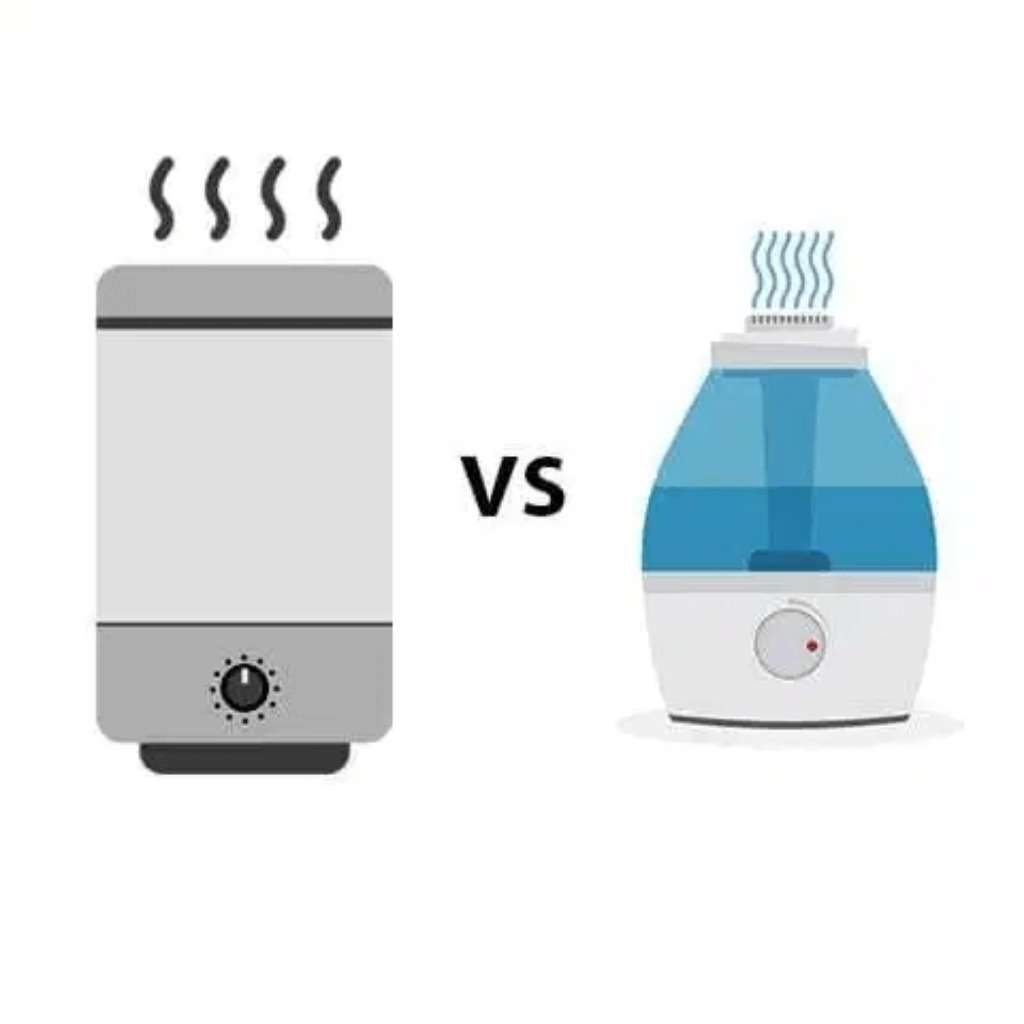
what's the difference between air purifier and air humidifier?Air purifiers do not work like humidifiers as the latter do not add moisture to the air. The humidifier dispenses “smoke-like” mist into the air to increase its moisture content, but it doesn't clean the air. Air purifiers clean the air but it doesn't make the air humid.
Does an air purifier work like a fan?
No, an air purifier doesn't work like a fan. By design, it supposedly does not cool the room. However, some air purifiers having high air flow rates can blow more air in the environment.
To know if your air purifier choice can blow out more air, check the CADR rating. CADR is short for Clean Air Delivery Rate, which tells you how strong the machine can dissipate the air in a specific room size in CFM.
As an example, the Dyson Pure Cool Link, Dyson Pure Cool Tower and Dyson Pure Hot+Cool are designed with high fan power to cool the room while cleaning the air.
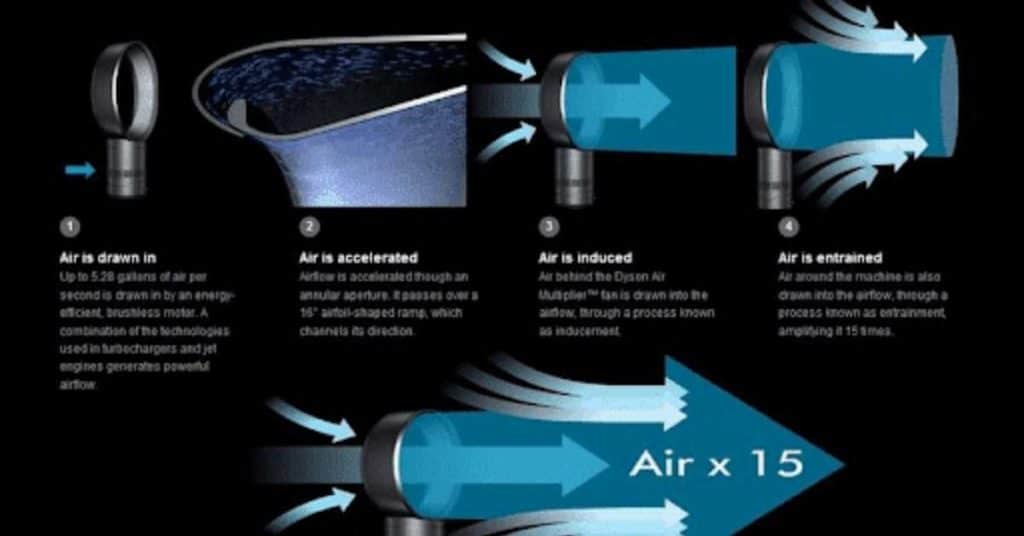
Conventional air purifiers are designed to operate in a more quiet manner , but with a high fan power, these Dyson air purifiers operate louder than the others.
How Long Does an Air Purifier Take to Work?
By virtue, an air purifier may take 15 minutes to an hour to clean the entire air volume in the room. But this measurement is based on the circumstances that all windows and door openings are closed or blocked.
In reality, the safe estimate for an air purifier to clean a room is about 45 minutes to 3 hours. Factors include the power setting, CADR and ACH of the air purifier.
Does an Air Purifier Work with Open Windows
An air purifier works by taking in the volume of dirty air in a room and cleaning it. So naturally, it works best if all windows and doors are closed.
However, even if all windows are open, the air purifier can still significantly lower the contaminants in a room.
A study by smartairfilters.com shows that pollution levels are reduced by 60% in 20 minutes even when all windows are open . Comparatively, a room with closed windows can reduce contaminants at 90%.
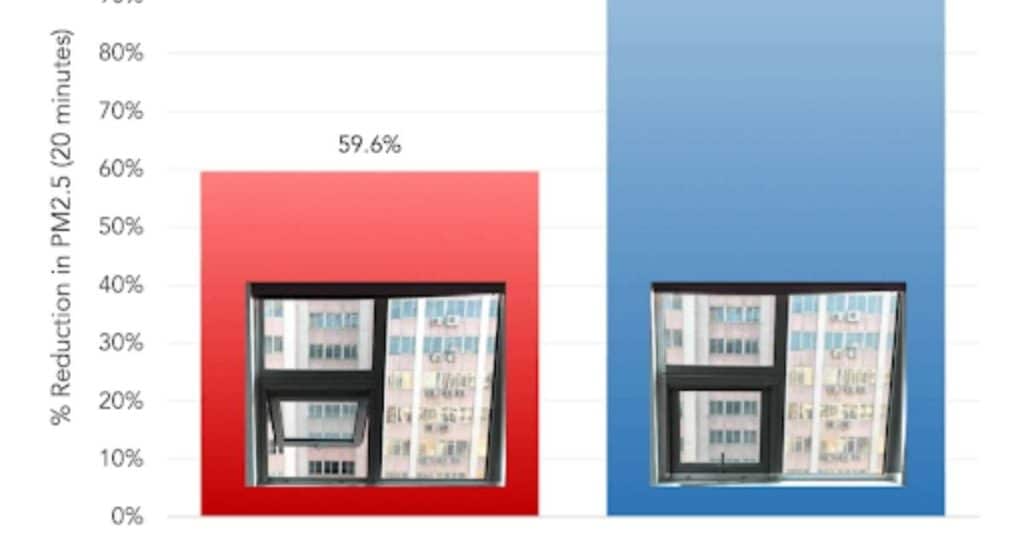
So yes, air purifiers can still significantly work even if all windows are open.
How to Improve Your Indoor Air Quality
In order for the air purifier to work at its best efficiency, you must select a product that should cover your room area and filtration requirements.
Choose a machine that can deliver:
- the CADR required for your room area
- the number of times the air should be exchanged (ACH) based on the type of room you have (hospital, isolation room, living room or bedroom).
Room Area to CADR
So how can you use the CADR to choose the best air purifier that works suitably for your room?
The simplest way is to consider the AHAM's ( Association of Home Appliance Manufacturers ) recommendation. Simply get your room size in square feet and divide this by 1.55. This formula is valid for rooms with ceiling height of 8 ft.
For example, your bedroom is 150 sq. ft. To get the CADR, divide 150 by 1.55 and you'll get 96.77. This means you need to get an air purifier with a CADR of 97 CFM or higher to work efficiently for your room size.
how does ACH and CADR work
The Air Changes per Hour is based on the type of room and application you have. The more critical the activities in that space, the higher the air exchanges per hour should be.
All spaces in general should ideally have an ACH of 4 or higher. This means the air purifier should clean the air in your room 4 times in an hour.
Say you want an air purifier in your bedroom. The suitable ACH for this is 4. In reference to the example above of 150 sq. ft. bedroom, multiply the CADR by the required ACH. That's 97 CFM times 4 ACH equals 387 CFM.
This means, in order for your air purifier to work in its most comfortable/suitable way, choose one with a CADR of 387 CFM (or 400CFM) based on 4 ACH.
We can summarize this by the following formula to get the most suitable air purifier to work for your space:
CADR needed = [Room size (sq. ft) / 1.55] x ACH
how does merv rating work
In a nutshell, the MERV rating for home filters tells you the efficiency of a particular filter in capturing different airborne contaminants passing through them. It is also notable that filters that have higher merv rating are known to excel in trapping small particles.
How do air purifiers work? Are different air purifier brands varied?
Knowing how an air purifier works is important in choosing the best air purifer brand/features for your living space or industry.
how does coway air purifier work
Coway air purifiers are lately rated and reviewed that they use the standard filtration system to remove airborne contaminants. The intakes of these air purifiers absorb air and push them through several layers of filters (i.e., pre-filter, HEPA filter, and carbon filter). The particles and pollutants will be captured by these filters before the air exits the outlet of the air purifiers.
how does levoit air purifier work
Like other air purifiers, this year Levoit air cleaners are reviewed and rated that they use filters to eliminate airborne threats. They have air intakes that draw the air inside them. Once inside, the air pushes through several layers of filters. These filters are the ones that trap any existing particles and pollutants from the air.
how does honeywell air purifier work
Based on Honeywell air purifier testing and rating in 2022, the brand use filters to remove airborne contaminants. Hence, their fundamental mechanism is similar to other filter-based air purifiers. Essentially, they have fans that absorb air. The air will then pass through the filters, capturing the pollutants. After that, the air is released back into the room. The air purifier repeats this process to ensure no contaminants can escape.
how does philips air purifier work
According to philips air purifier reviews, the filters used in Philips air purifiers are proprietary. It has the NanoProtect HEPA filter that removes up to 0.003 microns of contaminants for foolproof protection against microscopic airborne threats. While its carbon and pre-filters are nothing extraordinary, they still work fine.
how does winix air purifier work
Similar to other air purifiers, Winix air purifiers are rated and reviewed they use filter-based filtration. Specifically, they absorb air in a given space and push it toward its filters. These filters will remove existing airborne contaminants before the air is pushed back again into the room.
how does holmes air purifier work
holmes air purifier are tested and reviewed that they use filter-based filtration. Essentially, it uses different types of filters to capture various types of airborne pollutants. The air purifiers absorb the indoor air and let it pass through these filters. This process removes the existing contaminants in the air before it exits the device. Repeating the process keeps your air clean and breathable.
how does mi air purifier work
xiaomi air purifiers are reviewed in that they use the tested-and-tried filtration system. Specifically, they have fans that absorb the air within a given space. The air is then pushed to several filter layers. These filters trap existing pollutants present in the air. After that, the air is then distributed back into the room. This process is repeated to ensure that no contaminants can escape.
How do air purifiers work? Are they Varied in Different Spaces?
We've also answered some misconceptions about how air purifiers work. Lastly, we added a tip on how you can choose an air purifier that works best in your space requirements.
how does car air purifier work
The effectiveness of air purifiers for cars is through the correct and efficient usage of high-quality filters. Filtration remains to be a proven system for capturing different contaminants floating in the air. In HisoAir, we improved the conventional air filtration technologies, elevating the capabilities of our air purifiers in combating indoor air pollution.
how does a portable air purifier work(video included)
Portable air purifiers produced by manufacturers are also popular products bought mainly for ease of use and convenience.
How do air purifiers work: in summary
More useful than a Himalayan salt lamp, an air purifier works by cleaning your indoor air and improving air quality. We've discussed different types of filters in air purifiers. Some air filters are for trapping contaminants, others for odors and still others for killing viruses.
HisoAir is an air purifier manufacturer in China with over 15 years experience in the production of air purifiers. For business inquiries or to request a quotation, please contact us through our contact form .

 English
  Français
  Español
  Italiano
  Deutsch
  Português
  Русский
  العربية
  日本語
日本語  한국어
한국어  Tiếng Việt

