新しいタブで開きます
革新的な空気品質ソリューション

ニュース

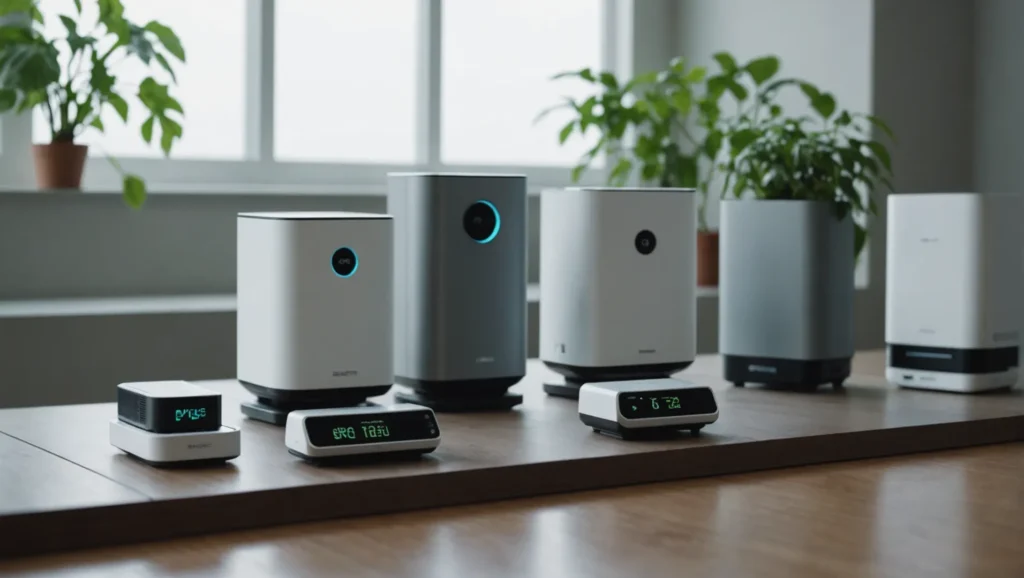
空気清浄機に使用されている各種センサーのクローズアップ写真

空気清浄機のセンサー技術を選択する際に考慮すべき要素とは?

クリーンな室内空気を追求する上で、空気清浄機における適切なセンサー技術の選択は極めて重要である。本記事では、空気清浄機におけるセンサー技術の重要なポイントについて解説する。
ニュース
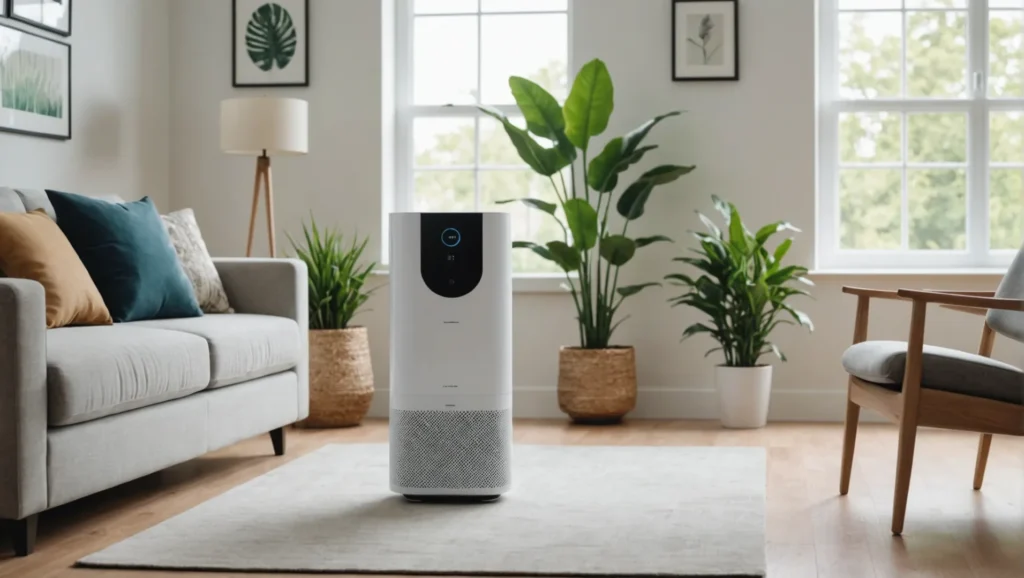
モダンなリビングルームに置かれた空気清浄機

空気清浄機をAHAM規格に適合させるには?

空気の質がこれまで以上に重要視される時代において、お使いの空気清浄機が認められた基準を満たしていることを確認することが最も重要です。家庭用空気清浄機協会を理解する
ニュース
さまざまな種類のエアフィルター・メディアをラベルとMERVレーティングで表示

さまざまな汚染物質とシナリオに適したエアフィルター・メディアを選ぶには?

室内の空気の質が最重要視される世界では、適切なエアフィルター・メディアを選ぶのに圧倒されることがある。ペットのフケから空気清浄機まで、さまざまな汚染物質が存在する。
ニュース
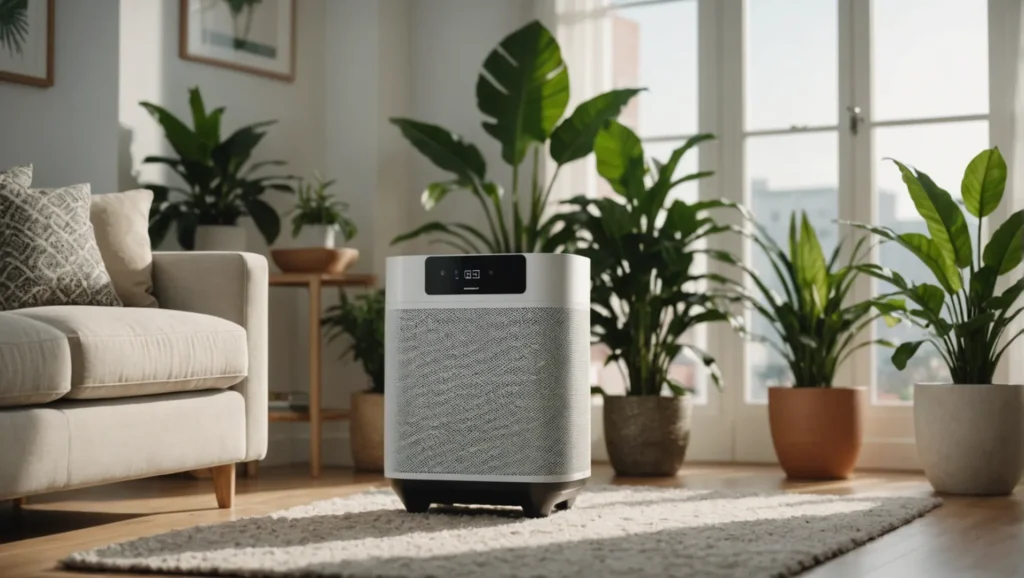
COVID-19パンデミック時代のスタイリッシュなリビングルームに置かれたモダンな空気清浄機。

COVID-19パンデミックは空気清浄機需要をどう変えたか?

COVID-19の大流行は、室内空気の質に対する我々の見方を根本的に変え、空気清浄機を家庭用品として不可欠なものにした。この記事では、需要の急増、市場の変化、そして空気清浄機への需要の変化について紹介する。
ニュース

作業台に置かれた空気清浄機のプロトタイプと、その設計と性能指標を評価するエンジニアたち。

プロトタイプは空気清浄機開発にどう影響するか?

目まぐるしく変化する空気清浄機開発の世界において、成功する製品を生み出すには、優れたアイデアだけでは不十分です。プロトタイプが重要な役割を果たすのです。
ニュース
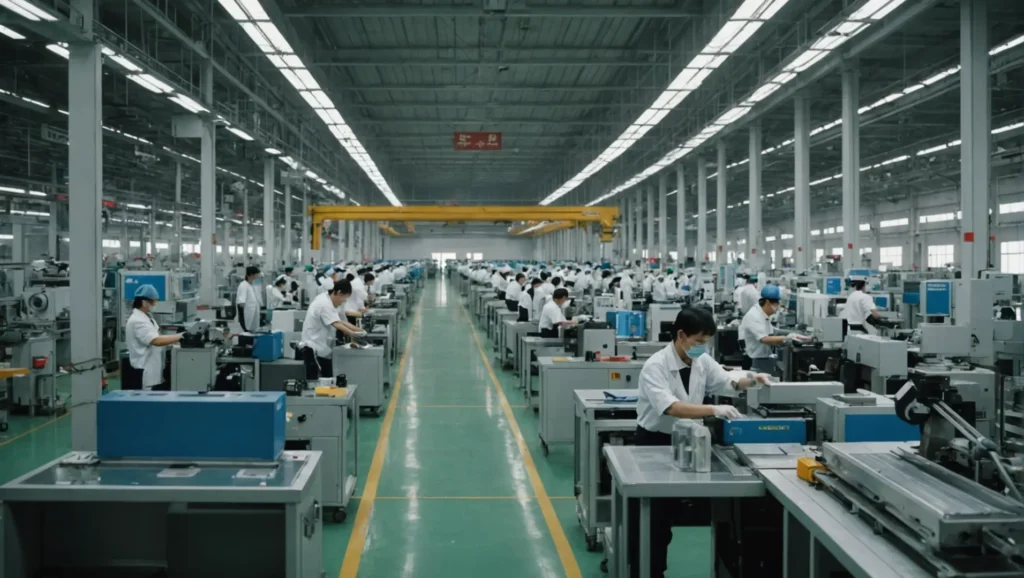
中国・東莞市の空気清浄機工場

Air Doctor空気清浄機はどこで製造されていますか?

エアドクターの空気清浄機がどこで製造されているのか気になりませんか?それはあなただけではありません。製品の原産地を理解することは、購入の意思決定に大きく影響します。この ...
ニュース
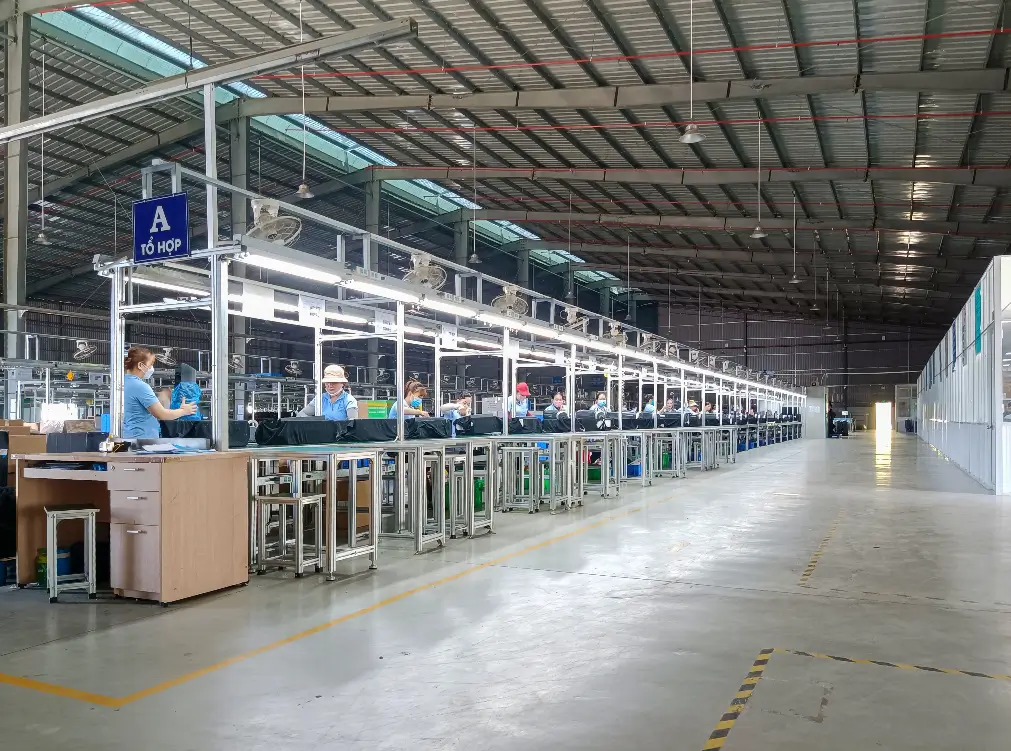
ヒソエアーのベトナム工場の生産ラインで空気清浄機を組み立てる作業員たち

ベトナムの信頼できる空気清浄機サプライヤーをどこで見つけることができますか?

ベトナムで信頼できる空気清浄機サプライヤーを見つけるのは大変なことです。多くの選択肢がある中で、自分のニーズに合った業者を選ぶことは非常に重要です。
ニュース
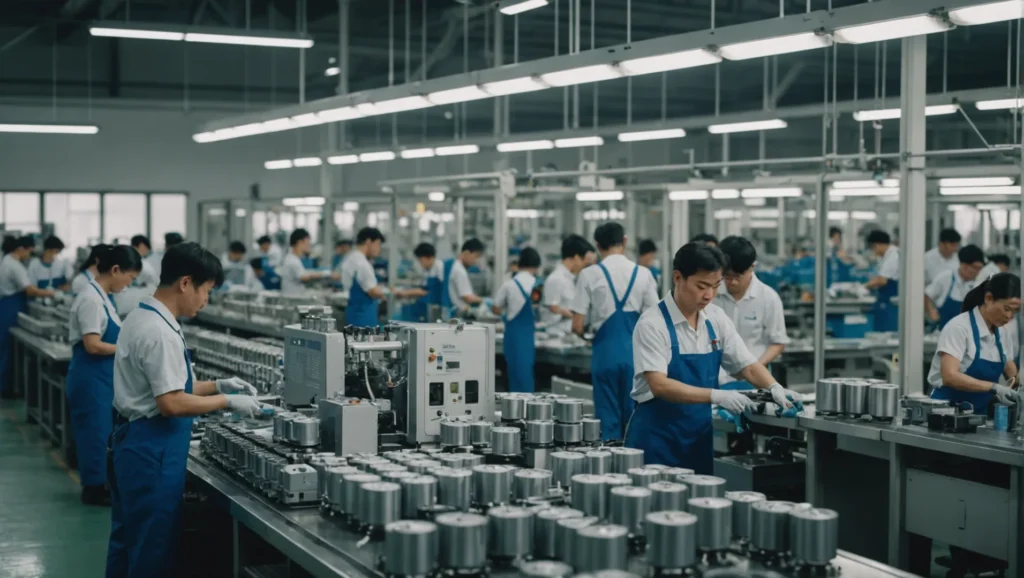
上海工場のMolekule空気清浄機組み立てライン

Molekule空気清浄機はどこで製造されていますか?

Curious about where Molekule air purifiers are made? This article explores their manufacturing origins, how it affects quality, and what you need to consider when ...
ニュース
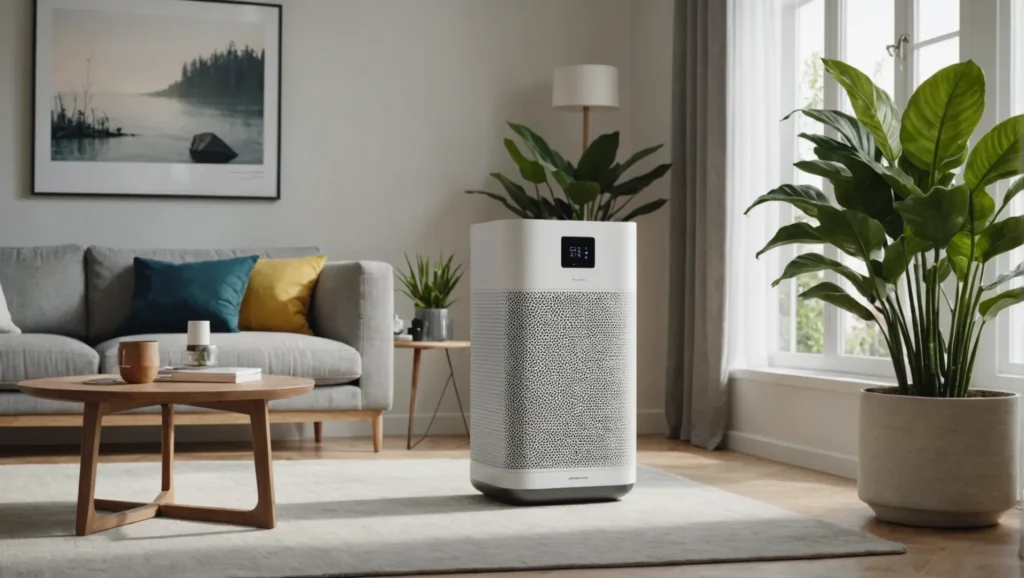
性能指標がデジタル表示される空気清浄機

空気清浄機の性能を効果的に測定する最良の方法とは?

Ensuring clean air indoors is crucial for health and comfort, but how can you be sure your air purifier is up to the task? This ...
ニュース
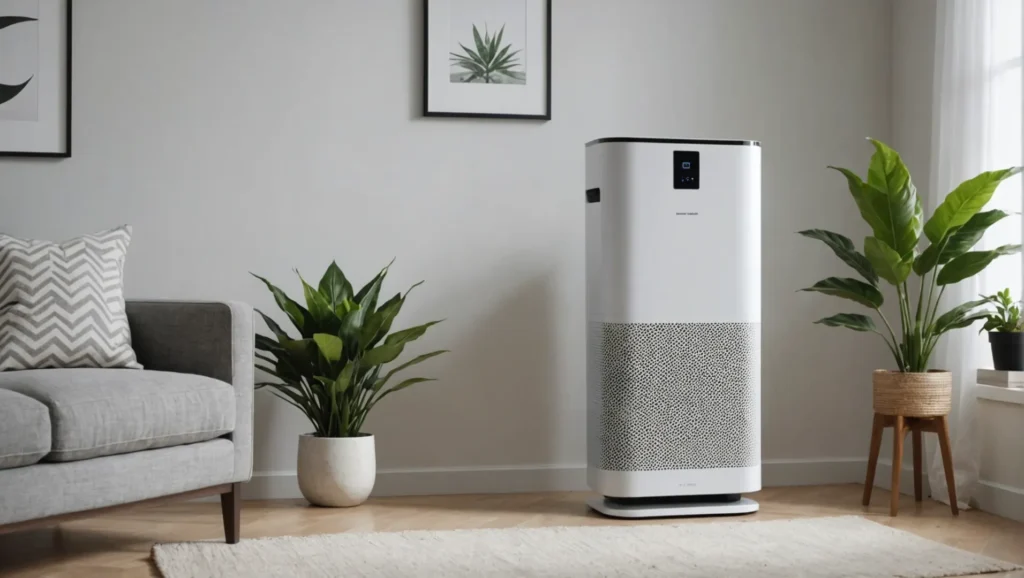
モダンな空気清浄機を、自然光が差し込む洗練された家庭で。

空気清浄機はヘルス&ウェルネス市場をどう変えるか?

Air purifiers are more than just household appliances; they are becoming pivotal in the health and wellness sector. With growing concerns about indoor air quality, ...
ニュース
空気清浄機が目立つように置かれたモダンな家

家庭用空気清浄機の米国市場規模は?

The US home air purifier market is expected to grow to $6.7 billion by 2032, with a compound annual growth rate (CAGR) of 6.6% from ...
ニュース
空気清浄機のOEM/ODMプロセスのタイムライン(設計、試作、テスト、生産などの段階を含む)。

空気清浄機のOEM/ODMプロセスのタイムラインは?

Embarking on the journey of developing or manufacturing air purifiers involves understanding the timeline of the OEM/ODM process, typically spanning 3 to 6 months. This ...
ニュース

Contaminant Engineering•3 min read

PFAS Water Filtration Technologies Explained: Carbon, Resin & RO

Key Takeaway:

PFAS reduction depends on the specific compounds present, treatment media, contact time, water chemistry, and system design. Activated carbon, ion exchange, and Reverse Osmosis address PFAS through different mechanisms.

PFAS are a large family of persistent fluorinated compounds that can occur in drinking-water supplies. Their treatment behavior varies significantly by molecular structure, chain length, functional group, concentration, and the chemistry of the source water.

Granular Activated Carbon (GAC) removes PFAS primarily through adsorption. It is generally more effective for many longer-chain PFAS, while shorter-chain compounds tend to break through more quickly. Carbon performance depends on media properties, Empty Bed Contact Time (EBCT), competing organic matter, loading, and replacement frequency.

Ion-exchange resins use charged functional sites to capture many PFAS compounds. Properly selected anion-exchange media can provide high capacity and may perform better than conventional activated carbon for some shorter-chain PFAS, although performance still depends on water chemistry and competing ions.

Reverse Osmosis (RO) uses membrane separation rather than adsorption. Properly designed RO systems can provide broad reduction across many PFAS compounds as well as dissolved salts and other contaminants. Unlike carbon or resin, however, RO also produces a concentrate stream that must be managed.

No single technology should be selected from a PFAS label alone. System design should consider which PFAS compounds are present, their concentrations, required reduction targets, flow rate, media life, and the applicable third-party certification or validation requirements.

HisoAir Water Technical Series
Product Discovery•3 min read

How to Choose an Under-Sink Water Purifier for Modern Kitchens

Key Takeaway:

Match the treatment technology to your water quality first, then evaluate cabinet space, faucet configuration, flow rate, drain and power requirements, and filter replacement needs.

Choosing an under-sink water purifier starts with water chemistry. Carbon filtration is well suited to chlorine, taste, odor, and many organic contaminants, while Reverse Osmosis is more appropriate when dissolved salts, fluoride, nitrates, or broader dissolved contaminants need to be reduced.

For compact kitchens, tankless RO systems eliminate the conventional storage tank and can significantly reduce the space required under the sink. However, membrane capacity stated in GPD does not directly equal faucet flow. When comparing systems, check the actual dispensing flow rate, inlet-pressure requirement, recovery ratio, and whether a booster pump is required.

Installation architecture also matters. Many RO systems require a drain connection, electrical power, and either a dedicated drinking-water faucet or a compatible multi-function faucet. High-flow carbon systems can often connect directly to the existing cold-water line with a simpler installation, but pressure drop and available faucet flow should still be verified.

RO also removes much of the naturally occurring dissolved mineral content. Where taste or mineral balance is a priority, a post-RO remineralization stage can be added. Filter life should be evaluated by both rated capacity and local water quality rather than replacement time alone.

The right system is therefore not simply the smallest or highest-GPD model. It is the configuration that matches the target contaminants, available cabinet space, desired faucet setup, peak dispensing demand, and maintenance expectations.

HisoAir Water Technical Series
Water Quality•2 min read

What Does TDS Mean in Drinking Water? Measurement vs Contaminant Reality

Key Takeaway:

A TDS meter estimates the overall concentration of dissolved ionic substances from electrical conductivity. It cannot identify specific contaminants or determine whether water is chemically safe.

Total Dissolved Solids (TDS) refers to the combined concentration of dissolved substances in water. Most handheld TDS meters do not measure TDS directly. Instead, they measure electrical conductivity (EC) and convert that reading into an estimated parts-per-million (ppm) value.

This means a TDS reading can indicate how much dissolved ionic material is present, but not what that material actually is. Calcium, magnesium, sodium, nitrates, and other dissolved ions can all contribute to conductivity, yet a simple TDS meter cannot distinguish between them.

TDS meters are also not suitable for detecting trace contaminants such as PFAS, many VOCs, pesticides, pharmaceuticals, or disinfection byproducts. These substances may be present at concentrations far below the level needed to noticeably change electrical conductivity.

A low TDS reading therefore does not guarantee safe drinking water, and a higher TDS reading does not automatically indicate contamination. Water-treatment decisions should be based on laboratory testing for specific contaminants of concern rather than TDS alone.

HisoAir Water Technical Series
Technology Selection•2 min read

RO vs UF Water Filtration: Understanding Pore Sizes & Dissolved Minerals

Key Takeaway:

Ultrafiltration can reduce bacteria, turbidity, and suspended particles while retaining most naturally occurring dissolved minerals. Reverse Osmosis provides much broader reduction of dissolved salts and smaller contaminants.

Ultrafiltration (UF) typically uses hollow-fiber membranes with pore sizes in the approximate 0.01–0.1 micron range. These membranes physically retain turbidity, suspended solids, colloids, and many microorganisms while allowing dissolved minerals and salts to remain in the water.

Reverse Osmosis (RO) operates at a much finer separation level. Unlike UF, RO can substantially reduce dissolved ions such as sodium, calcium, fluoride, nitrates, and other contributors to total dissolved solids (TDS). This makes RO more suitable when dissolved-salt reduction is a primary treatment objective.

UF generally requires less system pressure and produces little or no continuous concentrate stream in many point-of-use configurations. RO typically requires greater pressure and produces a reject-water stream, but delivers broader contaminant reduction.

For water with acceptable TDS and mineral content, UF can be a simpler mineral-retaining treatment option. Where dissolved salts, fluoride, nitrates, or broader dissolved contaminants are a concern, RO is generally the more appropriate technology.

HisoAir Water Technical Series
Technology Selection•4 min read

Carbon Block vs Reverse Osmosis: Which Fits Your Need?

Key Takeaway:

Choose RO for dissolved inorganic salts and heavy metals; choose Carbon Block for chemical taste/odor, no wastewater, and high line-pressure flow.

Reverse Osmosis (RO) and Carbon Block filtration represent two fundamentally different treatment methods: membrane separation and adsorption. Understanding these differences helps determine which technology is better suited to a specific water-quality requirement.

Reverse Osmosis uses a semi-permeable membrane with pore sizes of approximately 0.0001 microns. It can significantly reduce dissolved inorganic contaminants such as TDS, fluoride, nitrates, and certain heavy metals. Because water must be forced through the membrane, RO systems require sufficient pressure or a booster pump and generate a concentrated wastewater stream.

Carbon Block filtration relies primarily on adsorption through compressed activated carbon, commonly with nominal pore sizes around 0.5–5 microns. It is highly effective for chlorine, chloramines, VOCs, taste, and odor, while allowing substantially higher direct-flow rates without producing wastewater.

From an operating perspective, Carbon Block systems are generally simpler, require less energy, and avoid the water loss associated with RO. RO involves higher system complexity and operating cost, but provides substantially broader reduction of dissolved contaminants that Carbon Block alone cannot address.

HisoAir Water Technical Series

見積依頼