新しいタブで開きます
革新的な空気品質ソリューション

ペットの臭いを除去するために最適なペット用空気清浄機

Related Products

ペットの飼い主に最適な空気清浄機はこれだ:清潔で、より健康的な空気で病気を減らすための最高のソリューション。

私たちがどんなにペットを愛していても、ペットは室内の空気を悪くするかもしれない。ペットの毛やフケは、アレルギー患者にとっては苦痛に近い。幸いなことに、ここで空気清浄機が活躍する。

これらの装置は、多数の層で空気をろ過する。その 最高級ペット用空気清浄機 フケや抜け毛を集めるネット上にはたくさんの空気清浄機があるため、どれがペットを飼っている家庭に最適なのかわかりにくい。そこで、フィルターの種類、部屋の広さ、お客様の満足度などを考慮し、ペットオーナー向けの空気清浄機を調査しました。以下の記事をお読みください。

ペットに最適な空気清浄機の概要

Levoit、GermGuardian、Hisoairといったメーカーの最高級ペット用空気清浄機については、以下で詳しく説明する。

エディターズ・チョイス

市場には多種多様な空気清浄機がある。大きな例外は、大気中の不快な臭いを除去する能力である。この表は選ぶ際の参考になる。

レボワ・コア P350 空気清浄機 ヒソエア HA139
  • 真のHEPAフィルターは、0.3ミクロンのホコリ、煙、花粉、ペットのフケを99.97%捕集します。
  • VortexAirTMテクノロジーは219 ft2/20 m2をカバー。
  • QuietKEAPTMはノイズを24dBまで低減。
  • 空気中のウイルス、バクテリア、その他の汚染物質を99.9%除去します。
  • (HEPA)は0.1umの医療グレードに達する。
  • ユニークなエア・ダクト・デザイン
  • 卓越した低ノイズ - 5 -10dB
  • 複数のセンサー:PM2.5、CO2、温度、湿度。

ペットに最適なHEPA空気清浄機

多くの人が集まる場所にお住まいの場合、アレルゲンやホコリが浮遊しているため、より困難な時間を過ごすことになります。そんな方には、このタイプの清浄機がおすすめです!

Blueair Blue Pure 211+ 空気清浄機 ヒソエア HA1968
  • 5色の洗えるプレフィルターで空気清浄機をカスタマイズ。
  • 211+の360度吸気口は多用途に使える。
  • 最も低い騒音レベルは31dB、最も高い騒音レベルは56dBである。
  • 抗菌フィルター、プレフィルター、HEPAフィルター、活性炭フィルター
  • 空気中のウイルス、バクテリア、その他の汚染物質を99.9%除去します。
  • 簡単な操作 - 手間をかけずに製品を使用
  • 卓越した低ノイズ - 5 -10dB

手頃な価格のペット用空気清浄機

ペットを飼うことは素晴らしいことだが、適切なアクセサリーを用意しなければ大きな苦痛にもなる。そのアクセサリーのひとつがペット用の空気清浄機で、どれを買えばいいのか、ここでお教えしよう。

ハミルトンビーチ トゥルーエアー清浄機 MODEL: 04383 ヒソエア HA138
  • ペットのフケ、花粉、3ミクロンの粒子を99.99%捕集。
  • 寝室、書斎、子供部屋、廊下、またはビジネスルームに最適です。
  • 価格帯 $64.99/個
  • 抗菌フィルター、プレフィルター、HEPAフィルター、活性炭フィルター
  • 空気中のウイルス、バクテリア、その他の汚染物質を99.9%除去します。
  • 簡単な操作 - 手間をかけずに製品を使用
  • 価格帯 US$80.00~US$112.00/個

最も静かなペット用空気清浄機

空気清浄機は家の空気をきれいにするのに役立ちますが、どの空気清浄機が一番静かかご存知ですか?私たちは、あなたとペットにとって最も静かな空気清浄機を調査しました。

BISSELL MYair 空気清浄機 ヒソエア HA W400
  • トライフィルター3600は、0.3ミクロン以上の粒子を99.7%捕集します。
  • 寝室、寮、ホームオフィスに最適な85平方フィート。
  • 最低ファン回転数は27 dBで、エネルギースター認定(A)。
  • 抗菌フィルター、プレフィルター、HEPAフィルター、活性炭フィルター
  • 空気中のウイルス、バクテリア、その他の汚染物質を99.9%除去します。
  • 簡単な操作 - 手間をかけずに製品を使用
  • 卓越した低ノイズ - 5 -10dB

トップクラスのペット用空気清浄機

ペットは家族の一員である。交友関係、安らぎ、そして無条件の愛を与えてくれます。空気清浄機は、室内環境全体を改善し、選んだ空気清浄機で大切なペットをより清潔で健康にする、私たちの家にとって不可欠な存在です。

Dyson Cool TP07 スマート空気清浄機 ヒソエア HA1968
  • ダイソンの最新の清浄機は、高度なセンシングとろ過機能を兼ね備えている。
  • HEPAフィルターは、0.3ミクロン以上の粒子を99.97%捕集します。
  • ダイソンのAir MultiplierTMテクノロジーが部屋全体を浄化します。 
  • 抗菌フィルター、プレフィルター、HEPAフィルター、活性炭フィルター
  • 空気中のウイルス、バクテリア、その他の汚染物質を99.9%除去します。
  • 簡単な操作 - 手間をかけずに製品を使用
  • 卓越した低ノイズ - 5 -10dB

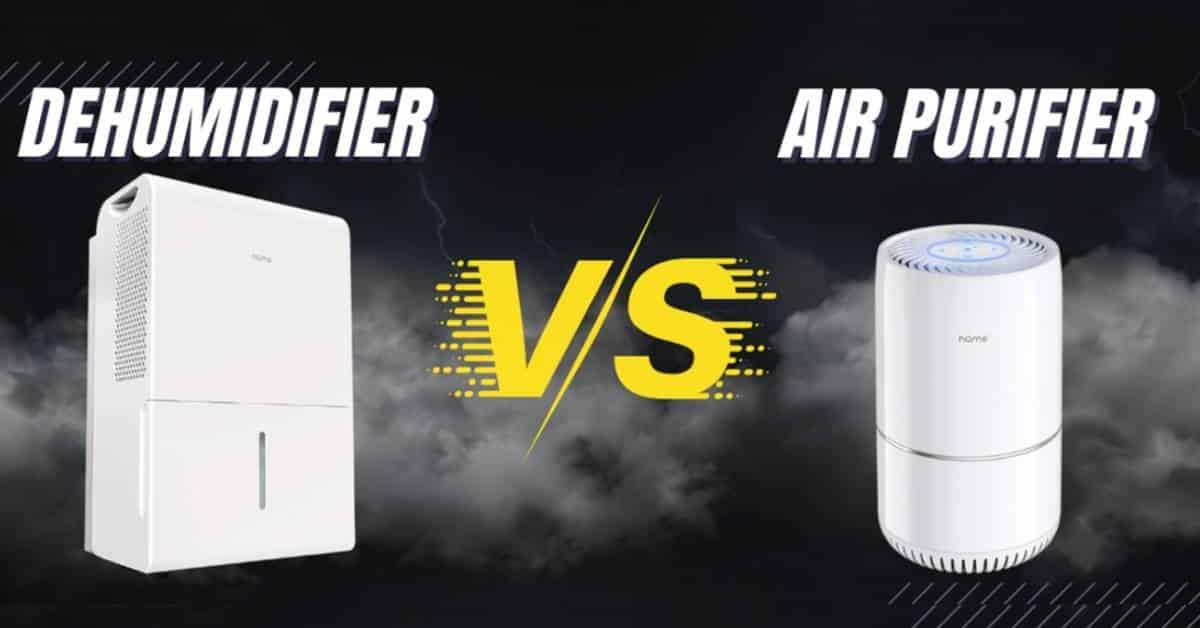
ペットにはどっちがいい?空気清浄機 vs 除湿機 vs イオン発生機

ペット用空気清浄機と除湿機とイオナイザーの比較

イメージエッセンシャル・ホーム&ガーデン

空気清浄機、除湿機、イオナイザーはペットのための良い選択肢です。使いたい機器と、その機器によってどの程度の空間を清浄化する必要があるかによる。また、化学薬品を使うよりも安価なはずです。ここでは、これらの機器の仕組みと、あなたのペットに最適なものを選ぶ際に考慮すべき点について、より詳しく説明します。

空気清浄機

空気清浄機がアレルゲンを除去 除湿機やイオン発生器も役立ちます。除湿機やイオン発生器が役立ちます。空気清浄機は、ペットのフケなどのアレルゲンを除去し、アレルギーや喘息に役立ちます。湿度の高い気候では、空気中の湿度を下げることはありません。 

除湿機

は、空気中の水分を引き抜き、リザーバータンクに集める(または排水口に排出する)ことで、湿気のレベルを下げるのに役立ちます。これにより、家中にカビが生えたり、フローリングの床や壁など湿気がたまった表面に臭いが発生したりするのを防ぐことができます。

空気イオナイザー

このタイプの空気清浄機は、家庭内の空気中の汚染物質に電荷を加えることでマイナスイオンを発生させ、帯電した粒子の雲として消滅させる。一度静電気を帯びると、これらの粒子(ホコリ、アレルゲン、ペットのフケなど)は最も近い表面に付着します。

なぜペット用空気清浄機が必要なのか?
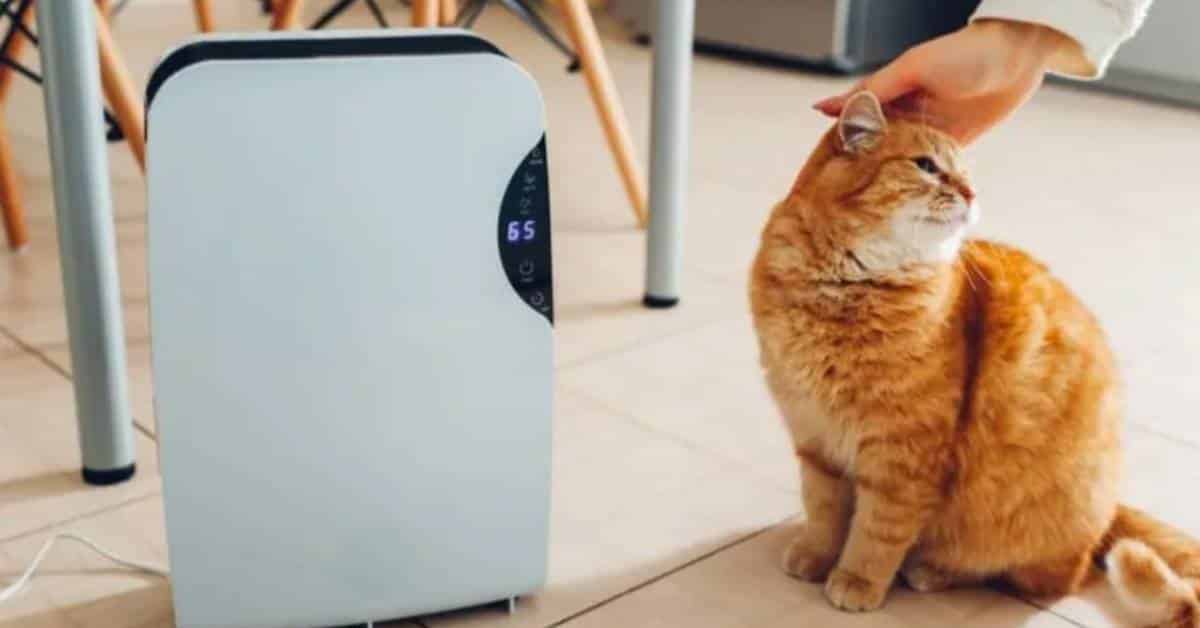
なぜペット用空気清浄機が必要なのか?
なぜペット用空気清浄機が必要なのか?

画像:CATATONPOST

空気清浄機は空気の質の改善に貢献しますが、ご家庭の空気からペットの毛をすべて取り除くことはできません。ペットの毛、フケ、毛皮によるアレルギーにお悩みの方は、可能な限り高品質のHEPAフィルターを搭載した機器の使用を強くお勧めします。

  • 喘息の症状緩和

12人に1人が喘息である。 疾病対策センター.喘息患者は気管支が炎症を起こしている。ペットのフケ、花粉、ダニが彼らの気道を刺激し、呼吸障害を引き起こす。犬や猫は一年中毛が抜ける。ペットが引っ掻くと、毛皮や怒りが空気中に撒き散らされる。犬でなくても、花粉やダニは喘息を悪化させる。その結果、喘息患者は、これらの機器を使用することで、室内で喘息の誘因にさらされる機会が減ることに気づくかもしれない。

  • 室内環境から有害化学物質を排除

ドアや窓を閉めても、二酸化窒素や一酸化炭素を防ぐことはできない。これらのガスは交通量の多い場所に多く、住宅に入り込む可能性がある。国立医学図書館の研究によると、一酸化炭素と二酸化窒素のPMは認知症リスクを増加させることが示唆されている。空気清浄機は、空気中のホルムアルデヒド、ふけ、ほこり、花粉、一酸化炭素などの有害な化学物質の数を減らし、呼吸を改善するように設計されています。

  • 不快な臭いを中和

ガソリン、ベンゼン、ホルムアルデヒドは常温で発生する。VOCは、塗料、エアゾールスプレー、布張り家具、芳香剤などに含まれている。VOCは吐き気、呼吸困難、認知障害を引き起こす可能性がある。室内空気汚染物質の影響を抑えるには、家庭やオフィスで空気清浄機を使うのが効果的です。実際、化学物質に敏感な人にも適している。

  • 睡眠を改善する

細菌、真菌、ダニは、一般的な室内アレルゲンである。喘鳴は数週間にわたって鼻水を引き起こす。頻繁なくしゃみ、咳、鼻づまり、涙目、喉の痛みは睡眠を妨げる。睡眠不足は昼間の眠気を引き起こし、朝の生産性を低下させる。HEPA空気清浄機は、ほとんどのアレルゲンを除去し、睡眠の妨げを防ぎます。空気の質は睡眠を改善します。

ペット用空気清浄機が必要な空間

ペット用空気清浄機は、空気中のアレルゲンの数を減らす素晴らしい方法なので、ペットが使用する部屋で役立ちます。ペット用空気清浄機が必要な場所のリストはこちら:

病院

病室には空気清浄機が欠かせません。病院には、患者の健康を著しく脅かす有害な微生物やウイルスがあふれています。そのため、空気清浄は病院環境における感染制御の主要な構成要素のひとつです。

学校

学校に空気清浄機を設置することで、生徒たちは喘息やアレルギーによる心配や気晴らしから解放され、教育に支障をきたすことがなくなる。教師も、教室で教えられていることに集中する時間とエネルギーを確保できる。

事業所

オフィスの空気の質は、働く人の健康を維持するために不可欠である。長い間オフィスで働いていて、部屋の空気の質が低下していたり、汚染されていたりすると、肺に悪影響を及ぼす。長年、人々はこの問題に対処するのに苦労してきたが、空気清浄機と呼ばれる機械があり、誰もがこの問題を解決することができる。

大都市では、適切な呼吸をすることが難しくなってきている。しかし、私たちの多くは、家族全員に適したきれいな空気を放出する空気清浄機の存在を知らない。

ペットに良い空気清浄機とは?
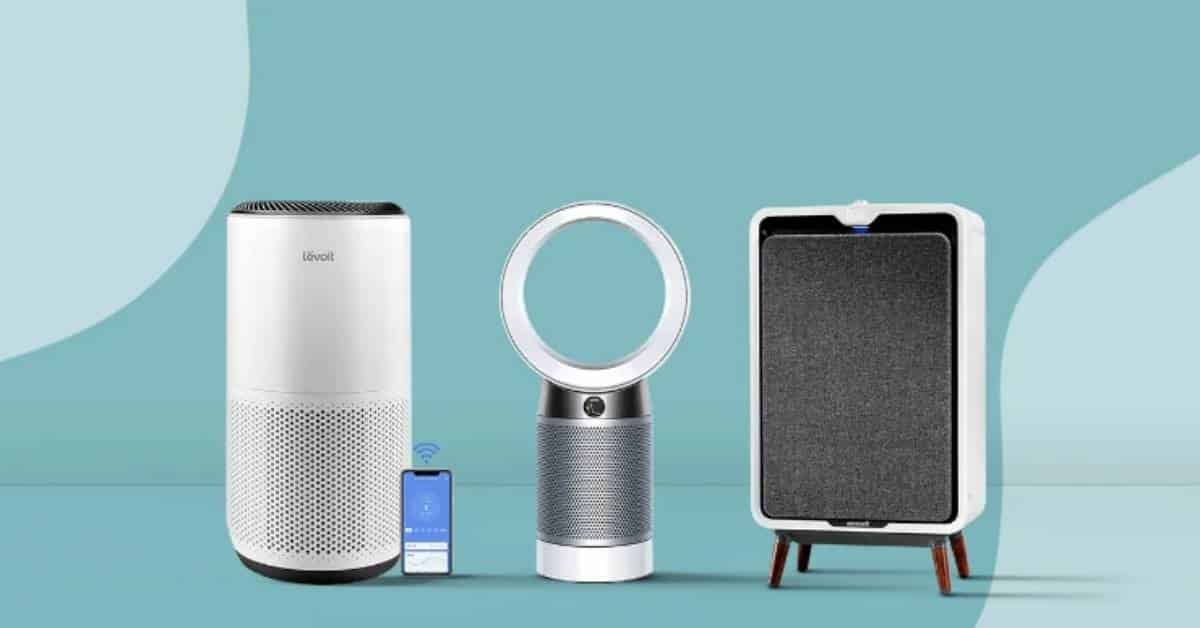
ペット用空気清浄機とは?
ペット用空気清浄機とは?

画像ヘルスライン

これまで述べてきたように、ペットのフケは多くのアレルギー患者に影響を与えるが、ダニの侵入も同様である。両方の難点がある場合は、巨大な空気清浄機を購入しましょう。ほとんどの空気清浄機には複数のサイズがあるので、ニーズに合ったものを選ぶとよい。ペットの安全と快適さには空気清浄機が必要です。ペットに優しい空気清浄機を探す-購入前にリサーチする。以下は、良い空気清浄機が備えていなければならない機能の一部です。

フィルタータイプ

濾過すべき粒子の種類と大きさによって、使用すべきフィルターの種類が決まる。

  • HEPAフィルター。 高効率微粒子空気(HEPA) カビ、花粉、ホコリを除去するフィルターです。直径0.3ミクロンの粒子を99.97%除去します。
  • プレフィルター。 プレフィルターは空気中の大きな粒子や分子を捕捉し、他のフィルターはより小さな粒子を捕捉します。また、フィルターの詰まりを防ぎます。
  • カーボンフィルター。 カーボンフィルターは、ろ過中に煙、ニオイ、ガスを集めます。一方、HEPAフィルターは臭いを除去できない。
  • UV-Cライト。 UVはカビや細菌を死滅させ、ペットにも適している。多くの空気清浄機にはこのろ過オプションが含まれている。イオナイザーやトゥルーHEPAフィルターを使えば、カビはすぐに消える。

サイズと容量

サイズと容量 は、清浄機を購入する際に考慮しなければならない最も重要なことの2つです。サイズは、あなたの小さなスペースに収まるかどうかを確認する必要があります。一方、容量は、一定時間内に浄化できる空気の総量を指します。

対象地域

HisoAir空気清浄機は、300平方メートルまでの広い範囲を清浄することができます。拡散気流が空気中のVOCや有機物、ガス状汚染物質、臭気を効果的に除去します。

騒音レベル

HisoAir空気清浄機は、現在市販されている空気清浄機の中で最も静かな空気清浄機です。騒音レベルはわずか35dBAで、ささやき声よりも静かです。

寸法

HisoAir空気清浄機は小型でコンパクトなため、ご家庭でもオフィスでもお使いいただけます。持ち運びが便利なだけでなく、目立たないサイズなので、どのようなスペースにも設置でき、セキュリティも万全です。

保証

当社のサービスチームは、お客様がHisoAir空気清浄機を長期にわたってご満足いただけるよう尽力しています。HisoAir空気清浄機には、ご購入日から3年間の保証と5年間のフィルターライフサイクルが付いています。

ペットに最適な空気清浄機のタイプは?

ペットは家に喜びをもたらしてくれるが、悪臭を放つこともある。愛犬がソファで寝ているのを見逃している場合、愛犬がベッドをトイレ代わりに使っているのは明らかだ。ペットのおしっこや排泄物は、空気の質と臭いを損なう可能性があります。まず、ペットに最適な空気清浄機を選びましょう。

コンパクトなデザインで、置きたい場所やスペースのほとんどにフィットします。人間工学に基づいたハンドルが付いているので、どこへでも簡単に持ち運ぶことができます。

ペット用空気清浄機に最適なメーカーは?

現在、市場にはさまざまな空気清浄機が出回っている。その一方で、空気中の刺激臭を除去するのに非常に優れた特筆すべきものもある。どれがあなたのニーズに合っているか、すぐに分かるようにこの表にまとめました。

エリアタイプ 空気清浄機 CADR
病院 *ヒソエア HA-1601

*ダイソン ピュリファイアー クール TP07 空気清浄機と扇風機

*800 m3/h

*800平方フィート

学校 *ヒソエア HA-1968 *1500 m3/h
ホーム *ヒソエア HA-W400

*アレン ブリーズスマート クラシック ペットのフケと臭い

*444 m3/h

*800平方フィート

オフィス *ヒソエア HA-139

*LEVOIT空気清浄機コアミニ、ホワイト

*400 m3/h

*403平方フィート

ジム *ヒソエア HA-1968 *1500 m3/h
レストラン *ヒソエア HA-1601 *800 m3/h

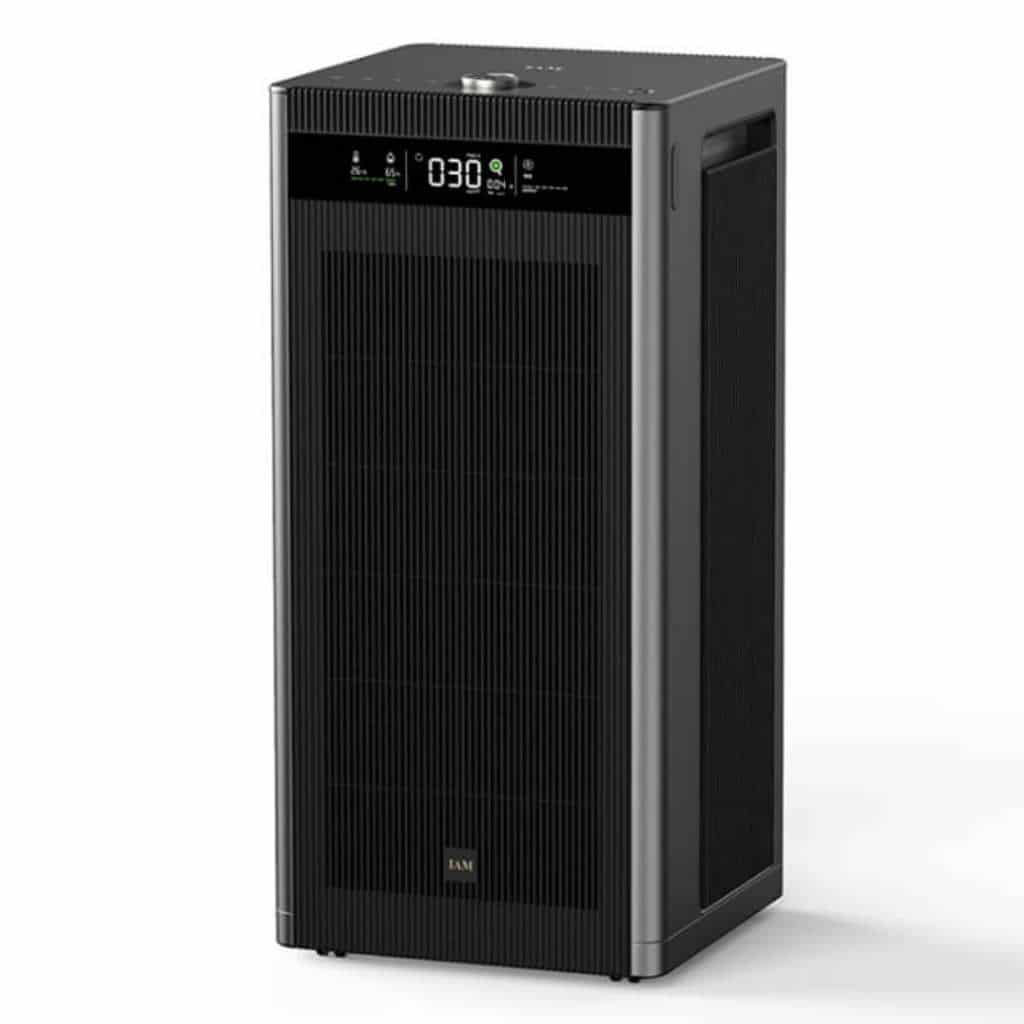
1. ヒソエア空気清浄機 HA-1968

ヒソエア・モデルHA-1968
ヒソエア・モデルHA-1968

イメージヒソエア

HisoAirモデルHA1968はパワフルな空気清浄機です。最大1,937平方フィートの範囲の空気をろ過できます。この装置は家庭全体の空気を浄化します。1500m3/hの清浄空気供給量は、その豊富な風量を示しています。

空気濾過が必要な大空間は、この恩恵を受けるだろう。カビ臭さやその原因となるカビやカビを除去するフィルターが搭載されています。HEPAフィルターが0.1ミクロンの空気汚染物質を99.97%捕捉し、カーボンフィルターがVOC、汚染物質、臭いを除去します。

長所 短所
  • 医療分野における卓越性
  • 広いエリアでの使用
  • ウイルスの増殖を抑制する
  • 明らかなマイナス面はない。

2.Dyson - Purifier Cool - TP07 - スマート空気清浄機と扇風機
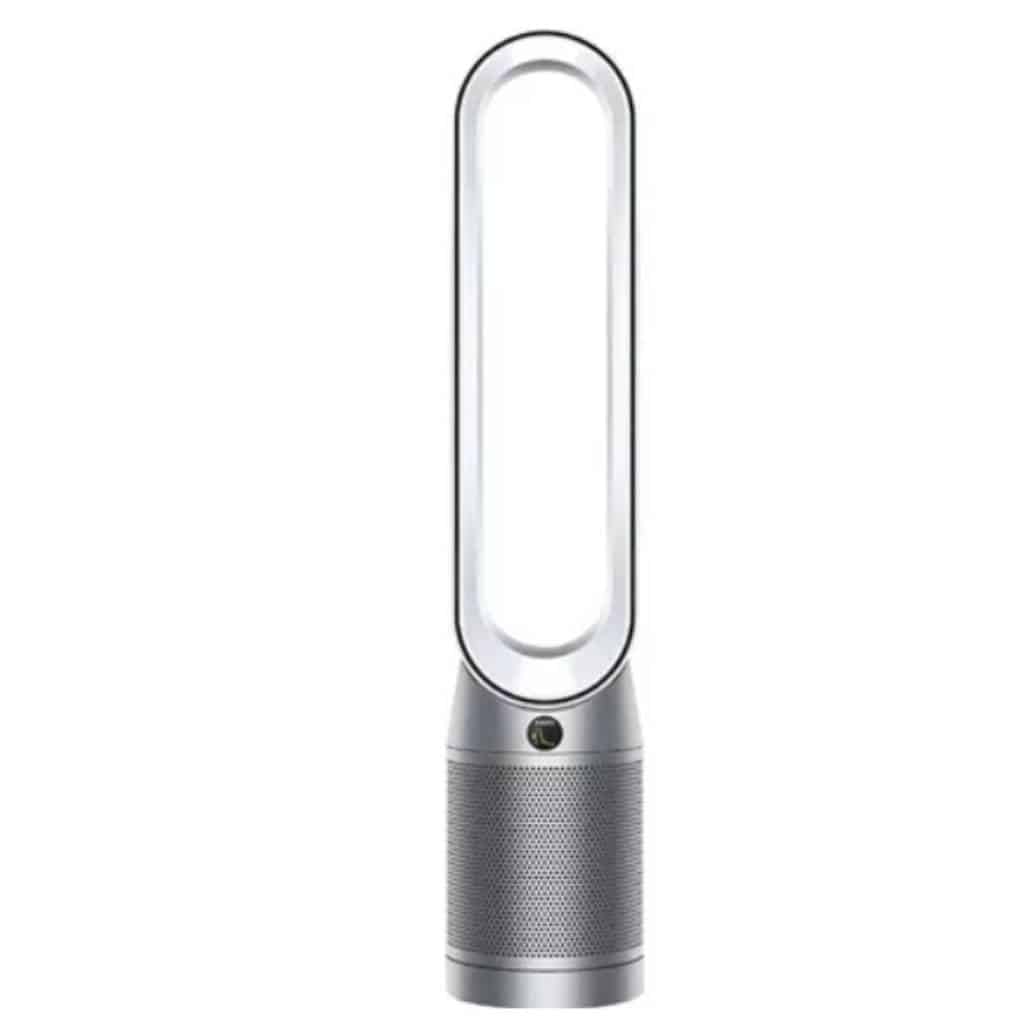
Dyson - Purifier Cool - TP07 - 空気清浄機と扇風機

イメージアマゾン

空気清浄機と扇風機がひとつになったDyson Cool TP07 Smart Purifierは、比較的静かな運転音にもかかわらず、微小粒子状物質を素早く除去する効率的で効果的な性能を備えているため、トップ・ピックに選ばれた。

この清浄機は、静音運転に加えて、使い方が簡単で無線LANに接続して遠隔操作できるアプリなど、インテリジェントな機能も備えている。

長所 短所
  • モダンなデザイン
  • 静か
  • 振動する
  • 微粒子を素早く除去
  • 高い
  • フィルターの再装着が難しい

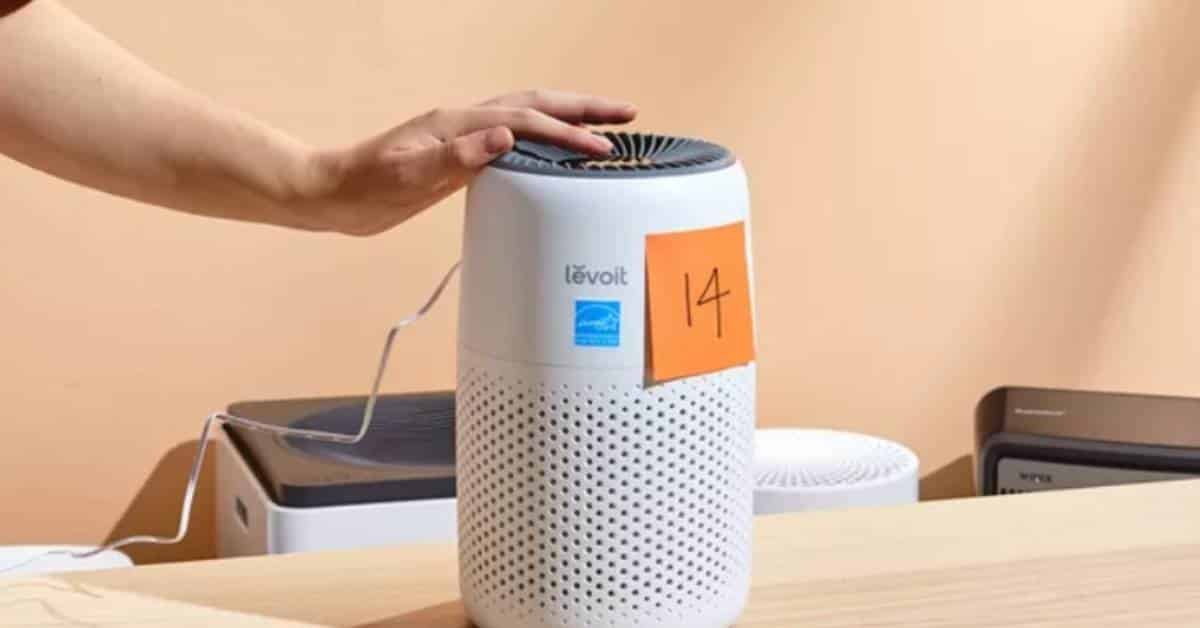
3.レボイト空気清浄機 コアミニ ホワイト

レボイト空気清浄機 コアミニ ホワイト
レボイト空気清浄機 コアミニ ホワイト

イメージ:Thesprucepets

このコンパクトな卓上型清浄機は、夜も眠れないほど静かだ(我々のテストでは、最高設定で58デシベル)。それでも、わずか10分で、潜在的に危険な汚染物質を部屋から取り除くのに十分なパワーがある。

小型のため、この清浄機は、自宅のある場所から別の場所に移動するためのポータブル・ソリューションを必要とする人にとって優れた選択肢となる。

長所 短所
  • 静か
  • シンプルなデザイン
  • 軽量 
  • ショートコード

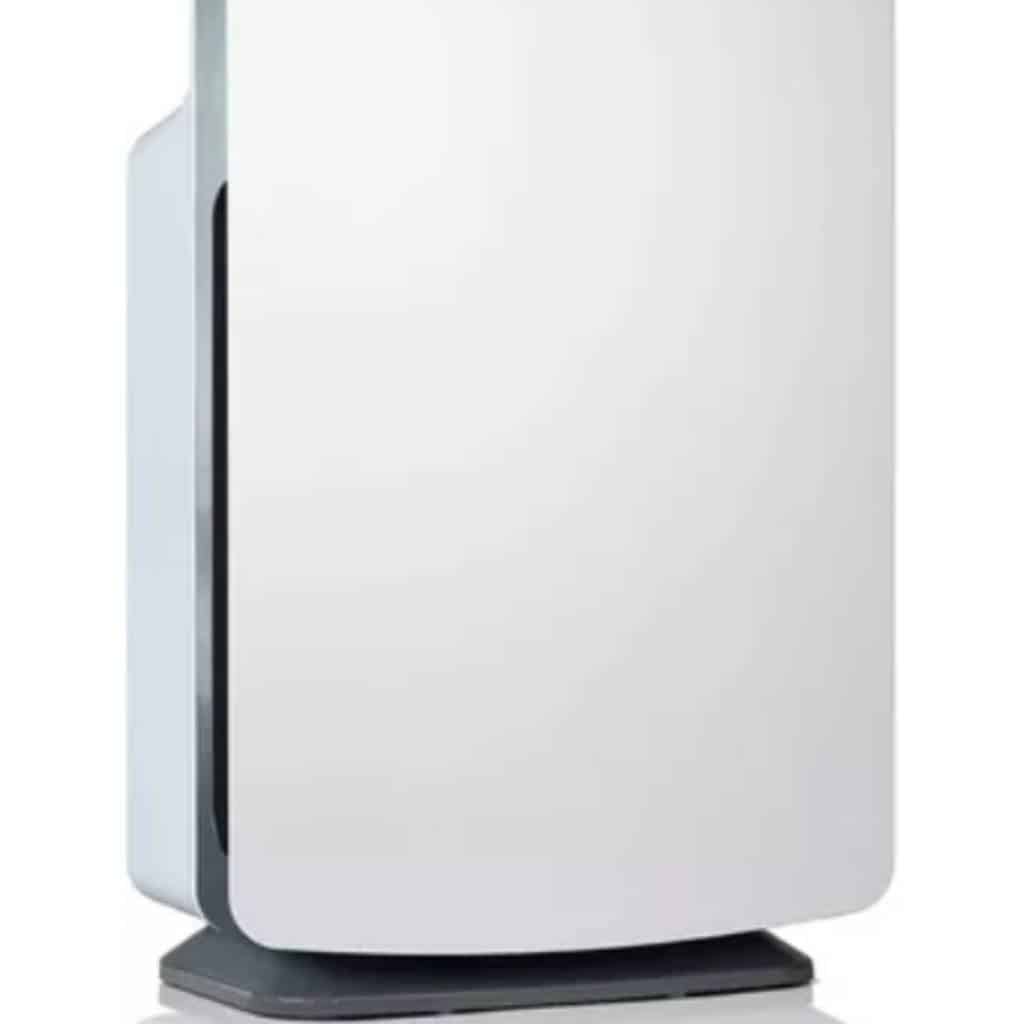
4.アレン ブリーズスマート クラシック ペットのフケと臭い

アレン ブリーズスマート クラシック ペットのフケと臭い

イメージ:Thesprucepets

アレン・ブレスマート・クラシックは、他の空気清浄機とは異なり、ペットの毛を空気中から除去し、家具やカーペット、衣服に蓄積させないことを謳っている。NASAの専門家によれば、この空気清浄機は洗練されたハイテク設計だという。

この清浄機の機能は非常に静かで、30分ごとに1,100平方フィートまでの空間の空気を清浄することができるという。

長所 短所
  • このモデルには、空気の清浄度を示す色の異なる空気質センサーライトが搭載されている。
  • さまざまな色合いと仕上げで表現されている。
  • 最大1,100平方フィートの30分間ろ過
  • かなりの大きさのマシン
  • 高速走行時に予想以上のノイズが発生する。

ペット用空気清浄機選びのポイント

フィルターには、清浄空気供給率(CADR)が記載されています。この率は、装置を通過する空気の体積を毎分立方フィートで表したものです。フィルターの清浄空気供給率(CADR)が、フィルターの使用目的およびエリアの面積に関連していることを確認してください。

この点に関して ヒソエア空気清浄機 は空気清浄機として最良の選択です。CADRが高く、加湿機能が内蔵されているので、乾燥肌やアレルギーを和らげることができます。ヒソエアが最適な理由はここにあります!

  • 使いやすく、持ち運びも簡単。
  • HisoAirは、屋内外のニーズに応える最良の選択です。
  • ヒソエアを使えば、呼吸が楽になり、より良い生活を送ることができます。
  • 総合的な価値と効果を考えれば、価格は素晴らしい。
  • スマートWiFi対応空気清浄機-正確で時間通りの空気品質センサー。

ペットのためのセルフケアのヒント

また、以下のアドバイスは、飼い主が毛皮で覆われた友人をよりよく世話するのに役立つかもしれない。

  • ブラッシング、耳掃除、歯ブラシ、散歩などをしてあげてください。
  • 定期的に獣医に連れて行く。
  • ペットと一緒にマインドフルネスを実践する。
  • ペットに素晴らしい栄養を与える。

持ち帰り

家庭内のペットのフケの量を減らす簡単な方法もあるが、もう少し長期的な対策をお望みなら、ペットの飼い主に最適な空気清浄機のリストをご覧いただきたい。空気清浄機は、動物のフケや花粉など、アレルギーを持つ人に呼吸器系の問題を引き起こす可能性のある刺激物を取り除くのに非常に役立ちます。

ヒソエアへのお問い合わせ をクリックして、同社の空気清浄機の詳細と、それを使用することで得られるメリットについてご覧ください。

また、以下に挙げた記事を読めば、役に立つ情報が見つかるかもしれない。

シェアする
ヒソエア創設者のリー氏
Alwen Lee, an air purification expert with over 10 years of experience, is a devoted father of two and a passionate traveler, having explored more than 30 countries. With a love for public speaking and swimming, he has dedicated his life to the indoor air quality industry. His mission is to ensure that people around the world enjoy the freedom to breathe clean air and lead happy, healthy lives.

メッセージを送る

Related Products

もっと読む

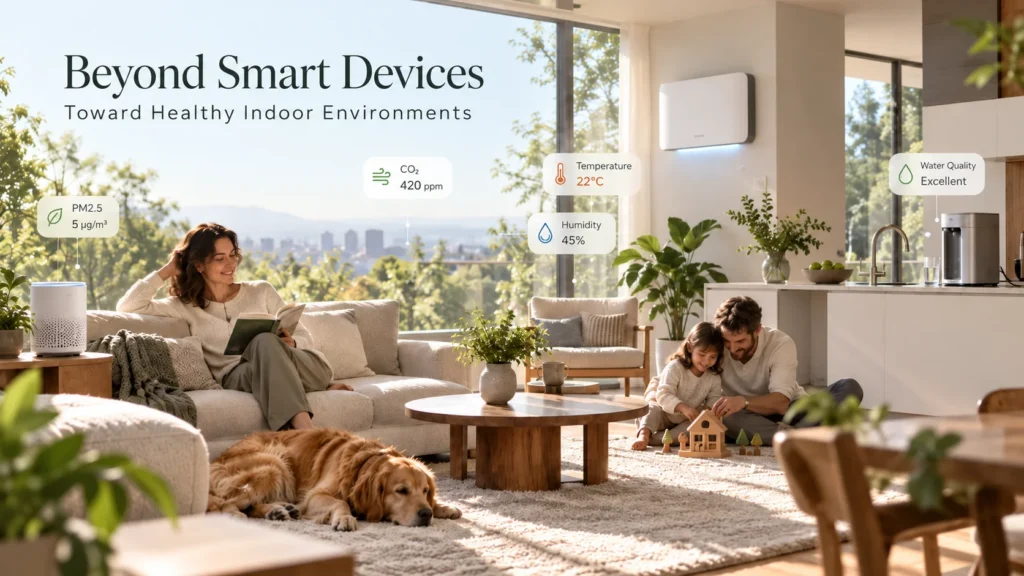
Modern living room with a family enjoying a healthy indoor environment monitored by smart devices, natural lighting, and greenery.

After IFA 2026: The Healthy Home Is Moving Beyond Smart Devices

In our previous IFA 2026 column, Air Purification Is Becoming Part of the Healthy-Home Platform, we argued that the next generation of indoor-health products would ...
ニュース
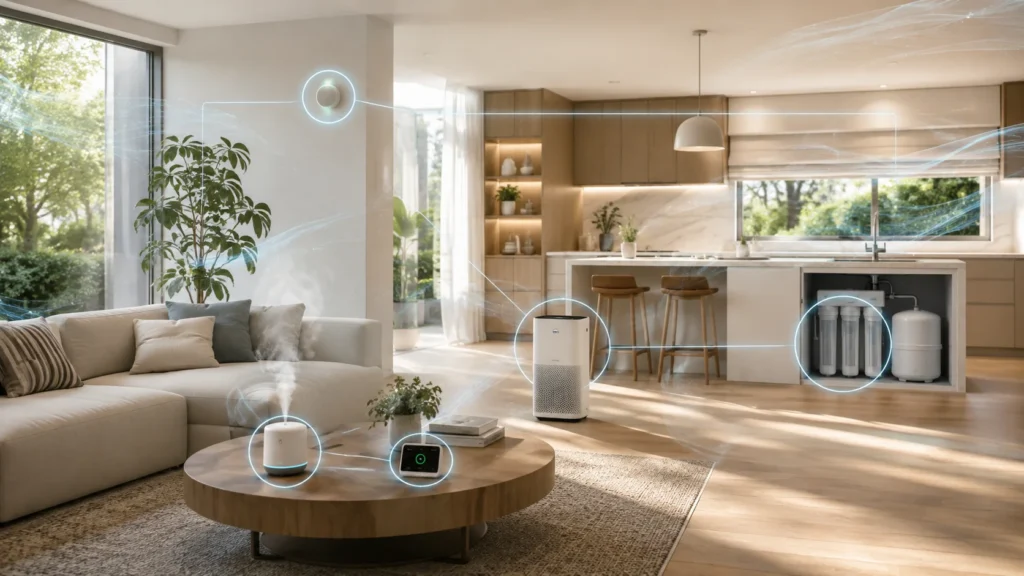
Modern living room and kitchen with smart home air quality devices including an air purifier, humidifier, and water filtration system, connected with visualized blue connectivity lines.

IFA 2026: Air Purification Is Becoming Part of the Healthy-Home Platform

Pre-IFA Industry Perspective | September 4, 2026 This article is based on official announcements and regulatory information available ahead of IFA 2026, which takes place ...
ニュース
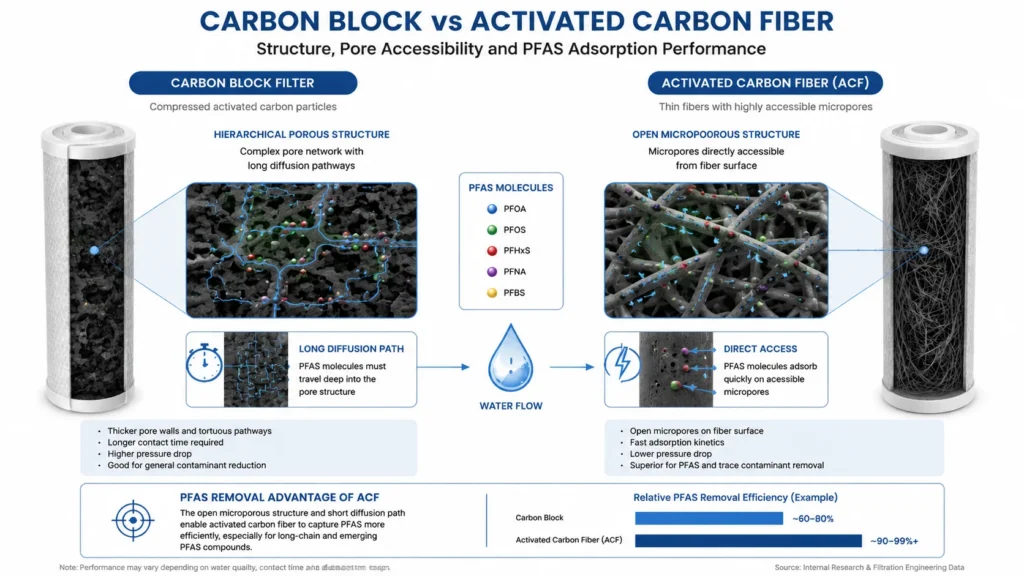
Comparison infographic showcasing the differences between carbon block filter and activated carbon fiber. Detailed diagrams illustrate the hierarchical porous structure of the carbon block with long diffusion paths and the open microporous structure of the activated carbon fiber with direct access for PFAS adsorption.

Carbon Block vs. Activated Carbon Fiber (ACF): Matching Media to Target Contaminants

Two carbon media. Same adsorption chemistry. Very different behaviour in a point-of-use cartridge. If you are specifying a water purifier platform for a PFAS-aware market, ...
ニュース
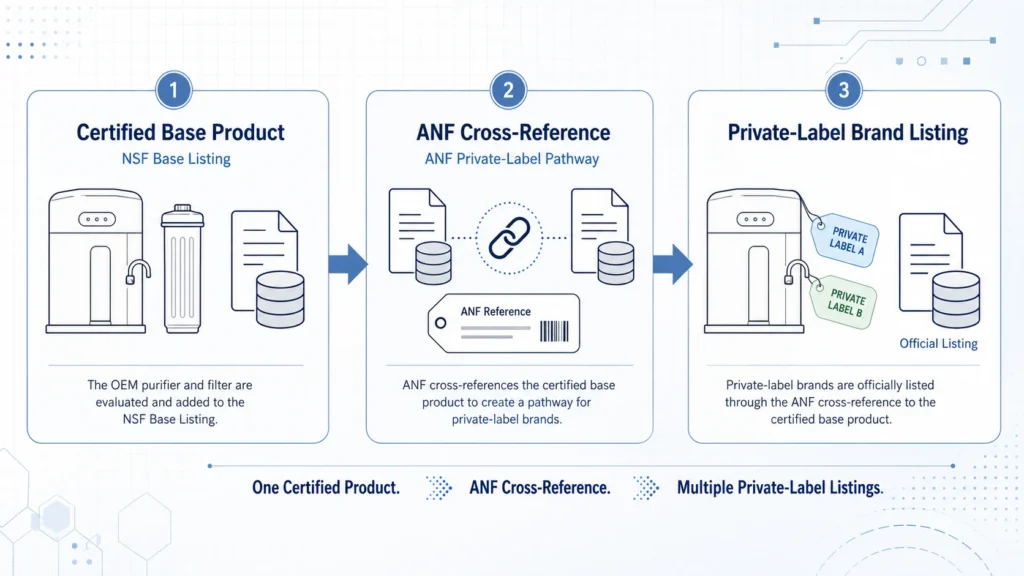
NSF base listing and ANF private-label certification pathway for OEM water filters

What Is an NSF Master Listing? A Guide to Base Listings, ANF Certification and OEM Water Filters

For a brand preparing to launch an OEM water purifier, one of the most common supplier claims is: “We already have an NSF master listing, ...
News, Water Purifiers
Healthy-home brand team reviewing PFAS water filter certification, test data and product engineering

Entering the Water Category Is Easy. Building a Credible PFAS Claim Is Much Harder

For air purification, appliance and healthy-home brands, entering the water category can look surprisingly easy. A company can select an existing undersink system, customize its ...
ニュース
Team in a business meeting discussing a water filtration system with product components and a comparison table displayed on a screen.

5 Leading OEM Water Purifier Manufacturers in China for Private Label Brands

China has thousands of companies selling water filters, reverse osmosis systems and drinking-water appliances. However, only a portion of them are suitable for private-label, OEM ...
ニュース
Contaminant Engineering•3 min read

PFAS Water Filtration Technologies Explained: Carbon, Resin & RO

Key Takeaway:

PFAS reduction depends on the specific compounds present, treatment media, contact time, water chemistry, and system design. Activated carbon, ion exchange, and Reverse Osmosis address PFAS through different mechanisms.

PFAS are a large family of persistent fluorinated compounds that can occur in drinking-water supplies. Their treatment behavior varies significantly by molecular structure, chain length, functional group, concentration, and the chemistry of the source water.

Granular Activated Carbon (GAC) removes PFAS primarily through adsorption. It is generally more effective for many longer-chain PFAS, while shorter-chain compounds tend to break through more quickly. Carbon performance depends on media properties, Empty Bed Contact Time (EBCT), competing organic matter, loading, and replacement frequency.

Ion-exchange resins use charged functional sites to capture many PFAS compounds. Properly selected anion-exchange media can provide high capacity and may perform better than conventional activated carbon for some shorter-chain PFAS, although performance still depends on water chemistry and competing ions.

Reverse Osmosis (RO) uses membrane separation rather than adsorption. Properly designed RO systems can provide broad reduction across many PFAS compounds as well as dissolved salts and other contaminants. Unlike carbon or resin, however, RO also produces a concentrate stream that must be managed.

No single technology should be selected from a PFAS label alone. System design should consider which PFAS compounds are present, their concentrations, required reduction targets, flow rate, media life, and the applicable third-party certification or validation requirements.

HisoAir Water Technical Series
Product Discovery•3 min read

How to Choose an Under-Sink Water Purifier for Modern Kitchens

Key Takeaway:

Match the treatment technology to your water quality first, then evaluate cabinet space, faucet configuration, flow rate, drain and power requirements, and filter replacement needs.

Choosing an under-sink water purifier starts with water chemistry. Carbon filtration is well suited to chlorine, taste, odor, and many organic contaminants, while Reverse Osmosis is more appropriate when dissolved salts, fluoride, nitrates, or broader dissolved contaminants need to be reduced.

For compact kitchens, tankless RO systems eliminate the conventional storage tank and can significantly reduce the space required under the sink. However, membrane capacity stated in GPD does not directly equal faucet flow. When comparing systems, check the actual dispensing flow rate, inlet-pressure requirement, recovery ratio, and whether a booster pump is required.

Installation architecture also matters. Many RO systems require a drain connection, electrical power, and either a dedicated drinking-water faucet or a compatible multi-function faucet. High-flow carbon systems can often connect directly to the existing cold-water line with a simpler installation, but pressure drop and available faucet flow should still be verified.

RO also removes much of the naturally occurring dissolved mineral content. Where taste or mineral balance is a priority, a post-RO remineralization stage can be added. Filter life should be evaluated by both rated capacity and local water quality rather than replacement time alone.

The right system is therefore not simply the smallest or highest-GPD model. It is the configuration that matches the target contaminants, available cabinet space, desired faucet setup, peak dispensing demand, and maintenance expectations.

HisoAir Water Technical Series
Water Quality•2 min read

What Does TDS Mean in Drinking Water? Measurement vs Contaminant Reality

Key Takeaway:

A TDS meter estimates the overall concentration of dissolved ionic substances from electrical conductivity. It cannot identify specific contaminants or determine whether water is chemically safe.

Total Dissolved Solids (TDS) refers to the combined concentration of dissolved substances in water. Most handheld TDS meters do not measure TDS directly. Instead, they measure electrical conductivity (EC) and convert that reading into an estimated parts-per-million (ppm) value.

This means a TDS reading can indicate how much dissolved ionic material is present, but not what that material actually is. Calcium, magnesium, sodium, nitrates, and other dissolved ions can all contribute to conductivity, yet a simple TDS meter cannot distinguish between them.

TDS meters are also not suitable for detecting trace contaminants such as PFAS, many VOCs, pesticides, pharmaceuticals, or disinfection byproducts. These substances may be present at concentrations far below the level needed to noticeably change electrical conductivity.

A low TDS reading therefore does not guarantee safe drinking water, and a higher TDS reading does not automatically indicate contamination. Water-treatment decisions should be based on laboratory testing for specific contaminants of concern rather than TDS alone.

HisoAir Water Technical Series
Technology Selection•2 min read

RO vs UF Water Filtration: Understanding Pore Sizes & Dissolved Minerals

Key Takeaway:

Ultrafiltration can reduce bacteria, turbidity, and suspended particles while retaining most naturally occurring dissolved minerals. Reverse Osmosis provides much broader reduction of dissolved salts and smaller contaminants.

Ultrafiltration (UF) typically uses hollow-fiber membranes with pore sizes in the approximate 0.01–0.1 micron range. These membranes physically retain turbidity, suspended solids, colloids, and many microorganisms while allowing dissolved minerals and salts to remain in the water.

Reverse Osmosis (RO) operates at a much finer separation level. Unlike UF, RO can substantially reduce dissolved ions such as sodium, calcium, fluoride, nitrates, and other contributors to total dissolved solids (TDS). This makes RO more suitable when dissolved-salt reduction is a primary treatment objective.

UF generally requires less system pressure and produces little or no continuous concentrate stream in many point-of-use configurations. RO typically requires greater pressure and produces a reject-water stream, but delivers broader contaminant reduction.

For water with acceptable TDS and mineral content, UF can be a simpler mineral-retaining treatment option. Where dissolved salts, fluoride, nitrates, or broader dissolved contaminants are a concern, RO is generally the more appropriate technology.

HisoAir Water Technical Series
Technology Selection•4 min read

Carbon Block vs Reverse Osmosis: Which Fits Your Need?

Key Takeaway:

Choose RO for dissolved inorganic salts and heavy metals; choose Carbon Block for chemical taste/odor, no wastewater, and high line-pressure flow.

Reverse Osmosis (RO) and Carbon Block filtration represent two fundamentally different treatment methods: membrane separation and adsorption. Understanding these differences helps determine which technology is better suited to a specific water-quality requirement.

Reverse Osmosis uses a semi-permeable membrane with pore sizes of approximately 0.0001 microns. It can significantly reduce dissolved inorganic contaminants such as TDS, fluoride, nitrates, and certain heavy metals. Because water must be forced through the membrane, RO systems require sufficient pressure or a booster pump and generate a concentrated wastewater stream.

Carbon Block filtration relies primarily on adsorption through compressed activated carbon, commonly with nominal pore sizes around 0.5–5 microns. It is highly effective for chlorine, chloramines, VOCs, taste, and odor, while allowing substantially higher direct-flow rates without producing wastewater.

From an operating perspective, Carbon Block systems are generally simpler, require less energy, and avoid the water loss associated with RO. RO involves higher system complexity and operating cost, but provides substantially broader reduction of dissolved contaminants that Carbon Block alone cannot address.

HisoAir Water Technical Series

見積依頼