新しいタブで開きます
革新的な空気品質ソリューション

Best Holmes Air Purifier Reviews 2026

Related Products

ホームズはアメリカの家庭用空気清浄機メーカーである。ここでは、同社のベストセラー空気清浄機をリストアップし、レビューしている。どれがあなたの条件に合うか、チェックして比較してみてください。
ホームズプロダクツは、空気清浄機、加湿器、機械式ファンを専門に製造する米国企業である。1982年にジョーダン・カーンによって設立された。著名な 空気清浄機メーカーホームズは、バイオネア、ホワイトマウンテン、クックポットなどのブランドも所有している。

ホームズが長年にわたって販売してきた空気清浄機のトップモデルをご覧ください。HisoAirのリー氏は、それぞれの製品について正確で公平なレビューを行いました。

目次

  • ホームズ空気清浄機を購入する前に考慮すべきこと
    • 製品評価
    • フィルタータイプ
    • CADR
    • 客室面積
    • 騒音レベル
  • ベスト・ホームズ空気清浄機レビューの概要
  • ホームズ空気清浄機のベスト・レビュー
  1. 真のHEPAフィルター空気清浄機を低減ホームズ - 最高のホームズ空気清浄機
  2. ホームズ 360 HEPA空気清浄機 - 狭い部屋に最適なホームズ空気清浄機
  3. Holmes Visipure タワー型空気清浄機 - ほこりを最大限に除去する最高のホームズ空気清浄機
  4. ホームズHAP8650B-NU-2空気清浄機 - 中部屋に最適なホームズ空気清浄機
  5. ホームズAER1空気清浄機 - 機械式ろ過に最適なホームズ空気清浄機
  6. ホームズエッグ空気清浄機 - 最高のホームズパーソナル空気清浄機
  7. ホームズHAP9414空気清浄機-狭い部屋に最適なホームズ空気清浄機
  • ホームズ空気清浄機を買うべきか
  • ホームズ空気清浄機はどこで製造されているか
  • ホームズ空気清浄機の購入場所
  • ホームズ空気清浄機の使い方
  • ホームズ空気清浄機の仕組み
  • ホームズ・エア・フィルターの交換頻度
  • ホームズ空気清浄機の性能と効果
  • ホームズ空気清浄機はどのくらいの頻度で作動させるべきか?
  • ホームズ空気清浄機のレビューを信頼すべき理由
  • ホームズ空気清浄機のテスト結果
  • ヒソエア空気清浄機
    • プライベートブランド空気清浄機
  • 結論

ホームズ空気清浄機を購入する前に考慮すべきこと

ホームズの空気清浄機は、他のブランドの空気清浄機とは一線を画すそれぞれの性能を持っています。以下の簡単なガイドは、あなたのセットアップに最適なホームズ空気清浄機を選ぶのに役立ちます。

製品評価 

ホームズ空気清浄機を購入する前に、それぞれのレビューを確認してください。Amazonのようなオンラインプラットフォームは、これらの製品の正確なユーザーレビューを提供しています。具体的には、アマゾンの購入者はホームズの空気清浄機を平均4.5点で評価している。これは、これらのデバイスはよく機能するが、完全に完璧ではないということを意味する。もちろん、これらのデバイスの全体的な品質を評価する際に、カスタマーレビューを参考にすることはできる。

フィルタータイプ

ホームズは空気清浄機に自社製フィルターを装備している。また、HEPAコンソール・アレルゲン除去フィルターやHEPAタイプ・スモーカー・グラバー・フィルターなど、さまざまな交換用フィルターも提供している。さらに、ホームズはバイオネアHEPAフィルターシリーズを製造しているメーカーでもある。Holmesのカタログを検索して、その空気清浄機フィルターのすべてを見ることができます。

CADR

ホームズ社の空気清浄機は、以下の項目で高い評価を得ている。 CADR検査.これは、そのエアフローとフィルターが、煙、花粉、ホコリなどの一般的な家庭の汚染物質を除去するのに十分効率的であることを意味する。空気清浄機のCADRスコアは高ければ高いほど良い。

客室面積

すべてのホームズ空気清浄機が同じ能力を持っているわけではない。したがって 空気清浄機は小部屋用 を収容できるものもある。 中部屋.適切な空気清浄機を選ぶためには、部屋の面積を把握しておくことが不可欠です。

騒音レベル

ホームズ空気清浄機の騒音レベルを心配する必要はありません。直感的な設計と部品により、発生する騒音や振動を効果的に抑えています。

ベスト・ホームズ空気清浄機レビューの概要

下の表は、さまざまなホームズ空気清浄機のそれぞれの仕様をまとめたものである。品質、構造、性能の比較や評価にお役立てください。


ホームズ空気清浄機のベスト・レビュー

このセクションでは、上記で紹介したホームズ空気清浄機のそれぞれの特徴と技術仕様に焦点を当てました。これらの詳細を見て、どの空気清浄機を手に入れるべきか、十分な情報を得た上で決定してください。

  1. ホームズ除菌HEPAフィルター空気清浄機

ウォルマートの評価ベストホームズ空気清浄機

ホームズ除菌空気清浄機
ホームズ除菌空気清浄機

画像ソースウォルマート

ホームズ除菌トゥルーHEPAフィルター空気清浄機は、卓越した空気清浄機です。このタワー型空気清浄機は、細菌、バクテリア、ウイルスなどの病原菌を徐々に中和するUVテクノロジーを搭載しています。小型から中型の部屋に適しています。また、総合的な室内空気浄化に不可欠なフィルターを搭載しています。具体的には、HEPAフィルター、カーボンフィルター、プレフィルターです。

製品仕様

  • 寸法10インチ x 10インチ x 27.48インチ。
  • 重量:25.9ポンド
  • 適用範囲:250平方フィート
  • CADR: 130
  • ろ過:4段式
  • ファンスピード:3段階
  • UVテクノロジー:利用可能
  • フィルター交換インジケーター:あり
  • タイマー機能:使用可能
  • エネルギースター認証はい
  • 電源コード式

ホームズ除菌HEPAフィルター空気清浄機

プロス

CONS

  • 最適な空気分配と吸収を実現
  • 小中規模の部屋に最適
  • 一般家庭の汚染物質の除去に効果的
  • 騒音レベルは明らかにされていない

HEPAフィルター空気清浄機に関するWalmartユーザーレビュー

ウォルマートでのホームズ除菌空気清浄機のユーザーレビュー

この空気清浄機は、ホームズが製造した最新の空気清浄機のひとつである。市場はこの装置を好意的に受け入れている。その主な特徴のひとつは、より広いスペースをカバーできる振動ファンである。さらに、ファンスピードは設定可能。UV機能を搭載しているため、病気を引き起こす病原菌の中和にも役立つだろう。今のところ、この空気清浄機はユーザーの期待を裏切っていない。

  1. ホームズ 360 HEPA空気清浄機

ウォルマートの評価狭い部屋に最適なホームズ空気清浄機

ホームズ 360 HEPA空気清浄機
ホームズ 360 HEPA空気清浄機

画像ソースウォルマート

ホームズ360空気清浄機は、小さな部屋に最適です。その有効範囲は155平方フィートまで。その名が示すように、この空気清浄機は360度吸気口があり、全方向から空気を吸い込むことができる。さらに、タッチ・コントロール・パネルを搭載しており、便利なコントロール設定が可能です。

製品仕様

  • 寸法8.27インチ×8.27インチ×12.4インチ
  • 重量:25.9ポンド
  • 面積155平方フィート
  • CADR: 100
  • ろ過:3段式
  • ファンスピード:3段階
  • UVテクノロジー:なし
  • フィルター交換インジケーター:なし
  • タイマー機能:使用可能
  • エネルギースター認証はい
  • 電源コード式

ホームズ 360 HEPA空気清浄機

プロス

CONS

  • 360度のエアインテーク
  • 効果的なろ過
  • コントロールパネルが上部に配置され、アクセスが容易
  • トップパネルのライトが明るすぎる

Holmes 360空気清浄機に関するWalmartユーザーレビュー

ウォルマートでのホームズ360空気清浄機のユーザーレビュー

ホームズ360は、小型ルーム用空気清浄機として市場で高い評価を得ている。例えば、多くのユーザーがこの装置の360度吸気を楽しんでいる。さらに、消費者が性能を微調整できるよう、基本的なコントロールが完備されている。タイマー機能とファンスピードの調整ができる。また、この空気清浄機には耐久性のあるフィルターが搭載されていることも特筆すべき点である。

  1. ホームズ ビジピュアタワー空気清浄機

ウォルマートの評価ホコリを最大限に除去するベストホームズ空気清浄機

ホームズ ビジピュアタワー空気清浄機
ホームズ ビジピュアタワー空気清浄機

画像ソースウォルマート

Holmes VisiPureは、ホコリや胞子などの浮遊物が多い家庭に理想的な空気清浄機です。革新的なHEPAフィルター設計を含む3段階ろ過システムが特徴です。微細な汚染物質も逃しません。実際、そのホコリ除去性能は、他のホームズ空気清浄機よりも30%優れていると言われている。

製品仕様

  • 寸法6.9インチ×8.7インチ×25.7インチ
  • 重量:11.1ポンド
  • 広さ192平方フィート
  • CADR: 112
  • ろ過:3段式
  • ファンスピード:3段階
  • UVテクノロジー:なし
  • フィルター交換インジケーター:あり
  • タイマー機能:使用可能
  • エネルギースター認証はい
  • 電源コード式
ホームズ ビジピュアタワー空気清浄機
プロス CONS
  • VisiPureウィンドウでフィルターの交換時期をお知らせします。
  • 省スペースでスリムなデザイン
  • 粉塵や微粒子の除去に優れている
  • 気流の改善が必要
WalmartでのHolmes VisiPureタワー型空気清浄機のユーザーレビュー

全体的に、多くの人がVisiPureのこのタワー型空気清浄機の性能に満足している。前述の通り、ホコリや様々な種類のアレルゲンを除去する優れた空気清浄機である。また、この製品のユーザーは、コントロールパネルが上部にあるため、操作が便利だと述べている。ちなみに、この装置には、フィルターの交換時期を知らせてくれるVisiPureフィルターウィンドウも付いている。

  1. ホームズ HAP8650B-NU-2 空気清浄機

アマゾンの評価中部屋用ホームズ空気清浄機ベスト

ホームズ HAP8650B-NU-2 空気清浄機

画像ソースアマゾン

人間工学に基づいた卓越した濾過能力を持つホームズのアナログ空気清浄機。0.3ミクロンの汚染物質を99.97%の効率で除去する。興味深いことに、この空気清浄機はデュアルポジションデザインで、縦置きも横置きもできる。フィルター交換時期を知らせるフィルター寿命モニターもある。

製品仕様

  • 寸法10.2インチ x 22.8インチ x 20.9インチ
  • 重量:19.4ポンド
  • 面積349平方フィート
  • CADR: 225
  • ろ過:3段式
  • ファンスピード:3段階
  • UVテクノロジー:なし
  • フィルター交換インジケーター:あり
  • タイマー機能:使用可能
  • エネルギースター認証はい
  • 電源コード式

ホームズ HAP8650B-NU-2 空気清浄機

プロス

CONS

  • フィルターモニター付き
  • エネルギー効率に優れた性能
  • カーボンフィルターに重曹処理を施し、消臭効果を強化
  • ファンの回転数を上げると騒音が大きくなる

空気清浄機Holmes HAP8650B-NU-2のAmazonユーザーレビュー

AmazonでのHolmes HAP8650B-NU-2空気清浄機のユーザーレビュー

消費者からのフィードバックによると、このホームズ空気清浄機は、ペットの毛や大きなホコリなどのゴミの除去に優れている。さらに、この空気清浄機はアレルゲンを効果的に除去するとも述べている。使用した人は、咳やくしゃみ、さらにはいびきの頻度が減ったことに気づいた。同時に、この空気清浄機は、室内の悪臭に悩まされている方にも最適な選択肢です。

  1. ホームズAER1空気清浄機

ウォルマートの評価機械式ろ過のベストホームズ空気清浄機

ホームズAER1空気清浄機

画像ソースウォルマート

Holmesのこの空気清浄機は、3段階濾過技術を採用している。機械式プレフィルター、HEPAフィルター、カーボンフィルターを備え、さまざまな空気汚染物質を確実に除去します。小型から中型の部屋に適したオプションで、強力なモーターと全身の吸気口により、最適なエアフローを提供します。

製品仕様

  • 寸法8.7インチ x 10インチ x 27.9インチ。
  • 重量:11.3ポンド
  • 面積143平方フィート
  • CADR: 130
  • ろ過:3段式
  • ファンスピード:3段階
  • UVテクノロジー:なし
  • フィルター交換インジケーター:あり
  • タイマー機能:使用可能
  • エネルギースター認証はい
  • 電源コード式

ホームズAER1空気清浄機

プロス

CONS

  • シンプルで便利なコントロール・インターフェース
  • 吸気口が空気清浄性能を高める
  • 耐久性のある構造
  • デフォルトのHEPAフィルターは長持ちしない

ホームズAER1空気清浄機に関するWalmartユーザーレビュー

WalmartでのHolmes AER1空気清浄機のユーザーレビュー

技術仕様に関して言えば、ホームズAER1はよくできた空気清浄機と言える。CADRが高く、短時間で多くの汚染物質を捕らえることができる。しかし、HEPAフィルターをより耐久性のあるものに交換する必要があると多くの人が指摘している。

  1. ホームズ・エッグ 空気清浄機

アマゾンの評価ベスト・ホームズ・パーソナル空気清浄機

ホームズ・エッグ 空気清浄機

画像ソースアマゾン

ホームズ・エッグ空気清浄機は、使いやすいパーソナル空気清浄機である。身近に存在する空気中の汚染物質を除去する能力はそれなりにある。ただ、風量がそれほど広くないため、それ以上の効果は期待できない。

製品仕様

  • 寸法11インチ x 11インチ x 12.1インチ。
  • 重量:6.4ポンド
  • 面積112平方フィート
  • CADR: 72
  • ろ過:3段式
  • ファンスピード:3段階
  • UVテクノロジー:なし
  • フィルター交換インジケーター:なし
  • タイマー機能:使用可能
  • エネルギースター認証はい
  • 電源コード式

ホームズ・エッグ 空気清浄機

プロス

CONS

  • 設置面積が小さく、場所を取らない
  • 洗練されたモダンなデザイン
  • 360度のエアインテーク
  • 航続距離が限られているのは理解できる。

ホームズエッグ空気清浄機のアマゾンユーザーレビュー

アマゾンのホームズエッグ空気清浄機のユーザーレビュー

この空気清浄機の特筆すべき特徴のひとつは、洗練されたコンパクトな構造だ。実際、多くの人がその美しさに惹かれて購入したと言う。もちろん、この空気清浄機は狭い空間専用だ。風量も弱く、限られた汚染物質しか吸着できない。

  1. ホームズHAP9414空気清浄機

アマゾンの評価狭い部屋に最適なホームズ空気清浄機

ホームズHAP9414空気清浄機

画像ソースアマゾン

ホームズHAP9414は、ホームズが最初に製造した空気清浄機のひとつである。現在は生産中止となっており、復活の兆しはない。しかし、その全盛期には、さまざまなろ過媒体を効果的に使用していたため、この空気清浄機は小さな部屋の空気清浄機として有力な選択肢のひとつだった。

製品仕様

  • 寸法8.8インチ×9.2インチ×15.8インチ
  • 重量:6.85ポンド
  • 面積149平方フィート
  • CADR:特定せず
  • ろ過:3段式
  • ファンスピード:3段階
  • 騒音レベル指定なし
  • UVテクノロジー:なし
  • フィルター交換インジケーター:あり
  • タイマー機能:使用可能
  • エネルギースター認証はい
  • 電源コード式

ホームズHAP9414空気清浄機

プロス

CONS

  • コンパクトなサイズ
  • フィルター交換は簡単
  • 最低設定でも静か
  • 空気清浄機の吸気口は限られている
  • ユーザーからは、かなりうるさいとの声が聞かれた

Holmes HAP9414 空気清浄機に関するAmazonユーザーレビュー

AmazonにおけるHolmes HAP9414空気清浄機のユーザーレビュー

ホームズHAP9414は、少なくともみすぼらしい空気清浄機ではない。かなりの数のオーナーが、この空気清浄機はシームレスに動作すると述べている。風量もそこそこあり、メンテナンスも簡単だ。さらに、素晴らしいフィルターセットも付いている。悲しいことに、この空気清浄機を市場で見つけるのはすでに難しい。ホームズの空気清浄機カタログにも載っていない。

ホームズ空気清浄機を買うべきか

偏見なく、これらの空気清浄機は素晴らしいデザインを持っている。最適な吸気口、直感的なインターフェース、その他人間工学に基づいた設計がなされている。

さらに、これらの家庭用空気清浄機は、ほとんどが一部屋用である。ユニットにもよるが、ホームズ空気清浄機は小~中規模の部屋の室内空気を浄化することができる。また、これらの空気清浄機は耐久性のある構造をしており、米国で製造されていることを考えると、薄っぺらな部品はありません。

ホームズ空気清浄機はどこで製造されているか

空気清浄機、加湿器、フィルター、ファンを含むすべての製品は、米国の製造工場で製造されている。オール・アメリカン・ブランドであるため、多くの消費者にとって好ましい選択肢となっている。

ホームズ空気清浄機の購入場所

様々なプラットフォームがホームズ空気清浄機を販売している。最も有名でアクセスしやすいのはアマゾンだ。しかし、他のオンラインショップでもこれらの空気清浄機を見つけることができる。また、利便性を保証するために、ホームズから直接製品を購入することもできる。また、お近くのショッピングモールやアウトレットで、ホームズの空気清浄機があるかどうかを確認することもできる。

ホームズ空気清浄機の使い方

ホームズの空気清浄機は使いやすい。何しろ、そのほとんどが家庭用なのだから。これらの空気清浄機は、箱から出してすぐに使える。電源ボタンを押すだけで運転が始まる。また、現在のニーズに応じて、ファンの速度を手動で調整することもできる。

ホームズ空気清浄機の仕組み

ホームズ空気清浄機はフィルター式ろ過を採用している。基本的には、さまざまな種類のフィルターを使用して、さまざまな種類の空気中の汚染物質を捕捉します。空気清浄機は室内の空気を吸収し、これらのフィルターを通過させます。このプロセスにより、装置から出る前に空気中の汚染物質が取り除かれる。このプロセスを繰り返すことで、空気は清浄で呼吸しやすい状態に保たれる。

ホームズ・エア・フィルターの寿命

推奨に基づくと、ホームズのエアフィルターの寿命は8ヶ月から12ヶ月である。しかし、特に大気汚染がひどい地域にお住まいの方は、時々フィルターをチェックした方がよいでしょう。また、空気清浄機を定期的に使用していると、エアフィルターの寿命が短くなる可能性がある。

ホームズ空気清浄機用フィルターの購入先

ホームズ空気清浄機のフィルターは、同社のウェブサイトと公式パートナー、特にAmazon、Walmart、Target以外のプラットフォームでは通常入手できません。品質と真正性を保証するため、これらのフィルターはホームズから直接購入することをお勧めします。

ホームズ空気清浄機の性能と効果

ホームズ空気清浄機の実際の性能は、使用方法によって異なる場合があります。しかし、あなたのセットアップに理想的な空気清浄機を手に入れれば、そのデバイスが実際に空気中の汚染物質の存在を減らすことができることを保証できる。この空気清浄機が最高でないことは事実ですが、それでもあなたを失望させることはないでしょう。

ホームズ空気清浄機はどのくらいの頻度で作動させるべきか?

ホームズの空気清浄機は、連続運転させることで最大の効果を発揮します。空気清浄機はノンストップで作動するように設計されています。電源を切らなくても問題はありません。ただし、定期的に空気清浄をしたい場合は、空気清浄機のタイマー機能を利用することができます。

ヒソエア空気清浄機

ヒソエアは、2001年にアルウェン・リーによって設立された医療用空気清浄機の世界的メーカーのひとつである。

同社は20年以上にわたって高品質の空気清浄機を製造してきた。同社の空気清浄機には数多くの革新的技術が導入されており、空気中の汚染物質の確実な除去を実現している。さらに、ヒソエアは家庭用と業務用の空気清浄機を提供している。下記よりご確認いただけます。

製品名

商品画像 製品 

評価

フィルター

タイプ

CADR 客室面積

騒音レベル

ヒソエア HA-1070

HA-1070 5 プレフィルター、HEPAフィルター、

カーボンフィルター

120 m3/h 129平方フィート。 26 - 35 dB
ヒソエア HA-1296 HA-1296 5 プレフィルター、HEPAフィルター、

カーボンフィルター

240 m3/h 215平方フィート。

29 - 53 dB

ヒソエア HA-1341

HA-1341 5 プレフィルター、HEPAフィルター、

カーボンフィルター

340 m3/h 409平方フィート。

26 - 53 dB

HisoAir空気清浄機は、強力な空気清浄性能を発揮するように設計されています。HEPAフィルター、活性炭フィルター、プレフィルターなど、0.01ミクロンまでの汚染物質をろ過するのに不可欠なフィルターを完備しています。さらに、静かに作動し、エネルギー効率に優れた運転時間を提供します。

プライベートブランド空気清浄機

空気清浄機は、住宅や商業空間にとって重要です。室内空気汚染の問題は、やはり無視できるものではありません。そこで、それぞれの空気浄化のニーズに応える適切なろ過システム、CADR定格、技術を備えた空気清浄機が必要です。参考までに下記をご覧ください。

ホームズ空気清浄機のレビューを信頼すべき理由 

リー氏はヒソエアに入社して20年以上になります。空気清浄機のエンジニアであり、さまざまな空気清浄機のレビューを監督しています。彼は中国の様々なHisoAir工場で、様々な空気清浄機ブランドの広範なテストに積極的に携わってきました。空気清浄機のエンジニアリングにおける豊富な知識により、さまざまな空気清浄機の総合的な品質と性能について正確な評価を提供することができます。

さらにリー氏は、これらの空気清浄機の機械的構造もチェックしている。彼はテストした空気清浄機の耐久性、メンテナンスのしやすさ、エネルギー効率を評価したかったのだ。興味深いことに、彼は人間工学、美学、騒音レベルといった側面も考慮している。

結論 

全体として、ホームズ空気清浄機は室内の空気浄化において適切な仕事をする。これらの装置には、さまざまな空気中の汚染物質を除去するのに役立つ優れたフィルターが装備されている。さらに、最適なエアフローを備えているため、住宅用として使用することができる。

ホームズの他の選択肢をお望みなら、HisoAir清浄機の規定を確認されることをお勧めする。スペック的には 中国空気清浄機 このメーカーは、標準的な空気清浄機ブランドよりも優れた機能を提供している。特に室内汚染が深刻な人にとっては、手に入れる価値がある。

他の空気清浄機のレビューもご覧ください:

シェアする
Alwen Lee of HisoAir
Alwen Lee, an air purification expert with over 10 years of experience, is a devoted father of two and a passionate traveler, having explored more than 30 countries. With a love for public speaking and swimming, he has dedicated his life to the indoor air quality industry. His mission is to ensure that people around the world enjoy the freedom to breathe clean air and lead happy, healthy lives.

メッセージを送る

Related Products

もっと読む

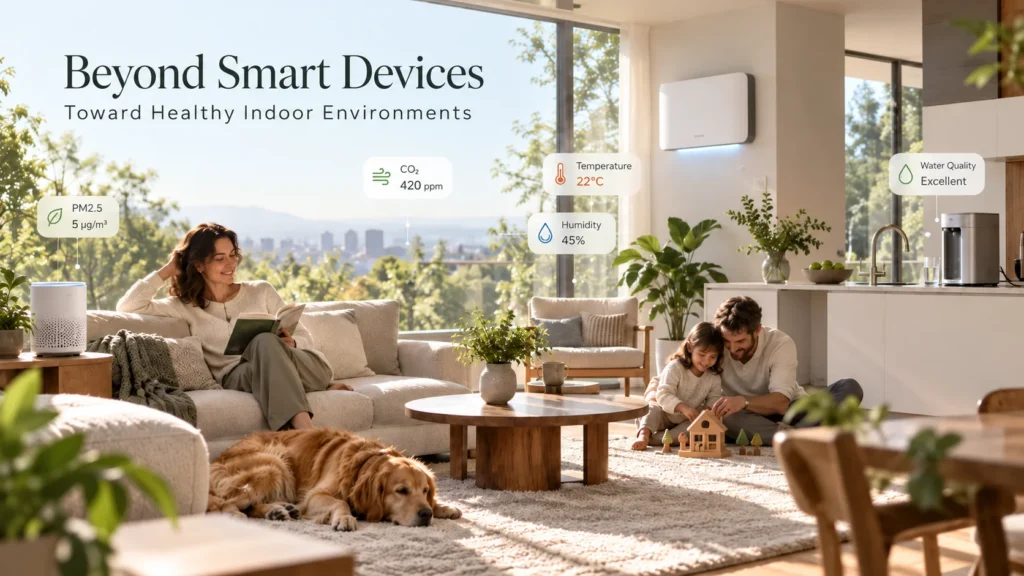
Modern living room with a family enjoying a healthy indoor environment monitored by smart devices, natural lighting, and greenery.

After IFA 2026: The Healthy Home Is Moving Beyond Smart Devices

In our previous IFA 2026 column, Air Purification Is Becoming Part of the Healthy-Home Platform, we argued that the next generation of indoor-health products would ...
ニュース
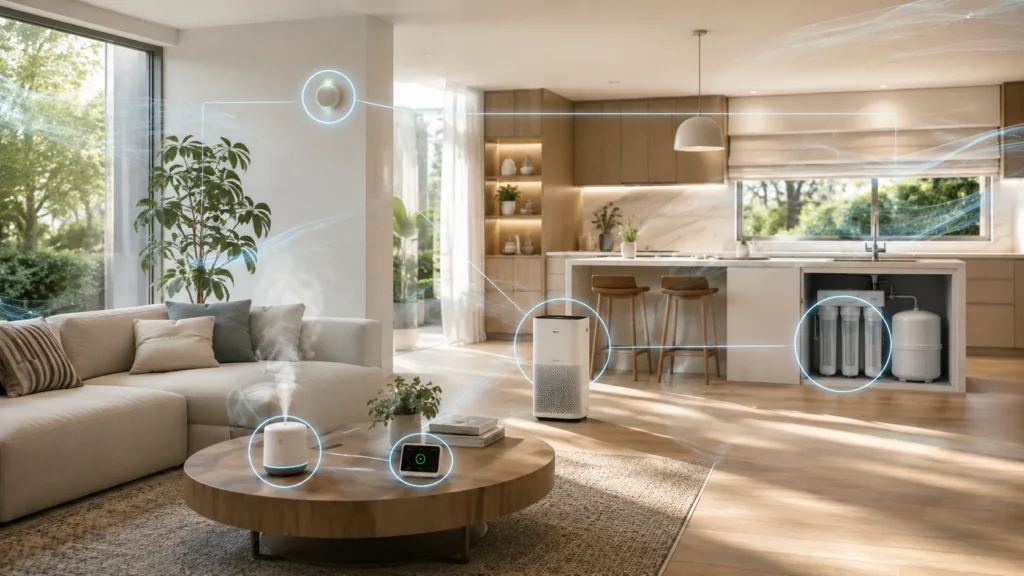
Modern living room and kitchen with smart home air quality devices including an air purifier, humidifier, and water filtration system, connected with visualized blue connectivity lines.

IFA 2026: Air Purification Is Becoming Part of the Healthy-Home Platform

Pre-IFA Industry Perspective | September 4, 2026 This article is based on official announcements and regulatory information available ahead of IFA 2026, which takes place ...
ニュース
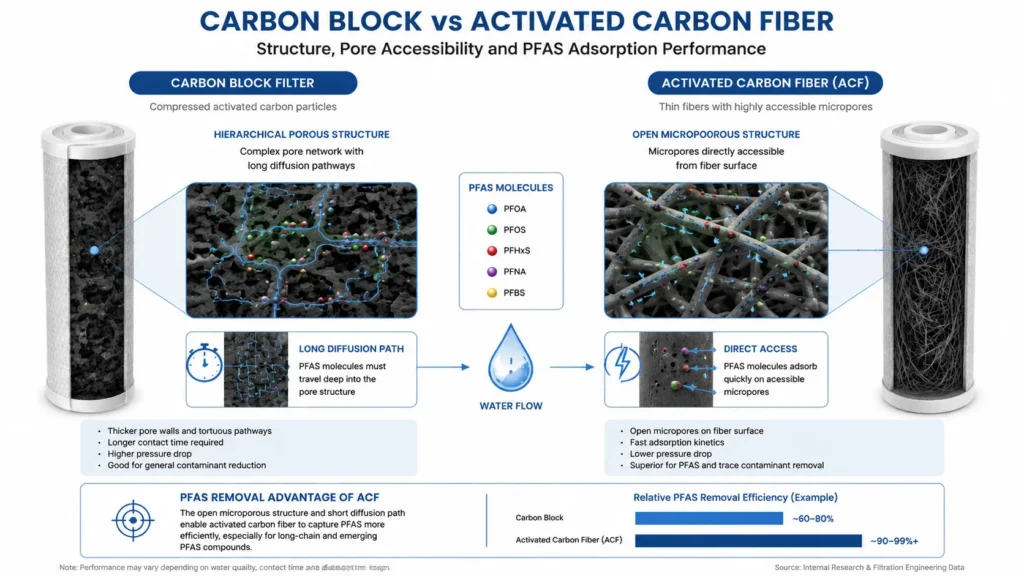
Comparison infographic showcasing the differences between carbon block filter and activated carbon fiber. Detailed diagrams illustrate the hierarchical porous structure of the carbon block with long diffusion paths and the open microporous structure of the activated carbon fiber with direct access for PFAS adsorption.

Carbon Block vs. Activated Carbon Fiber (ACF): Matching Media to Target Contaminants

Two carbon media. Same adsorption chemistry. Very different behaviour in a point-of-use cartridge. If you are specifying a water purifier platform for a PFAS-aware market, ...
ニュース
NSF base listing and ANF private-label certification pathway for OEM water filters

What Is an NSF Master Listing? A Guide to Base Listings, ANF Certification and OEM Water Filters

For a brand preparing to launch an OEM water purifier, one of the most common supplier claims is: “We already have an NSF master listing, ...
News, Water Purifiers
Healthy-home brand team reviewing PFAS water filter certification, test data and product engineering

Entering the Water Category Is Easy. Building a Credible PFAS Claim Is Much Harder

For air purification, appliance and healthy-home brands, entering the water category can look surprisingly easy. A company can select an existing undersink system, customize its ...
ニュース
Team in a business meeting discussing a water filtration system with product components and a comparison table displayed on a screen.

5 Leading OEM Water Purifier Manufacturers in China for Private Label Brands

China has thousands of companies selling water filters, reverse osmosis systems and drinking-water appliances. However, only a portion of them are suitable for private-label, OEM ...
ニュース
Contaminant Engineering•3 min read

PFAS Water Filtration Technologies Explained: Carbon, Resin & RO

Key Takeaway:

PFAS reduction depends on the specific compounds present, treatment media, contact time, water chemistry, and system design. Activated carbon, ion exchange, and Reverse Osmosis address PFAS through different mechanisms.

PFAS are a large family of persistent fluorinated compounds that can occur in drinking-water supplies. Their treatment behavior varies significantly by molecular structure, chain length, functional group, concentration, and the chemistry of the source water.

Granular Activated Carbon (GAC) removes PFAS primarily through adsorption. It is generally more effective for many longer-chain PFAS, while shorter-chain compounds tend to break through more quickly. Carbon performance depends on media properties, Empty Bed Contact Time (EBCT), competing organic matter, loading, and replacement frequency.

Ion-exchange resins use charged functional sites to capture many PFAS compounds. Properly selected anion-exchange media can provide high capacity and may perform better than conventional activated carbon for some shorter-chain PFAS, although performance still depends on water chemistry and competing ions.

Reverse Osmosis (RO) uses membrane separation rather than adsorption. Properly designed RO systems can provide broad reduction across many PFAS compounds as well as dissolved salts and other contaminants. Unlike carbon or resin, however, RO also produces a concentrate stream that must be managed.

No single technology should be selected from a PFAS label alone. System design should consider which PFAS compounds are present, their concentrations, required reduction targets, flow rate, media life, and the applicable third-party certification or validation requirements.

HisoAir Water Technical Series
Product Discovery•3 min read

How to Choose an Under-Sink Water Purifier for Modern Kitchens

Key Takeaway:

Match the treatment technology to your water quality first, then evaluate cabinet space, faucet configuration, flow rate, drain and power requirements, and filter replacement needs.

Choosing an under-sink water purifier starts with water chemistry. Carbon filtration is well suited to chlorine, taste, odor, and many organic contaminants, while Reverse Osmosis is more appropriate when dissolved salts, fluoride, nitrates, or broader dissolved contaminants need to be reduced.

For compact kitchens, tankless RO systems eliminate the conventional storage tank and can significantly reduce the space required under the sink. However, membrane capacity stated in GPD does not directly equal faucet flow. When comparing systems, check the actual dispensing flow rate, inlet-pressure requirement, recovery ratio, and whether a booster pump is required.

Installation architecture also matters. Many RO systems require a drain connection, electrical power, and either a dedicated drinking-water faucet or a compatible multi-function faucet. High-flow carbon systems can often connect directly to the existing cold-water line with a simpler installation, but pressure drop and available faucet flow should still be verified.

RO also removes much of the naturally occurring dissolved mineral content. Where taste or mineral balance is a priority, a post-RO remineralization stage can be added. Filter life should be evaluated by both rated capacity and local water quality rather than replacement time alone.

The right system is therefore not simply the smallest or highest-GPD model. It is the configuration that matches the target contaminants, available cabinet space, desired faucet setup, peak dispensing demand, and maintenance expectations.

HisoAir Water Technical Series
Water Quality•2 min read

What Does TDS Mean in Drinking Water? Measurement vs Contaminant Reality

Key Takeaway:

A TDS meter estimates the overall concentration of dissolved ionic substances from electrical conductivity. It cannot identify specific contaminants or determine whether water is chemically safe.

Total Dissolved Solids (TDS) refers to the combined concentration of dissolved substances in water. Most handheld TDS meters do not measure TDS directly. Instead, they measure electrical conductivity (EC) and convert that reading into an estimated parts-per-million (ppm) value.

This means a TDS reading can indicate how much dissolved ionic material is present, but not what that material actually is. Calcium, magnesium, sodium, nitrates, and other dissolved ions can all contribute to conductivity, yet a simple TDS meter cannot distinguish between them.

TDS meters are also not suitable for detecting trace contaminants such as PFAS, many VOCs, pesticides, pharmaceuticals, or disinfection byproducts. These substances may be present at concentrations far below the level needed to noticeably change electrical conductivity.

A low TDS reading therefore does not guarantee safe drinking water, and a higher TDS reading does not automatically indicate contamination. Water-treatment decisions should be based on laboratory testing for specific contaminants of concern rather than TDS alone.

HisoAir Water Technical Series
Technology Selection•2 min read

RO vs UF Water Filtration: Understanding Pore Sizes & Dissolved Minerals

Key Takeaway:

Ultrafiltration can reduce bacteria, turbidity, and suspended particles while retaining most naturally occurring dissolved minerals. Reverse Osmosis provides much broader reduction of dissolved salts and smaller contaminants.

Ultrafiltration (UF) typically uses hollow-fiber membranes with pore sizes in the approximate 0.01–0.1 micron range. These membranes physically retain turbidity, suspended solids, colloids, and many microorganisms while allowing dissolved minerals and salts to remain in the water.

Reverse Osmosis (RO) operates at a much finer separation level. Unlike UF, RO can substantially reduce dissolved ions such as sodium, calcium, fluoride, nitrates, and other contributors to total dissolved solids (TDS). This makes RO more suitable when dissolved-salt reduction is a primary treatment objective.

UF generally requires less system pressure and produces little or no continuous concentrate stream in many point-of-use configurations. RO typically requires greater pressure and produces a reject-water stream, but delivers broader contaminant reduction.

For water with acceptable TDS and mineral content, UF can be a simpler mineral-retaining treatment option. Where dissolved salts, fluoride, nitrates, or broader dissolved contaminants are a concern, RO is generally the more appropriate technology.

HisoAir Water Technical Series
Technology Selection•4 min read

Carbon Block vs Reverse Osmosis: Which Fits Your Need?

Key Takeaway:

Choose RO for dissolved inorganic salts and heavy metals; choose Carbon Block for chemical taste/odor, no wastewater, and high line-pressure flow.

Reverse Osmosis (RO) and Carbon Block filtration represent two fundamentally different treatment methods: membrane separation and adsorption. Understanding these differences helps determine which technology is better suited to a specific water-quality requirement.

Reverse Osmosis uses a semi-permeable membrane with pore sizes of approximately 0.0001 microns. It can significantly reduce dissolved inorganic contaminants such as TDS, fluoride, nitrates, and certain heavy metals. Because water must be forced through the membrane, RO systems require sufficient pressure or a booster pump and generate a concentrated wastewater stream.

Carbon Block filtration relies primarily on adsorption through compressed activated carbon, commonly with nominal pore sizes around 0.5–5 microns. It is highly effective for chlorine, chloramines, VOCs, taste, and odor, while allowing substantially higher direct-flow rates without producing wastewater.

From an operating perspective, Carbon Block systems are generally simpler, require less energy, and avoid the water loss associated with RO. RO involves higher system complexity and operating cost, but provides substantially broader reduction of dissolved contaminants that Carbon Block alone cannot address.

HisoAir Water Technical Series

見積依頼